Artwork
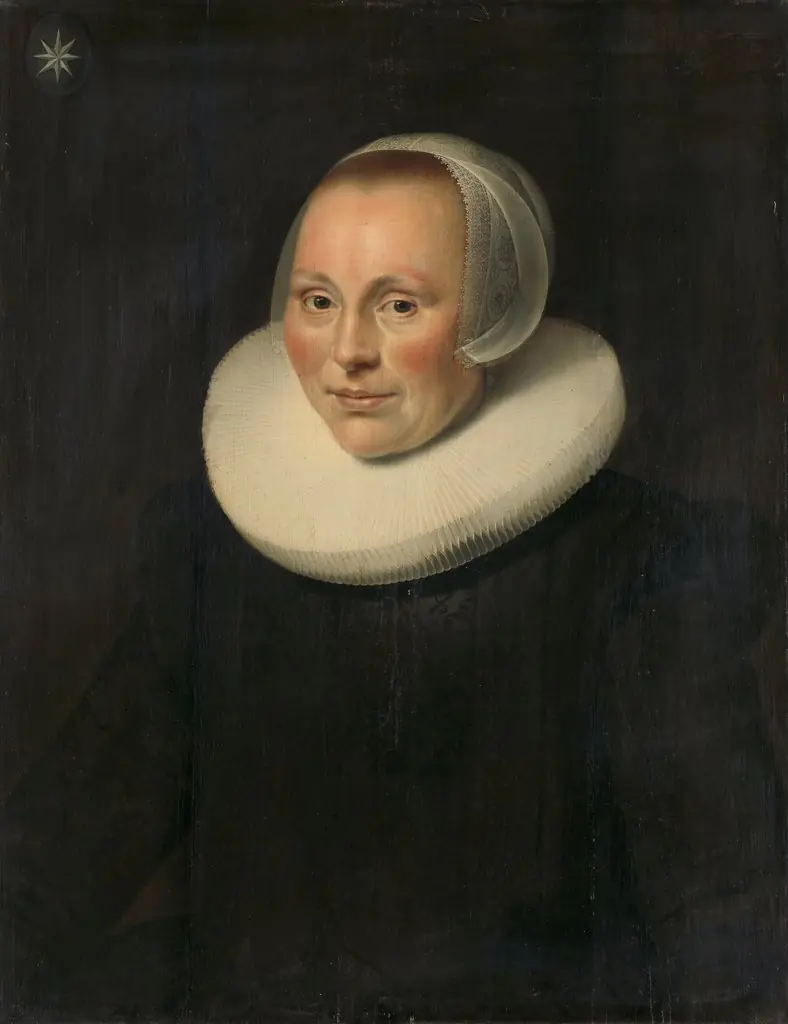
Portrait of Margriet Benningh (1565-1641)
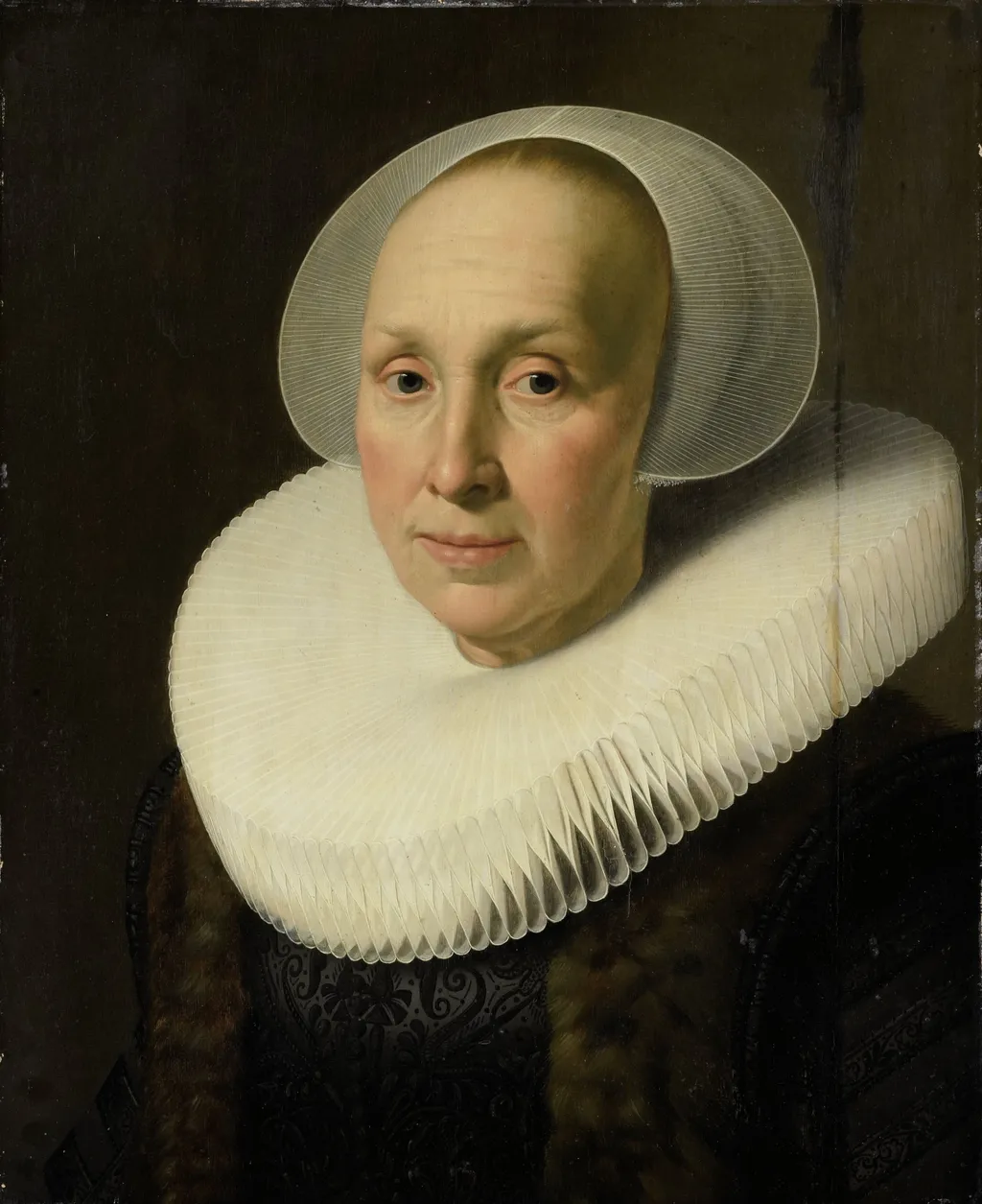
Portrait of Margriet Benningh (1565-1641) is an oil painting by the Dutch Golden Age artist Nicolaes Eliaszoon Pickenoy. It dates from 1634 and is held in the collection of the Rijksmuseum.
About this work
Technique & Style
As a formal portrait, the piece utilizes oil paint applied to a wooden support, a standard medium for Dutch Golden Age portraiture of this period.
Executed in 1634, this portrait by Nicolaes Eliaszoon Pickenoy is an oil painting on panel. The work measures 55.6 cm in height and 45.3 cm in width. As a formal portrait, the piece utilizes oil paint applied to a wooden support, a standard medium for Dutch Golden Age portraiture of this period.
The specific handling of the brushwork and the condition of the panel are not detailed in the available records, though the materials confirm its classification within the traditional painting genre of the era.
History & Provenance
Created in 1634, the oil-on-panel portrait of Margriet Benningh was executed by the Dutch artist Nicolaes Eliaszoon Pickenoy. The work measures 55.6 cm in height and 45.3 cm in width. Historical records indicate that the painting was later owned by Jacob R. H. Neervoort van de Poll. It is currently held in the collection of the Rijksmuseum.
Overview
Nicolaes Eliaszoon Pickenoy, a painter of Flemish descent active during the Dutch Golden Age, executed the oil portrait of Margriet Benningh (1565–1641) in 1634. The work exemplifies the period’s focus on individual likenesses and is part of the Rijksmuseum’s permanent collection.
Subject & Meaning
The canvas presents a middle‑aged woman with a smooth, rounded complexion and short brown hair concealed beneath a flat cap. She is dressed in a prominent white ruff that frames her face, and her expression combines composure with a faint, restrained smile, suggesting dignity and modest confidence.
Own this work as a print
Artist & collection
Artist
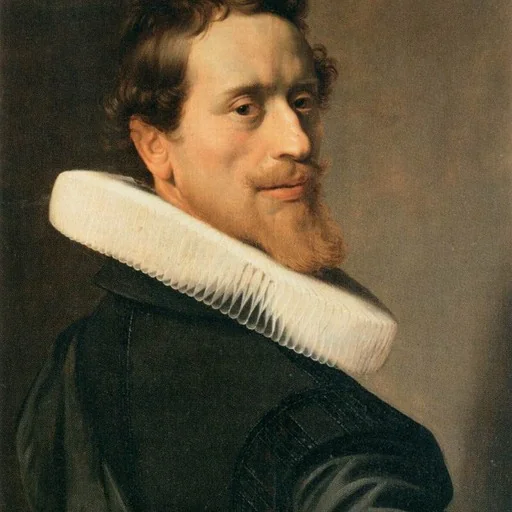
Nicolaes Eliaszoon Pickenoy (10 January 1588 – 1653/1656) was a Dutch painter of Flemish origin. Pickenoy was possibly a pupil of Cornelis van der Voort and presumably Bartholomeus van der Helst was his own pupil.

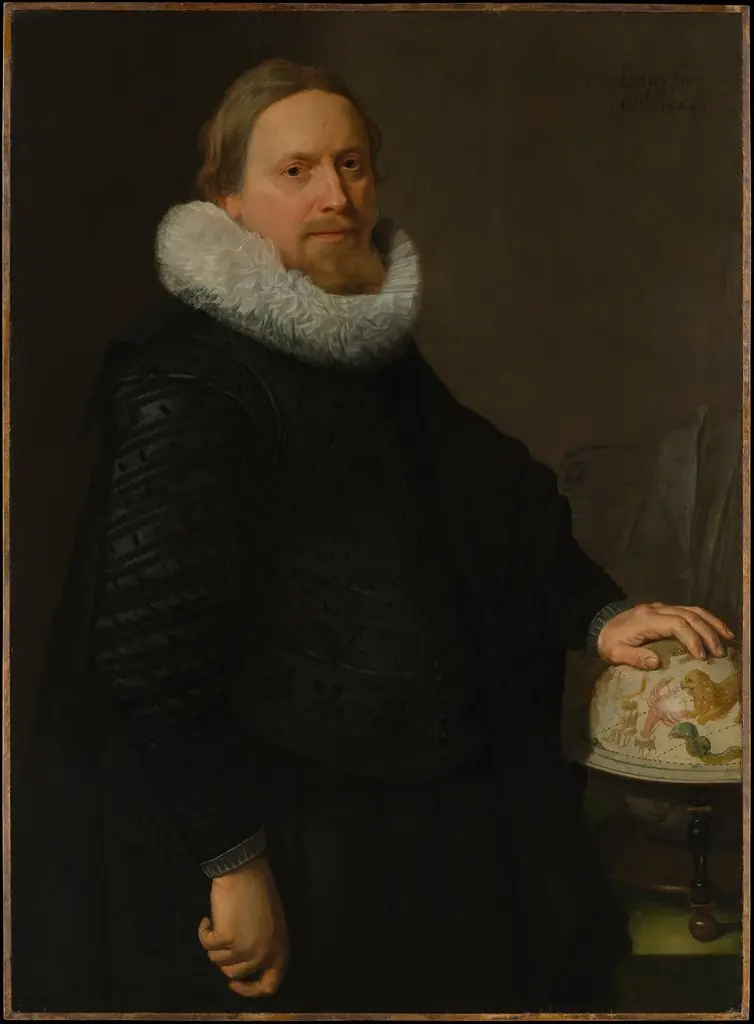 Man with a Celestial Globe
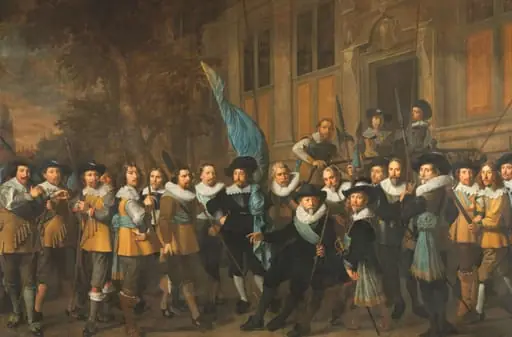 Officers and Other Civic Guardsmen of the IVth District of Amsterdam, under the Command of Captain Jan Claesz van Vlooswijck and Lieutenant Gerrit Hudde
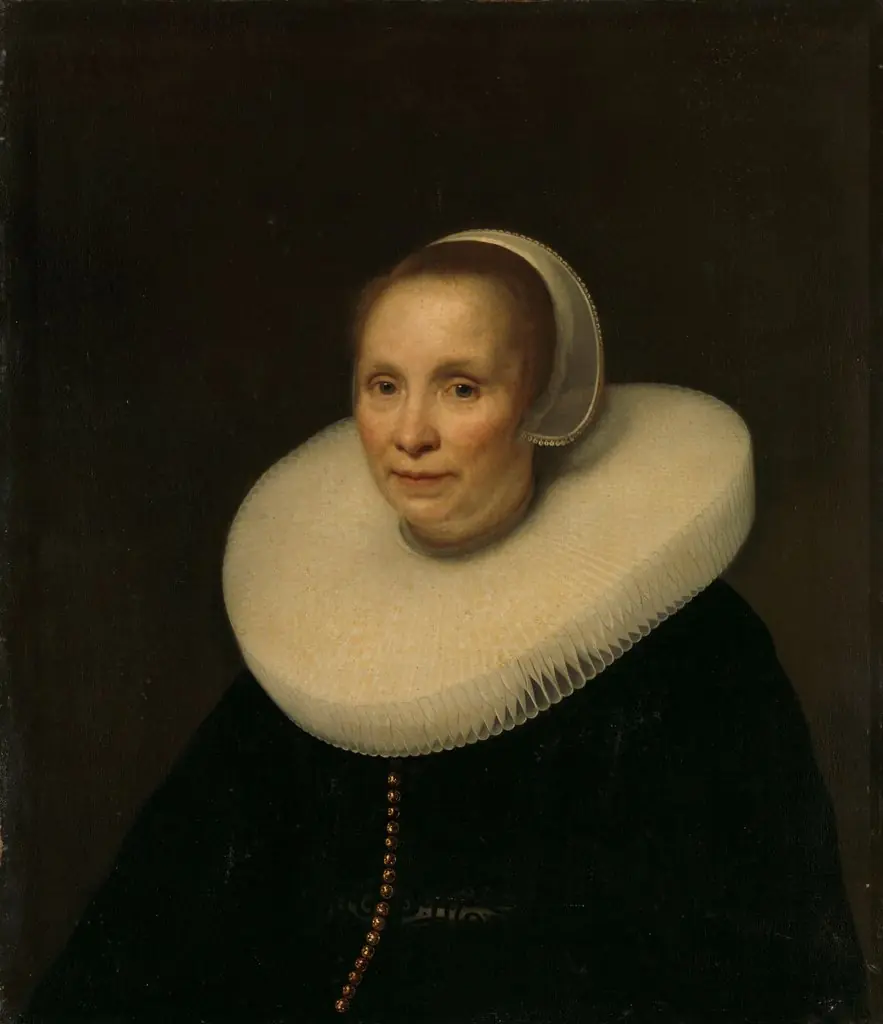
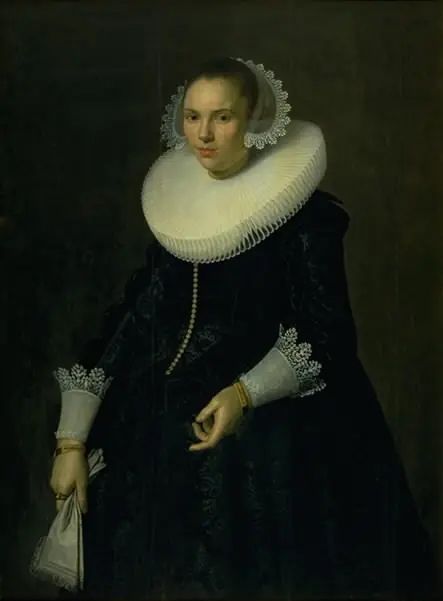 Portrait of a Lady
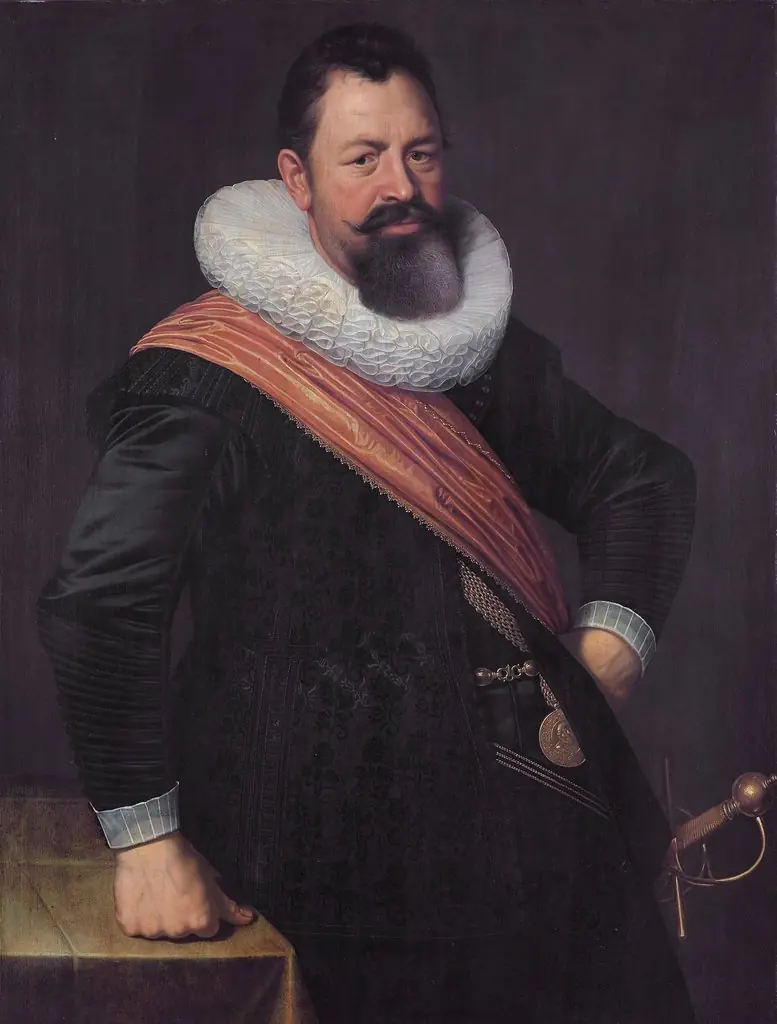 Portrait of Jochem Hendricksz Swartenhont (1566-1627)
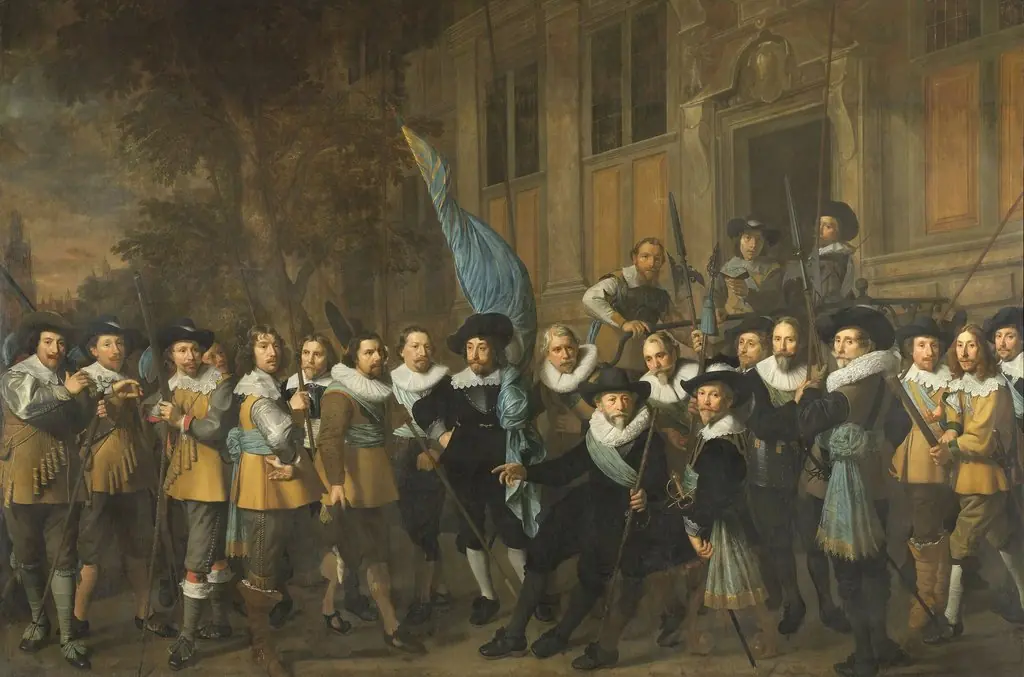 Officers and other civic guardsmen of the IVth District of Amsterdam, under the command of Captain Jan Claesz van Vlooswijck and Lieutenant Gerrit Hudde
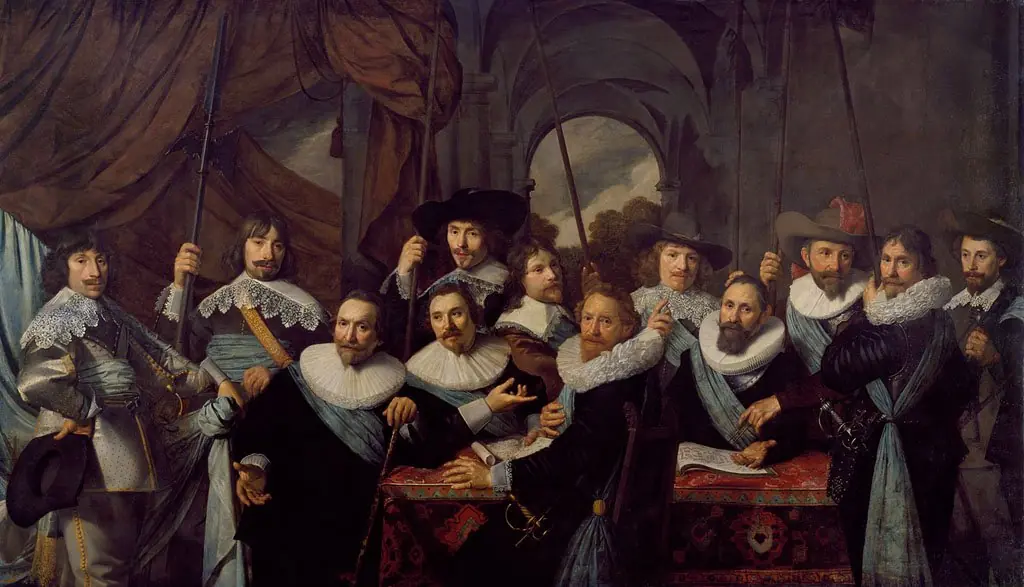 Members of the civic guard company of Captain Dirck Tholinx and Lieutenant Pieter Adriaenszn Raep
 Portrait of a Man
 Portrait of a man
- Portrait of a woman
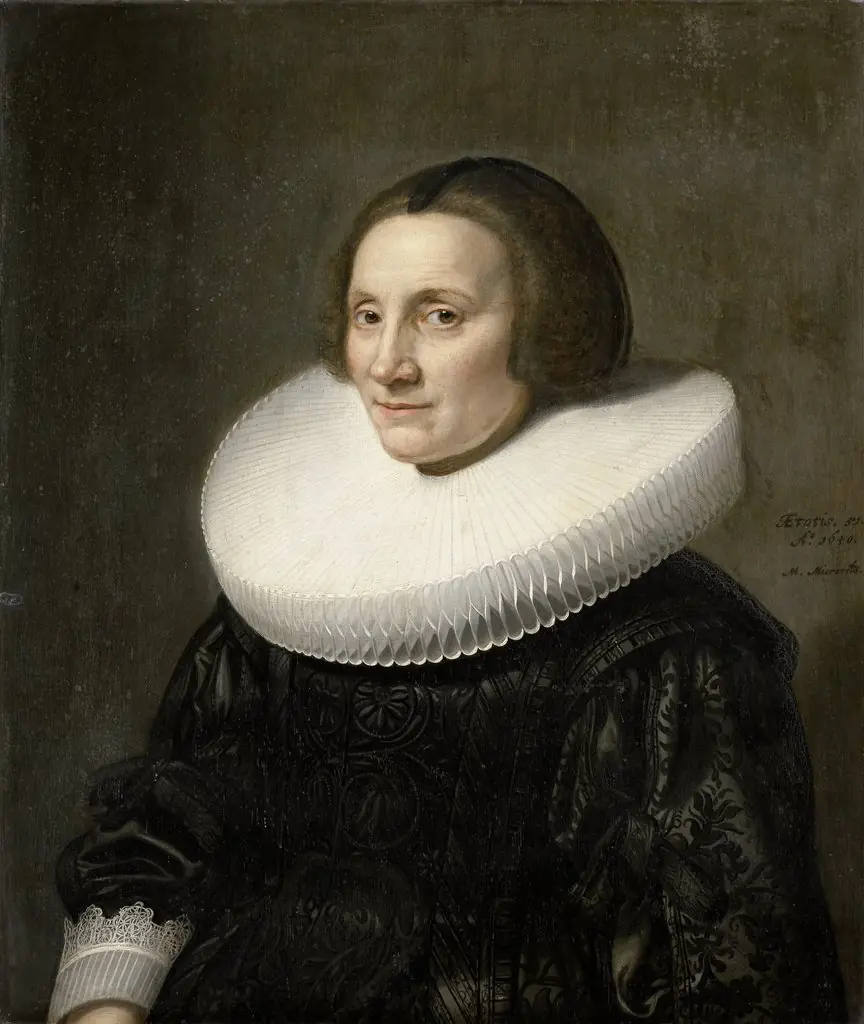 Portrait of Caecilia van Beresteyn (1589-1661)
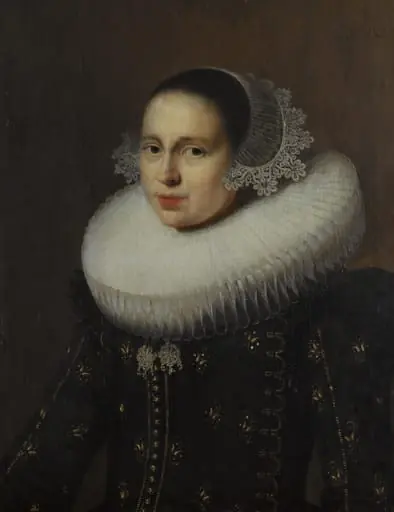 Portrait of Hendrickje Uylenburgh (1600-c. 1682)
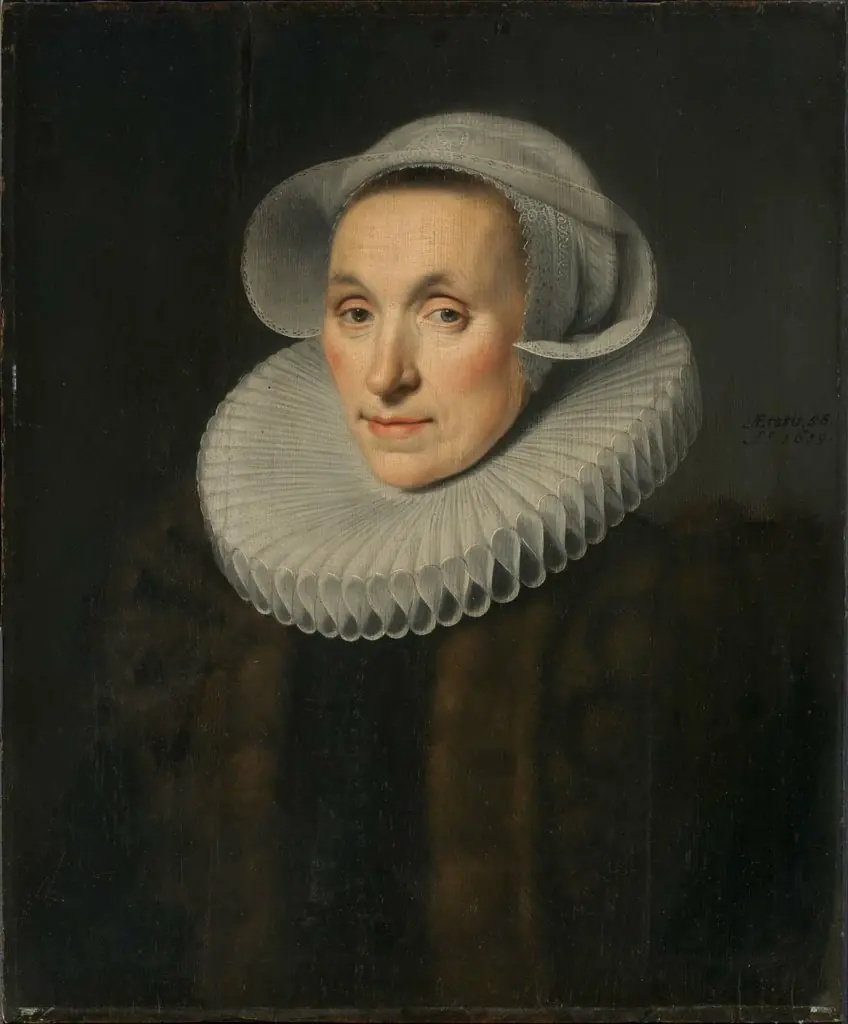 Sara van Bosschaert (version of 1/2-length portrait in the Prinsenhof, Delft)
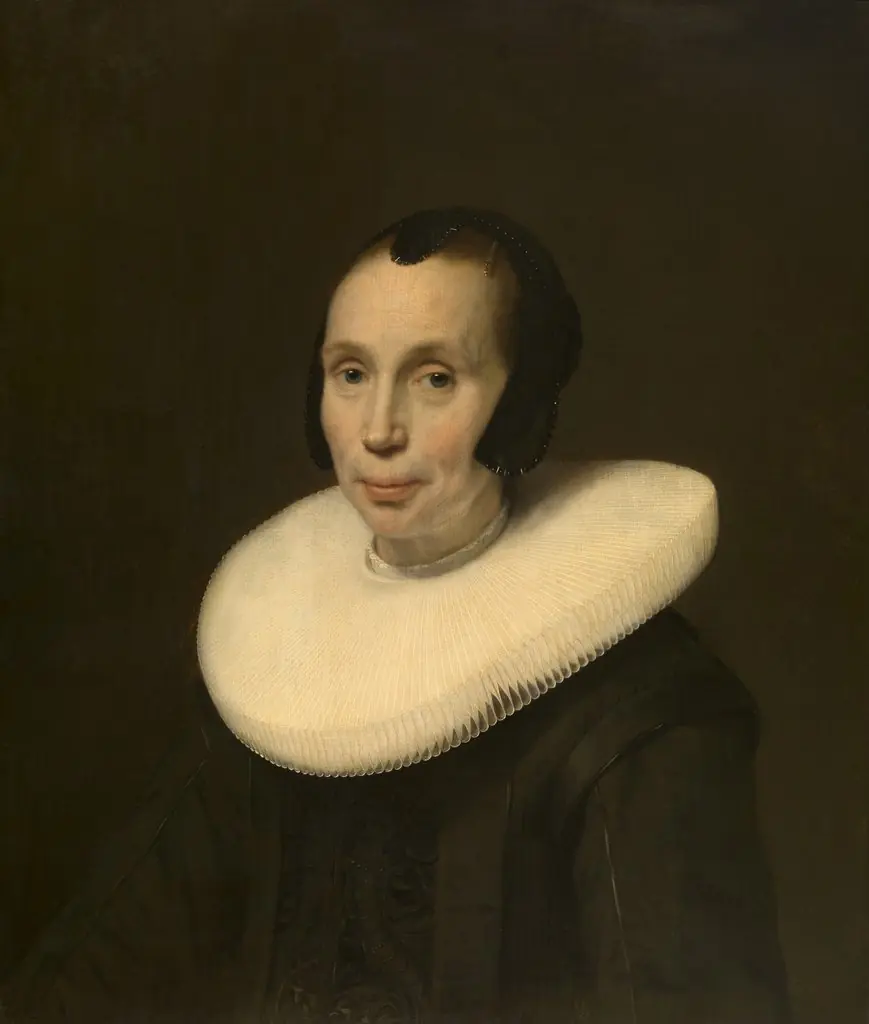 Portrait of a woman
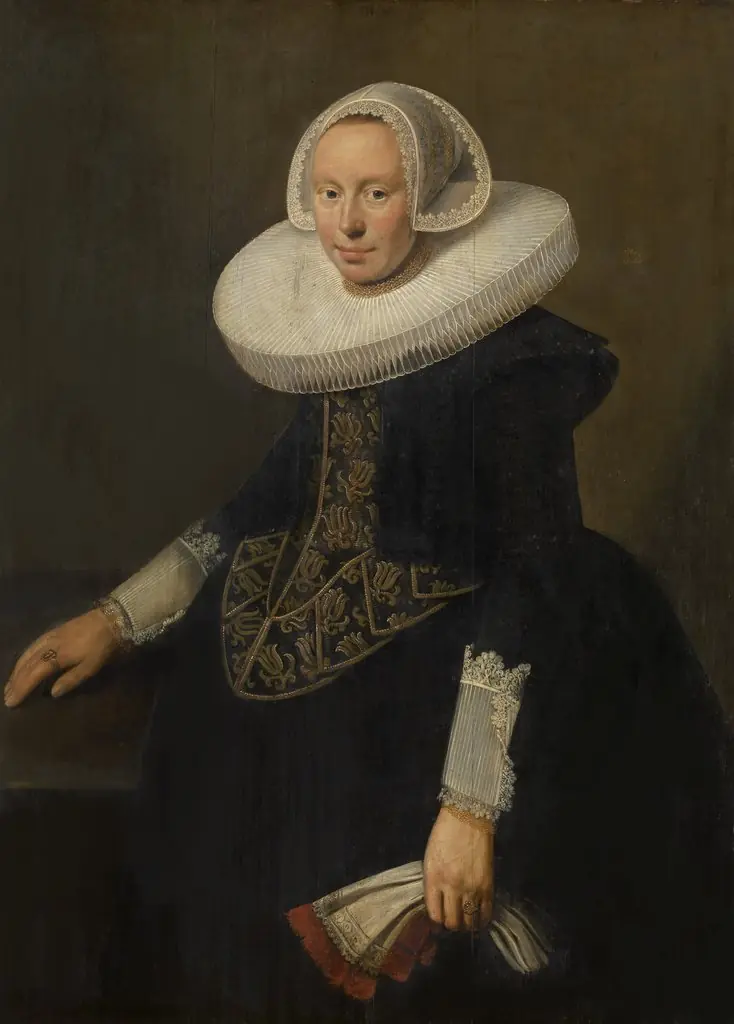 Portrait of a Woman
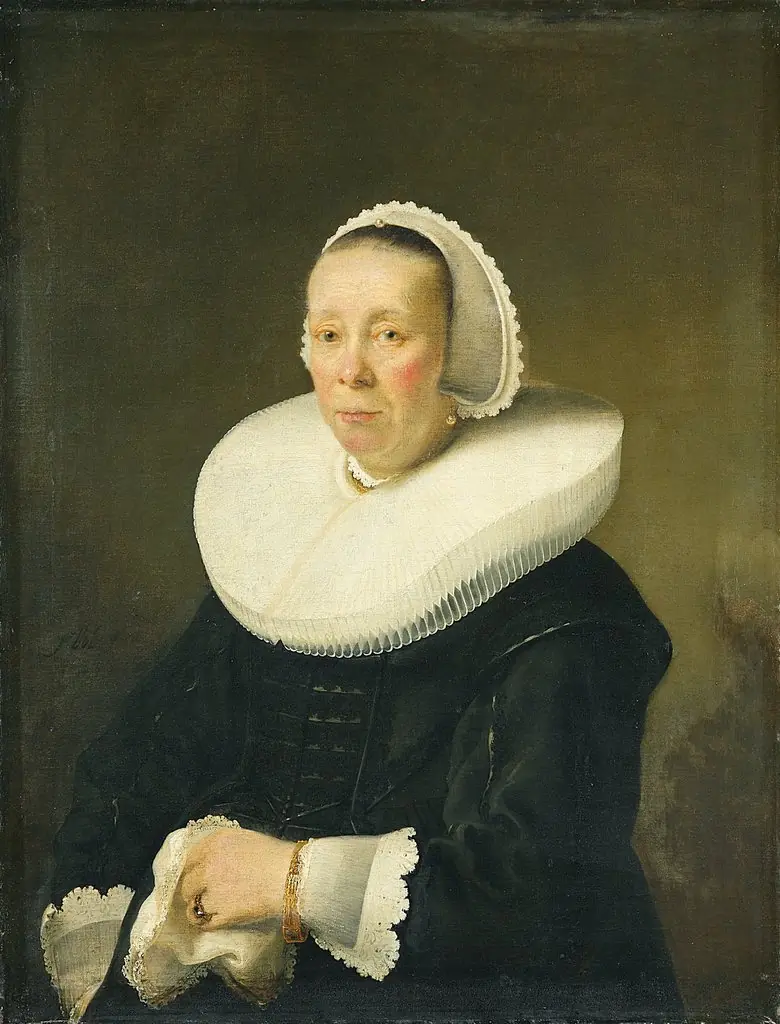 Portrait of an older Women
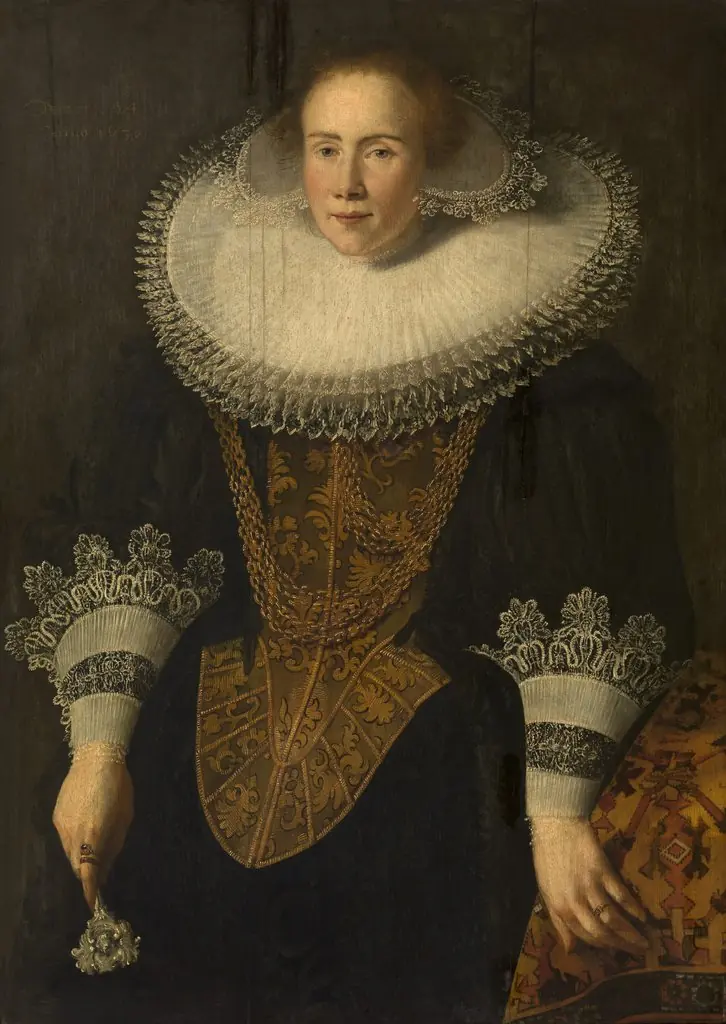 Portrait of a Woman
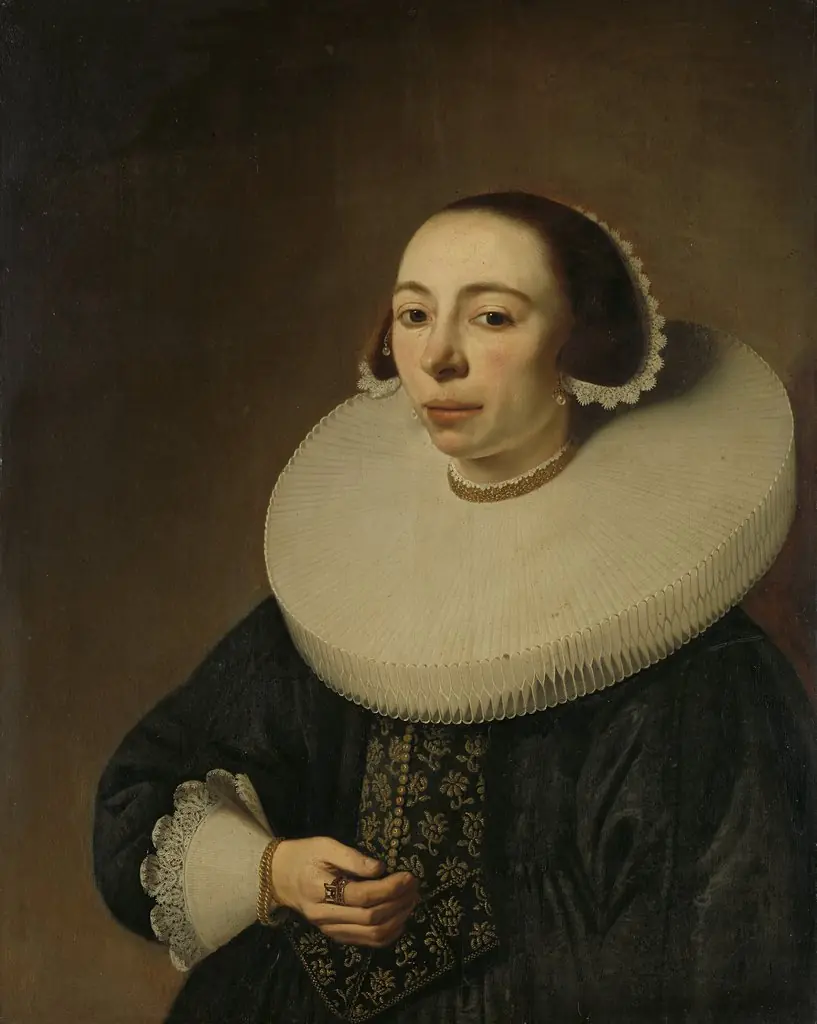 Portrait of a woman
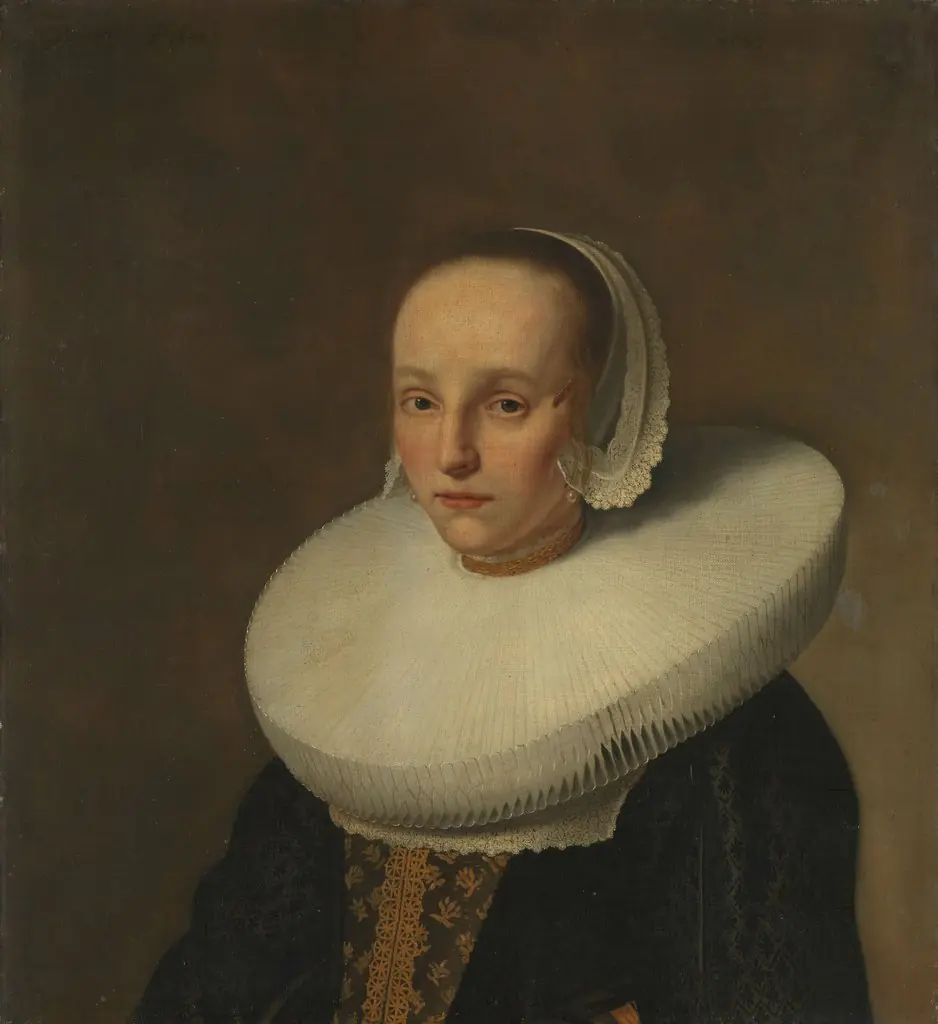 Anna van der Does (1609-50). Wife of Jan de Hooghe
 Portrait of a woman
 Portrait of Anna van der Aar