Artwork
Ceres in the House of Hecuba
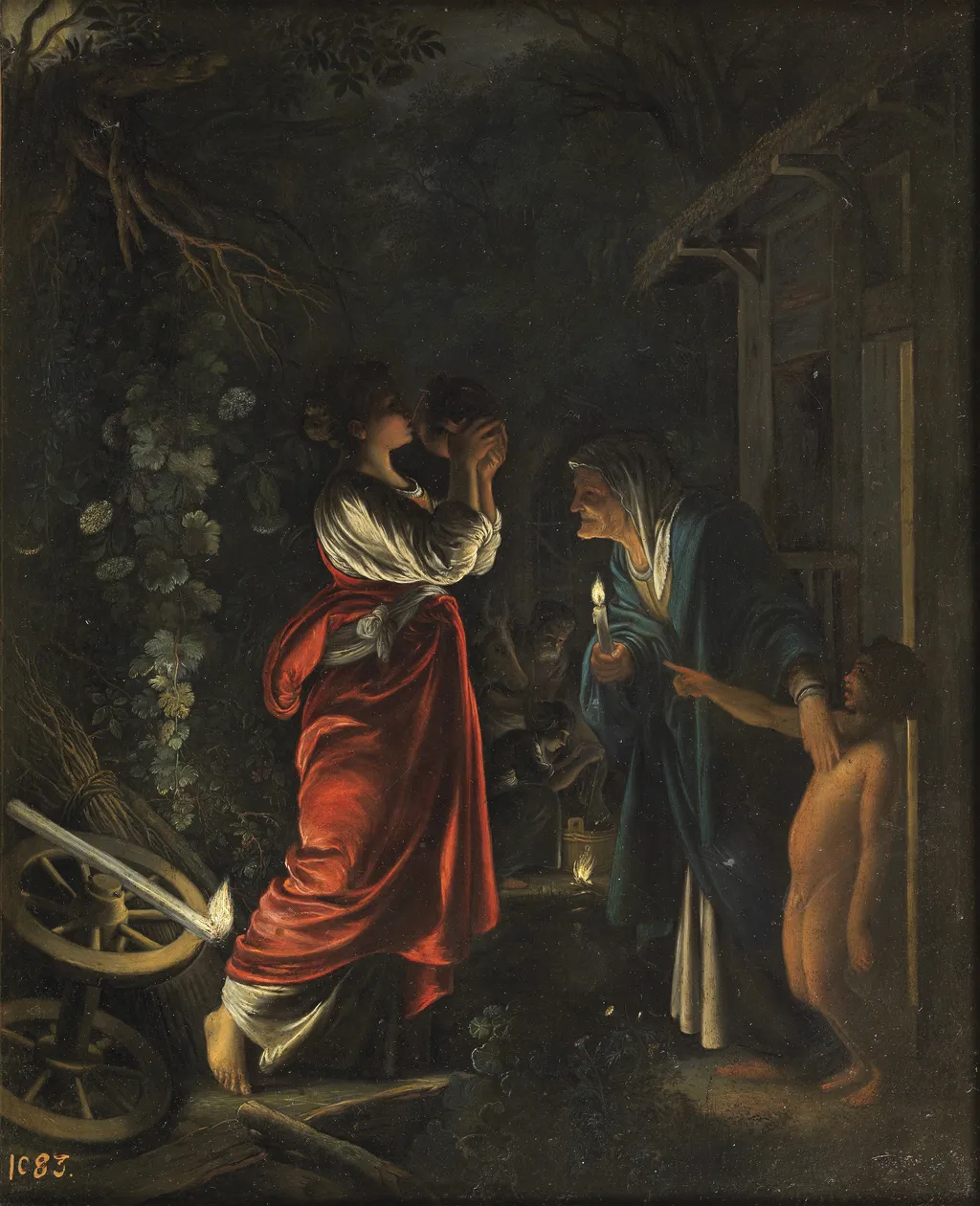
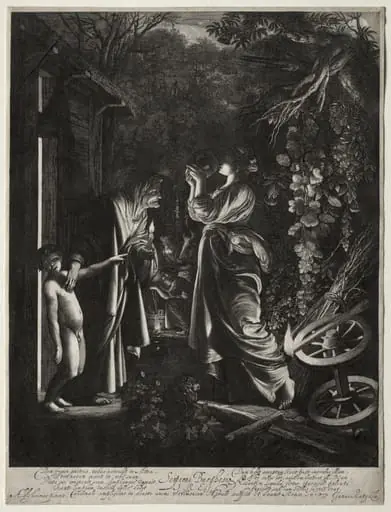
Ceres in the House of Hecuba is an oil painting by the Early Baroque Italian artist Adam Elsheimer. It dates from 1605 and is held in the collection of the Museo del Prado.
About this work
Subject & Meaning
This work functions as a mythological painting that visualizes the specific episode where the grieving goddess encounters the hospitality of Hecuba.
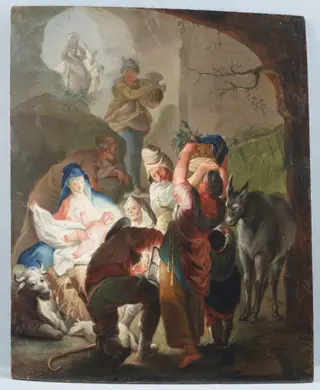
Adam Elsheimer's 1605 painting depicts the mythological scene of Ceres visiting the house of Hecuba, a narrative drawn from the story known as The Mocking of Ceres. The composition centers on the goddess Ceres, who is shown holding a candle, illuminating the dramatic moment within the household. This work functions as a mythological painting that visualizes the specific episode where the grieving goddess encounters the hospitality of Hecuba.
The inclusion of the candle serves as a key iconographic element, highlighting the nocturnal setting and the divine presence of Ceres amidst the mortal tragedy of the Trojan queen.
Technique & Style
The work is executed on a copper support using oil paint, a technique characteristic of early Baroque panel painting. The small format measures 30 cm by 25 cm and was created in 1605, reflecting the meticulous handling typical of panel paintings of the period. Its stylistic qualities include a tightly composed scene with dramatic chiaroscuro and a richly detailed mythological narrative.
History & Provenance
Adam Elsheimer painted Ceres in the House of Hecuba in 1605, creating an oil-on-copper work measuring 30 cm by 25 cm. The painting entered the collection of the Museo del Prado, where it remains on display. Its subject derives from The Mocking of Ceres, and the work is classified as a mythological painting.
Ceres in the House of Hecuba has been in the collection of the Museo del Prado in Madrid since at least its cataloguing as part of that institution's holdings. The painting, executed on copper in 1605, is held there alongside other works by Adam Elsheimer and his workshop. No specific inventory or accession number is recorded in the available documentation, and the sources do not detail any temporary loans or past exhibitions separate from its residence at the Prado.
Overview
Created in 1605, this small cabinet painting by Adam Elsheimer presents a nocturnal interior scene on a copper panel. The composition centers on a woman in a red robe drinking from a jug, an older woman in blue gesturing, and a nude male figure extending his arm, all illuminated by a single candle. The work reflects Elsheimer’s early‑Baroque interest in dramatic lighting and intimate mythological narratives.
Context
During the early 17th century, Elsheimer’s approach to light and narrative composition influenced contemporaries such as Caravaggio and later Dutch painters. His integration of mythological subject matter with a domestic, candlelit setting reflects the period’s fascination with merging classical themes and intimate, interior spaces.
Own this work as a print
Artist & collection
Artist
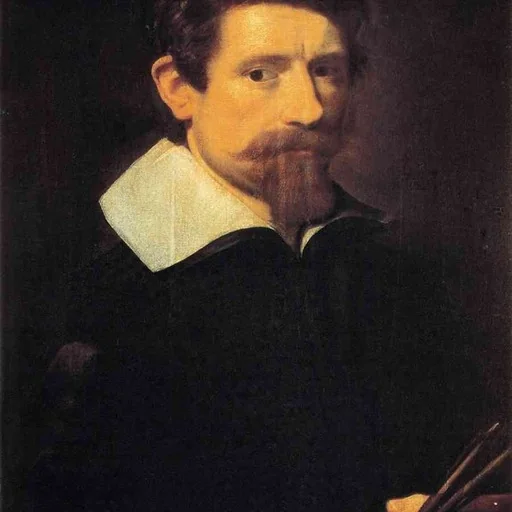
Adam Elsheimer (18 March 1578 – 11 December 1610) was a German Baroque painter who worked in Rome.