Artwork
Christ and the Disciples in Emmaus
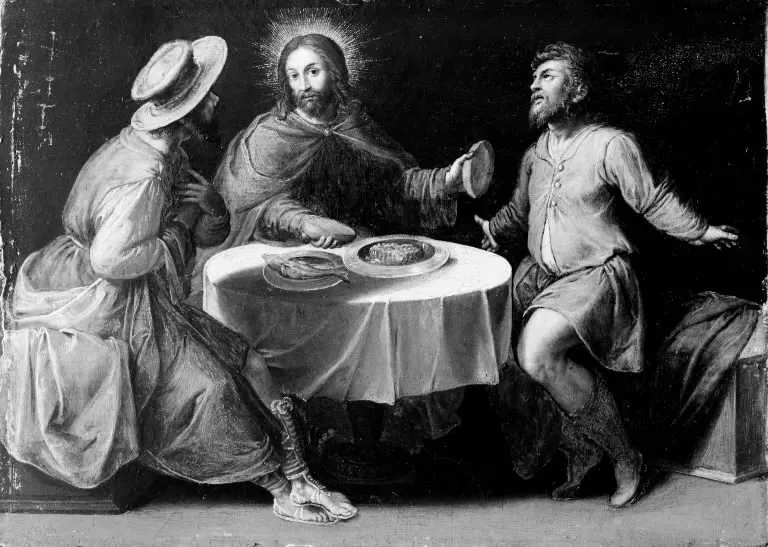
Christ and the Disciples in Emmaus is an unspecified painting by the Early Baroque Italian artist Adam Elsheimer. It dates from 1601 and is held in the collection of the Statens Museum for Kunst.
About this work
Subject & Meaning
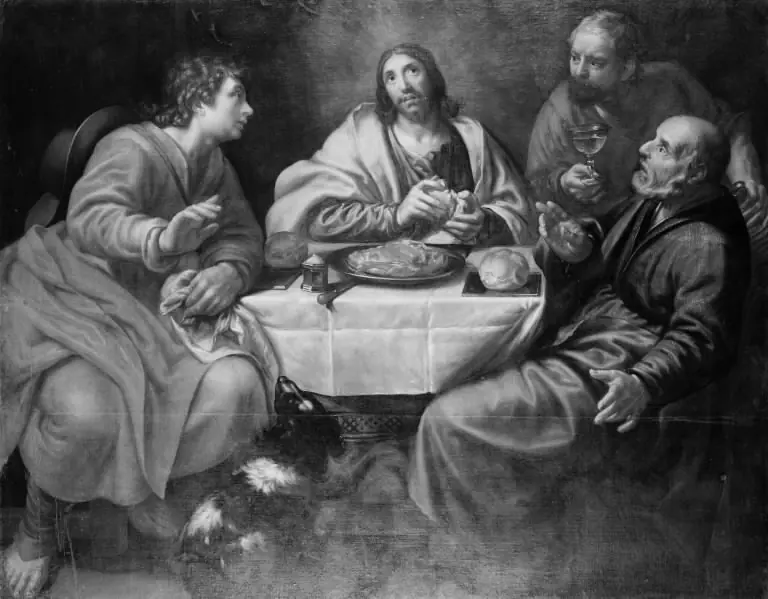
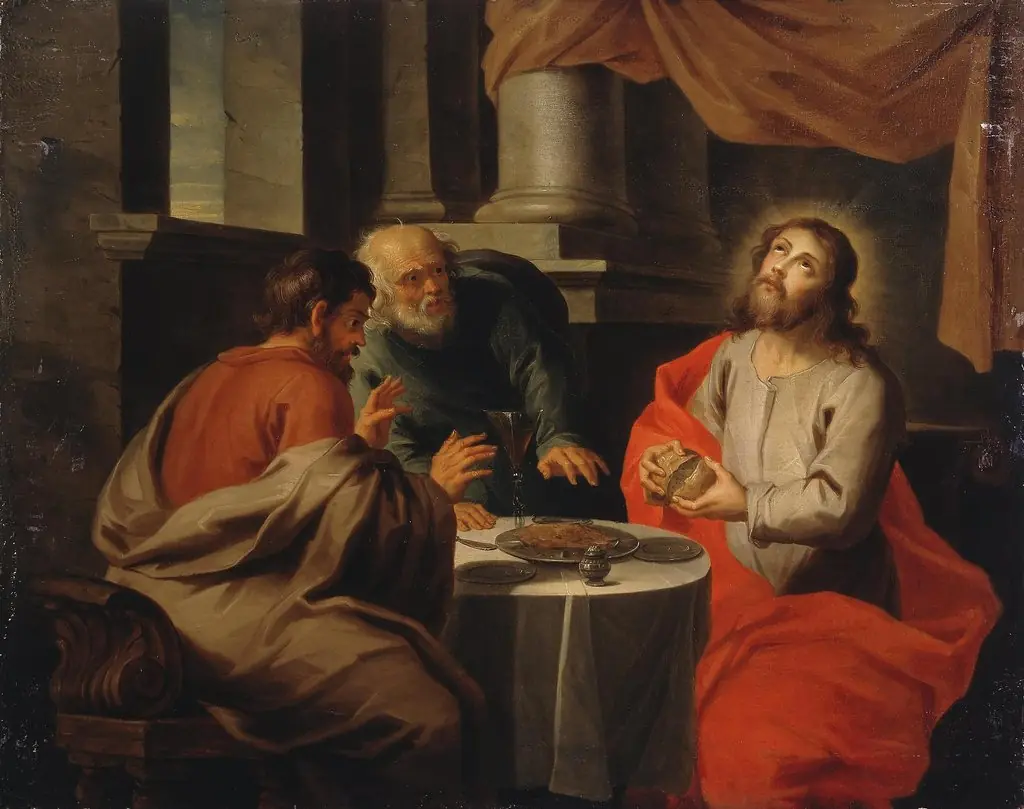
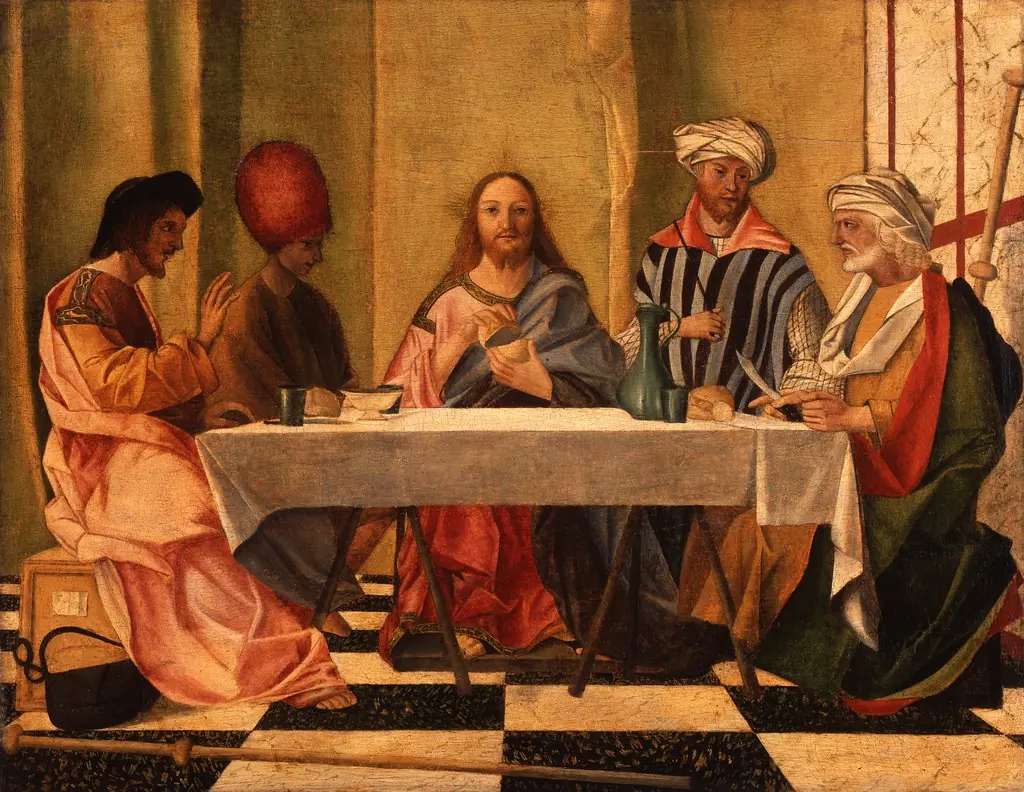
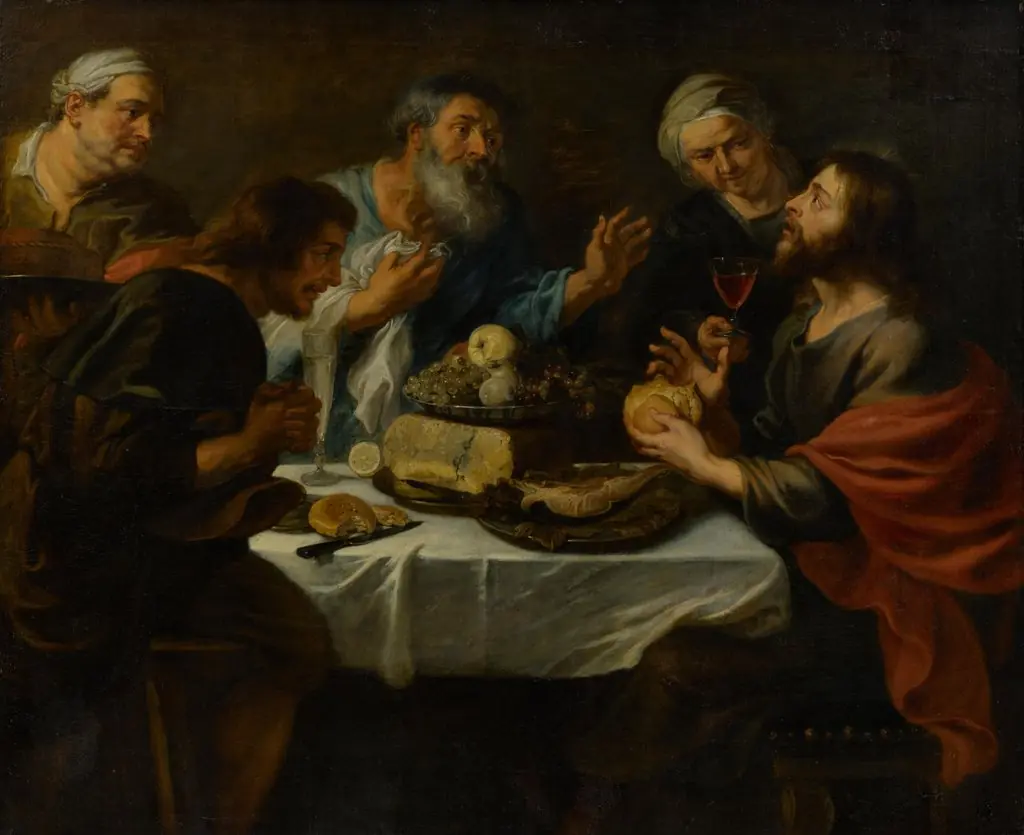
Visually, the composition arranges the divine figure alongside his companions around a table, grounding the religious event in a domestic setting.
Adam Elsheimer's 1601 painting depicts the biblical narrative known as the Supper at Emmaus. The work centers on the moment of recognition when Jesus Christ reveals his identity to a group of humans during a meal. Visually, the composition arranges the divine figure alongside his companions around a table, grounding the religious event in a domestic setting.
As a work of religious art, the piece illustrates the specific episode where the resurrected Christ is made known to his disciples through the breaking of bread.
History & Provenance
Adam Elsheimer painted Christ and the Disciples in Emmaus in 1601. The work, a religious painting on a large horizontal panel measuring 143 by 191 centimeters, entered the collection of the Statens Museum for Kunst in Denmark, where it remains held. No further details of commission, intermediate ownership, or earlier provenance are documented in the available sources.
The painting is catalogued as part of the museum's holdings, with no specific inventory or accession number recorded and no exhibition history noted.
Overview
Adam Elsheimer’s Christ and the Disciples in Emmaus (1601) is a compact oil painting executed on copper. The work measures only a few inches across, yet it captures a pivotal moment from the Gospel of Luke when the risen Christ reveals himself to two travelers during a modest meal. The painting belongs to the collection of the Statens Museum for Kunst in Copenhagen.
Technique & Style
Elsheimer employs a refined chiaroscuro, allowing a focused beam of light to illuminate the central figure while the surrounding figures recede into shadow. Executed on copper, the medium enhances the painting’s luminous quality and permits fine detailing of textures, from the white tablecloth to the subtle landscape glimpsed through a window, hallmarks of his meticulous approach.
Context
Created during the nascent Baroque period, the painting reflects the era’s shift toward dramatic lighting and intimate narrative moments. Elsheimer’s subtle handling of light and space anticipated later developments in Dutch and Flemish painting, and his copper works continued to be studied for their technical virtuosity and compositional clarity.
Artist & collection
Artist
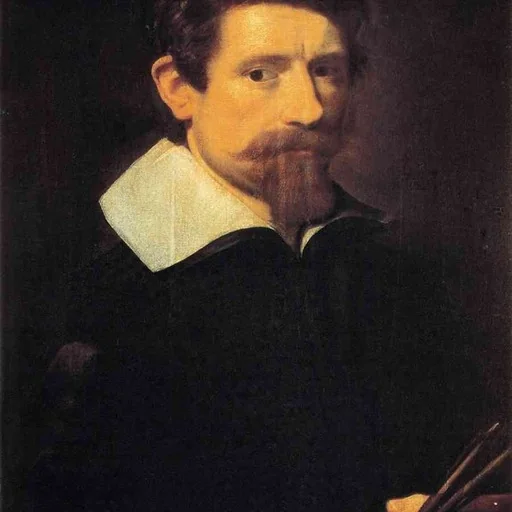
Adam Elsheimer (18 March 1578 – 11 December 1610) was a German Baroque painter who worked in Rome.