Artwork
George Washington
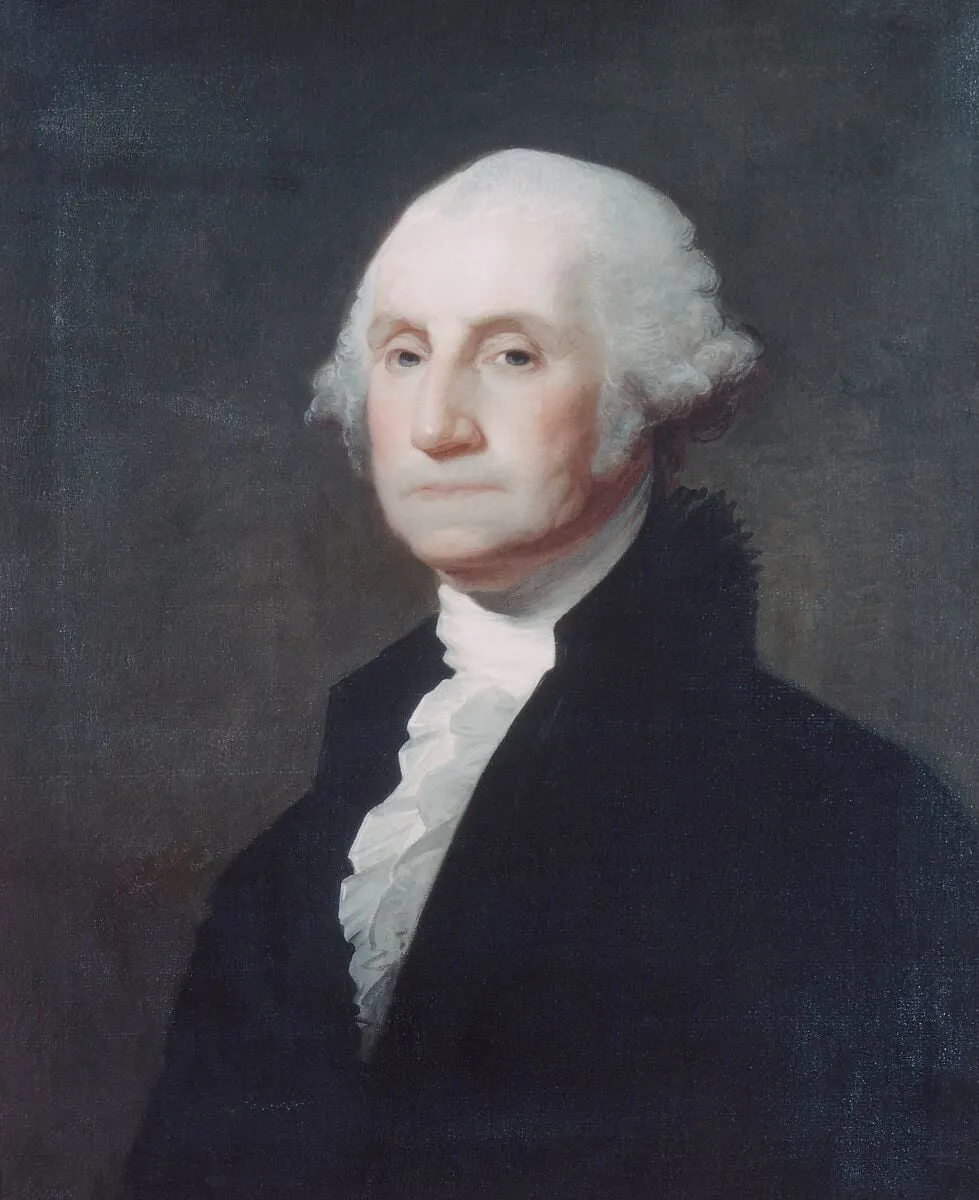
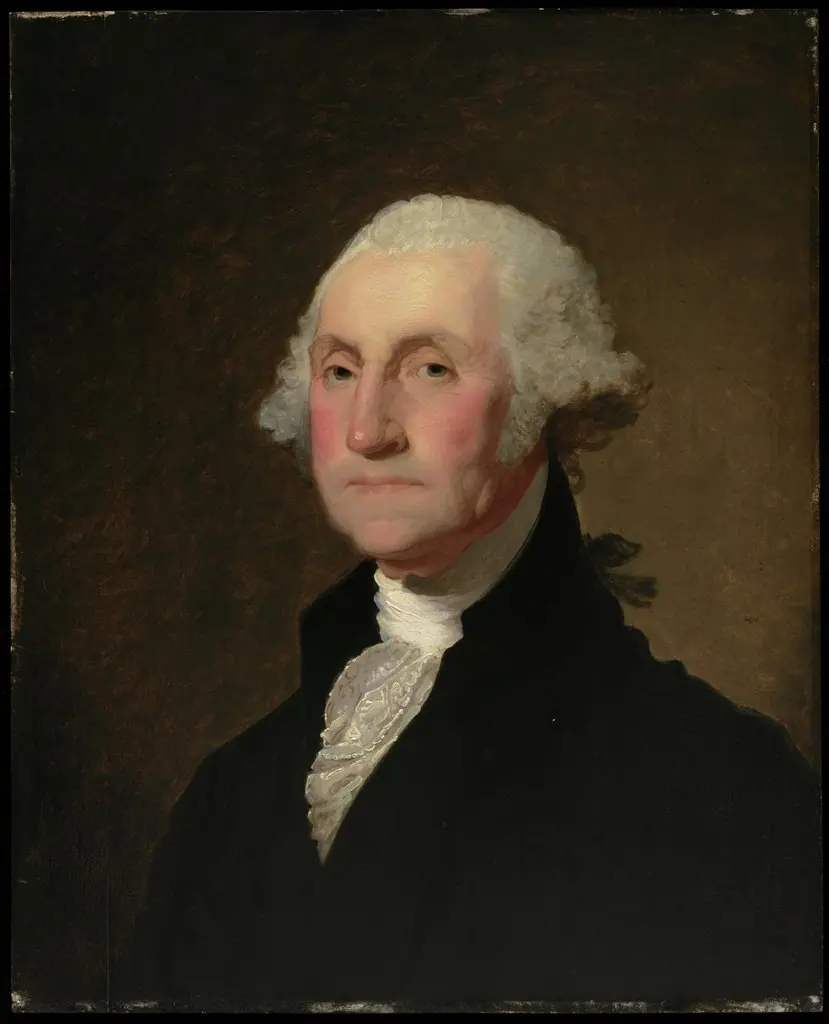
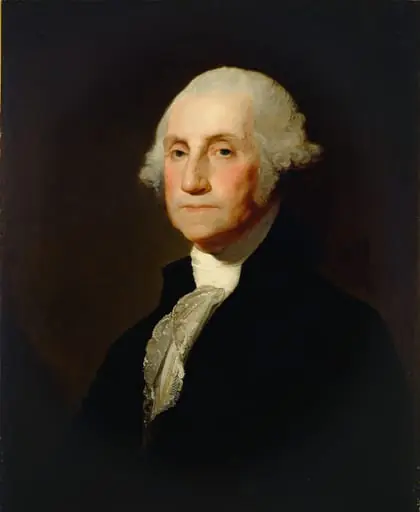
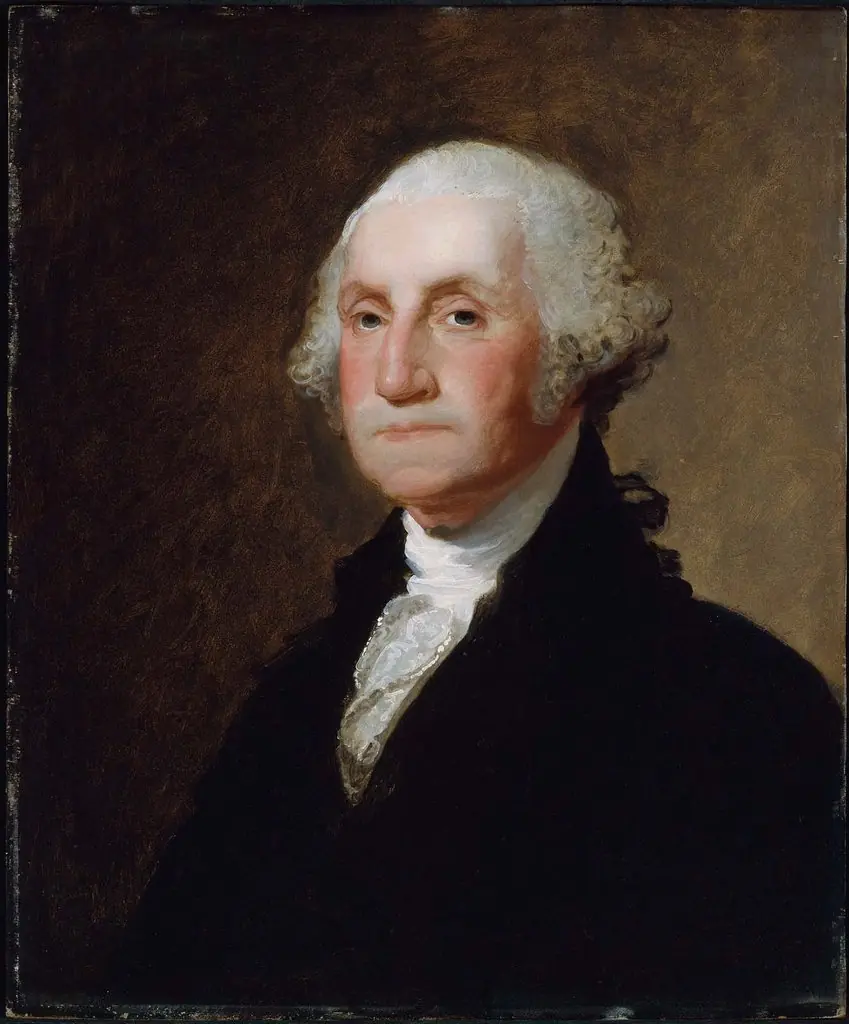
George Washington is an oil painting by the American Impressionist artist Gilbert Stuart. It dates from 1803 and is held in the collection of the Metropolitan Museum of Art.
About this work
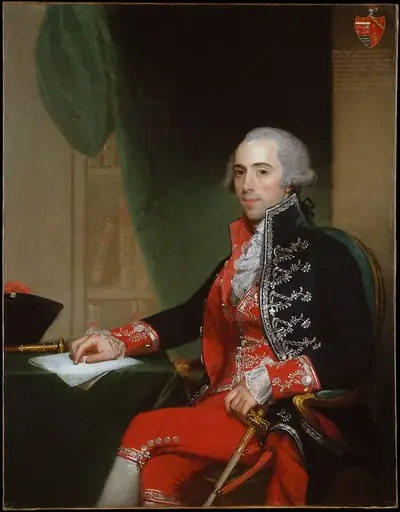
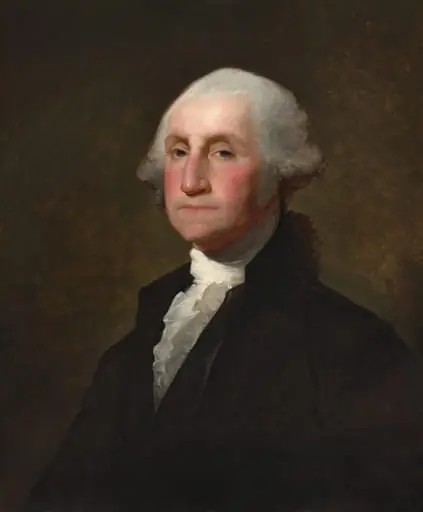
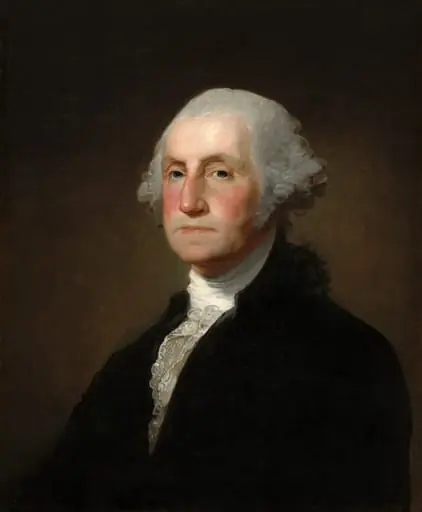
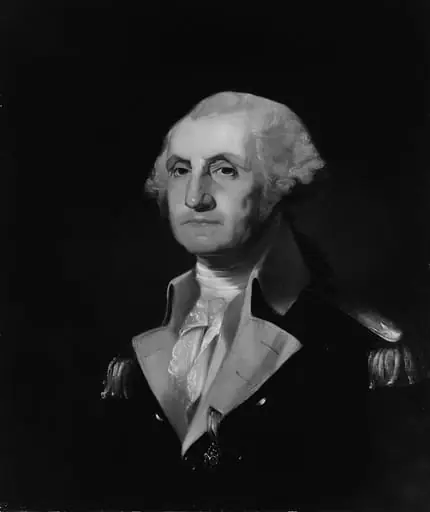
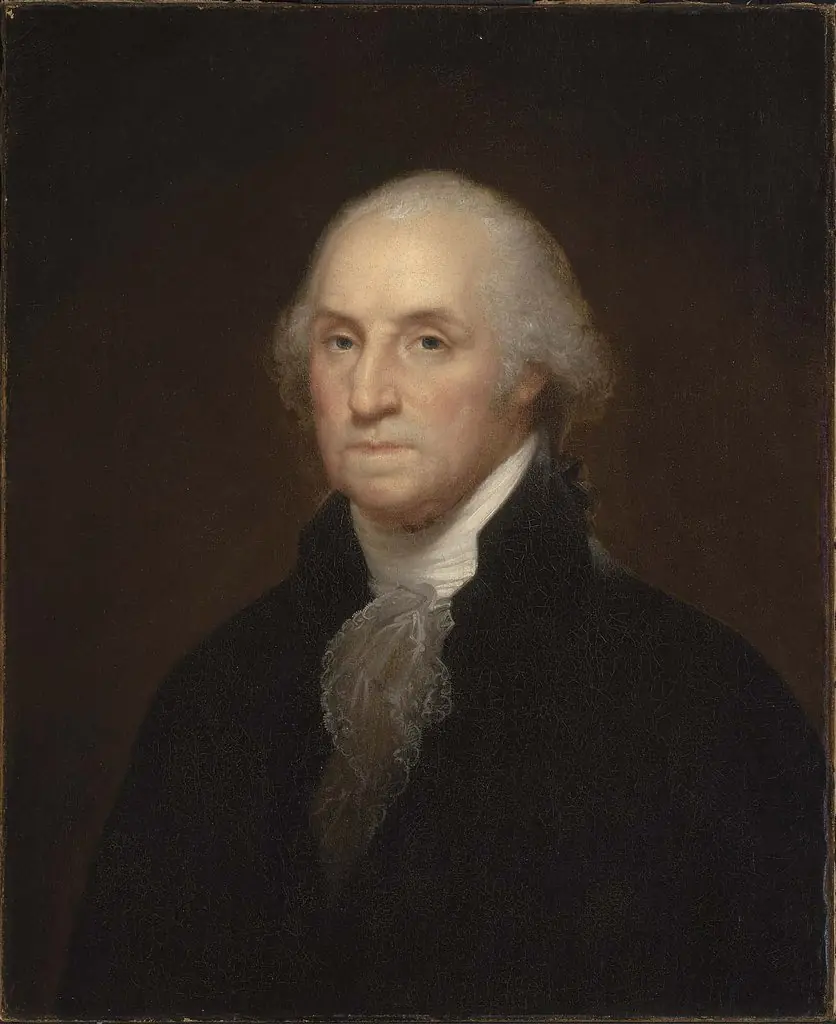
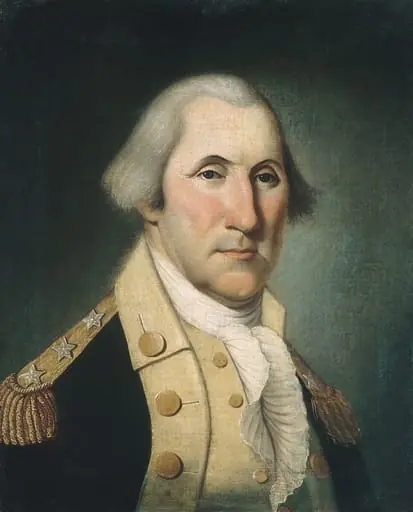
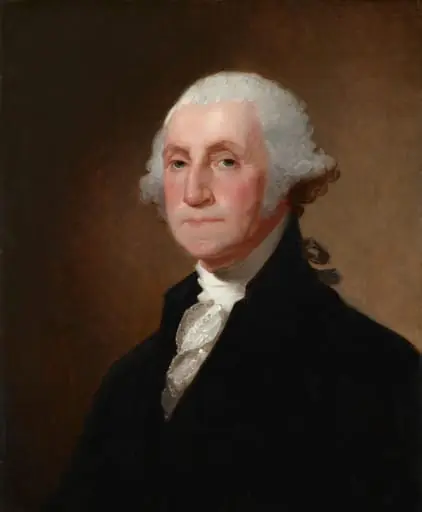
George Washington sits in a chair, dressed in a dark suit, his expression serious. Gilbert Stuart painted the 1803 portrait with close attention to detail, down to the folds in the cloth, and the steady realism gives a clear sense of how Washington looked.
Subject & Meaning
Its creation coincides with the Athenaeum Portrait, a reference point for many subsequent images of the first president.
Gilbert Stuart’s 1803 oil portrait, housed in The American Wing of the Metropolitan Museum of Art, presents George Washington as the central figure, identified in the catalog as a man and a portrait. The work, titled simply “George Washington,” follows the conventions of early American portraiture, emphasizing the sitter’s dignified posture and straightforward likeness. Its creation coincides with the Athenaeum Portrait, a reference point for many subsequent images of the first president.
As a painted representation within a museum’s decorative arts collection, the piece functions symbolically as an icon of leadership and national identity, embodying the visual language used to commemorate Washington’s role in the early Republic.
Technique & Style
Executed in oil on canvas, the portrait measures 74 by 61.3 centimeters and follows the conventions of early nineteenth-century American portraiture. The work is based on Gilbert Stuart's Athenaeum Portrait, the artist's most celebrated likeness of Washington, indicating a reliance on an established compositional and iconographic template rather than direct life study at this late stage. Stuart's handling reflects his characteristic painterly approach, with fluid brushwork and a restrained palette suited to formal state portraiture.
The painting is held in the collection of the Metropolitan Museum of Art's American Wing, consistent with its status as a canonical example of Stuart's mature Washington imagery.
History & Provenance
Gilbert Stuart painted the portrait of George Washington in 1803 as a replica of the Athenaeum Portrait, intending it for display at the Athenaeum. The work, executed in oil on canvas, measures approximately 74 × 61.3 cm and was created to capture the likeness of the first president. Following its completion, the painting entered the collection of the Metropolitan Museum of Art, where it has been catalogued under The American Wing and classified as a portrait.
Its provenance traces from the artist’s studio to the museum’s acquisition, establishing the Met as the current owner. Documentation confirms the work’s date, medium, and subject, linking it to Stuart’s broader portraiture of Washington.
Context
The 1803 oil portrait of George Washington by Gilbert Stuart measures 74 × 61.3 cm and exemplifies the artist’s skill in rendering presidential likeness with restrained realism. As a cornerstone of the Metropolitan Museum of Art’s American Wing, the work functions as a visual prototype for countless reproductions, notably the Athenaeum Portrait that cemented Washington’s iconic image. Its inclusion in the museum’s portrait genre underscores its role as a benchmark for early American political iconography and illustrates Stuart’s influence on subsequent generations of portraitists. The painting’s provenance, dimensions, and material details are documented in both the museum’s catalogue and Wikidata records.
Legacy
The 1803 portrait by Gilbert Stuart quickly established itself as the definitive visual model for George Washington, shaping subsequent artistic depictions and public imagery; its frequent reproduction on seals, banknotes, and textbooks amplified a canonical representation that persists in contemporary culture. As a cornerstone work within The American Wing, the painting’s status in a major museum has reinforced its scholarly importance and contributed to the enduring legacy of Washington as a national symbol. The work’s influence derives from its role as the basis for the Athenaeum Portrait and its subsequent dissemination, cementing a lasting iconography that continues to inform both academic study and popular perception.
Overview
This oil on canvas portrait, created around 1803 by American artist Gilbert Stuart, depicts George Washington. Stuart, a prominent figure in early American art, was known for his ability to capture the likeness of his subjects. The painting presents a realistic and detailed representation of the nation's first president, seated and formally dressed, conveying a sense of his public persona.
Artist & collection

Artist
Gilbert Stuart (né Stewart; December 3, 1755 – July 9, 1828) was an American painter born in the Rhode Island Colony who is widely considered one of America's foremost portraitists.