Artwork
George Washington
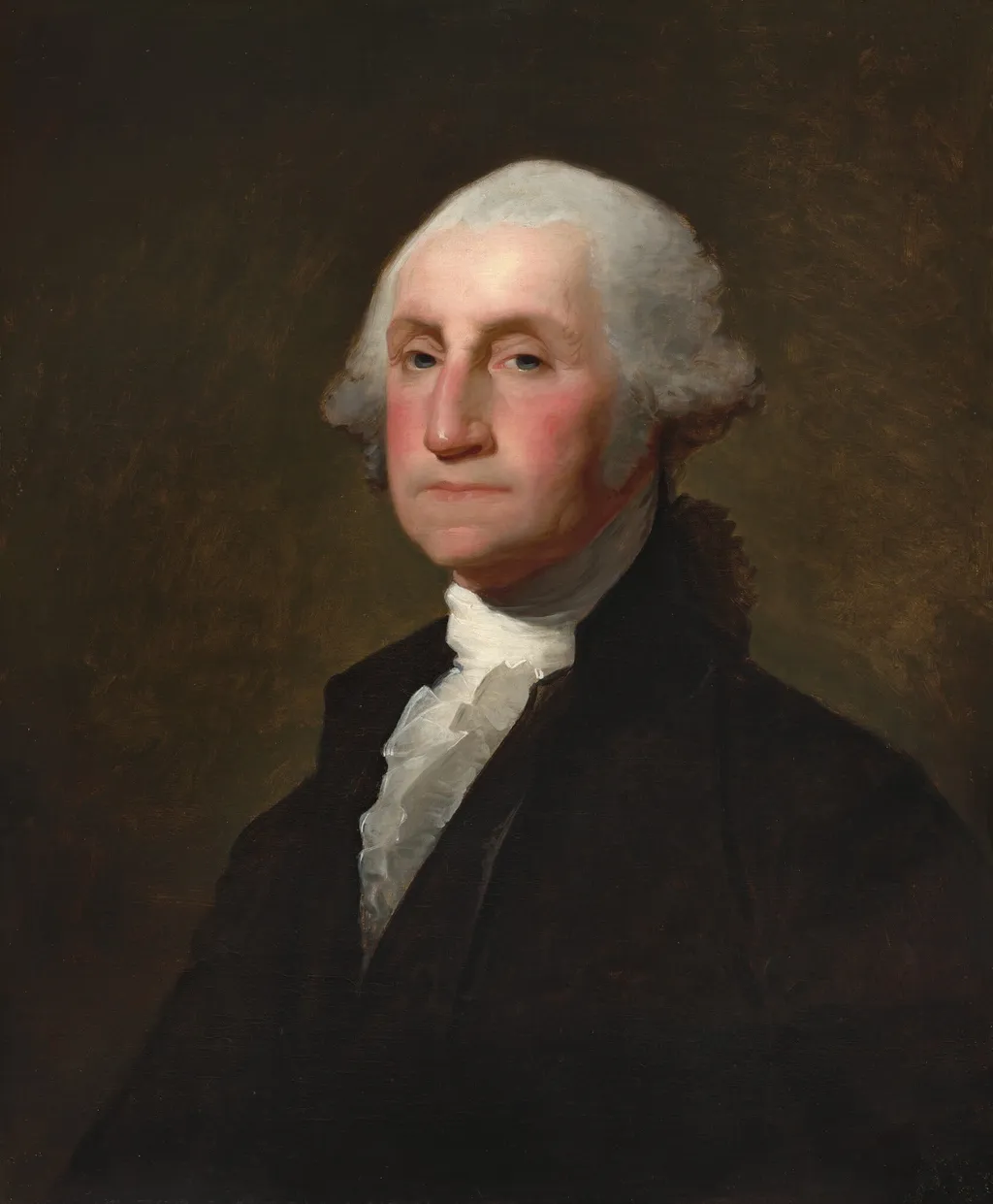
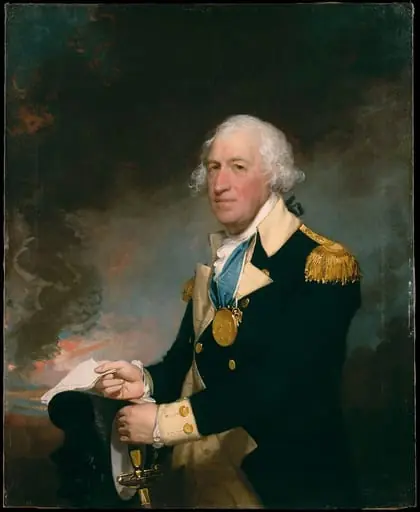
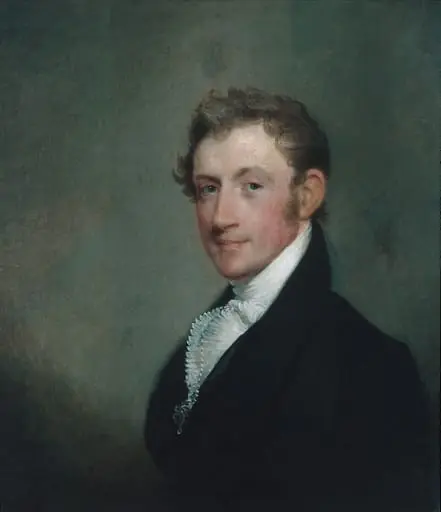
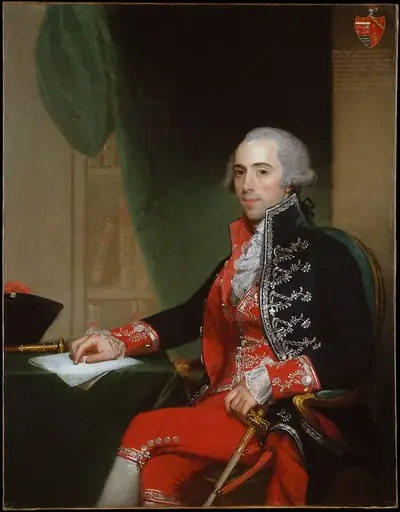
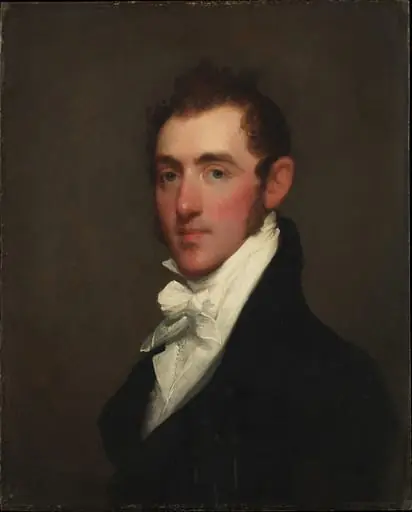
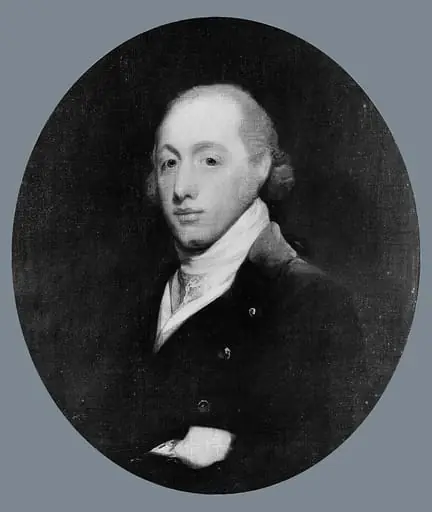
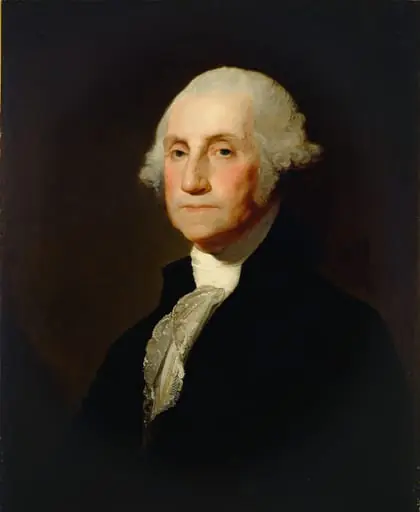
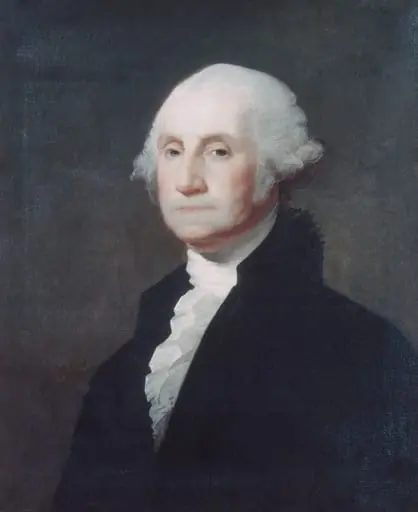
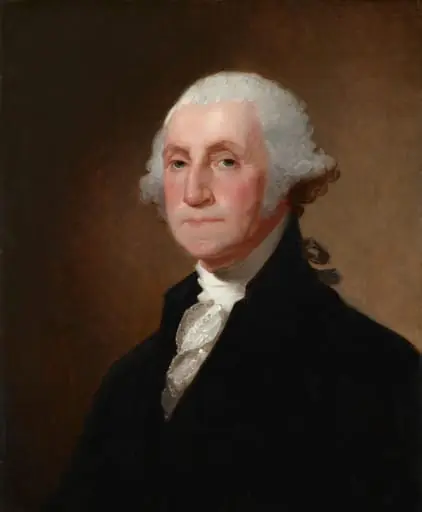
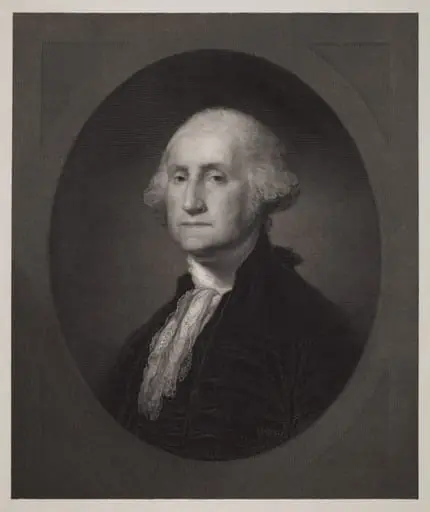
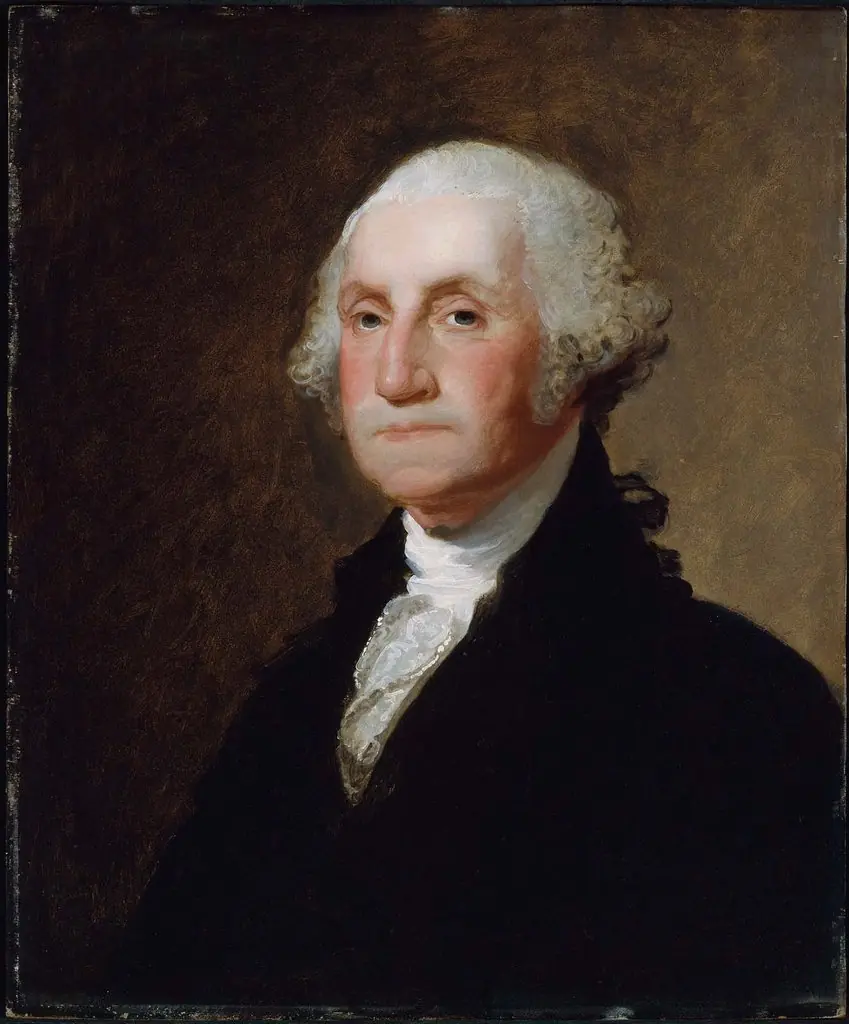
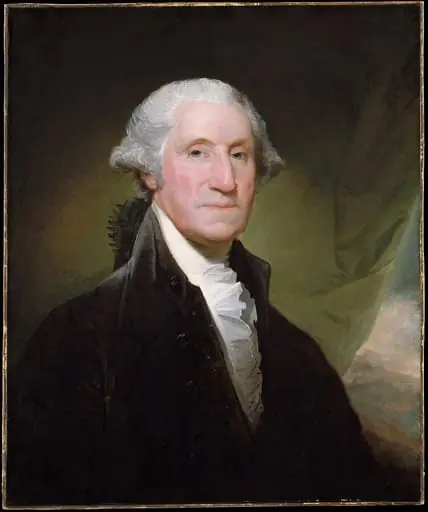
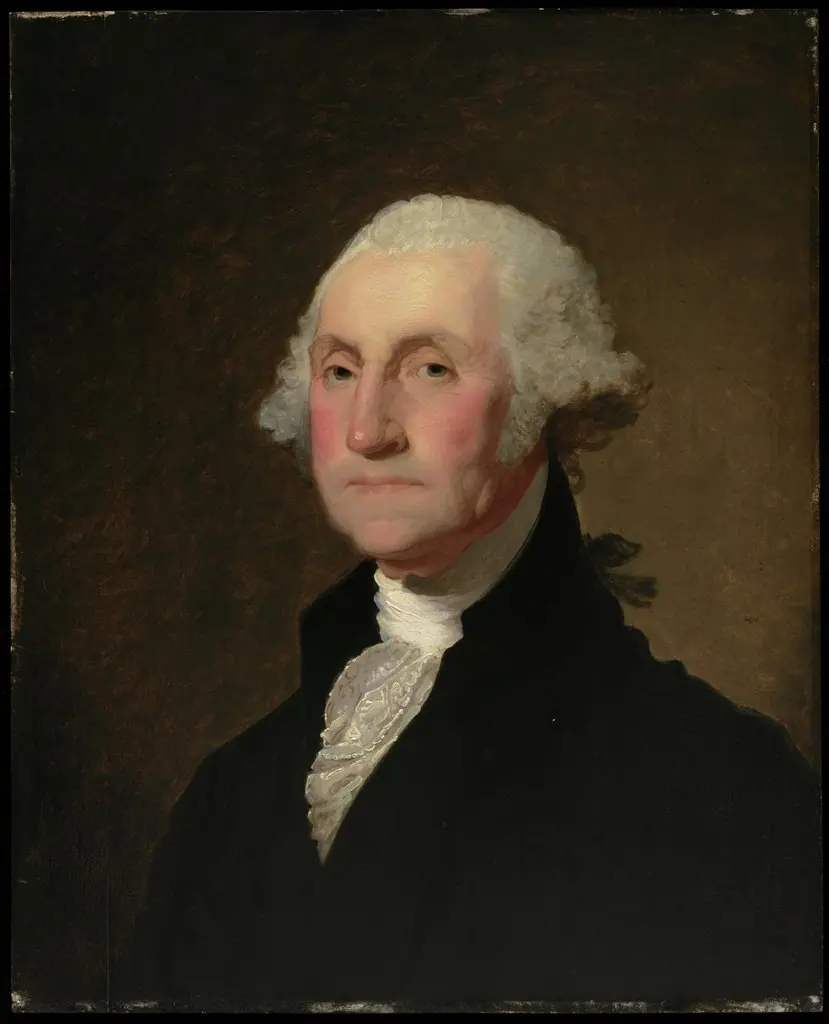
George Washington is an oil painting by the American Impressionist artist Gilbert Stuart. It dates from 1803 and is held in the collection of the National Gallery of Art.
About this work
Subject & Meaning
The composition presents the sitter in a formal pose that underscores his status and the dignified bearing expected of early American portraiture.
The painting depicts George Washington, the central figure of the portrait. Created in 1803 by Gilbert Stuart, it is an oil‑on‑canvas work classified as a portrait. The composition presents the sitter in a formal pose that underscores his status and the dignified bearing expected of early American portraiture.
The work was owned by the Tayloe family, gifted to the Corcoran Gallery of Art in 1884, and acquired by the National Gallery of Art in 2014, where it is now part of the permanent collection.
Technique & Style
This 1803 portrait by Gilbert Stuart is executed in oil on canvas, a standard support and medium for Stuart's portrait practice. The painting measures 74.3 cm in height by 61 cm in width, indicating a modest, bust- or half-length format suited to private display. Stylistically, it belongs to Stuart's mature portrait tradition, characterized by direct likeness and restrained formality.
The work is classified as a portrait painting and is held in the collection of the National Gallery of Art in Washington, D.C., following its acquisition in 2014 from the Corcoran Gallery of Art, suggesting institutional confidence in its condition and preservation.
History & Provenance
The portrait of George Washington by Gilbert Stuart was completed in 1803, executed in oil on canvas. It was purchased directly from the artist around the time of its creation by Colonel John Tayloe III of Mount Airy, Richmond County, Virginia. The work then passed by descent to his son, Benjamin Ogle Tayloe, and subsequently to Benjamin's first wife, Phebe Warren Tayloe.
In 1884, she gave the painting to the Corcoran Gallery of Art in Washington, D.C. The Corcoran Gallery retained the portrait until 2014, when it was acquired by the National Gallery of Art, where it remains part of the collection.
Legacy
The 1803 portrait by Gilbert Stuart, originally purchased by Col. John Tayloe III and later gifted to the Corcoran Gallery of Art in 1884, entered the National Gallery of Art in 2014 and remains on public view. As a centerpiece of the Gallery’s early American holdings, the work is frequently cited in scholarship on Washington’s visual legacy, reinforcing the image first established by Stuart. Its movement through private descent to public institutions illustrates the painting’s role in shaping collective memory of the first president.
Overview
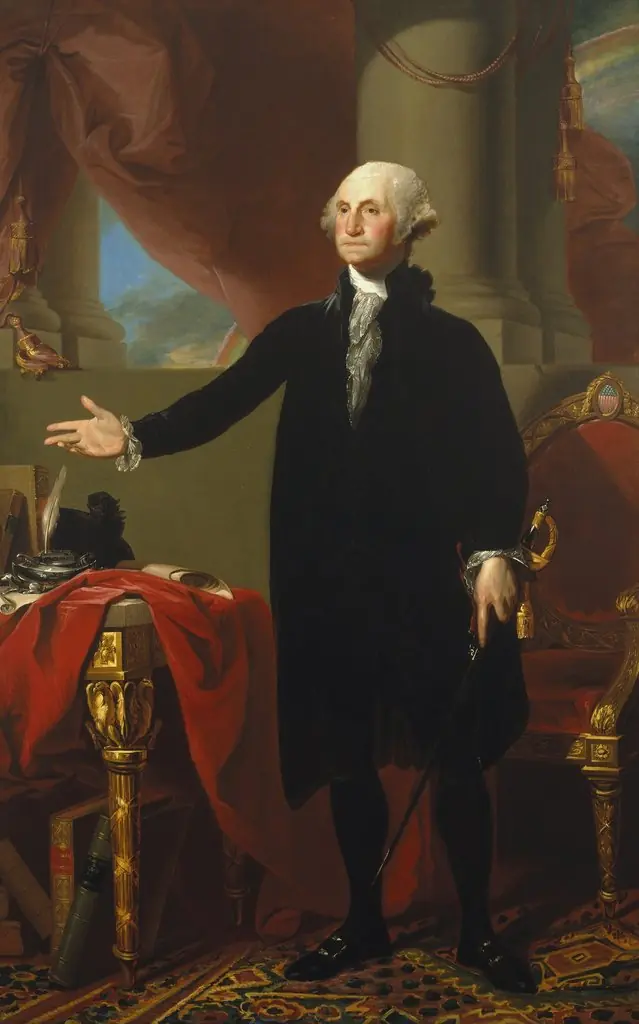
Painted in 1803 by Gilbert Stuart, this oil on canvas portrait depicts George Washington in a formal, three-quarter length pose. The composition features the first U.S. President seated, dressed in a black suit with a white stock, holding a sword in his right hand while his left rests on a table. Stuart, renowned for his ability to capture the character of his sitters, executed this work during a period when he was producing numerous replicas of his earlier, iconic Athenaeum portrait.
This specific version, created over a decade after the original 1796 portrait, reflects Stuart's mature technique in rendering the texture of fabric and the subtle nuances of Washington's expression. The painting serves as a significant example of Stuart's lifelong engagement with the presidential image, solidifying the visual legacy of Washington in American art. It demonstrates the artist's commitment to psychological depth and formal dignity, moving beyond mere likeness to convey the gravitas of the nation's founder.
Own this work as a print
Artist & collection

Artist
Gilbert Stuart (né Stewart; December 3, 1755 – July 9, 1828) was an American painter born in the Rhode Island Colony who is widely considered one of America's foremost portraitists.