Artwork
Ecce Homo (Johannes 19:4-6)
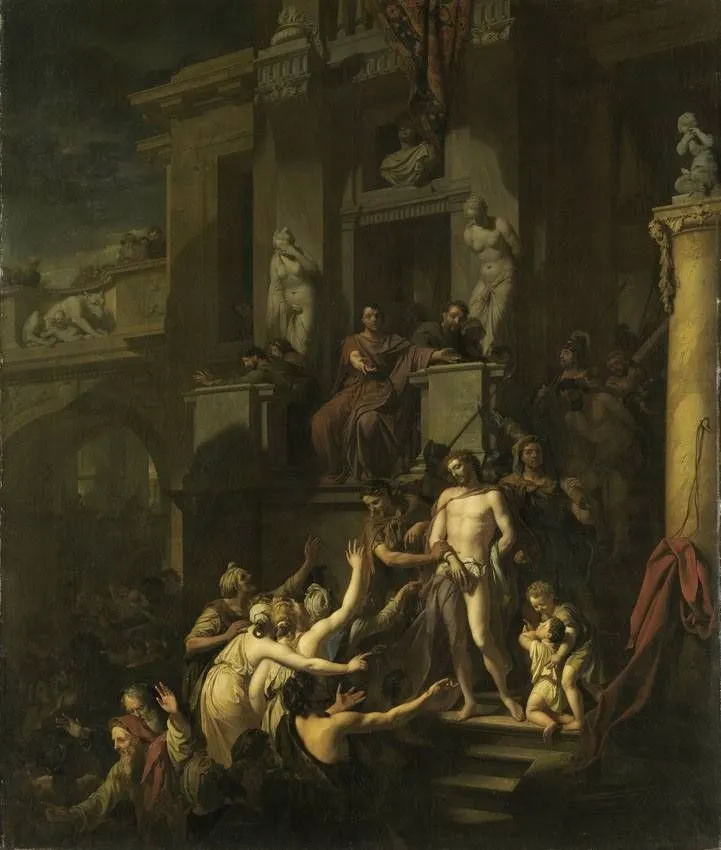
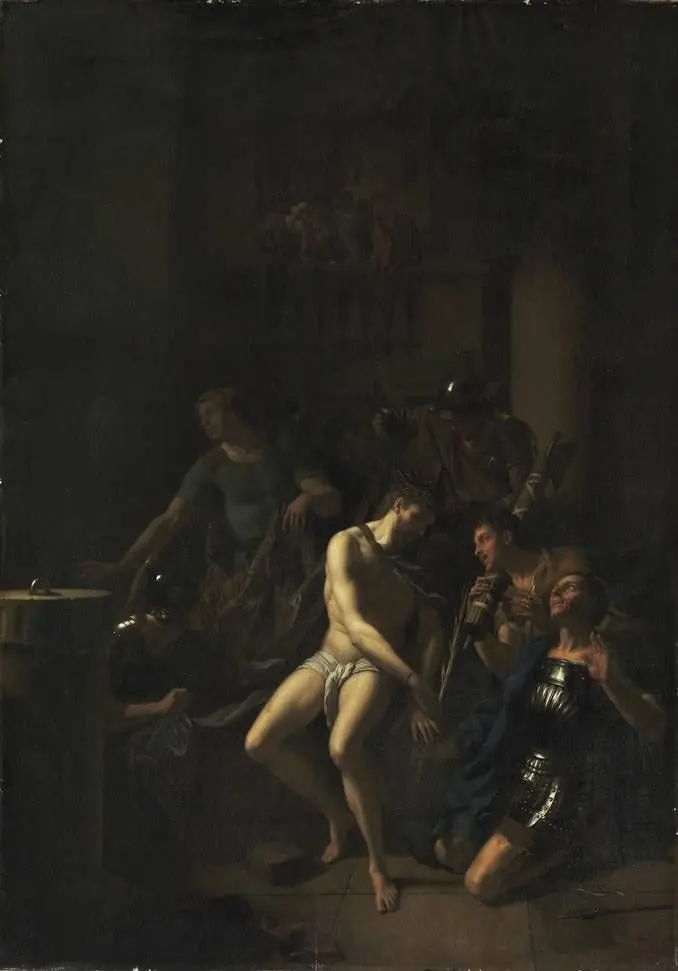
Ecce Homo (Johannes 19:4-6) is an oil painting by the Dutch Golden Age artist Adriaen van der Werff. It dates from 1700 and is held in the collection of the Bavarian State Painting Collections.
About this work
Subject & Meaning
The painting depicts Jesus Christ in the Ecce Homo moment described in John 19:4–6, where he is shown after the scourging, crowned with thorns and presented by Pontius Pilate to the crowd. As a religious work, it conveys the themes of Christ’s suffering, innocence, and kingship, inviting contemplation of the Passion narrative.
Technique & Style
Created in 1698, the work is an oil painting executed on a canvas support. The piece measures 131.3 cm in height and 110 cm in width. Classified within the religious art genre, the painting depicts the biblical subject of Jesus Christ in the Ecce Homo scene. The medium of oil paint allows for the detailed rendering characteristic of the artist's style.
History & Provenance
It entered the collection as part of the Electoral Gallery Düsseldorf, assembled by Johann Wilhelm, Elector Palatine, before being transferred to Munich.
Adriaen van der Werff executed the religious painting Ecce Homo in 1698. Created using oil paint on canvas, the work measures 131.3 cm in height and 110 cm in width. The piece entered the collection of Johann Wilhelm von der Pfalz, where it was housed within the Electoral Gallery in Dusseldorf.
It subsequently became part of the holdings of the Bavarian State Painting Collections and is currently located in the Alte Pinakothek.
The painting is held by the Bavarian State Painting Collections in Munich, where it is inventoried as part of the Alte Pinakothek’s holdings. It entered the collection as part of the Electoral Gallery Düsseldorf, assembled by Johann Wilhelm, Elector Palatine, before being transferred to Munich. The work has been exhibited within the Alte Pinakothek’s permanent display of Dutch and Flemish paintings, reflecting its status as a key example of Adriaen van der Werff’s religious compositions from the late seventeenth century.
Context
Adriaen van der Werff painted Ecce Homo in 1698, depicting Jesus Christ bound and crowned with thorns as described in John 19:4-6. The work was created for the Elector Palatine of Bavaria and entered the Bavarian State Painting Collections, now housed in the Alte Pinakothek in Munich. Its religious genre and devotional focus reflect van der Werff's specialization in biblical scenes during the late Dutch Golden Age, though his conservative style contrasted with emerging Rococo trends.
Art historians note its meticulous detail and emotional restraint as characteristic of his mature period, situating it within the broader context of 17th-century Dutch Catholic exegesis and courtly patronage. The painting remains a key example of biblical narrative rendered with Dutch naturalism within an Elector's collection.
Overview
Adriaen van der Werff completed this oil painting in 1700, depicting the biblical moment when Pontius Pilate presents Jesus to the crowd. A Dutch artist known for refined portraiture and religious subjects, van der Werff executed this work with meticulous detail and emotional restraint, aligning with the devotional tastes of his patrons, including the Medici family. The painting resides today in the Alte Pinakothek in Munich.
Legacy
Though less widely known today than his contemporaries, van der Werff’s precision and compositional control influenced regional Dutch and German devotional painting. His approach to biblical subjects, calm, detailed, and psychologically nuanced, represents a quieter strand of Baroque expression, distinct from the dynamism of Italian or Flemish counterparts.
Artist & collection
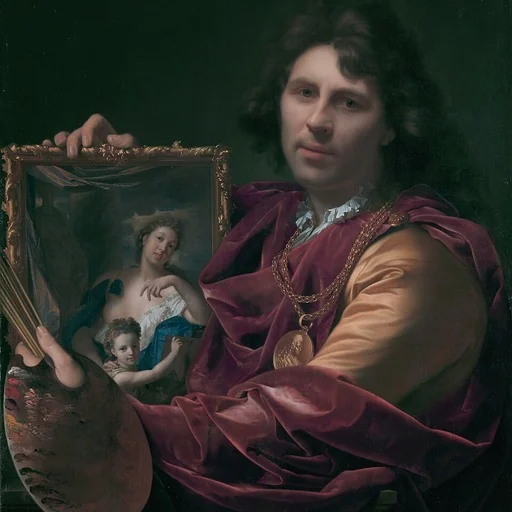
Artist
Adriaen van der Werff (21 January 1659 – 12 November 1722) was a Dutch painter of portraits and erotic, devotional and mythological scenes.

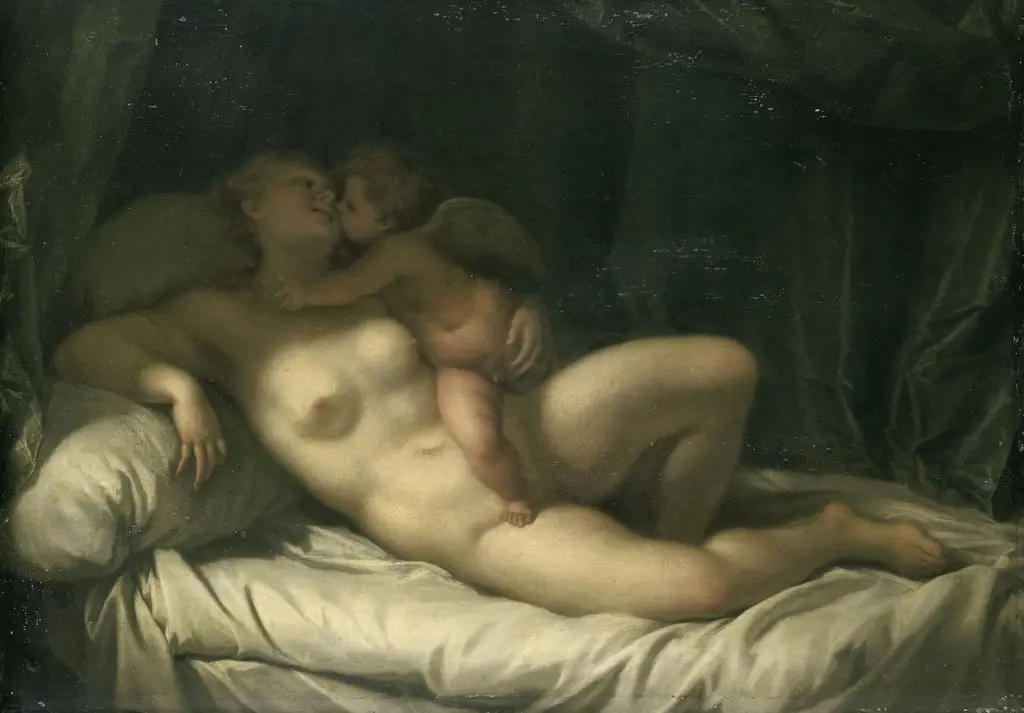 Cupid Kissing Venus (Venus Kissed by Amor)
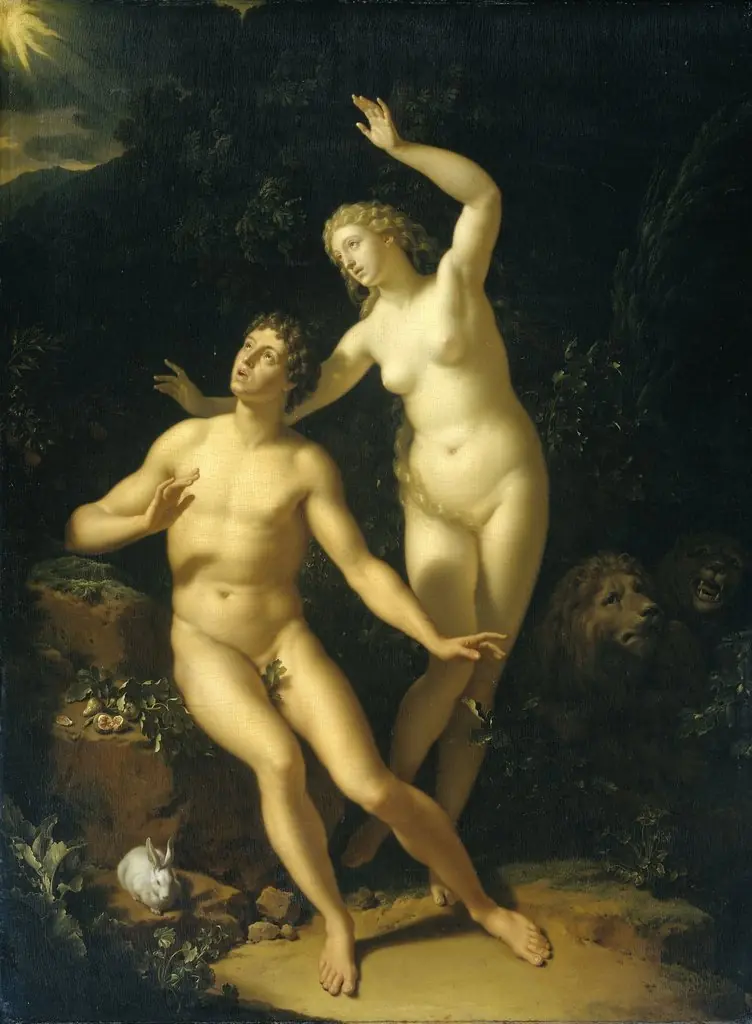 God Holds Adam and Eve Responsible
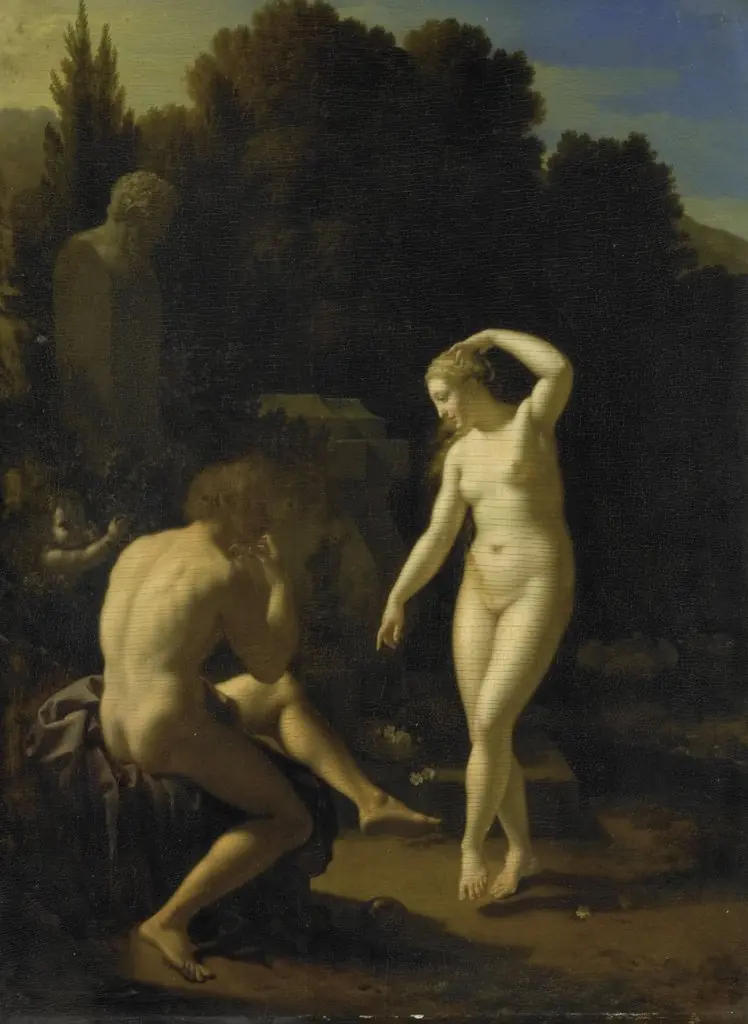 A Nymph Dancing to a Shepherd's Flute-Playing
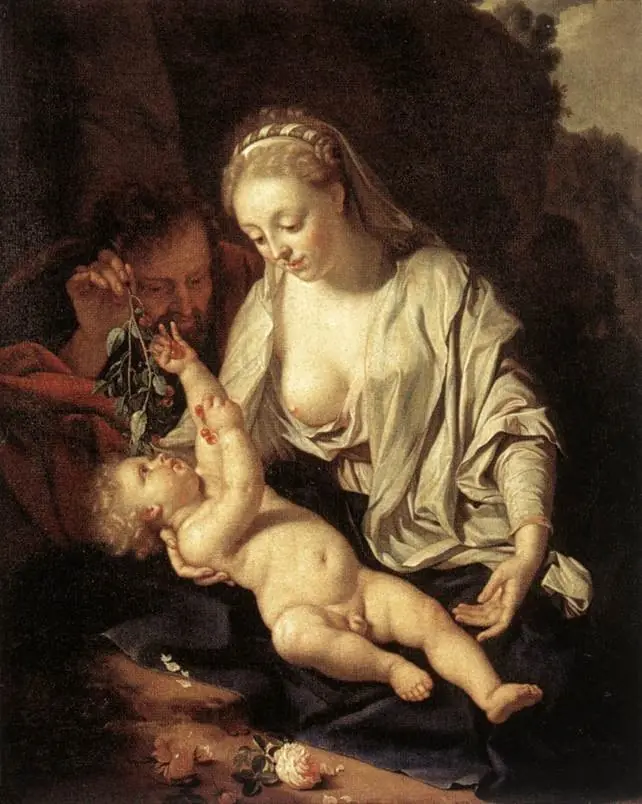 The Holy Family
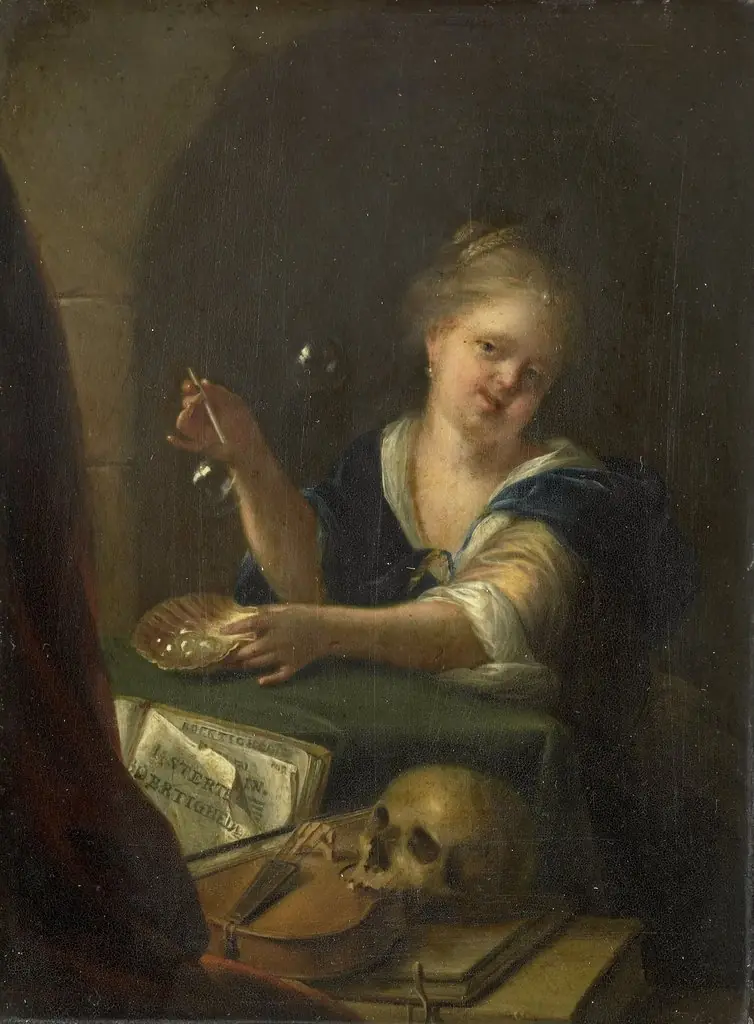 Bubble-blowing Girl with a Vanitas Still Life
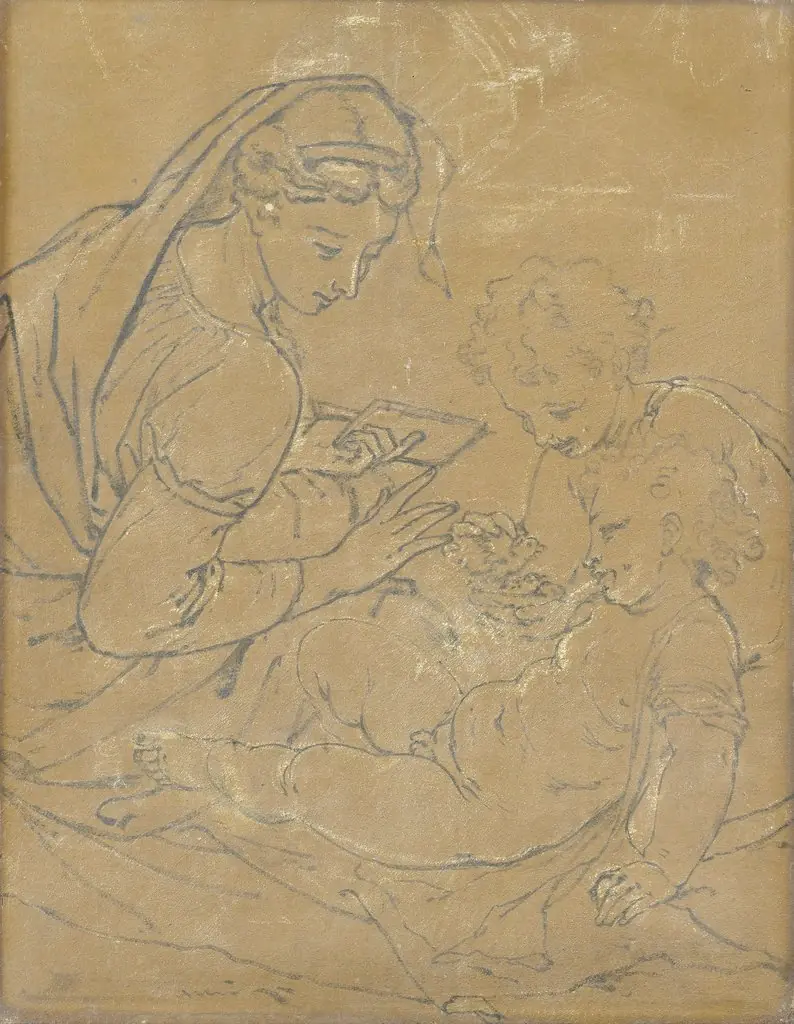 Virgin and Child with Saint John (chalk sketch)
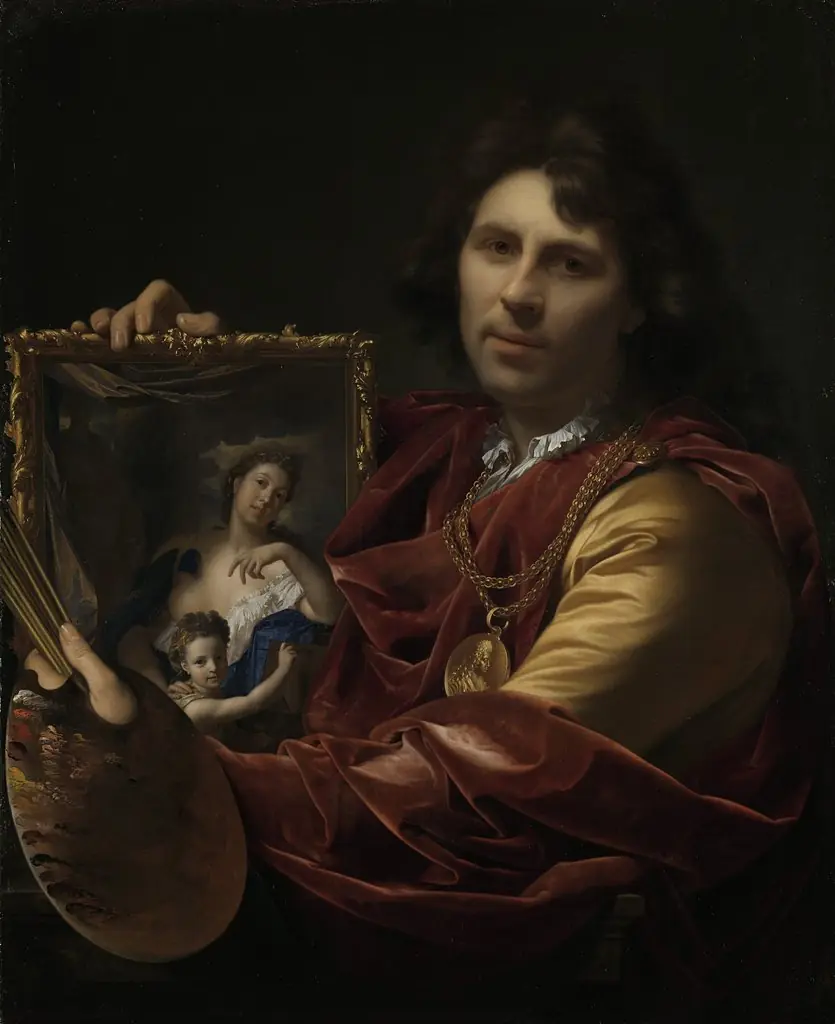 Self-portrait with the Portrait of his Wife, Margaretha van Rees, and their Daughter Maria
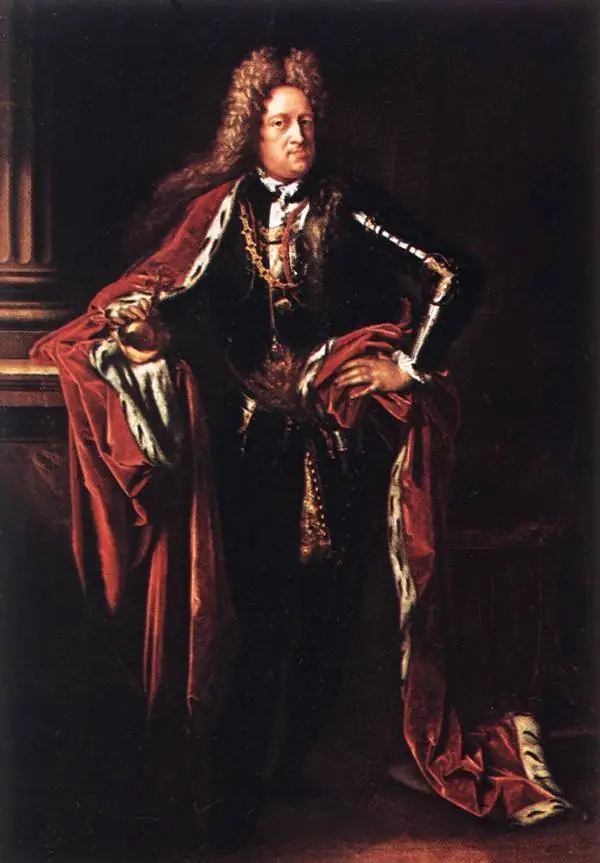 Portrait of Johann Wilhelm Elector of Palatine (1658-1716)
- Ecce Homo
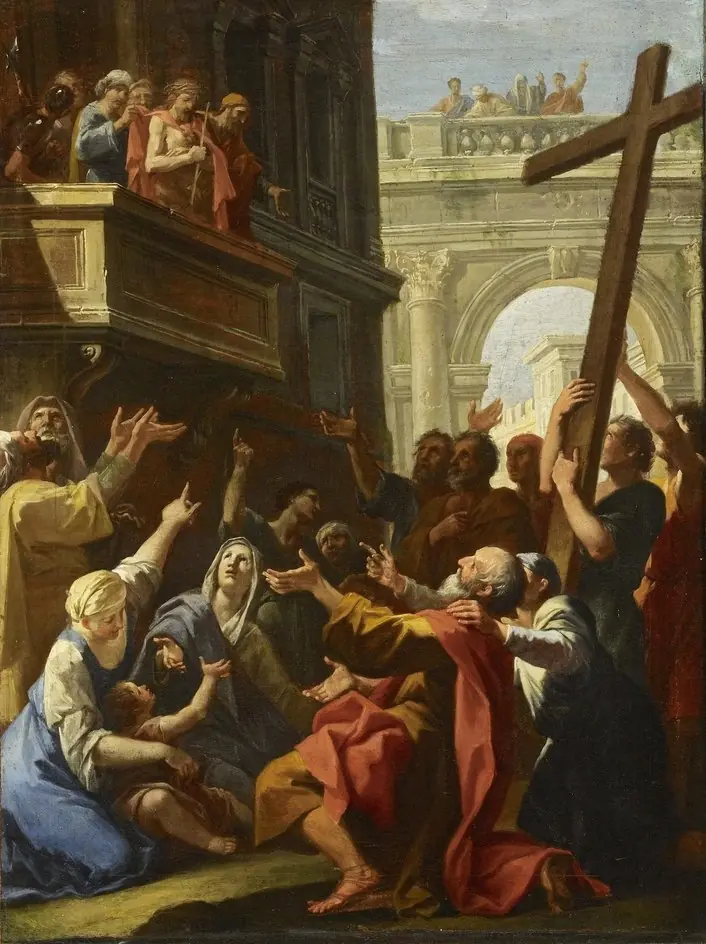 Ecce Homo
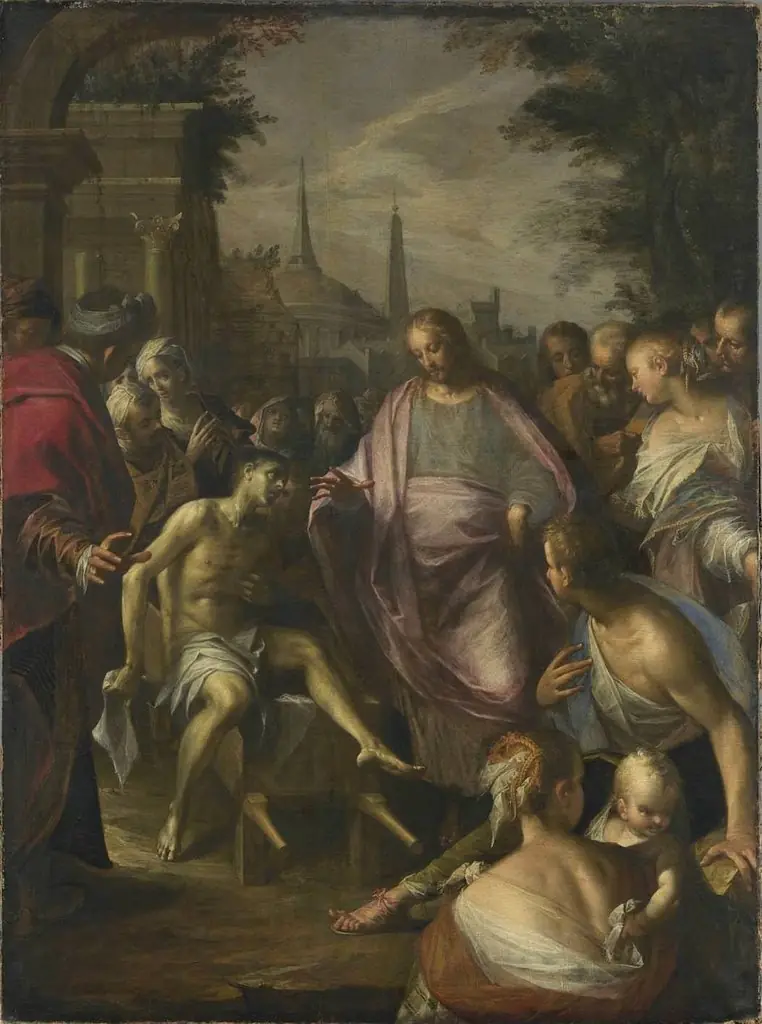 Die Auferweckung des Jünglings von Naim
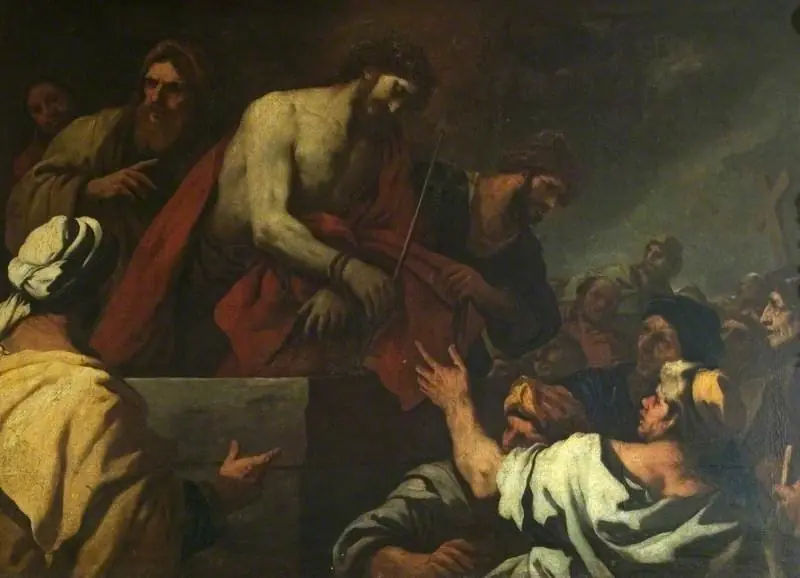 Christ Led to Calvary
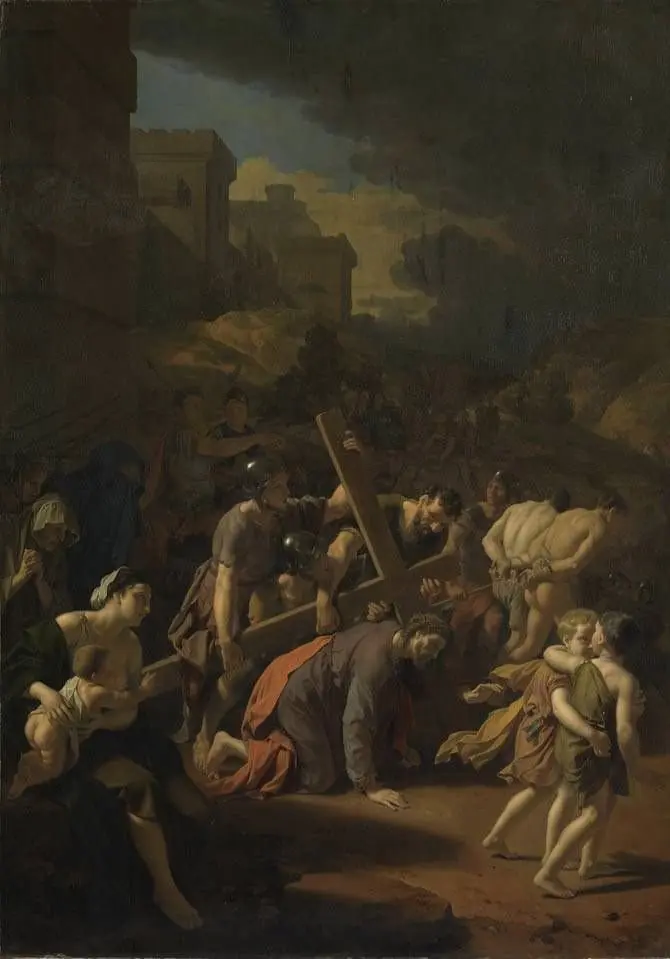 Carrying the Cross
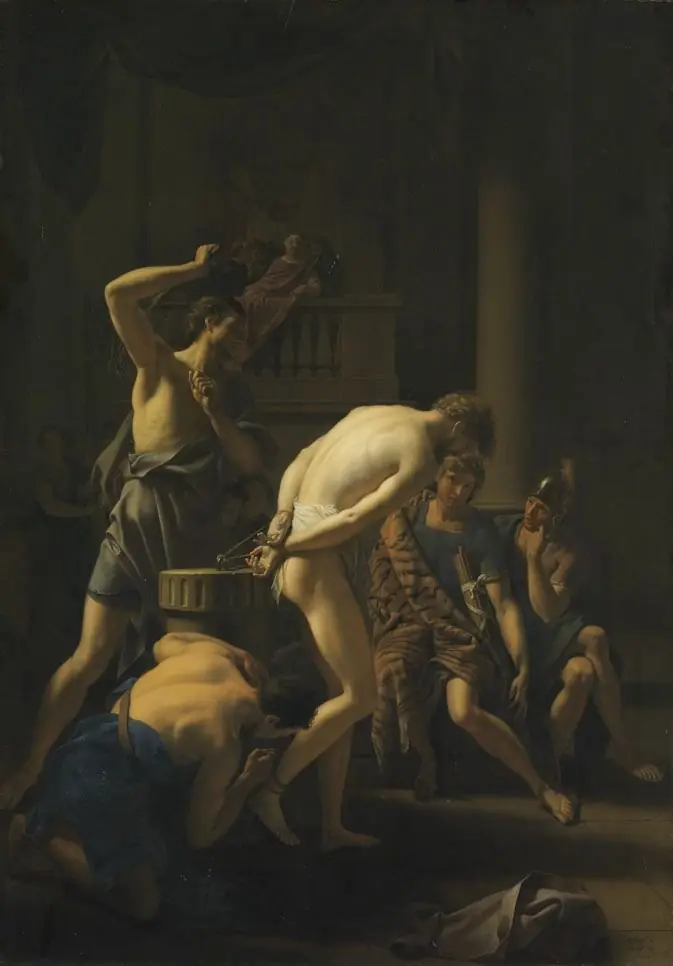 Flagellation of Christ
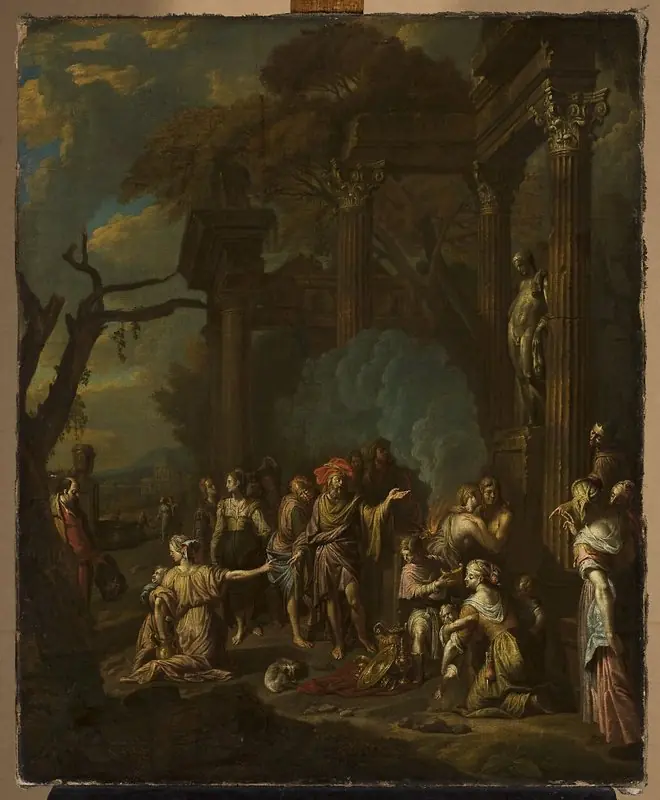 Offerings
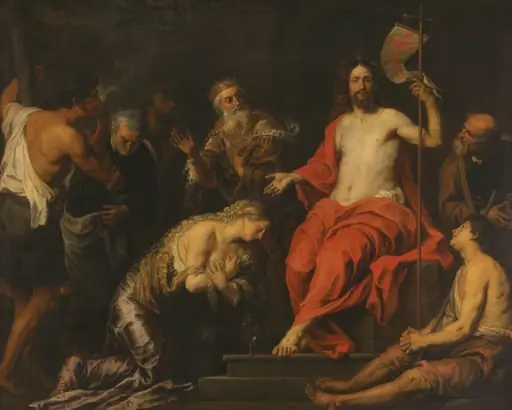 Untitled
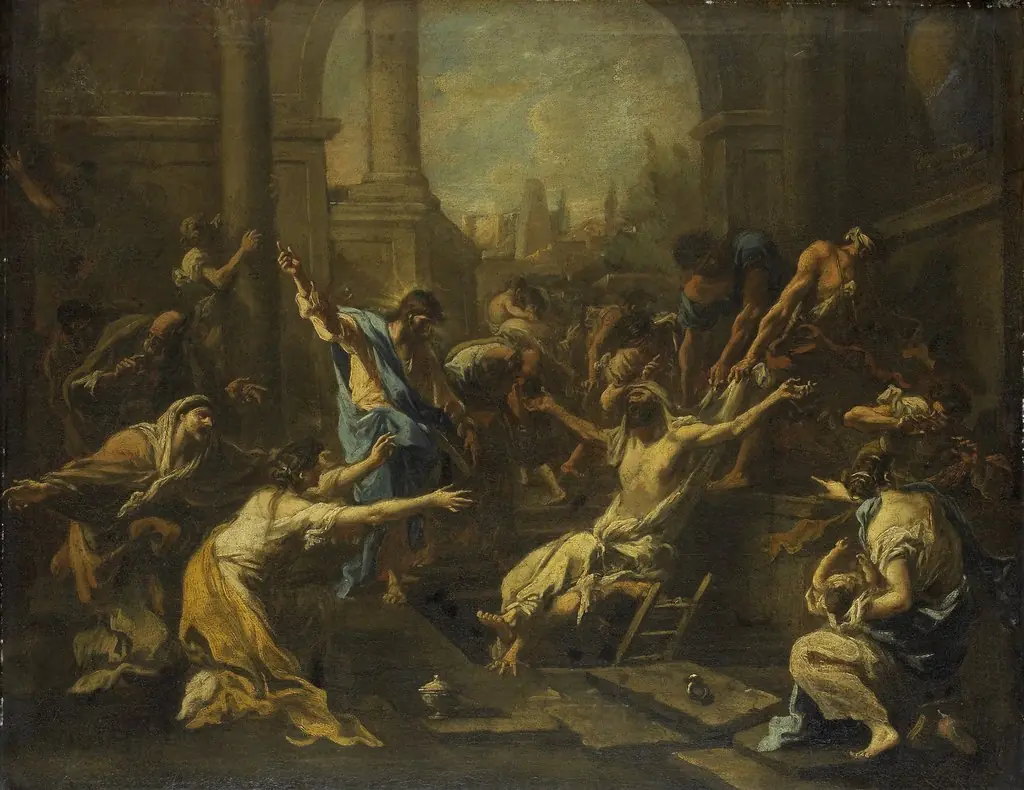 The Raising of Lazarus
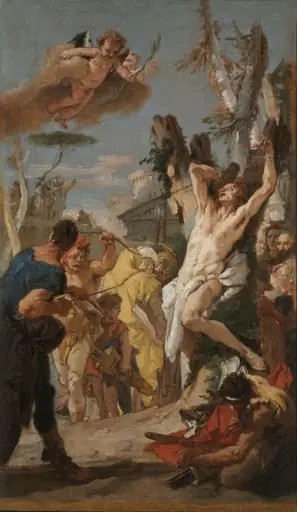 Study for "The Martyrdom of Saint Sebastian" (for the Augustinian monastery at Diessen, Germany)
 Christ and the repentant sinners
 The mocking and crowning with thorns of Christ