Artwork
Holy family
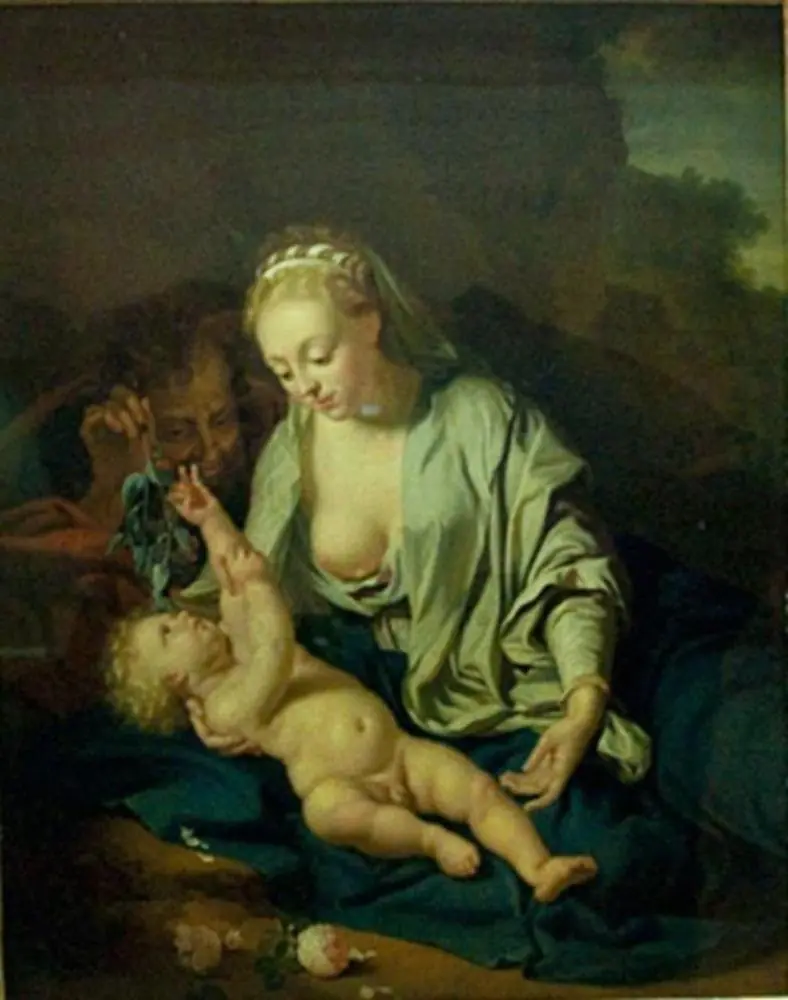
Holy family is an oil painting by the Rococo painting artist Adriaen van der Werff. It is held in the collection of the Bavarian State Painting Collections.
About this work
Subject & Meaning
Created in 1725, the work serves as a visual representation of these core Christian narratives, presenting the family unit within a devotional context.
The painting depicts the Holy Family, specifically featuring the Virgin Mary, the Christ Child, and Saint Joseph. As a work of religious art, the composition centers on this biblical group, aligning with the genre's traditional focus on sacred figures. The subject matter is derived from themes associated with the 'Rest on the Flight into Egypt' and the general depiction of the Holy Family.
Created in 1725, the work serves as a visual representation of these core Christian narratives, presenting the family unit within a devotional context.
Technique & Style
The Holy Family is executed in oil paint on an oak panel support, a durable medium characteristic of the period. Created in 1725, the work measures 37 cm in height and 28.5 cm in width. As a religious painting, it depicts the Virgin Mary, the Christ Child, and Joseph, functioning as a copy after Adriaen van der Werff. The piece is currently held in the Alte Pinakothek collection.
History & Provenance
Painted in 1725, this small panel is a late work by Adriaen van der Werff and depicts the Holy Family in an interior setting, aligning with his characteristic refined manner and small-scale cabinet pictures.
It is recorded as a copy after Van der Werff in the collection of the Alte Pinakothek, Munich, where it is identified as a religious painting from the artist’s mature period. The canvas’s dimensions (37 × 28.5 cm) correspond to the scale typical of Van der Werff’s devotional cabinet paintings of the 1720s.
Overview
Adriaen van der Werff’s Holy Family (1725) is an oil painting that belongs to the collection of the Alte Pinakothek in Munich. Executed in the early eighteenth‑century Rococo idiom, the work presents the Virgin Mary, the infant Jesus, and Saint Joseph in a compact, intimate grouping. The composition is notable for its restrained palette and the subtle interplay of light that isolates the figures from a muted, shadowed backdrop.
Context
During the early eighteenth century, Dutch artists like van der Werff were adapting the exuberant Rococo style to devotional subjects, merging Northern realism with Southern ornamental sensibility. This work reflects that synthesis, presenting a familiar religious theme through a refined, courtly aesthetic that appealed to aristocratic patrons across Europe.
Artist & collection
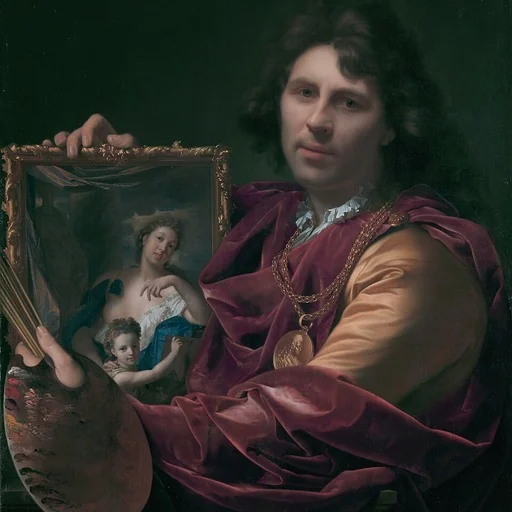
Artist
Adriaen van der Werff (21 January 1659 – 12 November 1722) was a Dutch painter of portraits and erotic, devotional and mythological scenes.

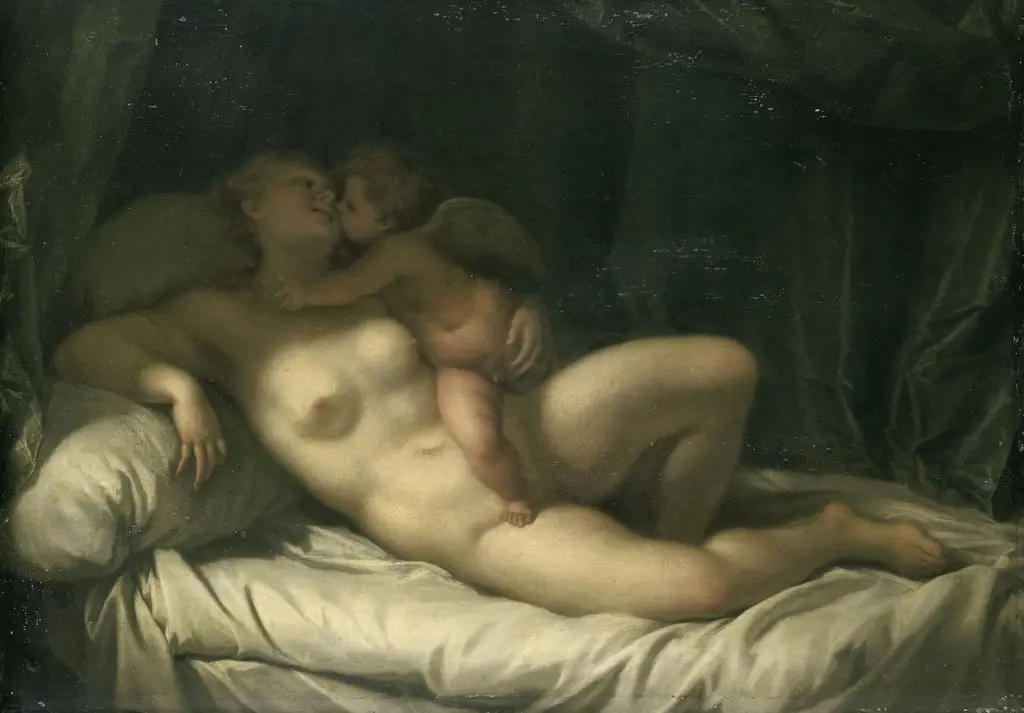 Cupid Kissing Venus (Venus Kissed by Amor)
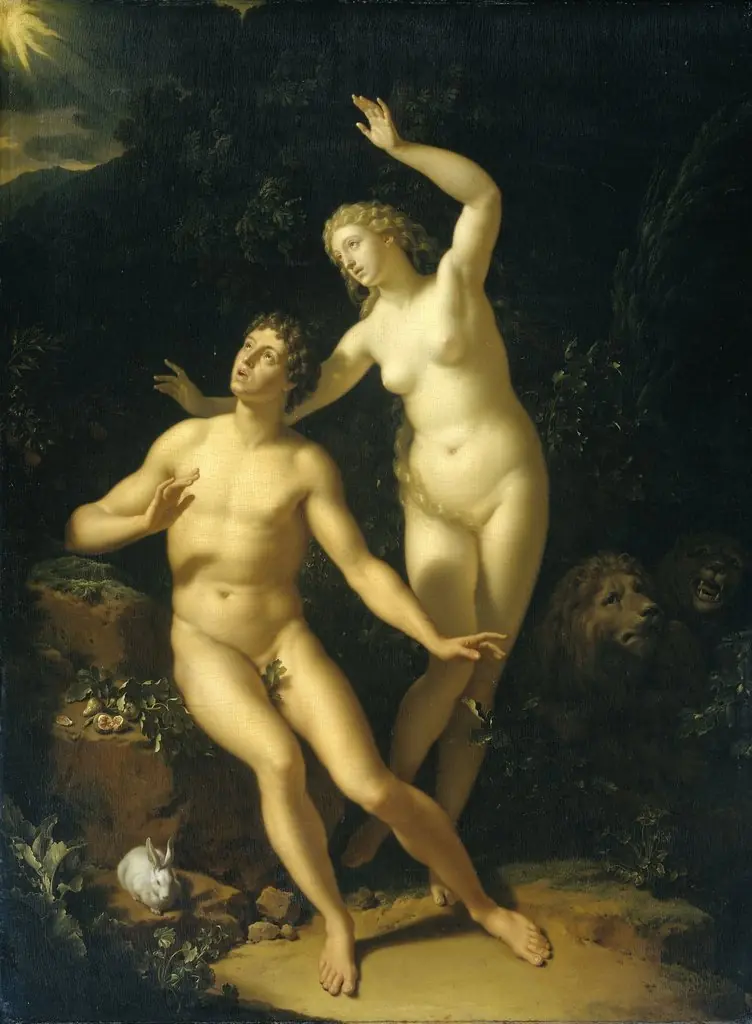 God Holds Adam and Eve Responsible
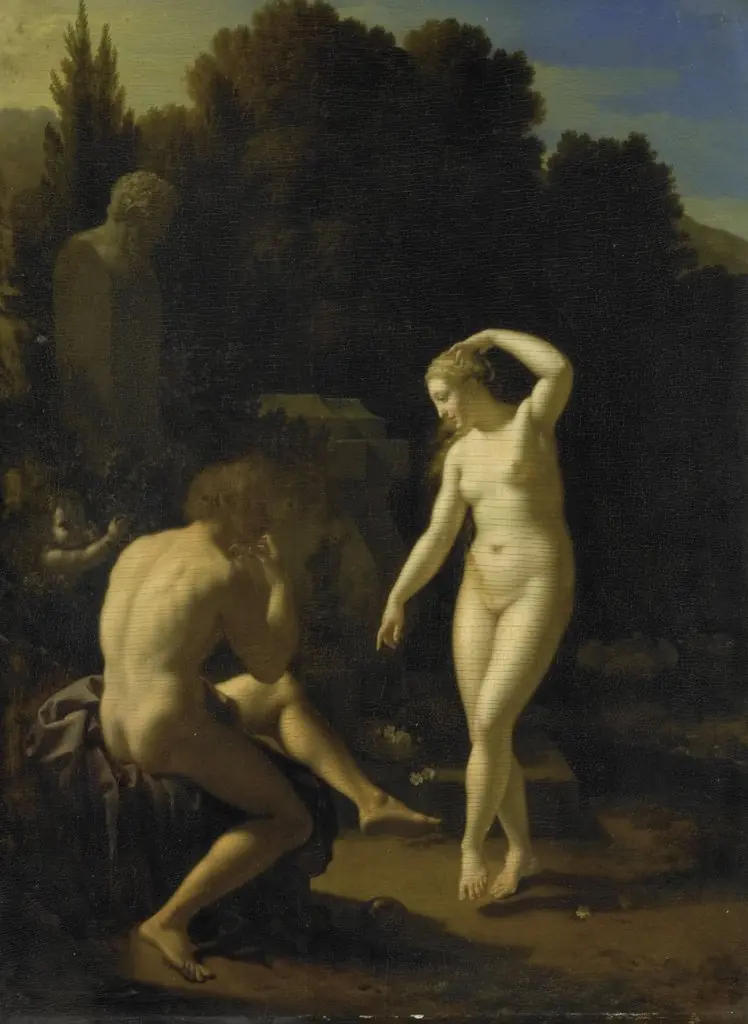 A Nymph Dancing to a Shepherd's Flute-Playing
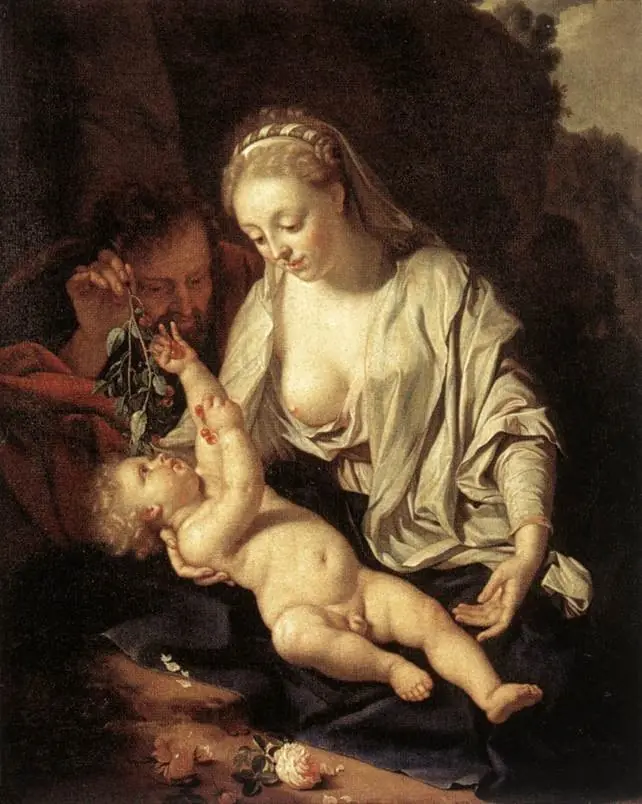 The Holy Family
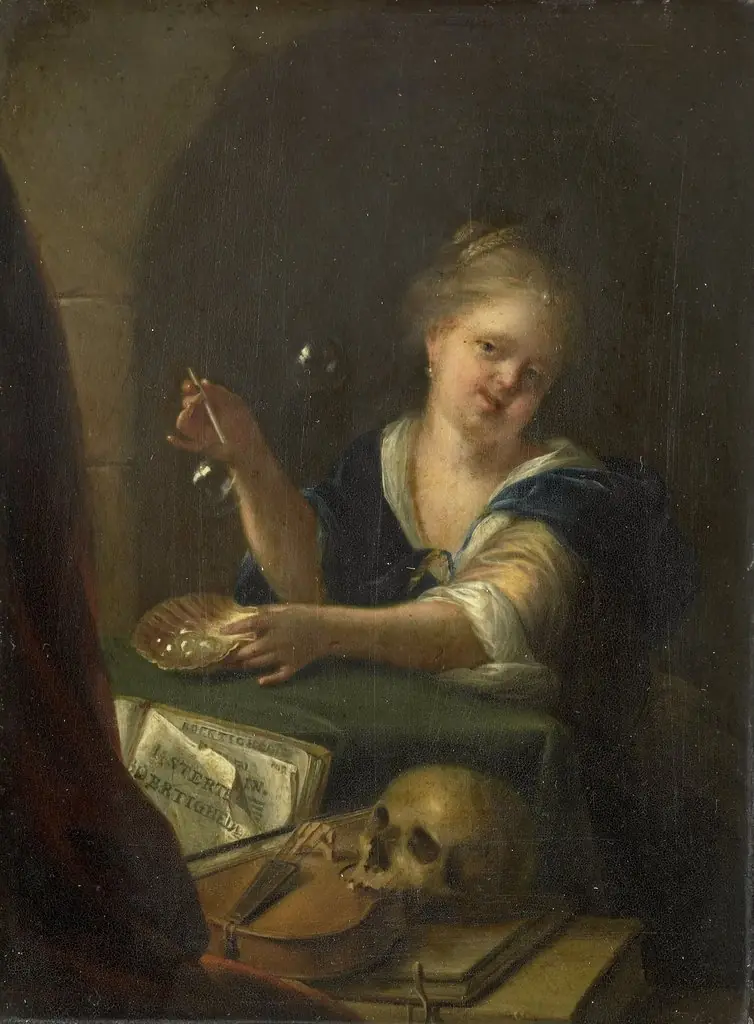 Bubble-blowing Girl with a Vanitas Still Life
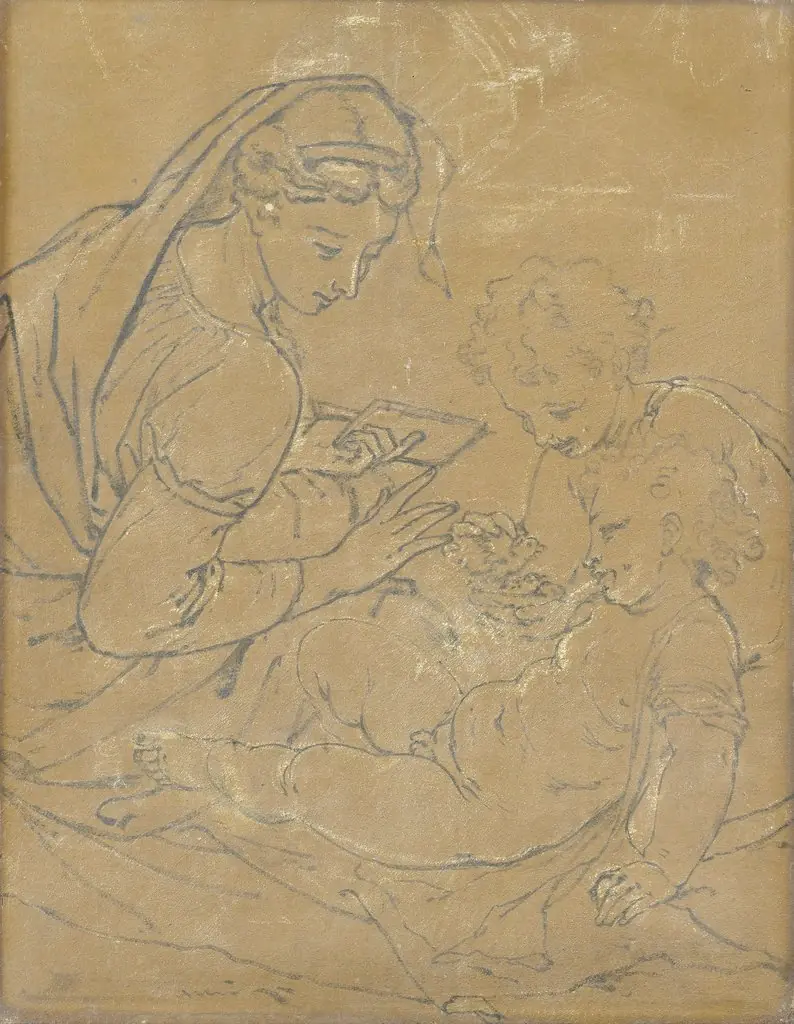 Virgin and Child with Saint John (chalk sketch)
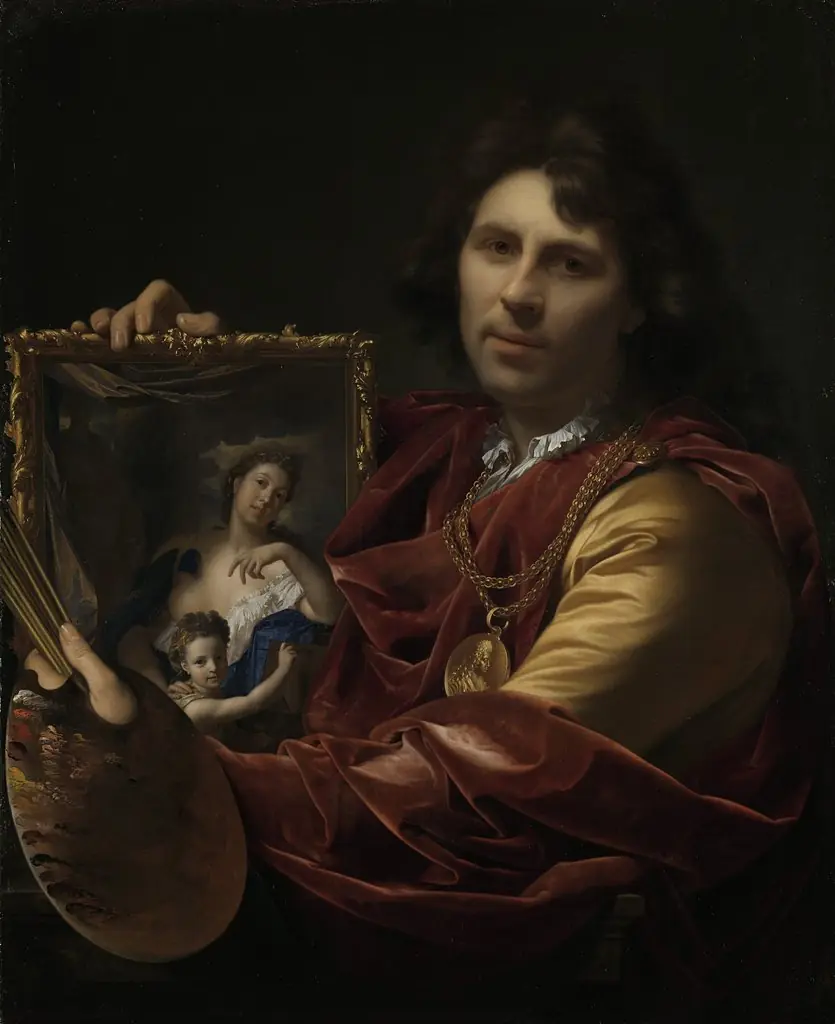 Self-portrait with the Portrait of his Wife, Margaretha van Rees, and their Daughter Maria
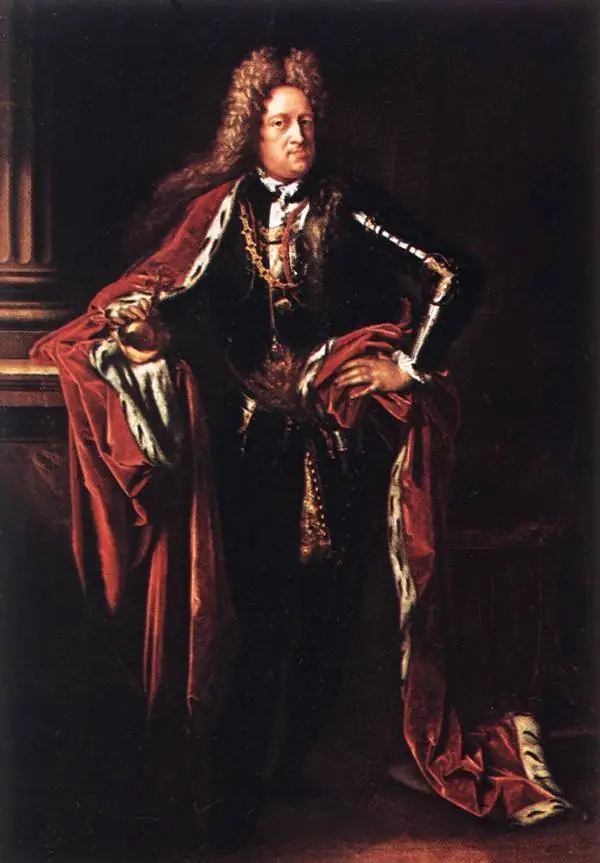 Portrait of Johann Wilhelm Elector of Palatine (1658-1716)