Artwork
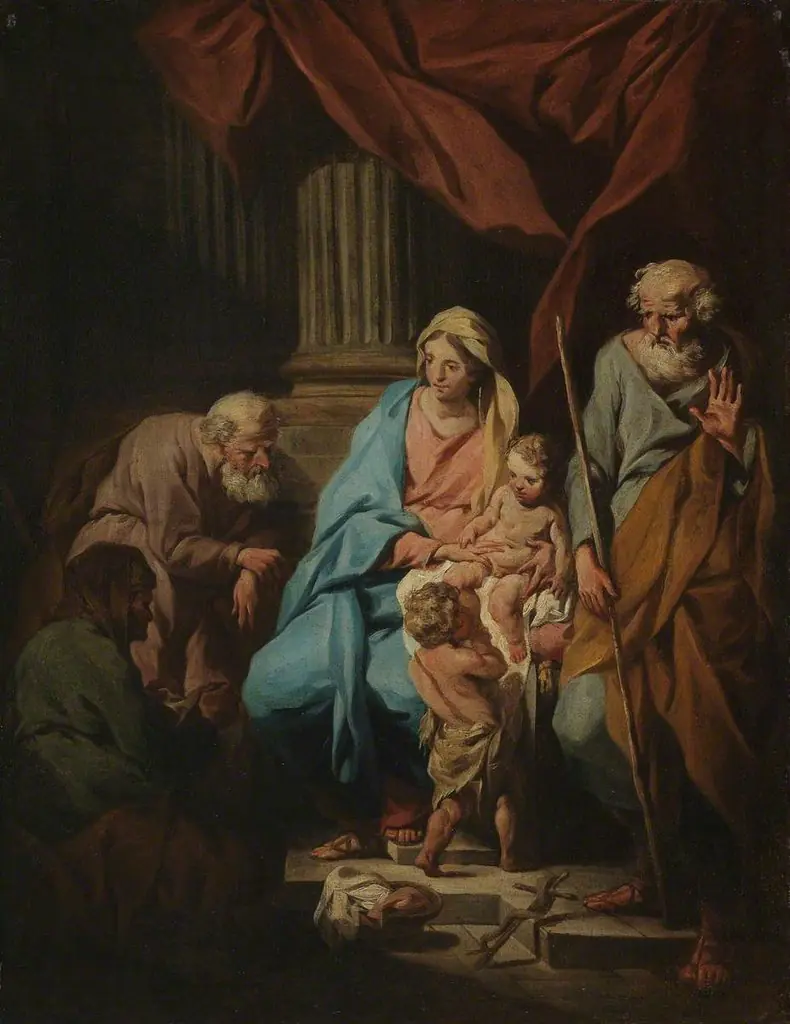
The Presentation in the Tempel
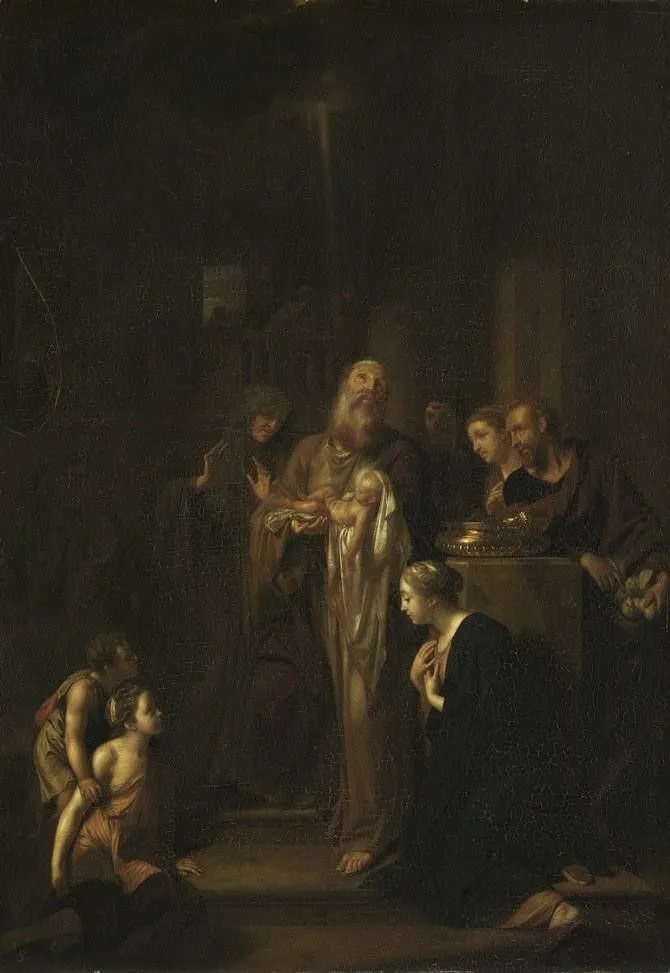
The Presentation in the Tempel is an oil painting by the Rococo painting artist Adriaen van der Werff. It dates from 1705 and is held in the collection of the Johann Wilhelm von der Pfalz collection.
About this work
Subject & Meaning
The painting depicts the Presentation of Jesus at the Temple, a religious episode in which the infant Christ is brought to the Temple in Jerusalem for the ritual purification of Mary and the dedication of the child, in accordance with Jewish law. The scene is traditionally associated with the encounter with the prophet Simeon, who recognizes the child as the Messiah, and often includes the prophetess Anna. As a religious work commissioned by Johann Wilhelm, Elector Palatine, the subject carries devotional significance, presenting a moment of theological revelation and fulfillment of Old Testament prophecy.
The choice of this theme reflects the Counter-Reformation and Catholic devotional tradition of meditating on episodes from the infancy of Christ, emphasizing themes of sacrifice, redemption, and the recognition of divine identity.
Technique & Style
6 cm in width and portrays the biblical moment of the Presentation of Jesus at the Temple.
The Presentation in the Tempel was executed in oil paint on wooden panel. The work measures 81.7 cm in height by 57.6 cm in width and portrays the biblical moment of the Presentation of Jesus at the Temple. It was commissioned by Johann Wilhelm, Elector Palatine, and entered the Bavarian State Painting Collections, where it remains displayed in the Alte Pinakothek in Düsseldorf.
The painting’s formal qualities reflect the late Baroque style characteristic of Adriaen van der Werff, with meticulous brushwork and a restrained palette that emphasizes clarity of narrative and emotional restraint.
History & Provenance
Adriaen van der Werff completed the oil-on-panel painting The Presentation in the Tempel in 1705. The work was commissioned by Johann Wilhelm, Elector Palatine, who also served as its initial owner. Following its creation, the painting entered the collection of the Electoral Gallery in Düsseldorf, which was part of the holdings of Johann Wilhelm.
Today, the artwork is held within the Bavarian State Painting Collections and is displayed at the Alte Pinakothek in Munich. The piece measures 81.7 cm in height and 57.6 cm in width.
The Presentation in the Temple by Adriaen van der Werff is held in the Alte Pinakothek, Munich, as part of the Bavarian State Painting Collections. The work entered the collection through the Electoral Gallery Düsseldorf, which was assembled by Johann Wilhelm, Elector Palatine, who commissioned the painting in 1705.
The painting has remained in Munich since its acquisition, with no subsequent transfers recorded.
Overview
Adriaen van der Werff’s oil painting The Presentation in the Tempel was completed in 1705. The work illustrates the biblical episode in which the infant Jesus is brought to the Jerusalem temple, a subject frequently treated in European art. It is part of the collection of the Alte Pinakothek in Munich and exemplifies the Rococo period’s refined aesthetic.
Context
The early eighteenth century saw a resurgence of biblical subjects rendered with a decorative sensibility, a hallmark of the Rococo movement in northern Europe. Van der Werff’s treatment of the Presentation reflects both the period’s religious devotion and its taste for graceful, courtly compositions.
Artist & collection
Artist
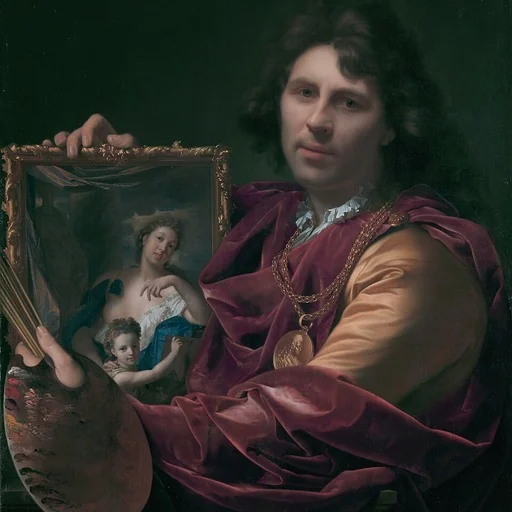
Adriaen van der Werff (21 January 1659 – 12 November 1722) was a Dutch painter of portraits and erotic, devotional and mythological scenes.
Museum
Johann Wilhelm von der Pfalz collection
Continue through works from the same source collection.
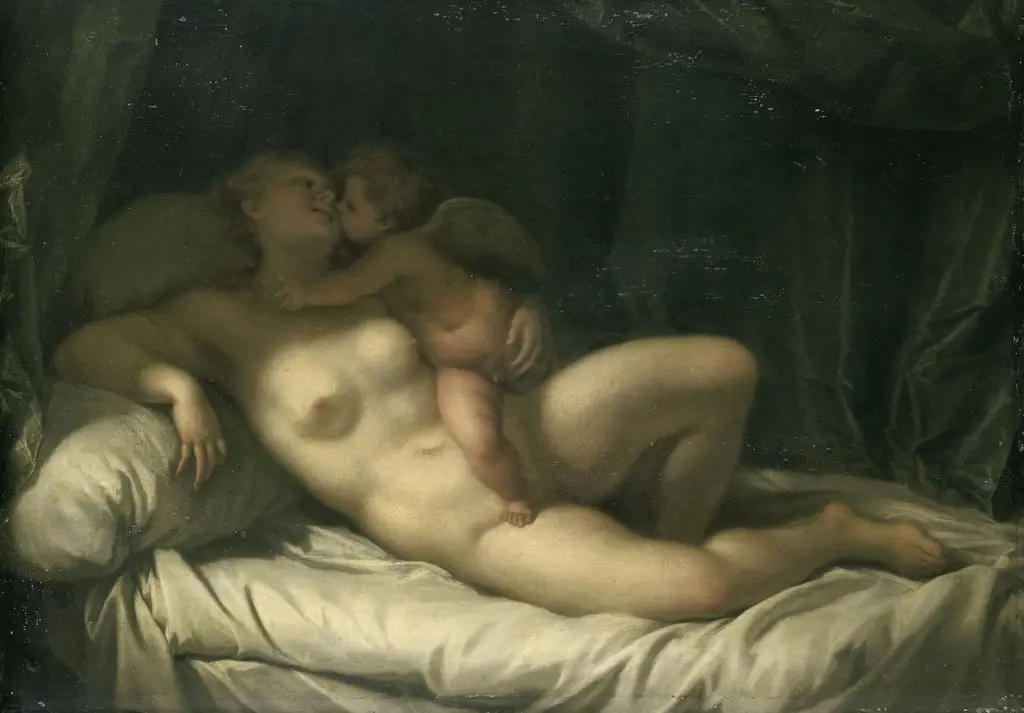 Cupid Kissing Venus (Venus Kissed by Amor)
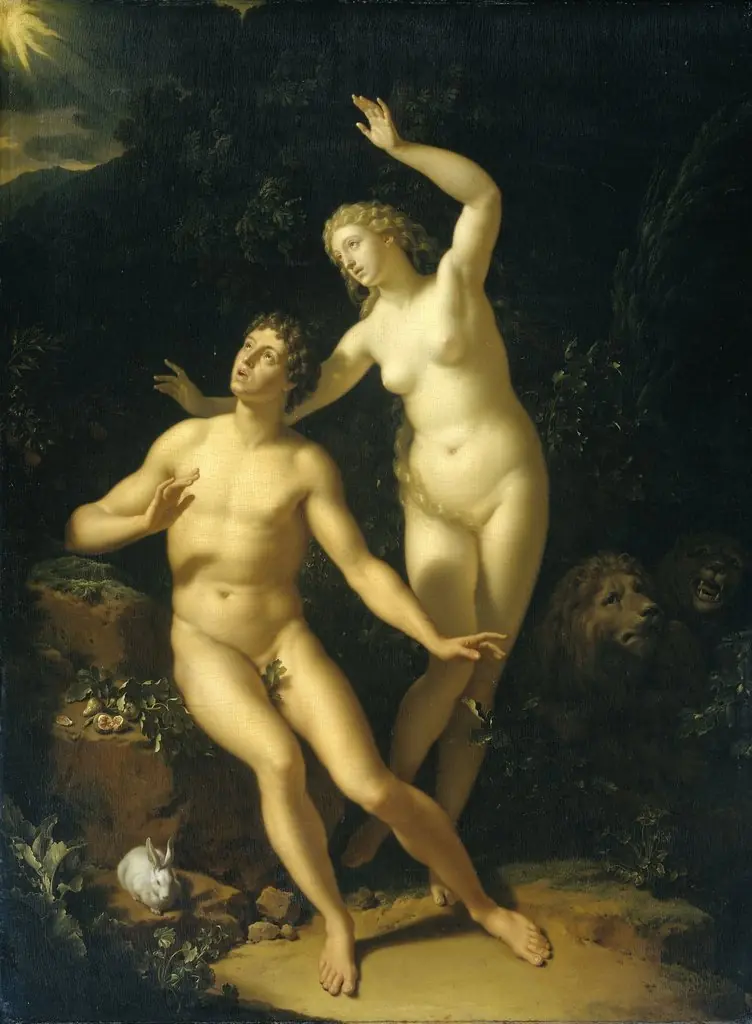 God Holds Adam and Eve Responsible
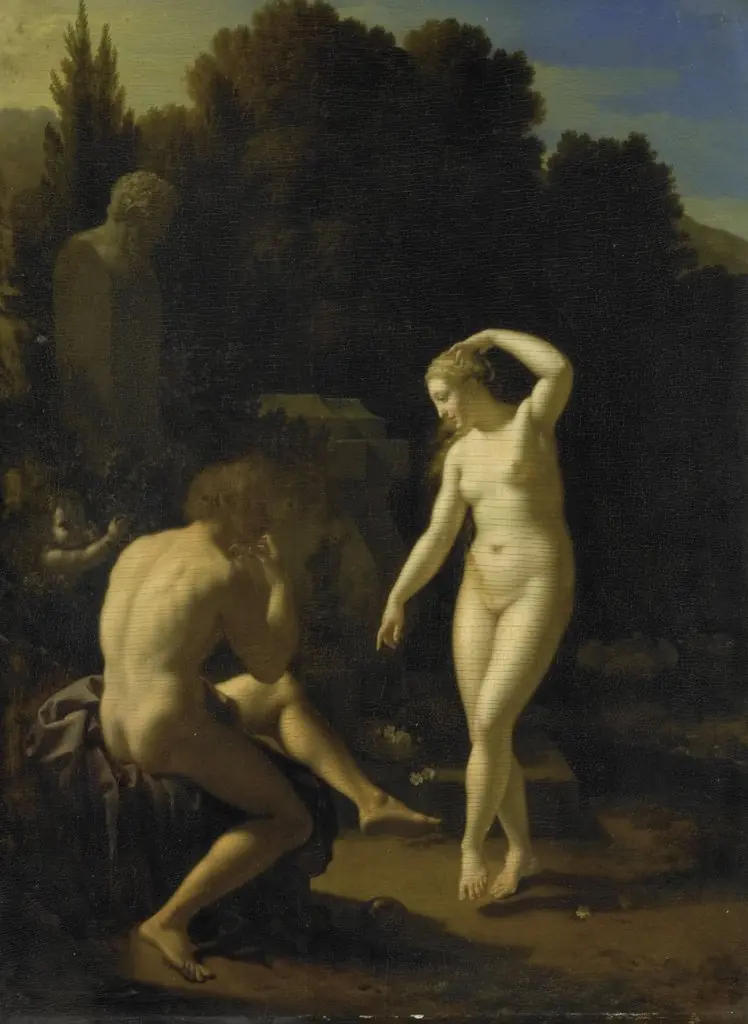 A Nymph Dancing to a Shepherd's Flute-Playing
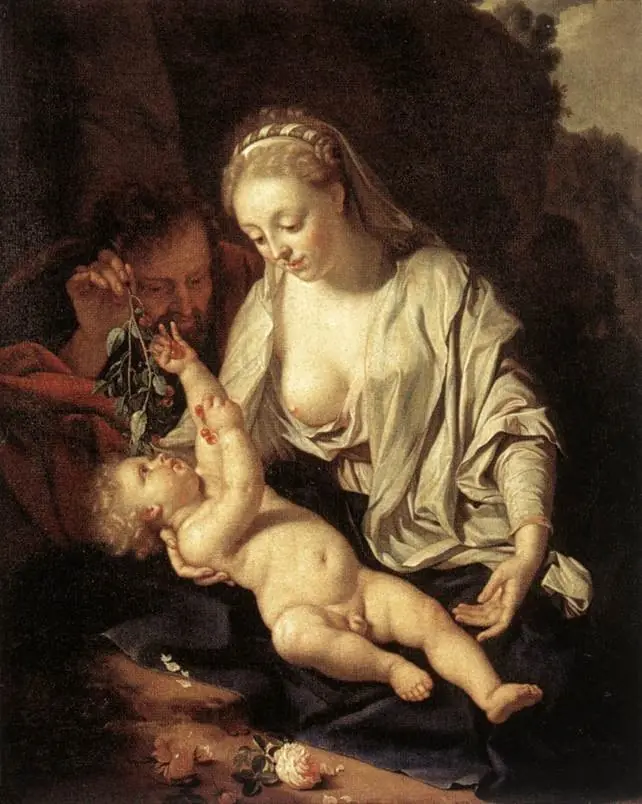 The Holy Family
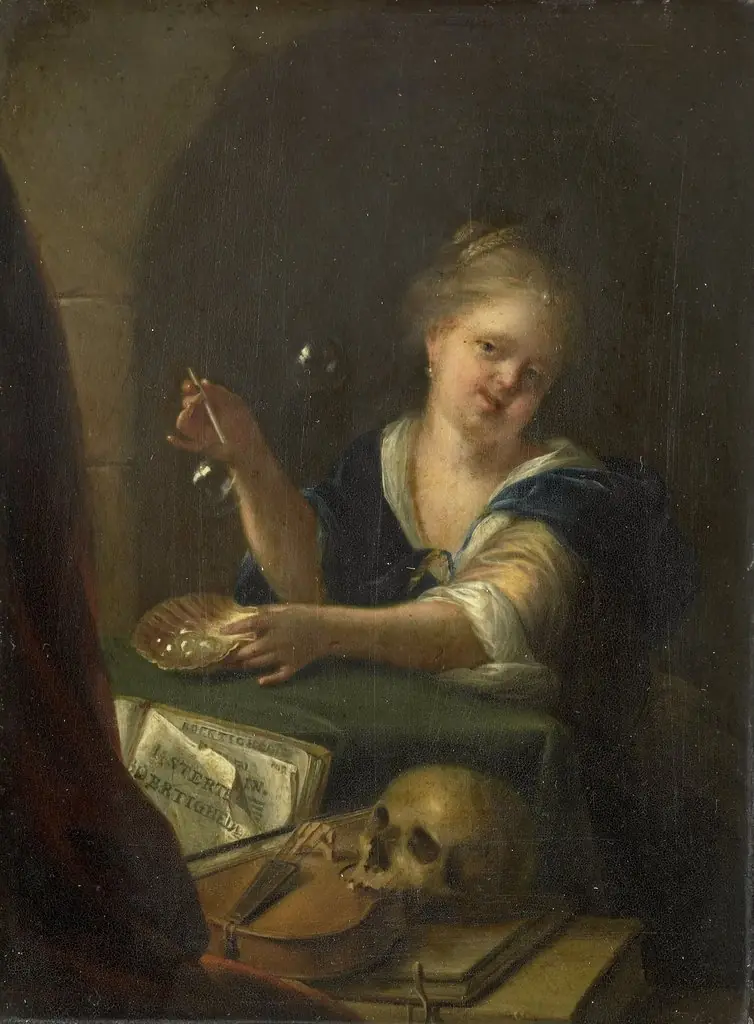 Bubble-blowing Girl with a Vanitas Still Life
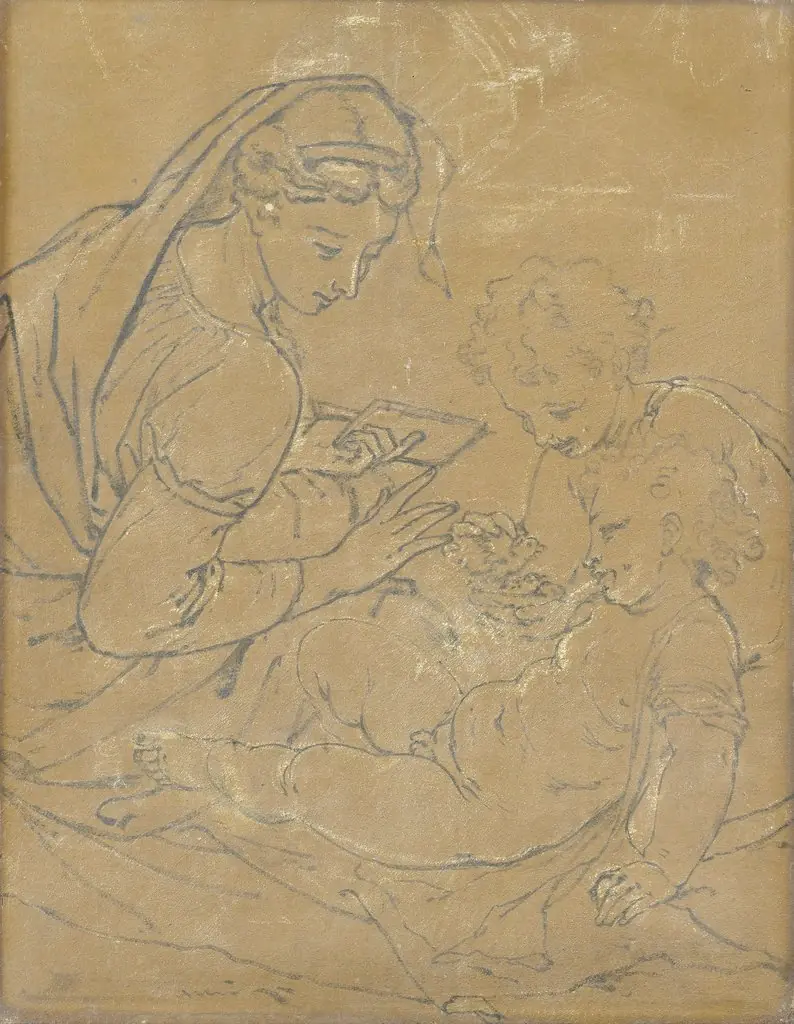 Virgin and Child with Saint John (chalk sketch)
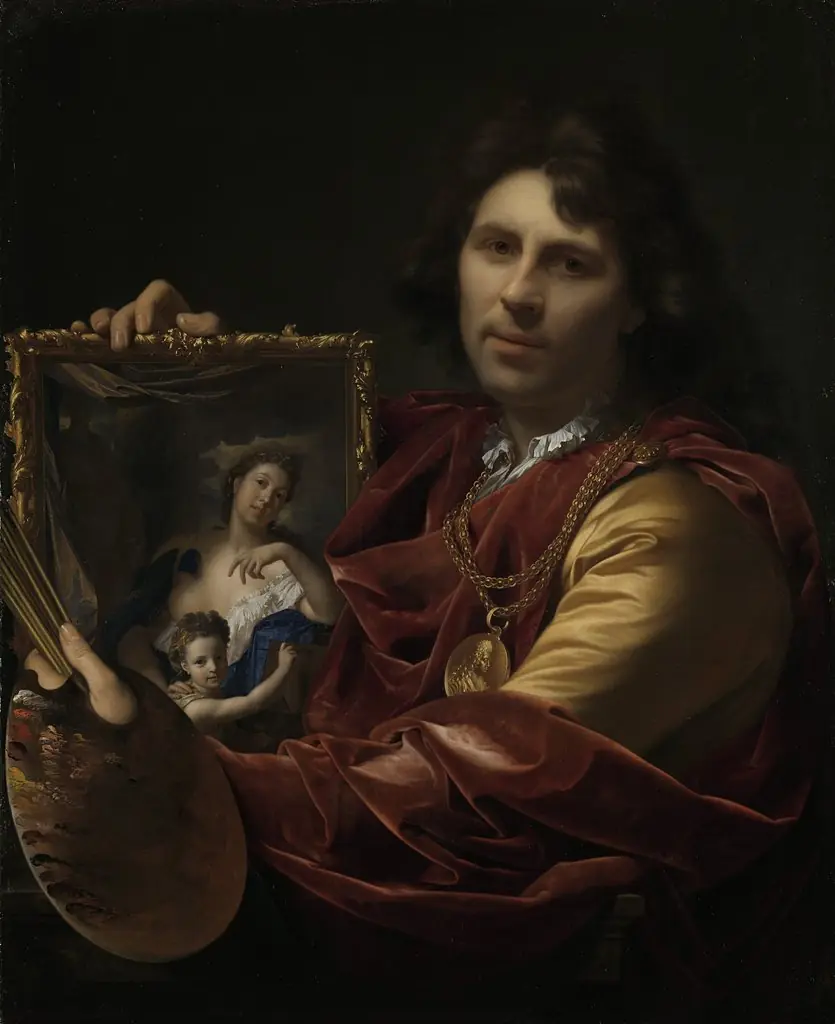 Self-portrait with the Portrait of his Wife, Margaretha van Rees, and their Daughter Maria
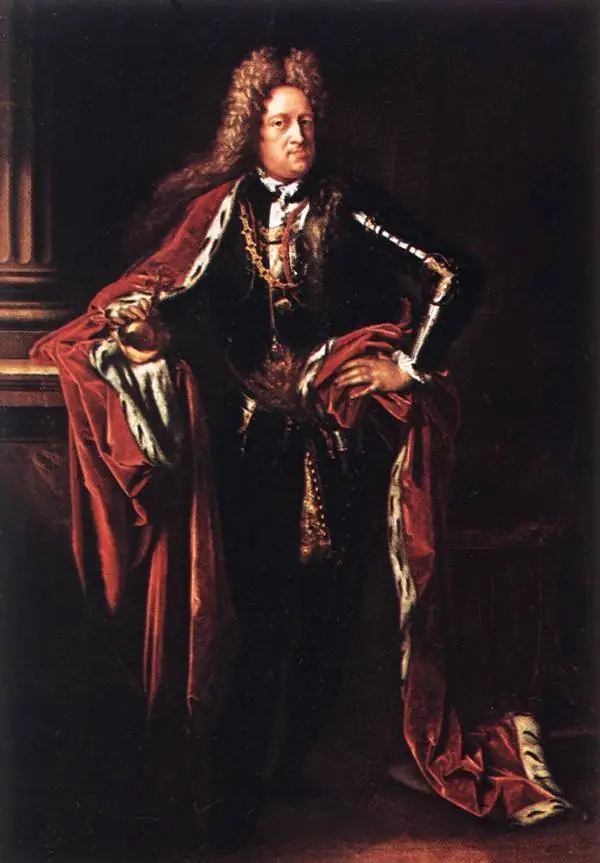 Portrait of Johann Wilhelm Elector of Palatine (1658-1716)
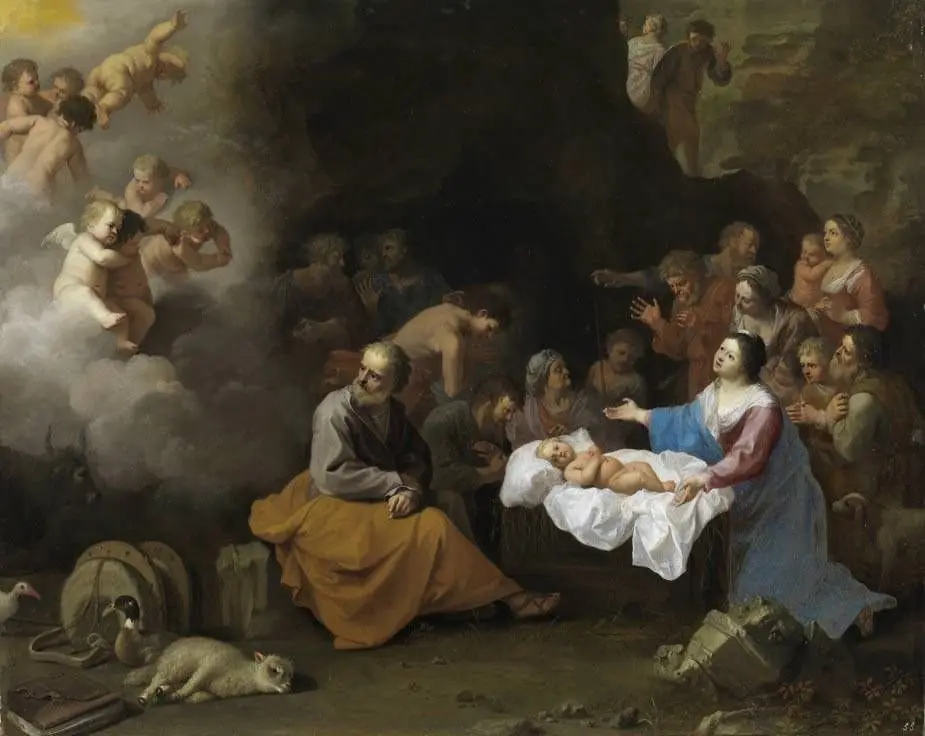
- The adoration of the shepherds
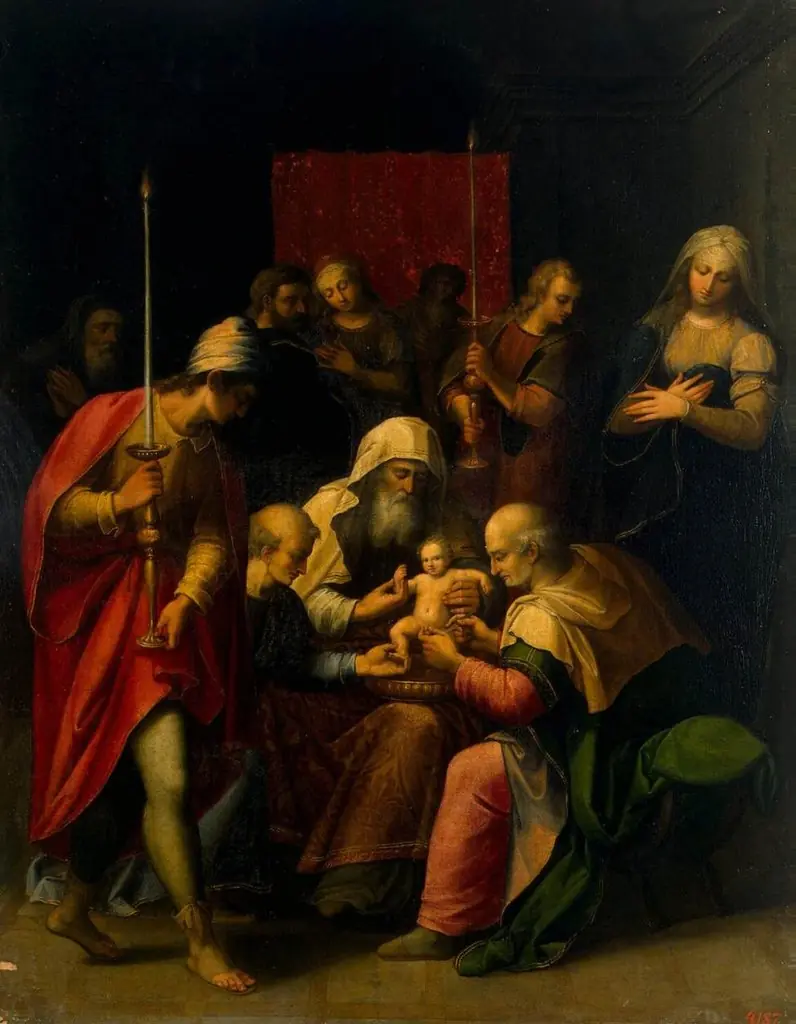 The Circumcision
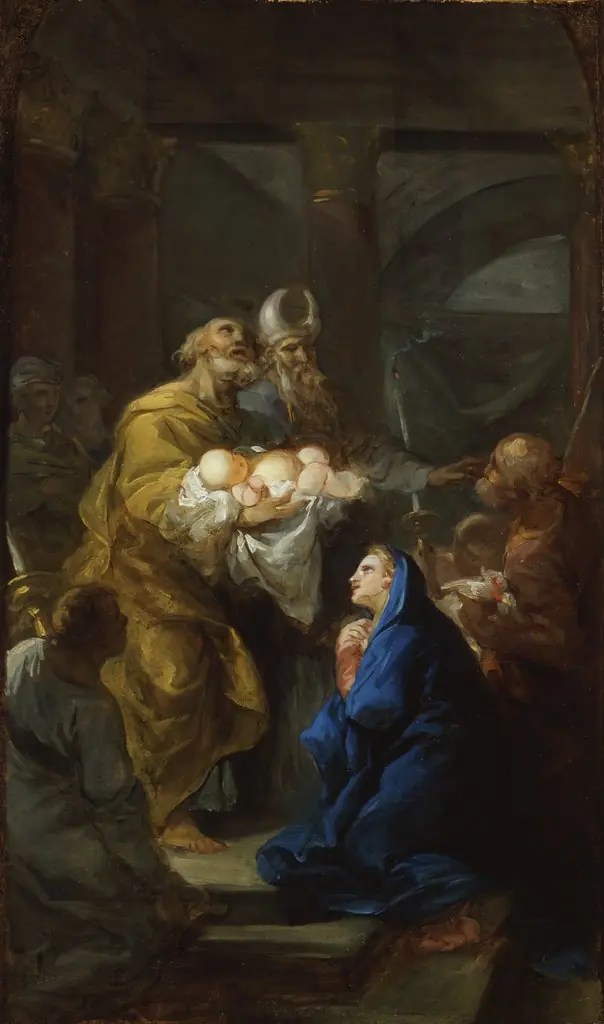 Presentation of Christ in the Temple
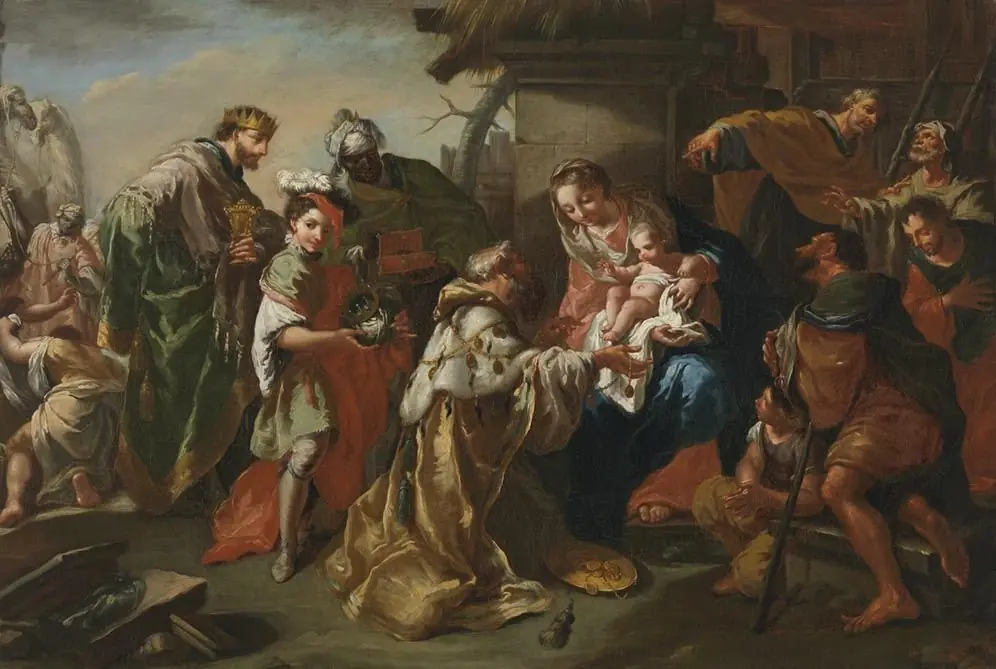 Anbetung der Könige
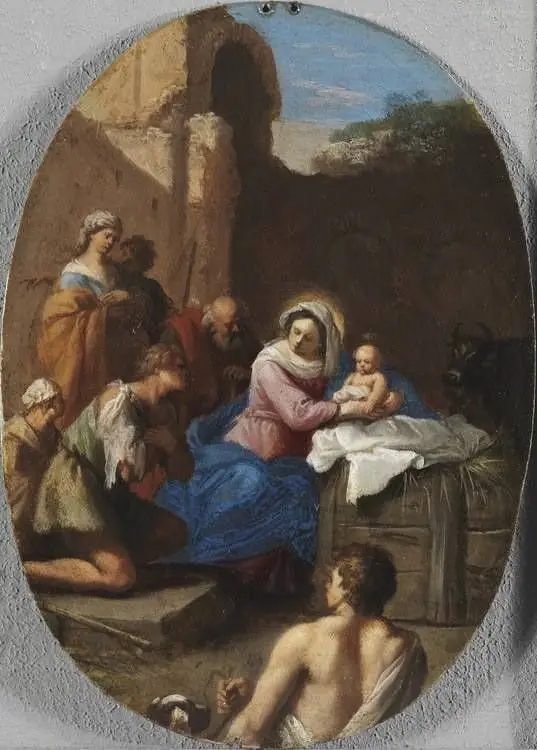 Anbetung der Hirten (zugeschrieben)
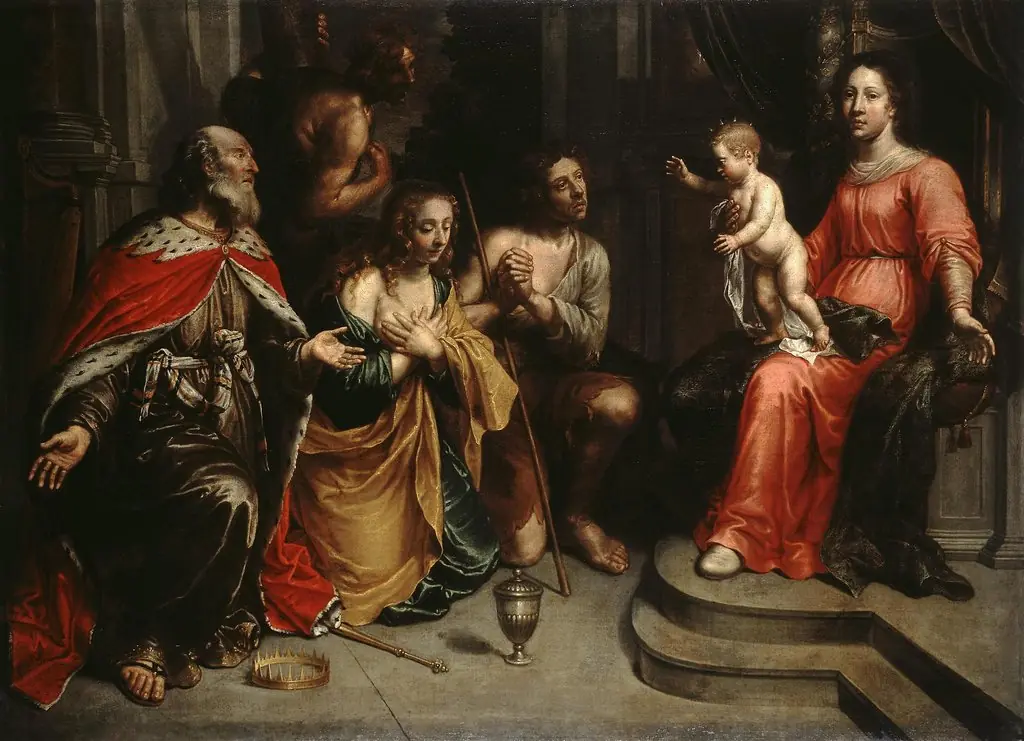 Repentant Sinners in front of the Virgin and Child
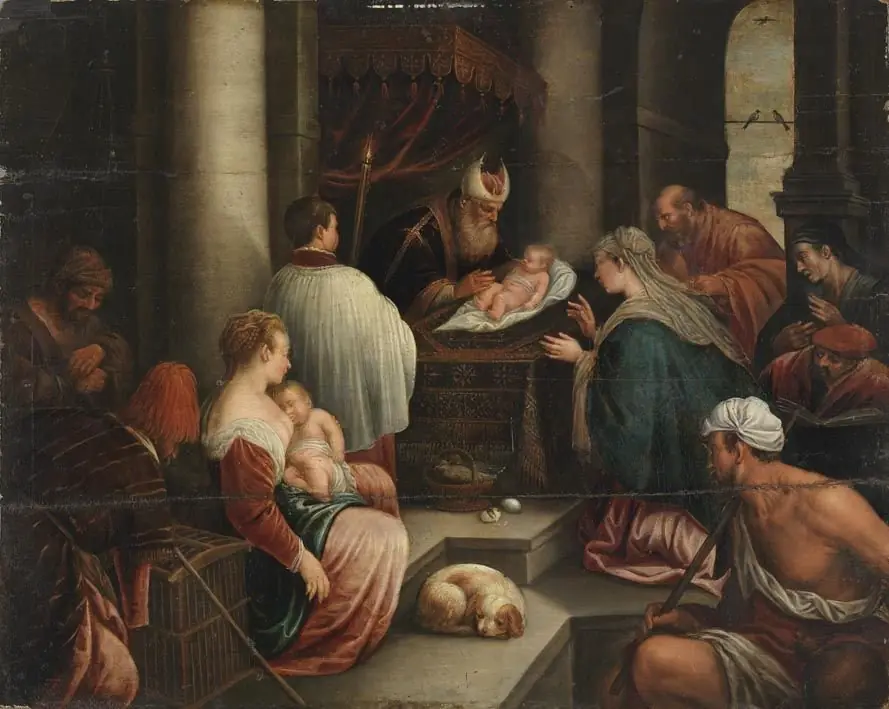 The presentation of Christ in the temple
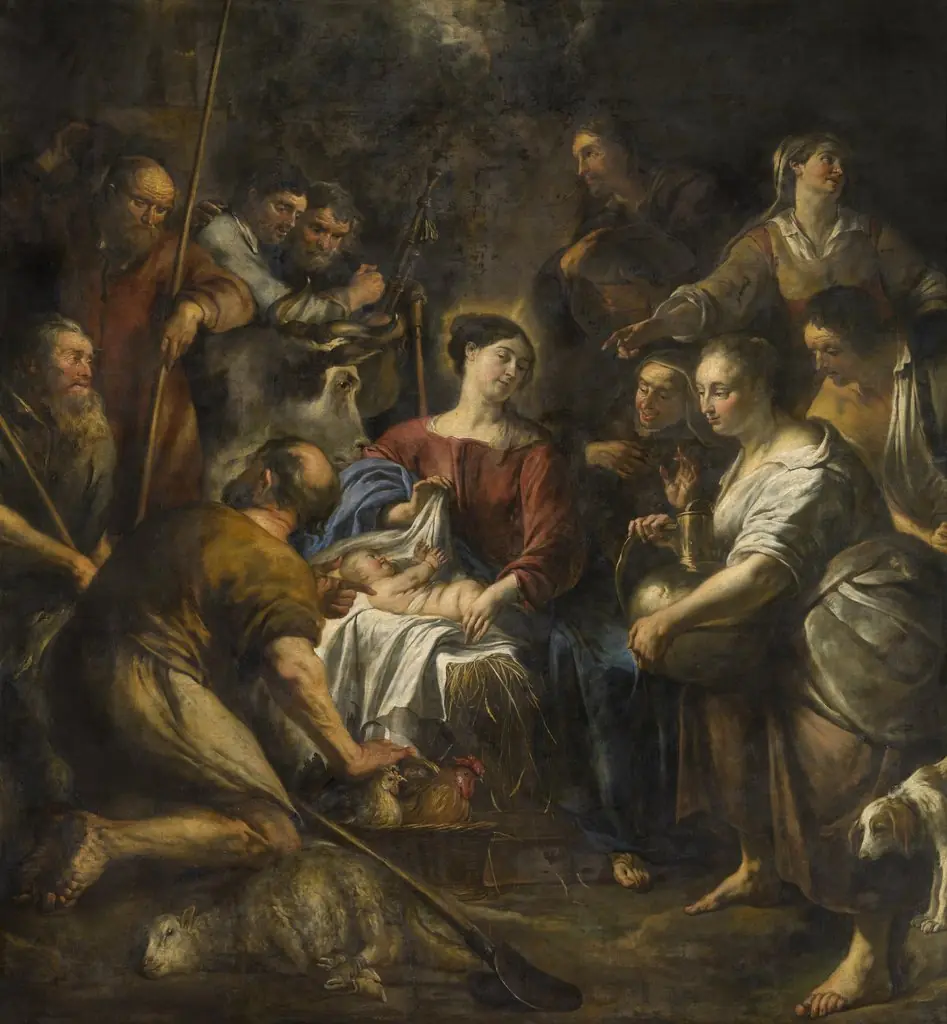 The Adoration of the Shepherds
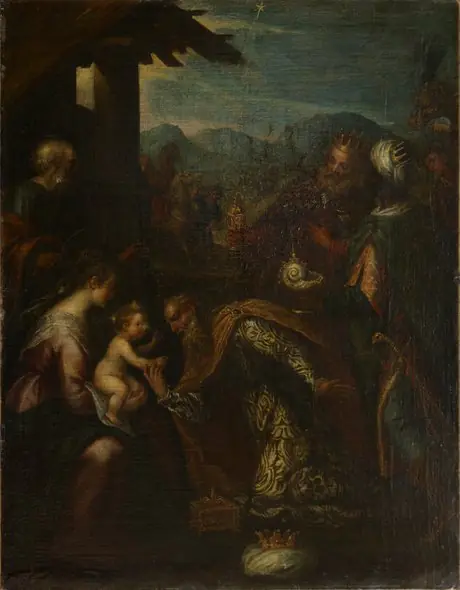 Adoration of the Magi
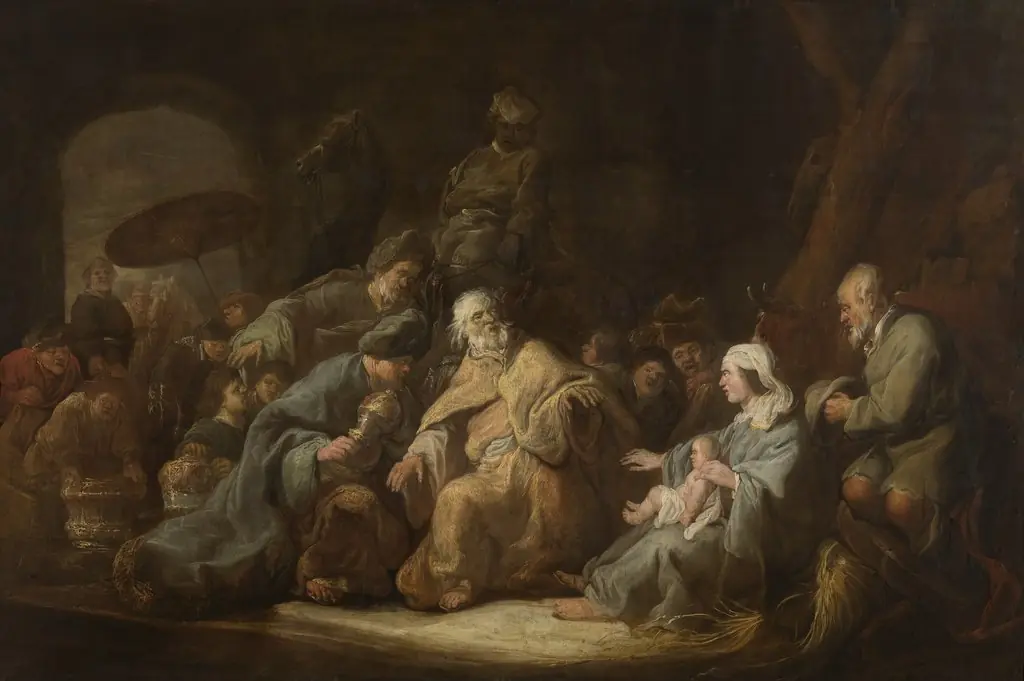 The Adoration of the Magi
 The Holy Family with Saint Elizabeth and Saint Zacharias with their Infant Saint John
 The Adoration of the Shepherds