Artwork
Shoemaker
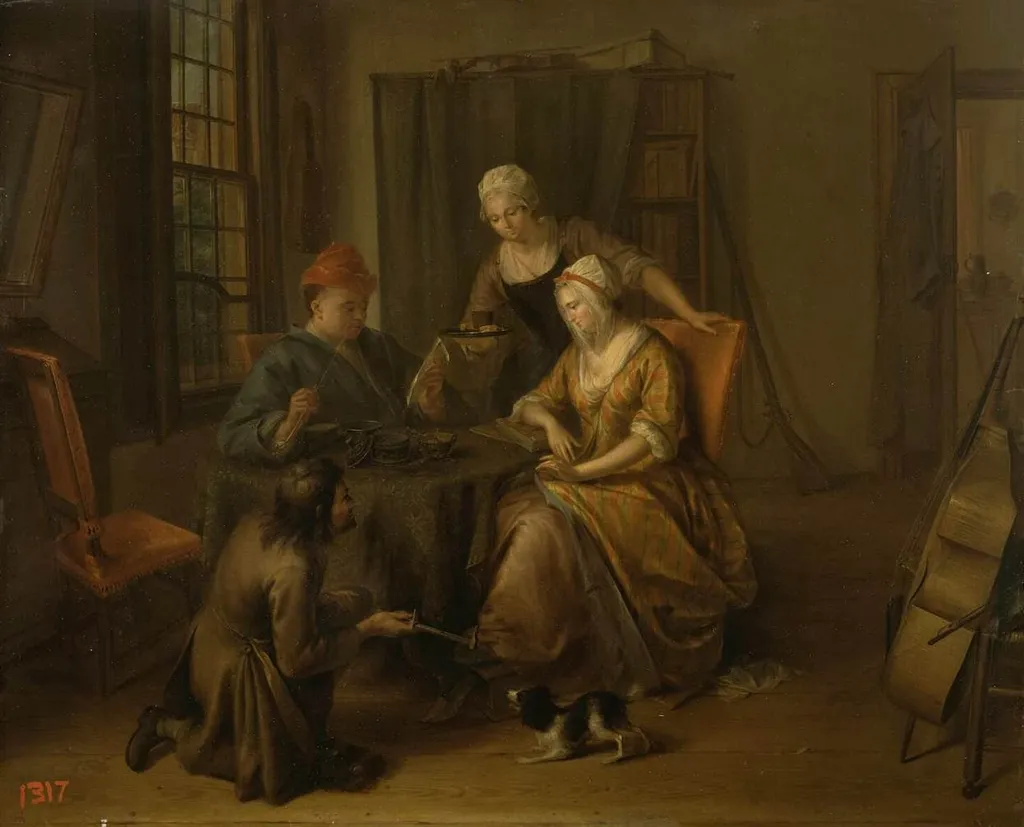
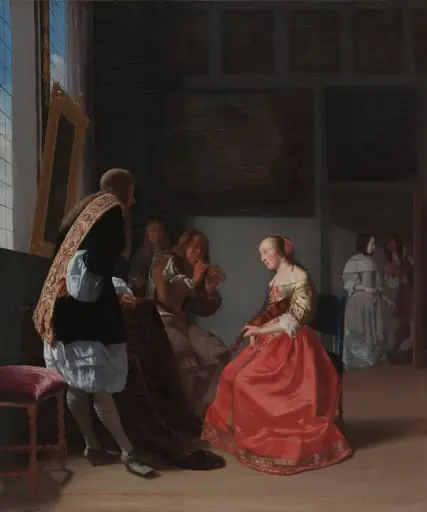
Shoemaker is an oil painting by the Rococo painting artist Aert Schouman. It dates from 1735 and is held in the collection of the Hermitage Museum.
About this work
Subject & Meaning
Shoemaker is a genre scene depicting a cobbler at work, accompanied by a man and a woman engaged in the act of measurement.
Shoemaker is a genre scene depicting a cobbler at work, accompanied by a man and a woman engaged in the act of measurement. The inclusion of measurement suggests a transactional or commercial dimension to the everyday scene, situating the cobbler's craft within a small-scale exchange typical of Dutch genre painting.
As a representation of ordinary labor, the work reflects the eighteenth-century Netherlandish interest in dignifying trades and everyday occupations as worthy subjects for fine art. The pairing of a working artisan with figures involved in measurement may also carry a moralizing undertone, hinting at themes of fair dealing, diligence, or the social interactions surrounding craft and commerce.
Technique & Style
Shoemaker is executed in oil paint on panel, a traditional support choice consistent with Dutch genre painting of the period. The work is classified as a genre scene, depicting a cobbler and other figures within an everyday setting.
The panel measures 39.5 cm in height by 48.5 cm in width, giving it a modest, intimate scale suited to its everyday subject matter. The use of oil on a rigid wooden support allowed for fine detail in the rendering of the figures and their surroundings.
Stylistically, the painting belongs to the tradition of genre art, focusing on ordinary working life rather than historical or mythological themes.
History & Provenance
"Shoemaker" is an oil-on-panel painting created by Aert Schouman in 1735 in the Netherlands. Measuring 39.5 cm in height and 48.5 cm in width, it depicts a cobbler alongside a man and a woman engaged in measurement. As a genre scene, the work exemplifies Schouman’s mid‑18th‑century Dutch output.
The painting entered the Hermitage Museum’s collection and is currently housed there; no earlier provenance or commission details are recorded in the sources. The medium is oil paint on panel.
Overview
Created in 1735 by Dutch painter Aert Schouman, this oil on canvas presents an intimate interior where a cobbler attends to a woman’s foot. The composition captures a quiet moment of everyday life, rendered in the soft, decorative manner typical of the Rococo period. The work is part of the collection of the State Hermitage Museum in St. Petersburg.
Context
The painting reflects the Rococo fascination with genre subjects that celebrated the charm of everyday activities. In the Dutch artistic tradition, scenes of craftsmen at work were popular for their moral undertones and their depiction of industriousness. Schouman’s choice of a shoemaker aligns with this broader cultural interest in the dignity of manual labor.
Artist & collection
Artist
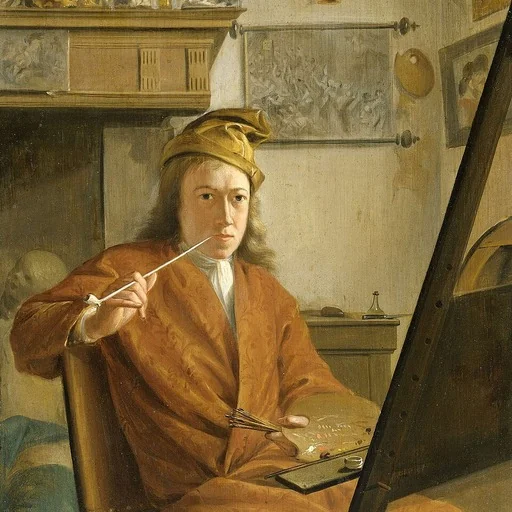
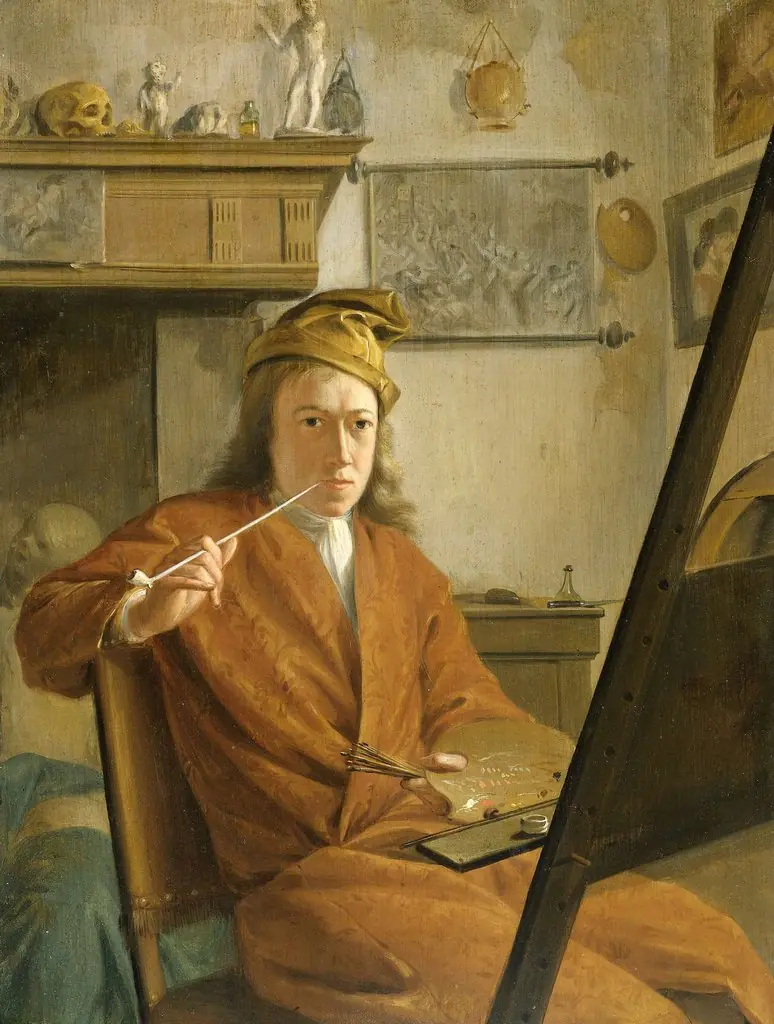
Aert Schouman or Aart Schouman (4 March 1710 – 5 July 1792) was an 18th-century painter, now better known as a glass engraver, from the Dutch Republic.

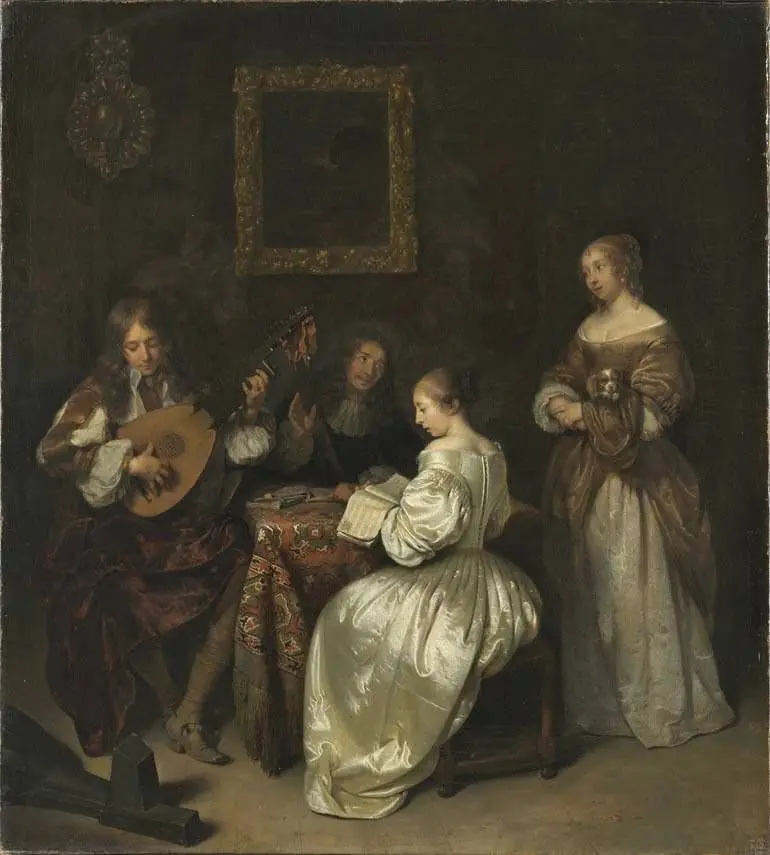 A Musical Evening
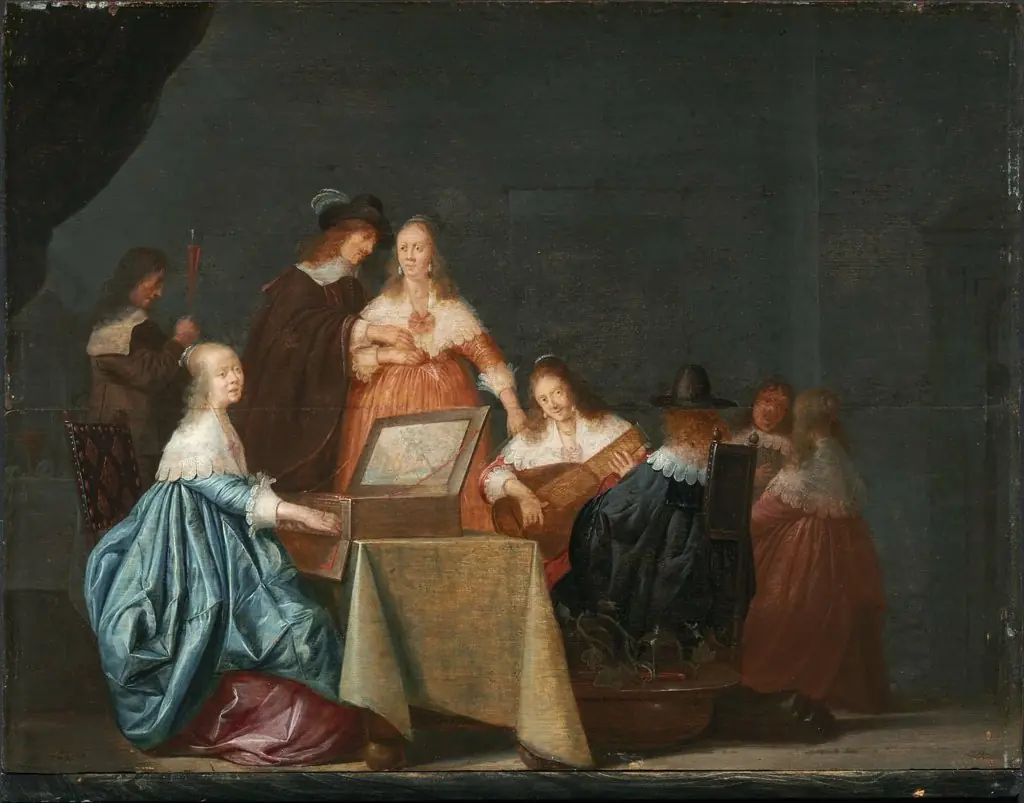 Musical Party
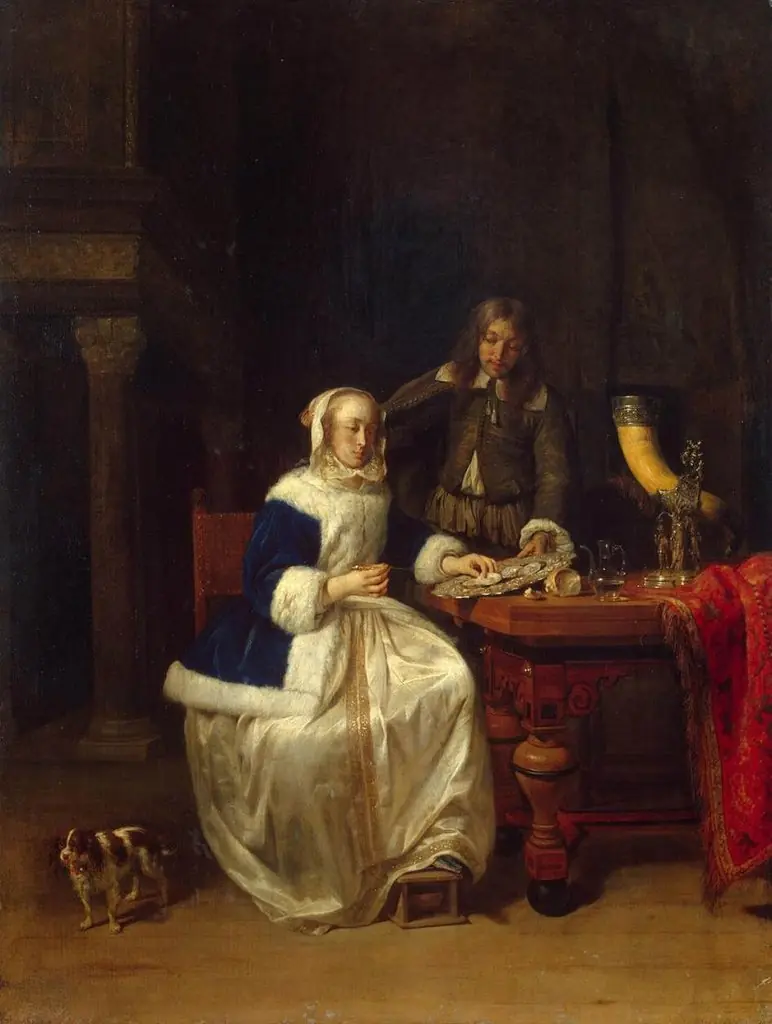 Breakfast
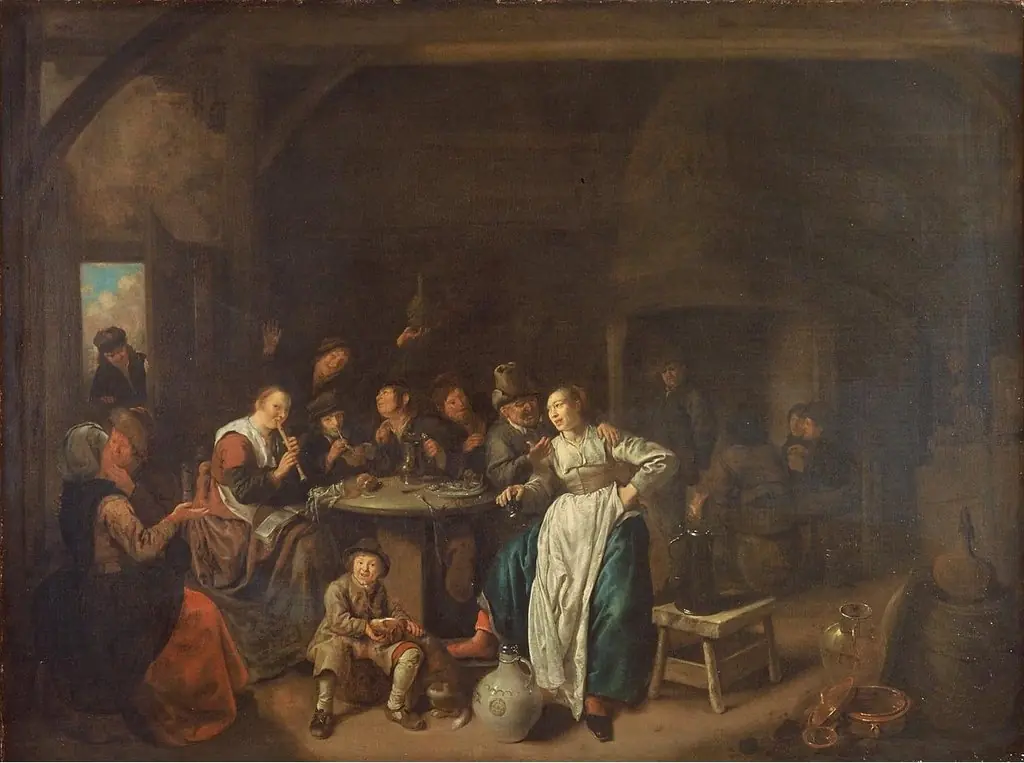 Feestende boeren
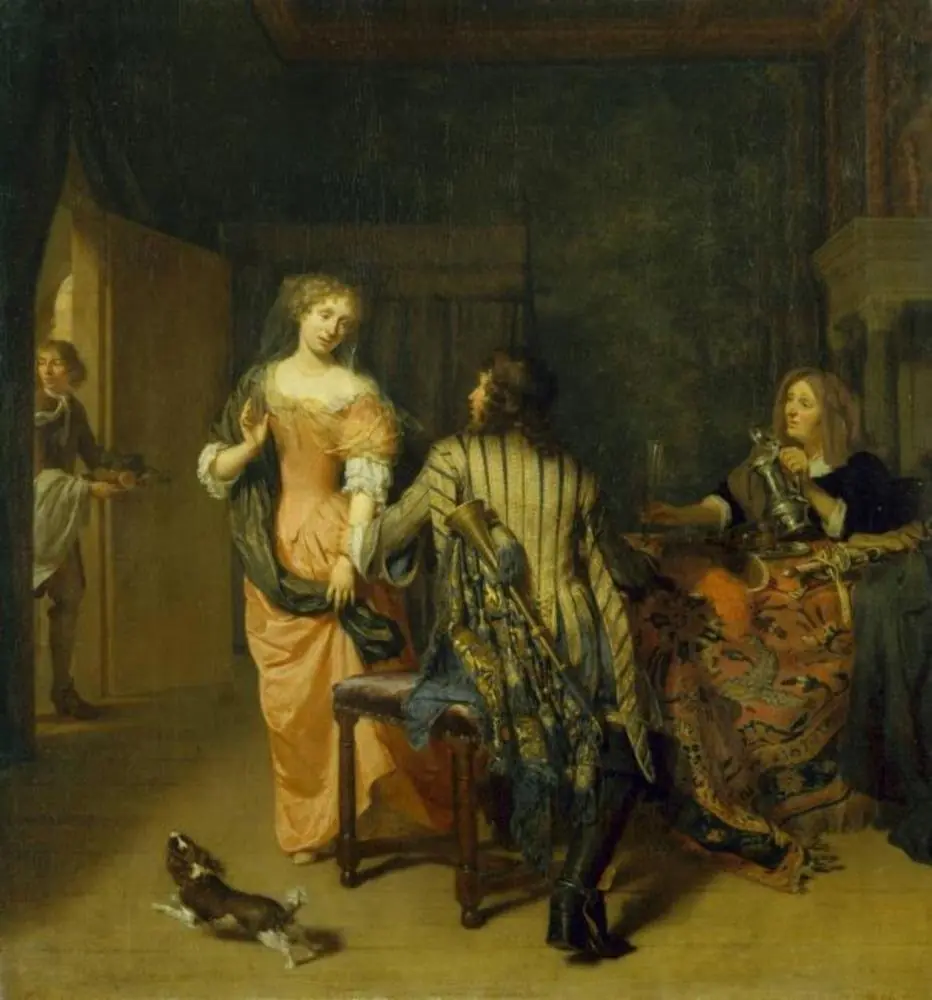 Elegant interior in which a soldier with a trumpet grabs a young woman by the arm
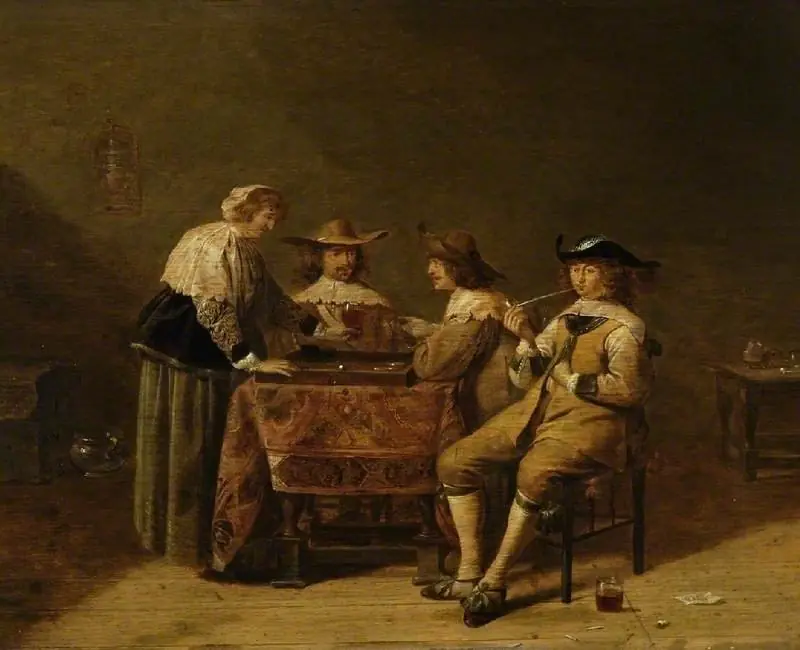 Gentlemen playing backgammon
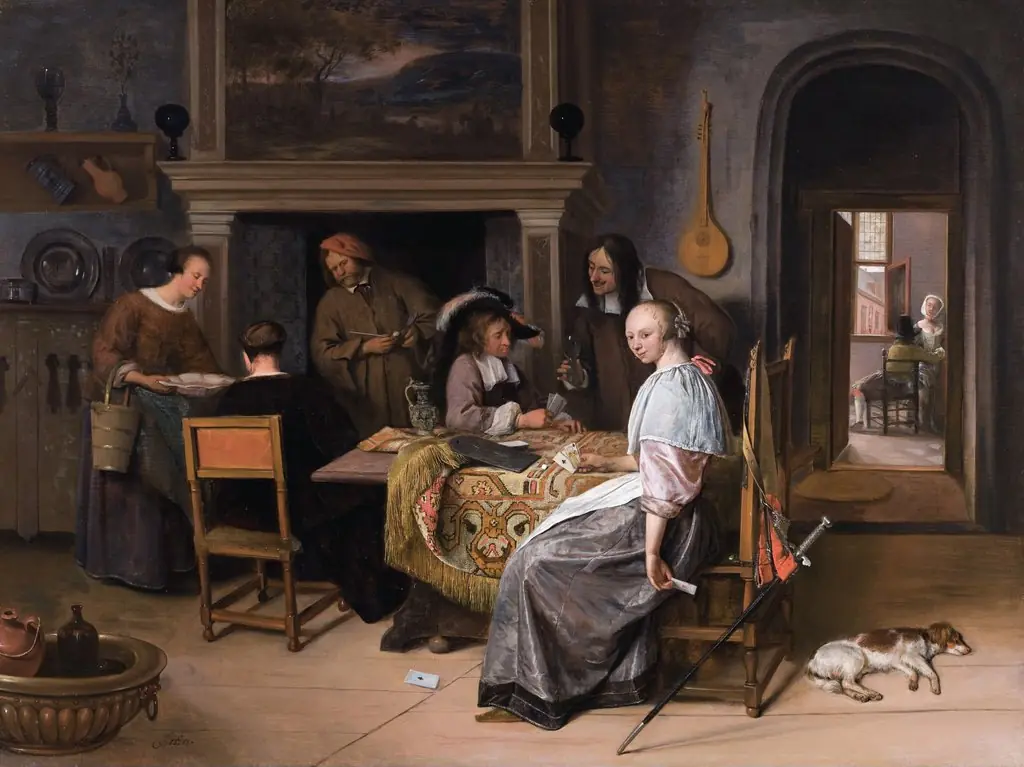 The Card Players in an Interior
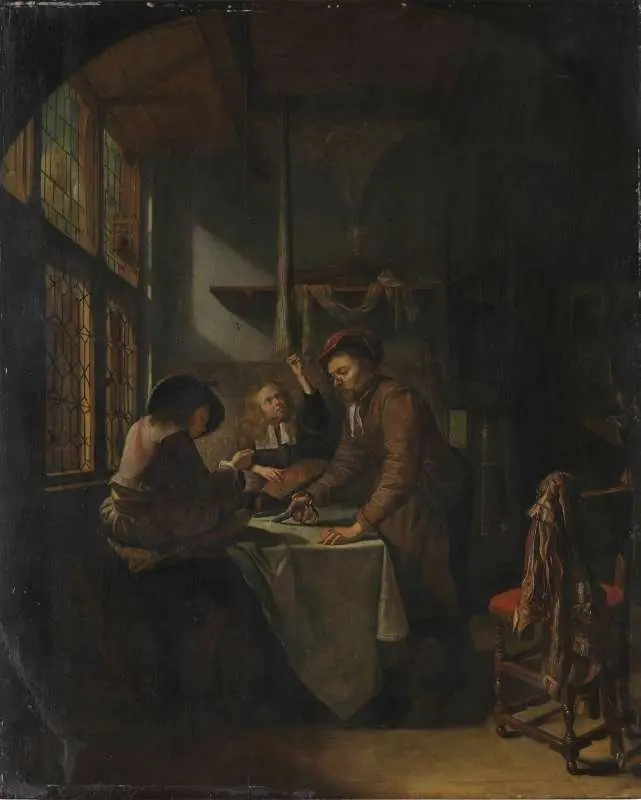 Tailor's Workshop
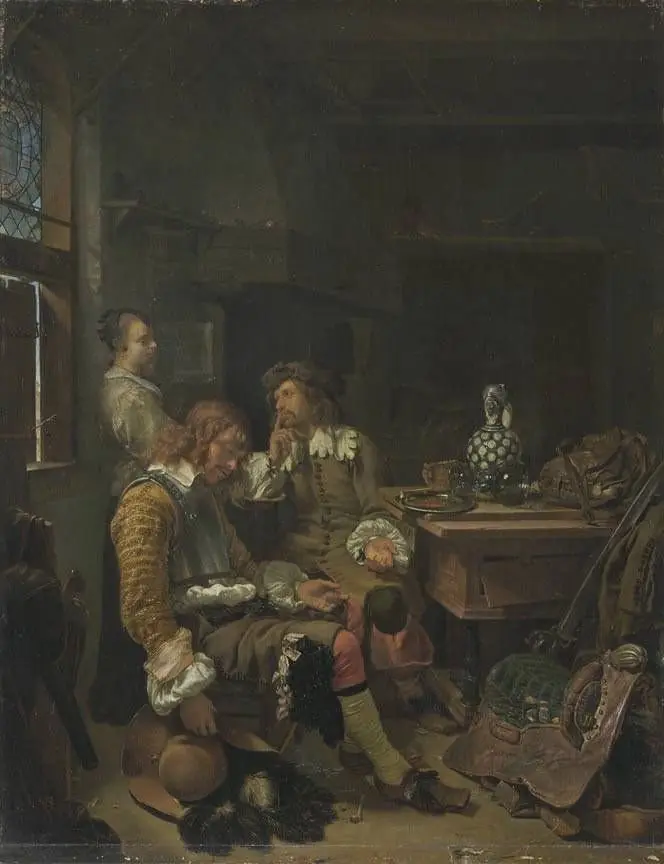 The Sleeping Officer
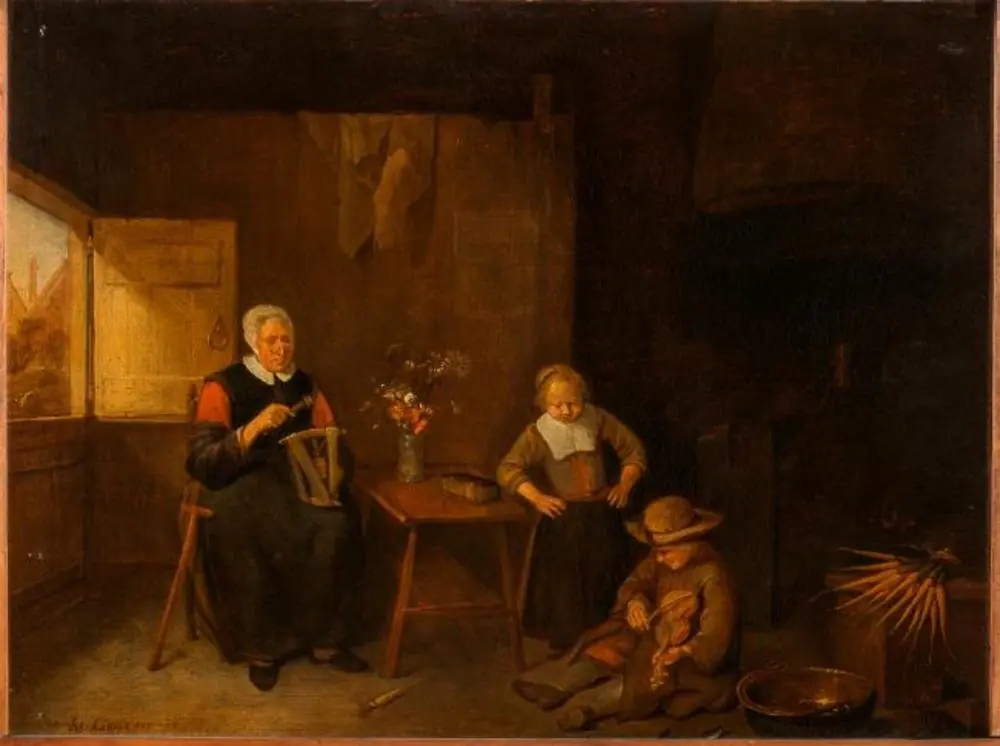 An Old Woman Twisting Threads and Two Children in the Room
 A Musical Company
- The Lacemaker