Artwork
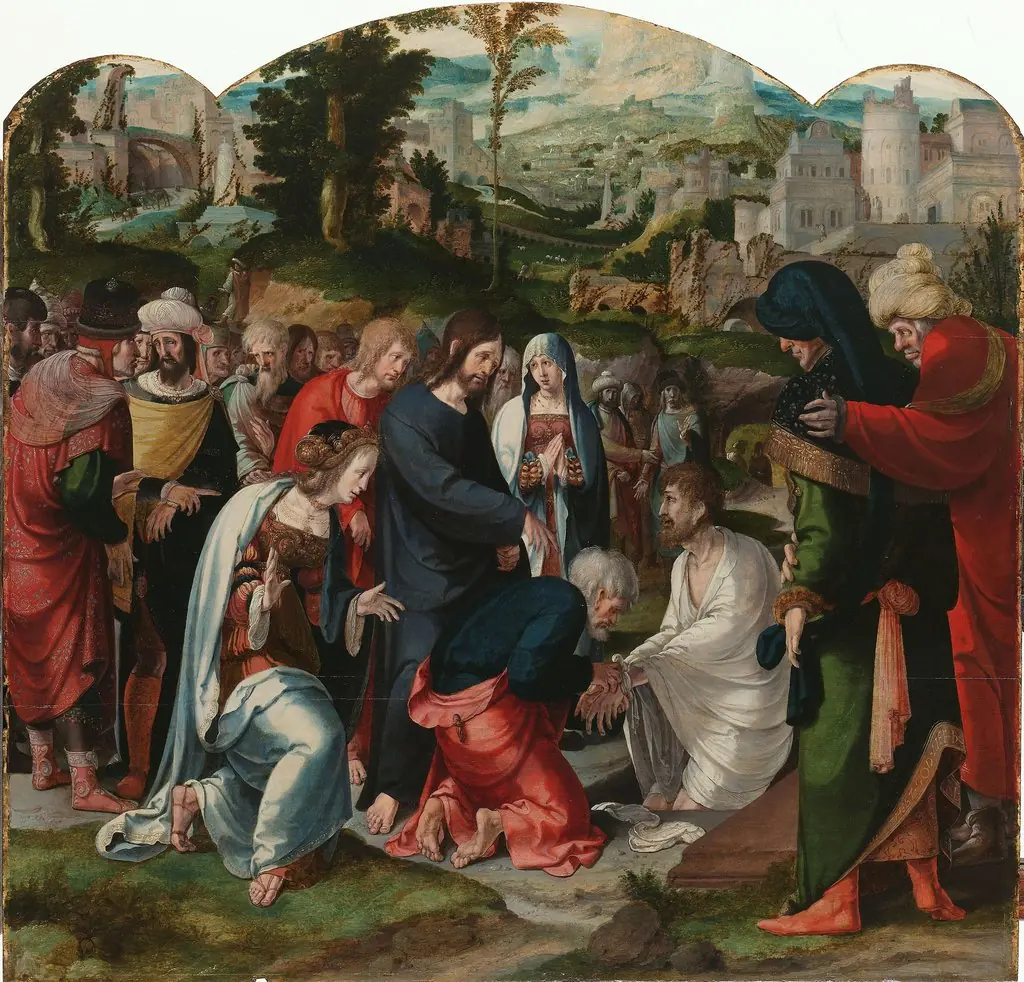
The Raising of Lazarus
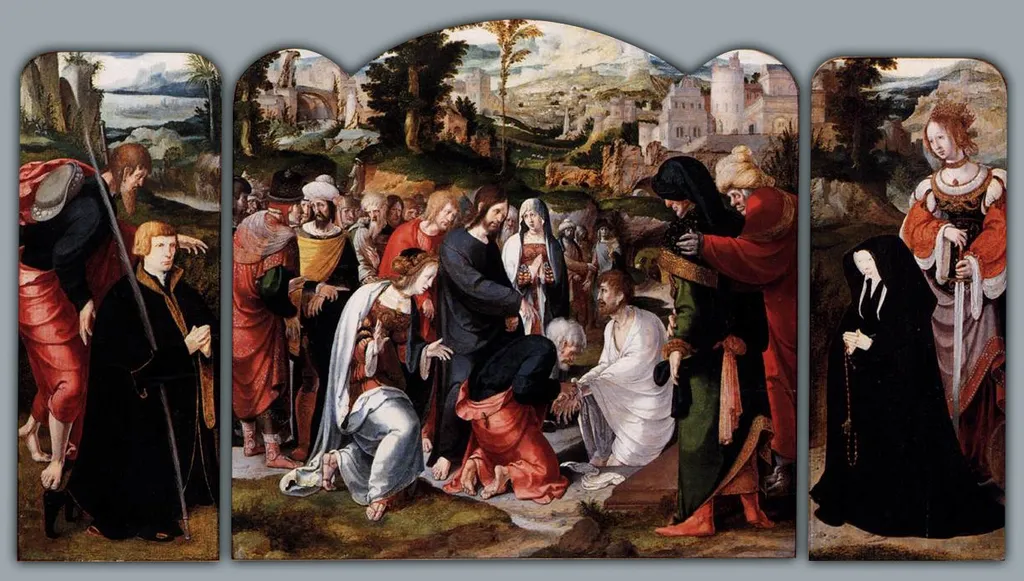
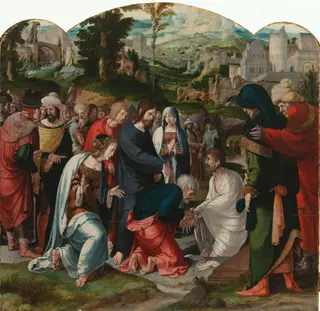
The Raising of Lazarus is an oil painting by the Early Baroque Italian artist Aertgen van Leyden. It is held in the collection of the Rijksmuseum.
About this work
Subject & Meaning
Created in Leiden, the piece serves as an example of religious art from the period, focusing on the narrative of resurrection.
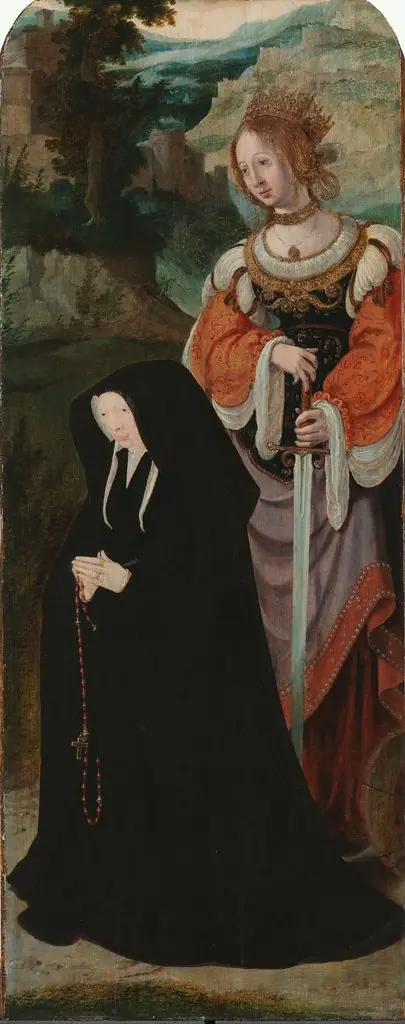
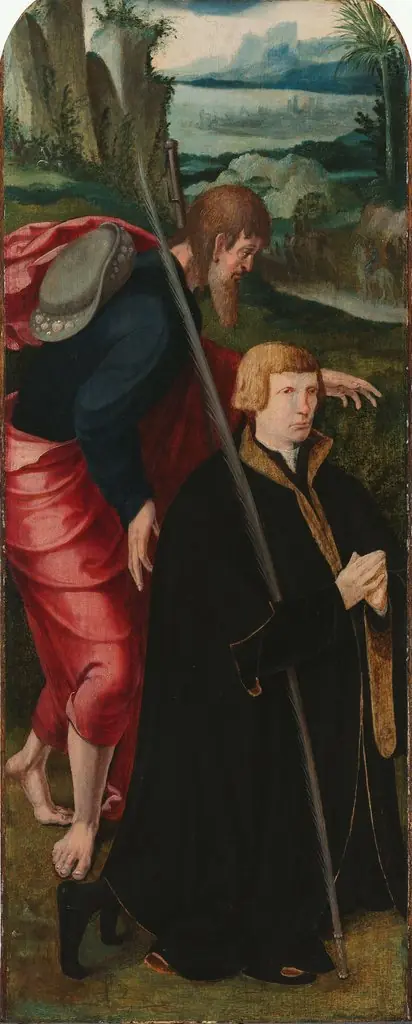
This 1630 oil painting by Aertgen van Leyden illustrates the biblical miracle of the Raising of Lazarus. The composition features Lazarus of Bethany as the central figure, accompanied by St. James the Elder and a donor, reflecting the work's function as a devotional triptych. Created in Leiden, the piece serves as an example of religious art from the period, focusing on the narrative of resurrection.
The inclusion of a donor alongside sacred figures like St. James suggests the work was commissioned for private veneration or a specific chapel setting, emphasizing the personal connection between the patron and the divine event depicted.
Technique & Style
Aertgen van Leyden employed oil paint on panel to create The Raising of Lazarus in 1630. The work functions as a religious triptych depicting Lazarus of Bethany alongside St. James the Elder and a donor figure. Executed in Leiden, it measures 76 cm in height and 135 cm in width.
The composition demonstrates careful handling of oil paint to render religious narrative with stylistic precision characteristic of Dutch religious painting.
History & Provenance
The Raising of Lazarus, a triptych painting by Aertgen van Leyden, is held in the collection of the Rijksmuseum in Amsterdam. It is currently displayed in hall 0.1 of the museum. The work, created in 1630, depicts the biblical scene of the Raising of Lazarus along with St. James the Elder and a donor figure.
No specific inventory or accession number is provided in the available records, nor is there documented exhibition history beyond its permanent placement within the Rijksmuseum.
Context
The painting demonstrates Aertgen van Leyden's significance within Leiden-school religious painting. Created in 1630 in Leiden, it forms part of a triptych housed in the Rijksmuseum collection, reflecting contemporary devotional practices centered on Lazarus of Bethany and St. James the Elder. Its scholarly importance is underscored by its inclusion in studies of van Leyden's oeuvre and religious genre painting, with its composition and iconography contributing to understandings of Dutch artistic engagement with biblical narratives.
Overview
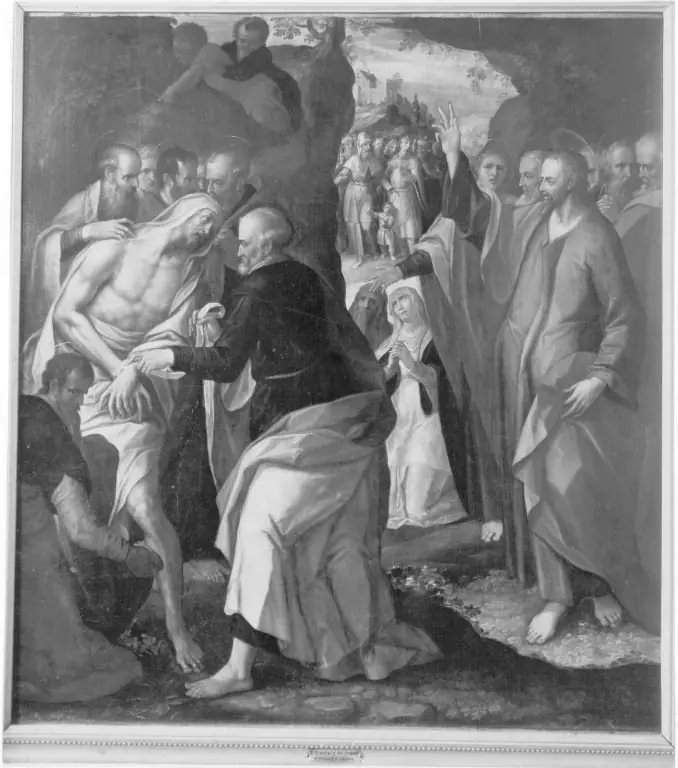
Aertgen van Leyden’s oil on canvas, titled The Raising of Lazarus, was executed circa 1630. The work presents the moment from the Gospel of John when Lazarus is called forth from death, set within a bustling composition that draws the eye to the central figure’s emergence from the ground. The painting is part of the Rijksmuseum’s collection in Amsterdam.
Artist & collection
Artist
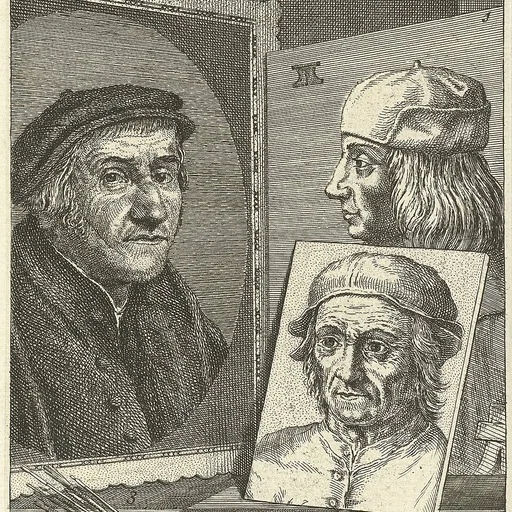
Aertgen Claesz. van Leyden (c. 1498 – c. 1564), also known as Allaert or Aert van Leyden or Aert Claesz. van Leyden, was a 16th-Century Dutch painter, draughtsman and designer of stained glass. Works by this artist can…