Artwork
The Raising of Lazarus
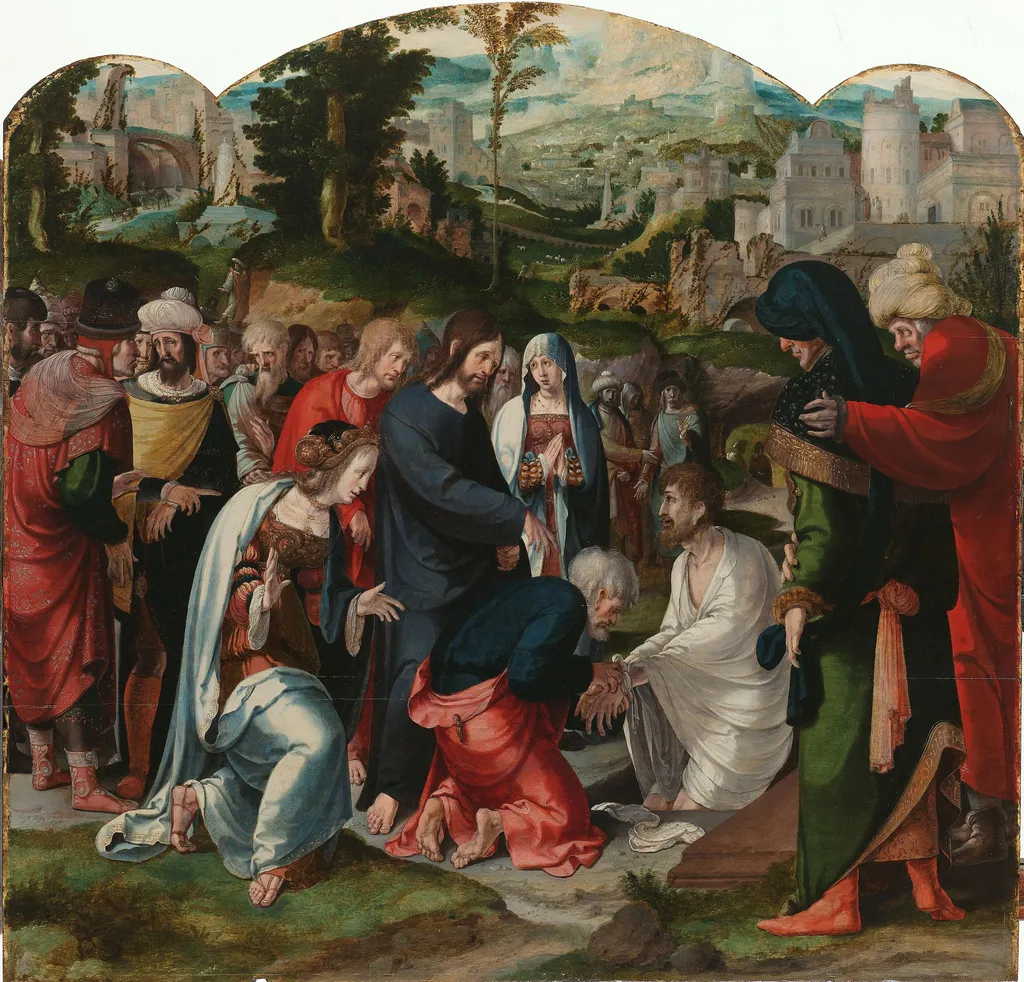
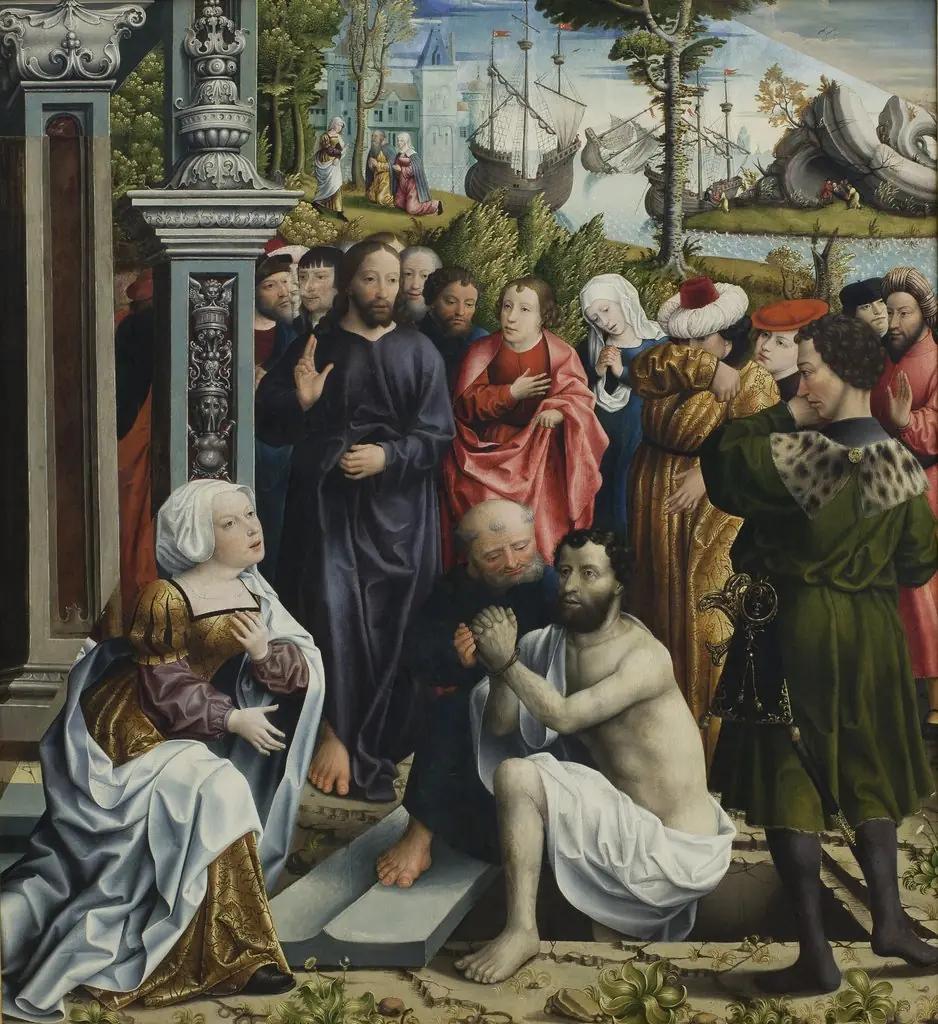
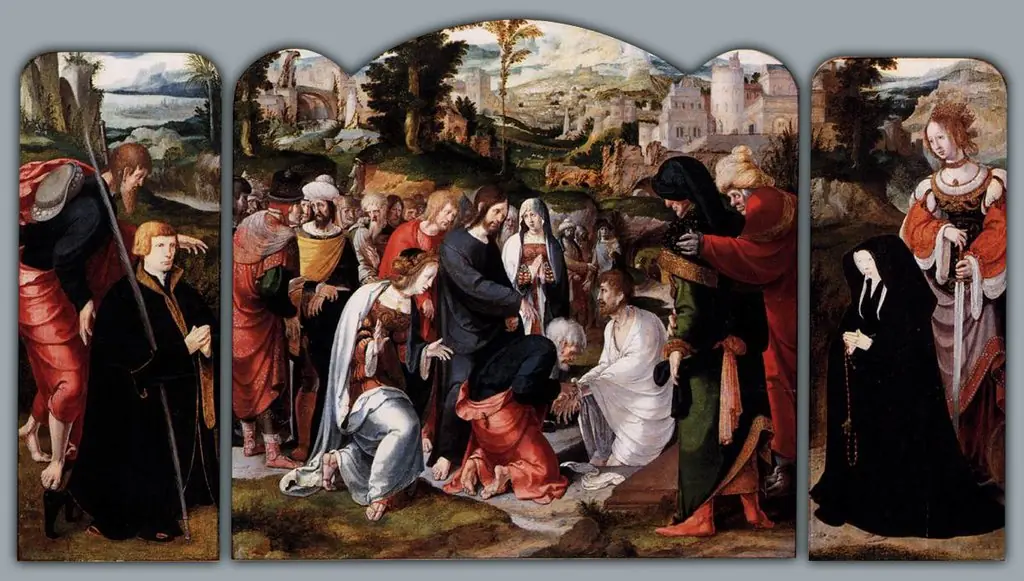
The Raising of Lazarus is an oil painting by the Mannerist artist Aertgen van Leyden. It dates from 1530 and is held in the collection of the Rijksmuseum.
About this work
Subject & Meaning
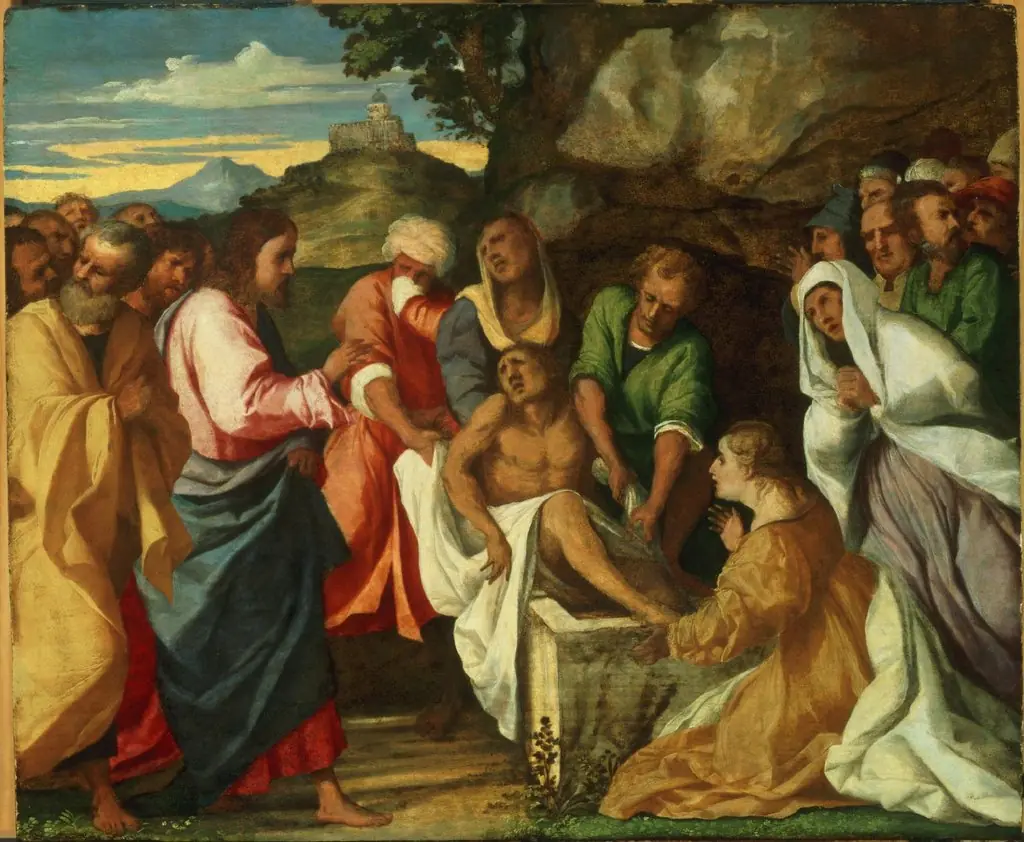
Lazarus is depicted emerging from a stone sarcophagus, his figure illuminated to emphasize divine intervention, while onlookers react with astonishment.
The painting shows the biblical moment when Christ calls Lazarus from the tomb, a scene symbolizing resurrection and triumph over death. Lazarus is depicted emerging from a stone sarcophagus, his figure illuminated to emphasize divine intervention, while onlookers react with astonishment. The composition underscores themes of faith and miraculous restoration, central to Christian iconography of redemption.
Technique & Style
The Raising of Lazarus is executed in oil paint on panel, a support typical of Netherlandish painting in the early sixteenth century. The work was produced in Leiden in 1530 by Aertgen van Leyden. As the central panel of a triptych, it measures 75.7 cm in height by 78.8 cm in width, giving it a nearly square format.
The composition is religious in genre and depicts the Raising of Lazarus along with a tree, rendered in a style consistent with early Netherlandish panel painting traditions of the period.
The painting is held in the collection of the Rijksmuseum, where it is classified as a painting of religious subject matter.
History & Provenance
Painted in 1530, the work was created by Aertgen van Leyden and is recorded as the central panel of a triptych depicting the Raising of Lazarus.
The painting entered the collection of the Rijksmuseum in Amsterdam, where it remains today. Its dimensions are 75.7 cm in height and 78.8 cm in width.
The Raising of Lazarus, an oil-on-panel painting created by Aertgen van Leyden in 1530, is held in the collection of the Rijksmuseum in Amsterdam. Serving as the central panel of a triptych, the work depicts the biblical scene of Lazarus of Bethany alongside a tree. While the museum location is confirmed, the provided sources do not specify a unique inventory or accession number for the piece. Furthermore, no details regarding the painting's exhibition history are available in the current documentation.
Context
The Raising of Lazarus by Aertgen van Leyden occupies a pivotal position in early Dutch religious painting, reflecting the devotional intensity of pre-Reformation Netherlands. Its composition, focusing on the miraculous resurrection of Lazarus within a domestic interior, demonstrates the artist's engagement with contemporary Netherlandish interpretations of biblical narratives. Scholarship emphasizes its role within van Leyden's broader oeuvre of small-scale devotional works, particularly his triptych format as seen in this central panel housed at the Rijksmuseum.
The work's reception history is closely tied to 19th-century antiquarian interest in Northern Renaissance art, though it was overshadowed by van Leyden's more famous genre scenes in early catalogues. Contemporary analysis situates it within the transition from late Gothic to early Renaissance visual language in the Low Countries, highlighting its technical innovation in rendering light and texture on panel.
Overview
Aertgen van Leyden’s oil painting The Raising of Lazarus dates from 1530. Executed in the Northern Mannerist idiom, the work portrays the biblical miracle of Lazarus’s return from death. It is held in the collection of the Rijksmuseum in Amsterdam, where it is displayed among other 16th‑century Dutch paintings.
Own this work as a print
Artist & collection
Artist
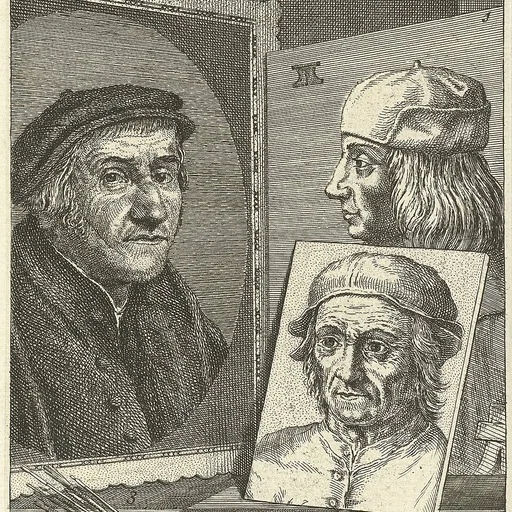
Aertgen Claesz. van Leyden (c. 1498 – c. 1564), also known as Allaert or Aert van Leyden or Aert Claesz. van Leyden, was a 16th-Century Dutch painter, draughtsman and designer of stained glass. Works by this artist can…