Artwork
Washoe Valley, Nevada
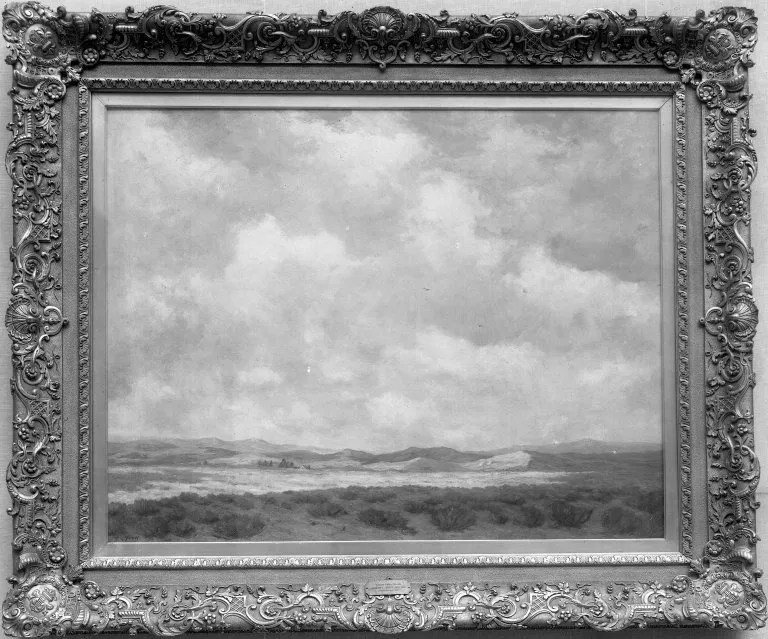
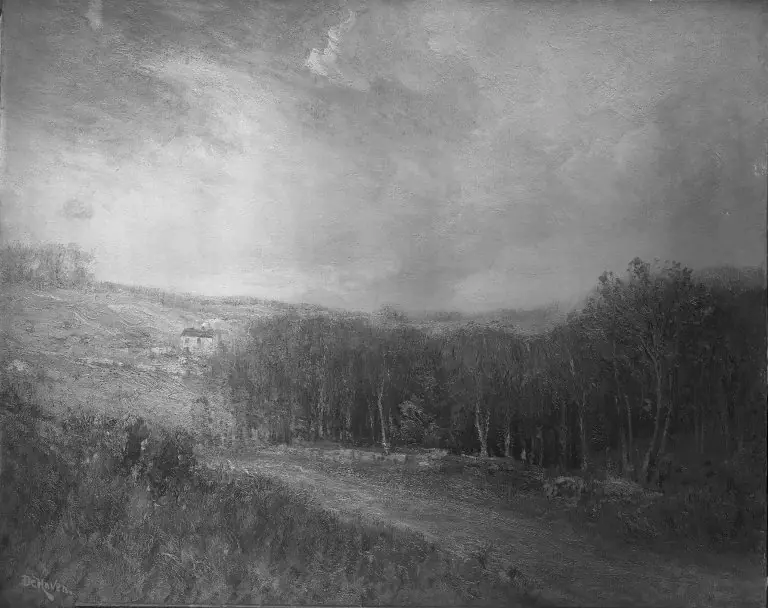
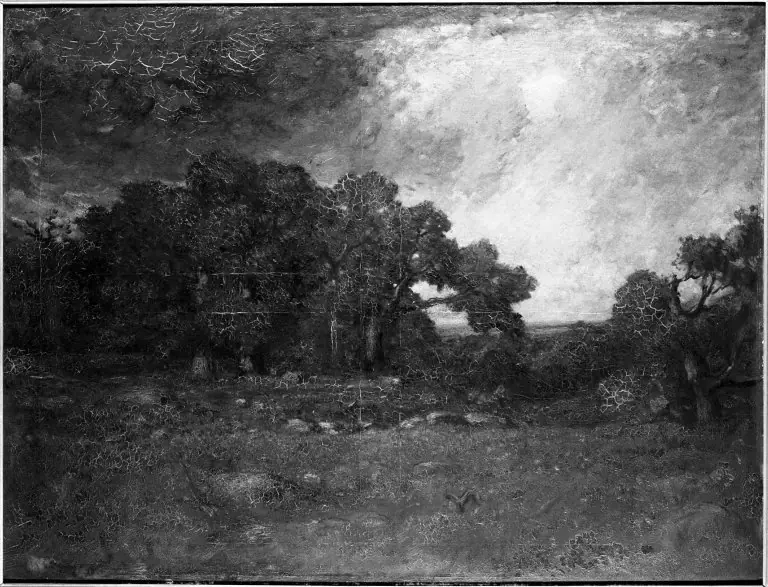
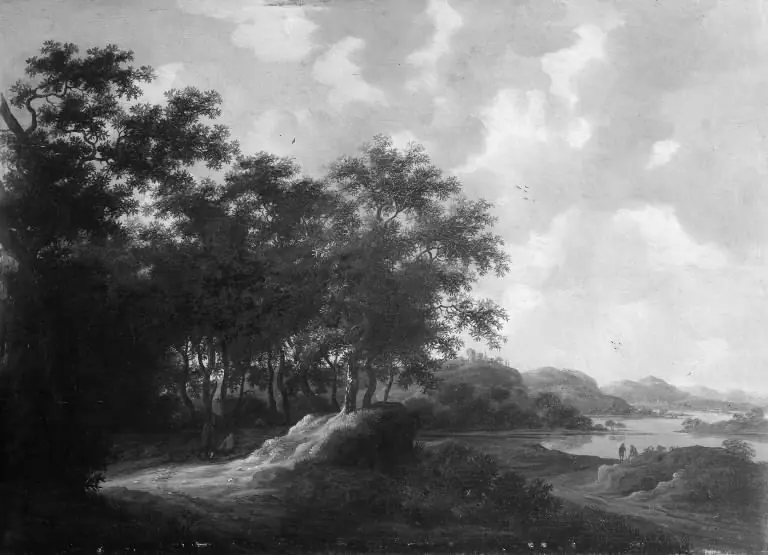
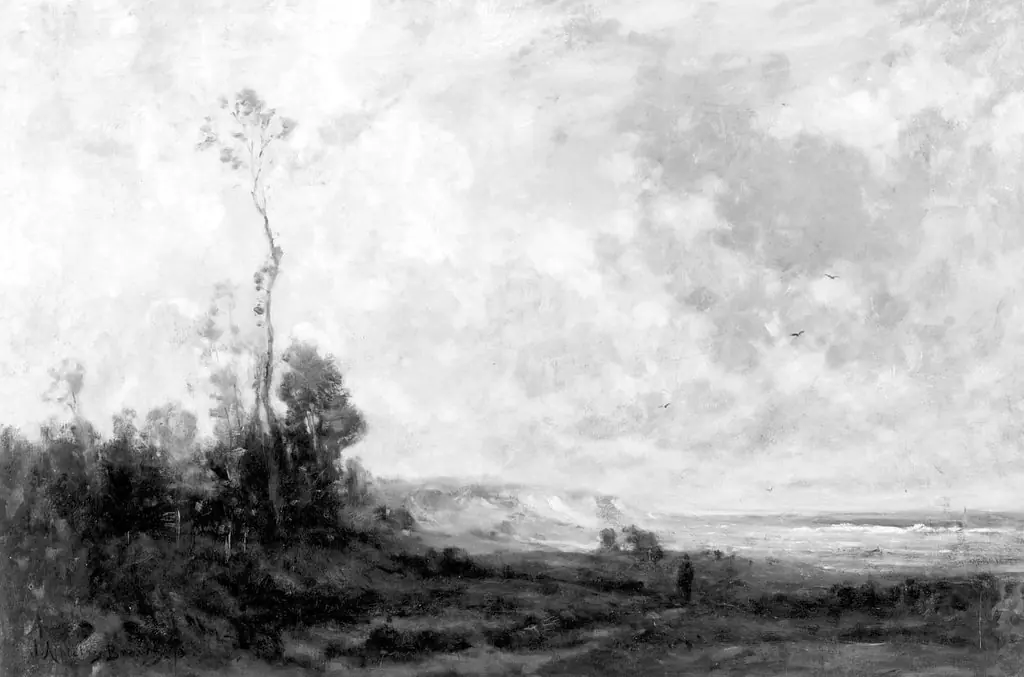
Washoe Valley, Nevada is an oil painting by the American Impressionist artist Albert Lorey Groll. It dates from 1910 and is held in the collection of the Brooklyn Museum.
About this work
Overview
Washoe Valley, Nevada is a 1910 oil painting by Albert Lorey Groll, an American artist influenced by European training. The work depicts a serene landscape of rolling hills and a cloudy sky, characteristic of Groll's focus on American Southwest scenes.
Subject & Meaning
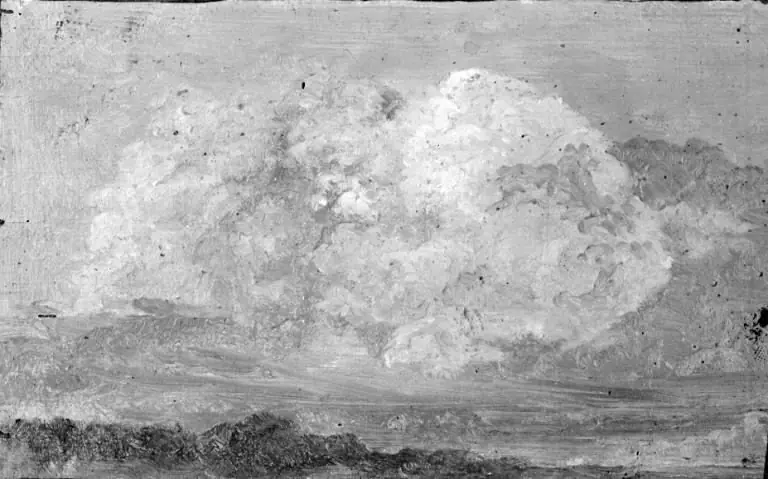
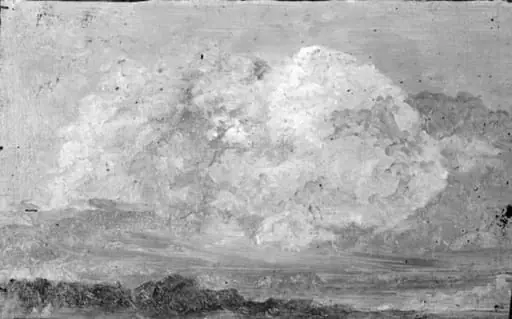
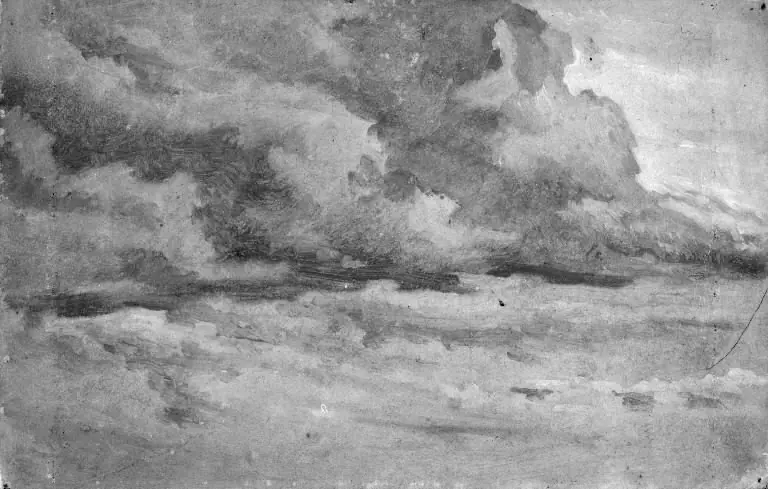
The painting captures the natural beauty of Washoe Valley, emphasizing the interplay between lush, varied greenery in the foreground and the soft, airy quality of the cloudy sky above. The subject reflects Groll's interest in conveying the serene and natural aspects of the American landscape.
Technique & Style
Executed in oil paint, the work exemplifies American Impressionism, marked by capturing light and color in an outdoor setting. Groll's brushwork and palette choice effectively render the textures of foliage and the ephemeral quality of the clouds.
History & Provenance
Painted in 1910, the same year Groll was elected to the National Academy of Design, Washoe Valley, Nevada is now part of the Brooklyn Museum's collection.
Context
Created during a period of growing interest in the American Southwest's landscapes, Groll's work contributes to the broader artistic movement of capturing the region's unique natural beauty through Impressionist techniques.
Legacy
As part of the Brooklyn Museum's collection, Washoe Valley, Nevada continues to represent Groll's contribution to American Impressionism, offering insights into early 20th-century artistic interpretations of the American West.
Artist & collection
Artist
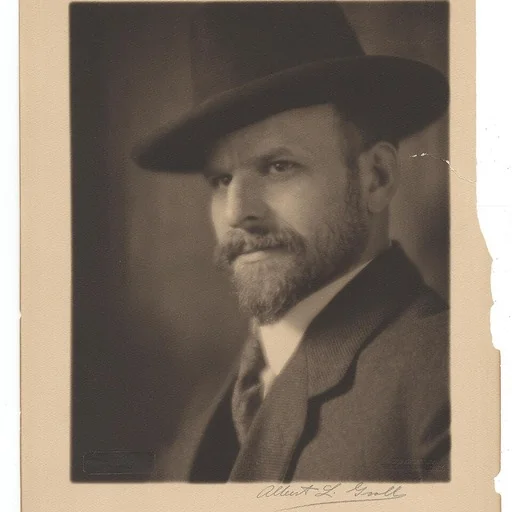
Albert Lorey Groll (1866–1952) was an American artist and etcher. He was born in New York City and studied at the Academy of Fine Arts in Munich, Germany, the Royal Academy in Antwerp, Belgium, and for some time in…