Artwork
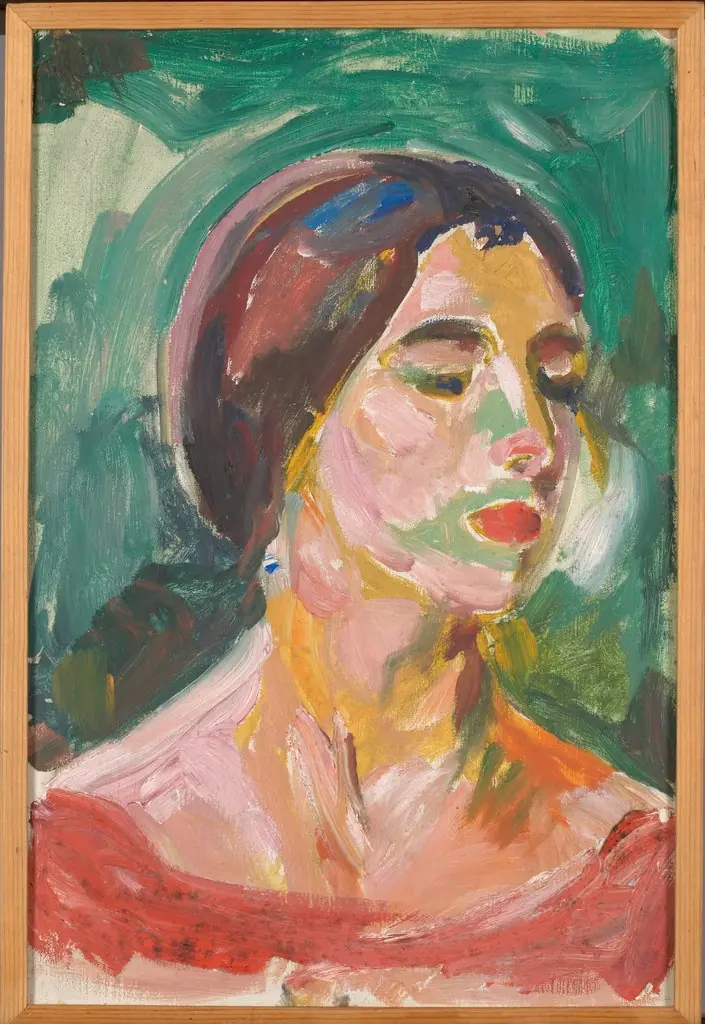
Bust of a coloured girl
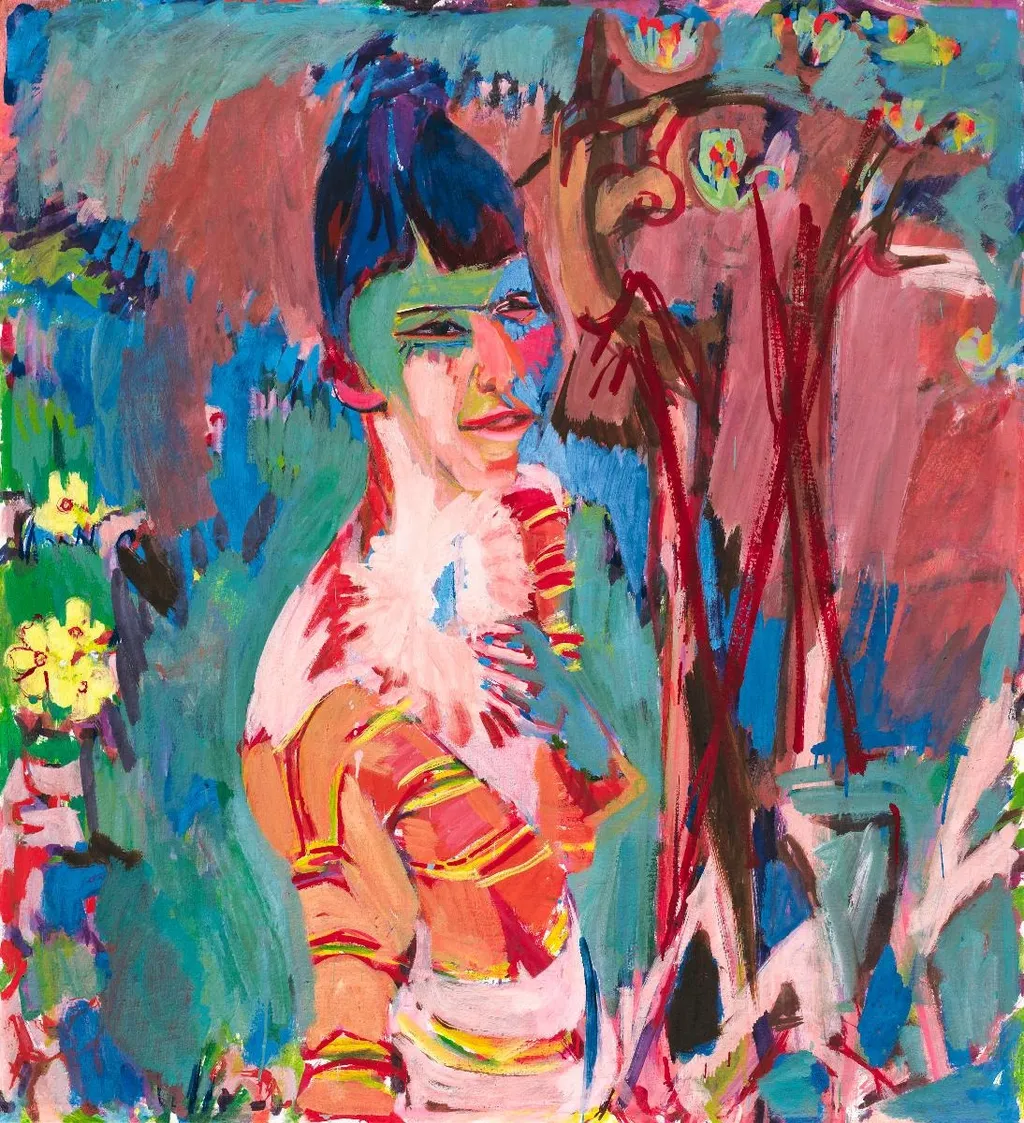
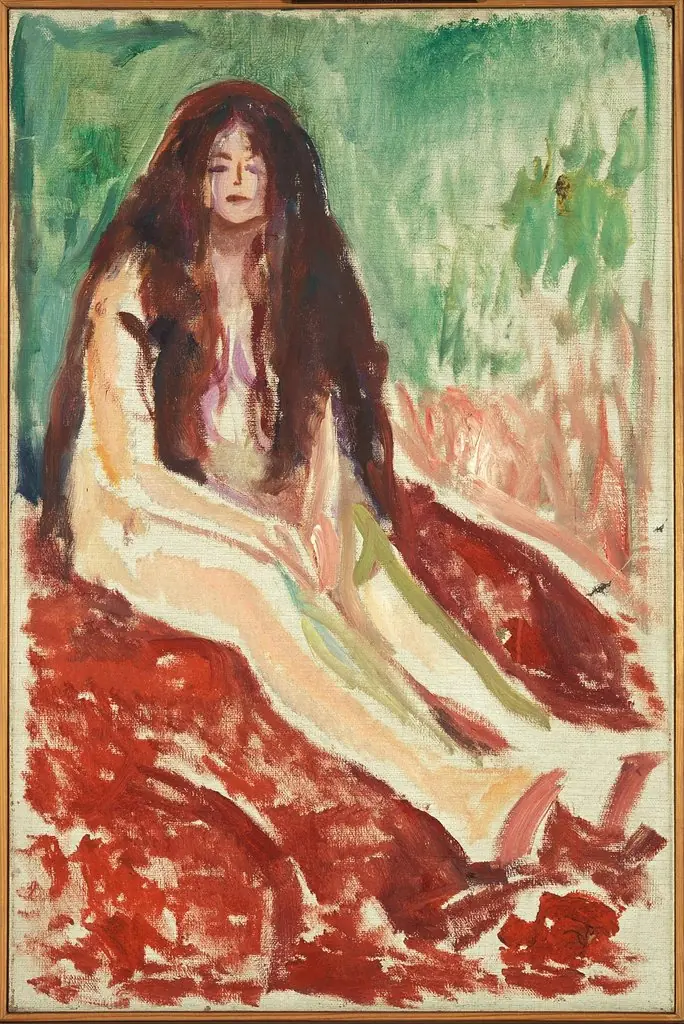
Bust of a coloured girl is an oil painting by the German Expressionist artist Albert Müller. It dates from 1925 and is held in the collection of the Kunsthaus Zürich.
About this work
Overview
Though classified as a painting, its sculptural sensibility and expressive handling align it with broader Expressionist tendencies of the era.
Created in 1925 by Swiss artist Albert Müller, this oil painting depicts a young woman in a portrait format. Though classified as a painting, its sculptural sensibility and expressive handling align it with broader Expressionist tendencies of the era. Müller, who worked across multiple media, completed this piece shortly before his death in 1926. It resides today in the Kunsthaus Zürich collection.
Subject & Meaning
The subject is a young woman of African descent, rendered with a direct, unidealized gaze. Her dark hair and white garment anchor the composition, while the lack of contextual detail focuses attention on her presence. The work avoids exoticism, presenting the figure with quiet dignity.
Müller’s choice to portray a non-European subject in a European art context reflects a rare, if understated, engagement with racial identity in early 20th-century Swiss art.
Technique & Style
Müller employs bold, visible brushwork and saturated hues, blues, greens, and reds, to construct an abstracted background that contrasts with the more defined rendering of the face. The head emerges with subtle modeling, while the surrounding space dissolves into gestural marks. This tension between realism and abstraction reflects Expressionist concerns with emotional resonance over naturalistic accuracy, echoing contemporaries like Kirchner or Nolde.
History & Provenance
Painted in 1925, the work entered the Kunsthaus Zürich collection shortly after Müller’s death in 1926. There is no record of public exhibition during his lifetime, and its early reception remains undocumented. Its inclusion in the museum’s holdings suggests early institutional recognition, though it was not widely reproduced or discussed until later scholarly interest in Expressionist portraiture revived attention to lesser-known figures like Müller.
Context
In 1920s Switzerland, artistic engagement with non-European subjects was uncommon. Müller’s portrait emerges amid broader European fascination with 'primitivism,' yet avoids caricature or romanticization. His approach aligns with a quieter, more introspective strand of Expressionism that prioritized psychological presence over ethnographic spectacle. The work stands apart from colonial-era representations, offering a restrained, human-centered vision.
Legacy
Though Müller’s output was modest and his career cut short, this portrait remains one of his most studied works. It contributes to ongoing reassessments of Swiss Expressionism and the representation of race in early modern art. Its quiet intensity continues to invite reflection on how identity, perception, and artistic intention intersect in a period marked by shifting cultural boundaries.
Artist & collection
Artist
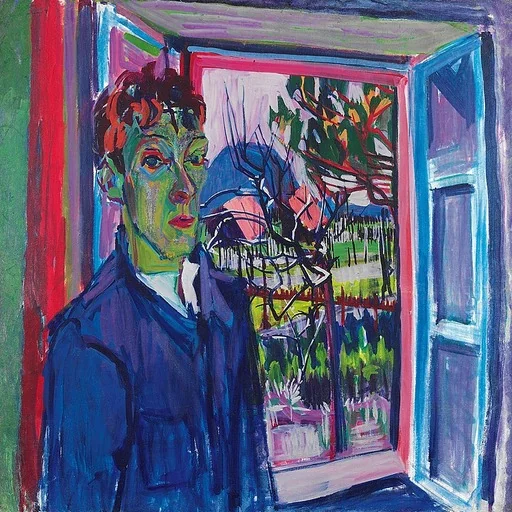
Albert Müller (29 November 1897 Basel, Switzerland - 14 December 1926) was a Swiss Expressionist painter, glass artist, draftsman, graphic artist and sculptor.