Artwork
An Alley in the Jardin du Luxembourg
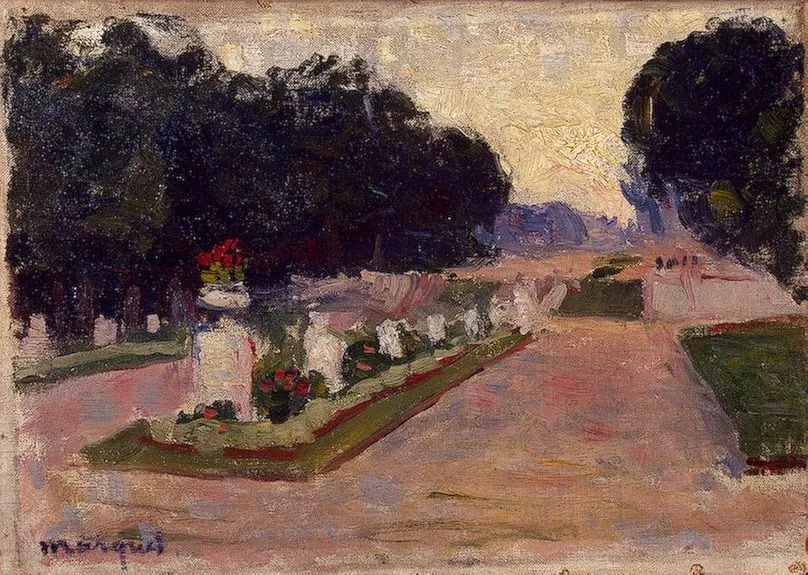
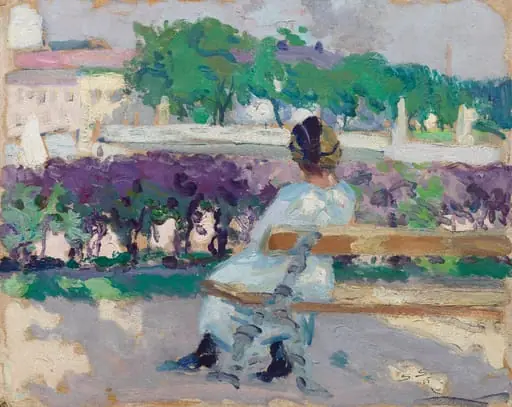
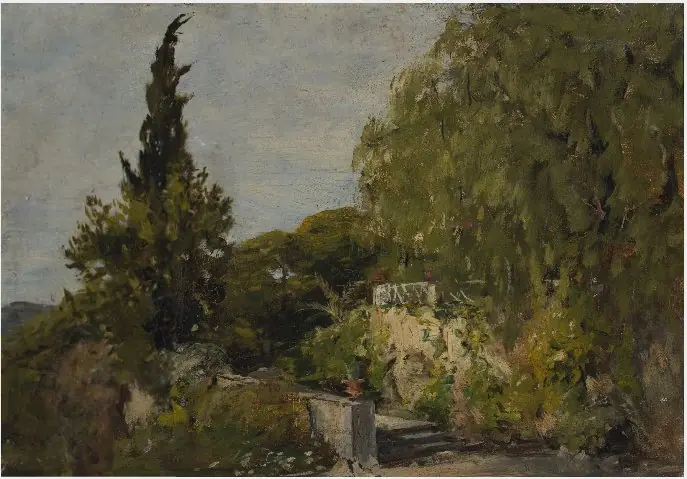
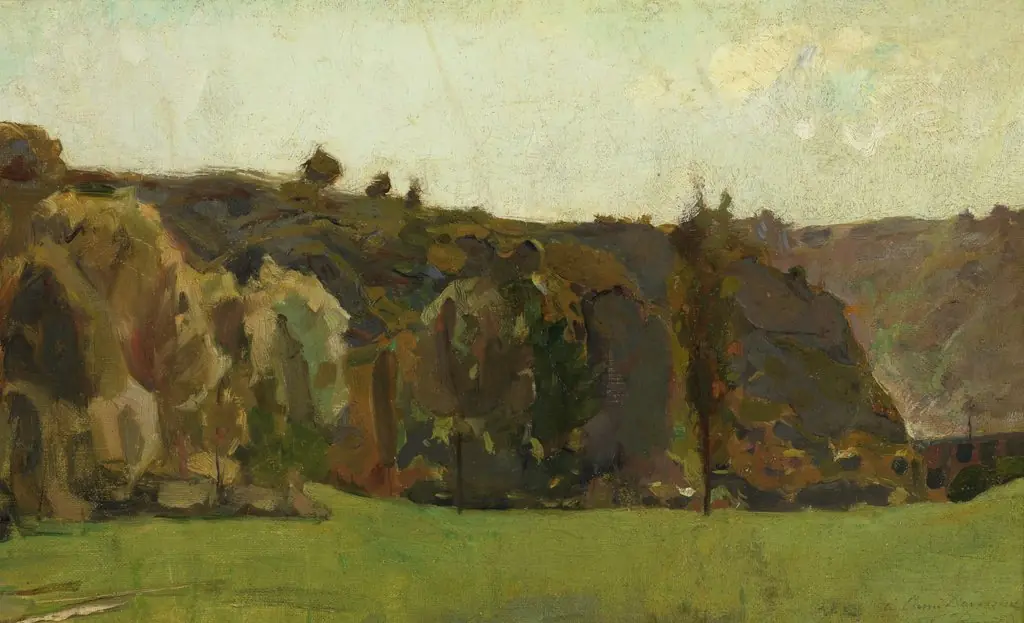
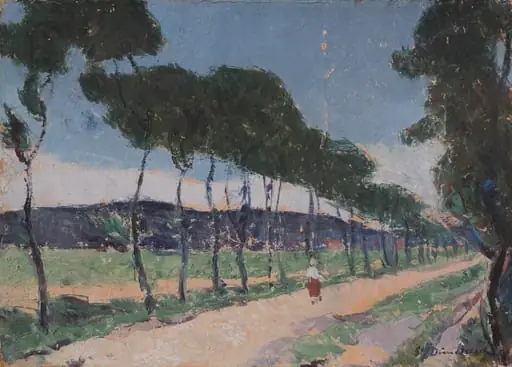
An Alley in the Jardin du Luxembourg is an oil painting by the Post-Impressionist artist Albert Marquet. It dates from 1901 and is held in the collection of the Hermitage Museum.
About this work
Overview
It captures a quiet pathway within the public garden in Paris, rendered with a restrained palette and tactile brushwork.
Painted in 1901, An Alley in the Jardin du Luxembourg is an oil on canvas work by French artist Albert Marquet. It captures a quiet pathway within the public garden in Paris, rendered with a restrained palette and tactile brushwork. Though linked early in his career to the Fauves, Marquet’s style here reflects a more subdued, observational approach aligned with post-impressionist sensibilities, emphasizing atmosphere over bold color.
Subject & Meaning
The painting presents an unassuming park alley, framed by a low white fence, sparse vegetation, and a single red flowerpot. No figures appear, and the path recedes gently into soft light, suggesting solitude and quiet contemplation. The scene avoids narrative or symbolism, instead inviting attention to the ordinary rhythms of urban green space, a quiet meditation on everyday surroundings in early 20th-century Paris.
Technique & Style
Marquet applied oil paint with deliberate, textured strokes, building surface through visible impasto and scraped passages. The brushwork is neither loose nor highly detailed, but measured and tactile, conveying the weight of foliage and the solidity of the fence. The sky and foliage are muted in tone, with subtle shifts in hue that suggest natural light without dramatic contrast, reinforcing the painting’s calm, understated mood.
History & Provenance
Created during Marquet’s mature period, the painting entered the collection of the State Hermitage Museum in Saint Petersburg, where it remains today. Its acquisition likely occurred in the early 20th century, possibly through diplomatic or cultural exchanges between France and Russia. The work’s presence in the Hermitage underscores its recognition beyond French artistic circles during Marquet’s lifetime.
Context
In 1901, Parisian artists were navigating the transition from Impressionism toward more personal modes of representation. Marquet, a close associate of Matisse, avoided the radical color experiments of the Fauves, instead refining a method grounded in direct observation. This painting reflects a broader interest among contemporaries in capturing the quiet corners of the modern city, parks, streets, and harbors, as sites of quiet dignity.
Legacy
Marquet’s restrained landscapes, including this one, influenced later generations of realist painters who valued subtlety over spectacle. His ability to convey presence through minimal means, light, texture, and composition, established a quiet but enduring alternative to the expressive extremes of his contemporaries. The work continues to be studied for its balance between observation and emotional restraint.
Artist & collection
Artist
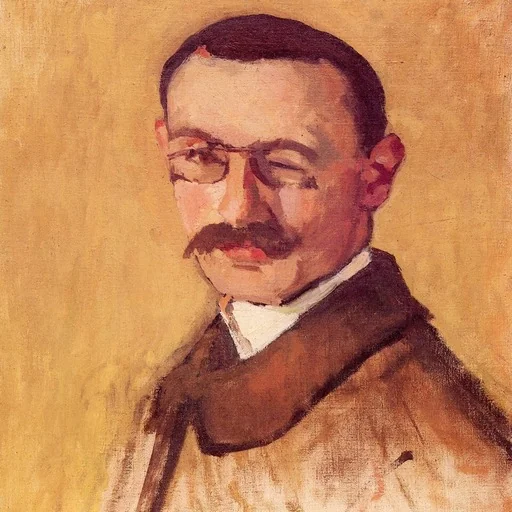
Albert Marquet (French pronunciation:; 27 March 1875 – 14 June 1947) was a French painter.