Artwork
Rip Van Winkle
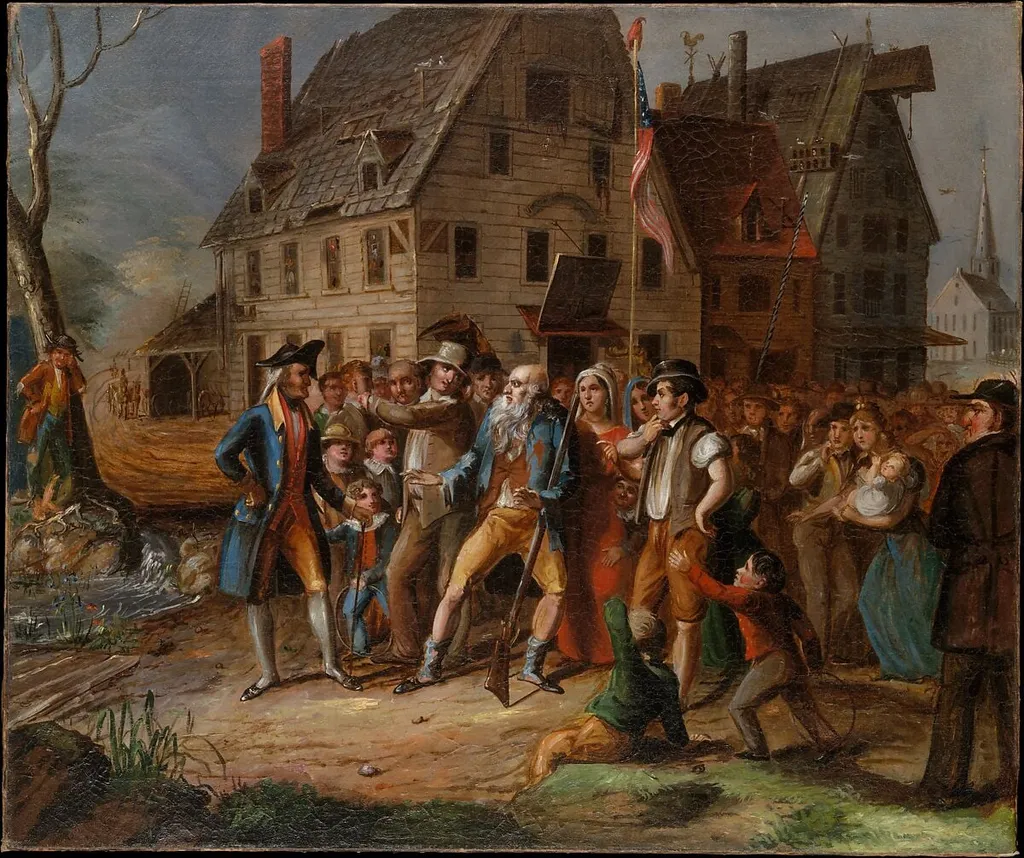
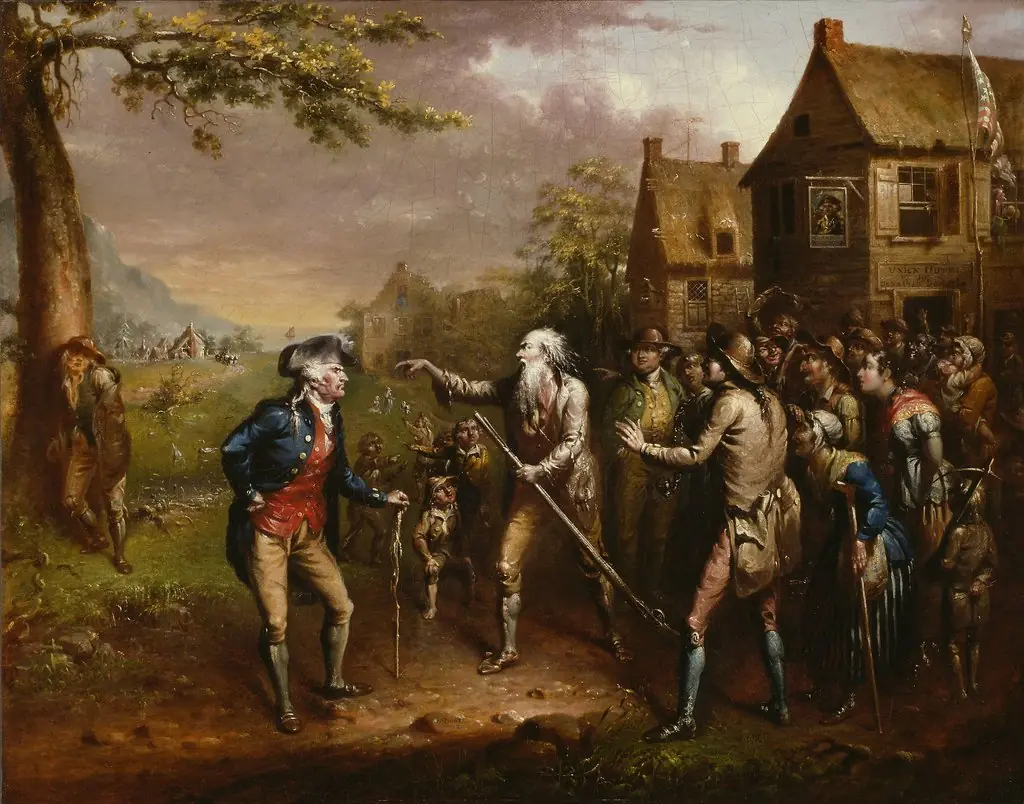
Rip Van Winkle is an oil painting by the American Folk Art artist Albertis del Orient Browere. It dates from 1833 and is held in the collection of the Metropolitan Museum of Art.
About this work
Subject & Meaning
Its composition underscores themes of family cohesion and the transitional period in the young republic.
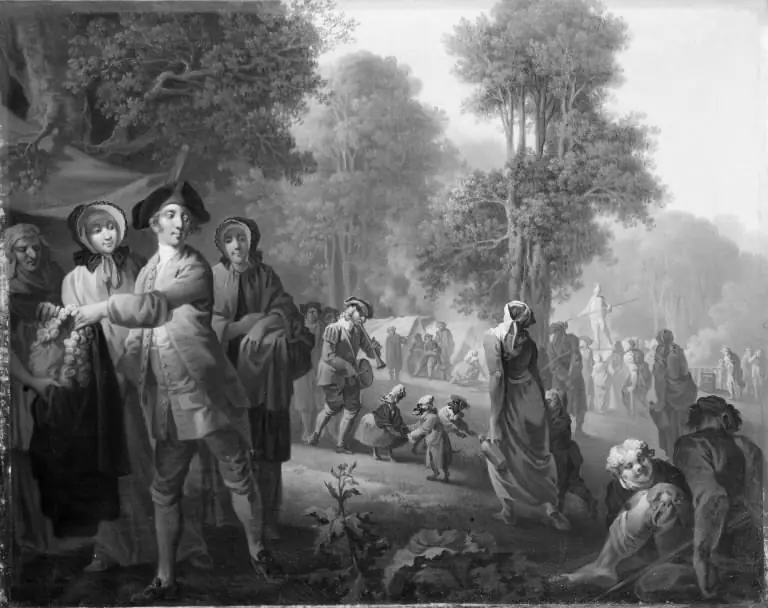
The painting titled Rip Van Winkle, executed in oil on canvas in 1833 by Albertis del Orient Browere, presents a domestic genre scene that includes a man, a woman, and a child. The figures are rendered in a setting that reflects everyday American life, emphasizing familial relationships and the domestic sphere characteristic of early‑19th‑century genre painting. As part of The American Wing collection at the Metropolitan Museum of Art, the work exemplifies the genre‑scene classification and serves as a visual record of contemporary domestic iconography. Its composition underscores themes of family cohesion and the transitional period in the young republic.
Technique & Style
Executed in 1833 by Albertis del Orient Browere, Rip Van Winkle is an oil painting on canvas. The work measures approximately 53.7 by 63.5 centimeters and is classified as a genre scene. Visually, the composition features three figures: a man, a woman, and a child.
As part of the American Wing collection at the Metropolitan Museum of Art, the piece utilizes traditional oil paints applied to a woven canvas support, characteristic of early nineteenth-century American portraiture and narrative painting. The specific handling of the brushwork and the current condition of the surface are not detailed in the available records, but the material constitution remains consistent with the artist's known practice during this period.
History & Provenance
The painting titled 'Rip Van Winkle' was executed in 1833 by the American genre‑scene painter Albertis del Orient Browere. Executed in oil on canvas, the work measures 53.7 × 63.5 cm and portrays a child, a man and a woman. It was recorded in the Metropolitan Museum of Art’s collection, where it has been displayed as part of the American Wing since its acquisition.
No documentation indicates a specific commissioning patron; the painting appears to have been produced for the artist’s own market activity and subsequently entered the museum’s holdings.
Legacy
The painting Rip Van Winkle by Albertis del Orient Browere, completed in 1833, entered the collection of the Metropolitan Museum of Art and is displayed in the American Wing, a placement that underscores its enduring significance in American art history. Its genre‑scene composition, depicting a child, a man, and a woman, contributed to the narrative tradition of 19th‑century American genre painting. The work’s inclusion in a premier museum reflects sustained scholarly and public interest, cementing its reputation as a representative example of early American genre scenes.
Overview
Albertis del Orient Browere's 1833 oil on canvas, Rip Van Winkle, captures a moment from the well-known American folk tale. The painting portrays a man in a rumpled coat, deep in slumber beneath a tree, as a group of children in period attire cautiously move past him. This genre scene offers a glimpse into a narrative moment, characteristic of early 19th-century American art and its focus on storytelling.
Artist & collection
Artist
Albertis del Orient Browere (1814–1887) was an artist, born in Tarrytown.

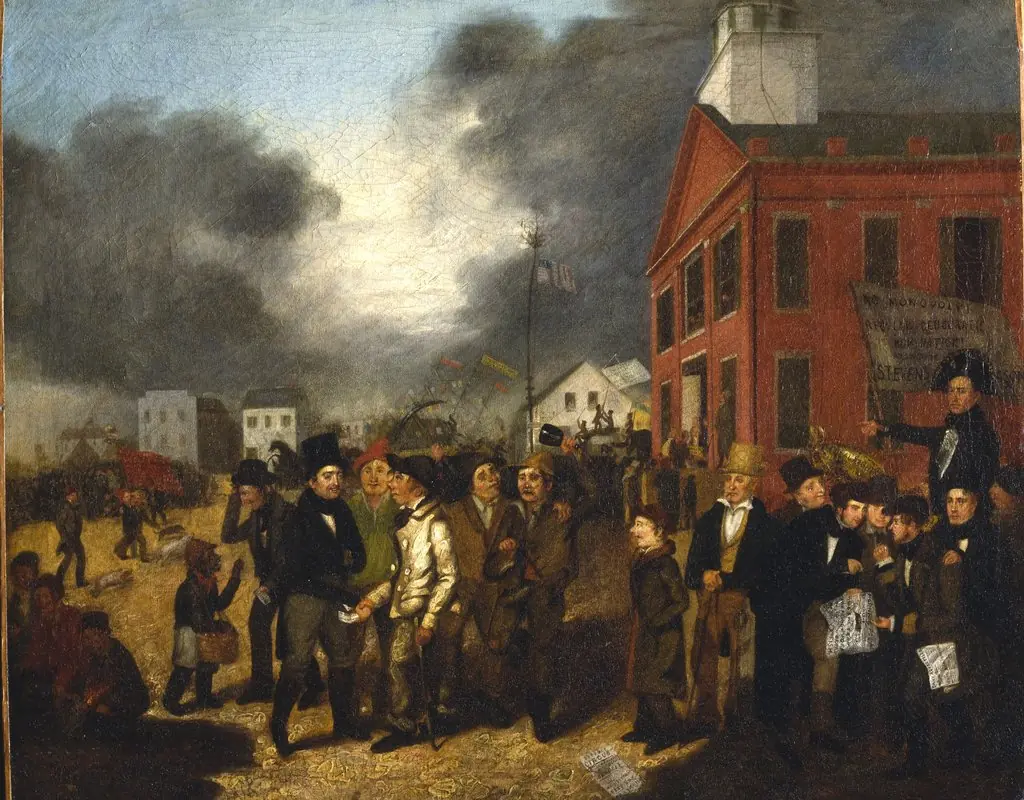 First State Election in Detroit, Michigan, 1837
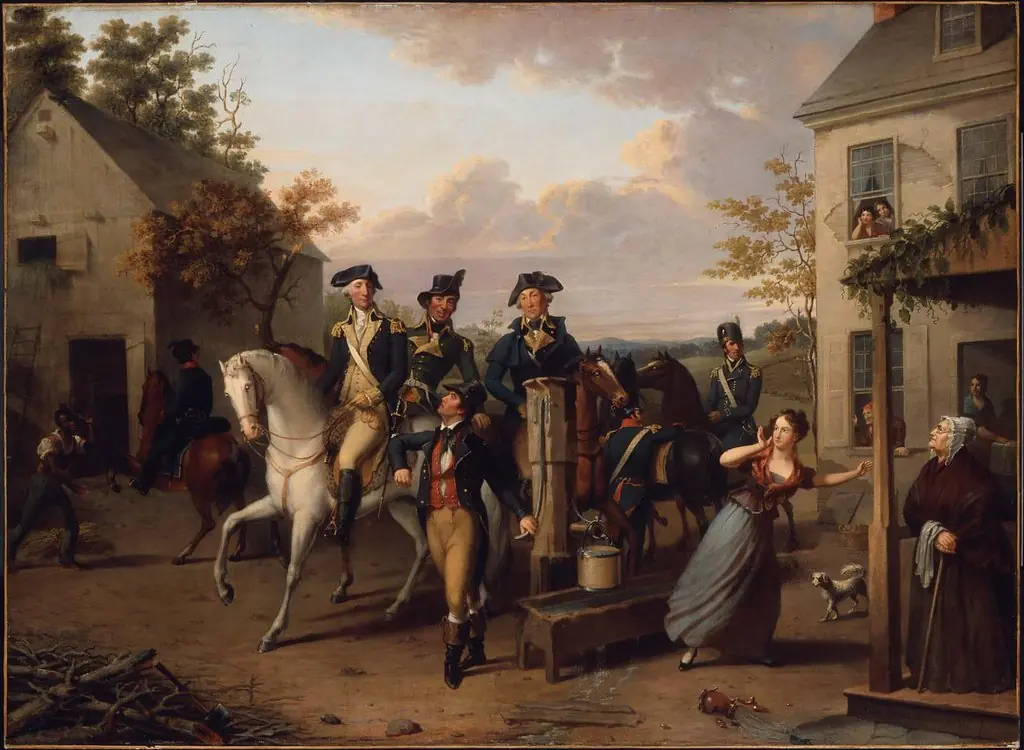 An Incident of the Revolution
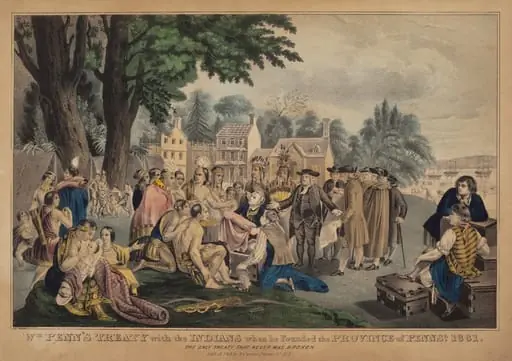 Wm. Penn's Treaty with the Indians When He Founded the Province of Pennsa. 1661: The Only Treaty That Never Was Broken
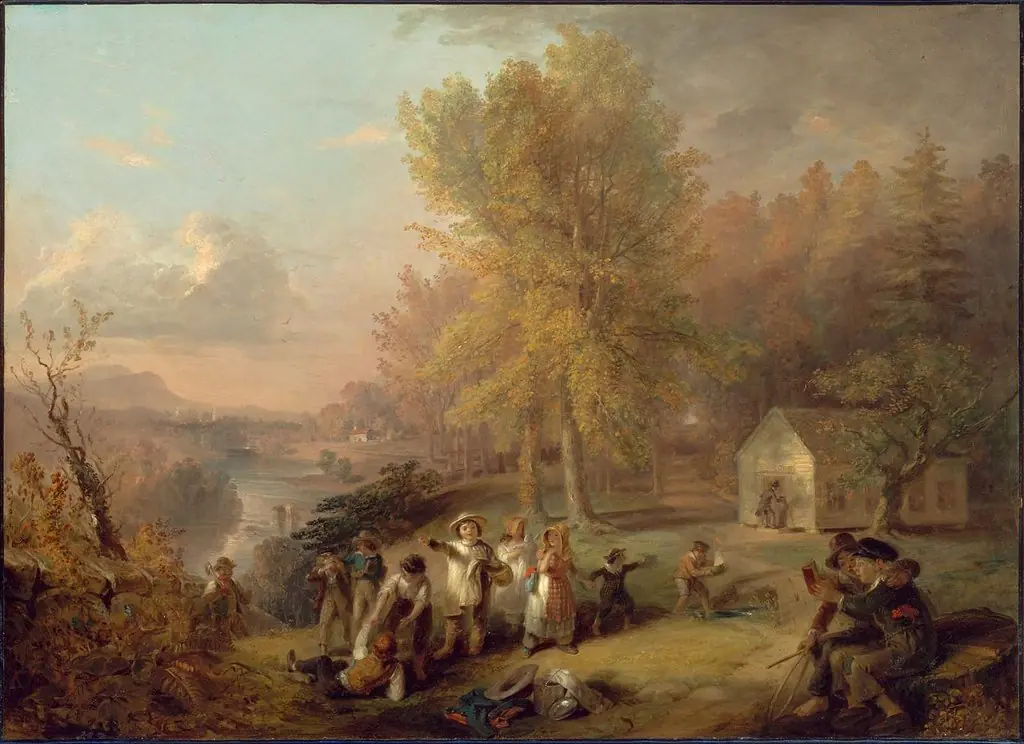 Dismissal of School on an October Afternoon
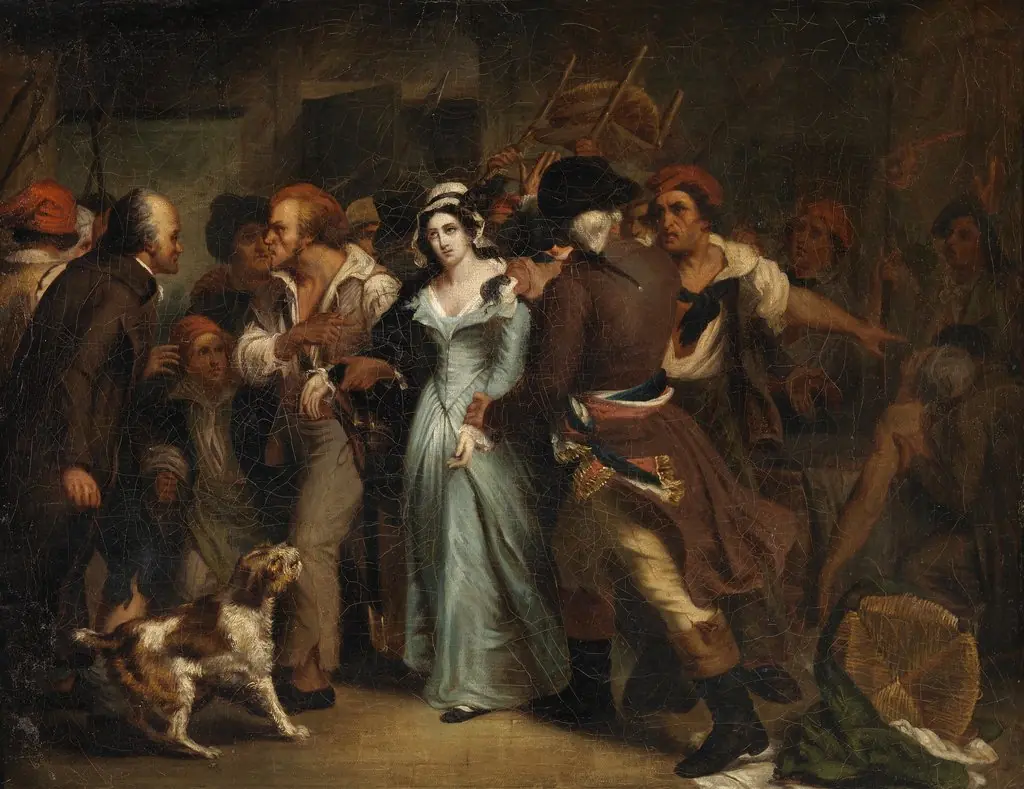 The Arrest of Charlotte Corday
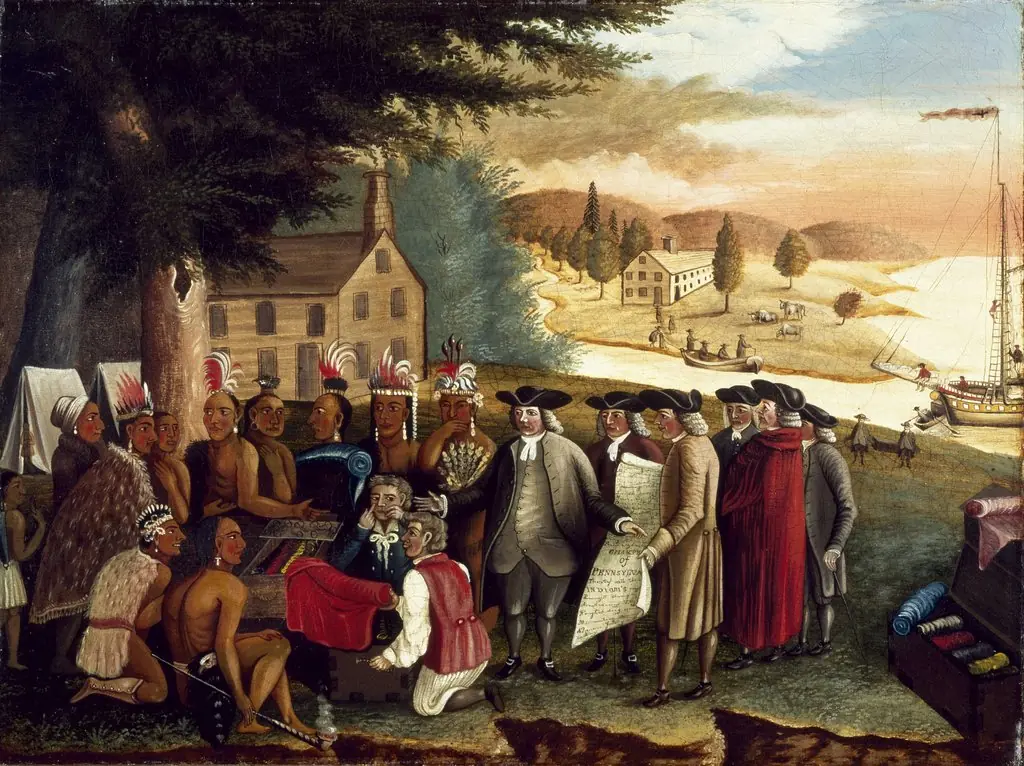 Penn's Treaty with the Indians
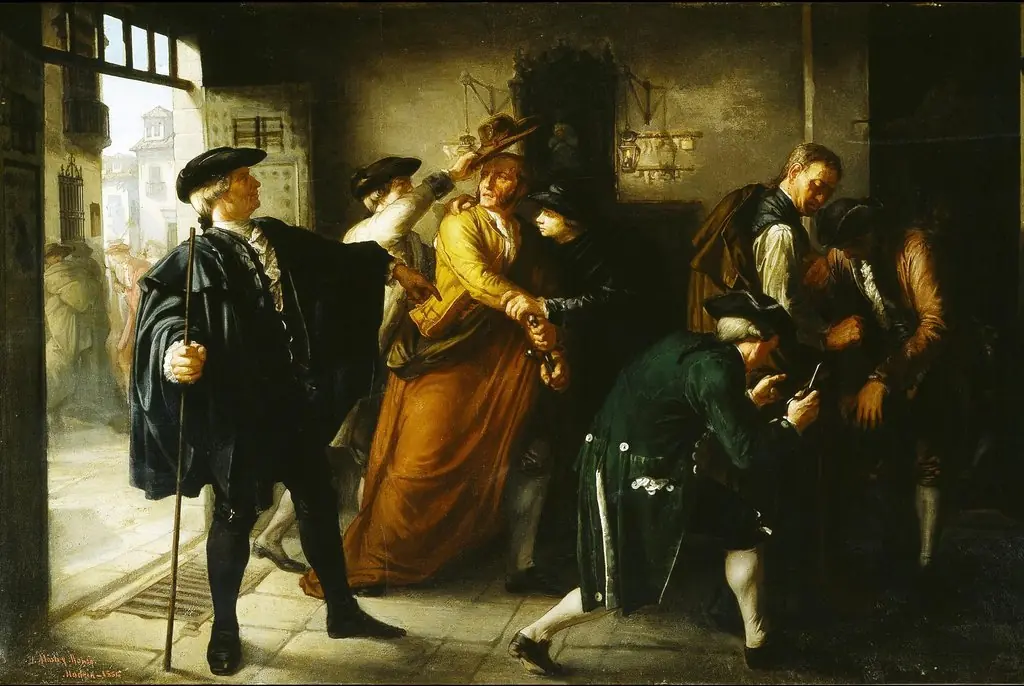 El Motín de Esquilache. Episodio...
 Kilderejsen. Intermedium