Artwork
Taking of Narva
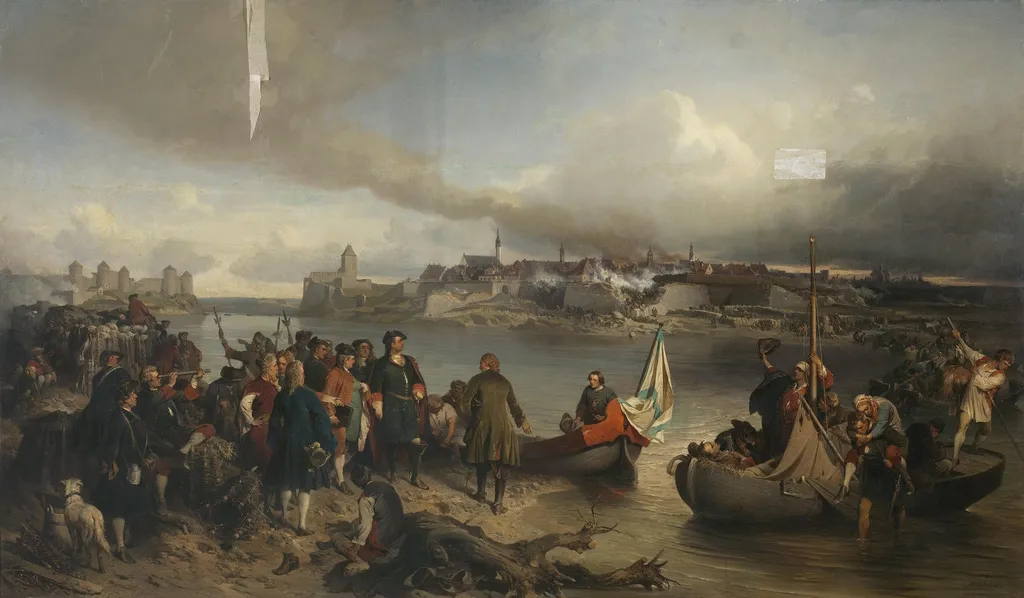
Taking of Narva is an oil painting by the Realist artist Alexander von Kotzebue. It is held in the collection of the Hermitage Museum.
About this work
Technique & Style
No additional information regarding the painting's current condition, specific handling of paint, or stylistic details is documented in the available sources.
Taking of Narva is an oil painting executed on canvas by Alexander von Kotzebue in 1880. The work is a large-scale composition, measuring 225 cm in height by 378 cm in width, consistent with a history painting format suited to its military subject matter. The medium of oil on canvas allowed for the detailed rendering of the depicted scene, which includes the town of Narva, boats, Hermann Castle, and the Siege of Narva.
Held in the Hermitage Museum collection in Russia, the painting reflects the academic tradition of late nineteenth-century Russian battle painting, employing the broad horizontal format typical of panoramic historical canvases.
No additional information regarding the painting's current condition, specific handling of paint, or stylistic details is documented in the available sources.
History & Provenance
The oil-on-canvas painting Taking of Narva was created by Alexander von Kotzebue in 1880. Executed in Russia, the work measures 225 cm in height and 378 cm in width. It currently resides in the collection of the Hermitage Museum, where it is displayed alongside depictions of Narva, a boat, and Hermann Castle. The artwork documents the historical Siege of Narva, capturing the event through Kotzebue's mid-19th-century perspective.
The painting Taking of Narva by Alexander von Kotzebue is held in the collection of the Hermitage Museum. Created in 1880, the work depicts the Siege of Narva and features Hermann Castle. While the artwork is confirmed to be part of the museum's holdings, specific inventory or accession numbers are not provided in the available records. There is no documented exhibition history for this piece within the current sources.
Context
The painting Taking of Narva by Alexander von Kotzebue was created in 1880 and is housed in the Hermitage Museum in Russia. It portrays the 1700 Siege of Narva with a focus on the dramatic naval engagement near Narva, featuring elements such as a boat and Hermann Castle. The work is classified as an oil painting on canvas, measuring 225 cm in height and 378 cm in width.
Kotzebue's production of historical subjects like this reflects broader 19th-century Russian artistic interests in military narratives and national identity, situating the piece within his oeuvre of grand historical compositions. Contemporary scholarship has examined the painting's compositional vigor and its role in shaping visual memory of the Great Northern War, though detailed critical reception remains sparse. Its presence in the Hermitage collection underscores institutional interest in preserving mid-career Russian academic works.
Overview
Completed in 1890, Taking of Narva is an oil on canvas by Alexander von Kotzebue, a German painter associated with Romantic historicism. The work portrays a moment from the 1700 siege of Narva, focusing on a shoreline scene where a boat and the fortified Hermann Castle dominate the composition. It is part of the State Hermitage Museum’s collection.
Subject & Meaning
The canvas captures the tension of the siege, showing soldiers and civilians in period dress gathered on the banks, some bearing weapons and flags. A central figure in a dark coat and hat appears to command the group, suggesting leadership amid the conflict. Smoke rising from the castle underscores the chaos of battle and the urgency of the moment.
Artist & collection
Artist
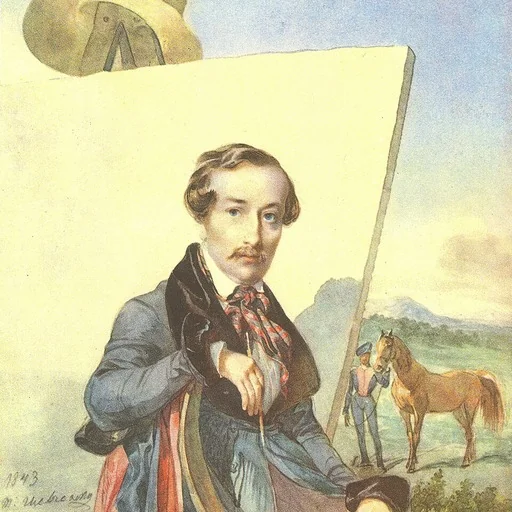
Alexander Friedrich Wilhelm Franz von Kotzebue or Alexander Yevstafiyevich Kotzebue (Russian: Александр Евстафиевич Коцебу, romanized: Aleksandr Yevstafiyevich Kotsebu; 9 June 1815 – 24 August 1889) was a German…

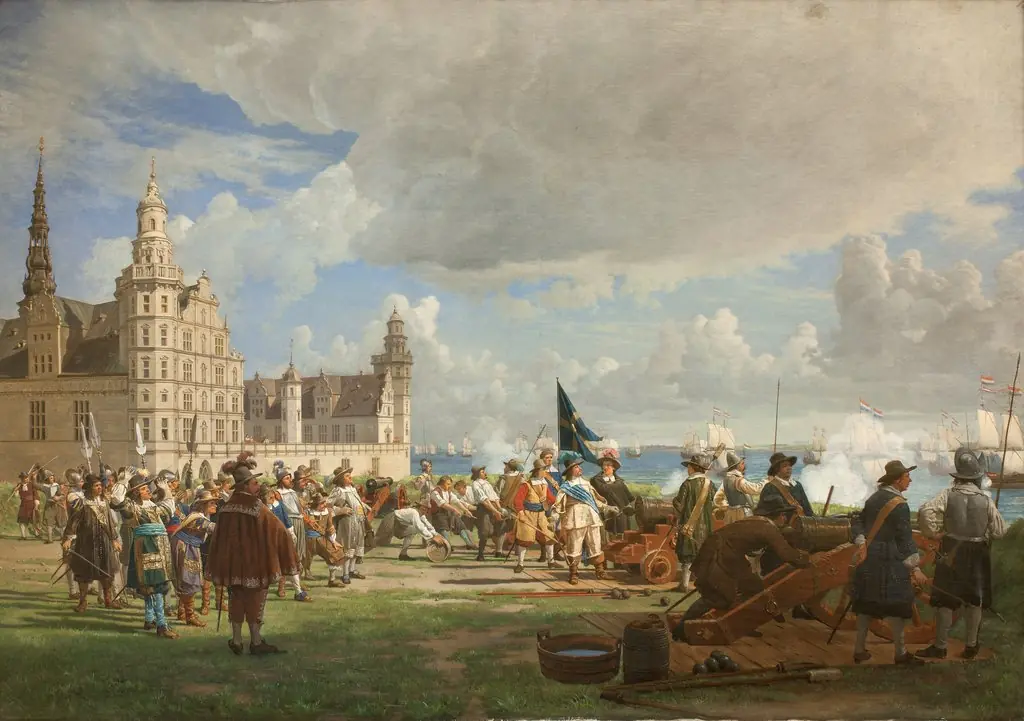 Den hollandske flåde under admiral Opdam passerer Sundet d. 29. oktober 1658 under Svenskekrigen 1657-60
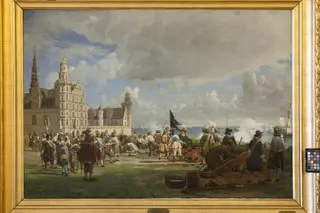 Den hollandske flåde under admiral Opdam passerer Sundet d. 29. oktober 1658 under Svenskekrigen 1657-60
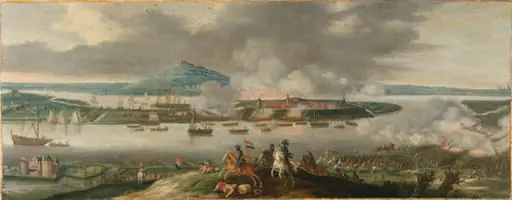 Het beleg van Schenkenschans in 1636
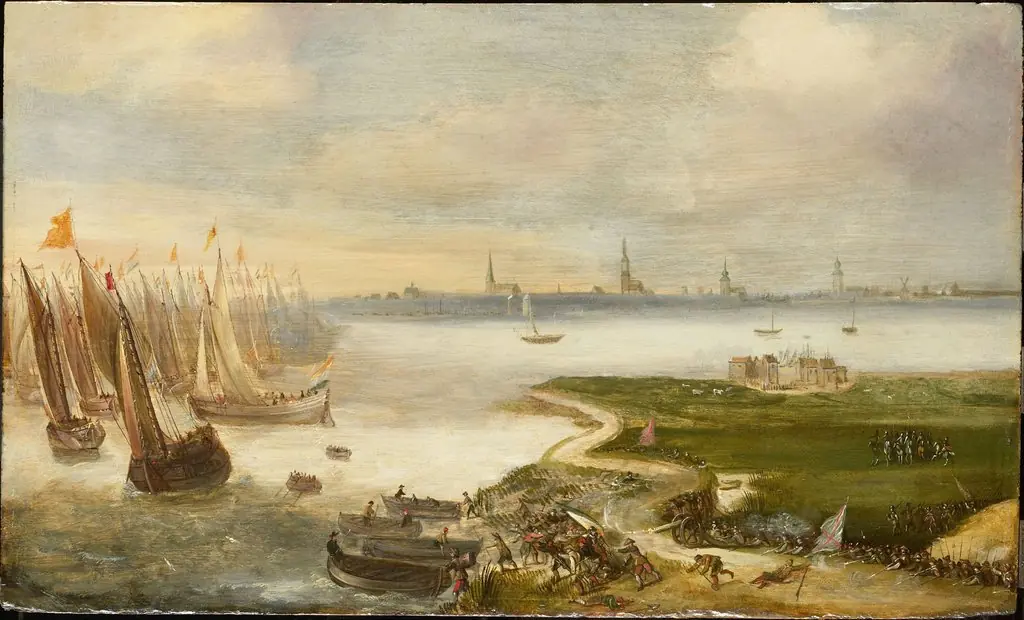 The failed Attack on Antwerp by Prince Maurice, 17 May 1605
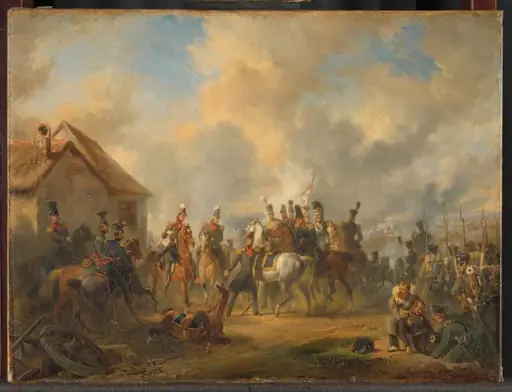 De Slag bij Bautersem, gedurende de Tiendaagse Veldtocht
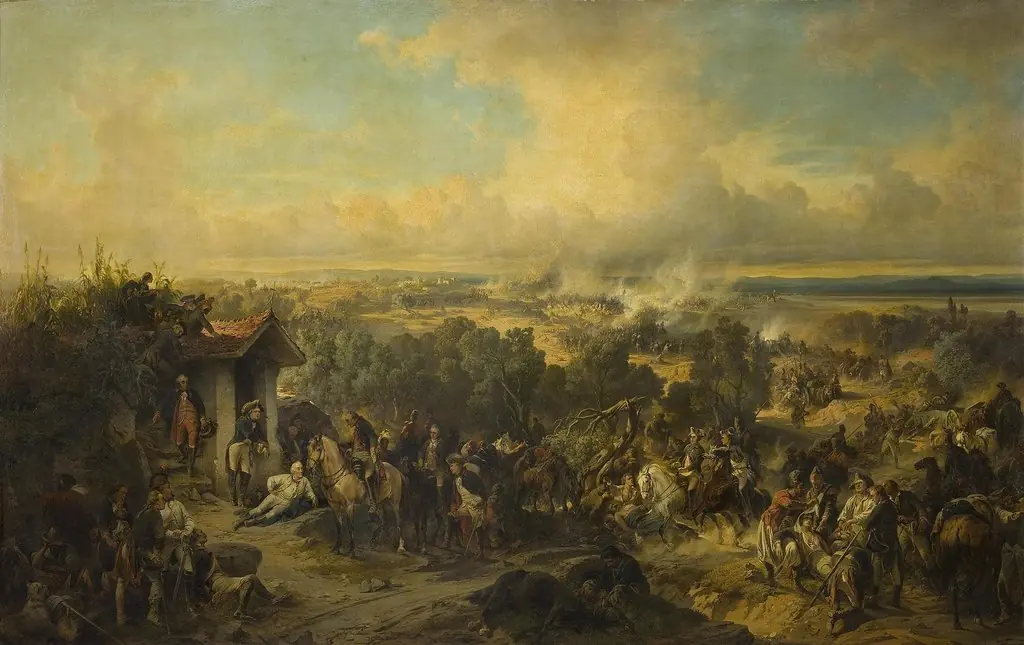 Battle of the Trebbia on 8 June 1799
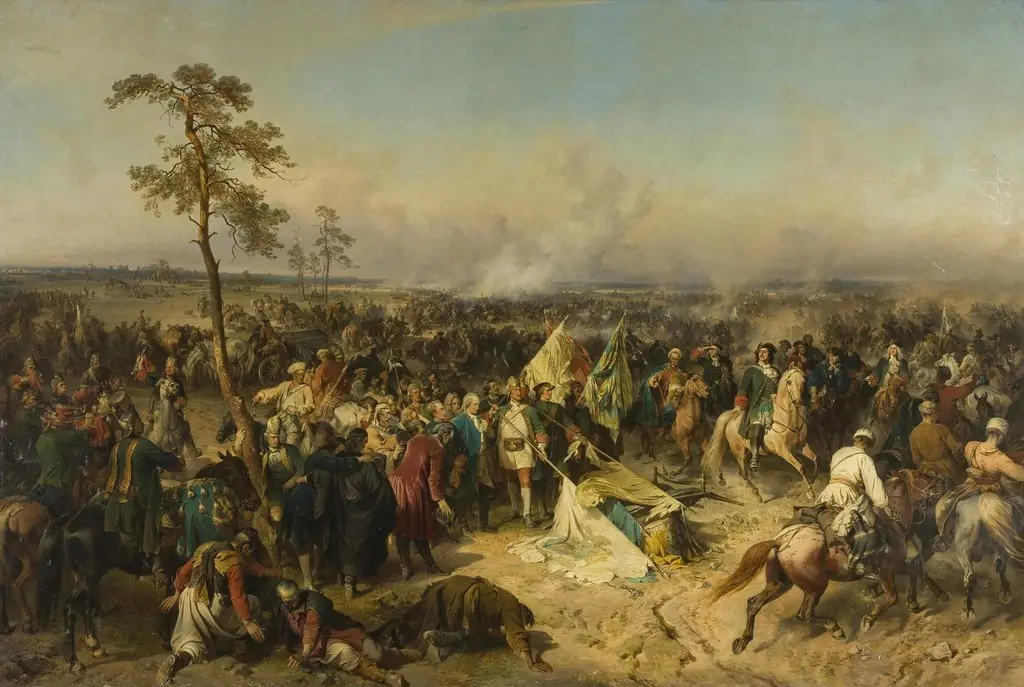 Battle of Poltava
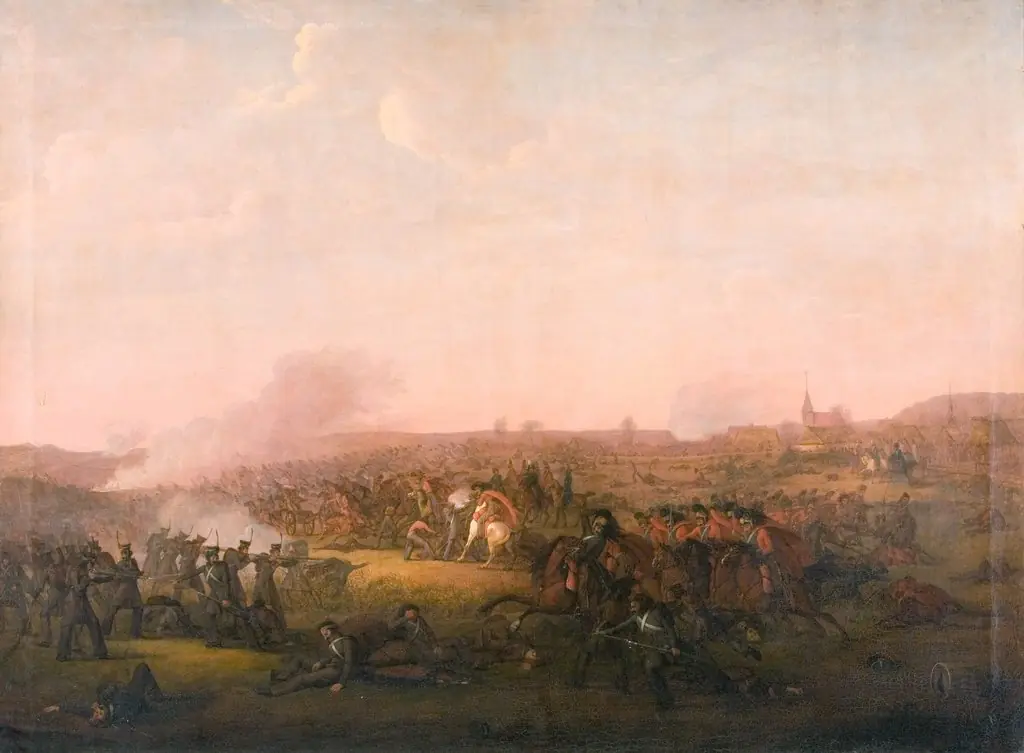 Slaget ved Sehested
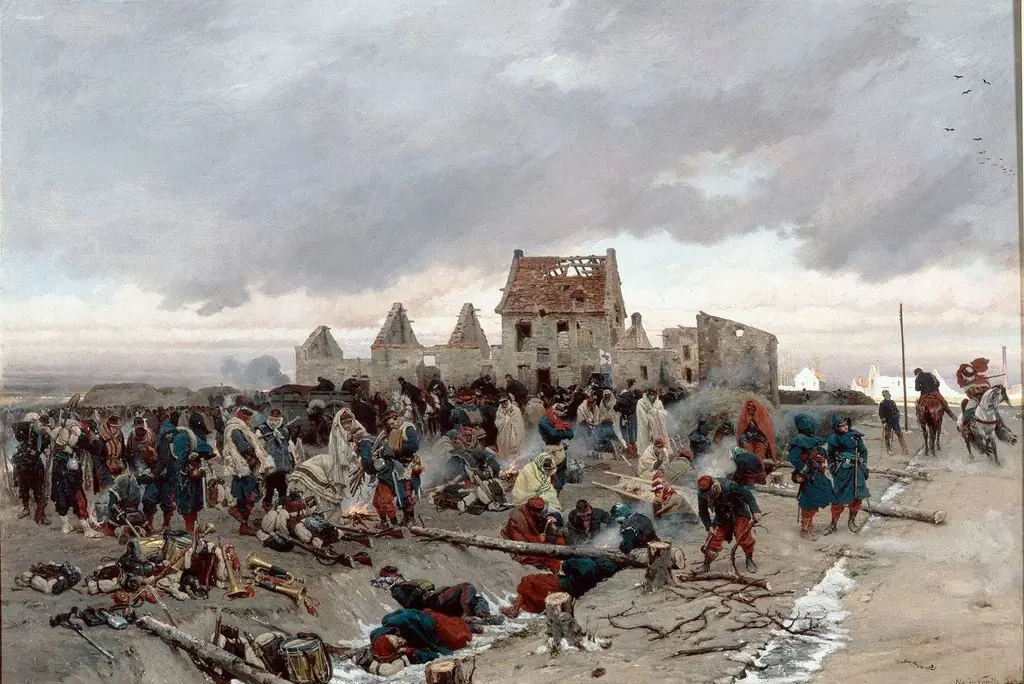 Bivouac après le combat du Bourget, 21 décembre 1870
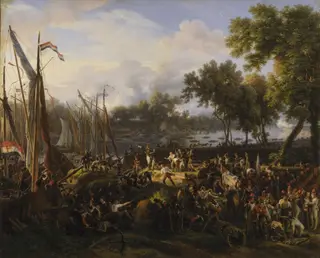 Passage du Rhin par l'armée française à Dusseldorf, 6 septembre 1795
 Slaget ved Fredericia den 6. juli 1849
- Victory at Narva
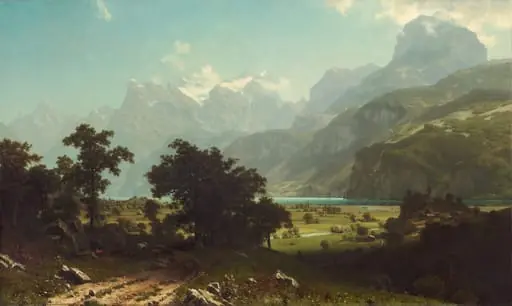 Lake Lucerne
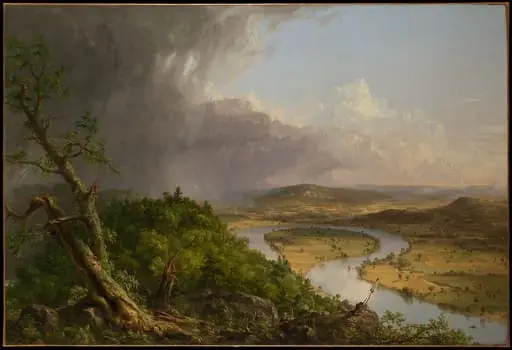 View from Mount Holyoke, Northampton, Massachusetts, after a Thunderstorm—The Oxbow
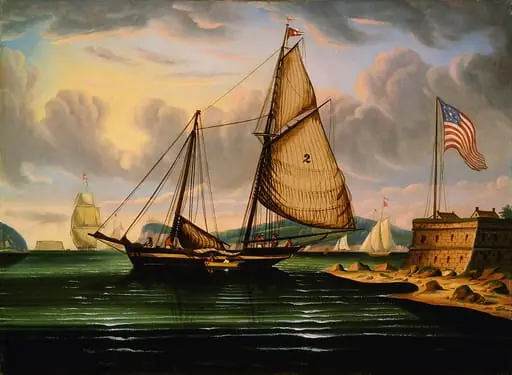 New York Harbor with Pilot Boat "George Washington"
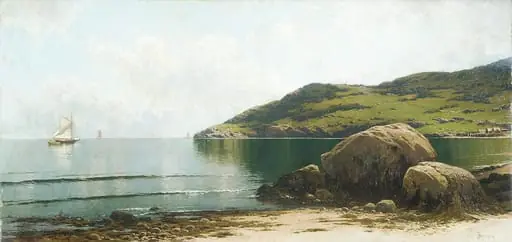 Marine Landscape
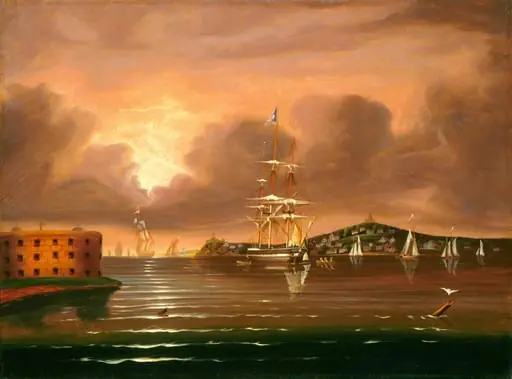 Threatening Sky, Bay of New York
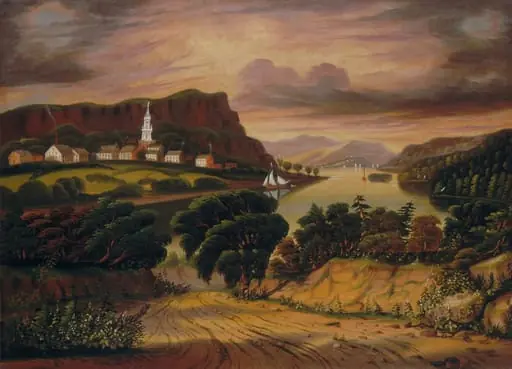 Lake George and the Village of Caldwell
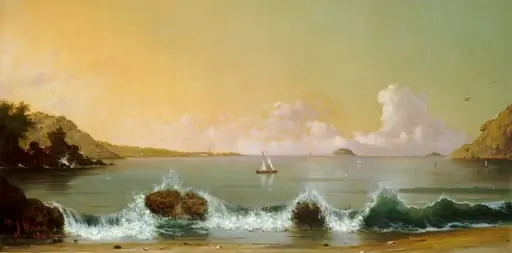 Rio de Janeiro Bay
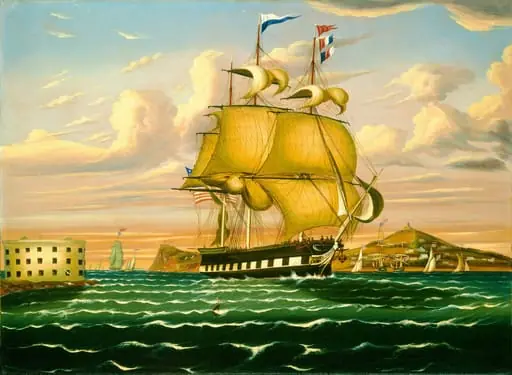 Packet Ship Passing Castle Williams, New York Harbor