Artwork
Victory at Narva
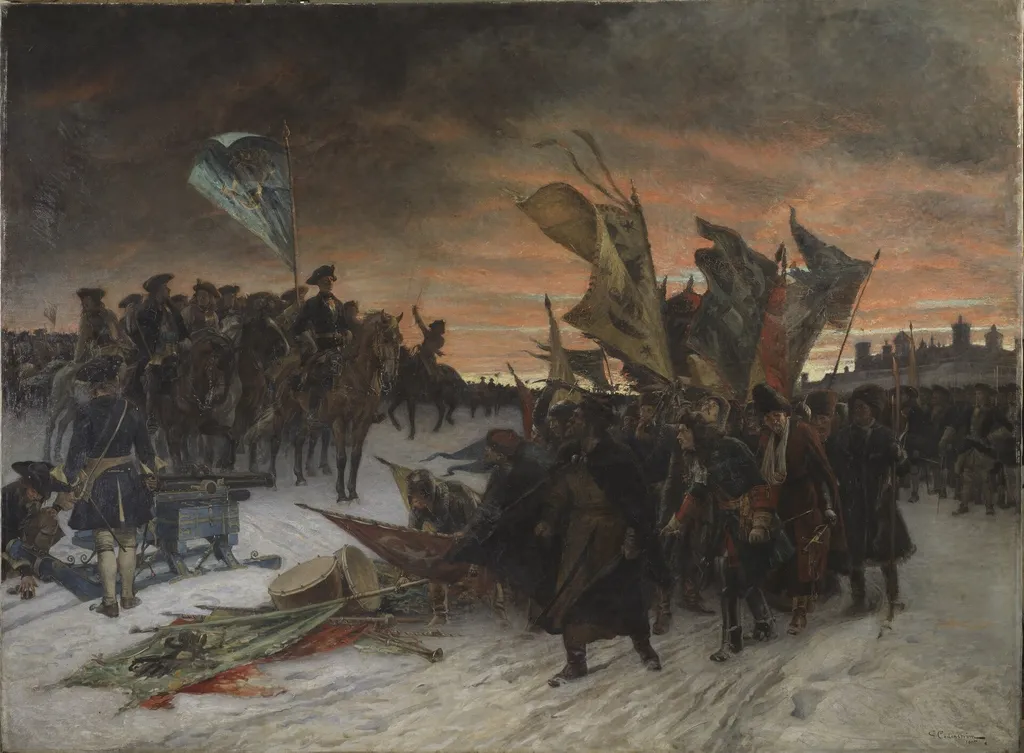
Victory at Narva is an oil painting by the Impressionist artist Gustaf Cederström. It dates from 1905 and is held in the collection of the Nationalmuseum.
About this work
Subject & Meaning
The painting portrays the Swedish king Charles XII confronting Russian forces led by Prince Carl Eugène of Croÿ following their defeat at Narva. It emphasizes the humiliation of the vanquished enemy as they lower their standards before the victorious monarch, symbolizing Sweden's military resilience and national pride during the Great Northern War.
Technique & Style
It measures 295 cm in height and 395 cm in width, reflecting its large-scale execution typical of history paintings.
The painting Victory at Narva is executed in oil paint on canvas, as documented in the source material. It measures 295 cm in height and 395 cm in width, reflecting its large-scale execution typical of history paintings. The composition depicts the aftermath of the Battle of Narva, showing Russian forces led by Prince Carl Eugène of Croÿ surrendering their standards before King Charles XII of Sweden, emphasizing dramatic narrative and historical subject matter characteristic of the genre.
History & Provenance
The painting Victory at Narva was commissioned as a historical work depicting the 1700 Battle of Narva, though it was completed in 1905. Gustaf Cederström created the oil on canvas work for the Swedish state, and it entered the collection of Nationalmuseum in Stockholm upon completion. The artwork measures 295 cm by 395 cm and has remained in the museum's holdings since its creation.
The painting is held in the collection of the Nationalmuseum in Stockholm, as recorded in the Wikidata entry for the work. The medium is oil on canvas, and the canvas measures 295 cm in height by 395 cm in width.
Its documented exhibition history includes inclusion in the show "Svenska hävder genom konstnärsögon," a presentation focused on Swedish historical subjects rendered through artistic interpretation.
Legacy
The painting’s legacy rests on its vivid portrayal of a historic Swedish defeat and its role in shaping national narratives. Gustaf Cederström’s Victory at Narva entered the collection of Nationalmuseum in Stockholm shortly after its completion in 1905 and was featured in the exhibition Svenska hävder genom konstnärsögon, reinforcing its status as a symbol of Swedish resilience. Contemporary Swedish art criticism highlighted the work’s dramatic composition and its ability to merge historical narrative with patriotic sentiment, influencing later war‑scene painters who sought to emulate its blend of realism and allegory.
The piece continues to be reproduced in textbooks and exhibitions that explore the Baltic conflicts of the early 18th century, ensuring its reputation as a benchmark for historical painting in Scandinavia.
Today the artwork is regularly cited in scholarship on Nordic visual culture and is referenced in discussions of how artistic representation contributed to national identity formation after the Great Northern War.
Overview
Created in 1905, this oil on canvas by Swedish painter Gustaf Cederström portrays the 1700 Battle of Narva, a decisive encounter in the Great Northern War. The composition centers on Swedish troops under King Charles XII amid a wintry landscape, with the fortified town of Narva visible in the distance. The work belongs to the Nationalmuseum’s collection, where it is displayed as a representative example of early‑20th‑century historic painting.
Context
The Battle of Narva (1700) marked a striking early victory for the young Charles XII against a numerically superior Russian force, shaping the early course of the Great Northern War. Cederström’s painting, produced over two centuries later, aligns with a wave of Swedish nationalism that sought to commemorate historic military successes through visual art, reinforcing collective memory of the era’s decisive moments.
Own this work as a print
Artist & collection

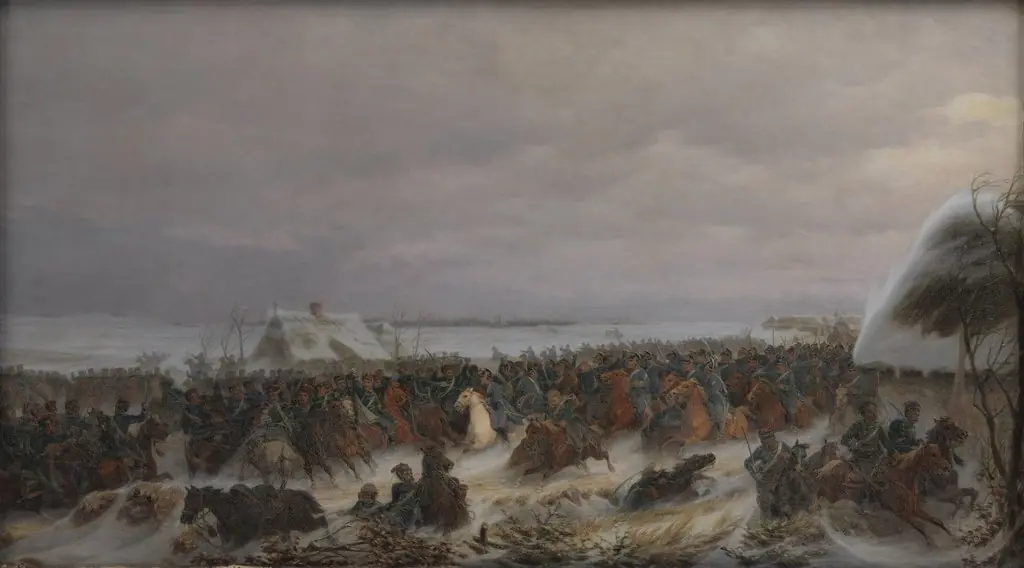 The Skirmish at Vorbasse February the 29th, 1864
 Affæren ved Vorbasse den 29. februar 1864
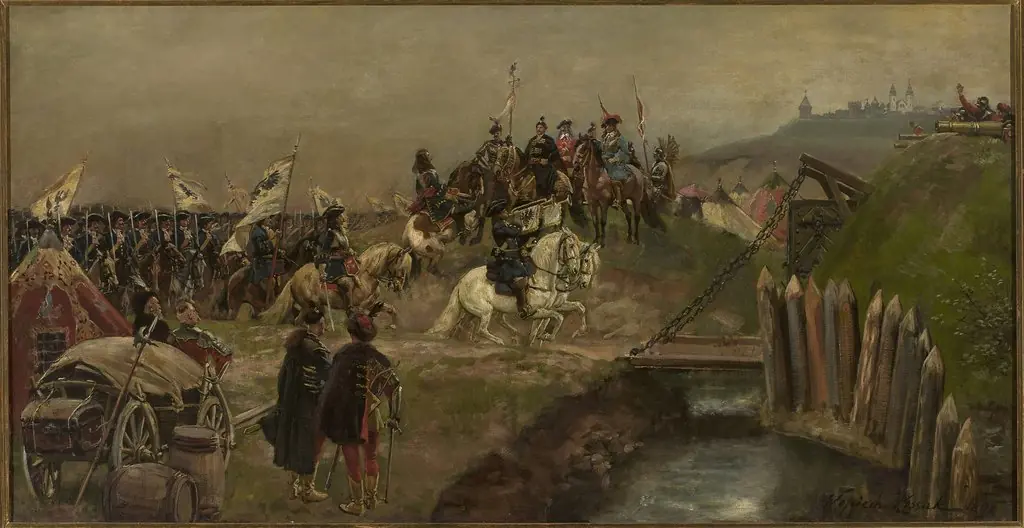 Parade of the Austrian troops before King Jan Sobieski
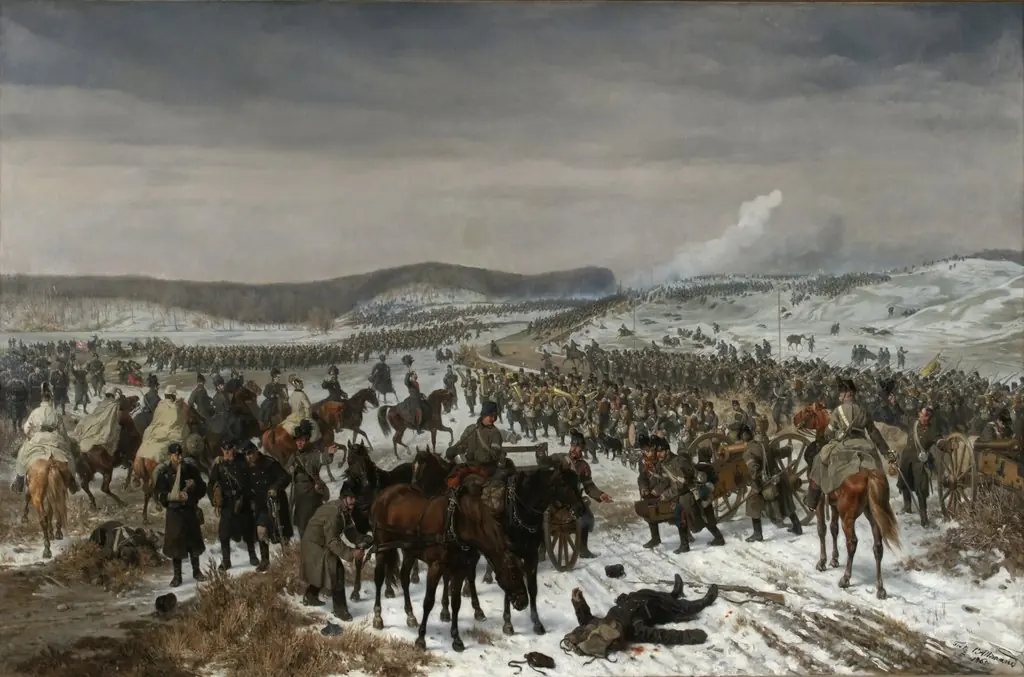 Die Schlacht bei Oeversee am 6. Februar 1864
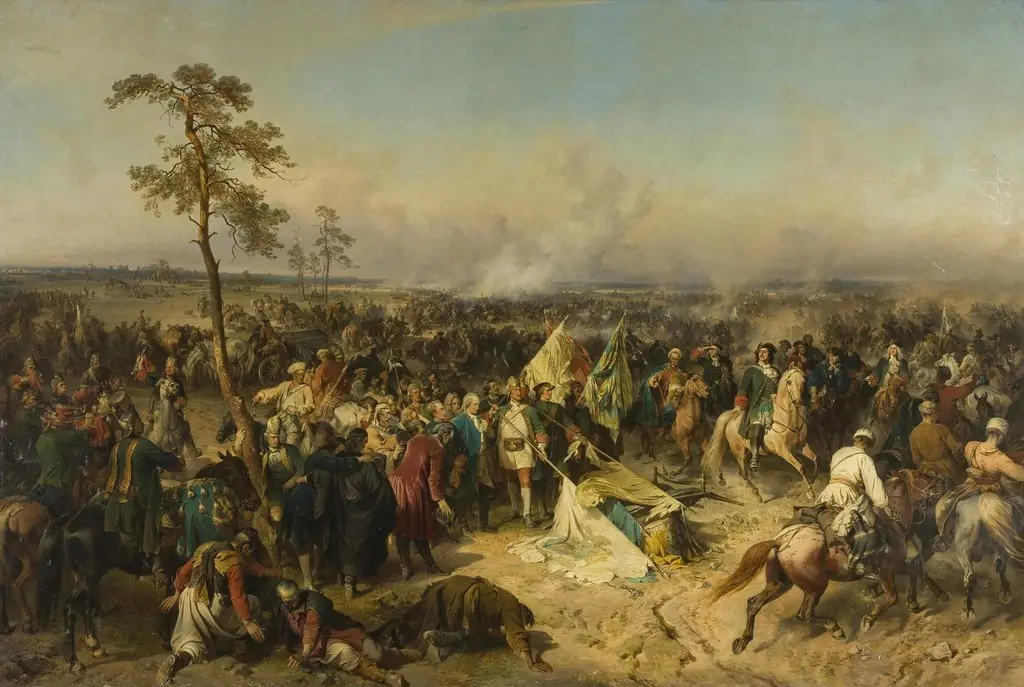 Battle of Poltava
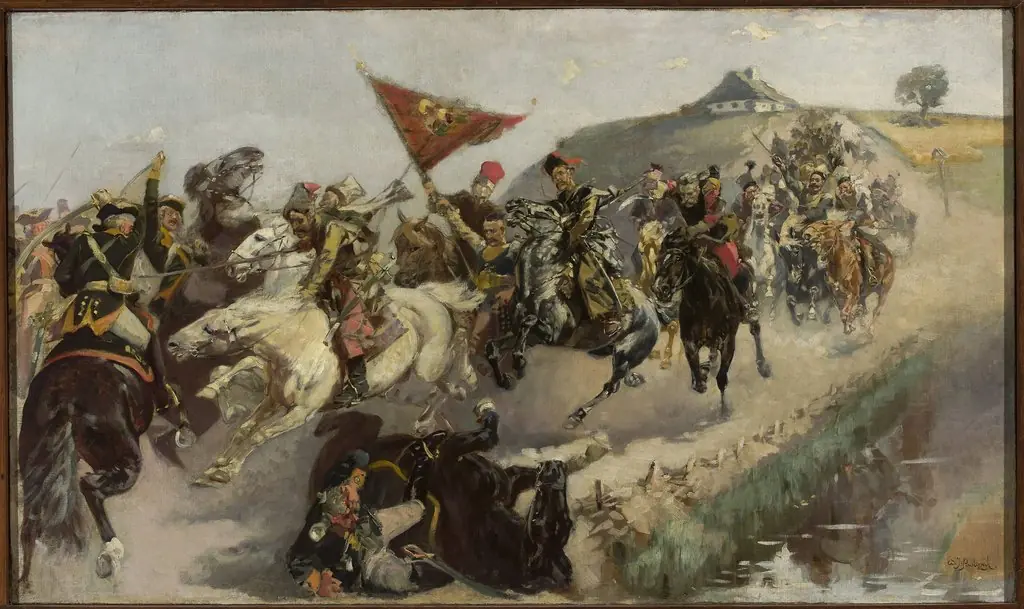 Skirmish on the road
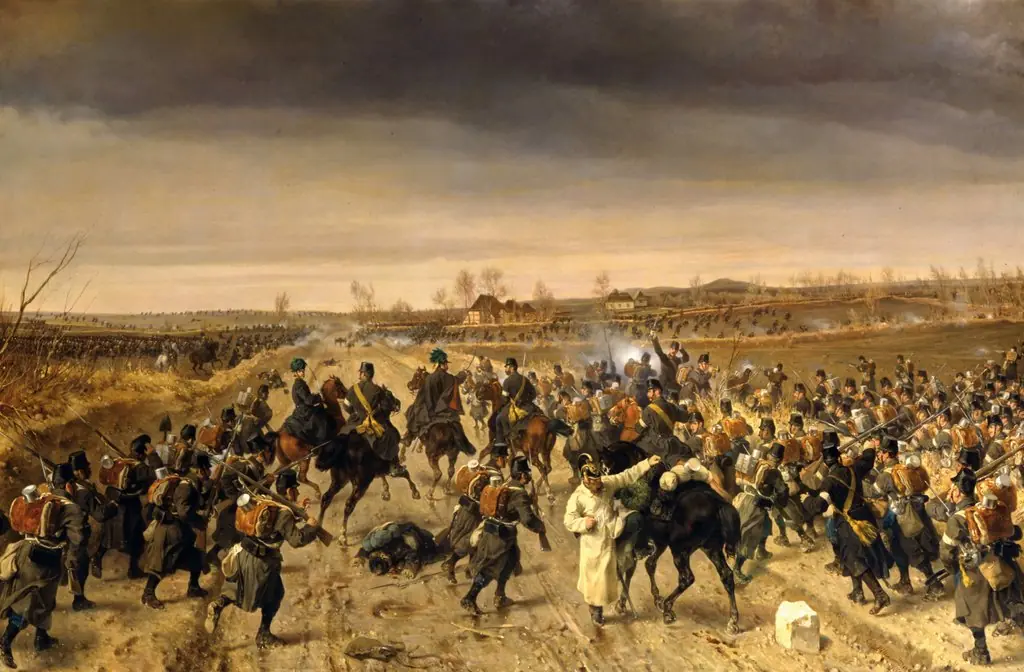 Die Schlacht bei Oberselk am 3. Februar 1864
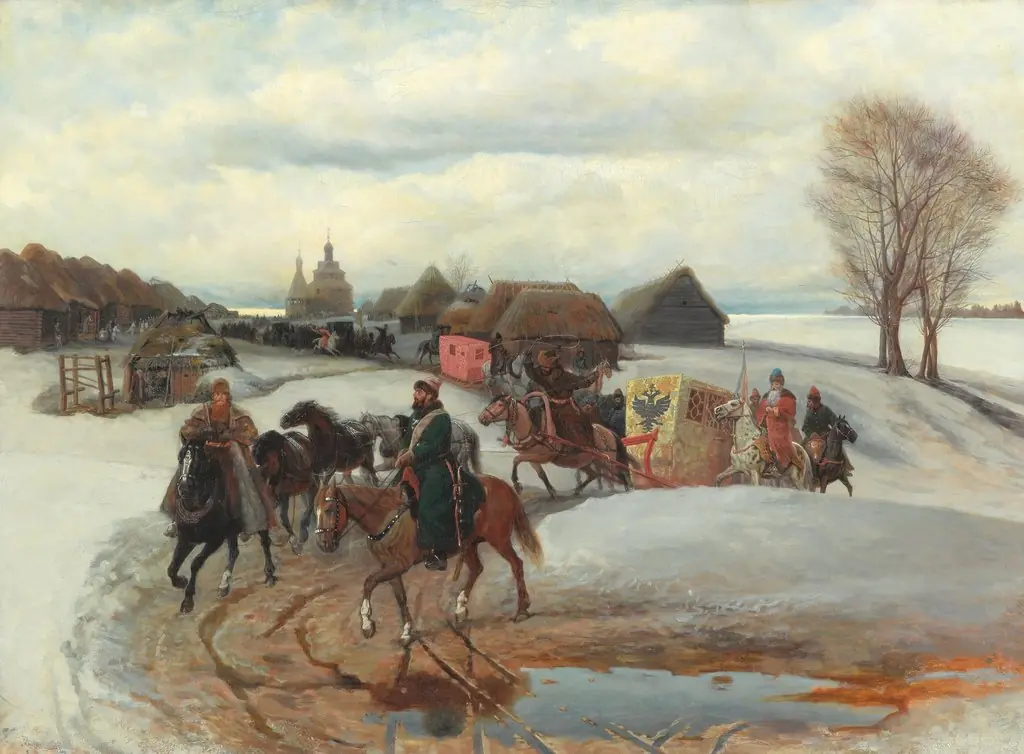 The Spring Pilgrimage of the Tsarina, under Tsar Aleksy Mihailovich
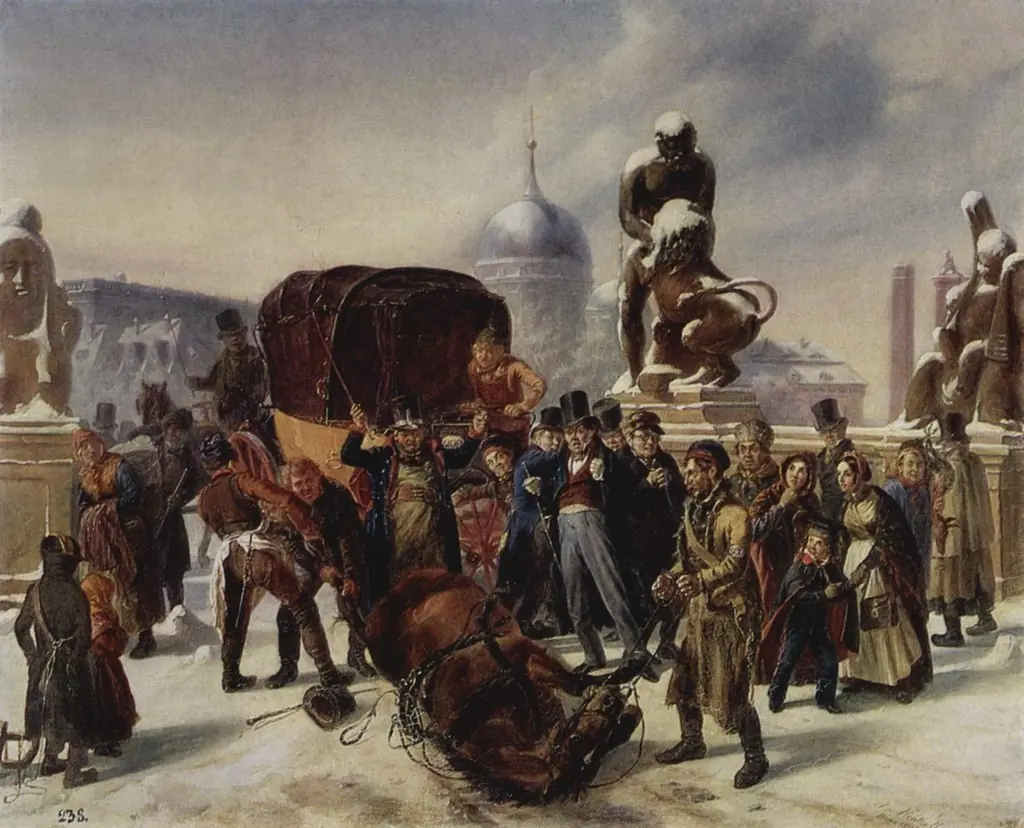 Straßenszene auf der Herkulesbrücke, Berlin
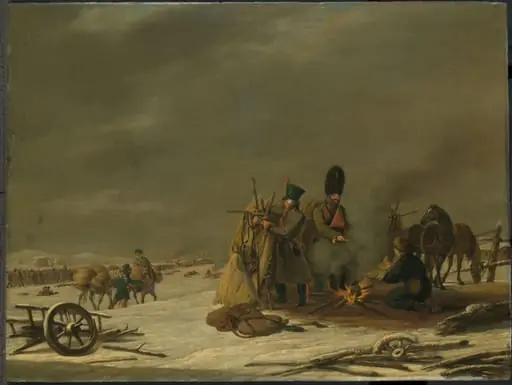 Bivouac at Molodechno, 3-4 December 1812: an episode from Napoleon's Retreat from Russia
- Taking of Narva