Artwork
Beg! A Dog's Lesson
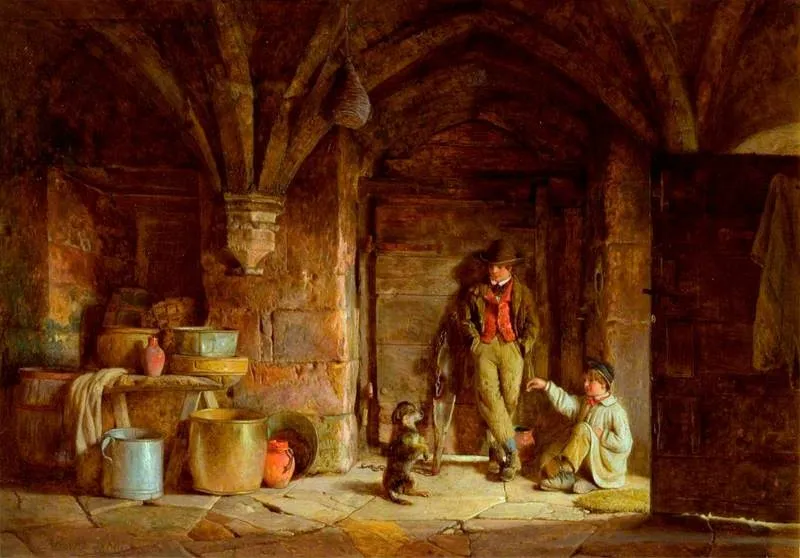
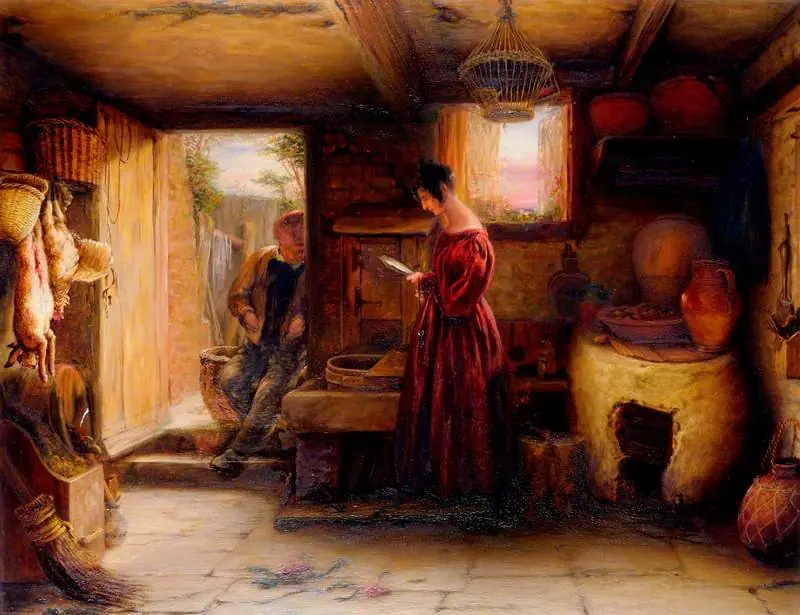
Beg! A Dog's Lesson is an oil painting by the Realist artist Alfred Provis. It dates from 1860 and is held in the collection of the Victoria and Albert Museum.
About this work
Overview
The painting is part of the Victoria and Albert Museum’s collection, where it is preserved as an example of mid-Victorian domestic realism.
Painted in 1860 by Alfred Provis, this oil-on-canvas work captures a quiet domestic moment in a humble interior. The scene centers on an interaction between a man, a boy, and a dog, rendered with attention to everyday detail. It belongs to the genre painting tradition, focusing on ordinary life rather than grand narratives.
The painting is part of the Victoria and Albert Museum’s collection, where it is preserved as an example of mid-Victorian domestic realism.
Subject & Meaning
The painting portrays a training moment: the boy gestures toward the dog, which appears to be responding to a command, while the man observes. The dynamic suggests a lesson in obedience, possibly reflecting contemporary values around discipline and animal training. The intimacy of the setting implies a familial or caretaking relationship, with the dog as both pet and participant in household routines. No overt moralizing is present, instead, the scene invites quiet contemplation of daily bonds.
Technique & Style
Provis employs chiaroscuro to model forms with soft contrasts between light and shadow, enhancing the three-dimensionality of the figures and objects. The palette is muted, dominated by earth tones and warm highlights that emanate from an unseen source, likely a hearth or window. Brushwork is controlled but not overly refined, favoring naturalism over idealization.
The composition directs attention to the central trio, with surrounding items, pot, jug, broom, anchoring the scene in tangible reality.
History & Provenance
The painting was completed in 1860 and entered the Victoria and Albert Museum’s collection in the late 19th century, likely through acquisition or donation. Its presence in the museum reflects the institution’s interest in documenting domestic life and applied arts of the period. No significant alterations or known restorations are recorded, and its condition remains consistent with careful preservation over more than 160 years.
Context
In mid-19th-century Britain, genre scenes like this gained popularity as urbanization reshaped social life. Artists turned to humble interiors and ordinary interactions to evoke authenticity and emotional resonance. Provis’s work aligns with contemporaries such as William Powell Frith, who depicted middle- and working-class life with narrative clarity.
The emphasis on human-animal relationships also reflects growing public interest in pet ownership and humane treatment during the Victorian era.
Legacy
While not widely exhibited outside institutional settings, the painting contributes to scholarly understanding of Victorian domestic culture and the role of genre painting in shaping perceptions of everyday life. It remains a quiet testament to the dignity found in routine moments, preserving a specific social texture that might otherwise have been overlooked. Its continued presence in the V&A underscores its value as a historical document rather than a celebrated work of art.
Artist & collection

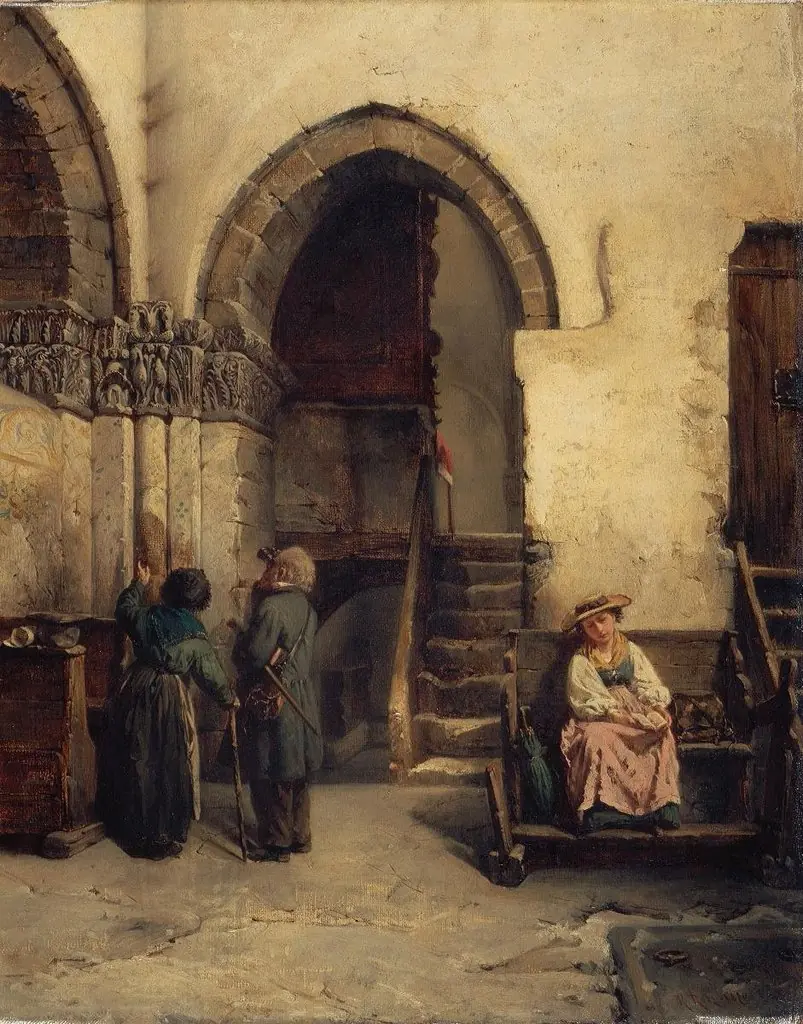
- Archäologe in der Kirche von Valeria
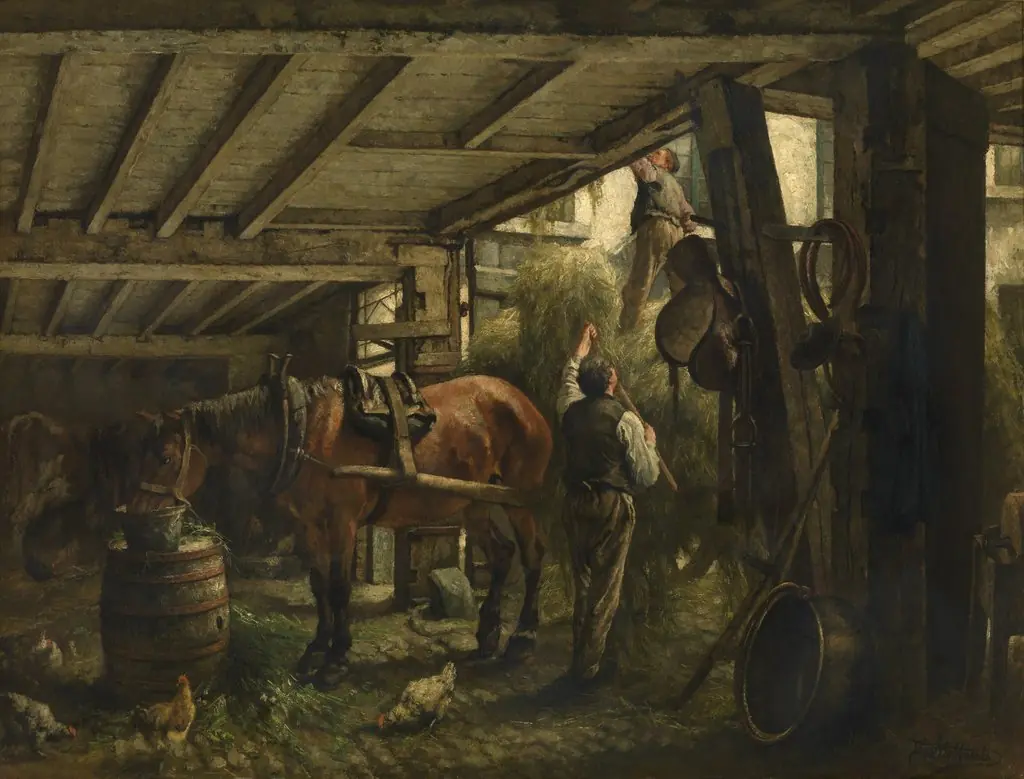 Haycart
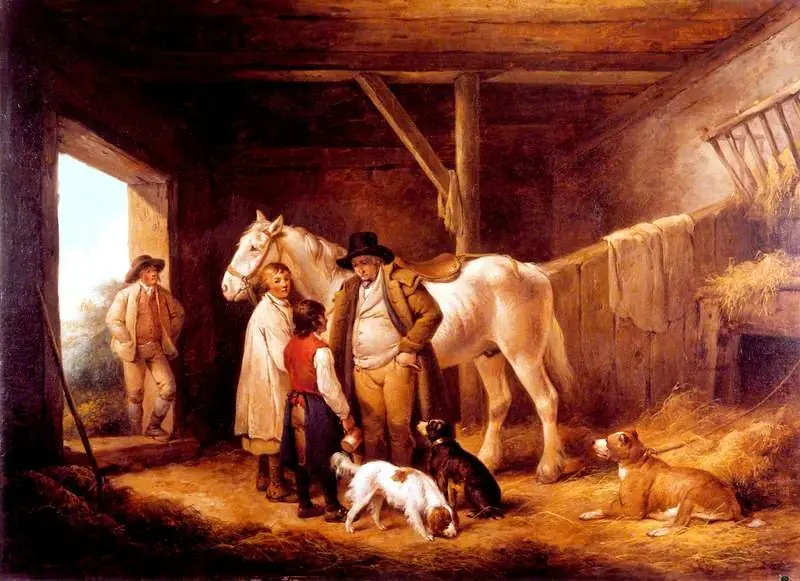 The Reckoning: A Farmer Paying the Ostler and Pot-Boy of an Inn
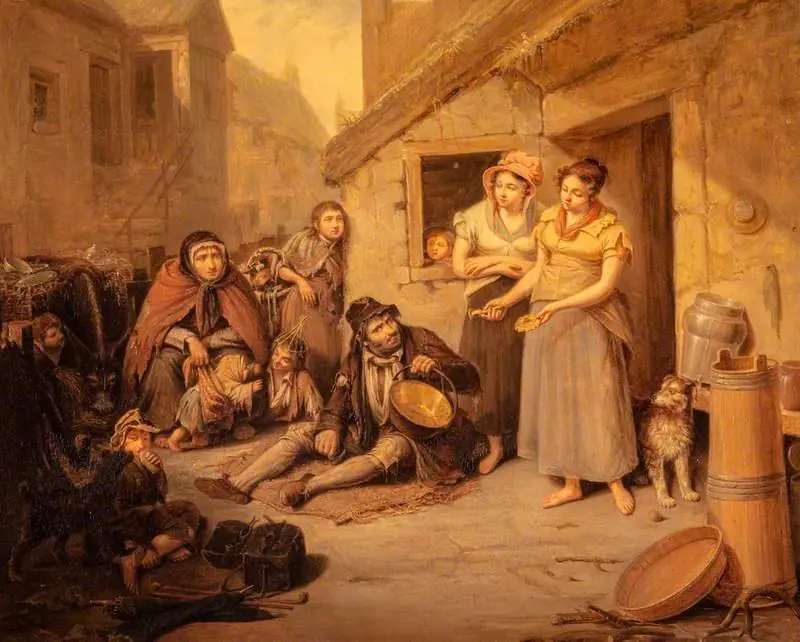 The Tinkers
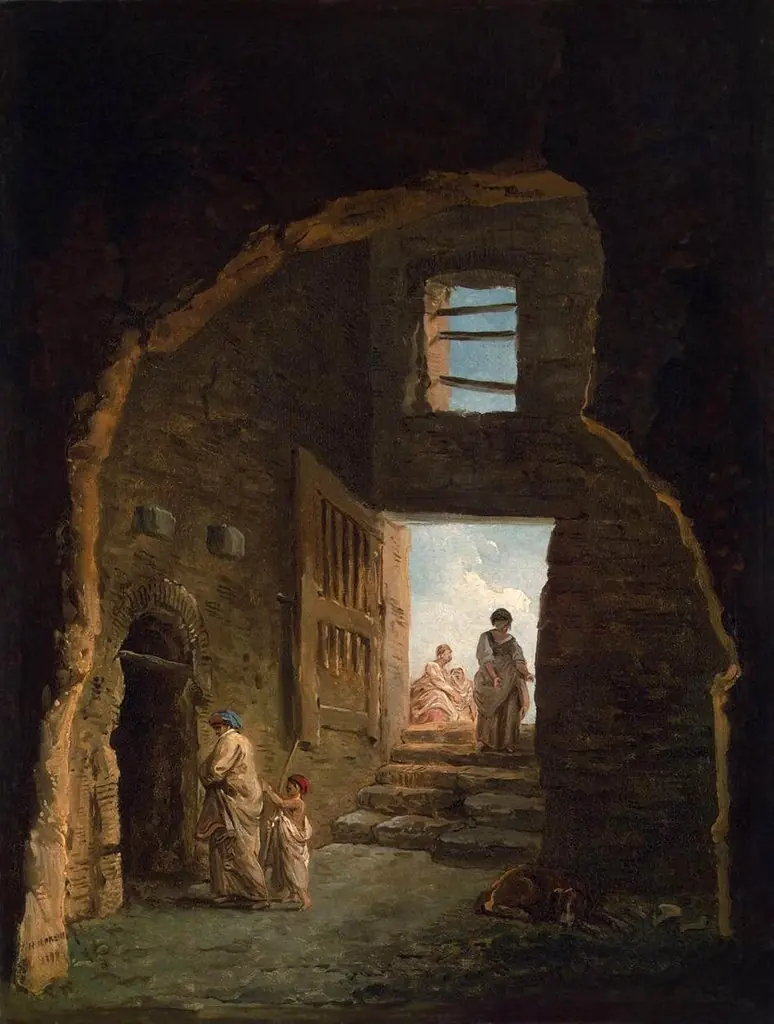 Inhabited Ruins
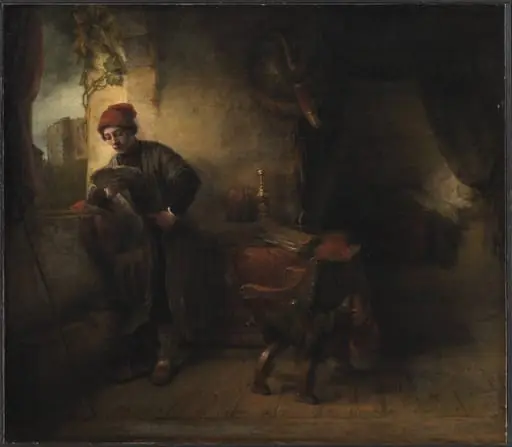 Standing Young Man at the Window in his Study Reading, known as"The Student"
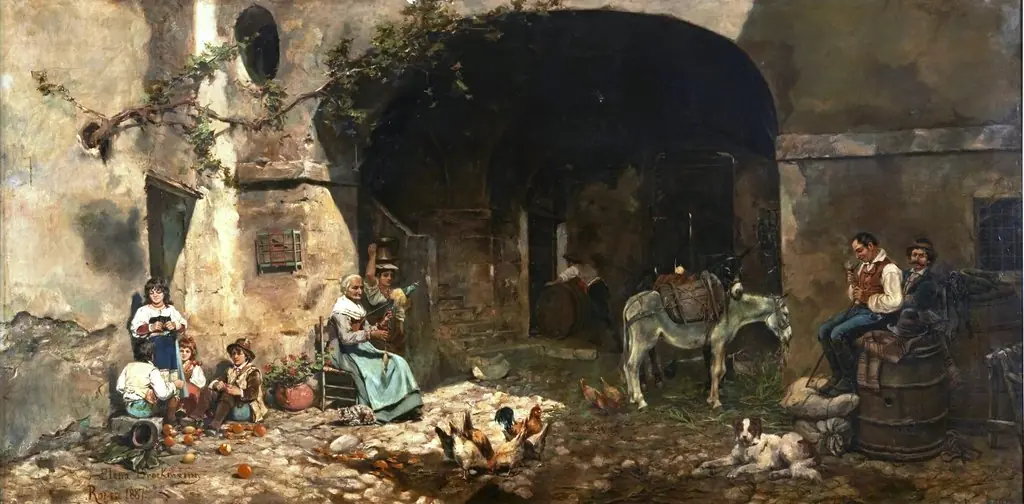 El patio de un parador
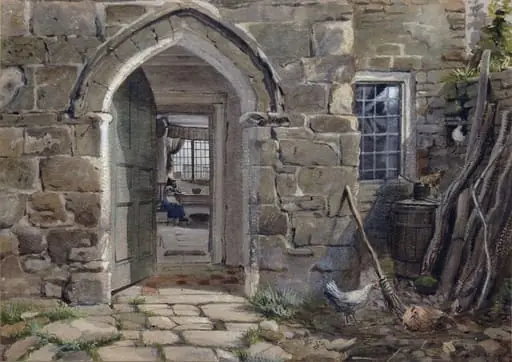 A Glimpse of an Interior
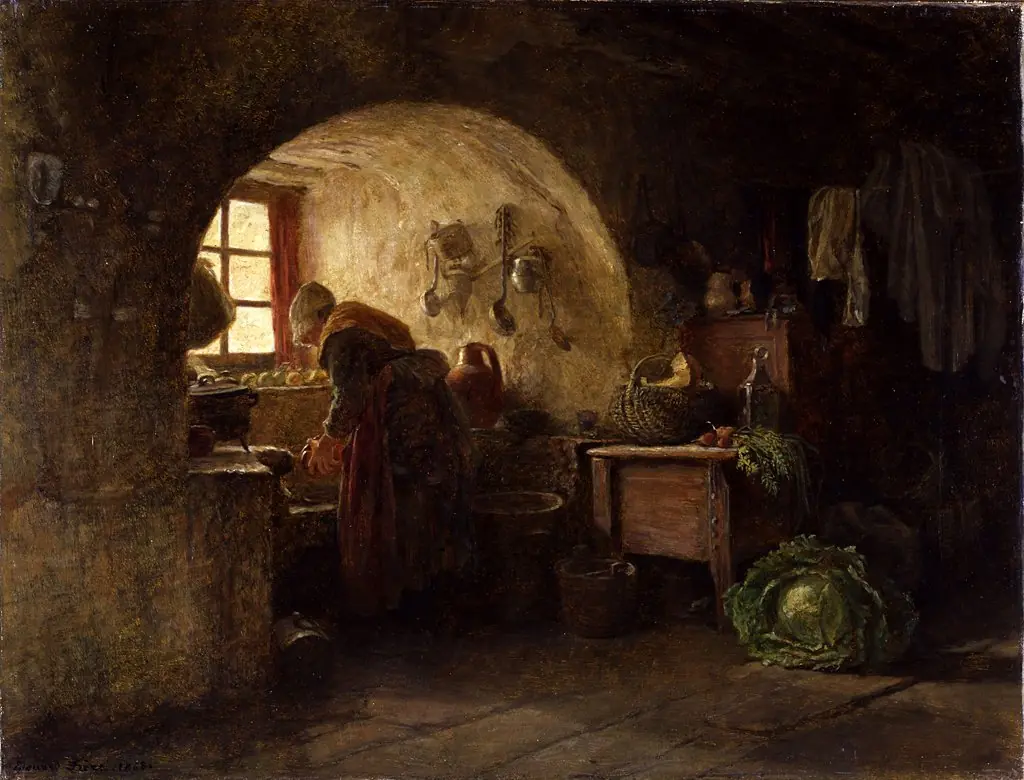 Preparing Dinner
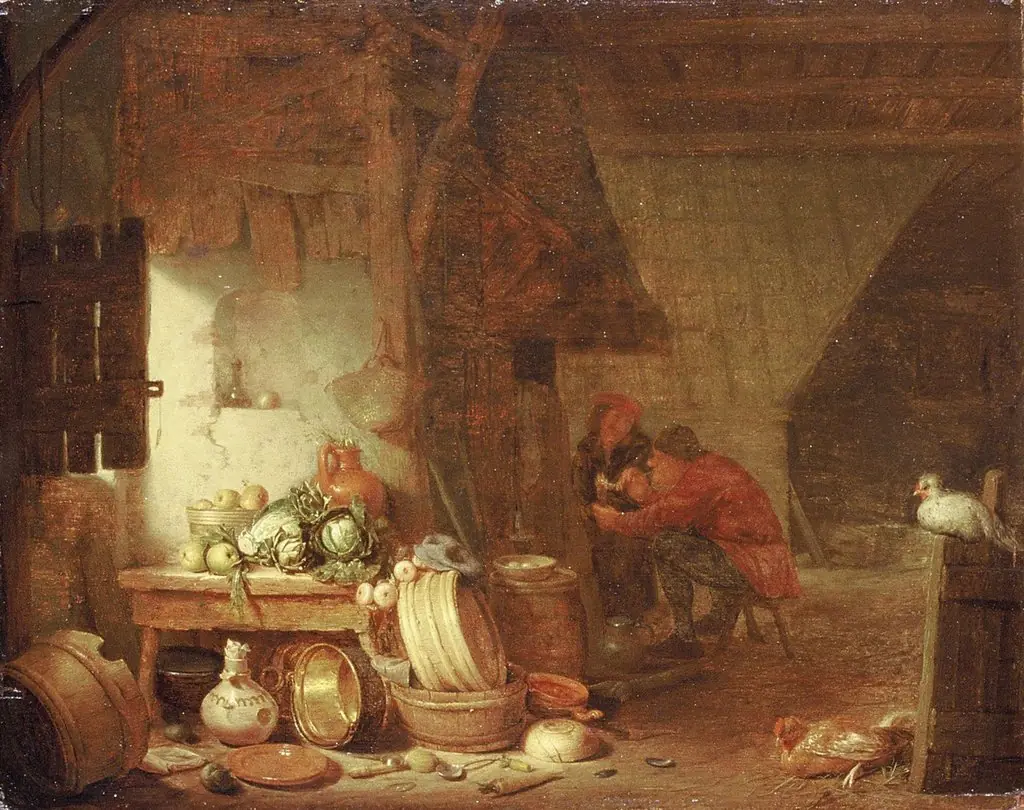 Interior of Peasant's Kitchen
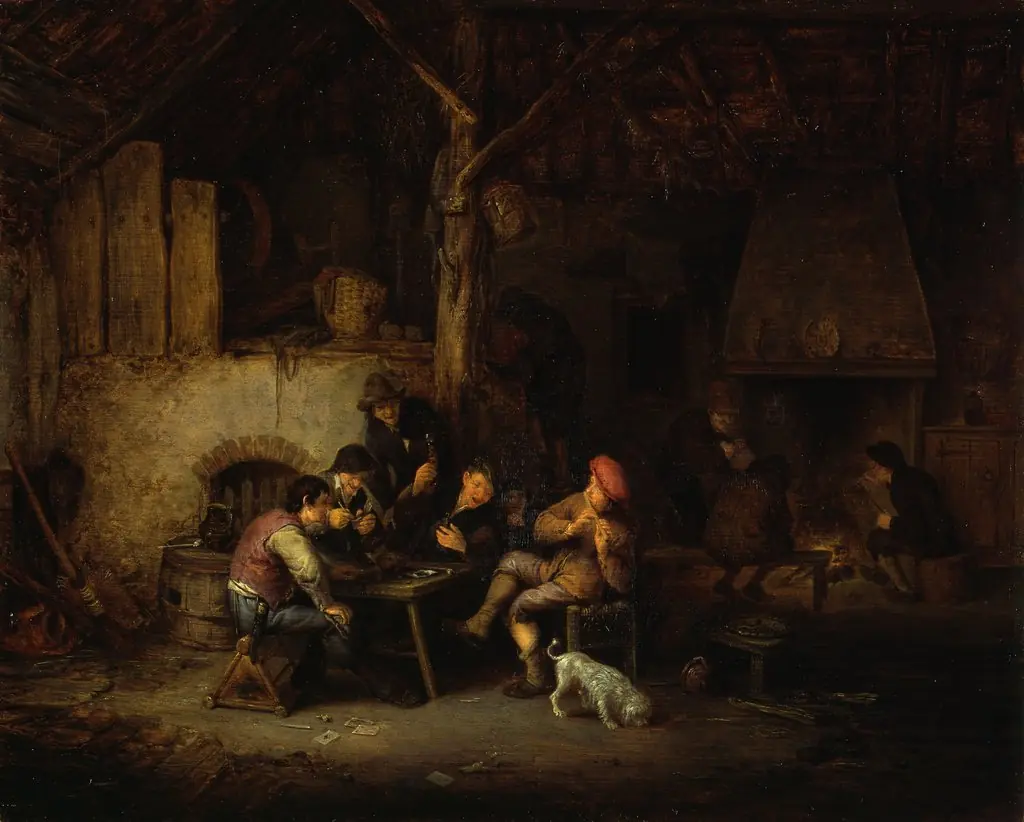 Peasants at an Inn
 An Interior