Artwork
Mrs. Albert Bridges (Eliza Kimball )
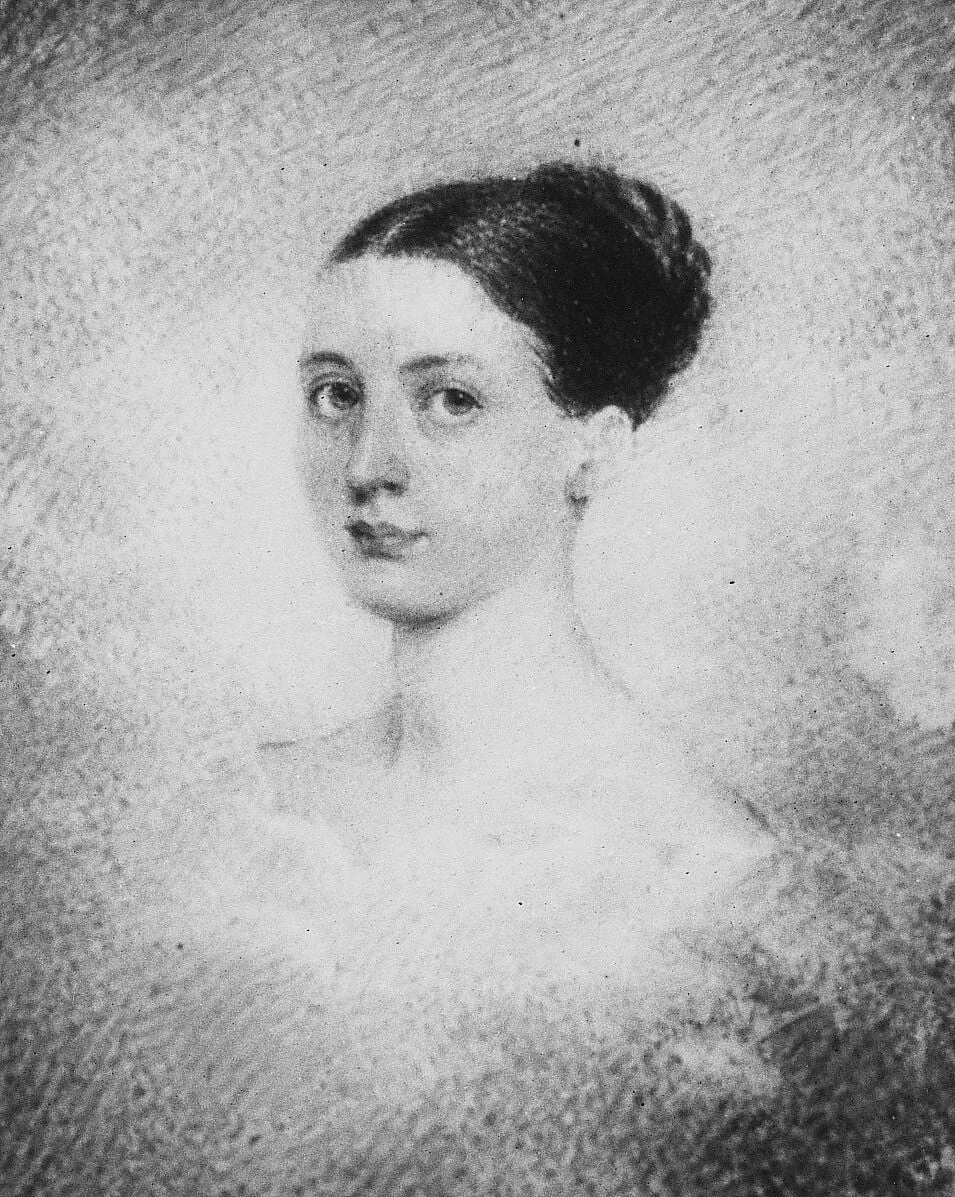
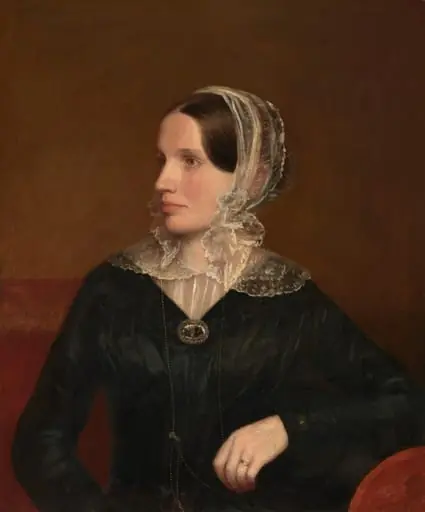
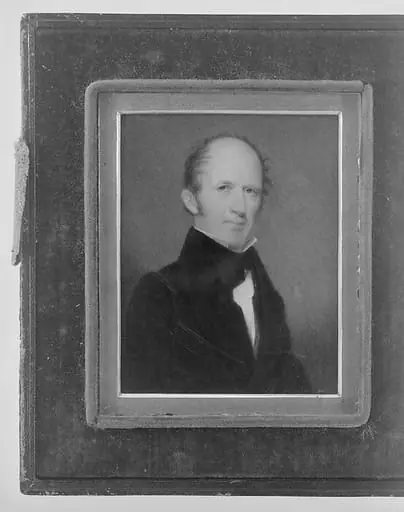
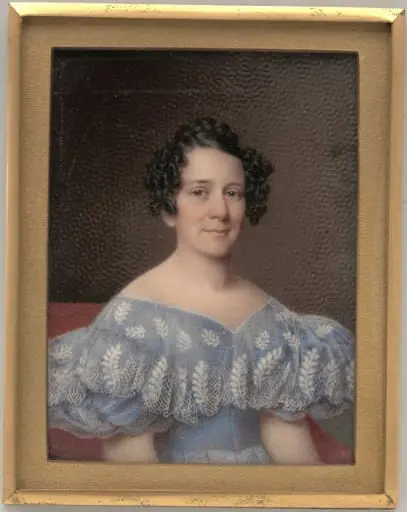
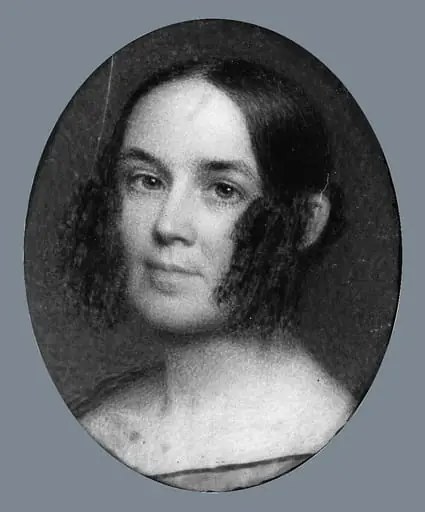
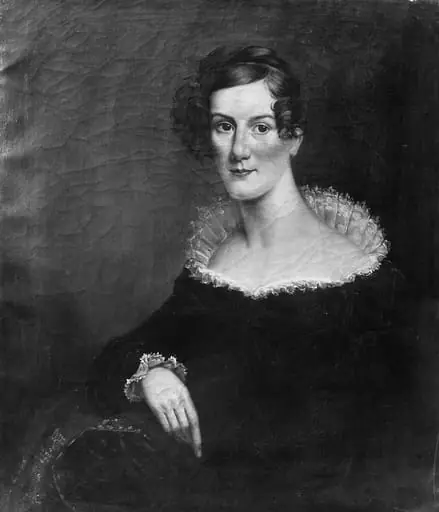
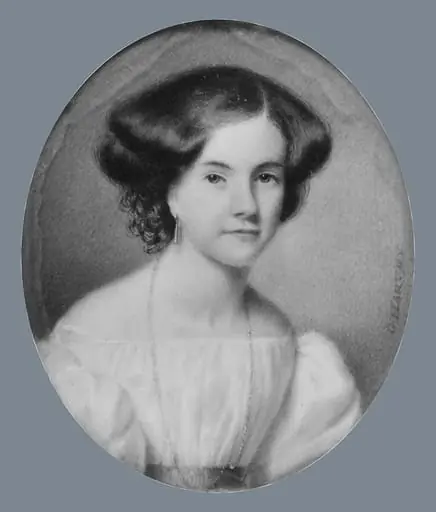
Mrs. Albert Bridges (Eliza Kimball ) is a watercolor painting by the American Folk Art artist Alvan Clark. It dates from 1839 and is held in the collection of the Metropolitan Museum of Art.
About this work
Subject & Meaning
As a portrait in The American Wing, it functions as a visual record of a genteel female sitter, embodying the conventions of early‑American elite portraiture.
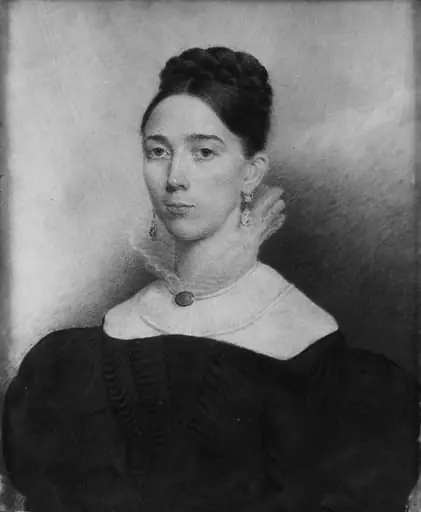
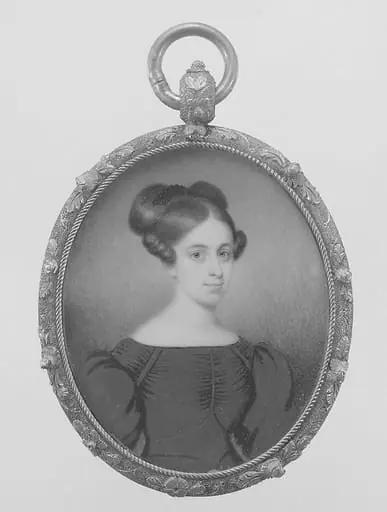
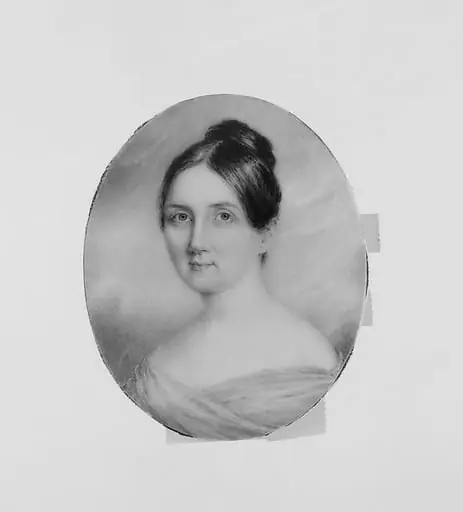
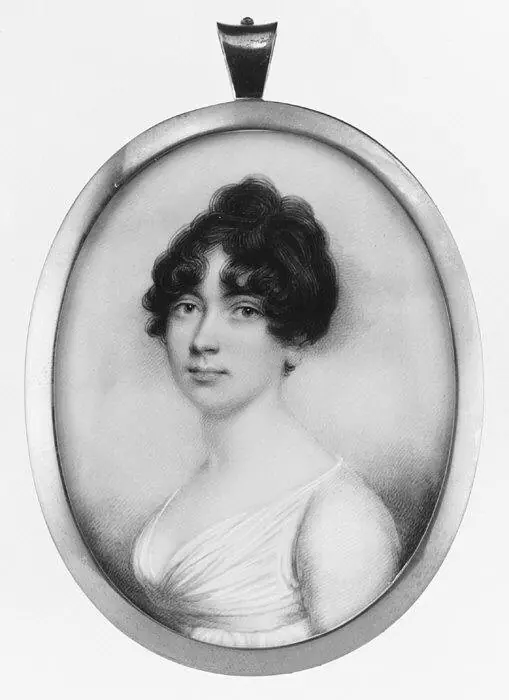
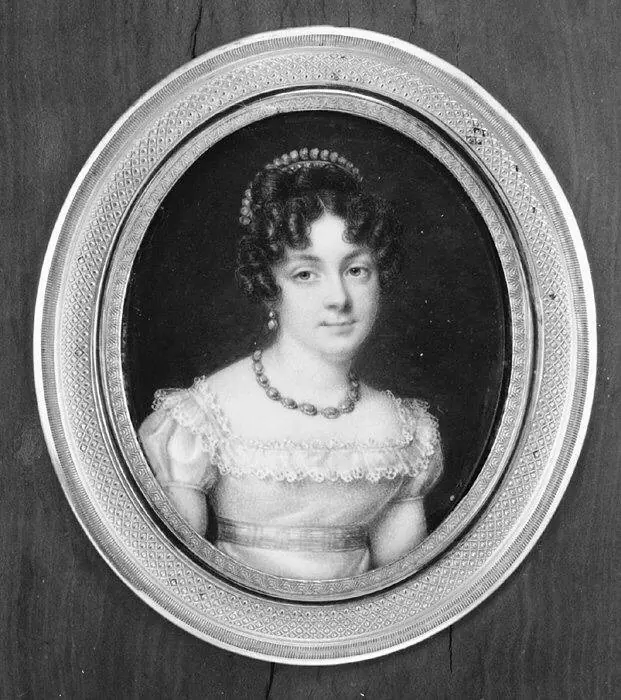
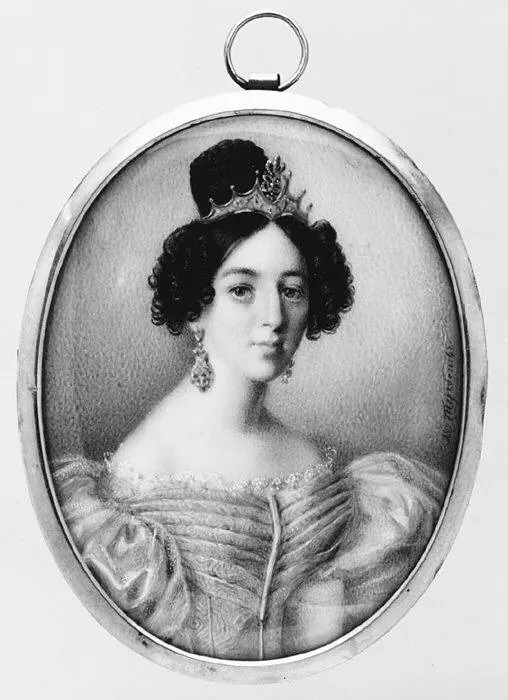
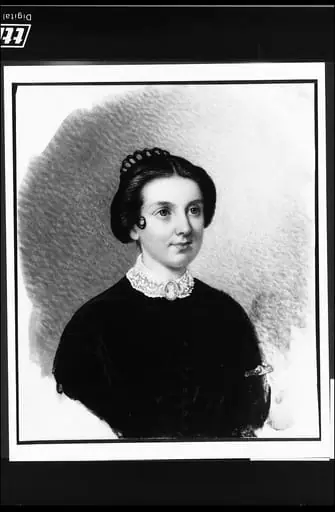
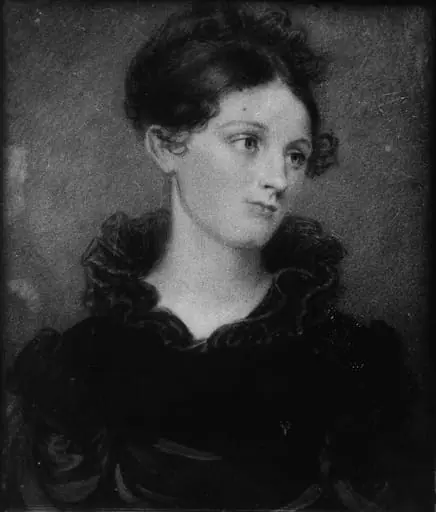
The work is a 1839 watercolor on ivory portrait by Alvan Clark, depicting a woman identified as Mrs. Albert Bridges (Eliza Kimball). As a portrait in The American Wing, it functions as a visual record of a genteel female sitter, embodying the conventions of early‑American elite portraiture. The painting’s subject is presented without overt iconographic attributes, emphasizing the sitter’s social identity through dress and composition typical of the period.
Its inclusion in the Metropolitan Museum’s collection underscores its significance as a representative example of 19th‑century American portraiture.
Technique & Style
Alvan Clark executed this portrait in watercolor on ivory, a medium typical of American miniature painting in the early nineteenth century. The support is a small oval ivory panel, measuring 6.4 by 5.3 cm, which allowed for fine, delicate brushwork. Clark's handling is precise and refined, with careful stippling and hatching to model the sitter's features and the soft folds of her dress.
The composition is tightly focused on the bust-length figure against a plain background, emphasizing the sitter's face and attire. The condition of the miniature appears stable, with the ivory support retaining its smooth surface and the watercolor layers remaining vivid, though typical age-related toning may be present.
History & Provenance
The watercolor portrait of Mrs. Albert Bridges (Eliza Kimball) by Alvan Clark, created in 1839, is held in the collection of the Metropolitan Museum of Art. The work is classified within the museum's American Wing and depicts a woman in a portrait format. While specific accession or inventory numbers are not detailed in the provided documentation, the artwork's physical dimensions are recorded as 6.4 by 5.3 units.
The piece remains part of the permanent holdings at the Metropolitan Museum of Art, where it is identified as a painting by the artist Alvan Clark.
Overview
Painted in 1839 by Alvan Clark, Mrs. Albert Bridges (Eliza Kimball) is a portrait miniature executed in watercolor on ivory. The work depicts Eliza Kimball seated against a neutral background, wearing a dark dress with her hands folded calmly in her lap. Clark utilized the translucent quality of the ivory support, applying thin layers of pigment to allow the white ground to reflect light through the paint, a technique that creates a luminous, soft glow in the sitter's complexion.
This method was standard for the genre, distinguishing ivory miniatures from oil paintings by their delicate, glowing finish. The piece exemplifies the American tradition of miniature portraiture in the early nineteenth century, a format designed for intimate, personal viewing rather than public display. As one of Clark's documented works from this period, it reflects his skill in capturing likeness and texture within the constrained dimensions of a handheld object.
The composition focuses entirely on the sitter's serene expression and formal posture, adhering to the conventions of portraiture intended to preserve the memory of a specific individual for private contemplation.
Context
Portrait miniatures like this one were highly personal objects, often intended to be carried close to the owner. Their diminutive size made them suitable for lockets, pockets, or small cases, functioning as cherished keepsakes. They provided a portable and intimate representation of loved ones, a popular form of remembrance before the widespread availability of photography.
Artist & collection
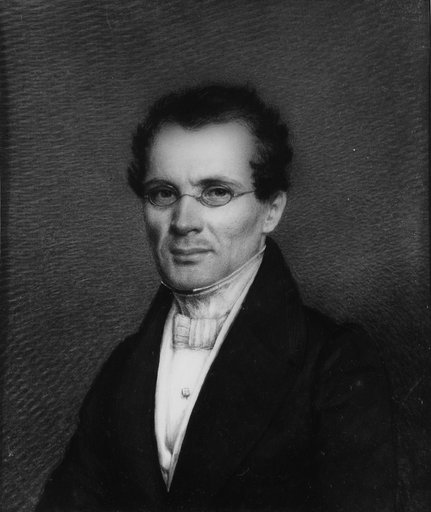
Artist
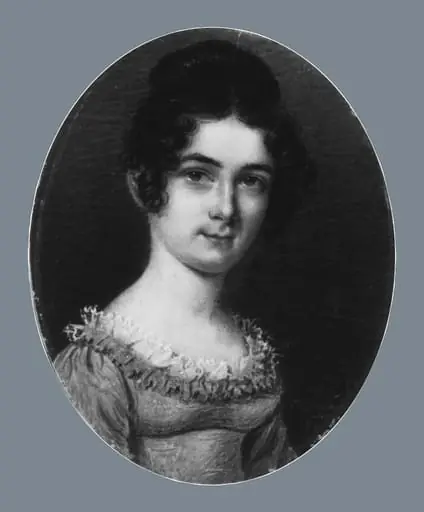
Clark made small, precise portraits on ivory and canvas in the 1830s–1850s, when Americans commissioned miniatures as keepsakes.