Artwork
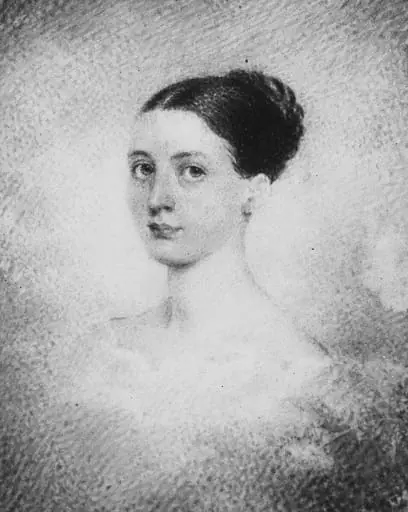
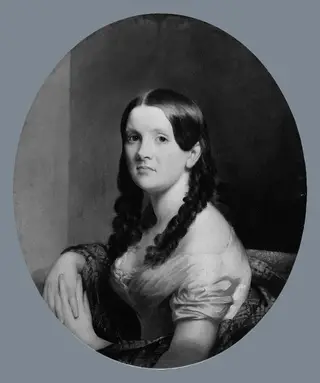
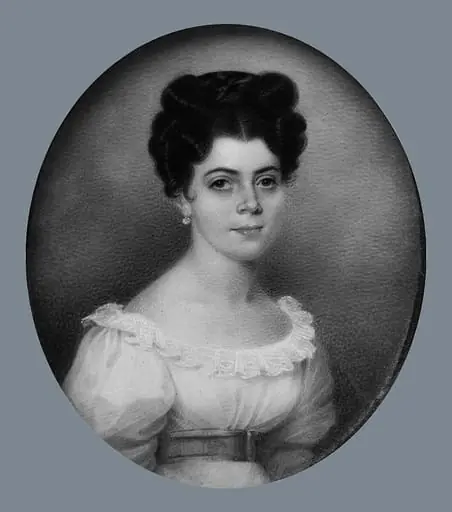
Mrs. Alvan Clark (Maria Pease)
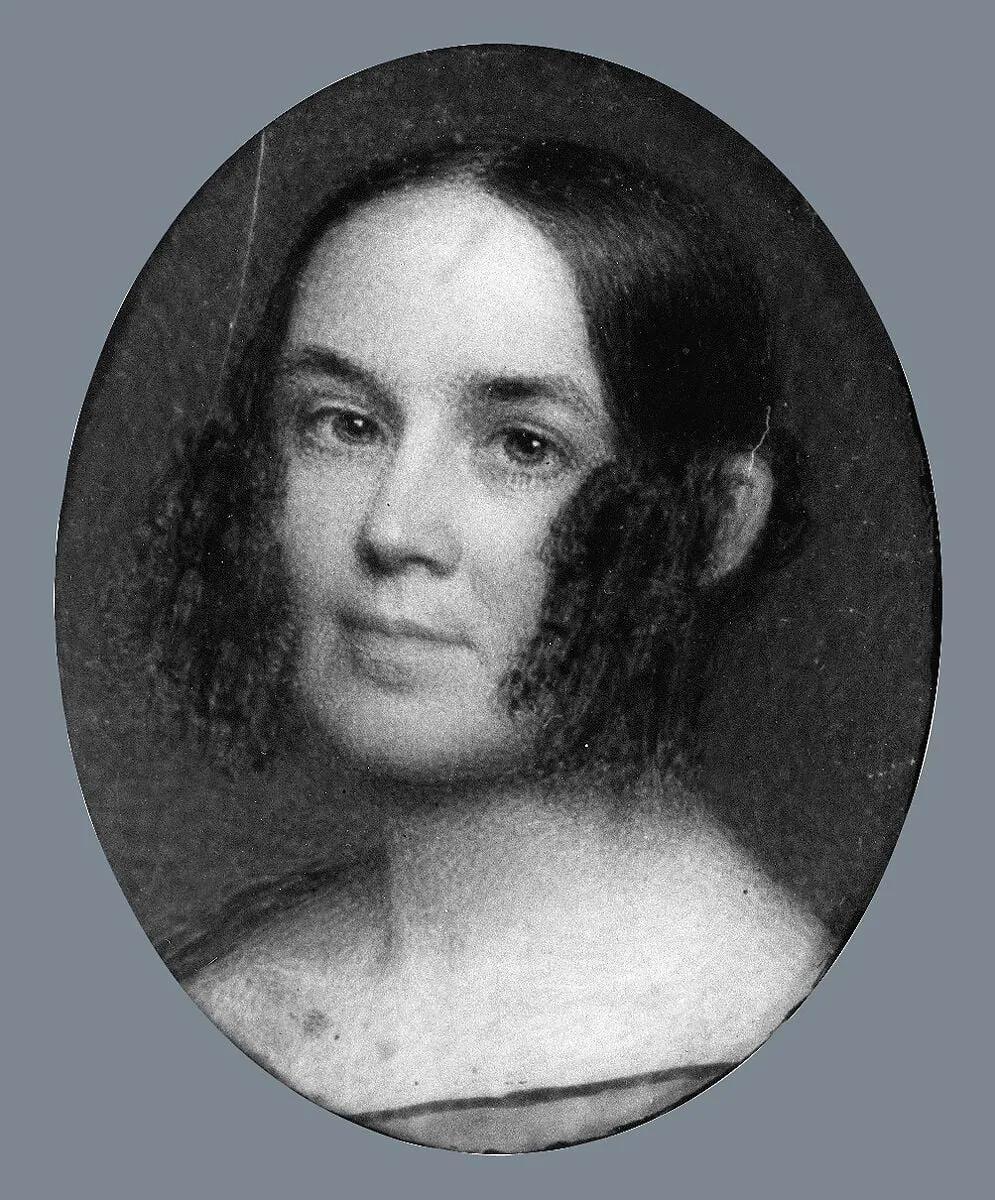
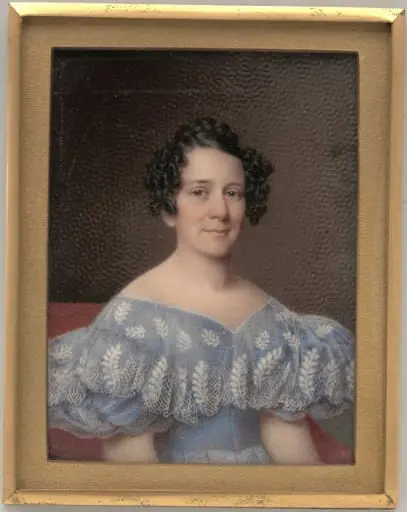
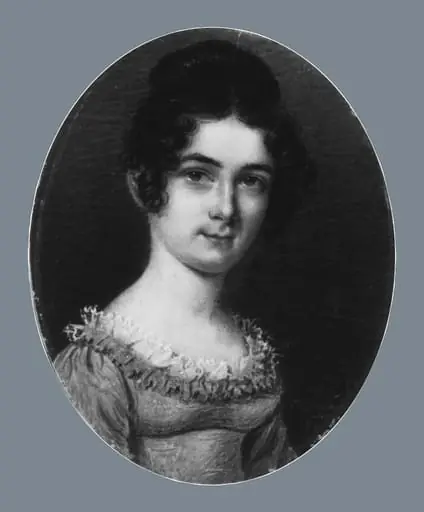
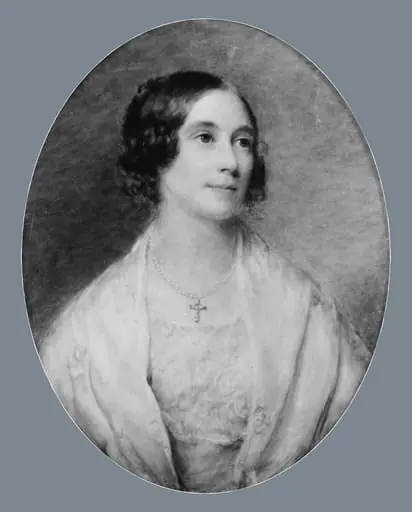
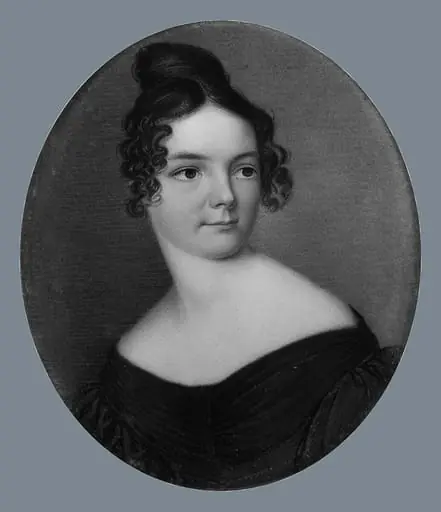
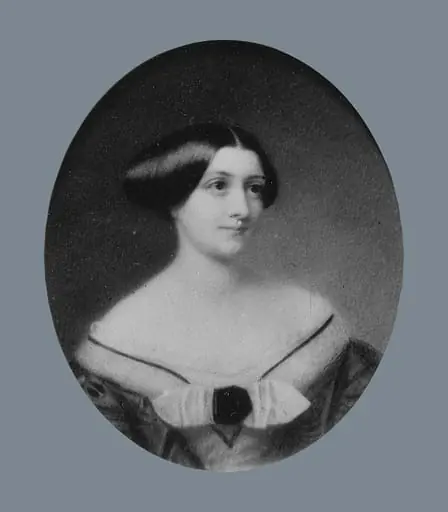
Mrs. Alvan Clark (Maria Pease) is a watercolor painting by the American Folk Art artist Alvan Clark. It dates from 1838 and is held in the collection of the Metropolitan Museum of Art.
About this work
Technique & Style
The delicate washes and fine linear modeling convey the sitter’s genteel bearing while preserving the softness of facial features.
The portrait was executed in 1837 using watercolor pigments applied to a thin ivory panel, a technique that creates a luminous, translucent surface typical of early American portrait miniatures. The delicate washes and fine linear modeling convey the sitter’s genteel bearing while preserving the softness of facial features. As a work in The American Wing, the piece is classified as a portrait genre painting and is presented on a rigid support that requires careful handling to prevent cracking of the ivory.
The composition balances intimate facial detail with a restrained background, reflecting the formal elegance of the period. The work remains well‑preserved within the Metropolitan Museum of Art’s collection.
History & Provenance
Mrs. Alvan Clark (Maria Pease) is a watercolor on ivory portrait painted by Alvan Clark in 1837. The work depicts Maria Pease, the artist’s wife, and is currently held in the collection of the Metropolitan Museum of Art in New York. While specific commission details and earlier ownership transfers are not documented in the provided sources, the painting’s creation date and medium are established, and its present provenance traces to the Met’s holdings.
The watercolor portrait of Mrs. Alvan Clark (Maria Pease), created by Alvan Clark in 1837, is held in the collection of the Metropolitan Museum of Art. Within the museum's structure, the work is classified under The American Wing. While the provided sources confirm the institution and the specific wing housing the piece, they do not list a specific accession or inventory number, nor do they detail a history of exhibitions.
The artwork, measuring 5.7 by 4.6 units, remains part of the permanent collection at the Metropolitan Museum of Art in New York.
Overview
Alvan Clark's 1838 watercolor on ivory depicts his wife, Maria Pease, in a delicate miniature portrait. This intimate work captures her likeness with precise detail, reflecting the personal nature and meticulous craftsmanship characteristic of the genre. Created by the artist, it offers a glimpse into the visual culture of the era.
Subject & Meaning
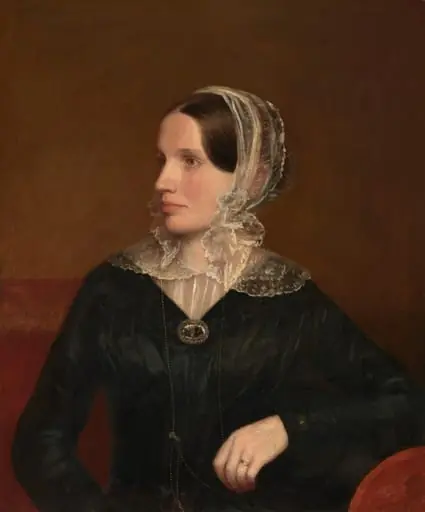
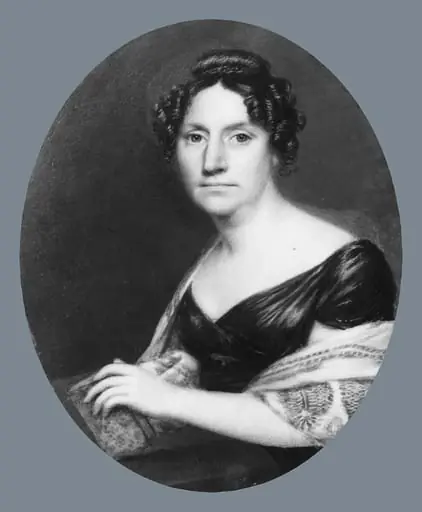
The portrait presents Maria Pease, the artist's wife, seated against a plain background. She holds a book, her dark eyes steady, and a crisp lace collar accents her dark dress. This composition conveys a sense of quiet dignity and personal connection, typical of a private commission or a work made for a loved one.
Context
Before the advent of photography, miniature portraits like this one were essential for individuals to carry and display images of family and friends. These small, portable artworks were frequently incorporated into jewelry or kept in small, protective cases, serving as cherished mementos that maintained a visual link to absent or distant loved ones.
Artist & collection
Artist
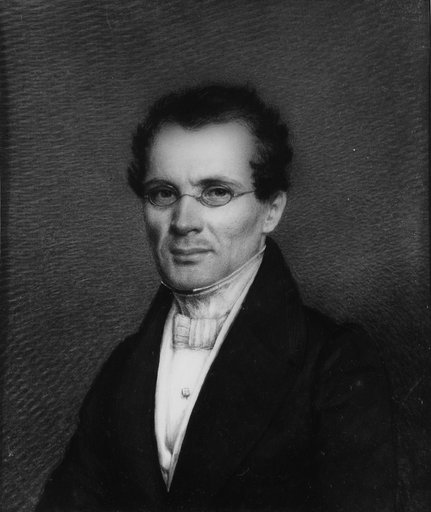
Clark made small, precise portraits on ivory and canvas in the 1830s–1850s, when Americans commissioned miniatures as keepsakes.