Artwork
Portrait of a Lady
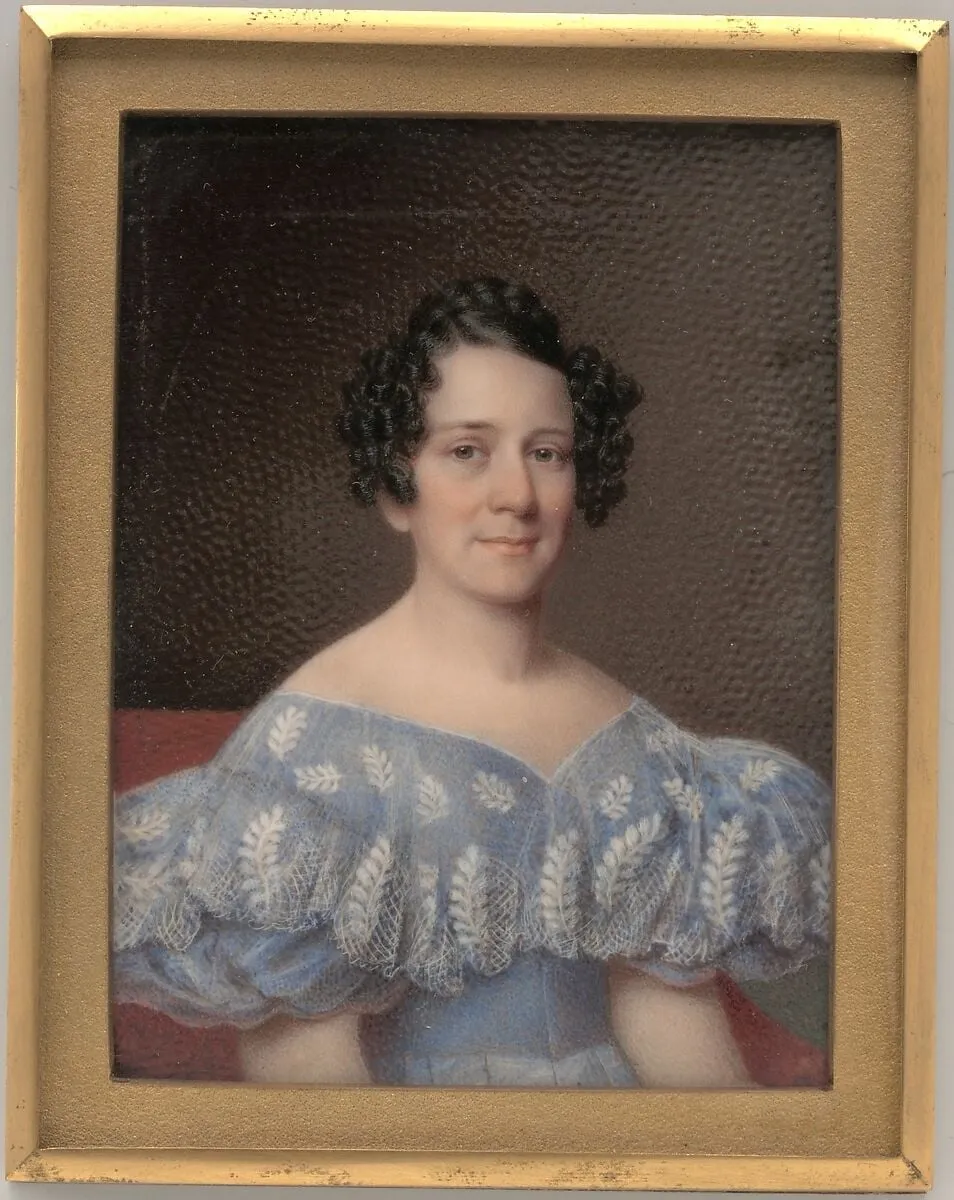
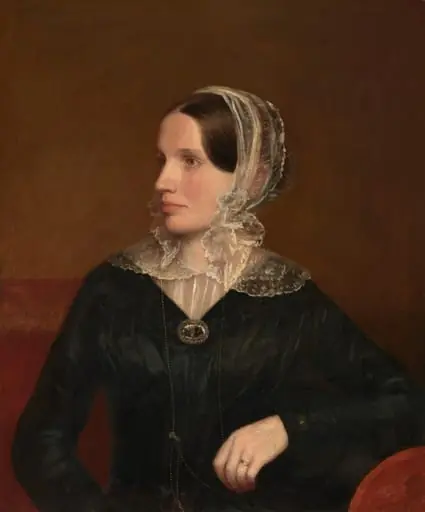
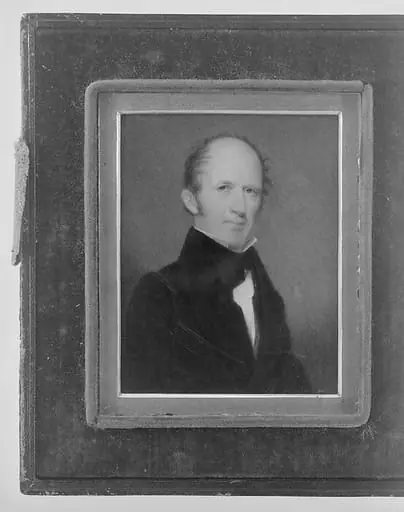
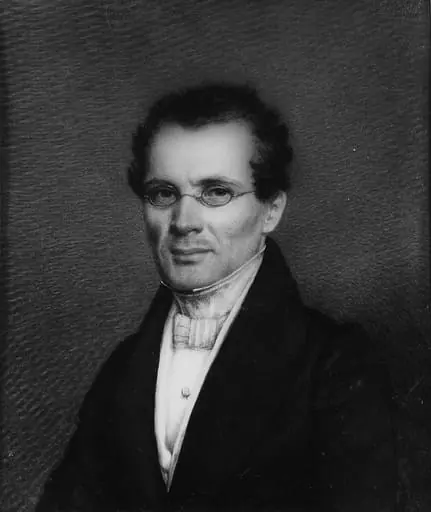
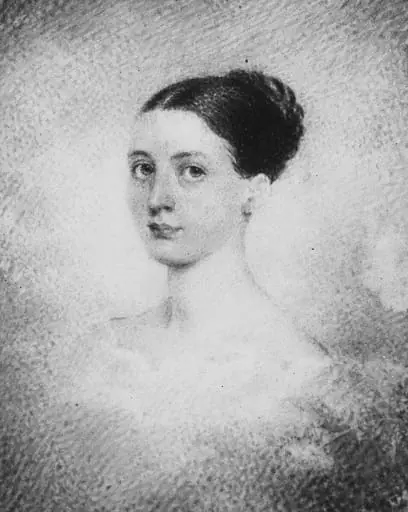
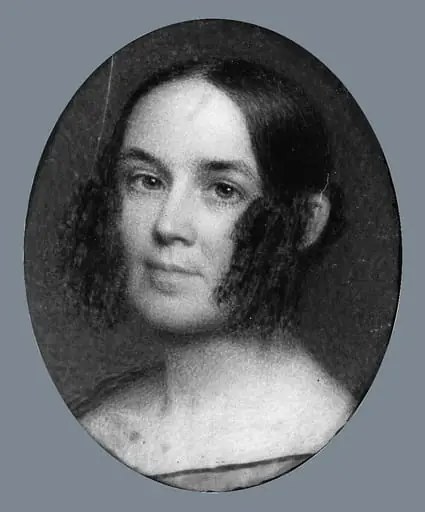
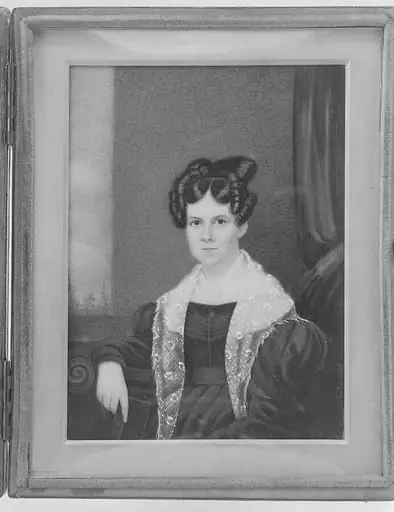
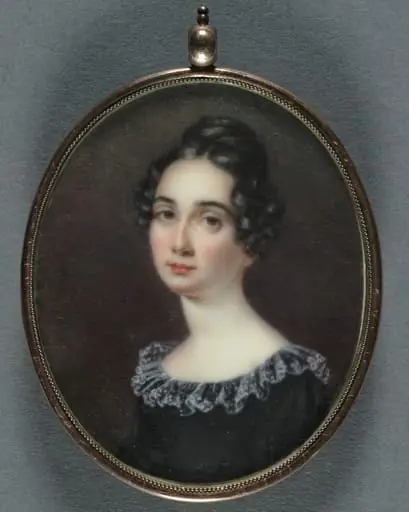
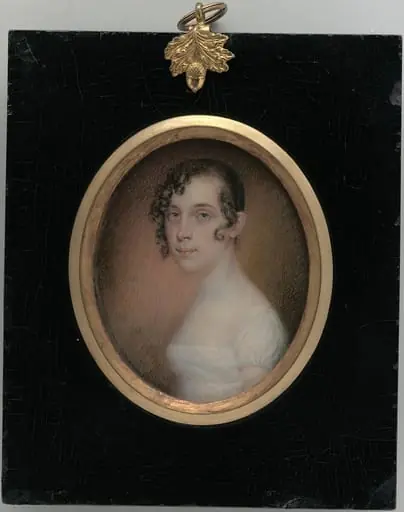
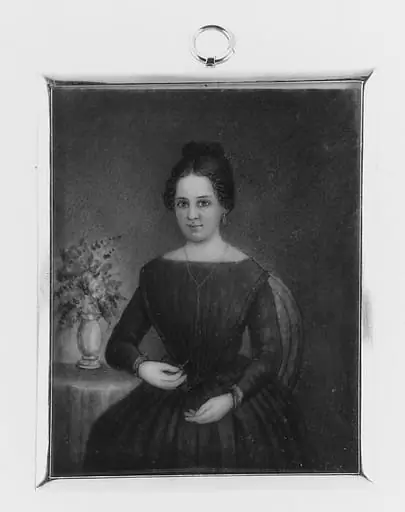
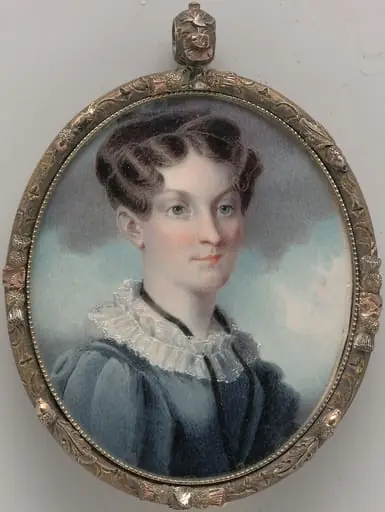
Portrait of a Lady is a watercolor painting by the American Folk Art artist Alvan Clark. It dates from 1835 and is held in the collection of the Metropolitan Museum of Art.
About this work
Subject & Meaning
As a portrait, it functions to document the sitter’s appearance and likely social identity, a common purpose of early‑American portraiture.
The work is a 1835 watercolor portrait of an unidentified woman, created by Alvan Clark and held in the Metropolitan Museum of Art. As a portrait, it functions to document the sitter’s appearance and likely social identity, a common purpose of early‑American portraiture. The depiction of a solitary female figure aligns with genre conventions that emphasized modesty and refinement, suggesting an emphasis on the subject’s respectable status.
The piece therefore represents a conventional portrayal of a lady of the period, using the medium of watercolor on ivory to convey delicate detail and intimate presence.
Technique & Style
Executed in 1835, this portrait by Alvan Clark utilizes watercolor applied to an ivory support, a medium characteristic of miniature painting traditions. The work measures approximately 8.7 by 6.5 units, indicating a small-scale format intended for intimate viewing. As a piece housed within The American Wing of the Metropolitan Museum of Art, the object is classified specifically as a portrait genre depicting a female subject.
The combination of translucent watercolor pigments and the smooth, luminous surface of the ivory allows for delicate modeling of the sitter's features, though specific details regarding the artist's brushwork handling or the current physical condition of the paint layer are not explicitly detailed in the available records. The formal qualities rely on the inherent glow of the ivory beneath the thin washes of color to achieve volume and likeness.
History & Provenance
The work titled Portrait of a Lady was created in 1835 by Alvan Clark as a watercolor on ivory, depicting a woman in portrait format. Its creation is recorded under the classification “The American Wing” within the Metropolitan Museum of Art’s collection, where it remains today. No explicit commission details are documented, but the piece is recognized as part of Clark’s early output, with its dimensions noted as 8.7 × 6.5 units.
The dating of 1835 is confirmed by the inception field in the artwork’s record, establishing it as a mid‑19th‑century portrait that has been continuously held by the Metropolitan Museum of Art since its acquisition.
Overview
Created around 1835 by Alvan Clark, Portrait of a Lady is a watercolor miniature rendered on ivory. This small-scale artwork presents an unidentified woman, her gaze directed forward, her features softly illuminated. Such intimate portraits were often cherished personal objects, intended for close viewing and private contemplation, reflecting a common practice of the era for commemorating individuals.
Context
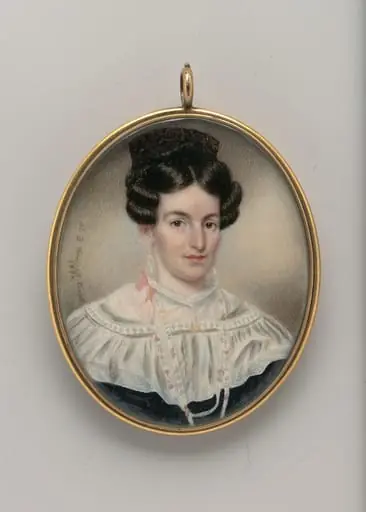
Alvan Clark produced numerous miniature portraits during his career, reflecting the widespread popularity of this art form in the early 19th century. These small, portable images served as personal mementos or tokens of affection, often exchanged among family and friends. The prevalence of such works underscores their cultural significance as a primary means of personal commemoration before the advent of photography.
Artist & collection
Artist
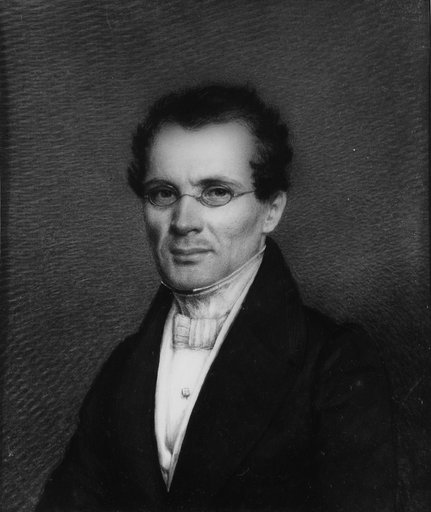
Clark made small, precise portraits on ivory and canvas in the 1830s–1850s, when Americans commissioned miniatures as keepsakes.