Artwork
Pietà
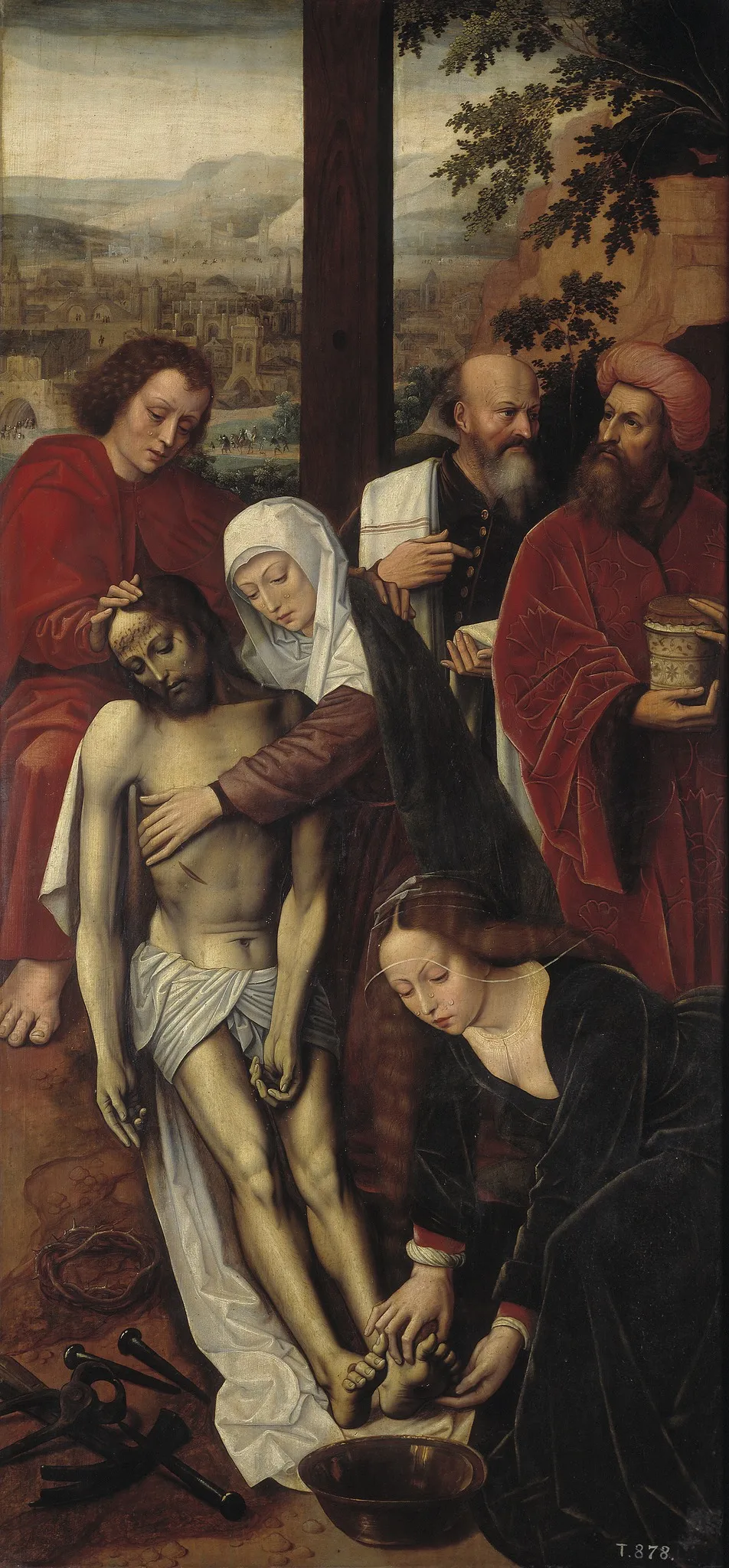
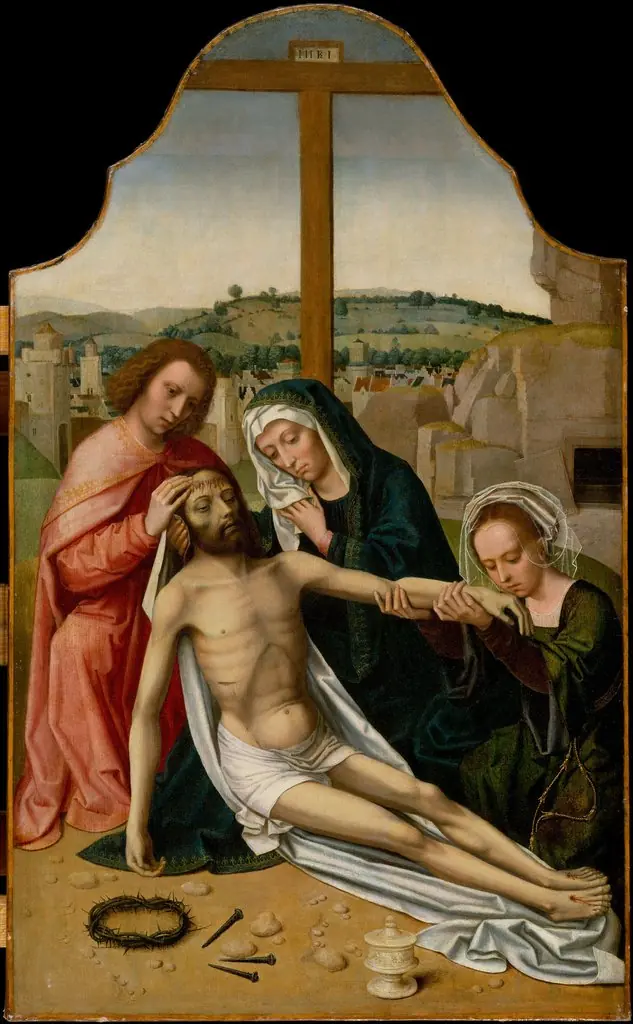
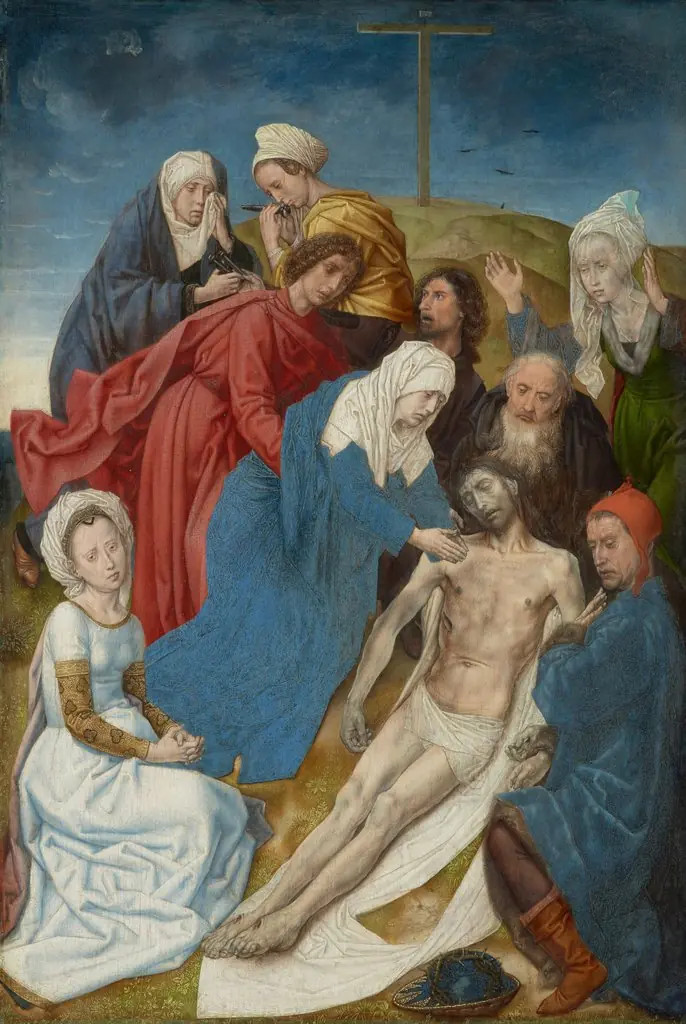
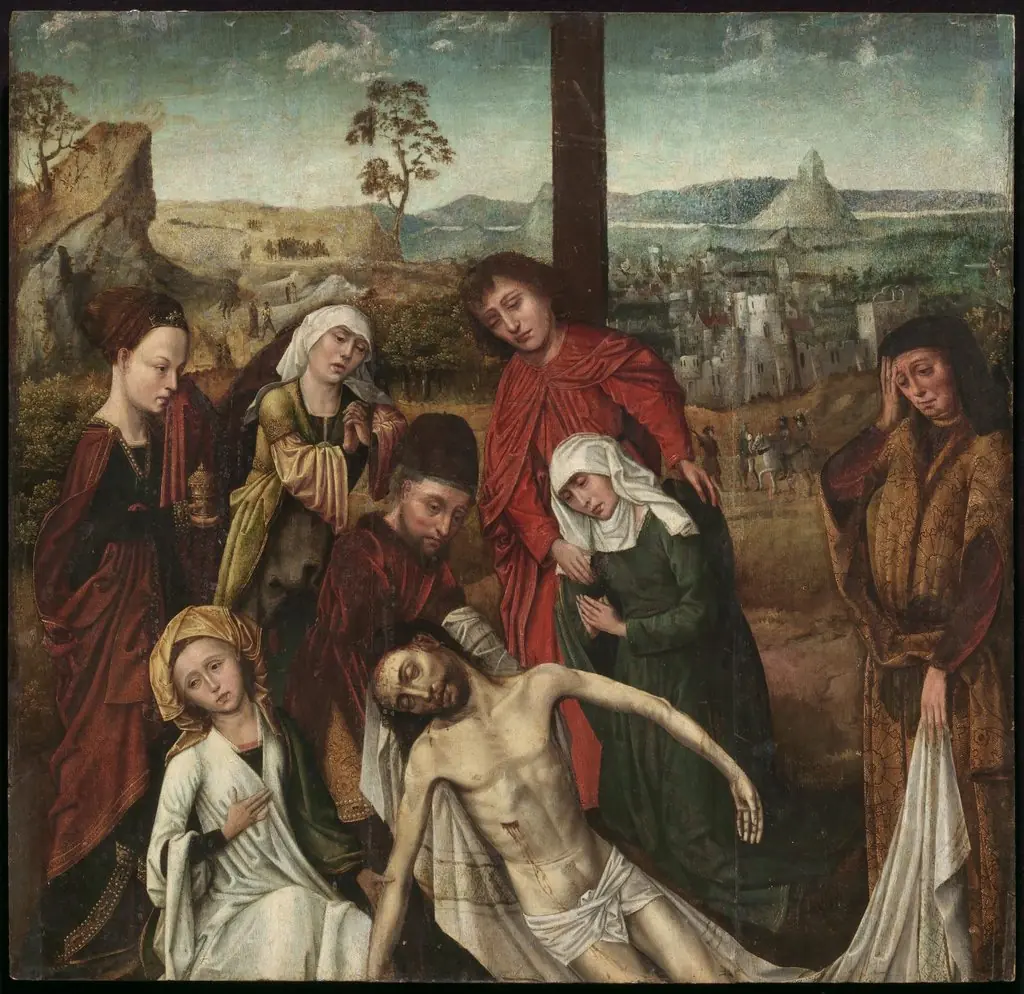
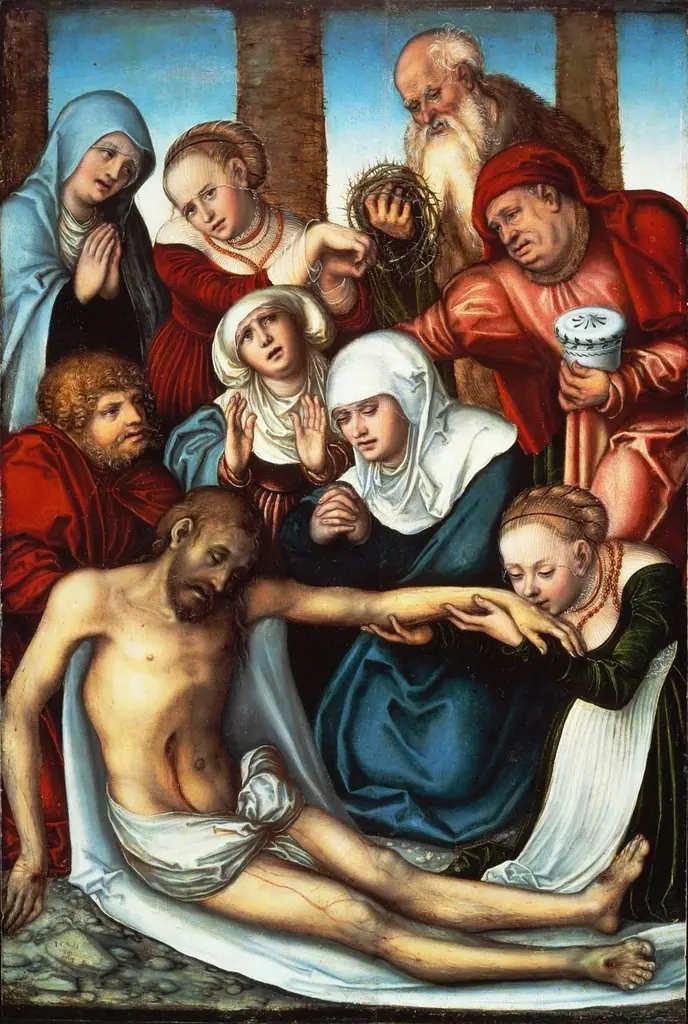
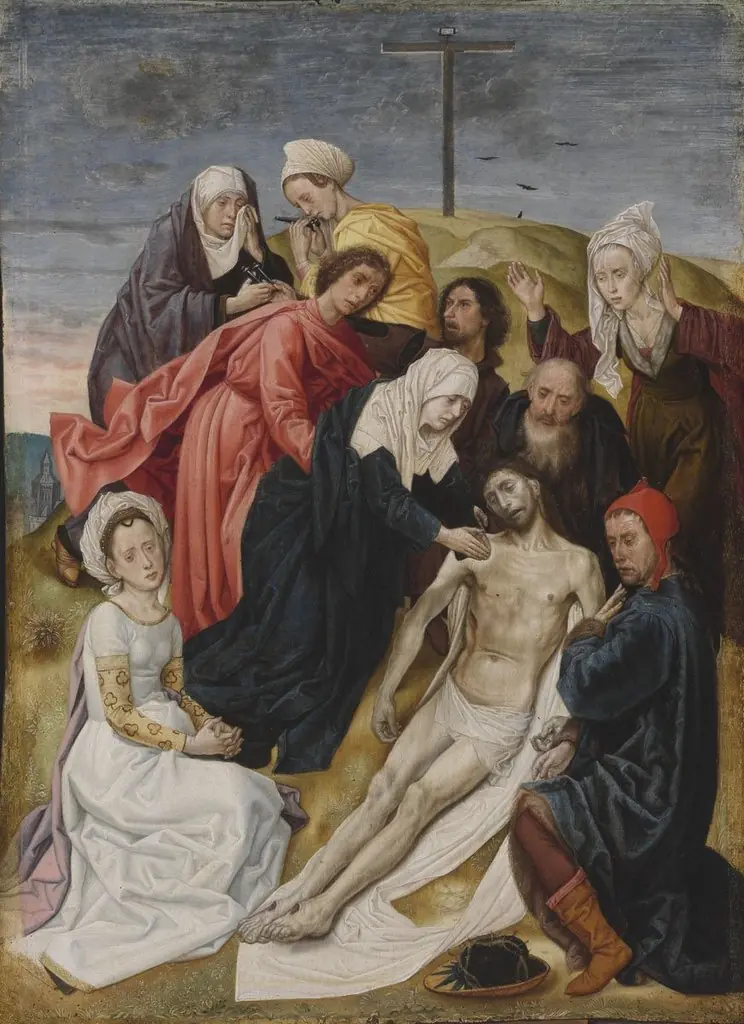
Pietà is an oil painting by the Early Baroque Italian artist Ambrosius Benson. It dates from 1528 and is held in the collection of the Museo del Prado.
About this work
Subject & Meaning
Its iconography draws on traditional representations of the Pietà, emphasizing the human vulnerability of the Savior and the sorrowful devotion of his mother.
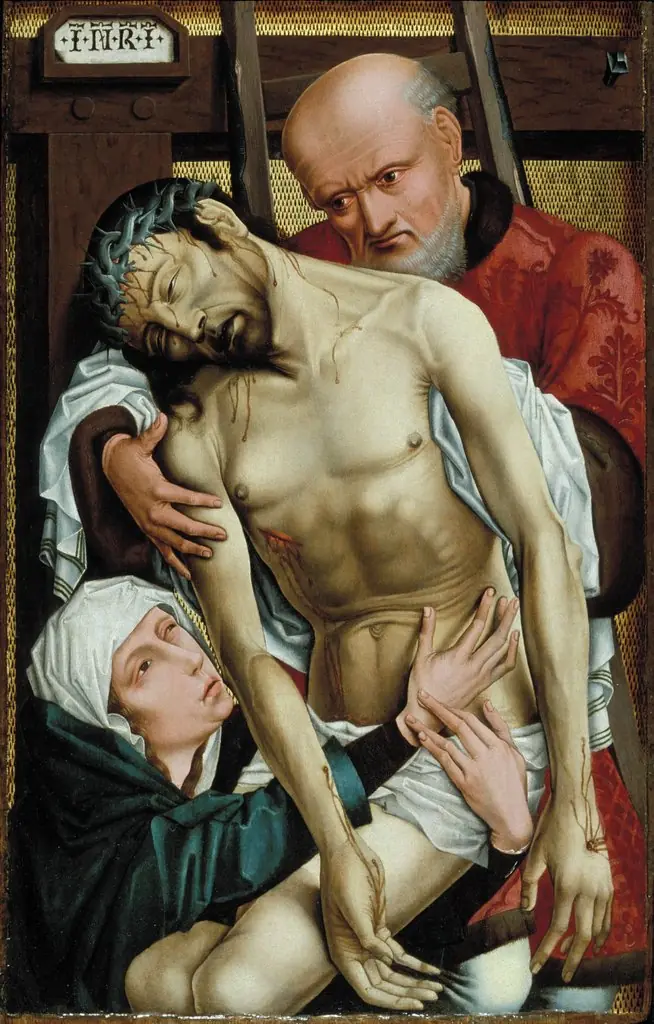
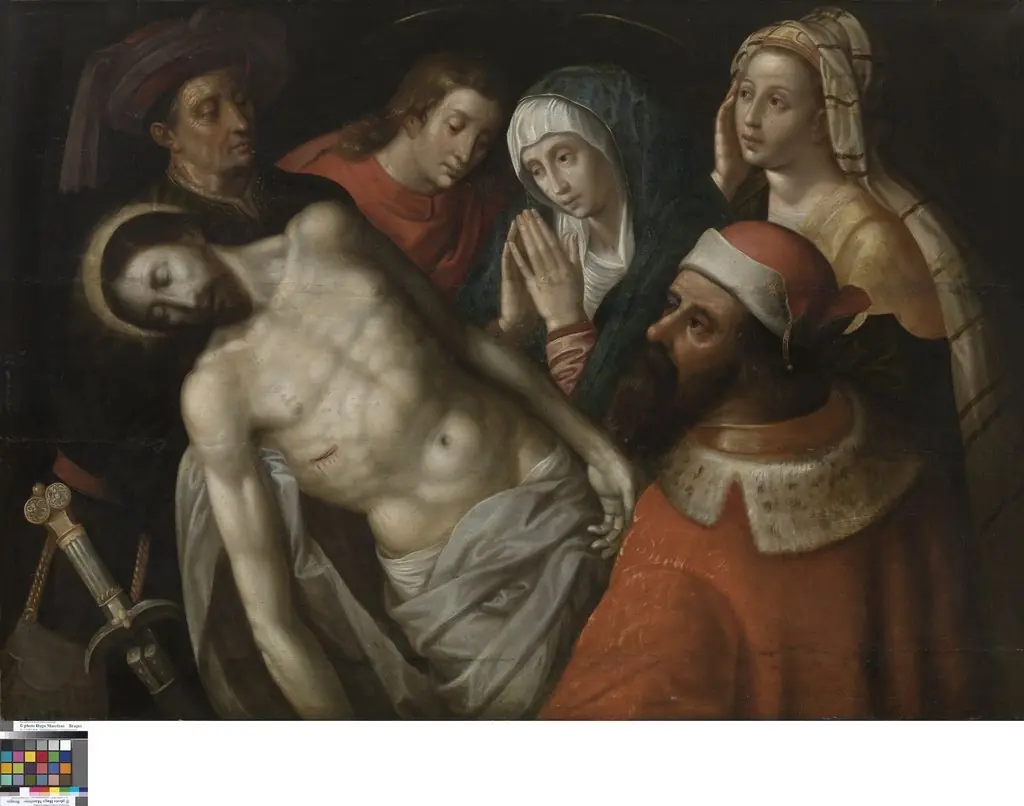
The work portrays the Virgin Mary cradling the dead Christ, a scene that embodies the theological theme of compassionate mourning and the redemptive suffering of Christ. Its iconography draws on traditional representations of the Pietà, emphasizing the human vulnerability of the Savior and the sorrowful devotion of his mother. The composition conveys a contemplative meaning that invites viewers to reflect on sacrifice and divine love within the religious narrative.
Technique & Style
The painting is executed in oil on a wooden panel support, a common medium for northern European religious works of the early sixteenth century. The composition’s handling emphasizes hushed sorrow through restrained gestures and softly modeled figures, with Christ’s limp form draped across the Virgin’s lap and her downcast gaze conveying quiet grief. Subtle tonal gradations and delicate glazes articulate drapery folds and flesh, indicating a refined, painterly technique consistent with Benson’s Antwerp training. The limited palette and understated lighting focus attention on the central figures, reinforcing the devotional mood.
Formal qualities include a vertical format framed by a shallow niche-like setting, which heightens the intimacy of the scene. The Virgin’s serene expression and the balanced arrangement of Christ’s body contribute to a harmonious, symmetrical structure that underscores the sacred subject’s gravity.
History & Provenance
Ambrosius Benson created the oil-on-panel painting known as the Pietà in 1528. The work depicts Jesus Christ as its main subject and belongs to the religious art genre. It is currently held in the collection of the Museo del Prado in Madrid, having previously been part of the Museo de la Trinidad.
The painting measures 124 cm in height and 60 cm in width. While the exact commission details are not specified in the provided records, the work's inception is firmly dated to the year 1528.
The Pietà by Ambrosius Benson is held in the collection of the Museo del Prado in Madrid. The work was previously part of the holdings of the Museo de la Trinidad before becoming associated with the Prado. While the painting dates to 1528, the provided records do not list specific inventory numbers or detail any public exhibition history for the piece.
Overview
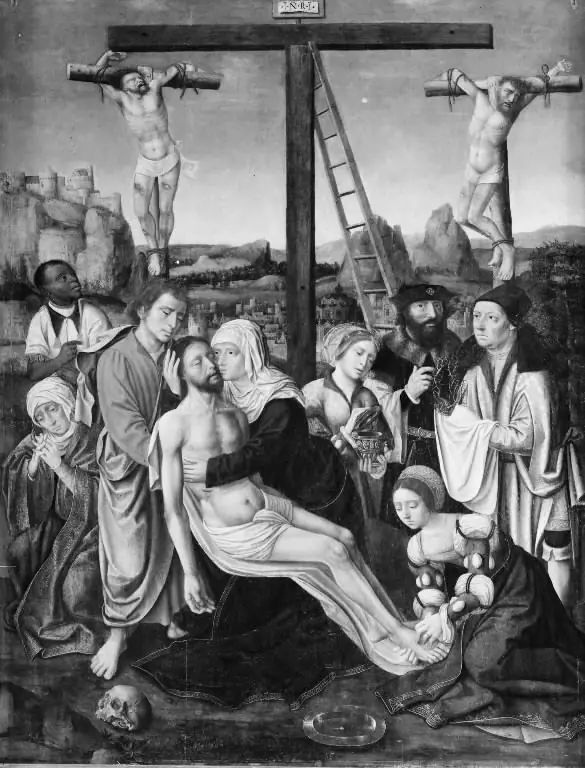
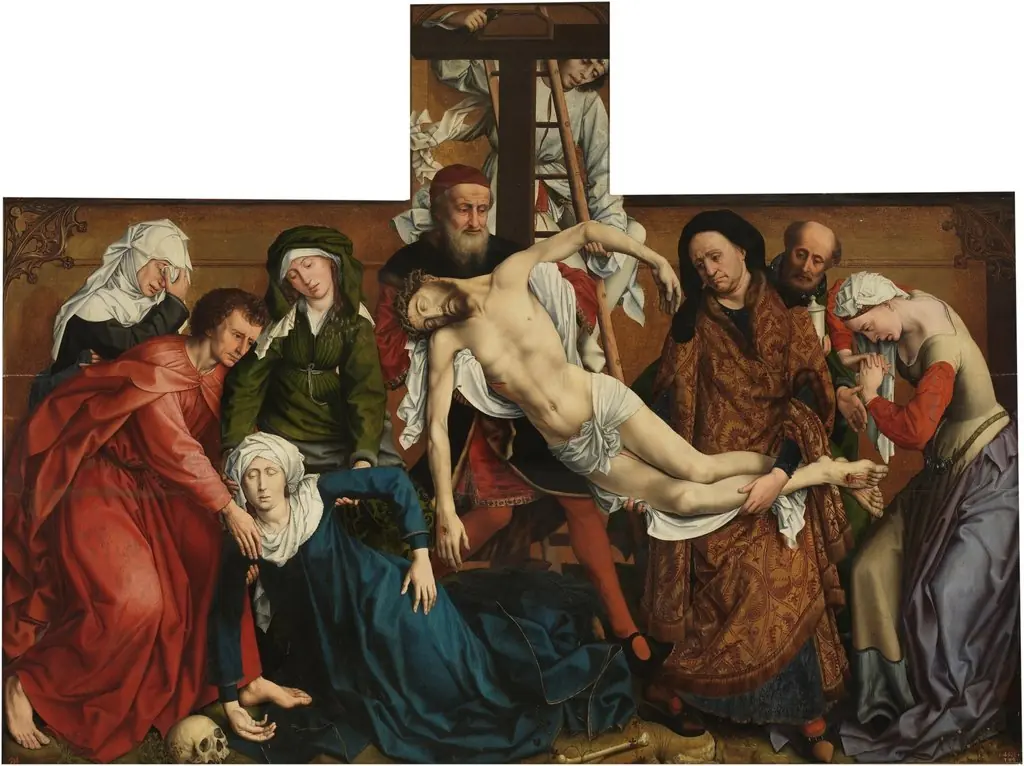
The Pietà is an oil painting executed in 1528 by Ambrosius Benson, a painter whose career bridged the Northern Renaissance and the early Baroque currents in Italy. The work belongs to the religious genre, portraying the somber moment of a wounded, unclothed figure being borne by a group of mourners. Its composition centers on the emotional intensity of the foreground, while a distant cityscape and trees recede into the background.
Context
Created at a time when Northern Renaissance techniques were merging with emerging Baroque sensibilities in Italy, the Pietà reflects a transitional aesthetic. Benson’s workshop, known for supplying religious imagery across Europe, incorporated detailed naturalism alongside heightened emotional expression, aligning the piece with contemporary devotional art intended for both private contemplation and public liturgical use.
Artist & collection
Artist
Ambrosius Benson (c. 1495/1500 – 1550) was an Italian painter who became a part of the Northern Renaissance. While many surviving paintings have been attributed, there is very little known of him from records, and he…