Artwork
The Lamentation
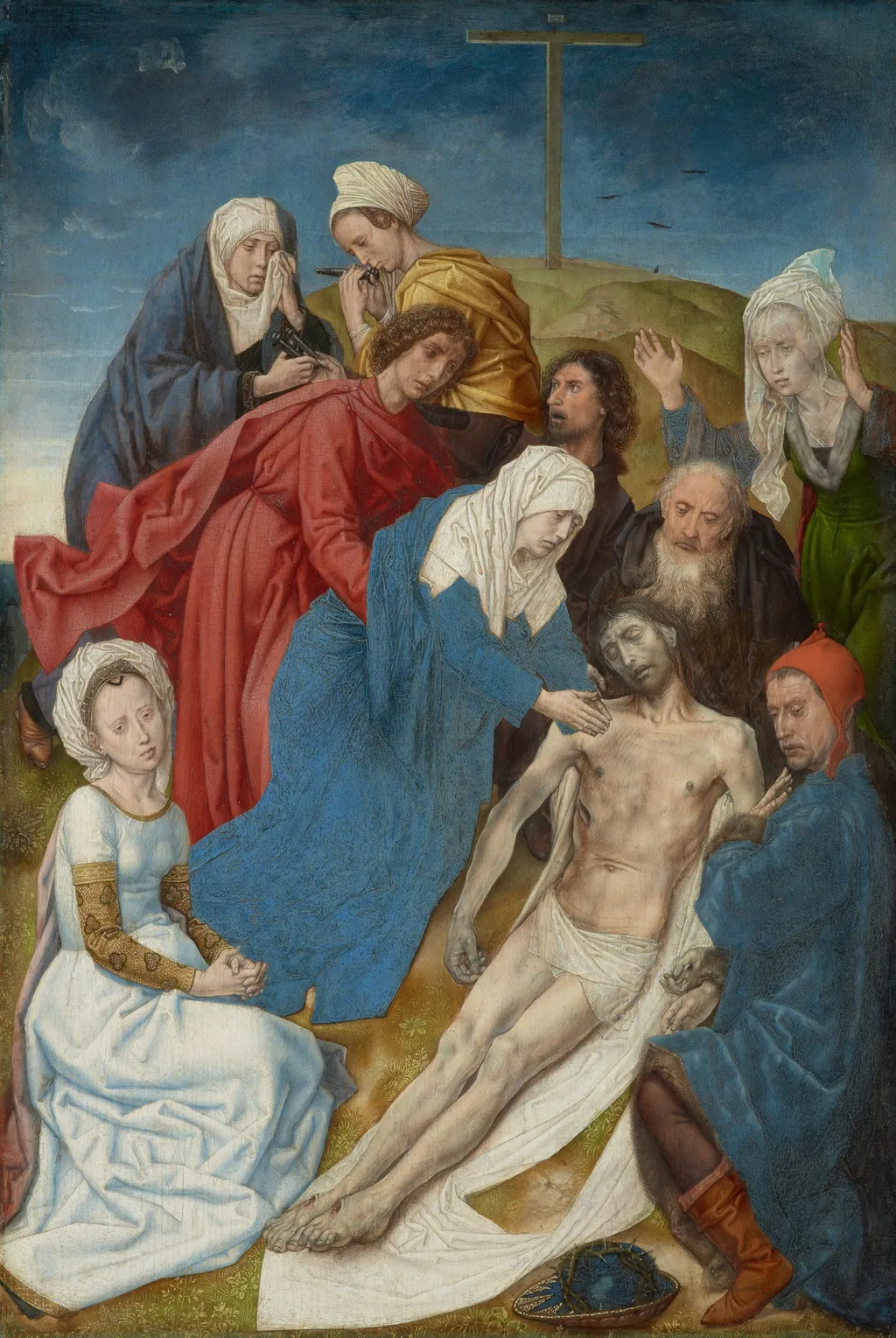
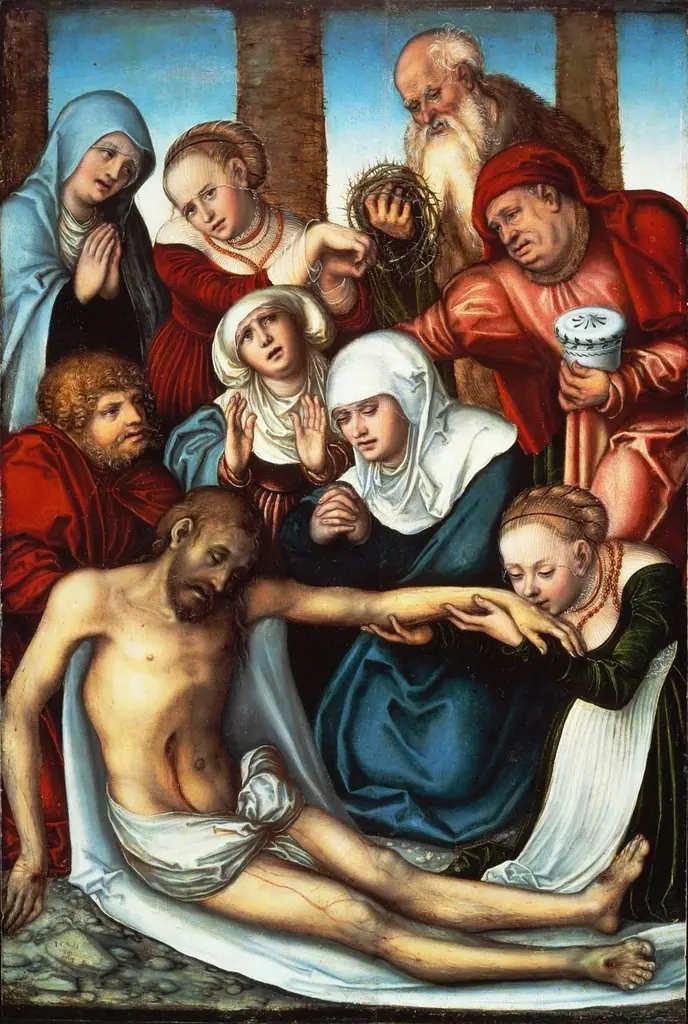
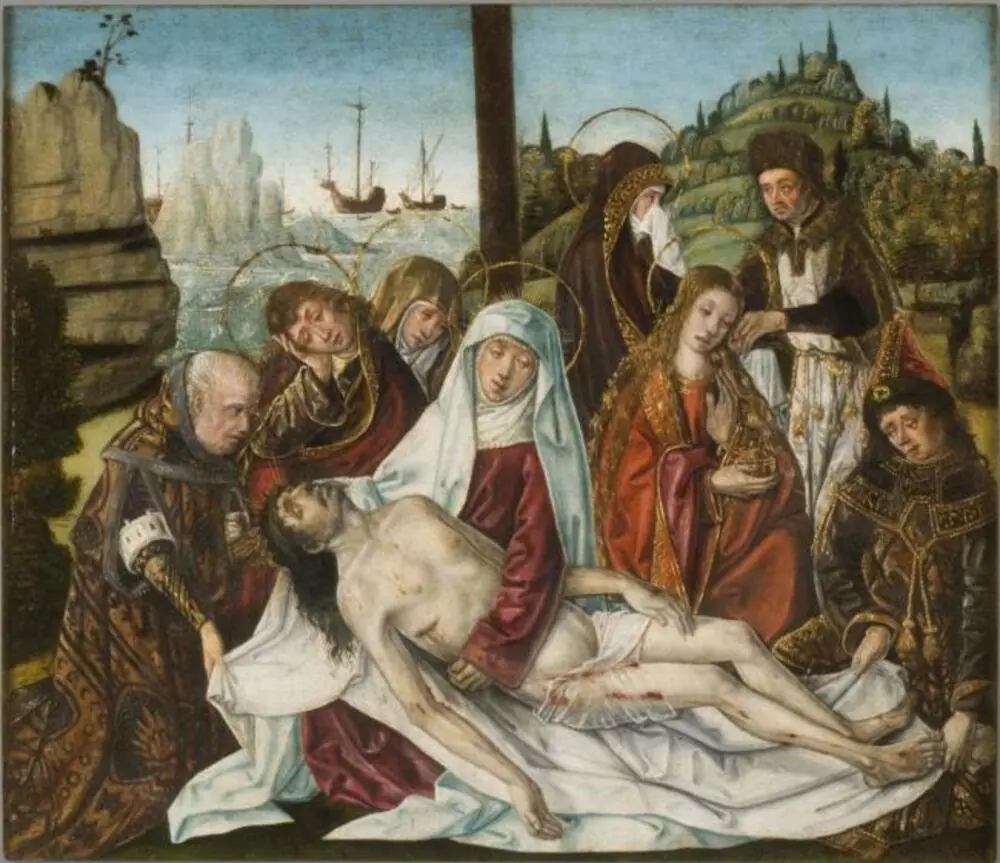
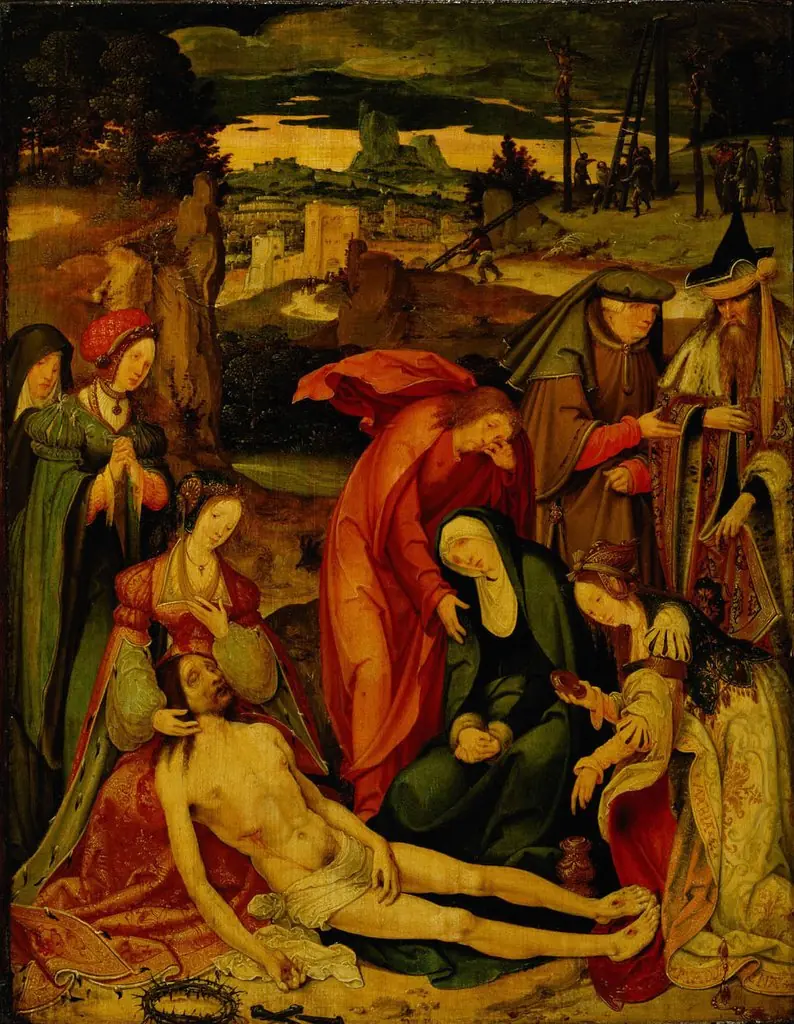
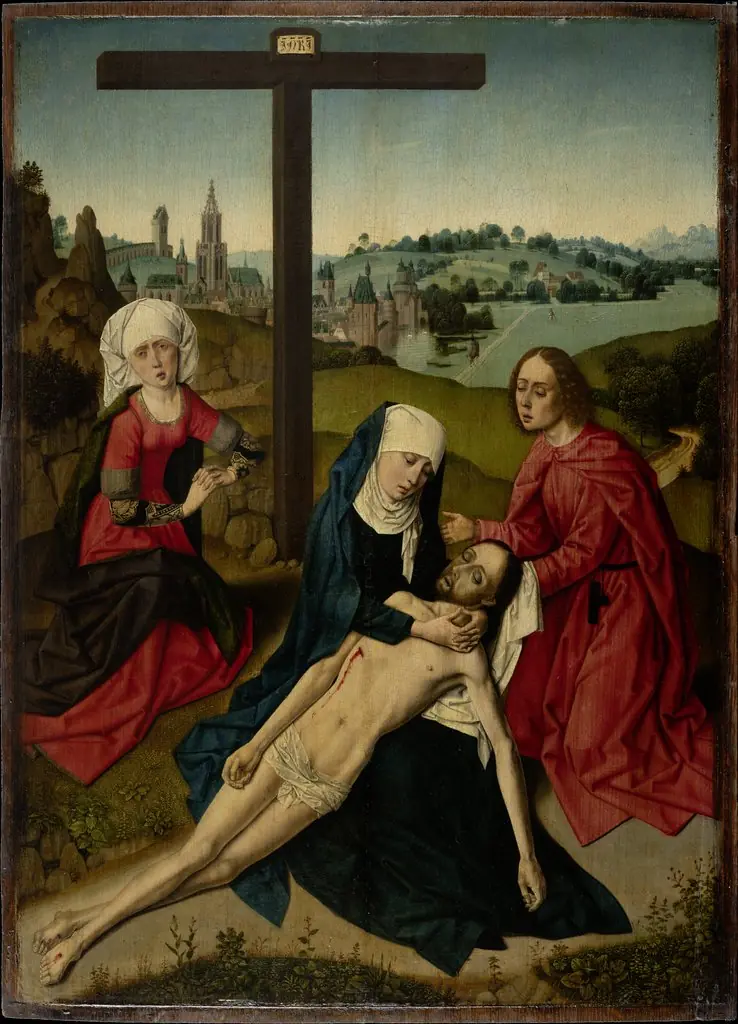
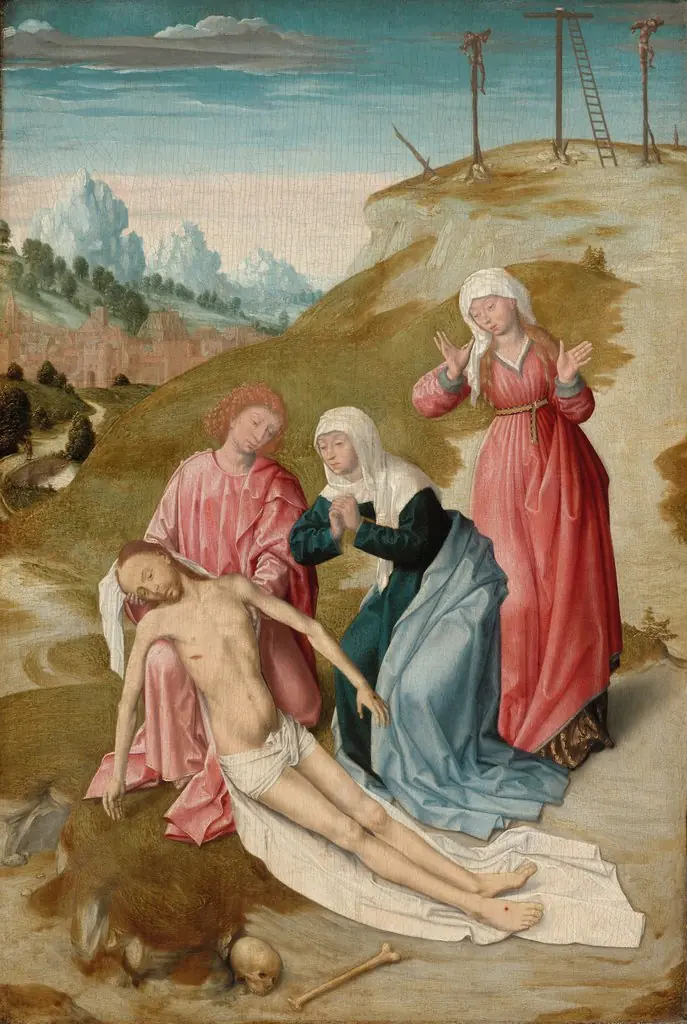
The Lamentation is an oil painting by the Northern Renaissance artist Hugo Van der Goes. It is held in the collection of the Kunsthistorisches Museum.
About this work
Subject & Meaning
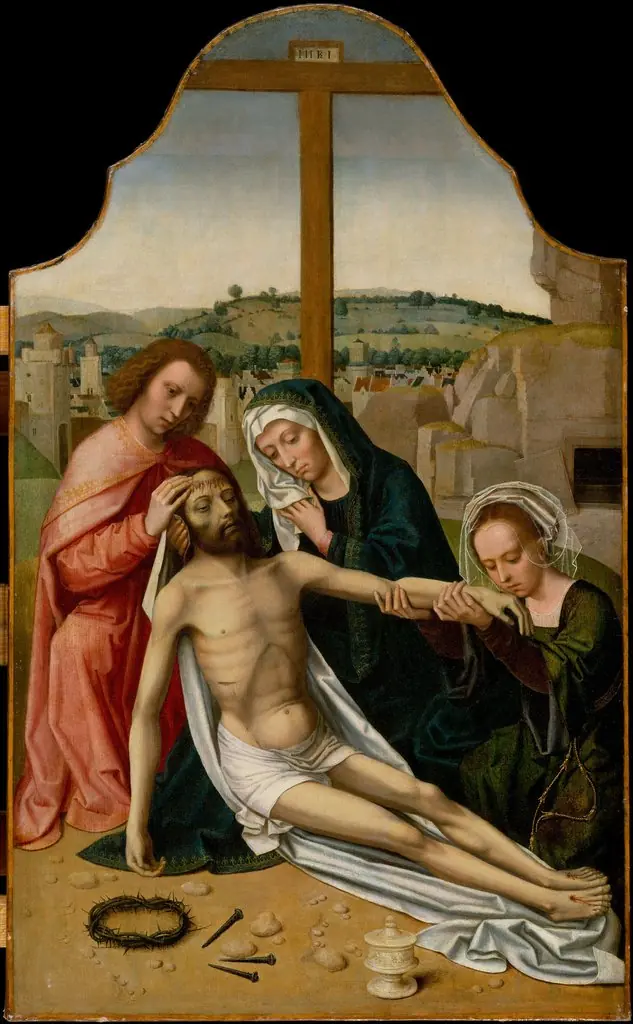
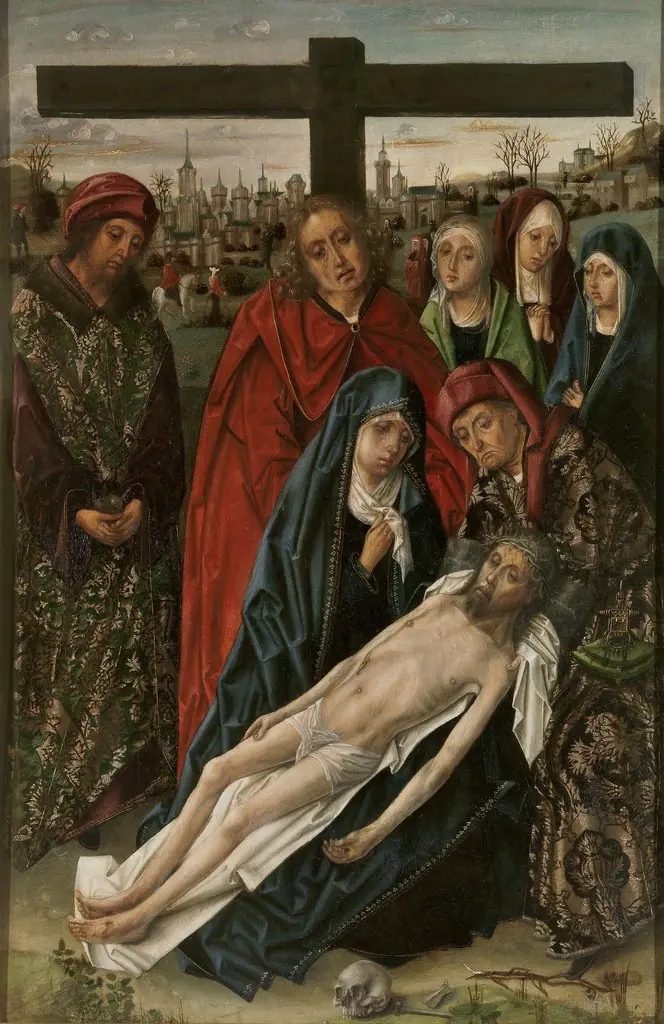
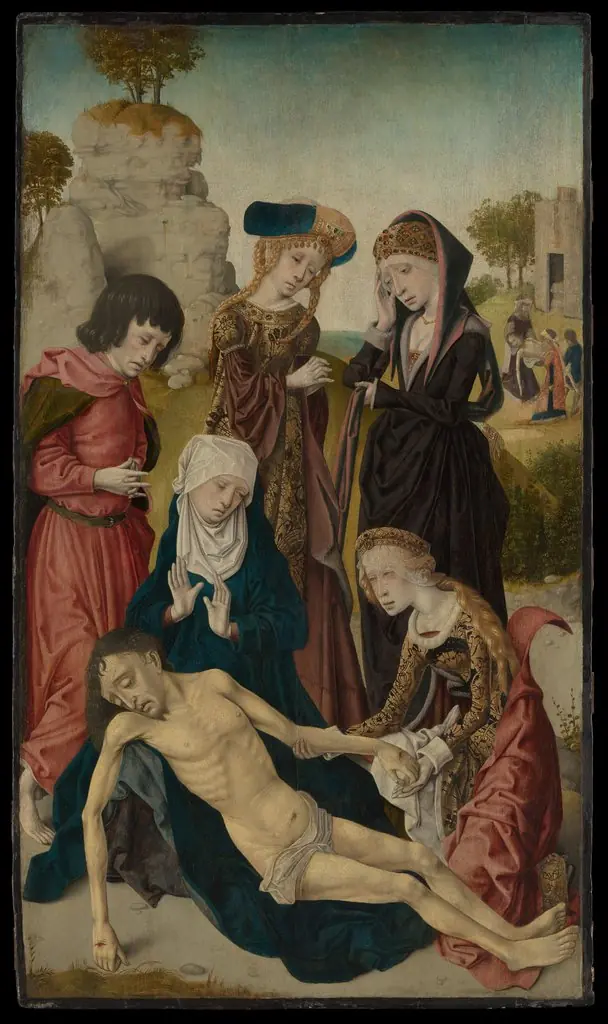
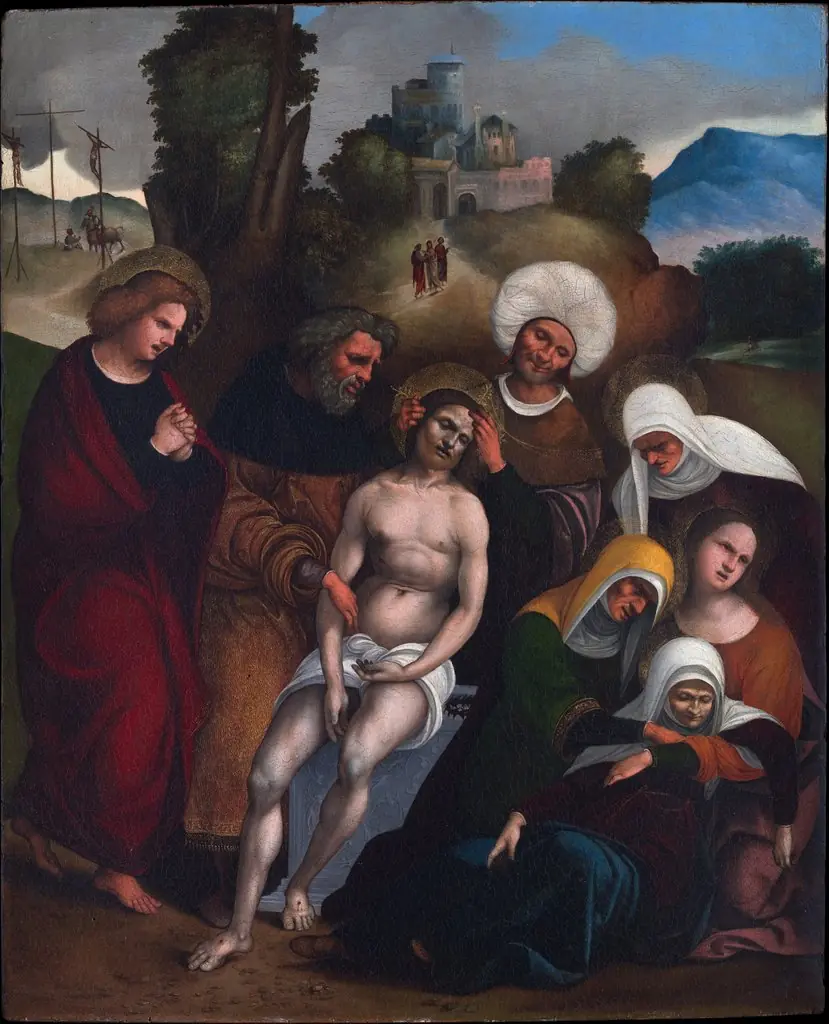
Created in 1476 by Hugo van der Goes, this oil painting on panel depicts the Lamentation of Christ. The work's primary subject is the dead body of Jesus Christ, presented within the conventions of religious art. As a representation of the lamentation, the image focuses on the mourning of Christ following his crucifixion, serving as a devotional object centered on this specific biblical event.
Technique & Style
The composition depicts the Lamentation of Christ, a religious scene showing the mourning of Mary and other figures around the dead Christ.
The work is executed in oil paint on a wooden panel, measuring approximately 33.8 cm in height and between 22.9 cm and 23.5 cm in width. The composition depicts the Lamentation of Christ, a religious scene showing the mourning of Mary and other figures around the dead Christ. The handling of oil on panel allows for fine detail and subtle tonal transitions characteristic of Early Netherlandish painting, while the formal arrangement emphasizes the solemnity of the narrative.
The surface condition appears stable, with no noted losses or previous restorations documented in the source. The stylistic qualities include a naturalistic rendering of figures, meticulous attention to texture, and a restrained palette that heightens the emotional gravity of the scene.
History & Provenance
The Lamentation was created in 1476 by the artist Hugo van der Goes. Executed in oil paint on a panel, the work depicts the Lamentation of Christ. The painting is currently held in the collection of the Kunsthistorisches Museum, where it remains located.
While the specific circumstances of its original commission and the detailed chain of ownership prior to its museum acquisition are not provided in the available records, its inception is firmly dated to the year 1476.
The work is held in the Kunsthistorisches Museum, Vienna, where it is inventoried as a panel painting by Hugo van der Goes. Recorded dimensions are 33.8 cm in height and 22.9 cm in width.
The painting was shown in the exhibition “Hugo van der Goes und die ‘Lamentatio’” at the Kunsthistorisches Museum in 2004.
Overview
The Lamentation, an oil painting from 1488, is a work of the Northern Renaissance created by Hugo van der Goes. It portrays a solemn moment following the crucifixion of Jesus Christ, characterized by its use of chiaroscuro and vibrant, symbolic color palette.
Context
As a religious painting of its time, The Lamentation reflects the Northern Renaissance's emphasis on detailed, emotionally engaging religious scenes, often designed to evoke profound spiritual response in viewers.
Own this work as a print
Artist & collection
Artist
Hugo van der Goes (c. 1430/1440 – 1482) was a Flemish painter who was one of the most significant and original Early Netherlandish painters of the late 15th century. Van der Goes was an important painter of altarpieces…

 Vienna Diptych
 Portinari Triptych
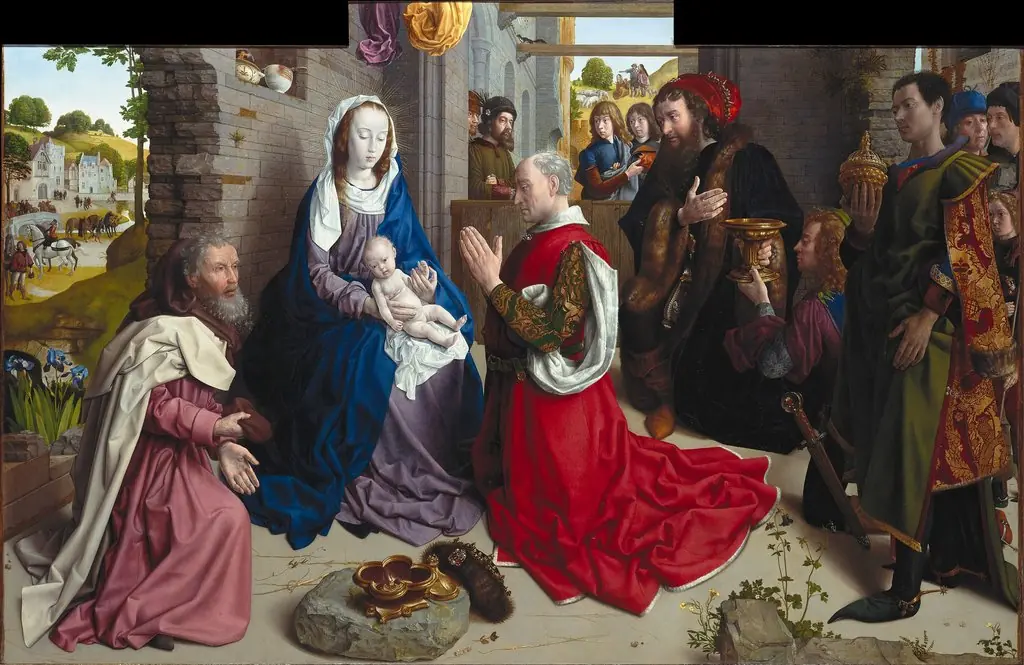 Monforte Altarpiece
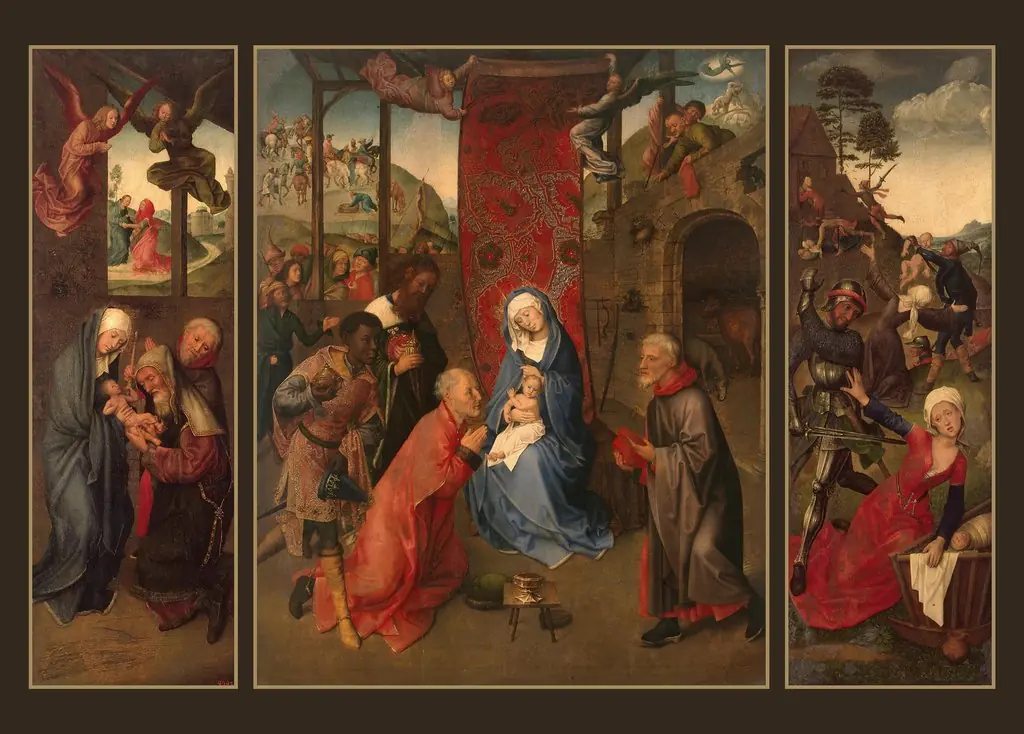 Adoration of the Magi (Triptych)
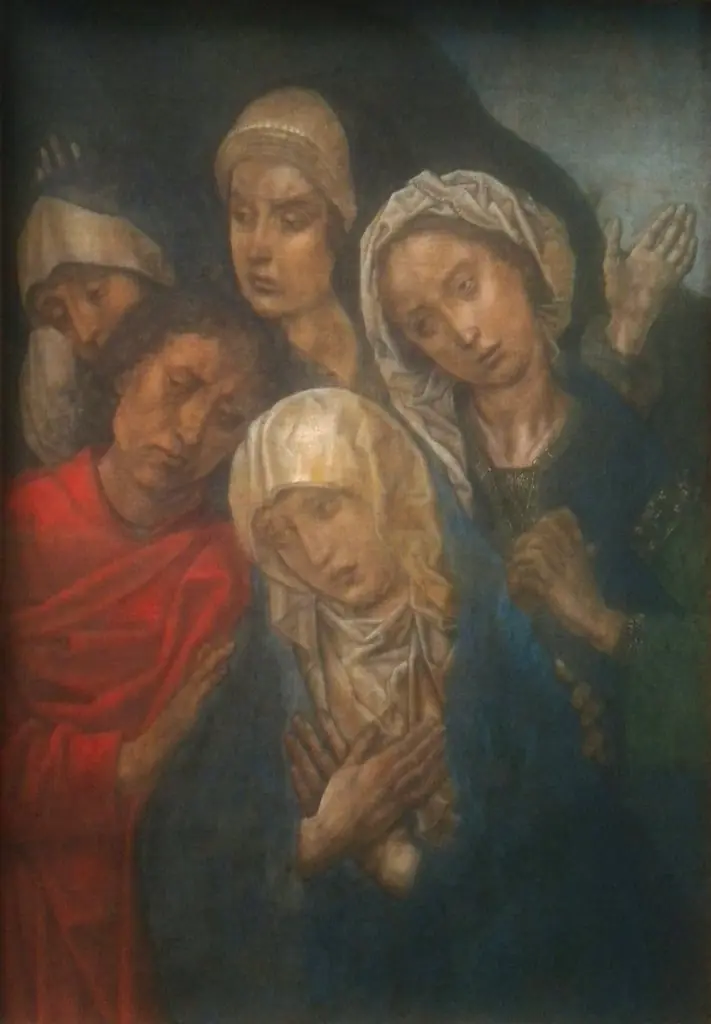 The Mourning of Christ
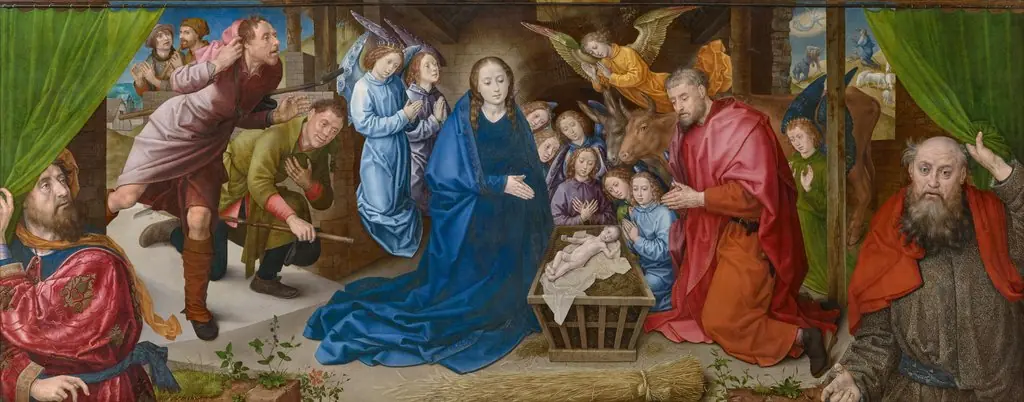 Adoration of the Shepherds
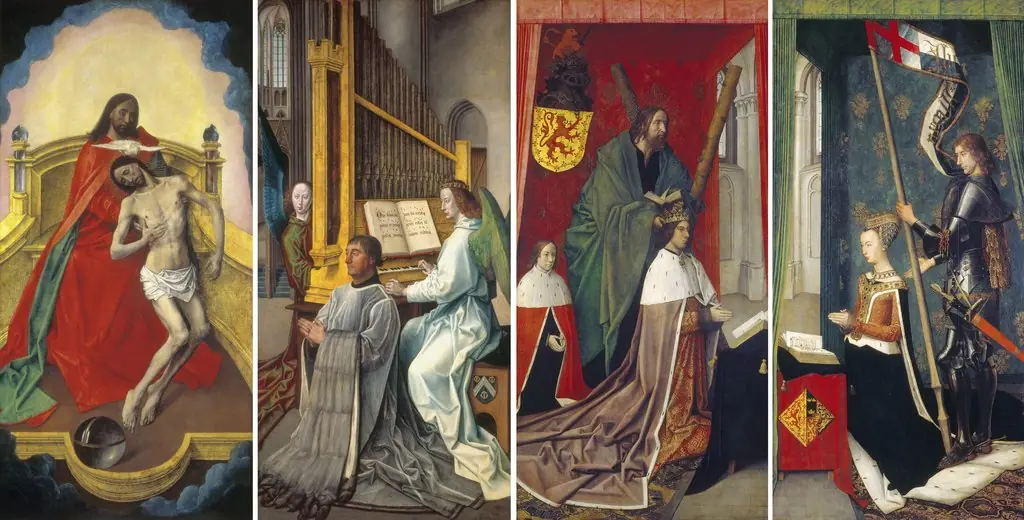 Trinity Altarpiece
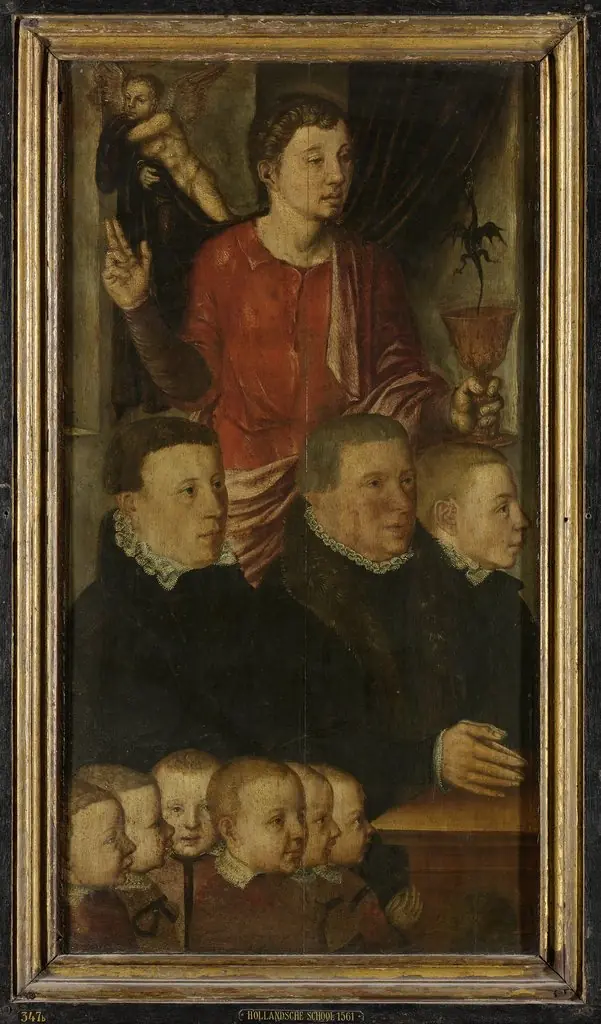 Left wing of a Memorial Triptych, formerly called the Gertz Memorial Triptych, with nine male Donor Portraits with Saint John the Evangelist (inner), and Saint Peter (outer)