Artwork
Vallkulla
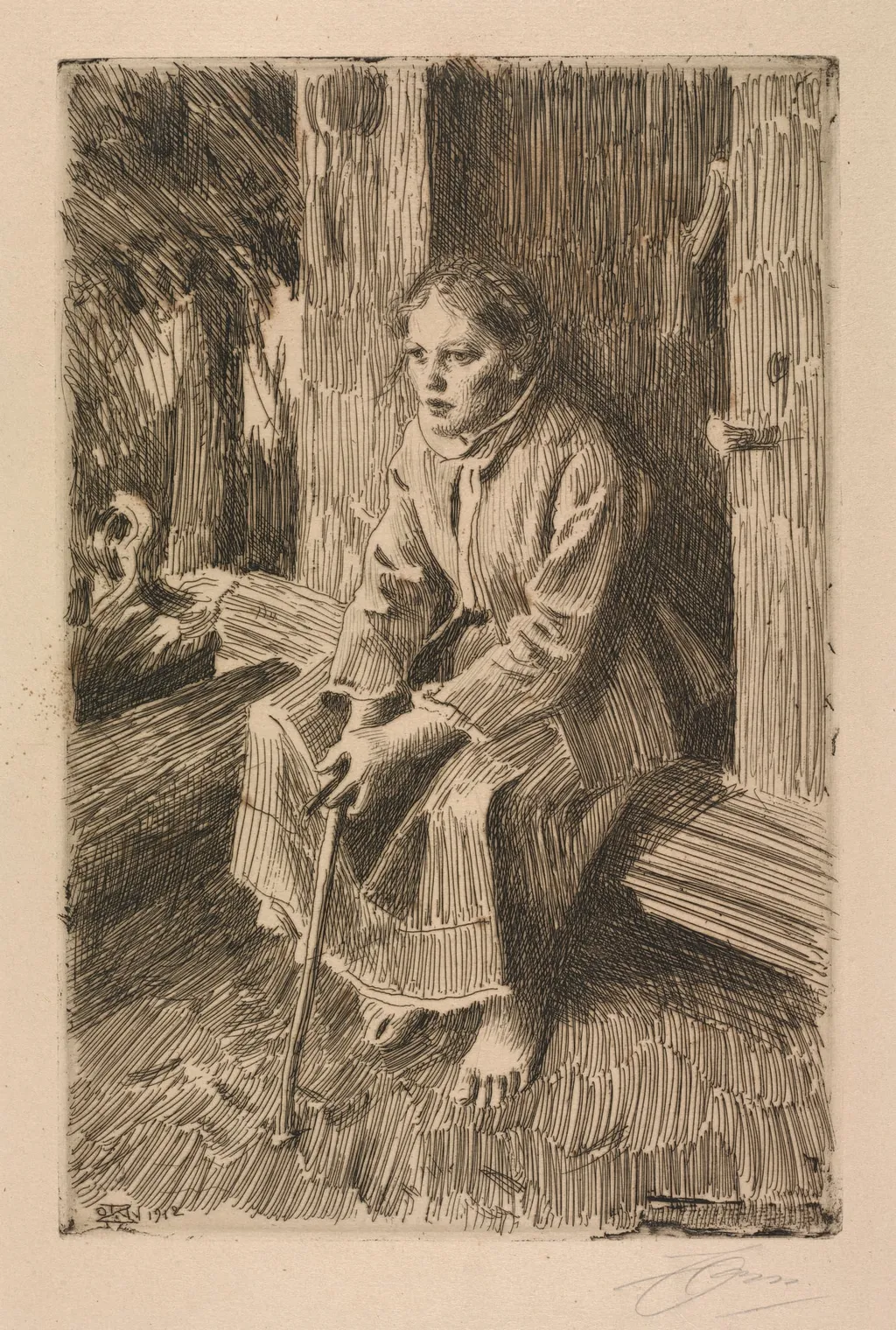
Vallkulla is a print by Anders Zorn. It dates from 1912 and is held in the collection of the Cleveland Museum of Art.
- Accession no.
- 1940.896
- Credit line
- Bequest of James Parmelee
About this work
Overview
Vallkulla, created by Anders Zorn in 1912, is a charcoal drawing on paper. It resides in The Cleveland Museum of Art’s collection. The work captures a solitary woman in an interior space, rendered with minimal detail and a strong emphasis on light and shadow. Zorn’s approach prioritizes atmosphere over precision, using rapid, expressive strokes to suggest form and mood.
Subject & Meaning
The figure is a woman seated in quiet concentration, holding a sheet of paper. Her face is gently illuminated, drawing attention to her introspective expression, while the surrounding space dissolves into dark, agitated lines. The scene suggests a private moment, reading, writing, or contemplating, without narrative clarity. The ambiguity invites contemplation rather than storytelling.
Technique & Style
Zorn employed charcoal to create contrast through loose, energetic marks. The background is built from swirling, overlapping strokes that imply depth and movement, while the figure’s face is softly modeled with subtle tonal shifts. This technique isolates the subject through light, echoing chiaroscuro traditions, yet remains spontaneous and immediate, characteristic of Zorn’s graphic work.
History & Provenance
The drawing was made in 1912 during Zorn’s later period, when he increasingly focused on intimate, domestic subjects. It entered The Cleveland Museum of Art’s collection through a gift or acquisition, though specific provenance details prior to its museum ownership are not widely documented. Its preservation reflects its status as a significant example of Zorn’s graphic art.
Context
Zorn created Vallkulla amid a broader European interest in expressive drawing and psychological portraiture. While known for oil paintings and etchings, his charcoal works like this one reveal a more personal, experimental side. The piece aligns with contemporaneous trends in Nordic art that valued emotional resonance over academic finish.
Legacy
Vallkulla exemplifies Zorn’s mastery of light and gesture in drawing. Though less celebrated than his portraits, such works influenced later artists interested in the emotional potential of minimal means. Its presence in a major American museum underscores its role in expanding recognition of Nordic graphic art beyond regional boundaries.
Own this work as a print
Artist & collection
Artist
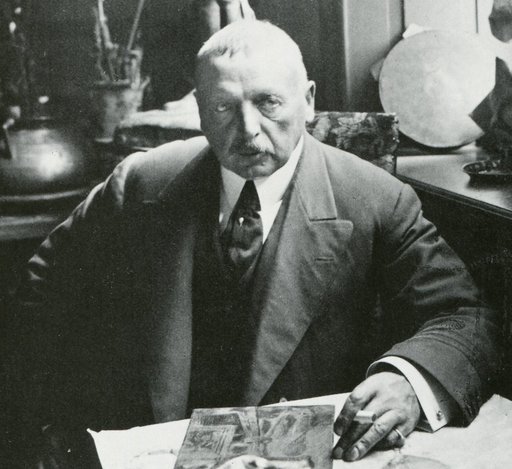
Anders Leonard Zorn was a Swedish artist who attained international success as a painter, sculptor, and etching artist.

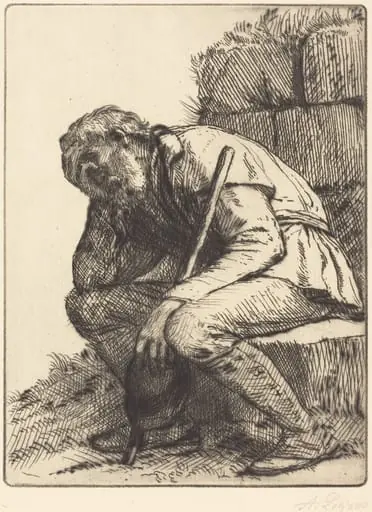
- Desperate Man (Le desespere)
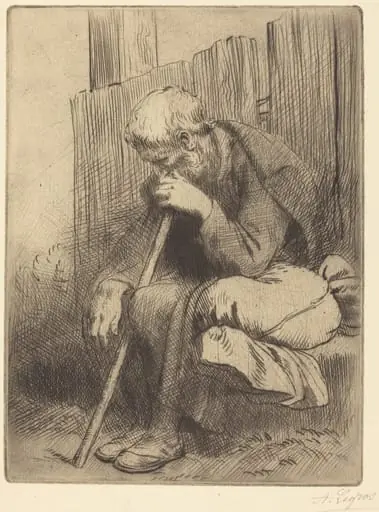 Thinker (Le penseur)
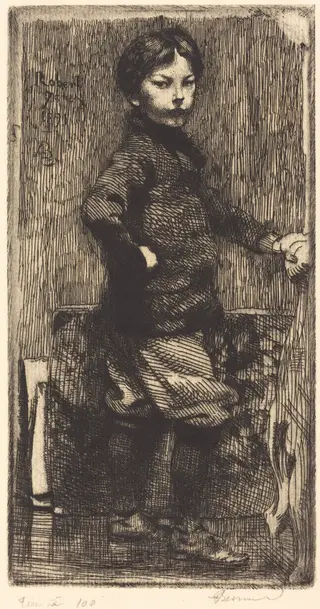 Robert Besnard
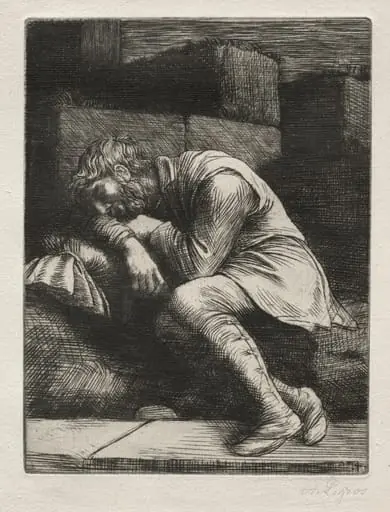 The Sleeping Beggar
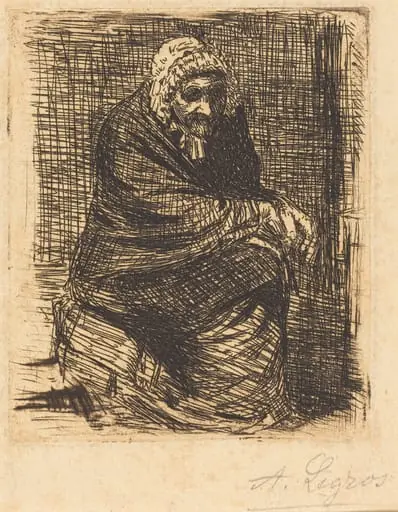 Old Woman Seated (La vieille femme assise)
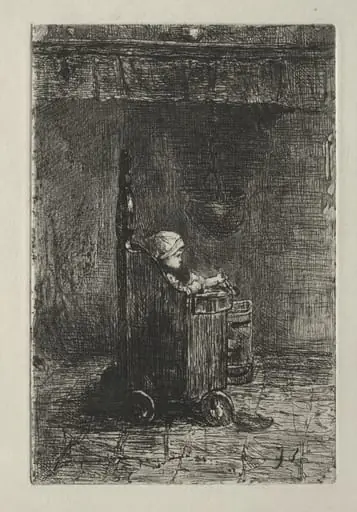 Baby in His Chair
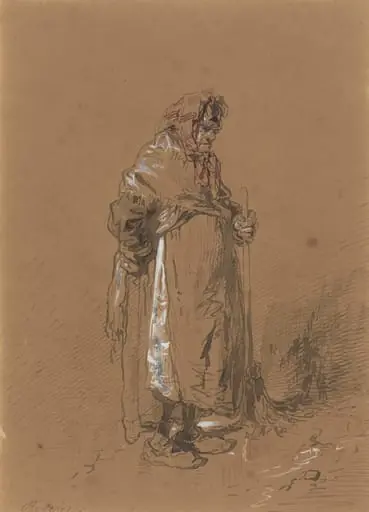 Reverie
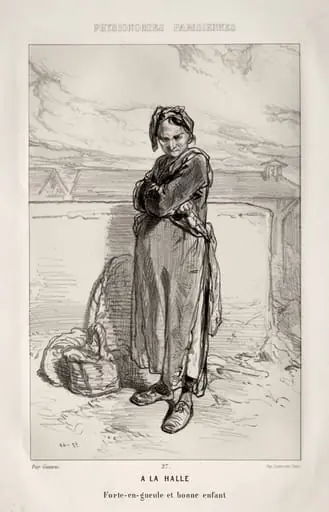 À la Halle
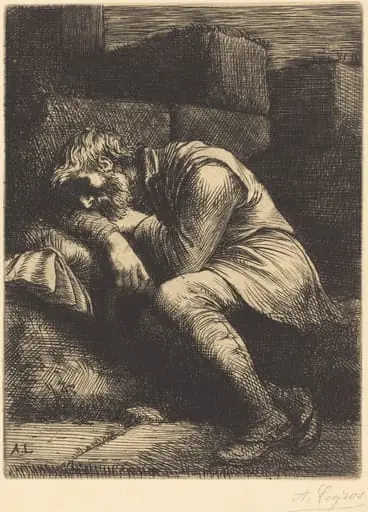 Sleeping Beggar (Mendiant endormi)
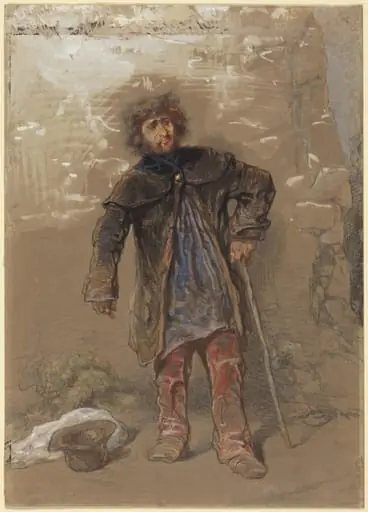 English Beggar
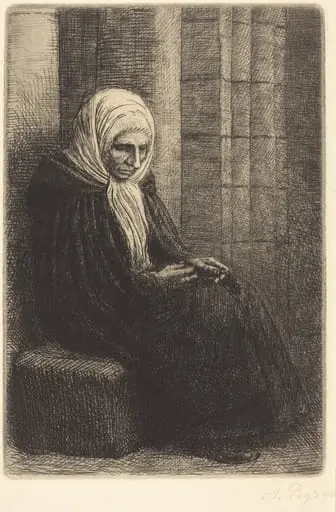 Woman Seated against a Wall, Child with His Head in Her Lap (Femme assis, muraille au fond, enfant la tete dans son giron)
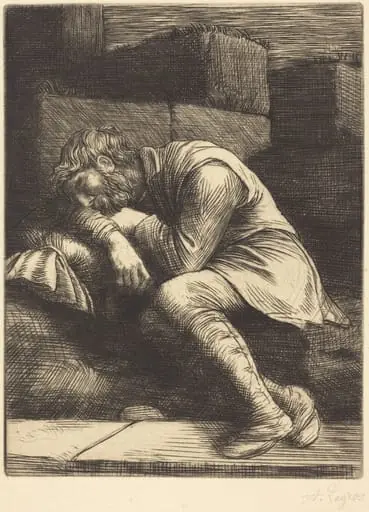 Sleeping Beggar (Mendiant endormi)