Subject
Door
Door is a subject in art. The gallery holds 58 works in this subject in art, including works by Edgar Degas, Ralph Earl and Johannes Vermeer.
A door is a hinged or otherwise movable barrier that allows ingress (entry) into and egress (exit) from an enclosure. The created opening in the wall is a doorway or portal.
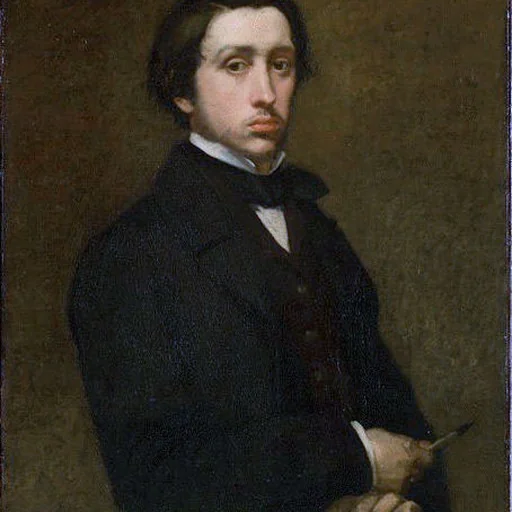
Key artists

Overview
A door is a movable barrier, typically hinged or sliding, that controls ingress and egress through an opening in a wall or enclosure. Beyond its fundamental architectural function of providing security and managing access, the door serves numerous secondary roles, including ensuring privacy, separating functional areas, regulating ventilation, dampening noise, and blocking fire. Doors appear across a wide range of media in art, functioning as practical architectural elements, spatial organizers, and potent visual devices. Within this collection, the motif recurs across 73 works, ranging from interior genre scenes to formal portraits and landscapes, underscoring its versatility as both a structural reality and an artistic device.
Iconography & meaning
In art and broader cultural history, doors and doorways carry significant metaphorical and allegorical weight as portents of change. Receiving a key to a door symbolizes a shift in status from outsider to insider. Architecturally, doors have long reflected philosophical and religious concepts. In religious structures, the principal door is often oriented toward a specific cardinal point, such as the west-facing portals of Gothic cathedrals. Ancient Egyptian tombs featured false doors, which were conceived as symbolic passages to the afterlife. Doors also demarcate the boundary between public and private realms, a concept historically tied to legal and spatial rights. Conversely, the concept of closed doors, such as the legal term 'huis clos', signifies secrecy and restricted information, while open doors represent transparency and welcome.
Across movements & periods
The treatment and construction of doors have evolved significantly across historical periods, reflecting changing materials, technologies, and spatial concepts. The earliest recorded doors appear in ancient Egyptian tomb paintings as single or double wooden panels, while archaeological evidence from around 5000 years ago near Zurich reveals sophisticated timber joinery. In antiquity, doors utilized pivot hinges set into lintels and sills, with Roman and Greek examples ranging from folding to sliding configurations. Medieval architecture saw the extensive use of bronze and copper alloys for church doors, as seen in the Hagia Sophia and Aachen Cathedral. During the Middle Ages, urbanization led to the widespread addition of dual-sided locks, while the 17th century saw the emergence of doors specifically designed to preserve the privacy of the bedchamber. Japanese architecture developed a distinct approach, utilizing mobile partitions rather than hinged doors, a concept that later influenced modern open-plan office design.
Notable depictions
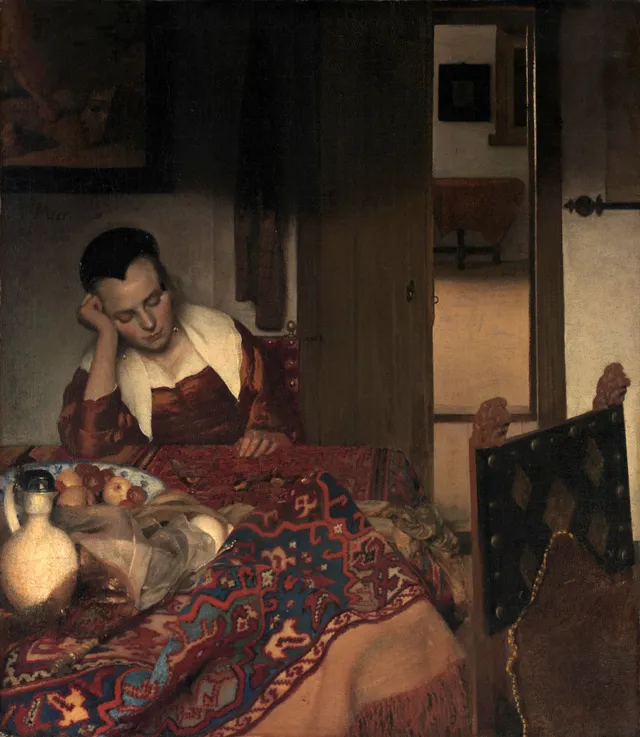
Historically, doors have been focal points of monumental art and architecture. The gates at Balawat, sheathed in bronze bands with repoussé decoration and standing over eight meters high, represent significant ancient metalwork now housed in the British Museum. Roman bronze doors, such as those in the church of SS. Cosmas and Damiano and the Pantheon, exemplify elite metalwork of the period. In the Near East, stone doors were carved in regions where timber was scarce, such as the Hauran in Syria; a stone door leaf from this region measuring 1.63 by 0.79 meters is also preserved in the British Museum. The Ishtar Gate provides a monumental example of Babylonian door architecture. Within the collection's context, notable depictions include Diego Velazquez's Las Meninas, where the rear doorway serves as a crucial spatial and narrative pivot, and the doorway in Johannes Vermeer's A Girl Asleep, which frames the solitary figure and emphasizes interior quietude.
Legacy
The door continues to function as a powerful cultural and architectural symbol, bridging ancient ritualistic purposes and modern technological applications. The ancient concept of the threshold as a liminal space persists in contemporary art and literature. Mechanically, the door has evolved from ancient pivot hinges and medieval locks to automated systems, a lineage that traces back to the first century AD with Heron of Alexandria's automatic door and the foot-sensor-activated doors of Emperor Yang of Sui's royal library. In modern architecture, the door's functional requirements have expanded to include advanced thermal and acoustic insulation, fire safety, and automated access control. The fundamental duality of the door, as both a barrier and a portal, ensures its continued relevance as a motif representing access, exclusion, and transition.
Works
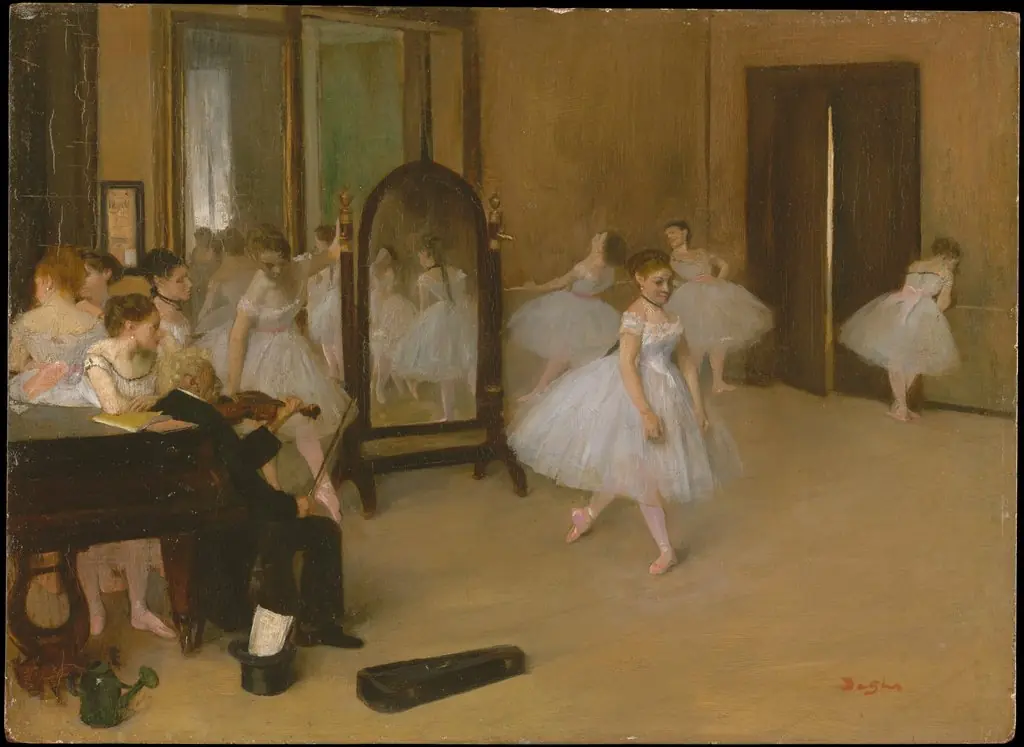 The Dancing Class
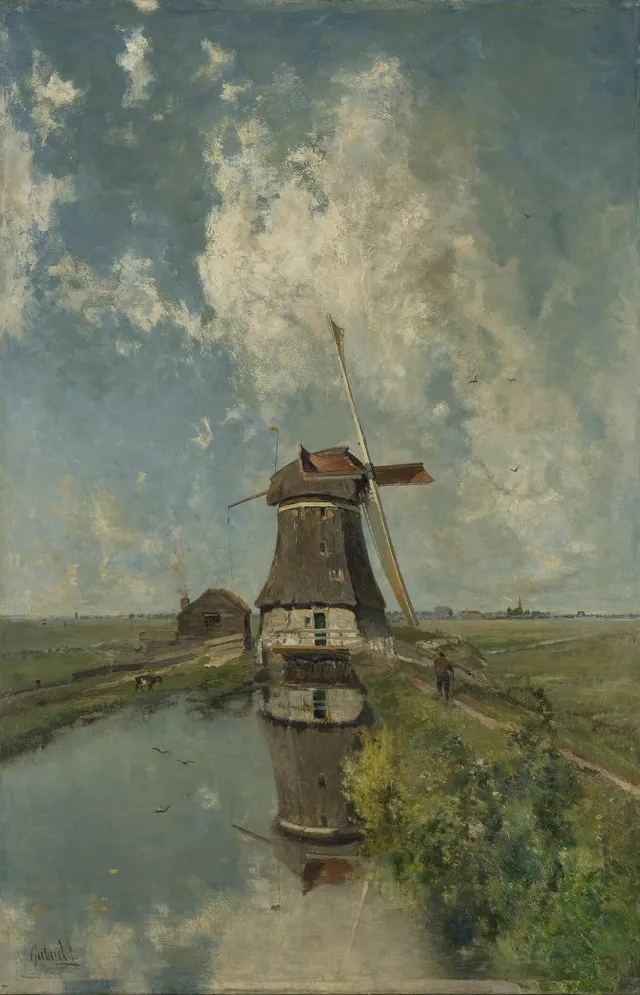
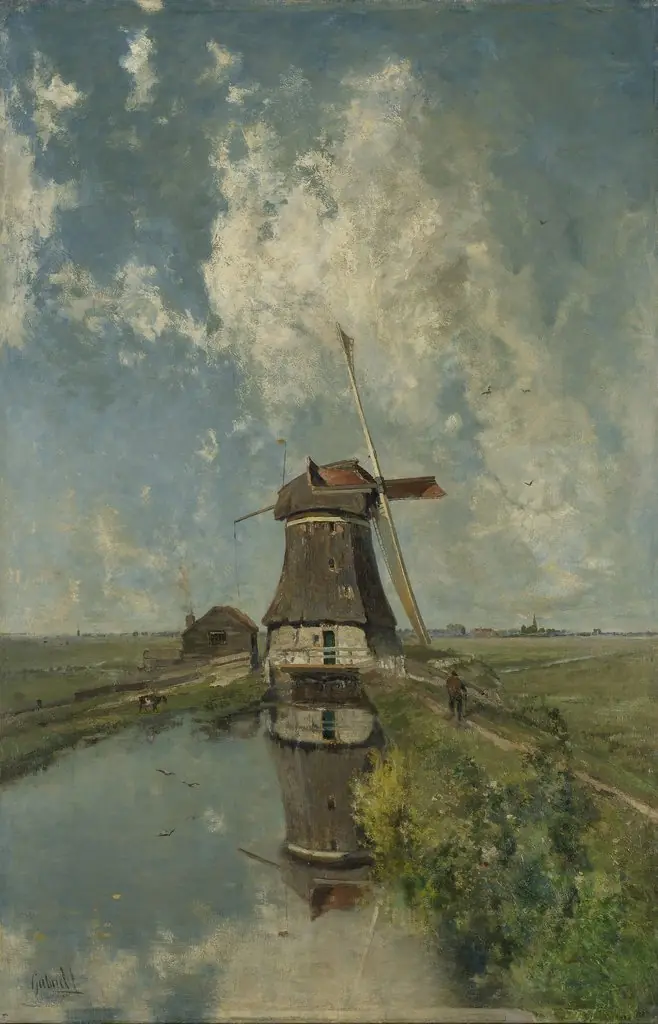 A Windmill on a Polder Waterway, Known as ‘In the Month of July’
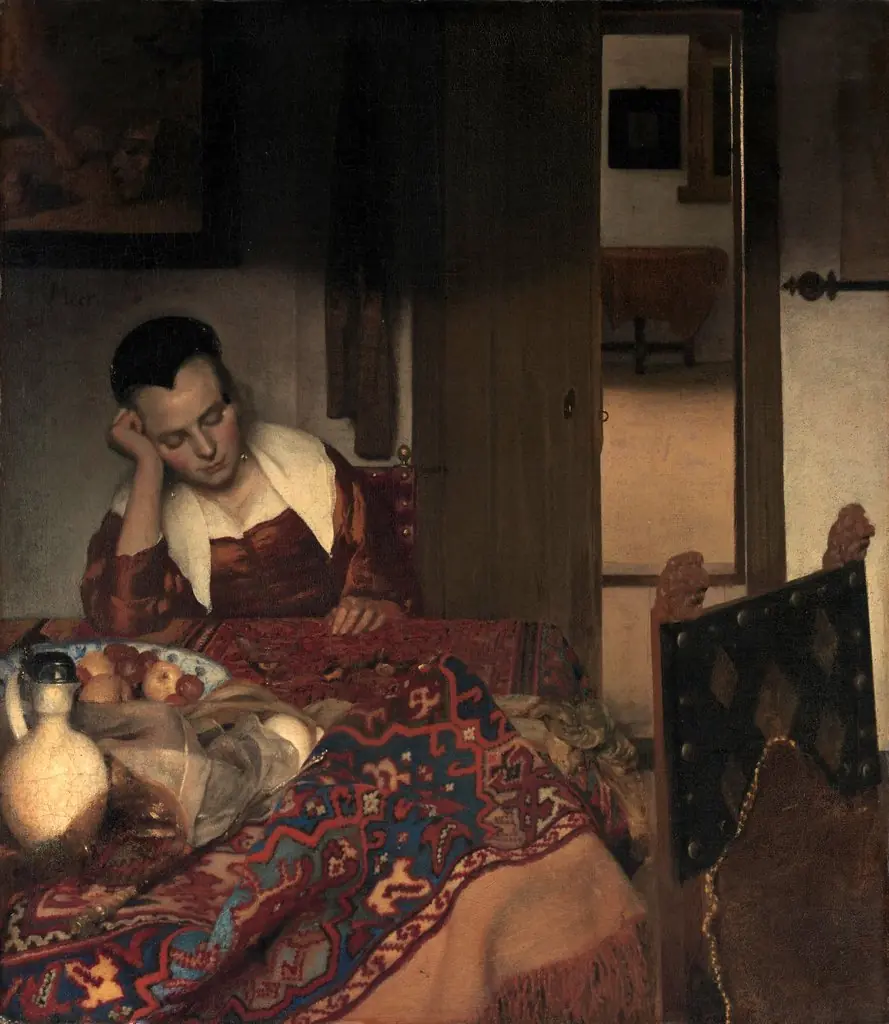 A Girl Asleep
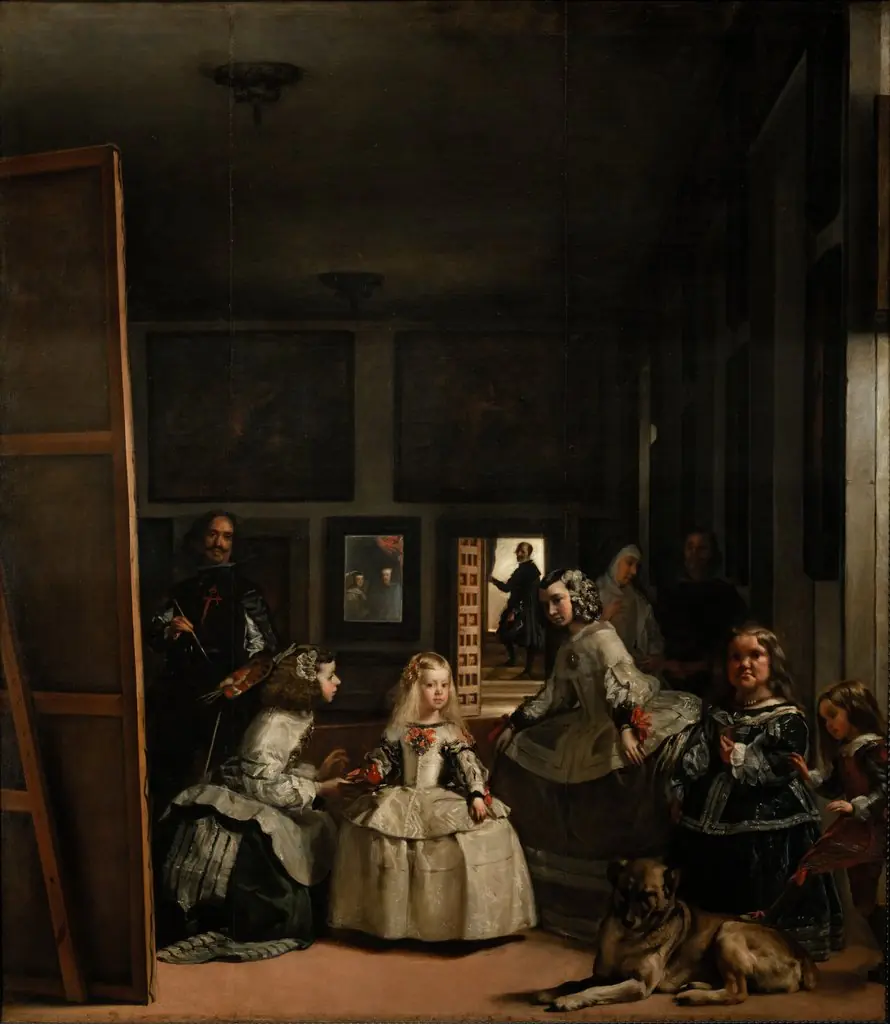 Las Meninas
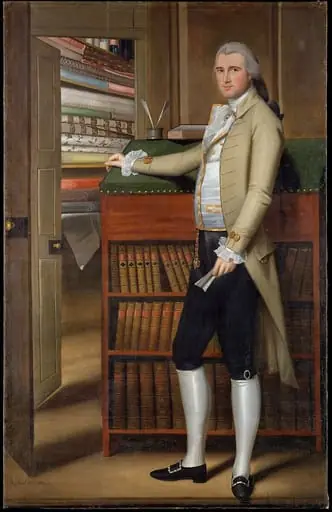 Elijah Boardman
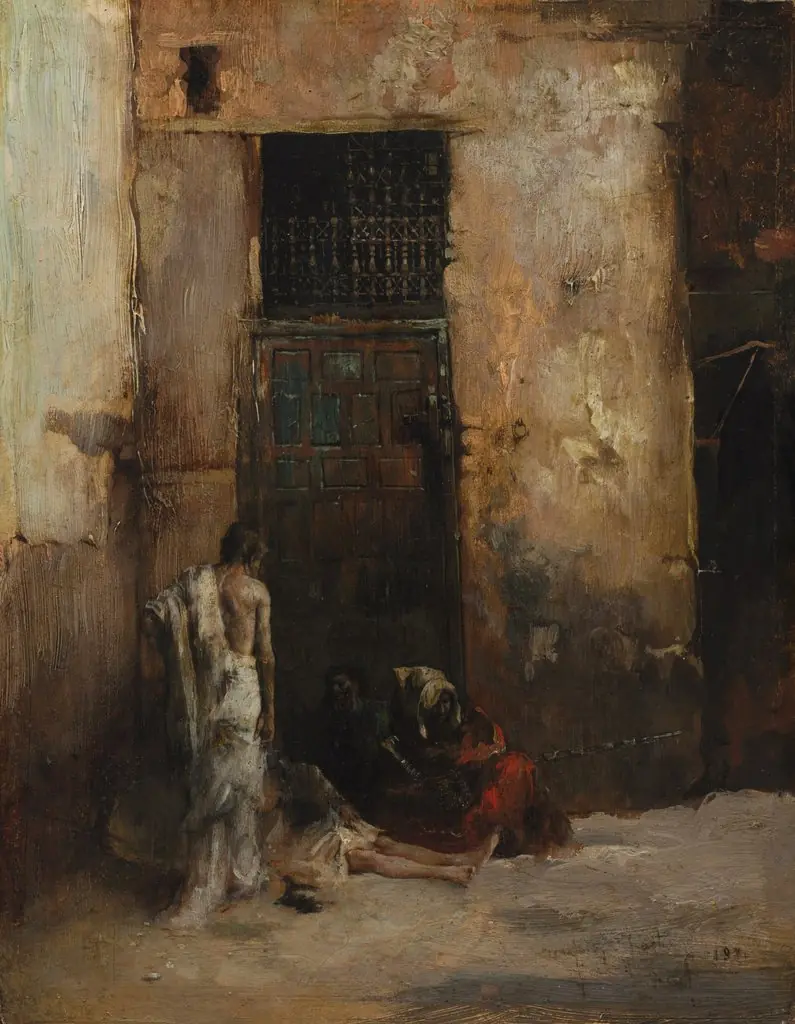 Beggars by a Door
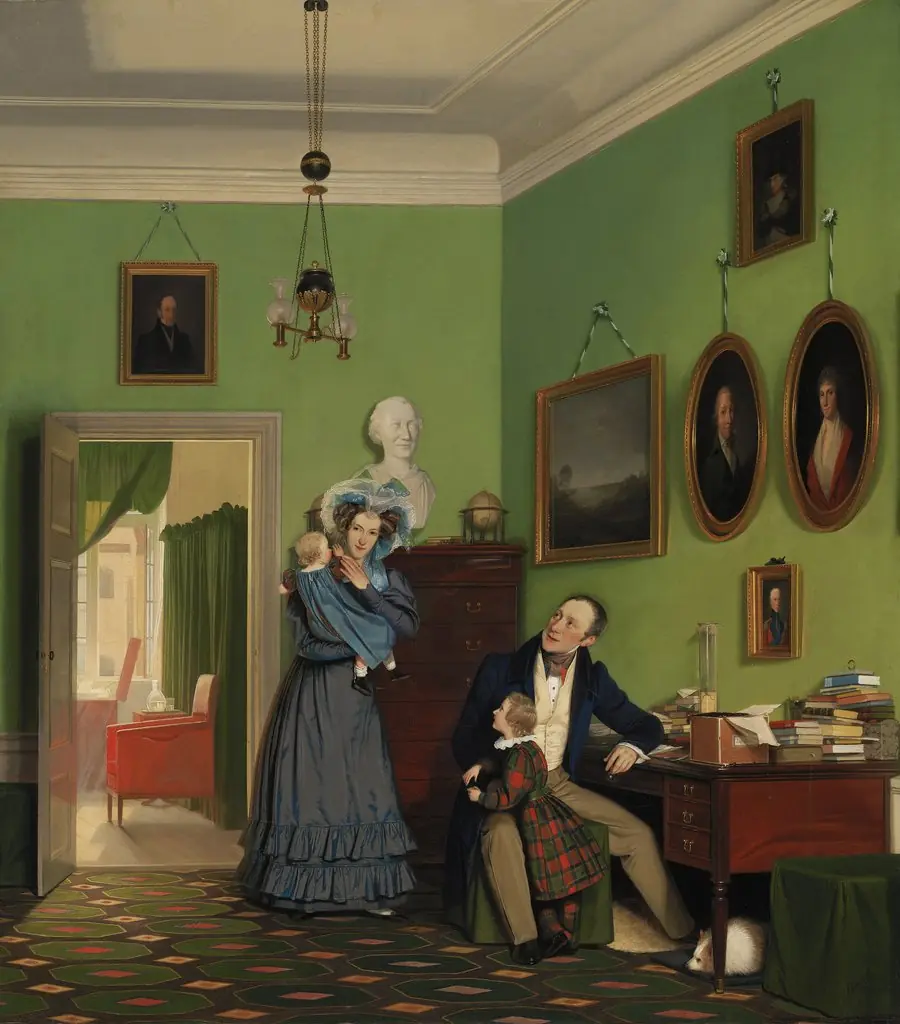 Familien Waagepetersen
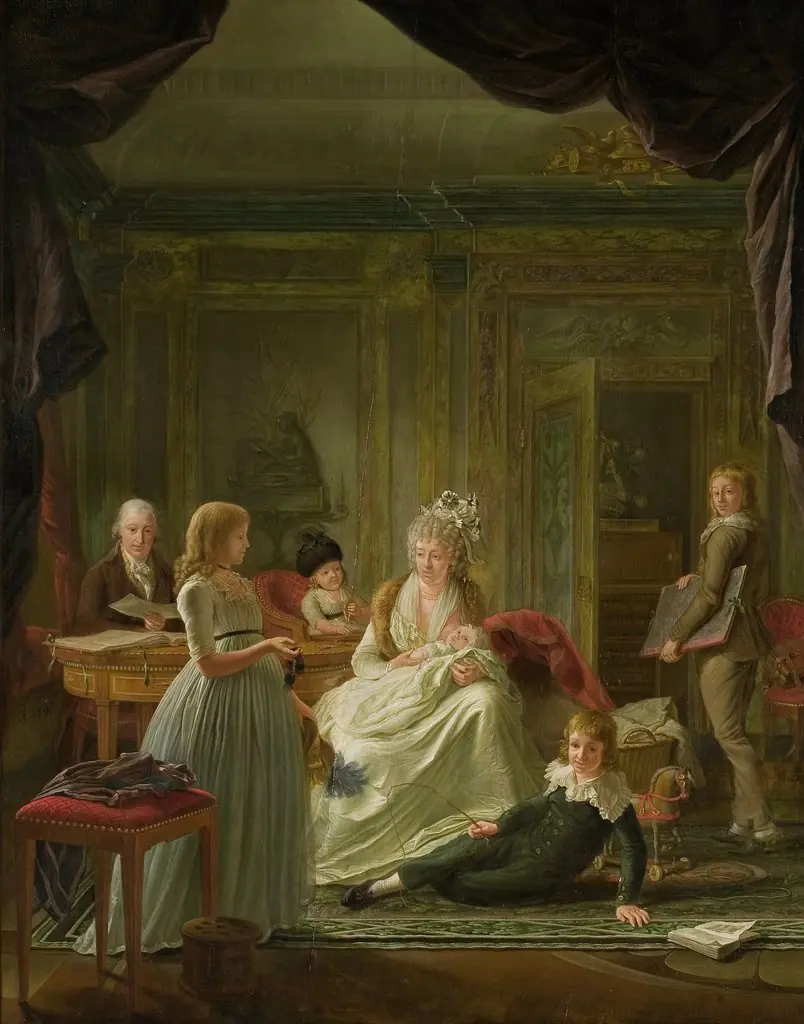 Portrait of Aernout van Beeftingh, his Wife Jacoba Maria Boon and their Children
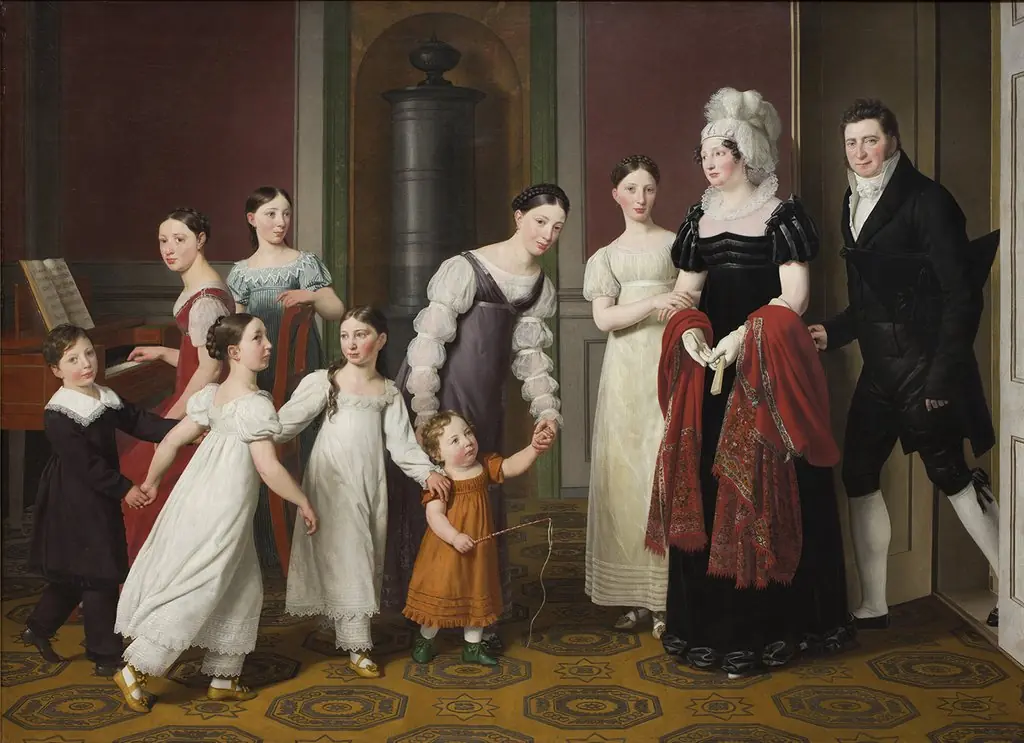 Familien Nathanson
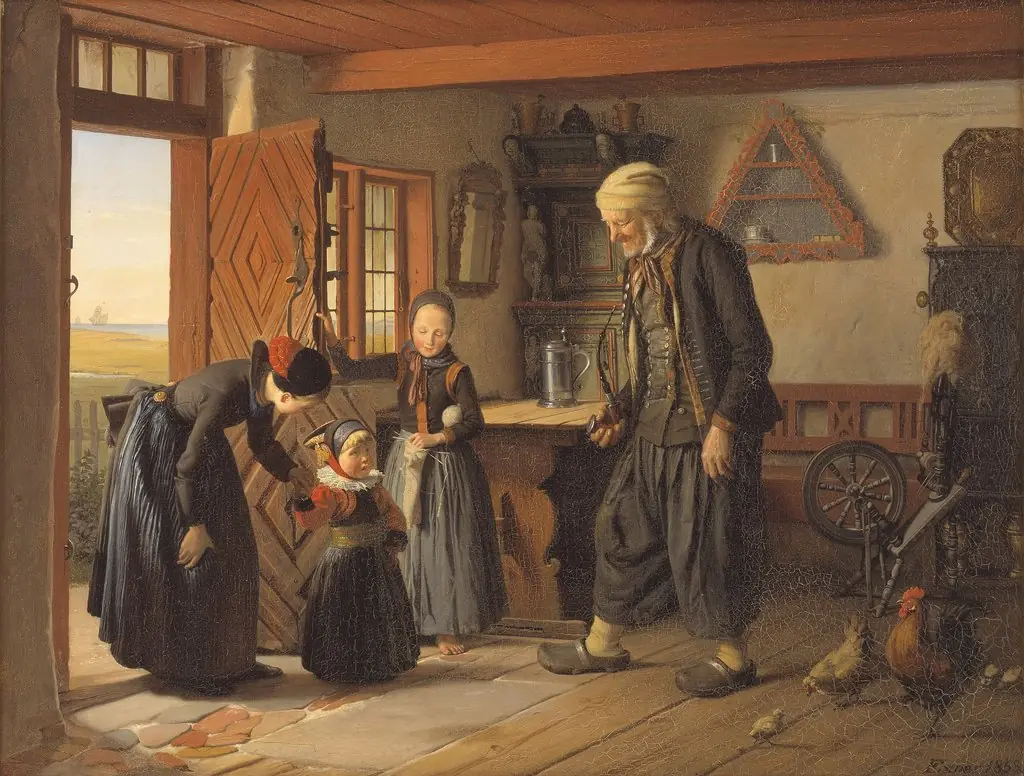 Visiting Grandfather
 Hendrickje Stoffels by a Door
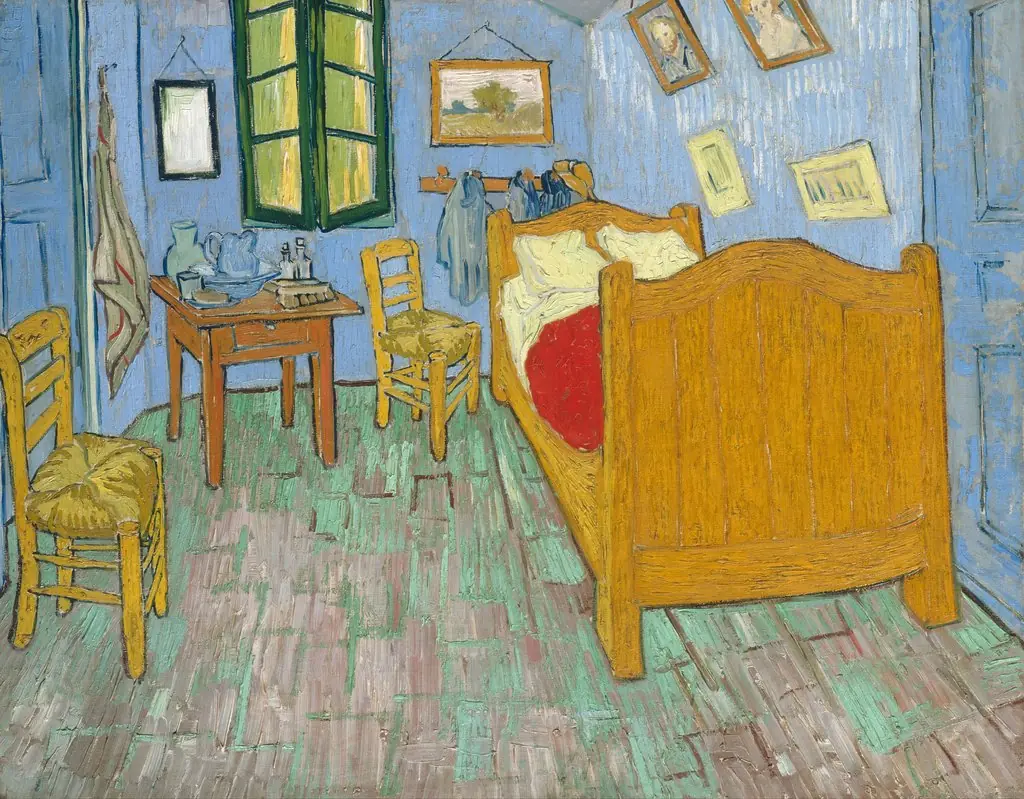 Bedroom in Arles
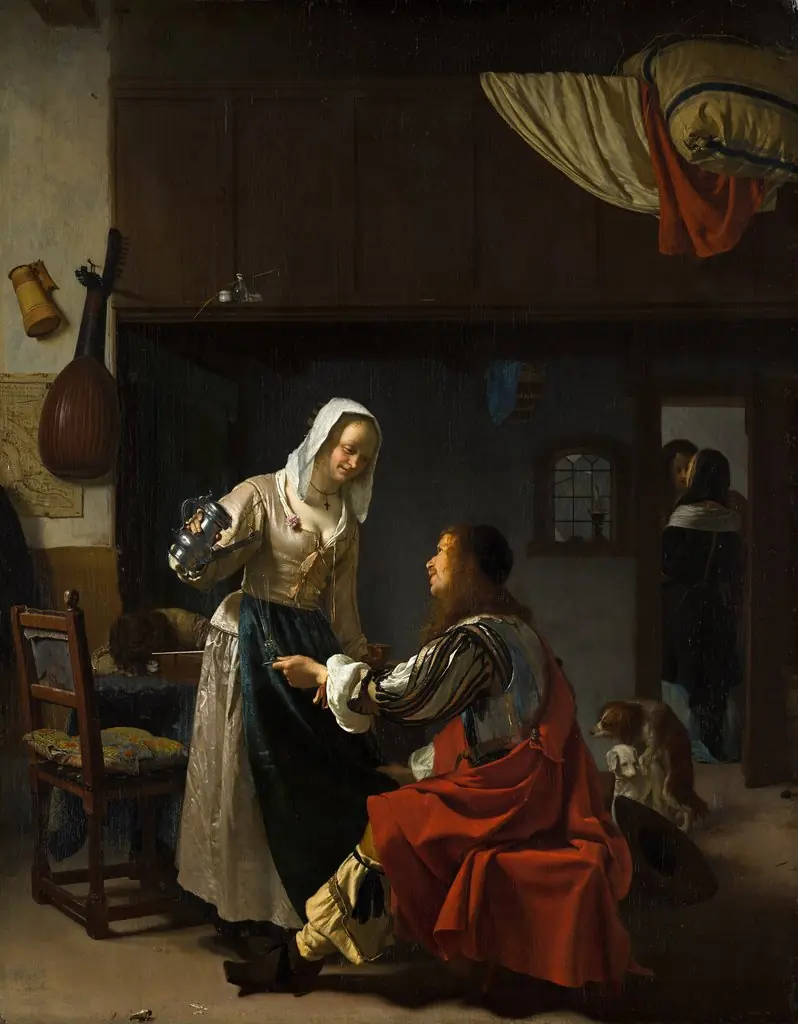 Brothel Scene
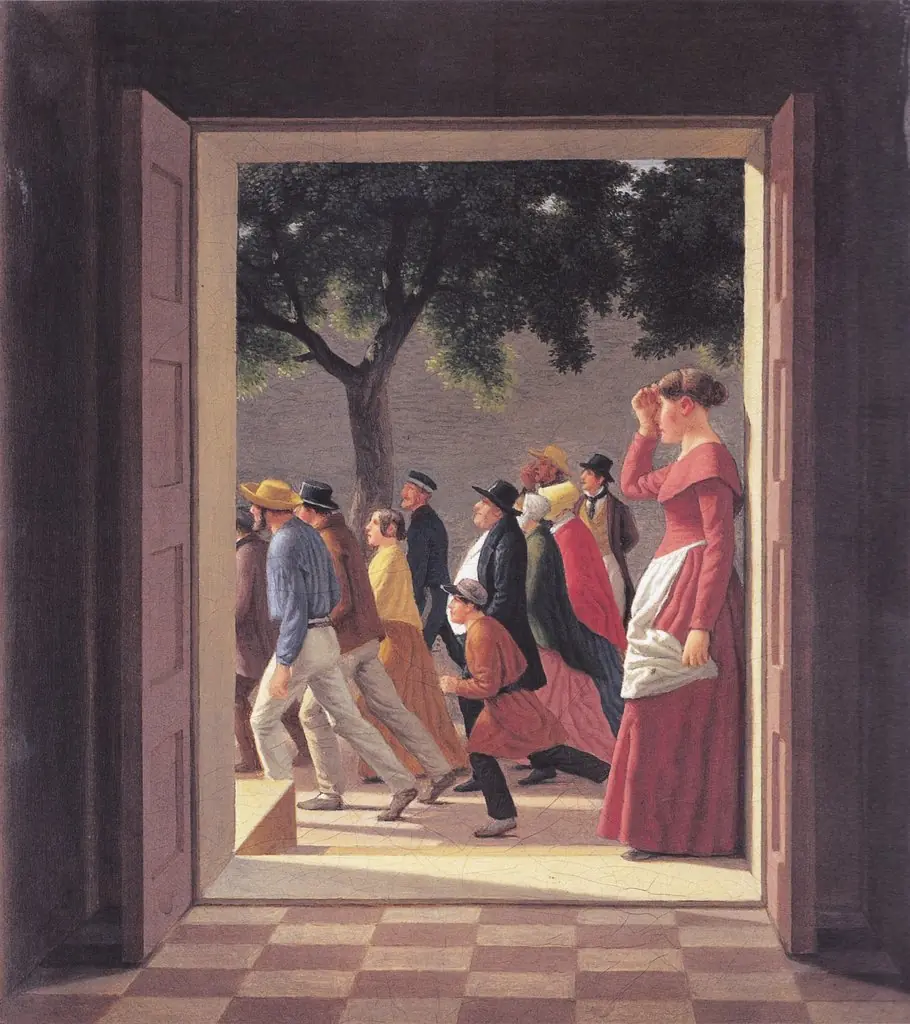 View through a Door to Running Figures
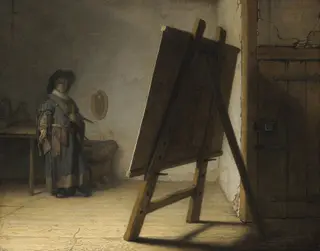 Artist in his studio
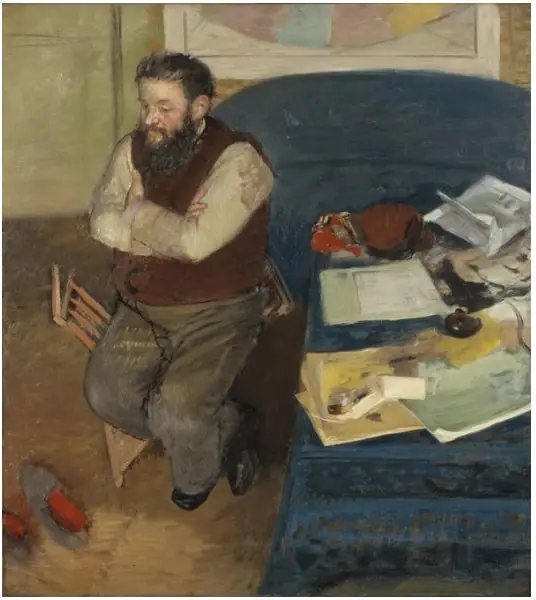 Portrait of Diego Martelli
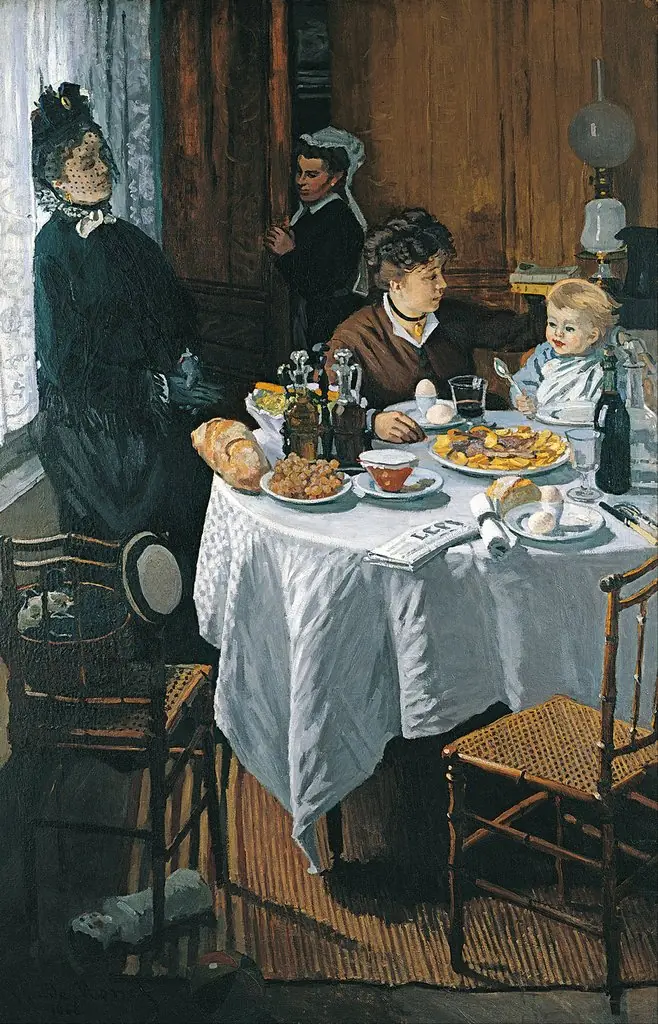 The Luncheon
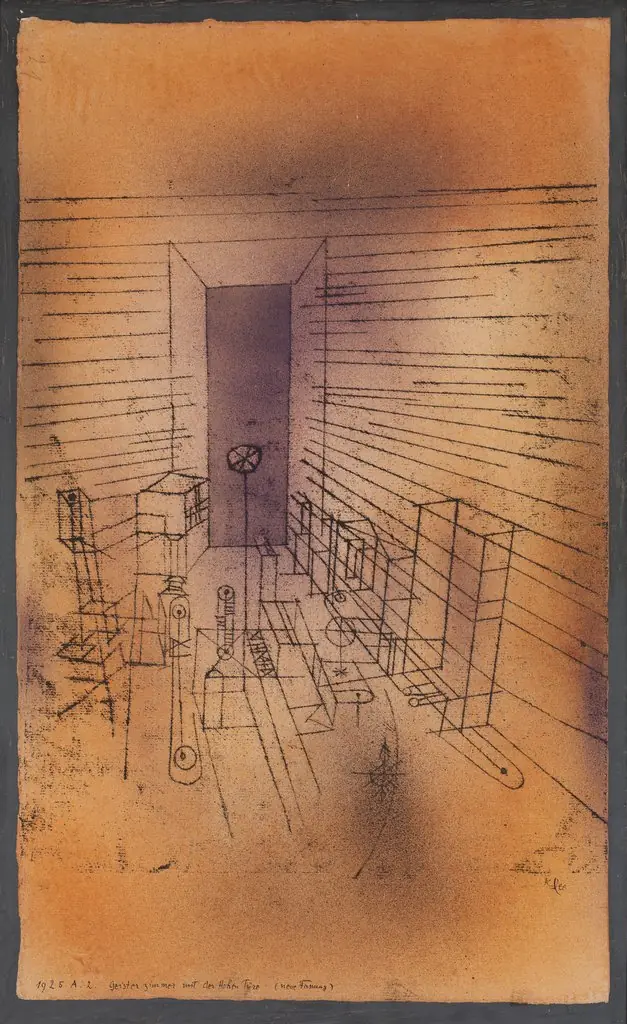 Ghost Chamber with the Tall Door (New Version)
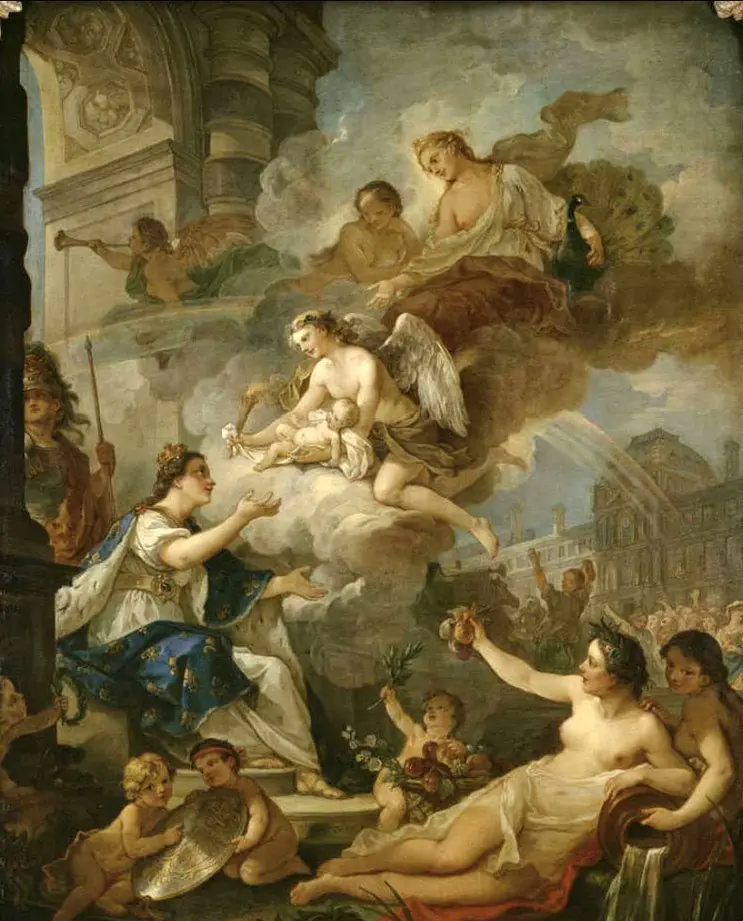 Allegory of the Birth of Marie-Zéphyrine of France, daughter of Louis of France
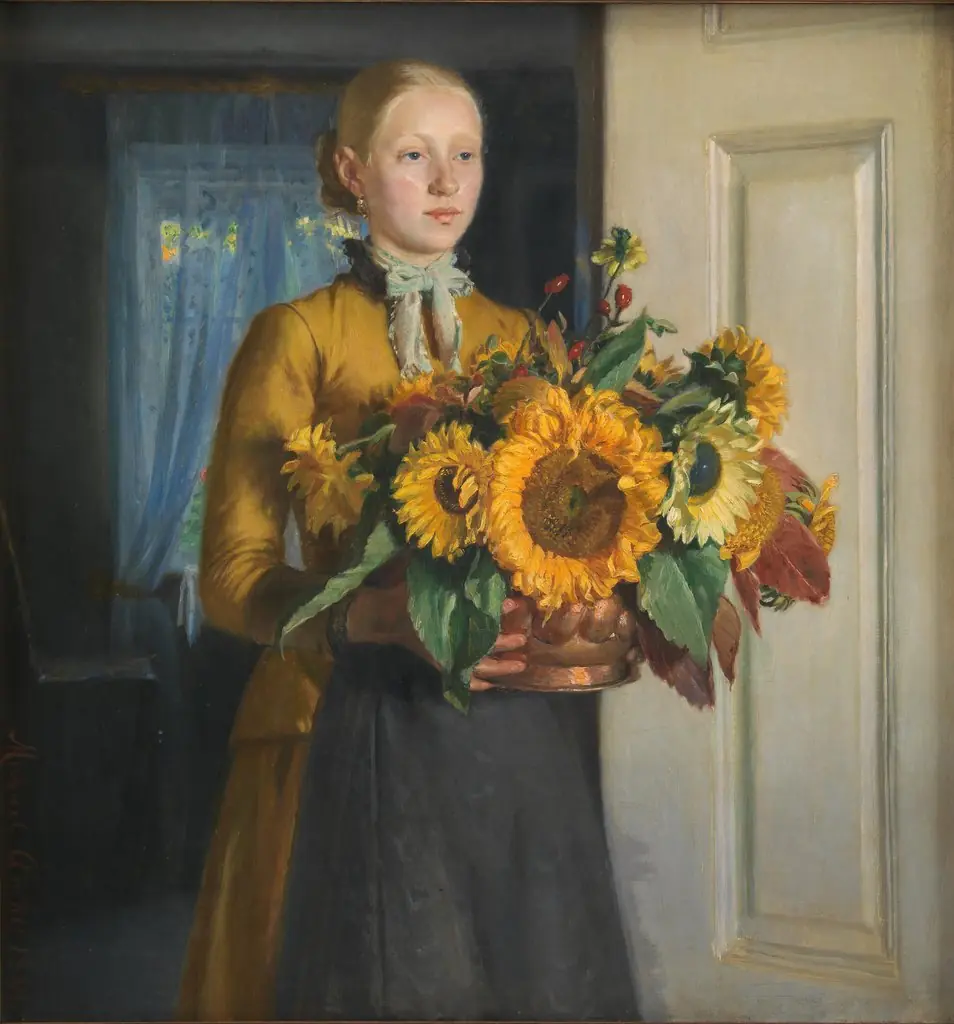 A Girl with Sunflowers
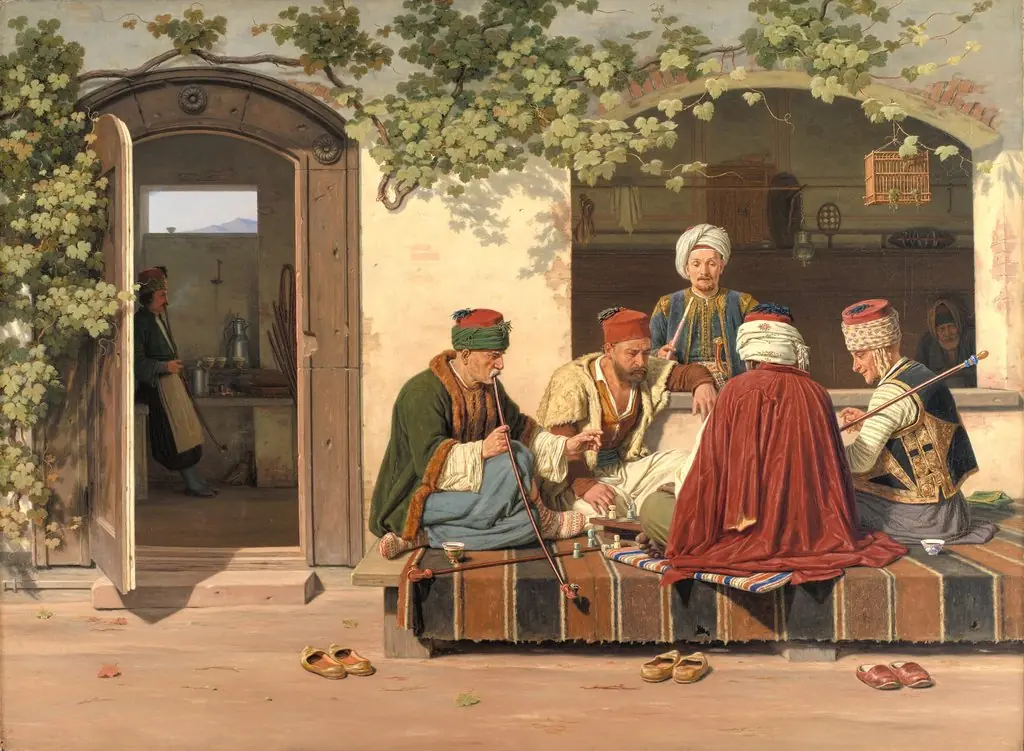 A party of chess players outside a Turkish coffeehouse and barbershop
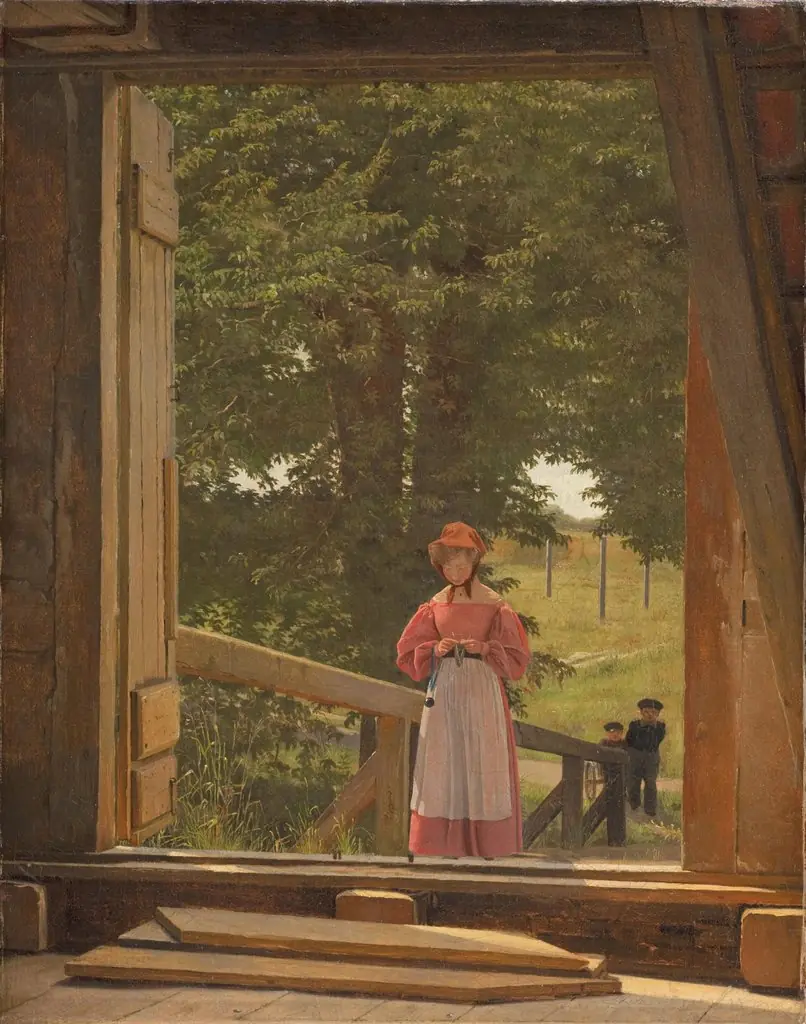 View from the Loft of the Grain Store at the Bakery in the Citadel of Copenhagen
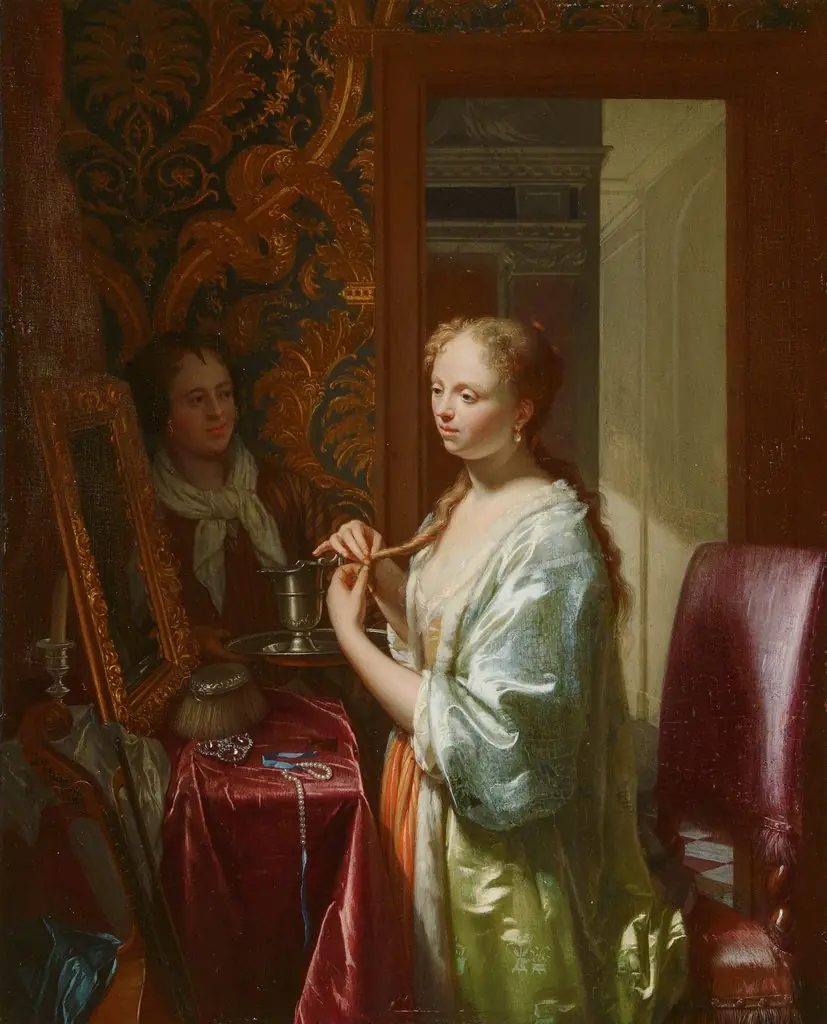 Lady attending to her toilet
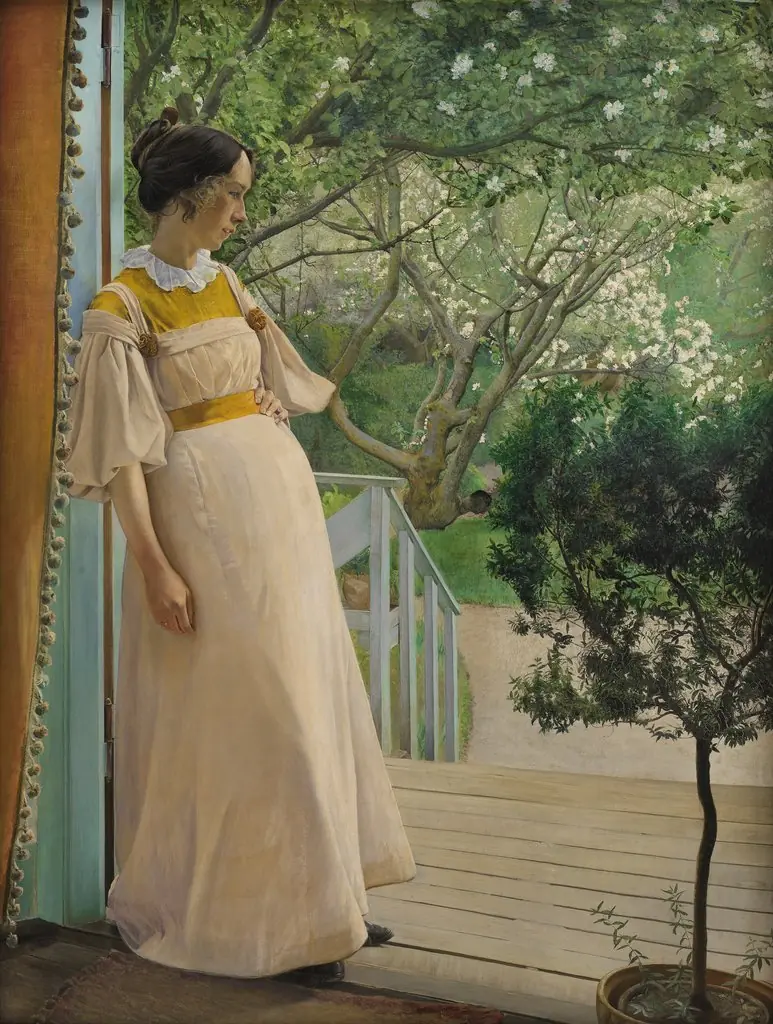 At the French Windows. The Artist's Wife
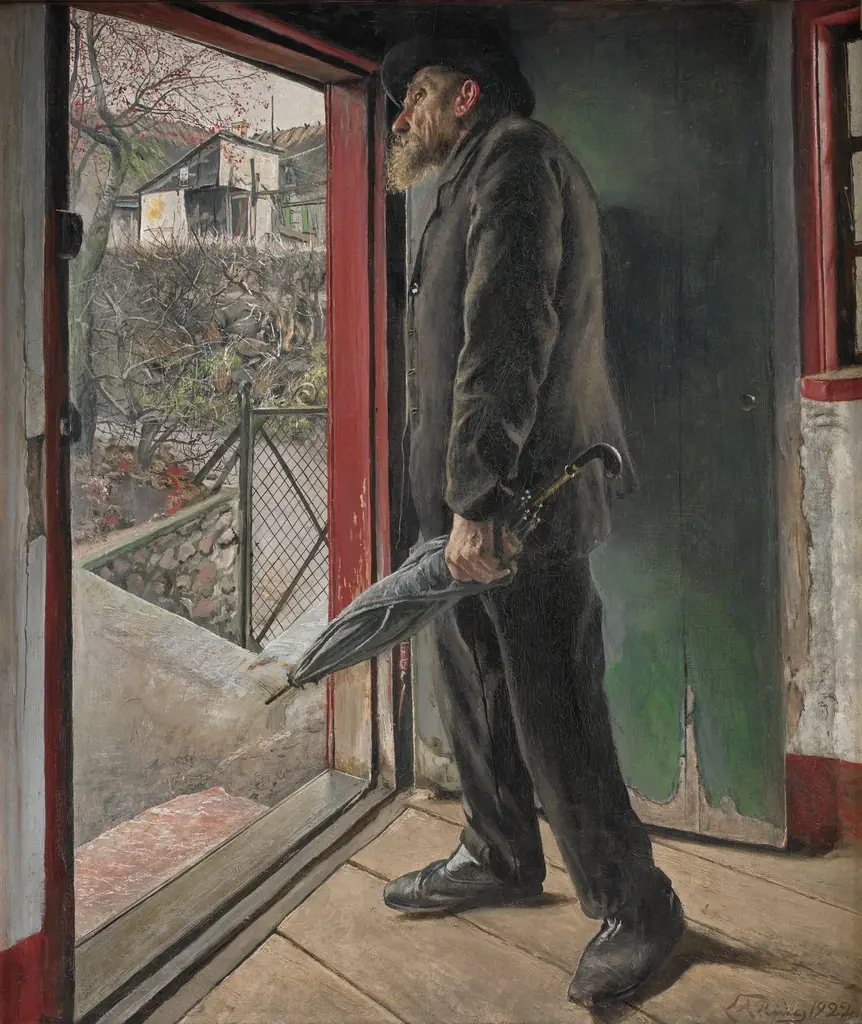 Has it Stopped Raining?
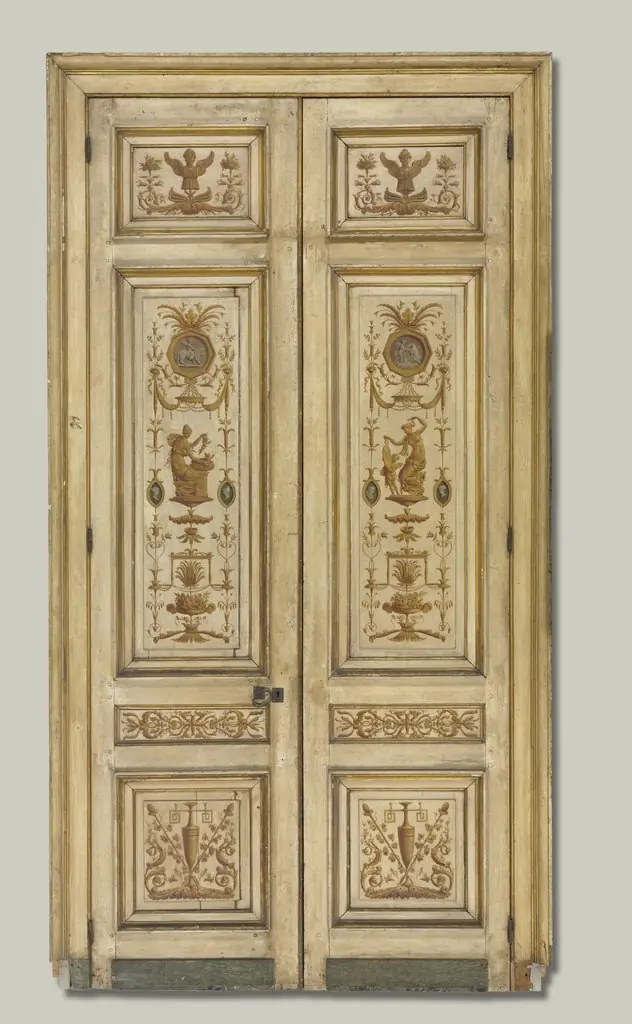 Double-Leaf Door
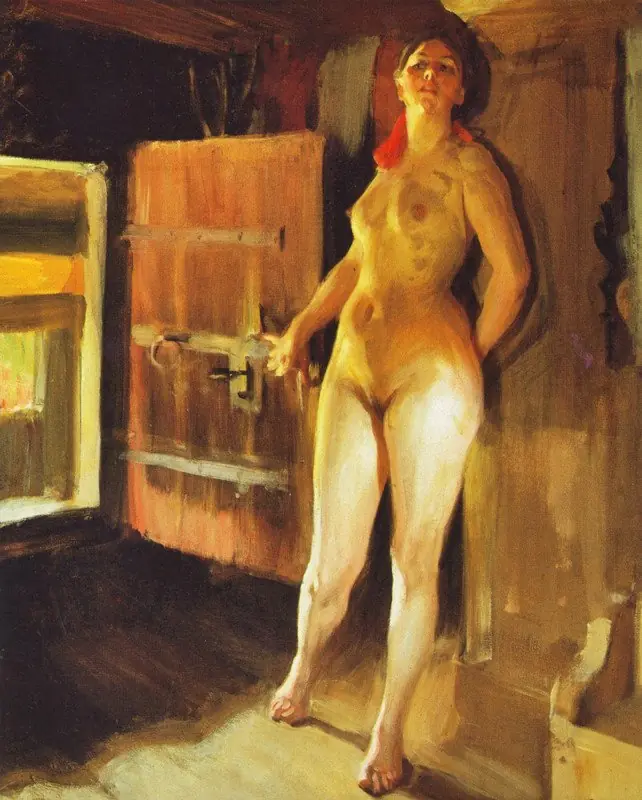 Girl in the Loft
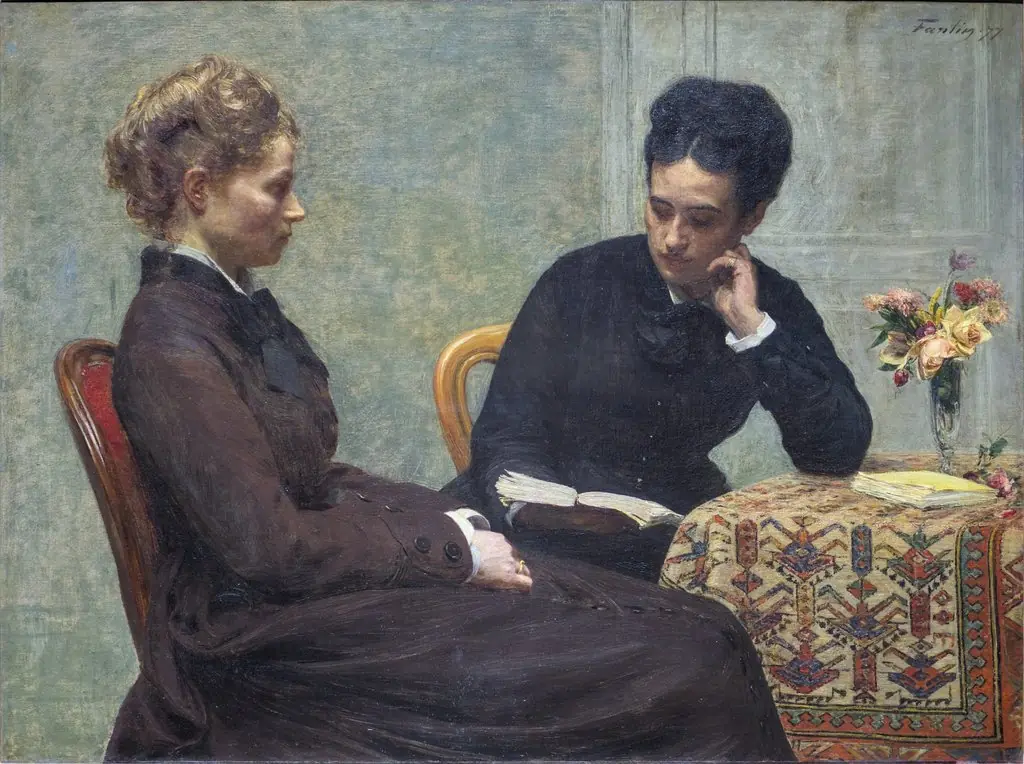 The Reading
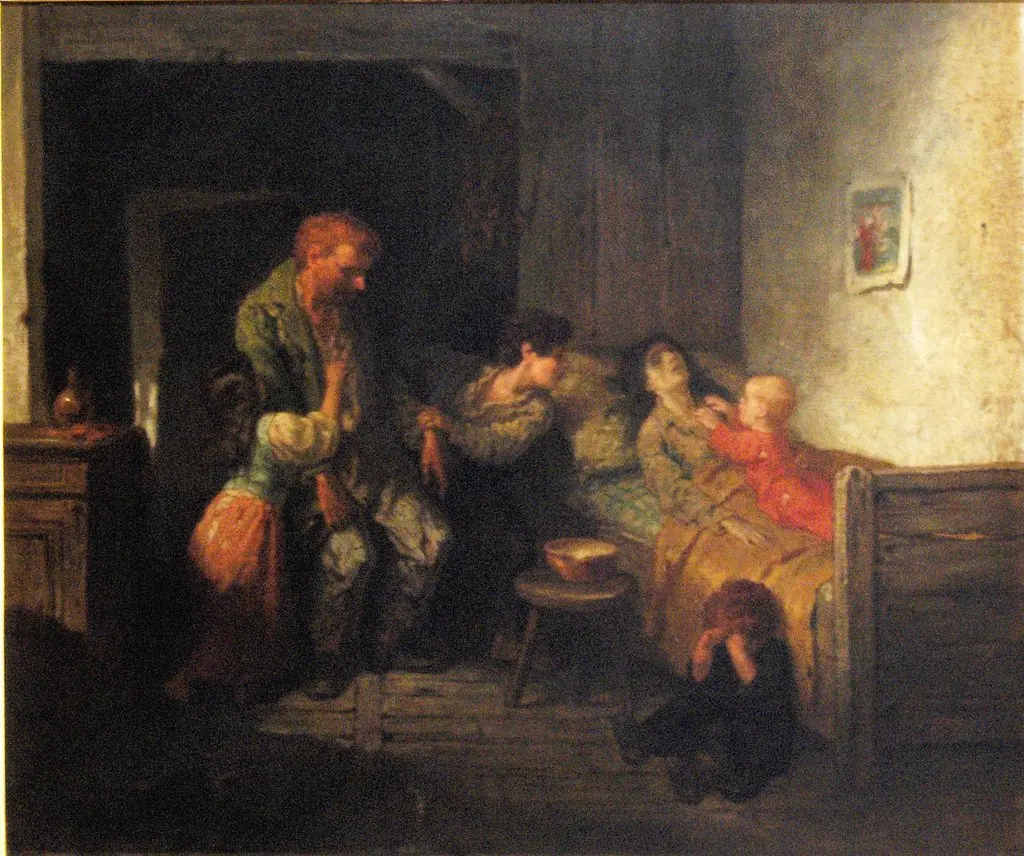 The drunkard
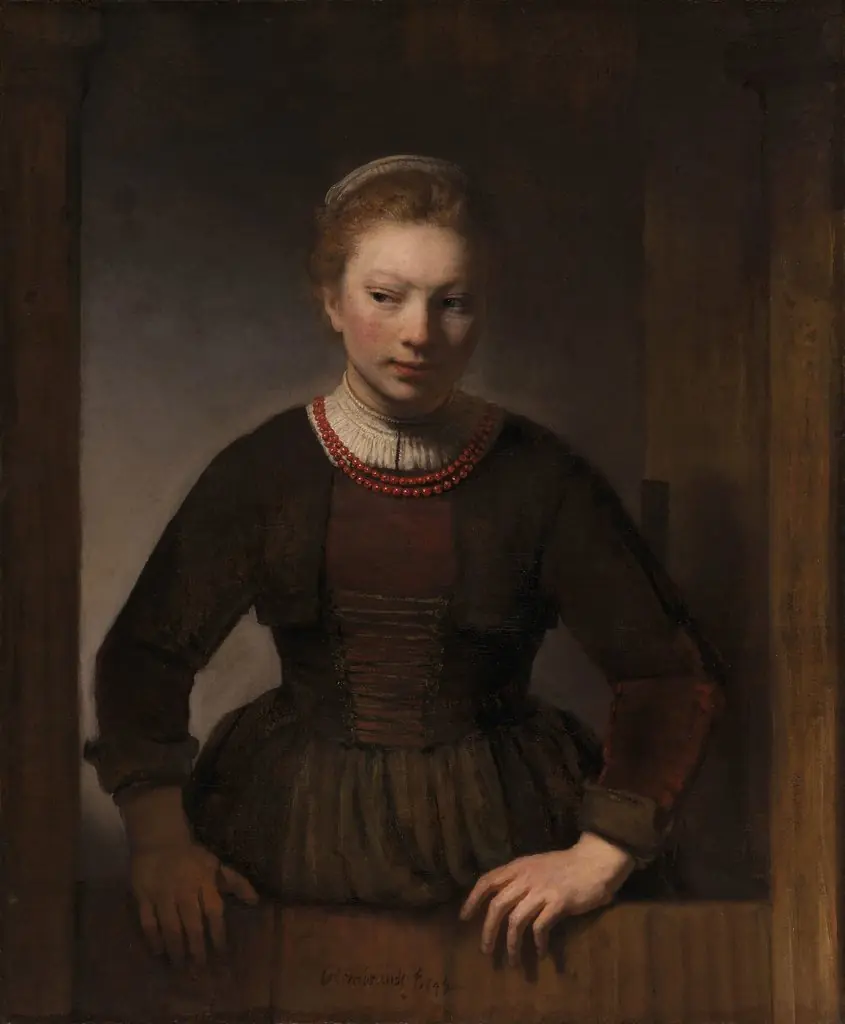 Young Woman at an Open Half-Door
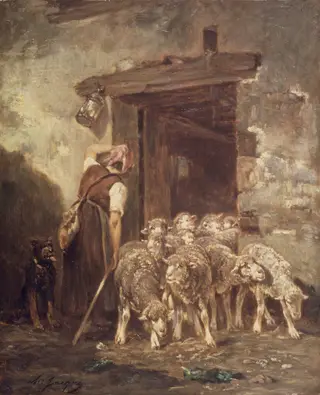 Leaving the Sheep Pen
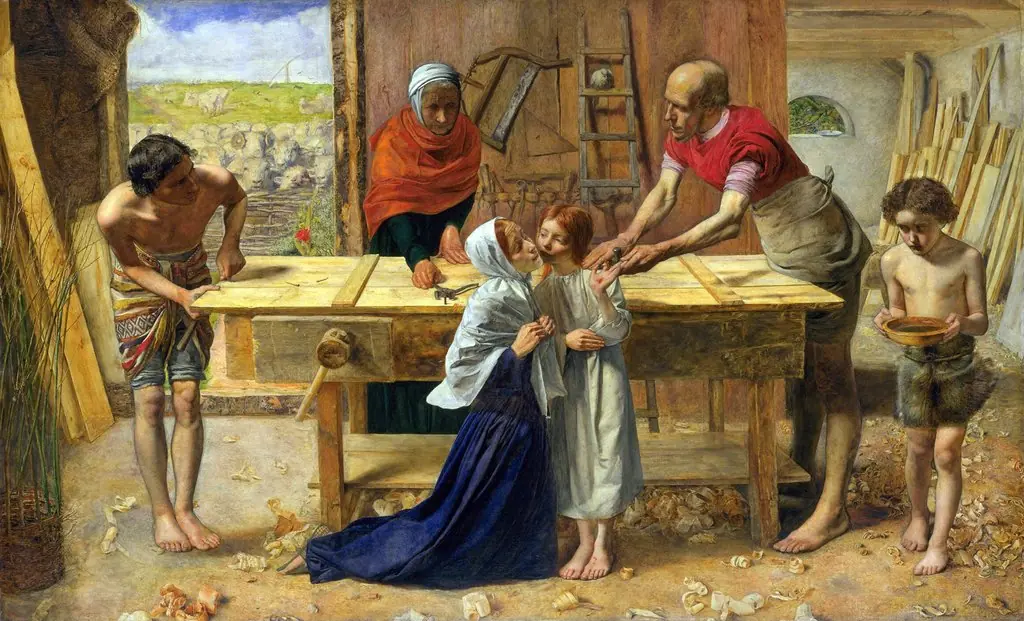 Christ in the House of His Parents
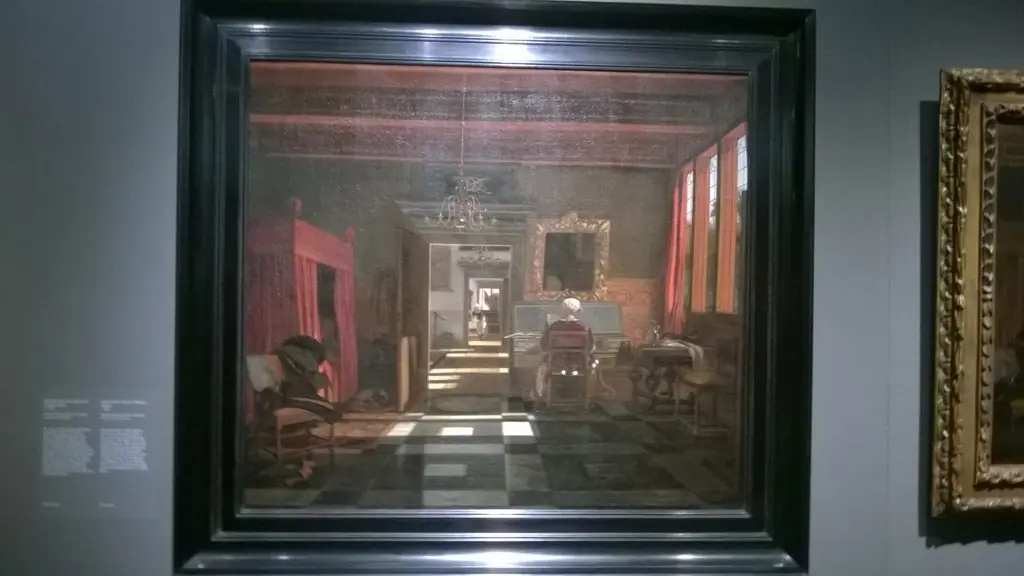 Interior with a Woman playing a Virginal
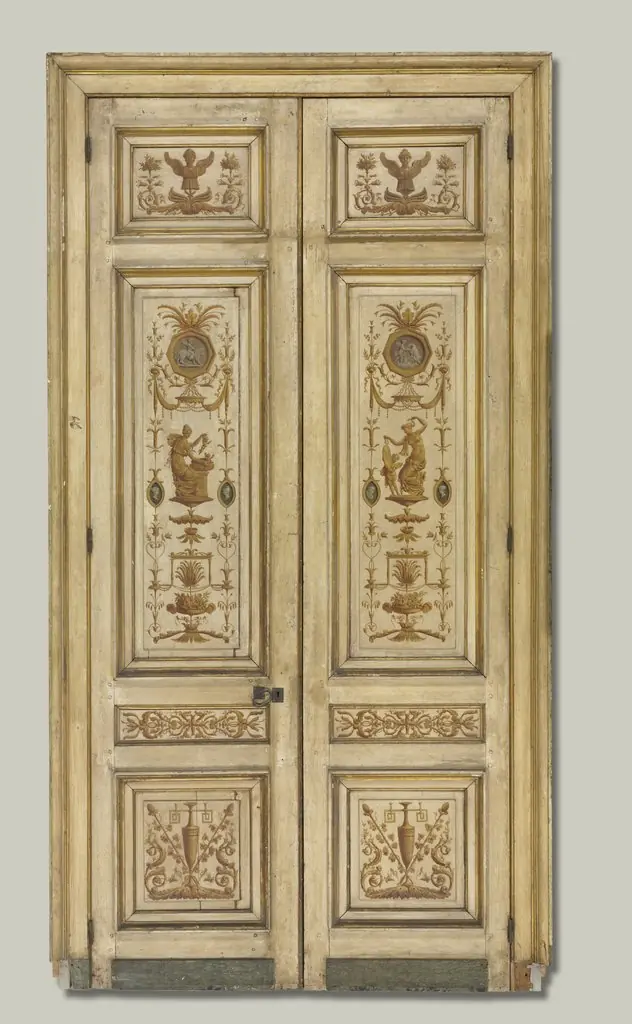 Double-Leaf Doors
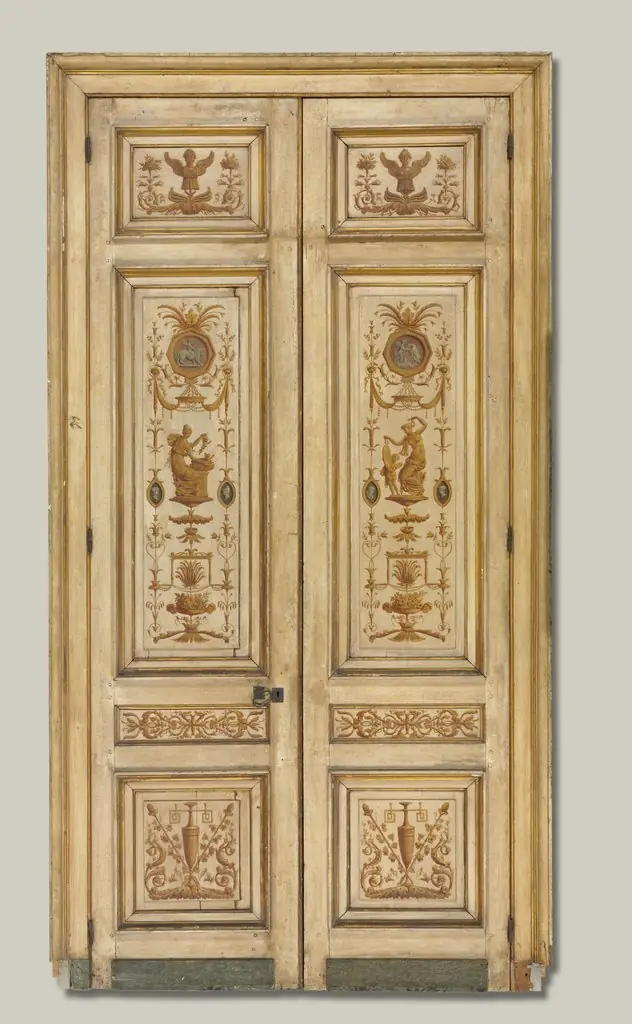 Overdoor Painting
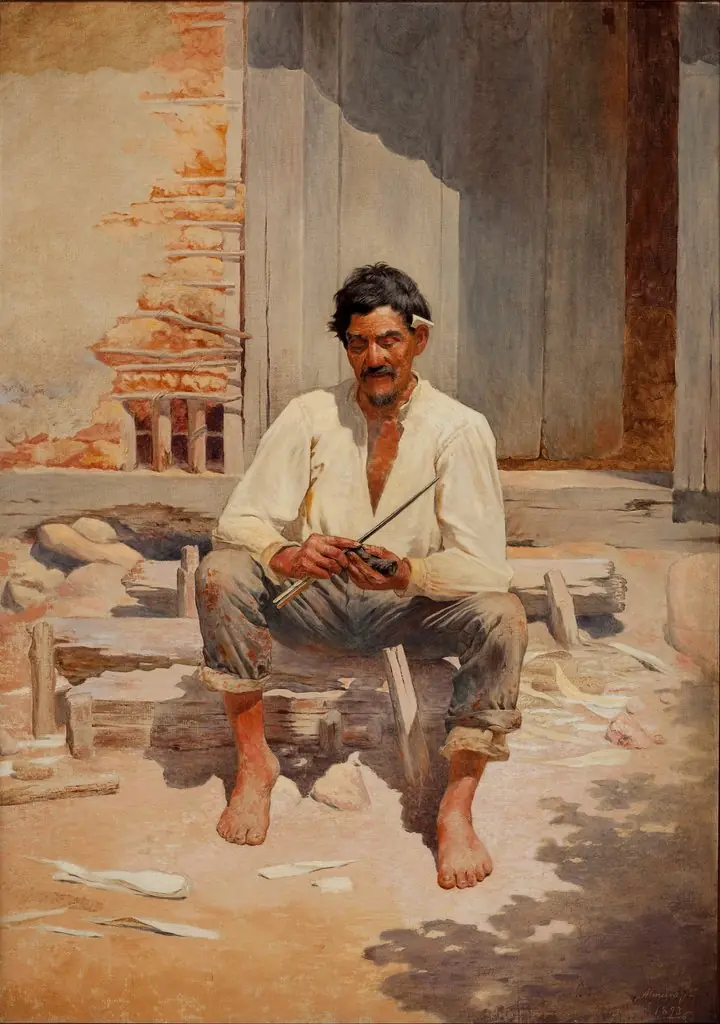 Caipira Cutting Tobacco
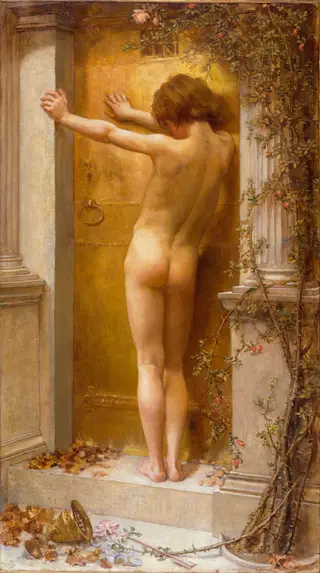 Love Locked Out
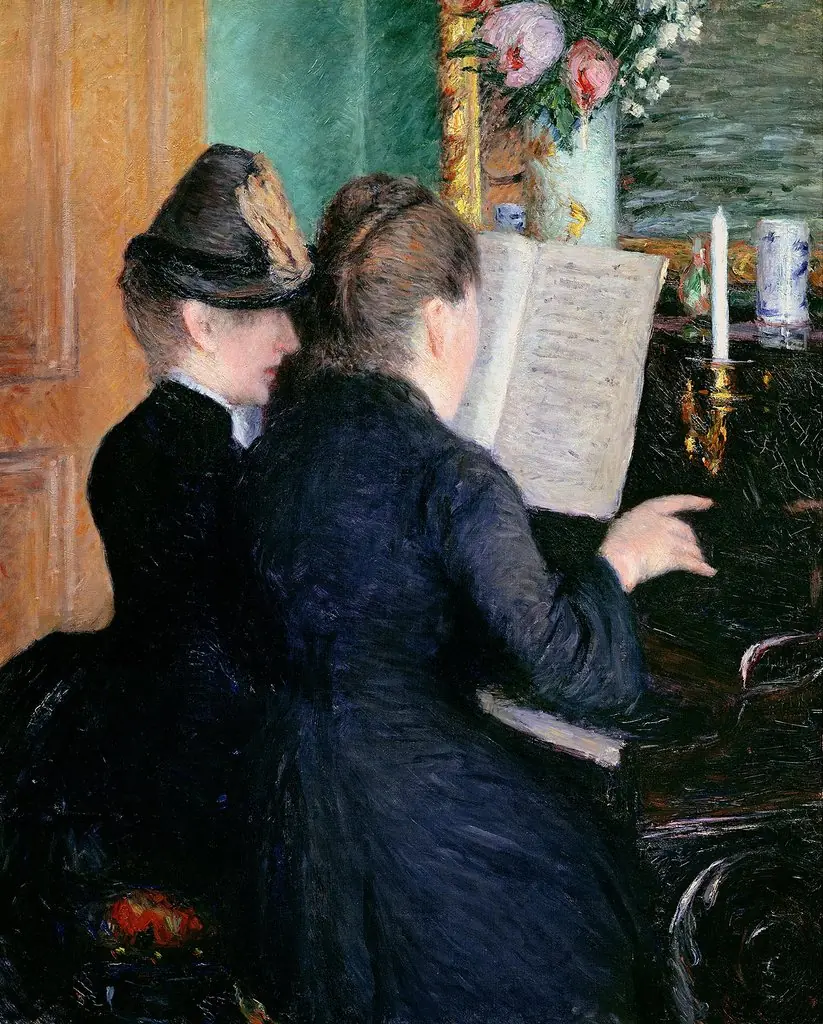 The Piano Lesson
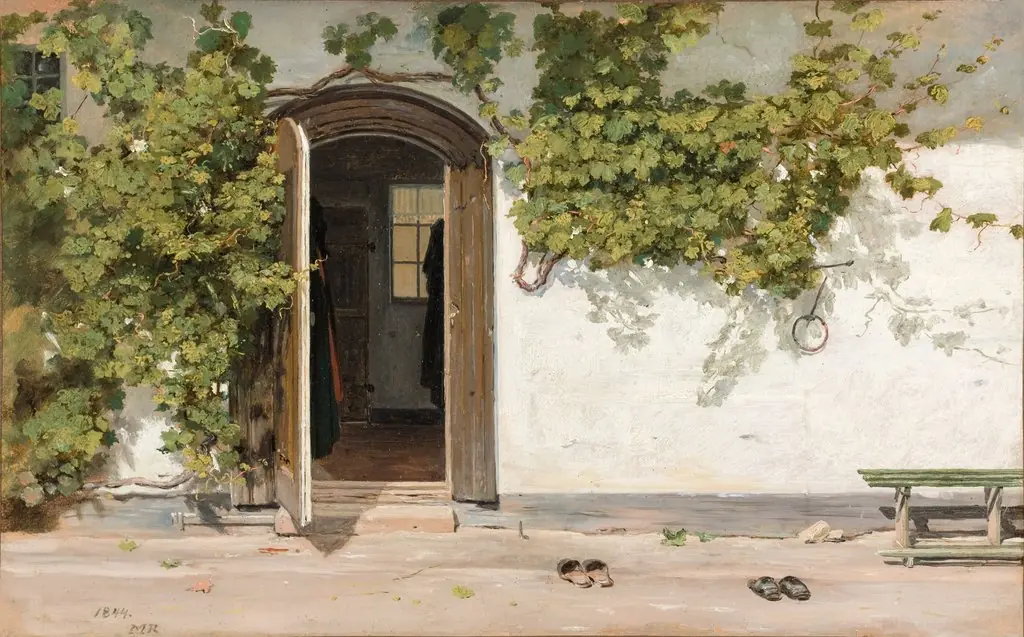 Entrance to an Inn in the Praestegarden at Hillested
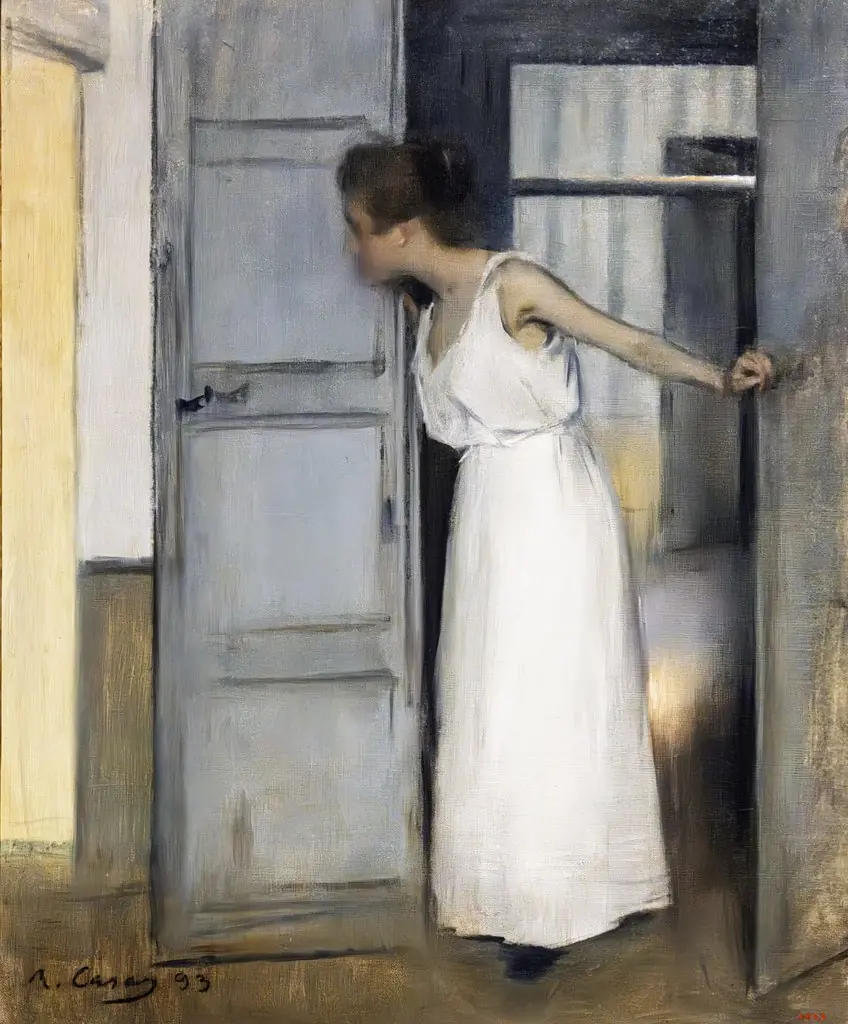 Over My Dead Body
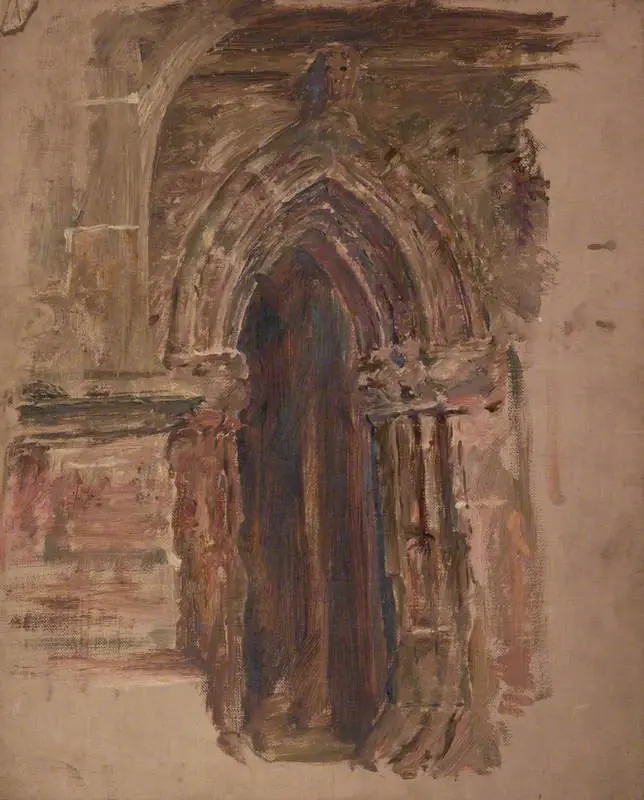 Sketch of a church door
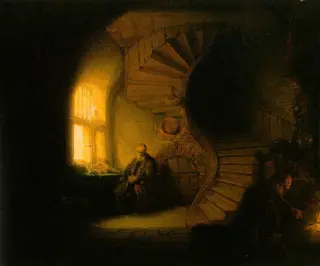 Philosopher in Meditation
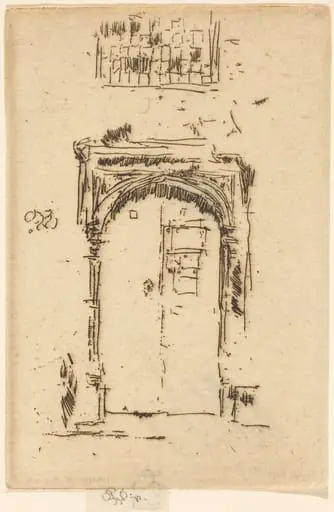 Church Doorway, Edgemere
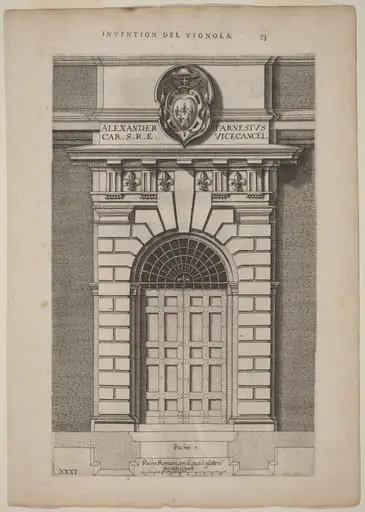 Doorway of Farnese Palace
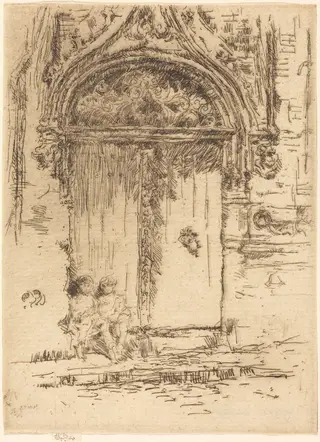 Hangman's House, Tours
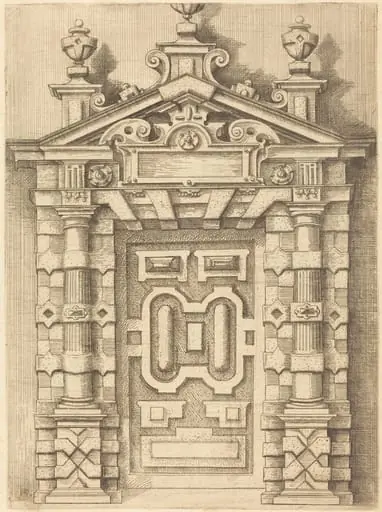 Pedimented Doorway
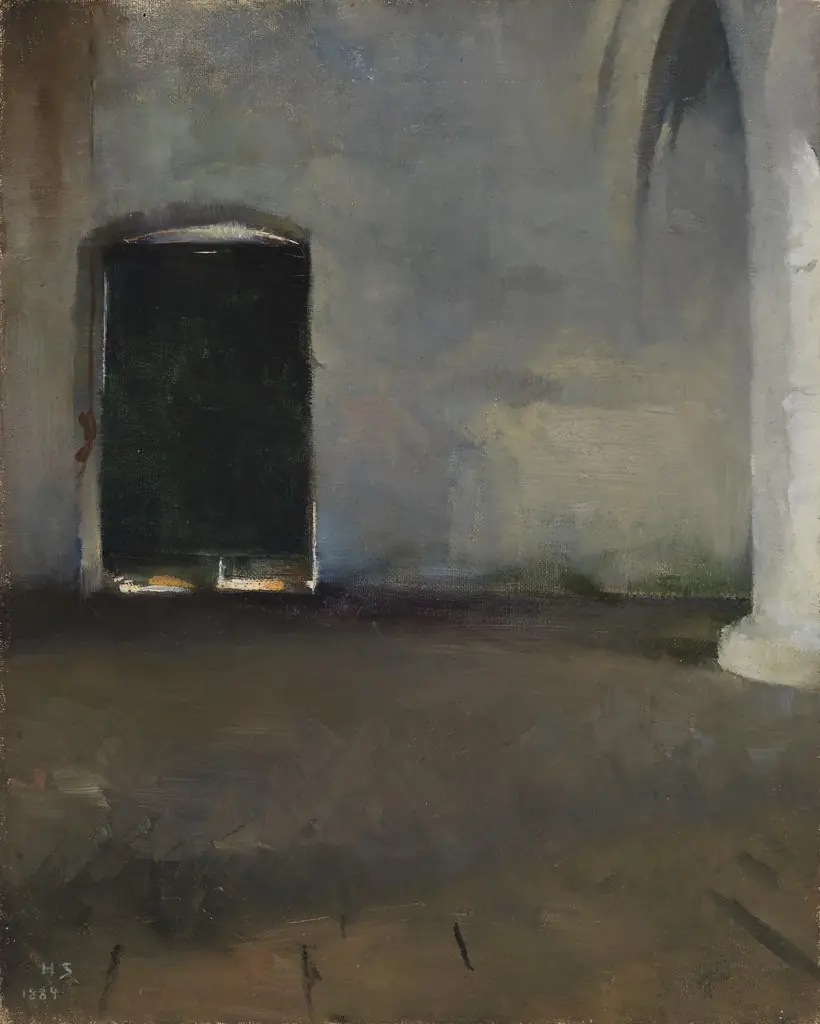 The Door
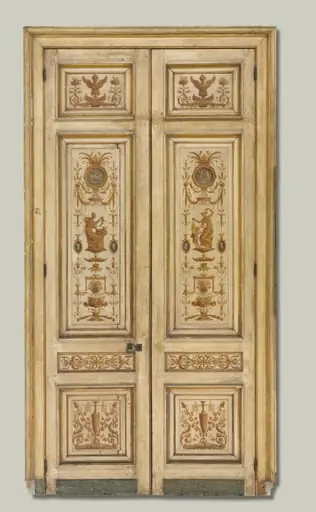 Double-Leaf Door
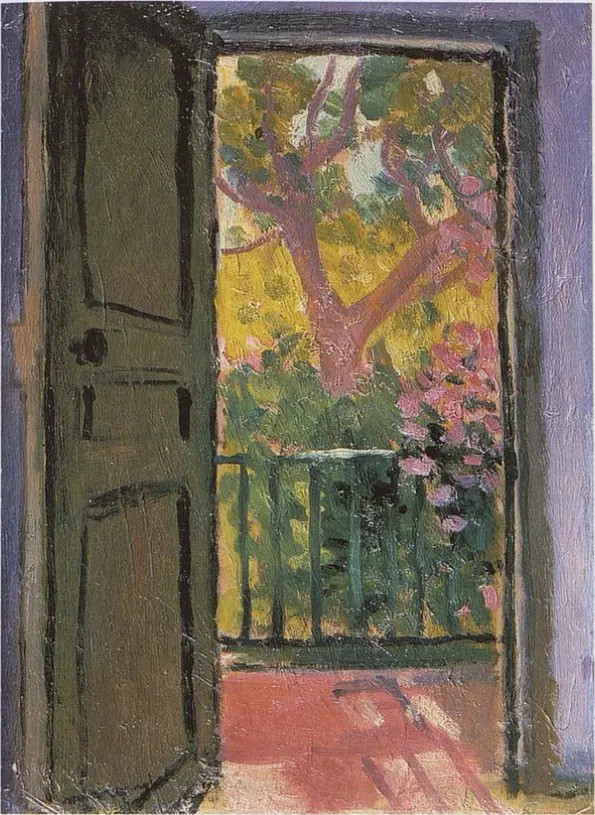 Alger, the Balcony
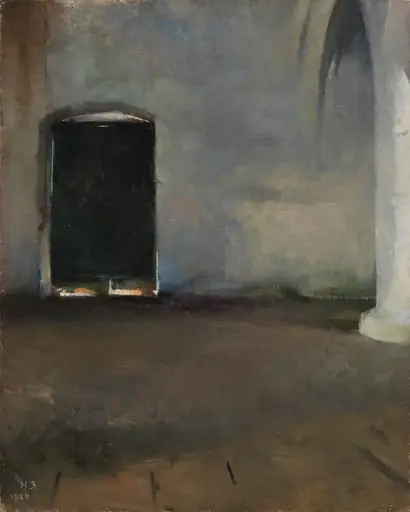 Ovi (Vanha luostarinsali)
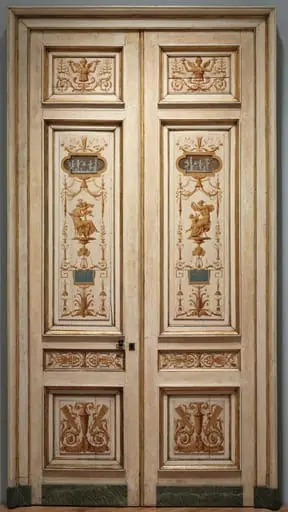 Double-Leaf Doors
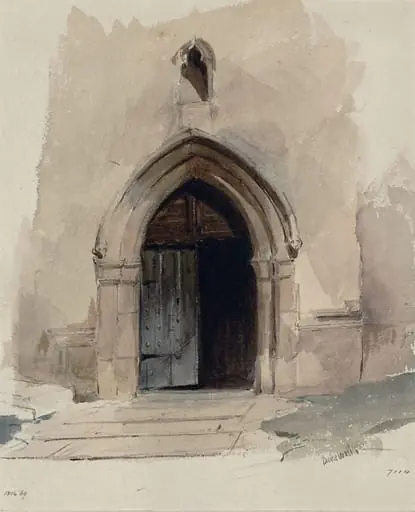 Church door, Bakewell
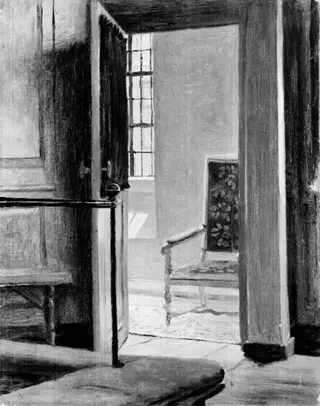 Study from the Interior of Vartov Church in Copenhagen
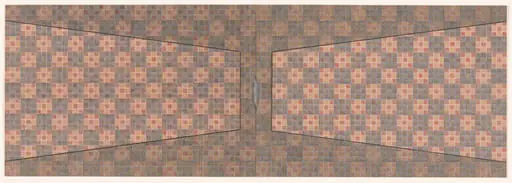 Untitled
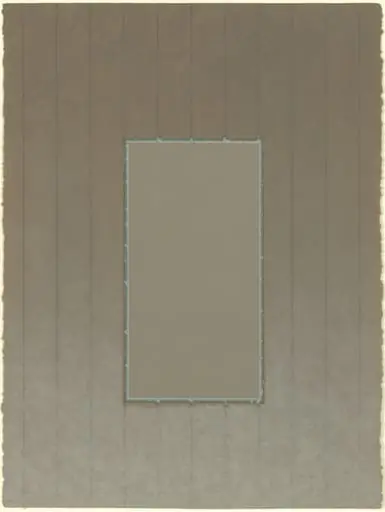 Untitled
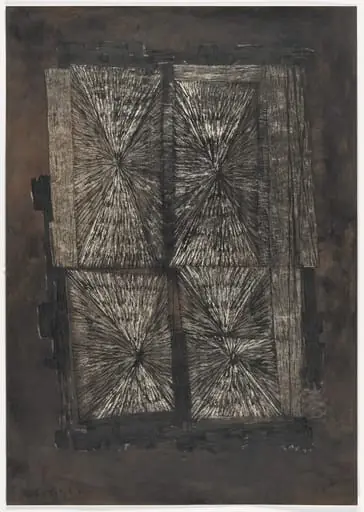 Untitled
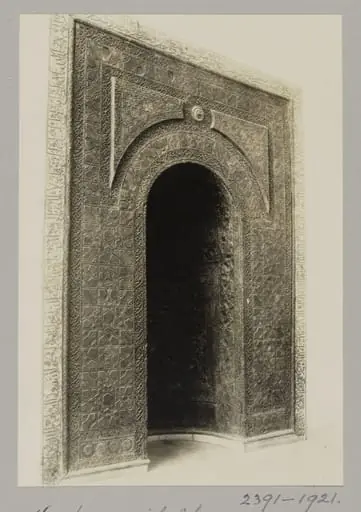 The wooden mihrab of the Madrasa Halawiyya, Aleppo
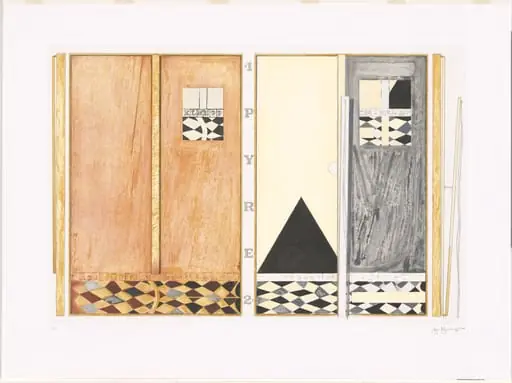 Untitled
Frequently asked questions
What is Door?
Door is a subject in art. A door is a hinged or otherwise movable barrier that allows ingress (entry) into and egress (exit) from an enclosure.
How many Door works does Artifact World Gallery have?
Artifact World Gallery holds 58 public-domain Door works, all free to view and download.
Who are the key Door artists?
Key Door artists in the collection include Edgar Degas, Ralph Earl and Johannes Vermeer.
Where can I see Door works?
Door works in the collection are held by Statens Museum for Kunst, Cleveland Museum of Art and National Gallery of Art.