Artwork
A 15th century cottage at Nether Wynchenden
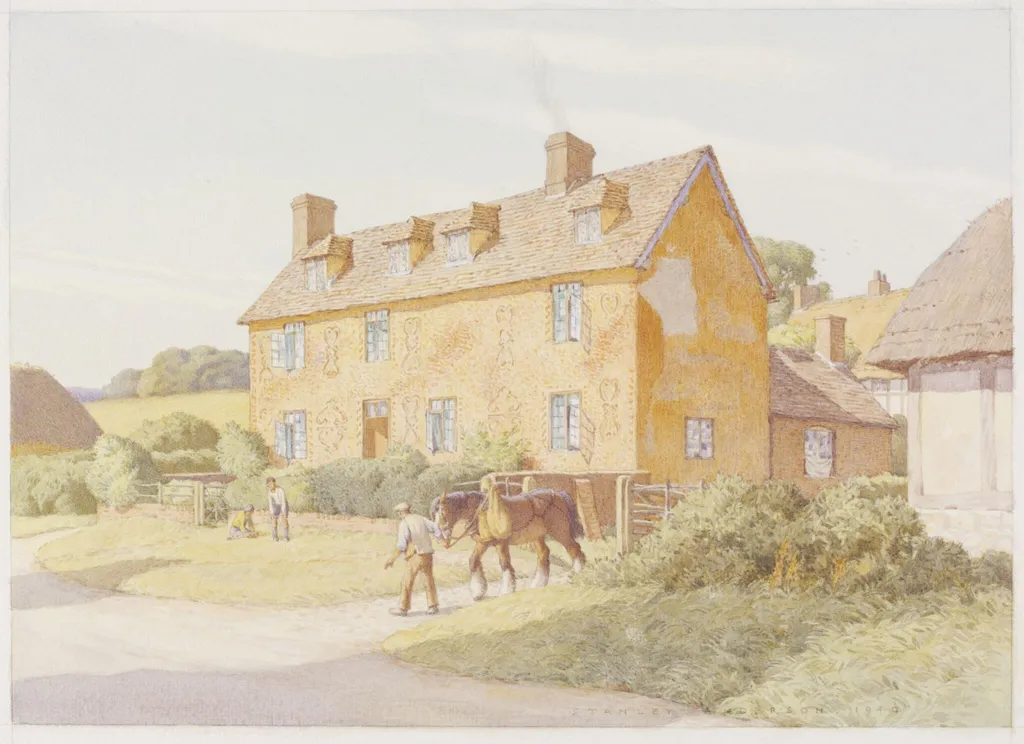
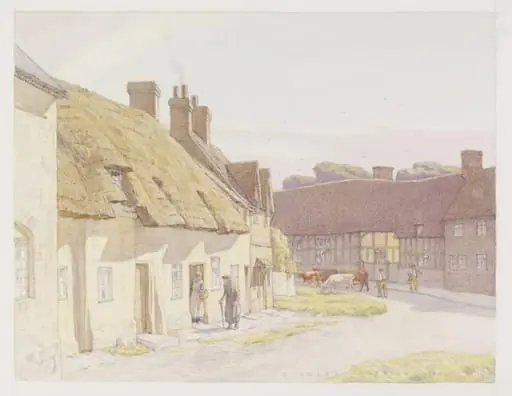
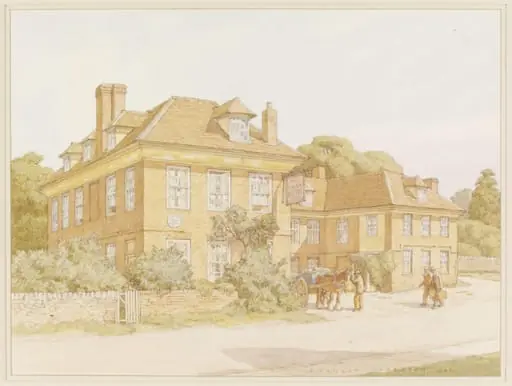
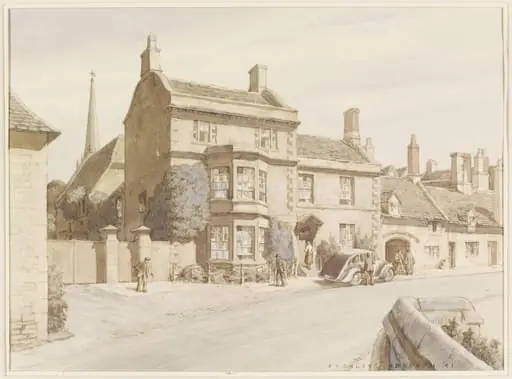
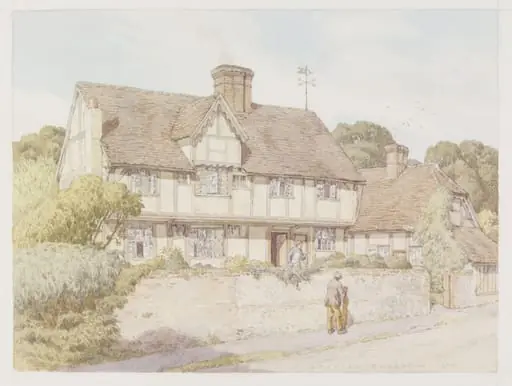
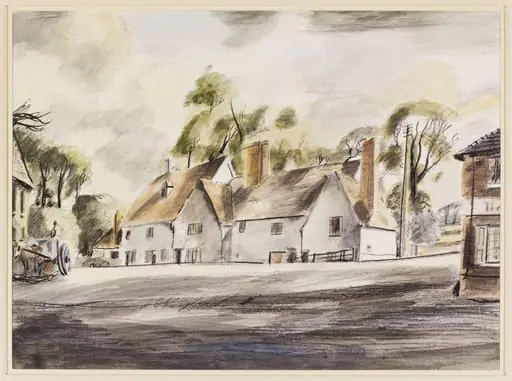
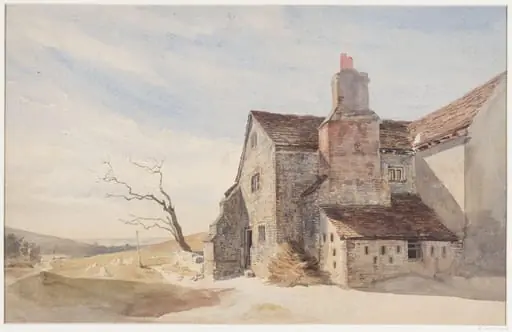
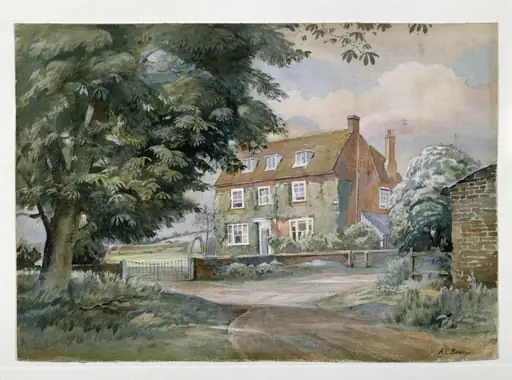
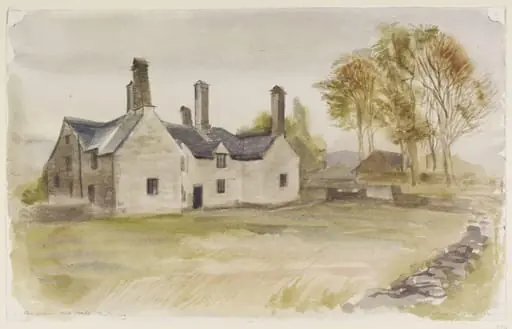
A 15th century cottage at Nether Wynchenden is a watercolor work on paper by the Naïve art artist Anderson. It dates from 1940 and is held in the collection of the Victoria and Albert Museum. This watercolour, created in the early 1940s, captures a modest two-storey cottage in Nether Wynchenden, England.
About this work
Overview
Rendered in soft ochre and muted tones, the scene includes a dirt path, a fenced garden, and a secondary outbuilding.
This watercolour, created in the early 1940s, captures a modest two-storey cottage in Nether Wynchenden, England. Rendered in soft ochre and muted tones, the scene includes a dirt path, a fenced garden, and a secondary outbuilding. The work was produced under the 'Recording Britain' initiative, which sought to document rural architecture and daily life during a period of national uncertainty. Its quiet composition reflects an effort to preserve ordinary scenes before they vanished.
Subject & Meaning
The painting portrays a rural moment: a man guiding a pair of shire horses through the cottage’s gateway, while children play nearby. These figures suggest continuity in traditional country life, contrasting with the disruptions of wartime. The well-maintained cottage and domestic activity imply resilience, not decay.
The scene is not idealized but observed with quiet attention, emphasizing the dignity of everyday existence in a changing landscape.
Technique & Style
The artist employed transparent watercolour washes to achieve a gentle, luminous effect. Soft edges and restrained colour, predominantly warm earth tones, convey a sense of stillness. Details like the dormer windows, fence posts, and foliage are suggested rather than sharply defined, reinforcing the work’s intimate, observational quality. The technique avoids dramatic contrast, favoring harmony and subtlety to reflect the calm of rural life.
History & Provenance
Created during the Second World War as part of the 'Recording Britain' project, this watercolour was commissioned to document threatened rural scenes. The initiative, supported by the Pilgrim Trust and administered by the Victoria and Albert Museum, employed artists to record vernacular architecture and landscapes. This piece entered the V&A’s collection as part of that effort, preserving a visual record of a specific time and place.
Context
In the early 1940s, Britain faced widespread change: rural communities were declining, traditional farming methods were fading, and bombing threatened historic structures. 'Recording Britain' emerged as a cultural response to these losses. Artists like the creator of this work were tasked with capturing scenes deemed vulnerable, not for their grandeur, but for their quiet, everyday significance to national identity.
Legacy
The 'Recording Britain' collection remains a vital archive of mid-20th-century rural England. This watercolour, like others in the series, offers a measured, non-sentimental view of a disappearing way of life. It is now studied not only for its artistic merit but as a historical document, preserving the texture of ordinary places that no longer exist in the same form.
Artist & collection
Artist
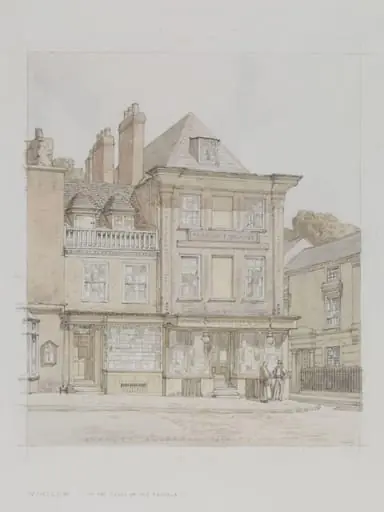
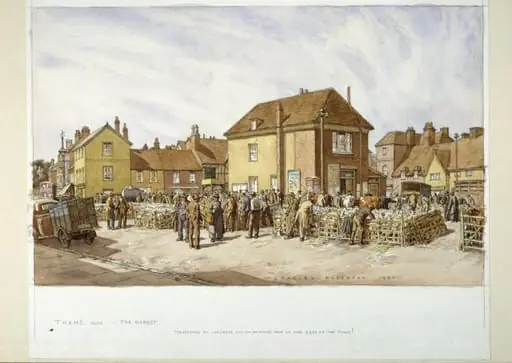
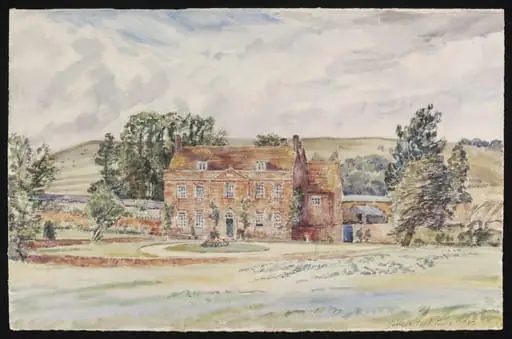
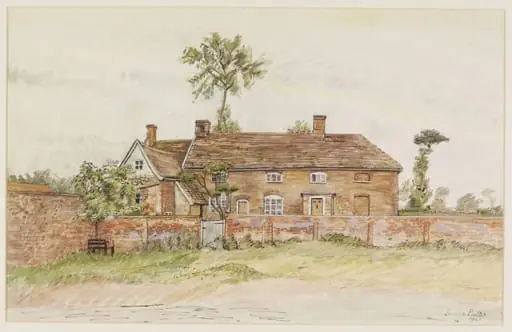
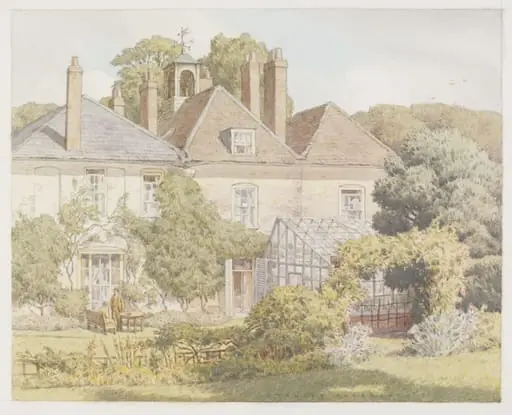
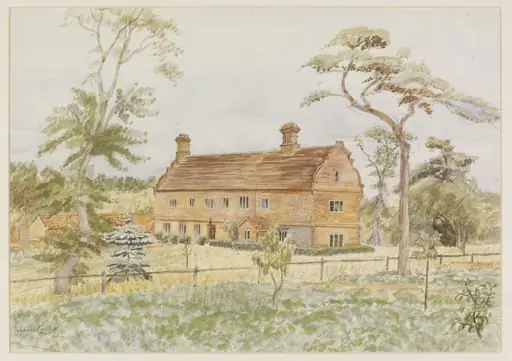
These watercolours capture quiet English villages in the 1940s, their sloping roofs and stone walls standing firm against time.