Artwork
Portrait of Walery Gadomski, sculptor
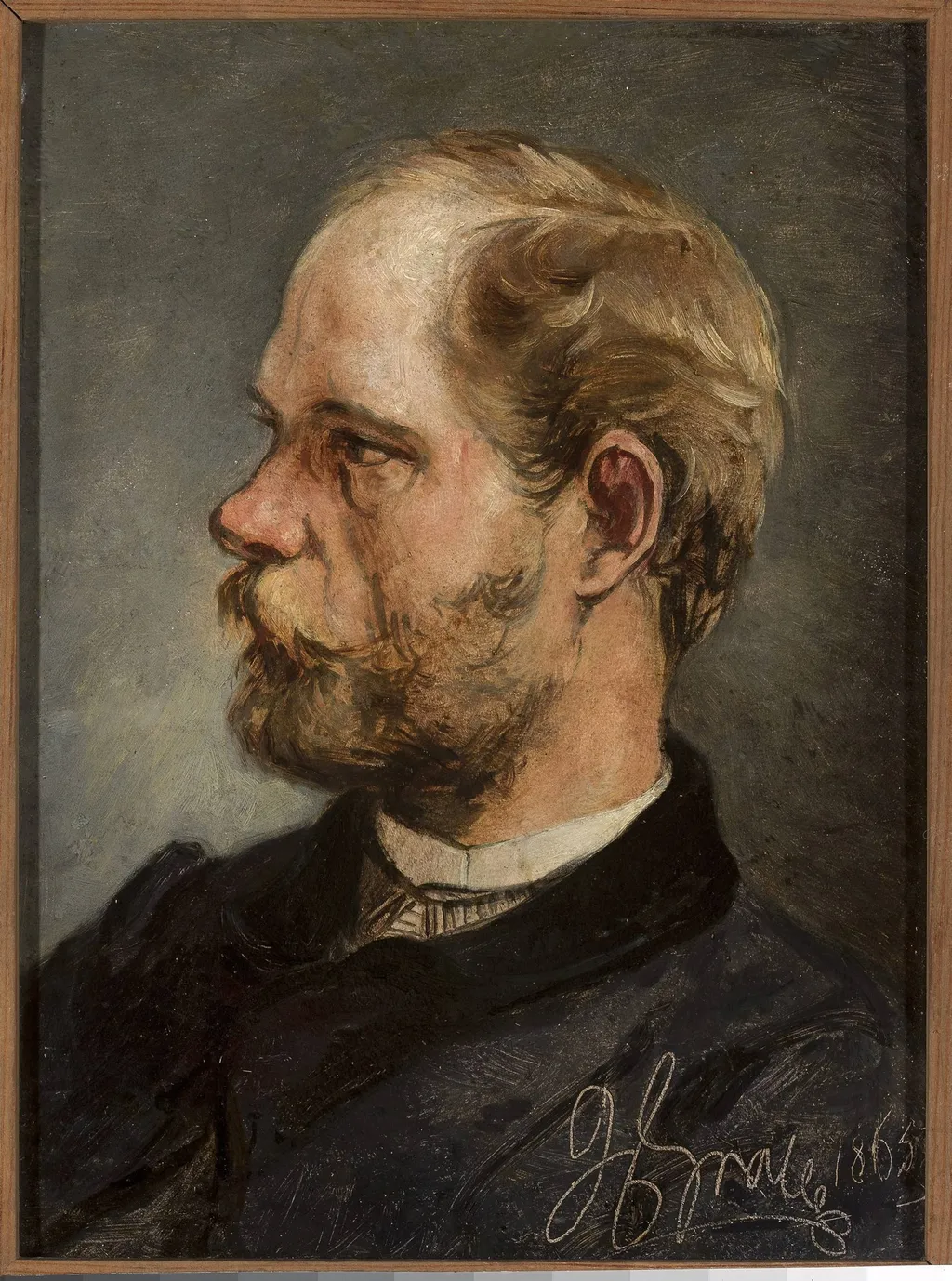
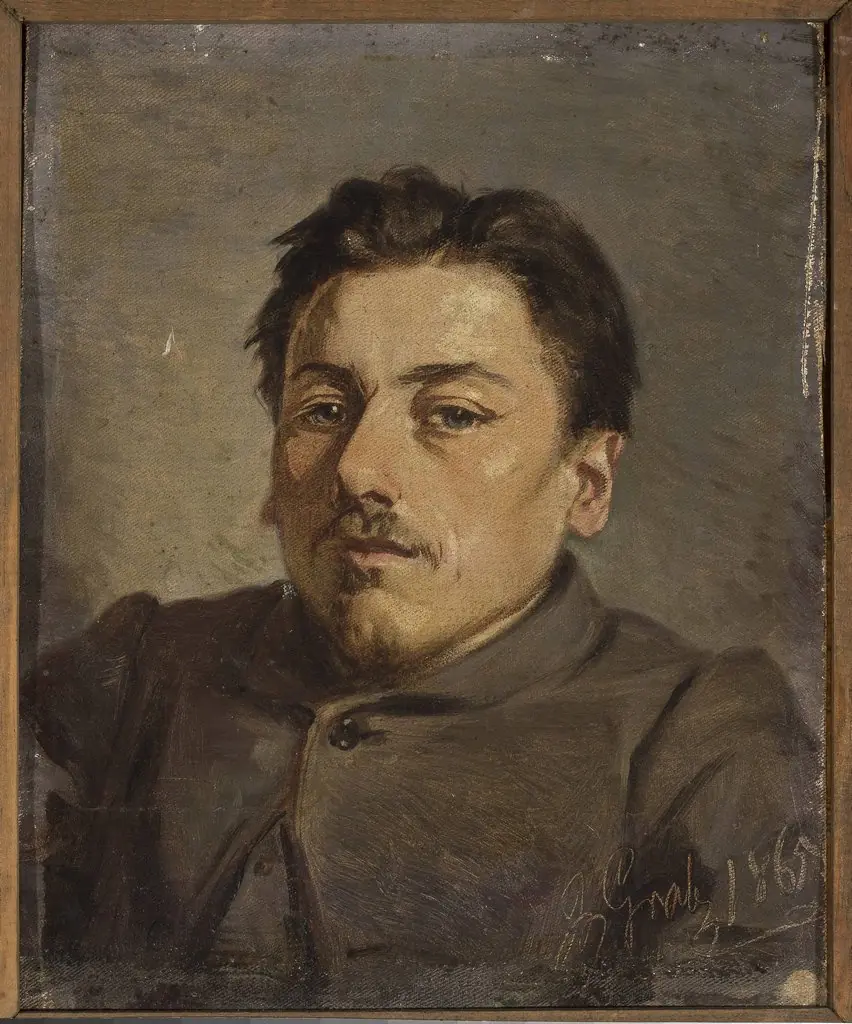
Portrait of Walery Gadomski, sculptor is an oil painting by the Realist artist Andrzej Grabowski. It dates from 1865 and is held in the collection of the National Museum in Warsaw.
About this work
This painting shows a man with a thick beard and curly hair, dressed in a dark collar and white clerical-looking shirt.
This painting shows a man with a thick beard and curly hair, dressed in a dark collar and white clerical-looking shirt. The brushstrokes are loose, especially on his face and beard, giving a textured look. The background is plain and dark, keeping focus on his profile.
The signature in the corner reads Andrzej Grabowski 1865, so this is his work. The man’s serious expression and the way light hits his face stand out.
Check out chiaroscuro to see how artists use light and shadow like this.
Overview
Portrait of Walery Gadomski, sculptor is an oil painting on panel created in 1865 by the Polish artist Andrzej Grabowski. Measuring 29 by 22 centimetres, this profile portrait depicts the sculptor Walery Gadomski and is held in the collection of the National Museum in Warsaw. The work is a significant example of mid-nineteenth-century Polish portraiture, demonstrating the Realist approach to depicting contemporary artists and intellectuals of the period.
Subject & Meaning
The painting portrays Walery Gadomski, a sculptor active in Polish artistic circles, in left-facing profile. This compositional choice follows the conventions of medallic and classical portraiture, elevating the subject through its dignified, monumental presentation. Gadomski is shown with light brown or blond hair combed back in waves, a full beard and mustache, and formal attire consisting of a dark coat with high collar, white clerical collar, and striped cravat or shirt front. The profile format emphasizes the sculptor's physiognomy and professional stature, presenting him as a serious representative of the Polish cultural elite during the period of the Partitions. The restrained palette and sober dress reinforce the work's documentary character and its function as a professional likeness.
Technique & Style
Grabowski executed the portrait in oil paint on panel, a support that allowed for fine detail and a smooth, durable surface. The painting's dimensions of 29 by 22 centimetres indicate an intimate, portable format typical of personal portraiture of the era. Light falls from the left, illuminating the forehead, nose, and cheek while casting the neck and right side of the head into softer shadow, creating a subtle modelling of the facial structure. The brushwork varies across the surface: visible and textured in the hair and background, with looser, more expressive strokes, while the face receives somewhat smoother handling. The palette is restrained, dominated by dark browns and blacks in the clothing, warm flesh tones, and grayish background hues. A signature and the date 1865 appear in light, cursive script in the lower right corner. The painting is presented in a simple, narrow wooden frame. These stylistic qualities align the work with the Realist movement, as one source notes its direct and truthful depiction of the sculptor.
History & Provenance
The portrait was painted in 1865, a date confirmed by the inscription in the lower right corner. The circumstances of its commission remain unrecorded in the available sources. The work entered the collection of the National Museum in Warsaw, where it remains today. Its accession history and prior ownership chain are not documented in the provided sources. The painting has achieved broader public recognition through its reproduction as a museum-quality art print by commercial vendors, indicating its status as a recognised image within Polish art history.
Context
Andrzej Grabowski worked within the tradition of Polish Realist portraiture during the second half of the nineteenth century. The choice to depict Walery Gadomski, a fellow artist, reflects the interconnected nature of the Polish cultural scene during the period of foreign partitions, when artists and intellectuals formed tight-knit communities to preserve and promote Polish identity. The profile format, while recalling classical and Renaissance precedents, also served the practical function of creating a clear, reproducible image suitable for dissemination among colleagues and patrons. The work's critical reception in scholarly literature is not extensively documented in the available sources, though its presence in the National Museum in Warsaw indicates its institutional validation. The portrait has been described as exemplifying Realism through its direct and truthful depiction, suggesting its interpretation within the framework of nineteenth-century artistic movements that prioritised unidealised representation.
Legacy
The portrait's afterlife has been shaped significantly by its circulation as a reproduced image. Commercial vendors including OilPaintings.com, GreatArtGallery.com, and Walmart have offered hand-painted reproductions and museum art prints of the work, ranging from canvas reproductions to framed prints in various sizes and finishes. These reproductions, marketed with ornate wood frames, double matting, and modern printing techniques, have introduced Grabowski's portrait to a wider audience beyond the museum context. The work's availability through mass-market retail channels demonstrates its function as a recognised piece of Polish heritage, consumed as decorative art in domestic and office settings. This pattern of reproduction and commercial distribution, while common for canonical artworks, raises questions about the relationship between original nineteenth-century Polish portraiture and its contemporary afterlife as a commodity. The portrait's enduring visual presence, sustained through these reproductions, maintains awareness of both Grabowski and Gadomski in popular visual culture, even as scholarly attention to the work remains limited in the available sources.
Own this work as a print
Artist & collection

 Gustaf Jakob Edelstam (1831-1892), jur.dr., landshövding i Kalmar län, hovrättsassessor, gift med Eva Carolina Gustava von Post
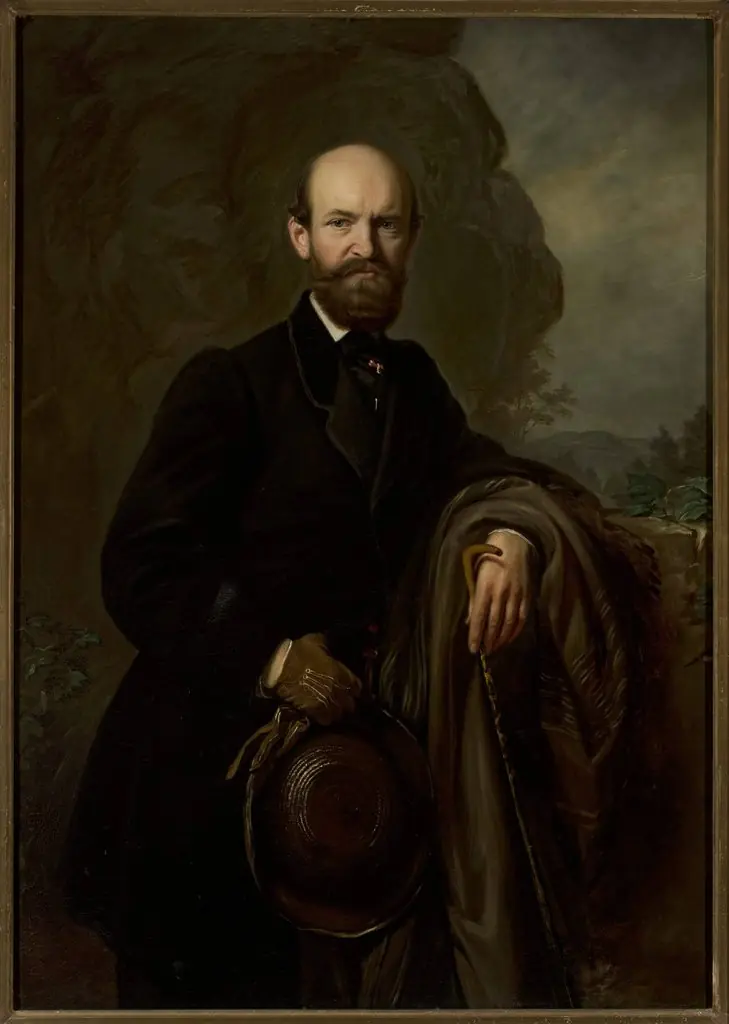 Portrait of Jan Reszke
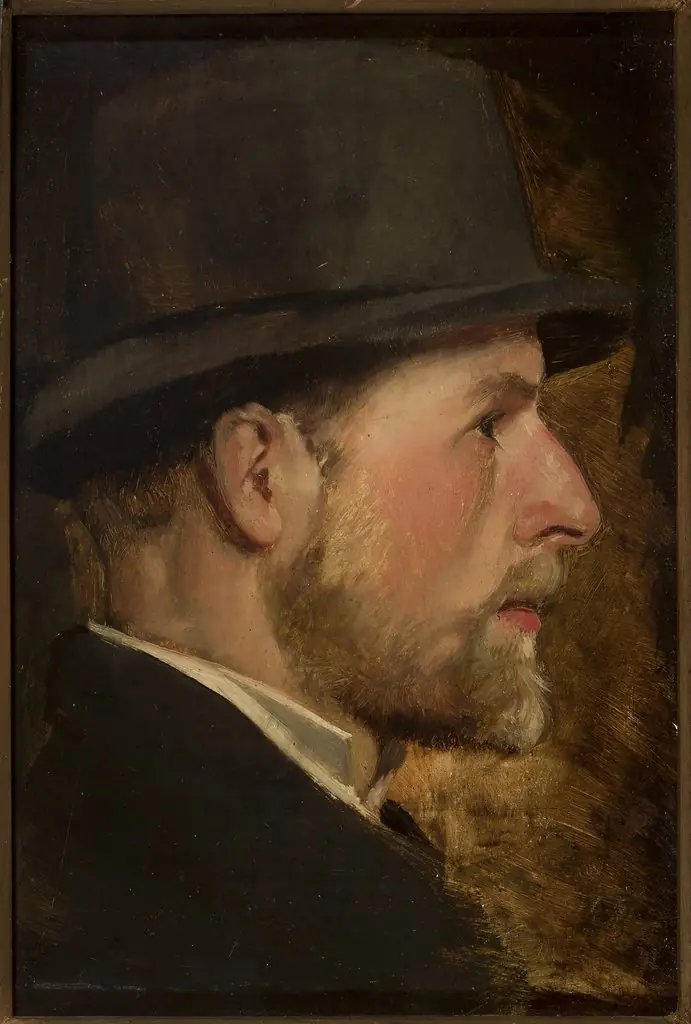 Portrait of Stanisław Czachórski (1853–1904), artist’s brother
![Self-Portrait [recto], by William E. Winner](https://artifactworldgallery.com/img/william-e-winner--self-portrait-recto--33f2127f07962012-w320.webp) Self-Portrait [recto]
Self-Portrait [recto]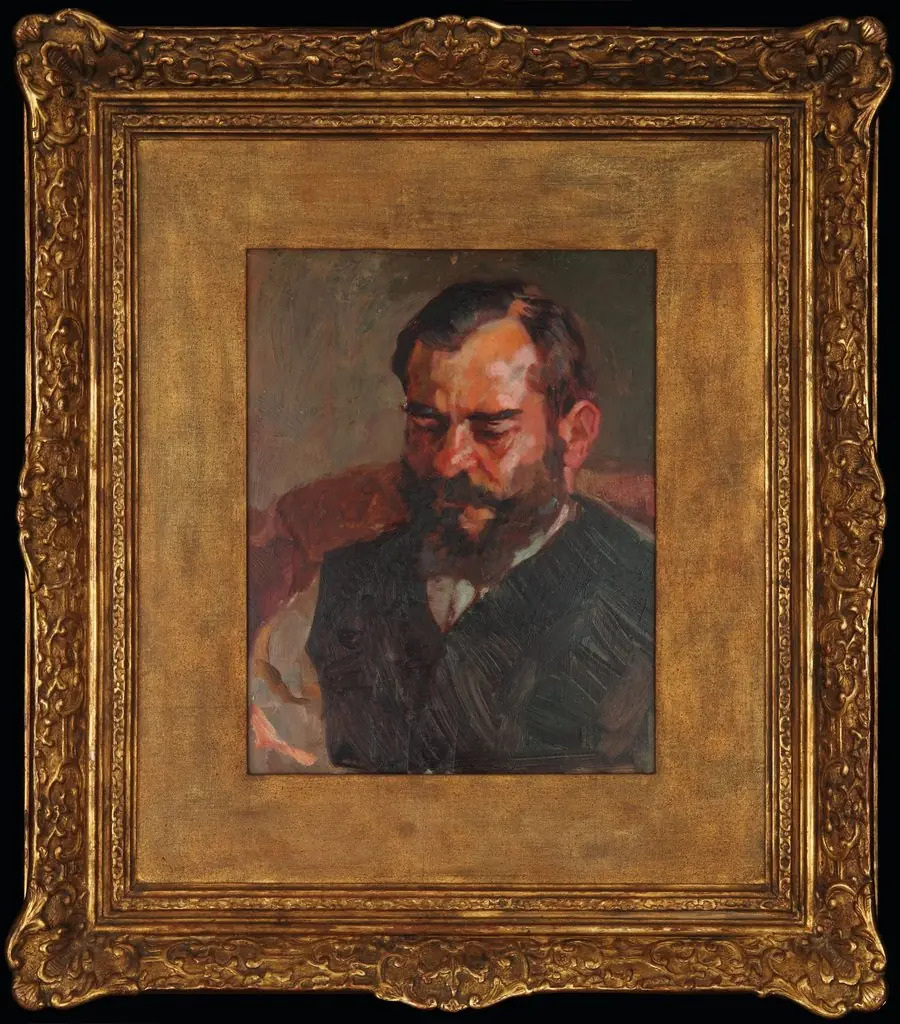 Portrait of Víctor Torrini
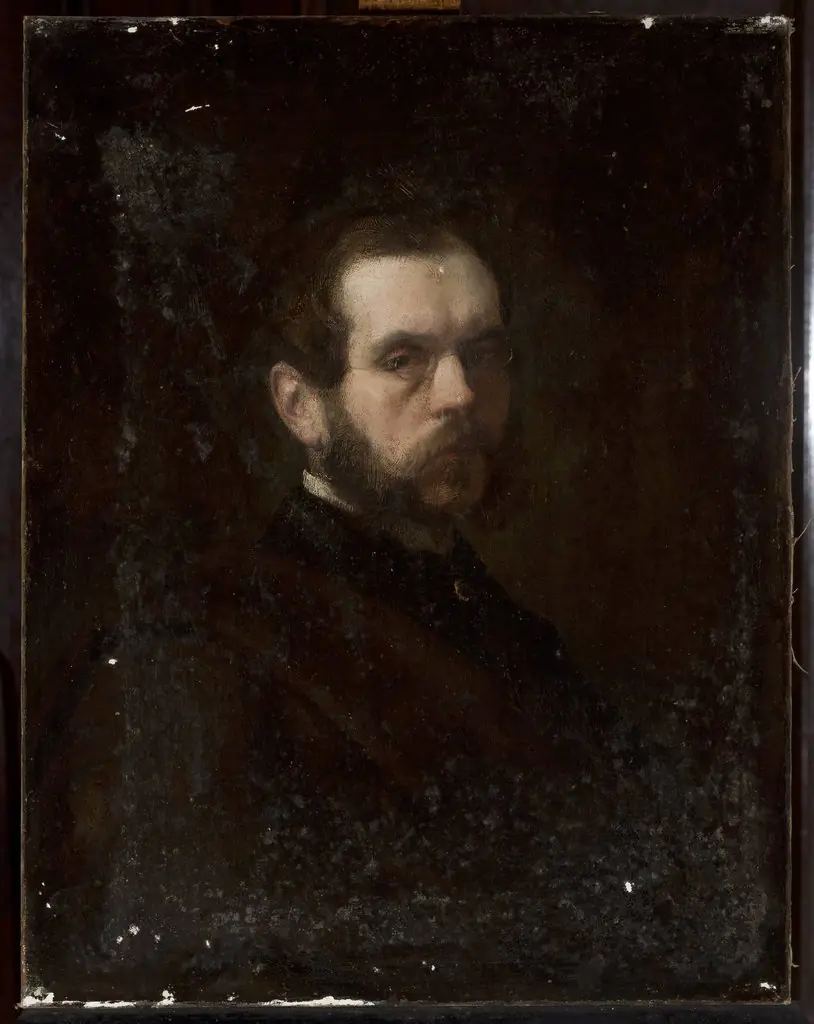 Portrait of a man
 Portrait of Henry Field
 Hugo Salmson, the Artist. Uncompleted
 Portrait of a man
 Miehen pää, harjoitelma
- Portrait of Sculptor Kazimierz Wakulski