Artwork
Portrait of Cyprian Lachnicki
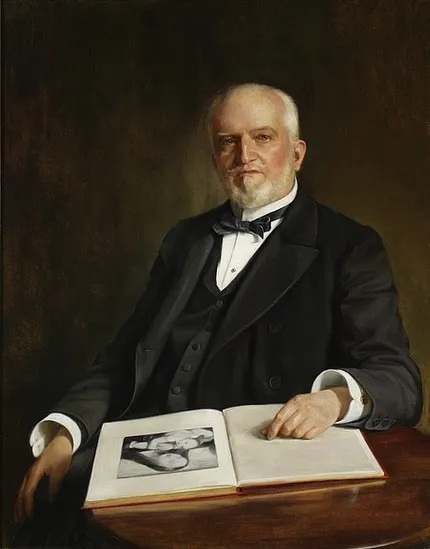
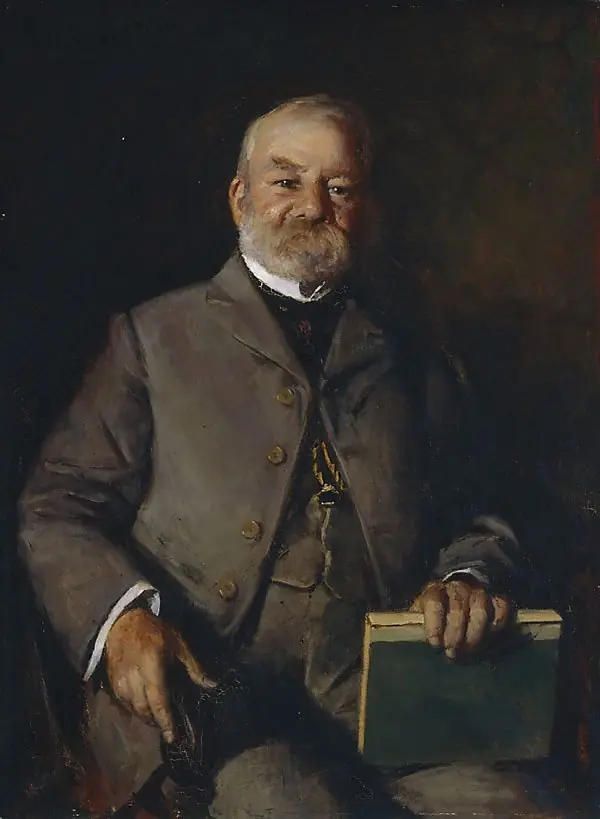
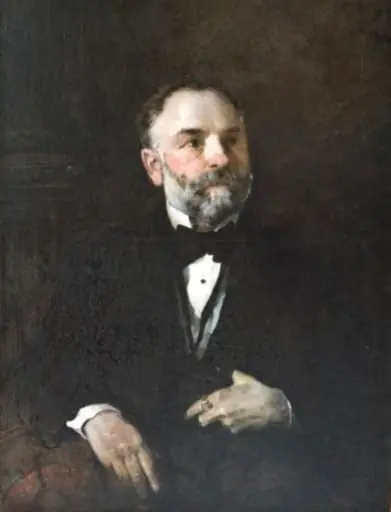
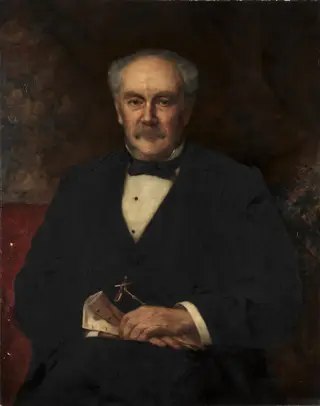
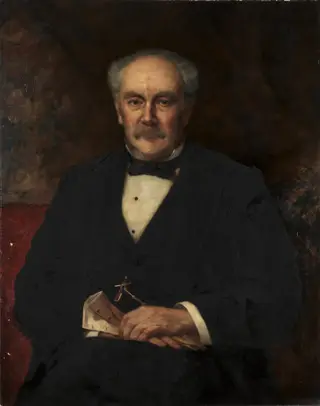
Portrait of Cyprian Lachnicki is an oil painting by the Post-Impressionist artist Aniela Poraj-Biernacka. It dates from 1900 and is held in the collection of the National Museum in Warsaw. An oil painting executed in 1900 by Aniela Poraj‑Biernacka portrays Cyprian Lachnicki seated at a round wooden table.
About this work
Subject & Meaning
The work depicts Cyprian Lachnicki as its main subject, presented in a portrait format created by Aniela Poraj-Biernacka in 1900.
The work depicts Cyprian Lachnicki as its main subject, presented in a portrait format created by Aniela Poraj-Biernacka in 1900. In addition to the sitter, the composition includes a book, which serves as a specific iconographic element within the painting. This inclusion suggests an association with literacy, scholarship, or the intellectual pursuits of the subject.
The focus remains strictly on Lachnicki and this singular attribute, defining the work's representational content without broader symbolic elaboration in the available records.
Technique & Style
The work is an oil painting executed on canvas, measuring 105 cm in height and 83.2 cm in width. It depicts Cyprian Lachnicki holding a book and was created in 1900 by Aniela Poraj-Biernacka, a Polish artist. The painting is classified as a portrait and belongs to the collection of the National Museum in Warsaw, where it remains on display.
History & Provenance
The Portrait of Cyprian Lachnicki was painted by Aniela Poraj-Biernacka in 1900, executed in oil paint on canvas. The work entered the collection of the National Museum in Warsaw, where it is held and on view.
No further details about a commission, prior ownership, or chain of custody are documented in the available sources.
Overview
An oil painting executed in 1900 by Aniela Poraj‑Biernacka portrays Cyprian Lachnicki seated at a round wooden table. The work is part of the collection of the National Museum in Warsaw and presents the sitter in formal black attire with a bow tie, his hands engaged with an open book.
Context
The painting reflects the early‑1900s Polish portrait tradition, where the depiction of educated men in formal dress was common. The inclusion of a book aligns with contemporary visual codes that signified erudition and civic virtue in portraiture.
Artist & collection