Artwork
Portrait of a Young Woman
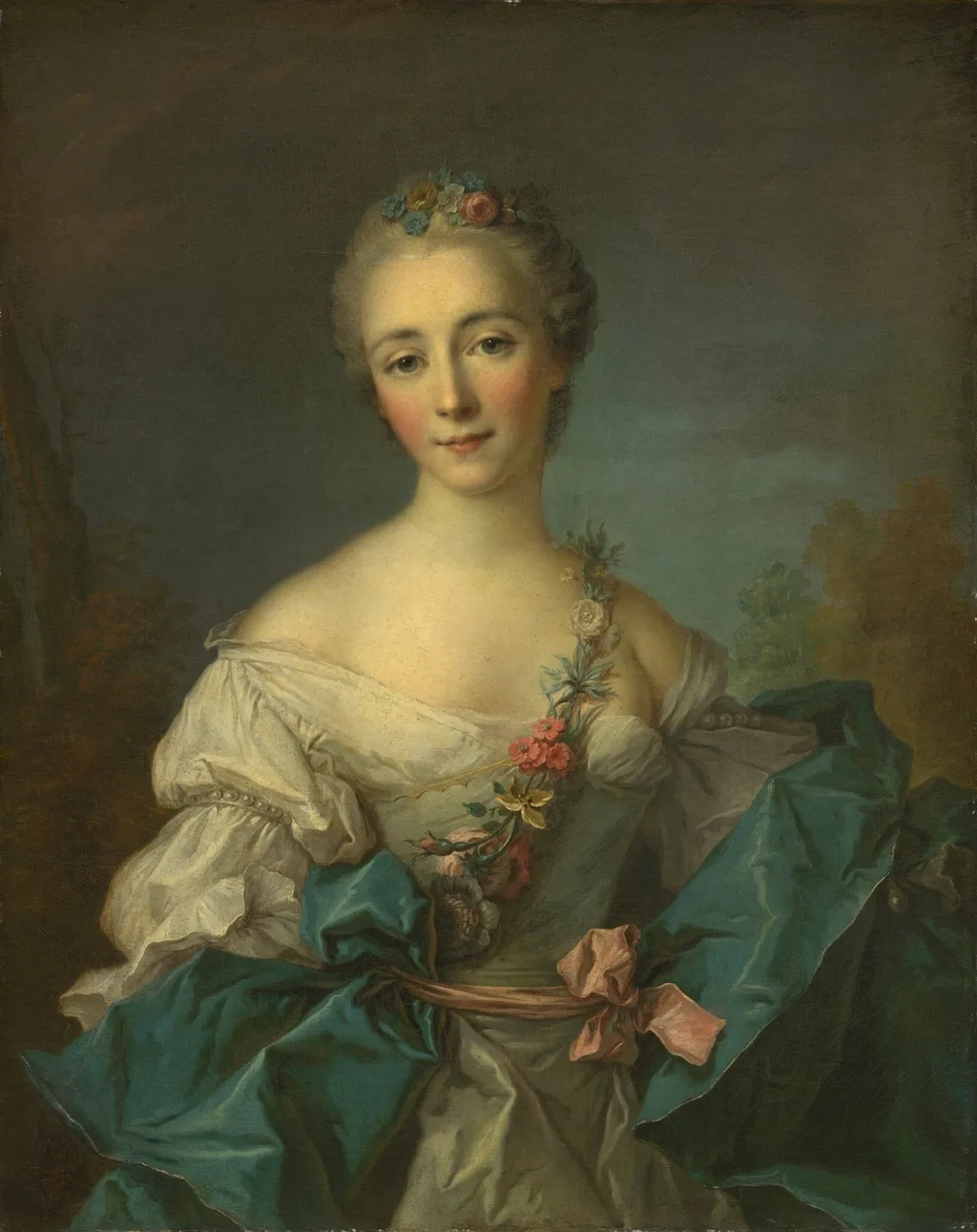
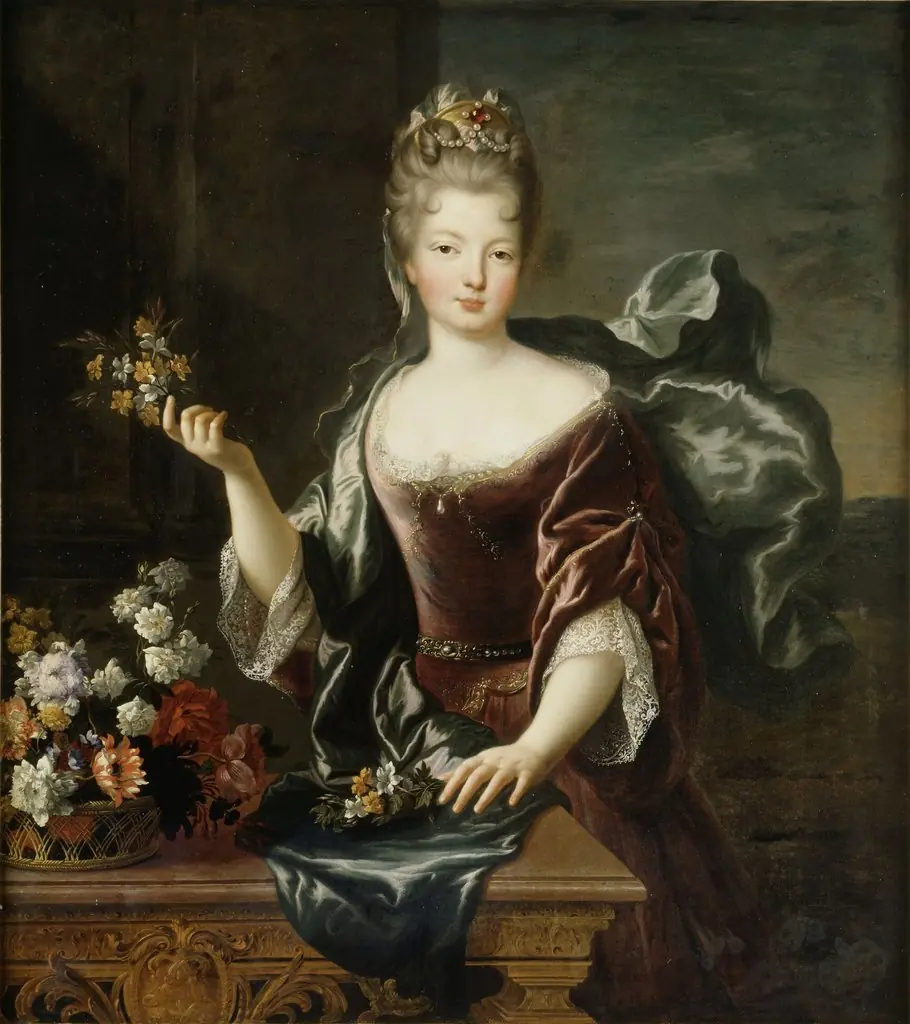
Portrait of a Young Woman is an oil painting by the Rococo painting artist after Jean-Marc Nattier. It dates from 1755 and is held in the collection of the National Gallery of Art.
About this work
Technique & Style
The attribution remains uncertain; some records associate the work with Jean-Marc Nattier, though no definitive attribution has been established.
Executed circa 1755, this portrait is an oil painting on canvas support. The work measures 80.9 centimeters in height and 64.5 centimeters in width. The medium consists of oil paint applied to a textile ground, a standard technique for mid-eighteenth-century European portraiture.
The attribution remains uncertain; some records associate the work with Jean-Marc Nattier, though no definitive attribution has been established. The painting depicts a single female subject.
History & Provenance
The Portrait of a Young Woman is dated to circa 1755 and executed in oil on canvas. It depicts a woman and was created by an anonymous artist possibly associated with Jean-Marc Nattier, though definitive attribution remains uncertain. Its provenance traces from William R. Timken, New York, to his widow Lillian Guyer Timken, also of New York, who bequeathed it to the National Gallery of Art in Washington, D.C., in 1960. The painting is presently part of the National Gallery of Art's collection.
Overview
This oil on canvas, titled "Portrait of a Young Woman," presents a seated figure in a contemplative pose. The artist's attention to detail is evident in the rendering of the subject's features and hands, suggesting a deliberate and careful approach. The overall composition emphasizes the woman's quiet presence, inviting viewers to engage with her subtle demeanor rather than overt emotion.
Subject & Meaning
The painting captures a young woman in period attire, depicted with a reserved and understated expression. Her gaze is neither overtly joyful nor sorrowful, contributing to a sense of authenticity and introspection. This nuanced portrayal allows for a connection with the sitter that transcends a simple likeness, focusing instead on her inner state and individual character.
Artist & collection
Artist

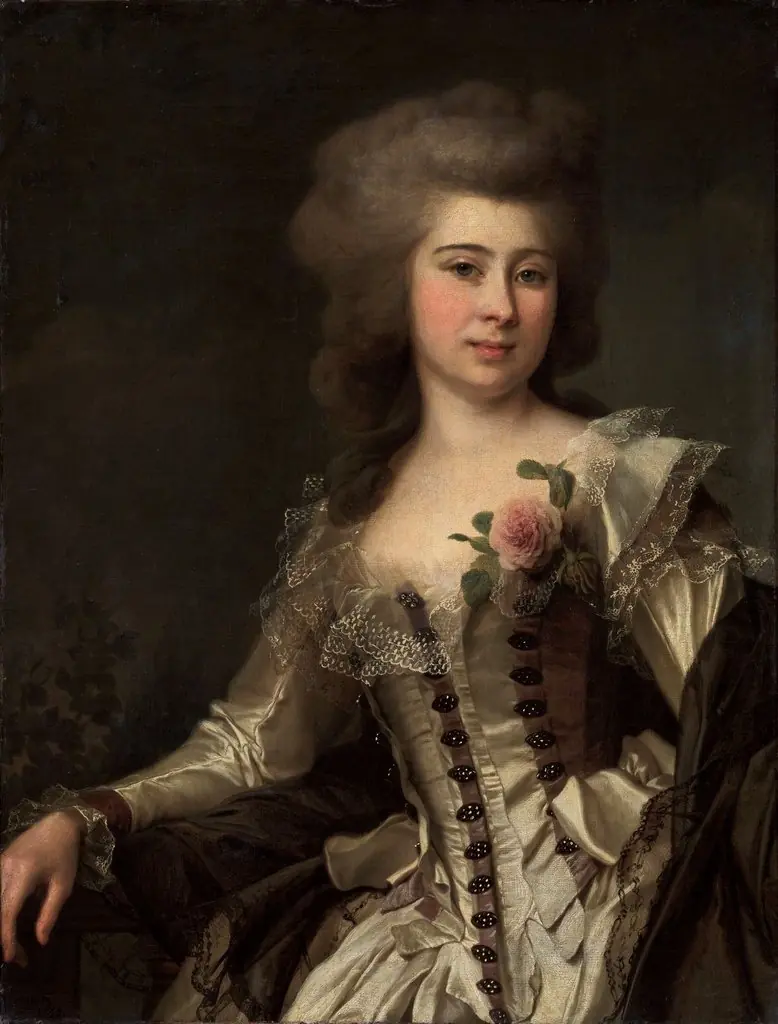
- Portrait of an Unknown Woman with a Rose
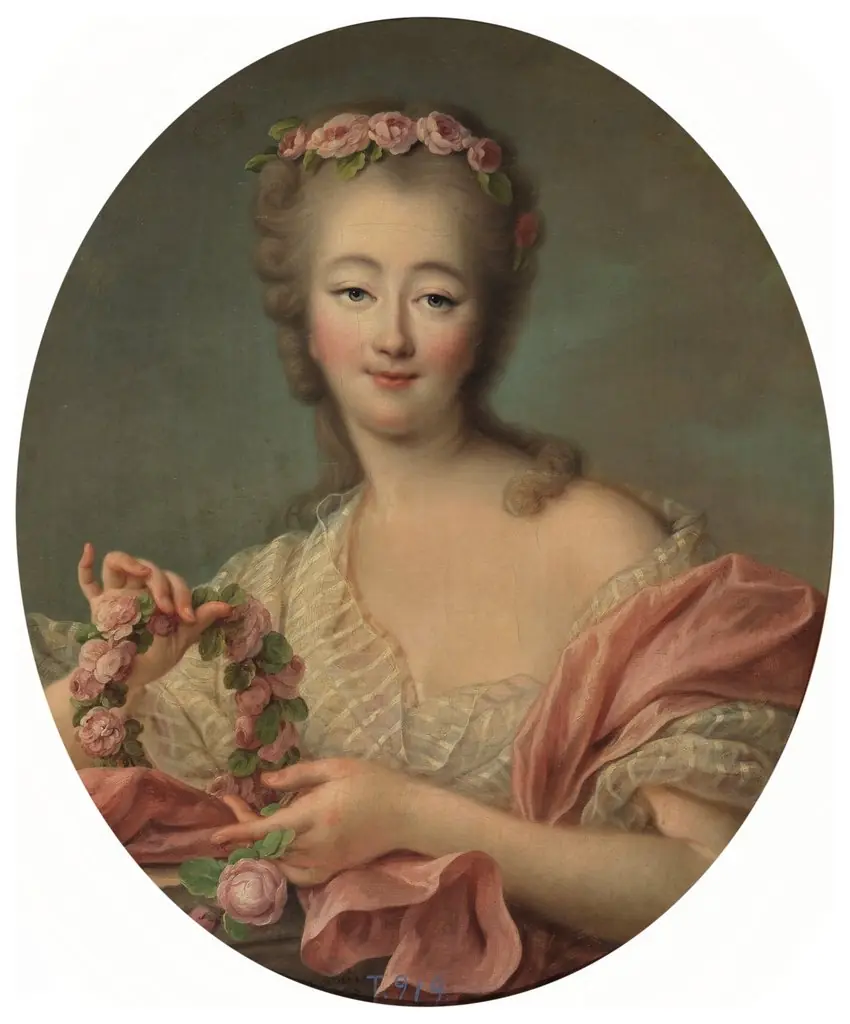 Portrait of Madame du Barry (1743-1793)
 Portrait of Countess Yekaterina P. Stroganova (1744-1815) (copy)
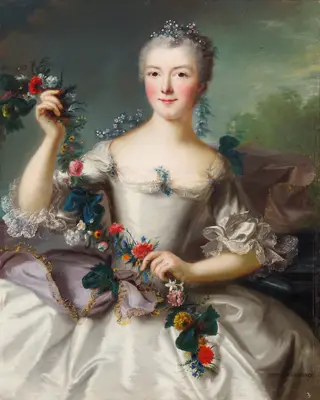 Louise Margarethe (1730-1820) Prinzessin Arenberg, Dreiviertelporträt
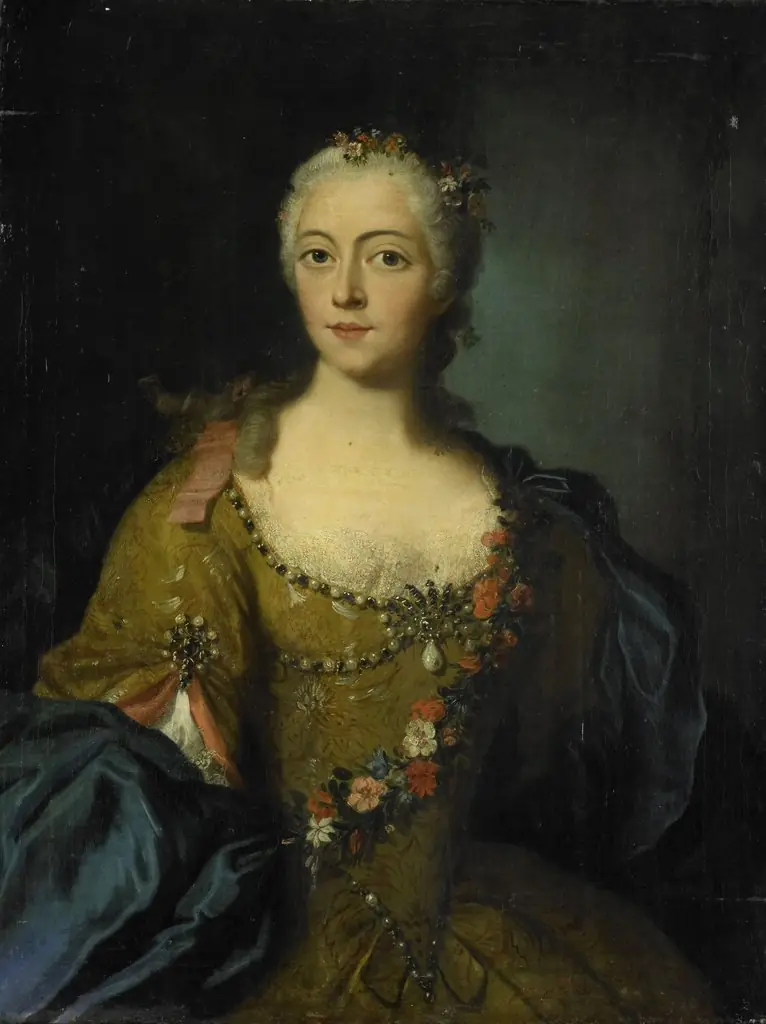 Portret van een vrouw
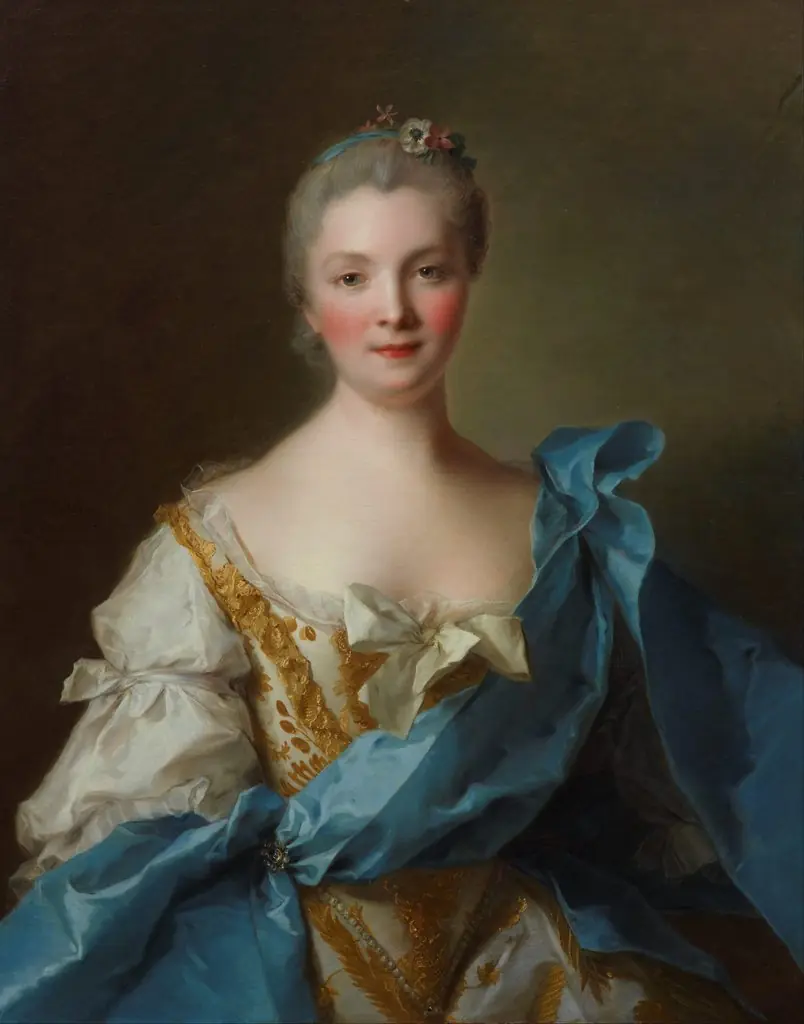 Madame de La Porte
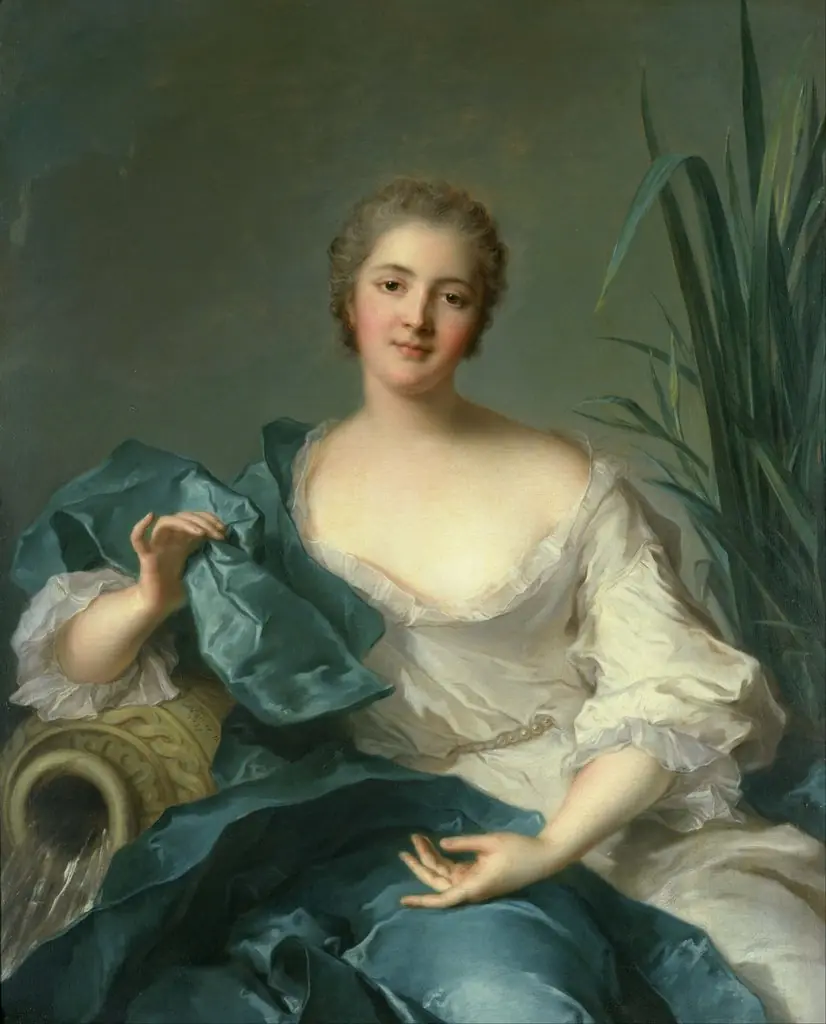 Portrait of Madame Marie-Henriette Berthelot de Pléneuf
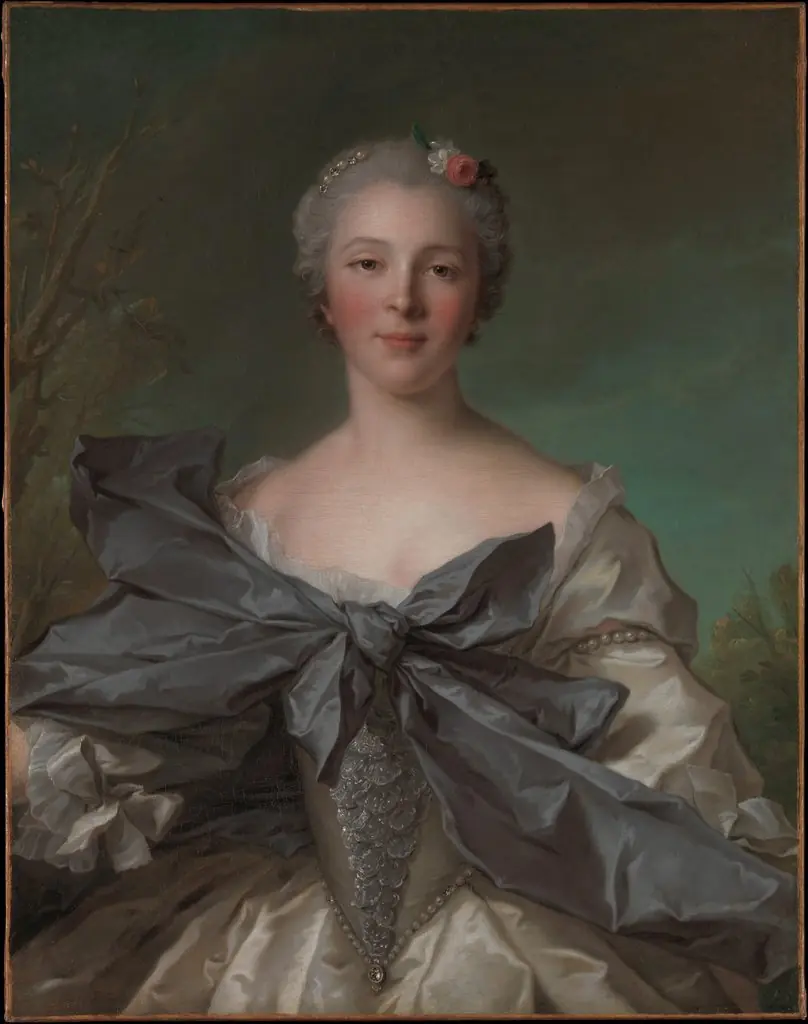 Marie Françoise de La Cropte de St. Abre, Marquise d'Argence
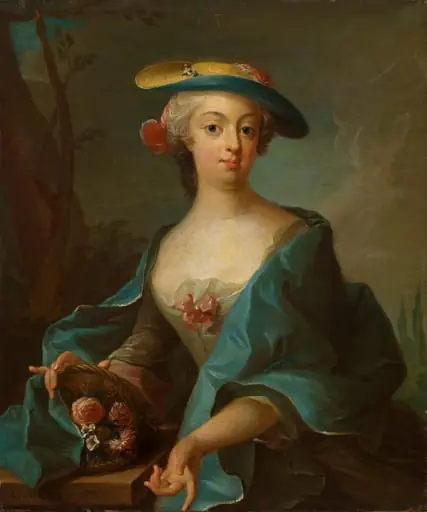 Naisen muotokuva
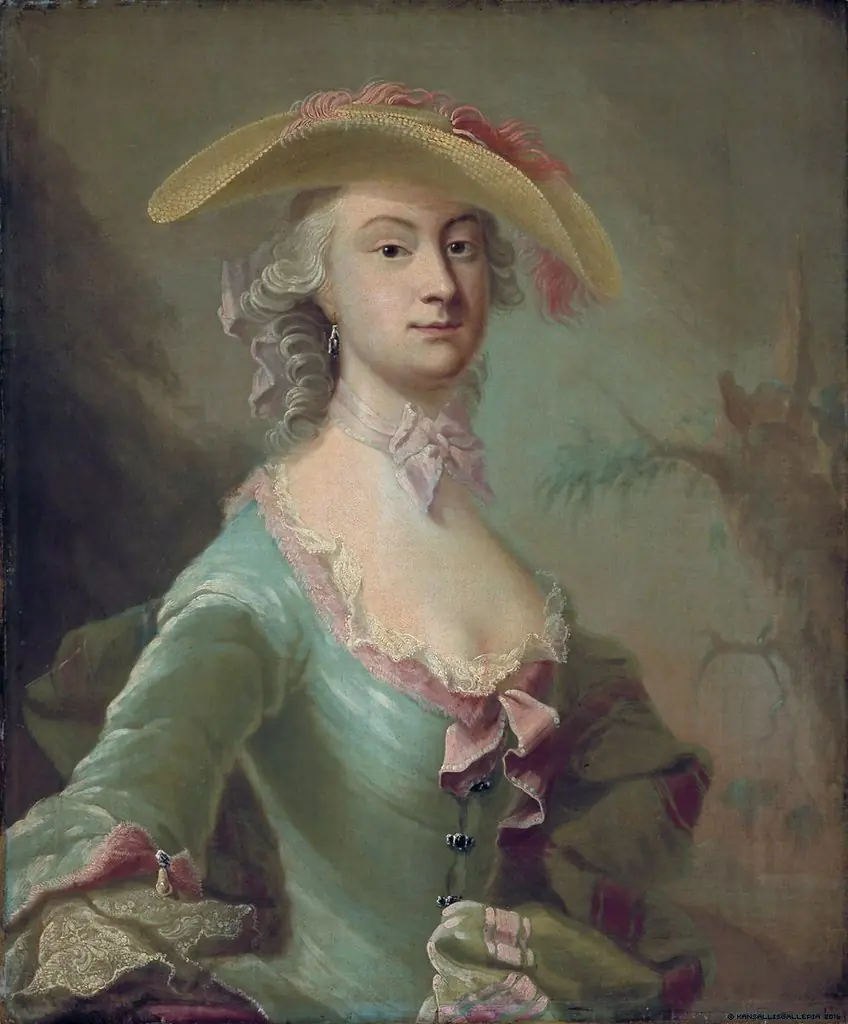 Mrs. Heckford
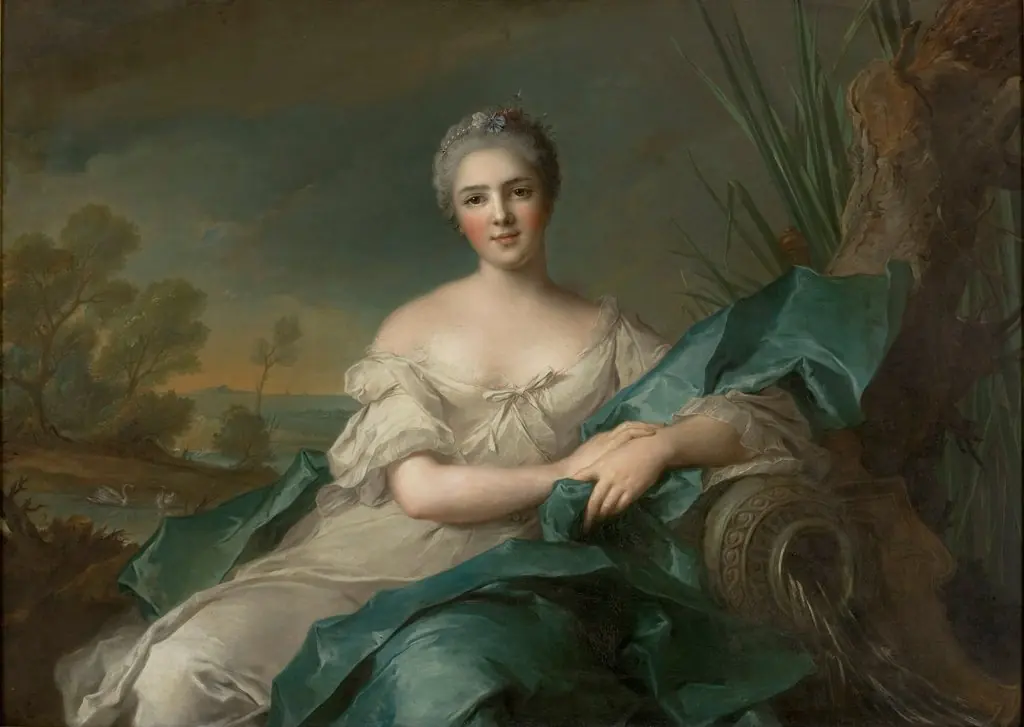 Princess Victoire of France - The Water
 Françoise-Marie de Bourbon, Mademoiselle de Blois, Duchess of Orleans