Artwork
William Drummond of Hawthornden
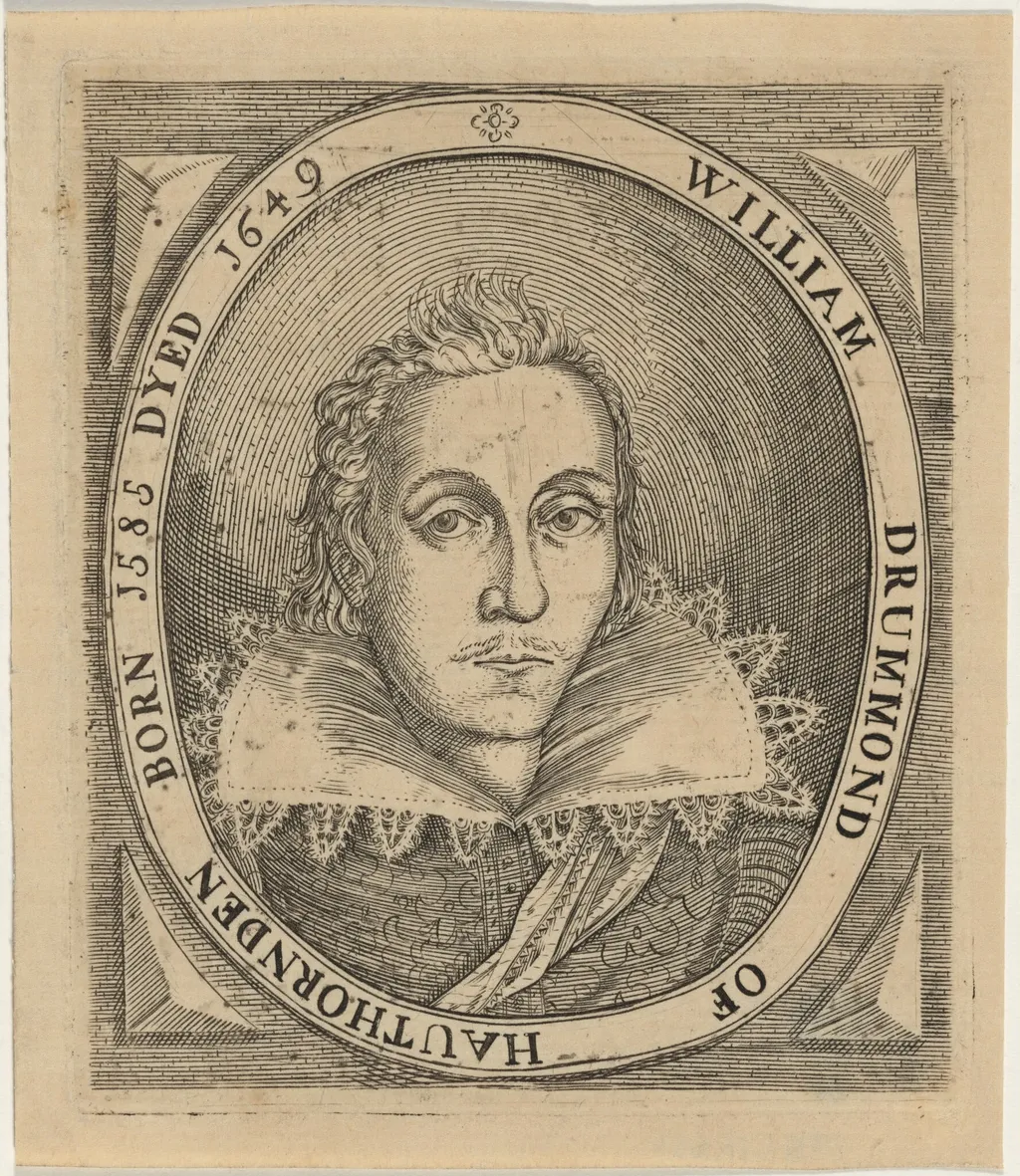
William Drummond of Hawthornden is an ink print by the Baroque artist after Robert Gaywood. It dates from 1655 and is held in the collection of the National Gallery of Art.
About this work
The engraving is rendered in a detailed and intricate style, with cross-hatching used to create shading and texture.
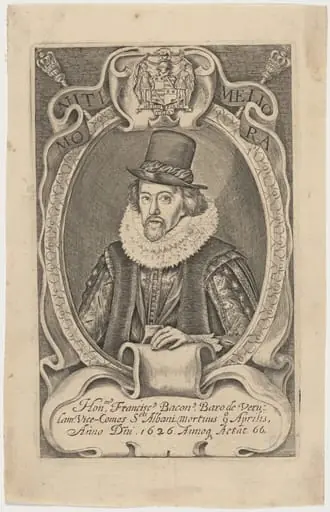
This image is an engraving of a man's head and shoulders, surrounded by an oval frame. The man has curly hair and wears a lace collar. The frame contains text, including the name "William Drummond of Hawthornden" and the year "1649." The background of the engraving is a series of lines and patterns.
The engraving is rendered in a detailed and intricate style, with cross-hatching used to create shading and texture. The overall effect is one of elegance and refinement.
For more information on this style of engraving, look up the technique of cross-hatching.
Overview
This 1649 copper engraving portrays William Drummond of Hawthornden, presenting his head and shoulders within an oval border. The portrait is executed in fine line work, emphasizing the subject’s curly hair and lace collar, and is framed by decorative text identifying the sitter and date.
Subject & Meaning
William Drummond, a Scottish poet and courtier, is the sole figure depicted. The intimate scale and focus on his facial features suggest a personal commemoration, typical of early modern portraiture that sought to convey the sitter’s status and intellectual bearing.
Technique & Style
The image relies on dense cross‑hatching to model light and shadow, creating a subtle gradation of tones across the face and clothing. This method, common in 17th‑century printmaking, allows the engraver to render texture, such as the softness of hair and the crispness of the lace collar, with remarkable precision.
History & Provenance
Printed in 1649, the work likely circulated among Drummond’s acquaintances and patrons. Surviving copies are found in several European print collections, indicating the portrait’s distribution as a collectible image of the poet during his lifetime.
Context
The engraving belongs to a period when portrait prints served both as personal mementos and as means of disseminating the likenesses of literary figures. Its restrained elegance reflects contemporary tastes for modest yet refined representations of cultured individuals.
Artist & collection
Artist

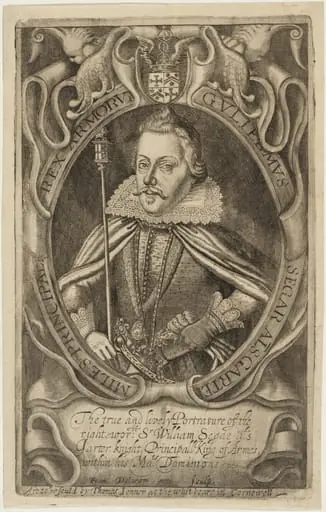 Guliemus Segar (Sir William Segar, Garter King of Arms)
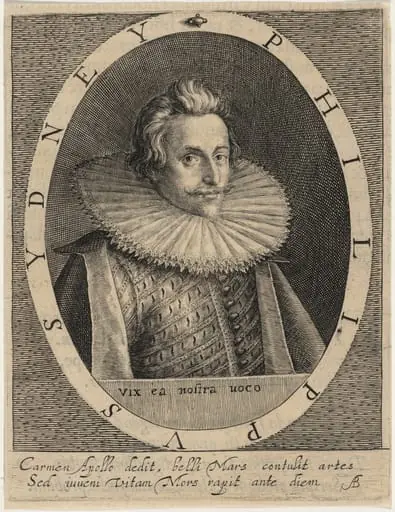 Sir Philip Sidney, Soldier and Poet
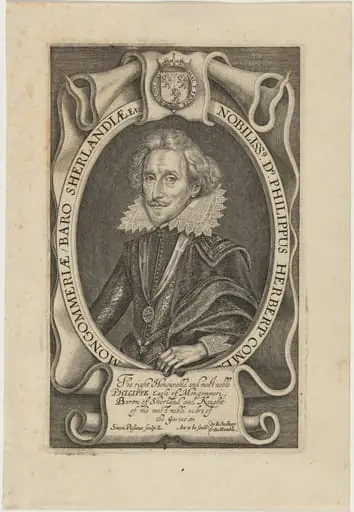 Philip Herbert, Fourth Earl of Pembroke
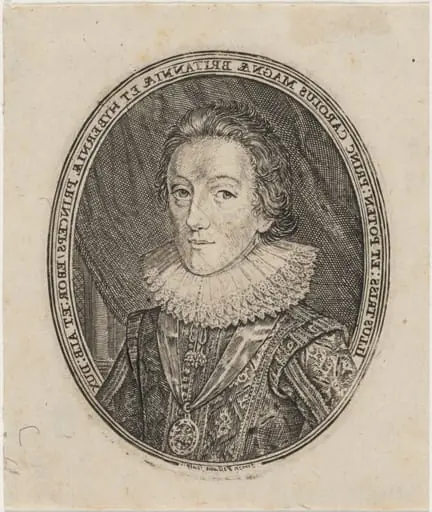 Charles I, King of England
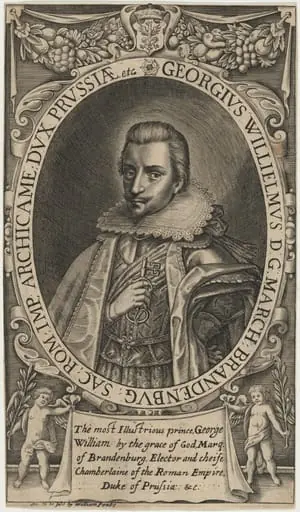 George William, Marqui of Brandenburg
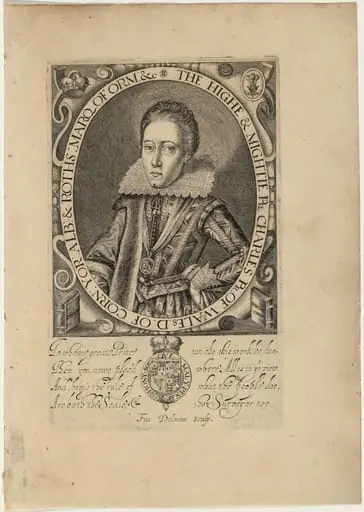 Charles I, as Prince of Wales
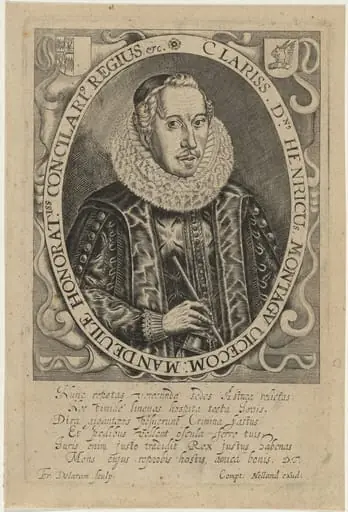 Henricus Montagu (Henry Montague, First Earl of Manchester)
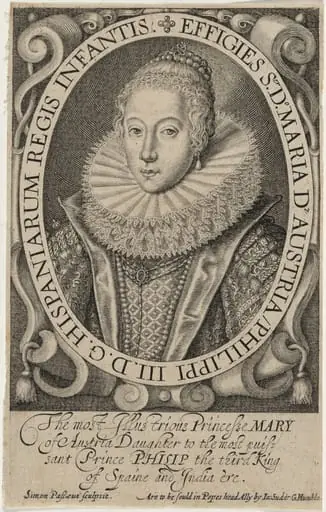 Maria of Austria, Infanta of Spain
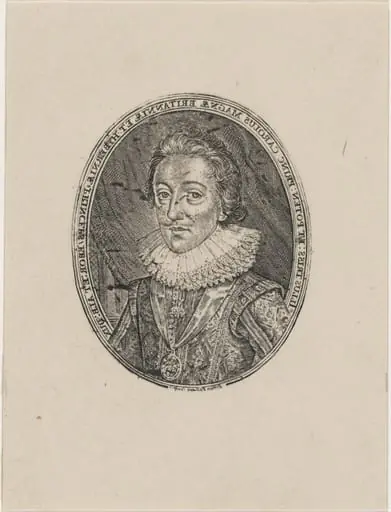 Charles I, King of England
 Sir Francis Bacon