Artwork
The Adoration of the Shepherds
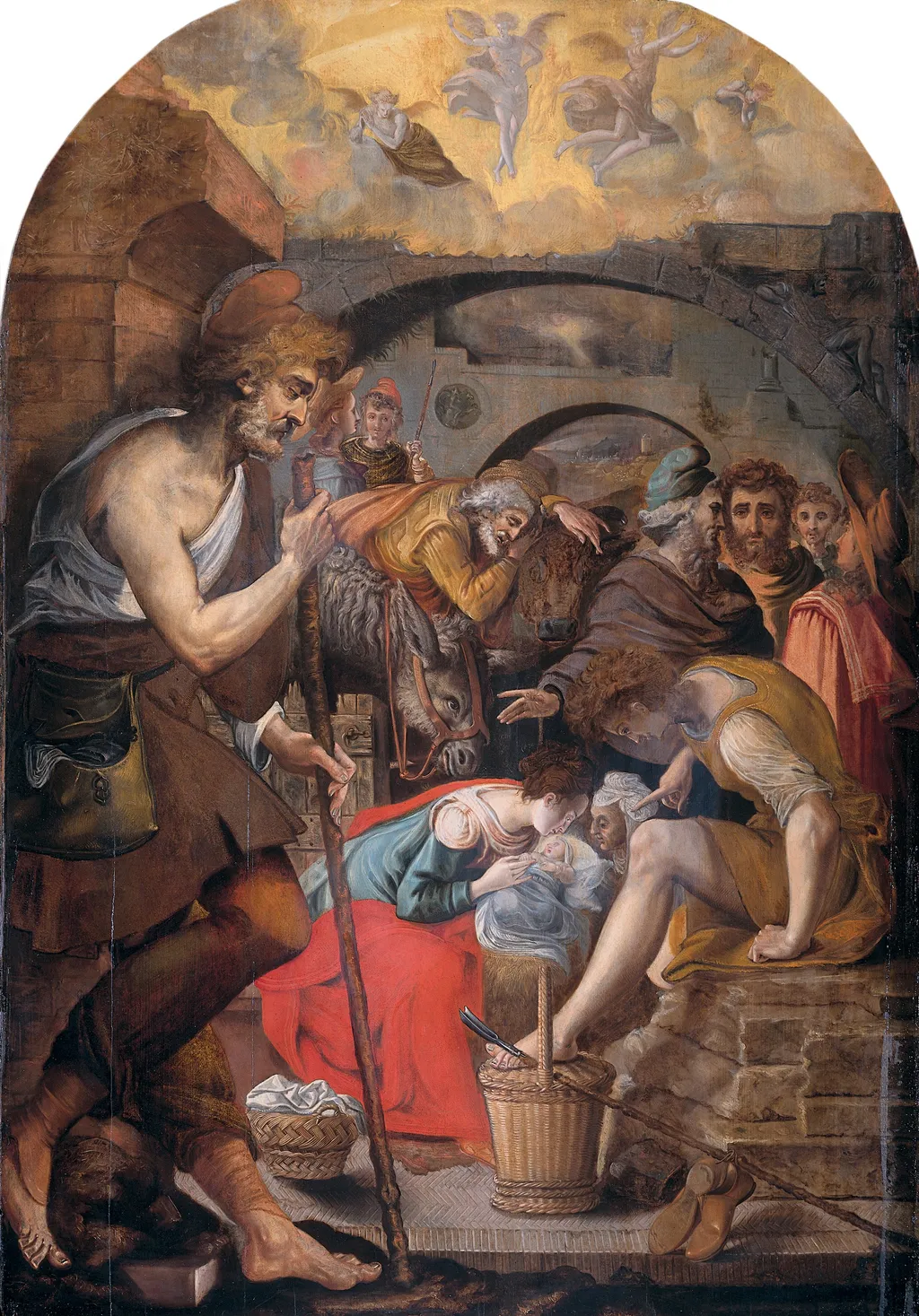
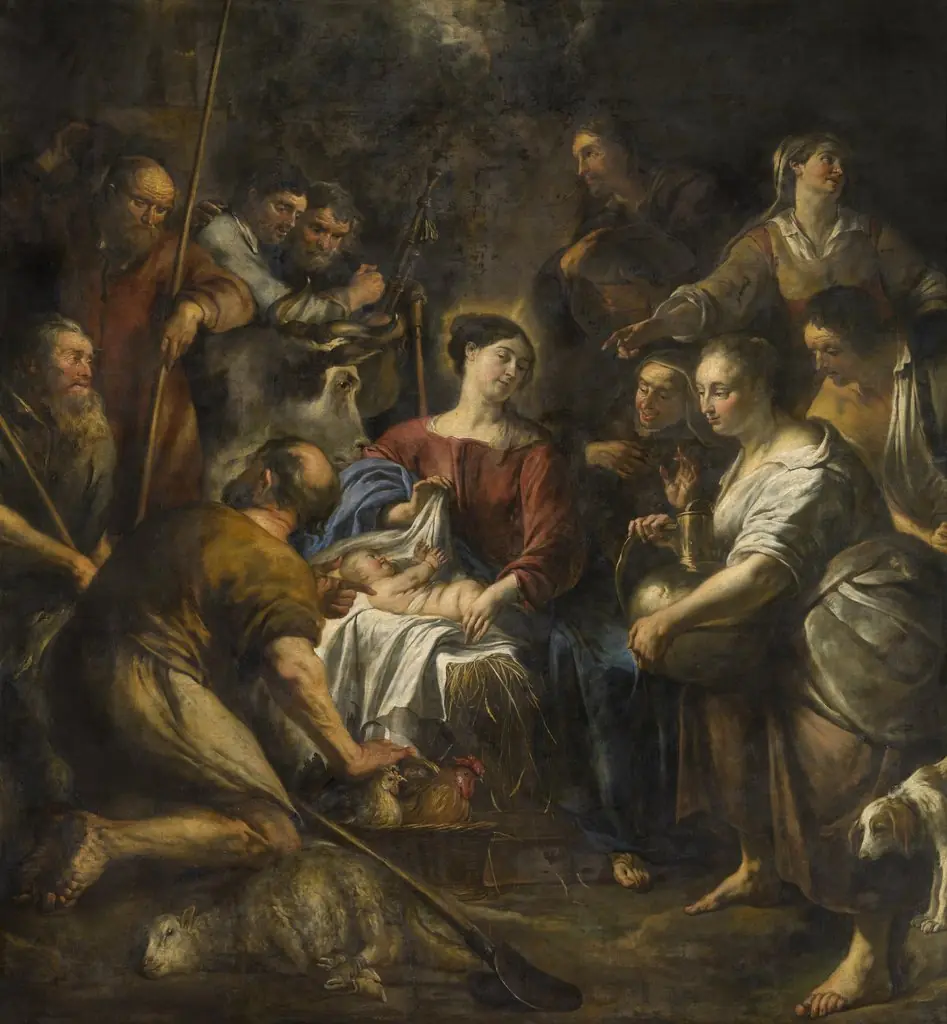
The Adoration of the Shepherds is an oil painting by the Mannerist artist Anthonie Blocklandt van Montfoort. It dates from 1566 and is held in the collection of the Rijksmuseum.
About this work
Subject & Meaning
The work centers on the Christ Child as the focal point of the composition, embodying the Incarnation and the revelation of the divine to humble witnesses.
The painting depicts the Adoration of the Shepherds, a religious subject drawn from the Nativity narrative in the Gospel of Luke. In this iconographic scene, shepherds visit the newborn Christ Child to pay homage, an episode that became a central devotional image in late medieval and Renaissance art. The work centers on the Christ Child as the focal point of the composition, embodying the Incarnation and the revelation of the divine to humble witnesses.
As a religious painting, the work represents the moment of divine manifestation to ordinary people, emphasizing themes of humility, worship, and the fulfillment of prophecy. The Adoration of the Shepherds tradition typically contrasts the poverty of the stable setting with the spiritual significance of the newborn, inviting viewers to contemplate the sacred nature of the event.
Technique & Style
Created in 1566, The Adoration of the Shepherds is an oil painting executed on a panel support. Measuring 141.5 cm in height and 99.1 cm in width, the work depicts the religious subject of the shepherds adoring the Christ Child. The piece is classified as a religious painting and is currently held in the collection of the Rijksmuseum.
History & Provenance
The Adoration of the Shepherds is an oil painting on panel created in 1566 by Anthonie Blocklandt van Montfoort. It measures 141.5 cm in height and 99.1 cm in width and depicts the adoration of the shepherds, a religious scene. The work belongs to the religious art genre and was originally painted as a devotional image. It entered the collection of the Rijksmuseum, where it remains today.
The painting is housed in the Rijksmuseum, where it is catalogued under the accession number SK-A-2759. It was created in 1566 and has remained in the museum's collection since its acquisition. The work has been included in exhibitions focused on Dutch Golden Age religious paintings, most recently in the 2015 exhibition "Dutch Masters: From Van Eyck to Vermeer" at the Rijksmuseum.
The piece measures 141.5 cm in height and 99.1 cm in width, painted in oil on panel.
Overview
Anthonie Blocklandt van Montfoort, a Dutch painter of the mid‑16th century, completed the oil painting The Adoration of the Shepherds in 1566. Executed in the Mannerist idiom, the work presents a Nativity scene centered on the infant Christ, surrounded by figures in a modest, outdoor setting. The painting is part of the Rijksmuseum’s collection.
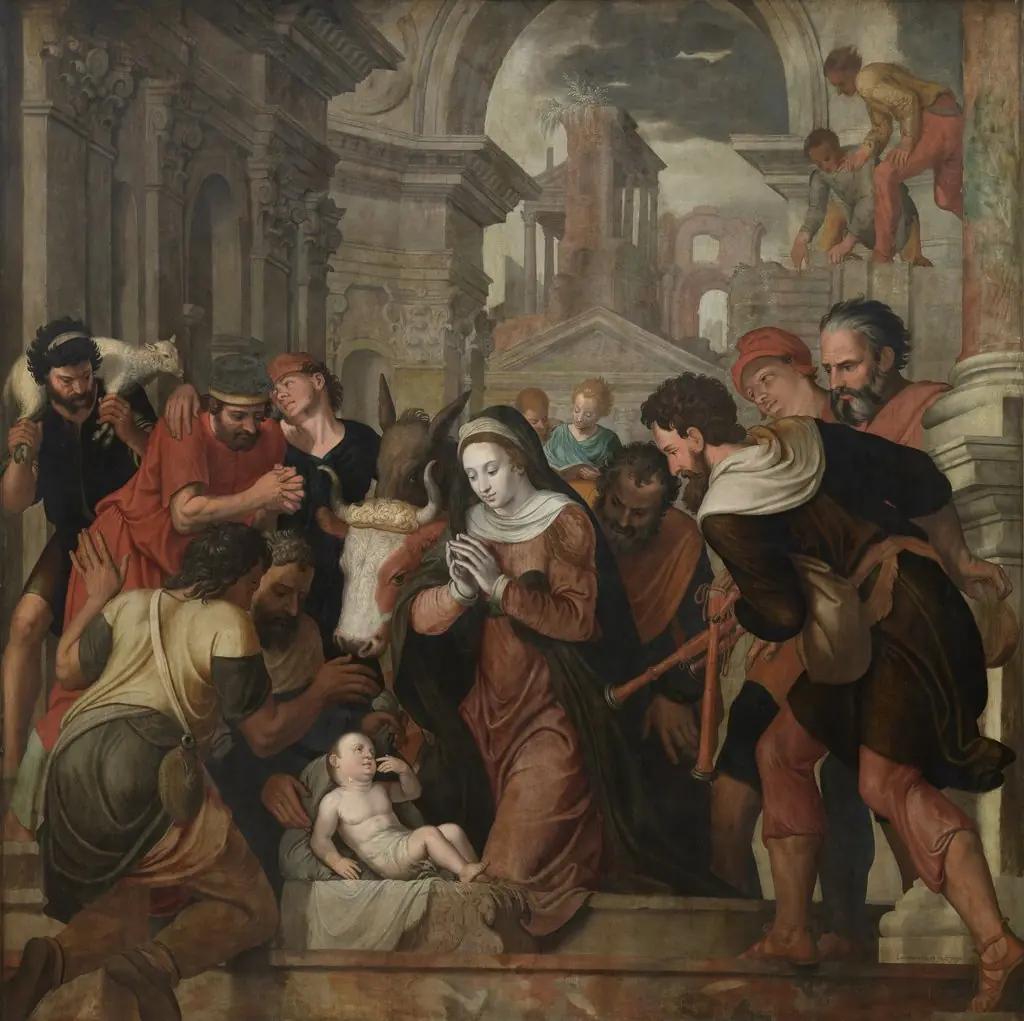
Own this work as a print
Artist & collection
Artist
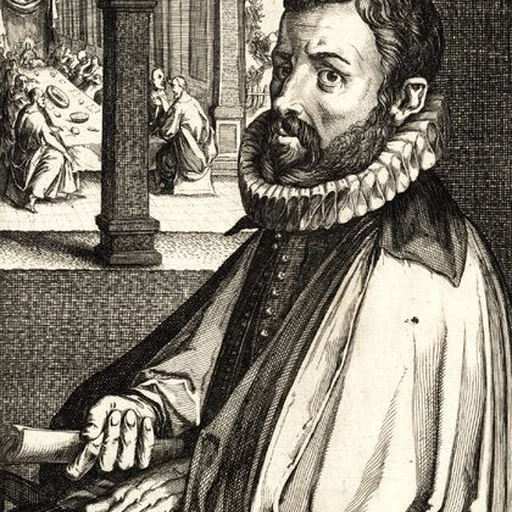
Anthonie Blocklandt van Montfoort
Anthonie Blocklandt van Montfoort, Anthonie van Blocklandt or Anthonie van Montfoort (1533 or 1534 - 18 October 1583) was a Dutch painter.

- The Adoration of the Shepherds
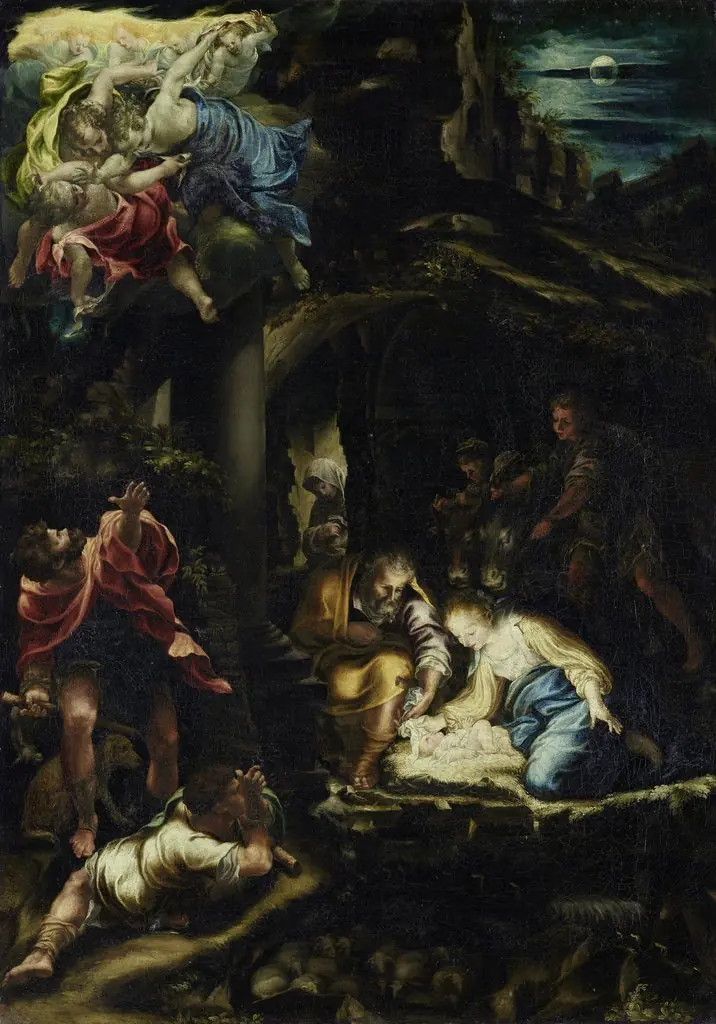 The Adoration of the Shepherds
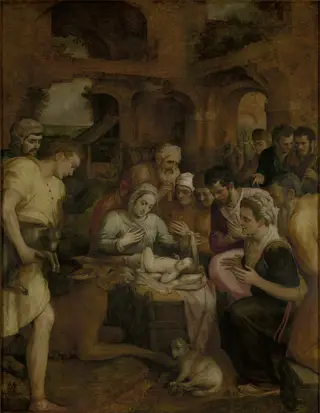 The Adoration of the Shepherds
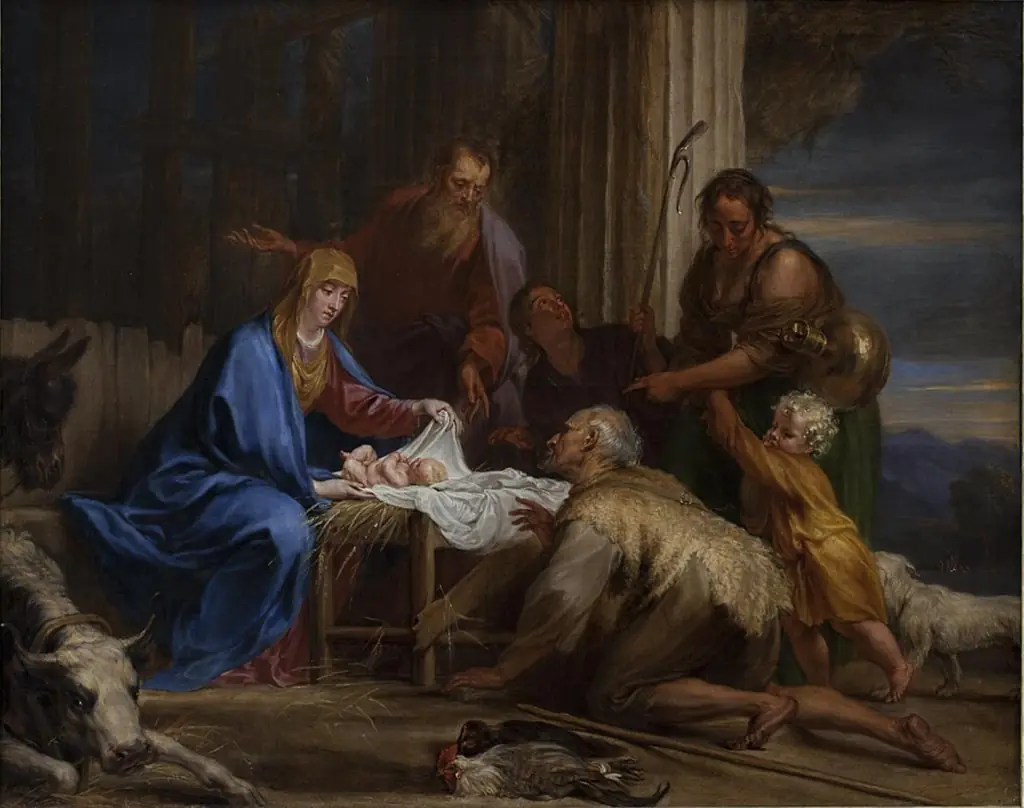 The Adoration of the Shepherds
 The Adoration of the Shepherds
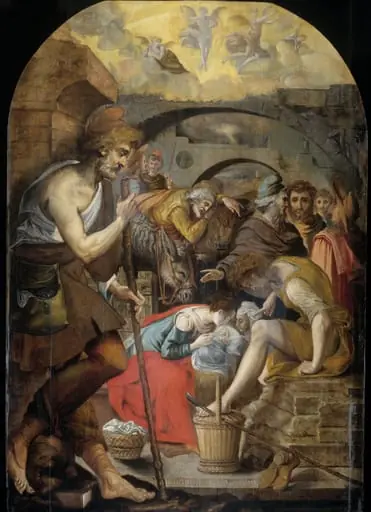 The Adoration of the Shepherds
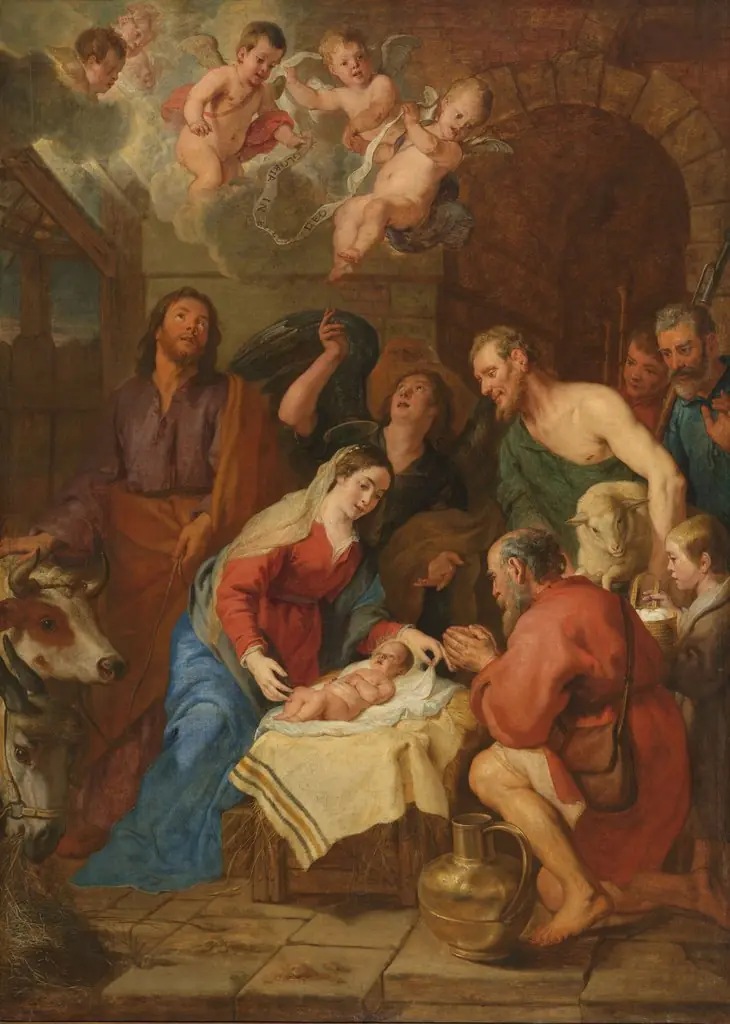 The adoration of the shepherds
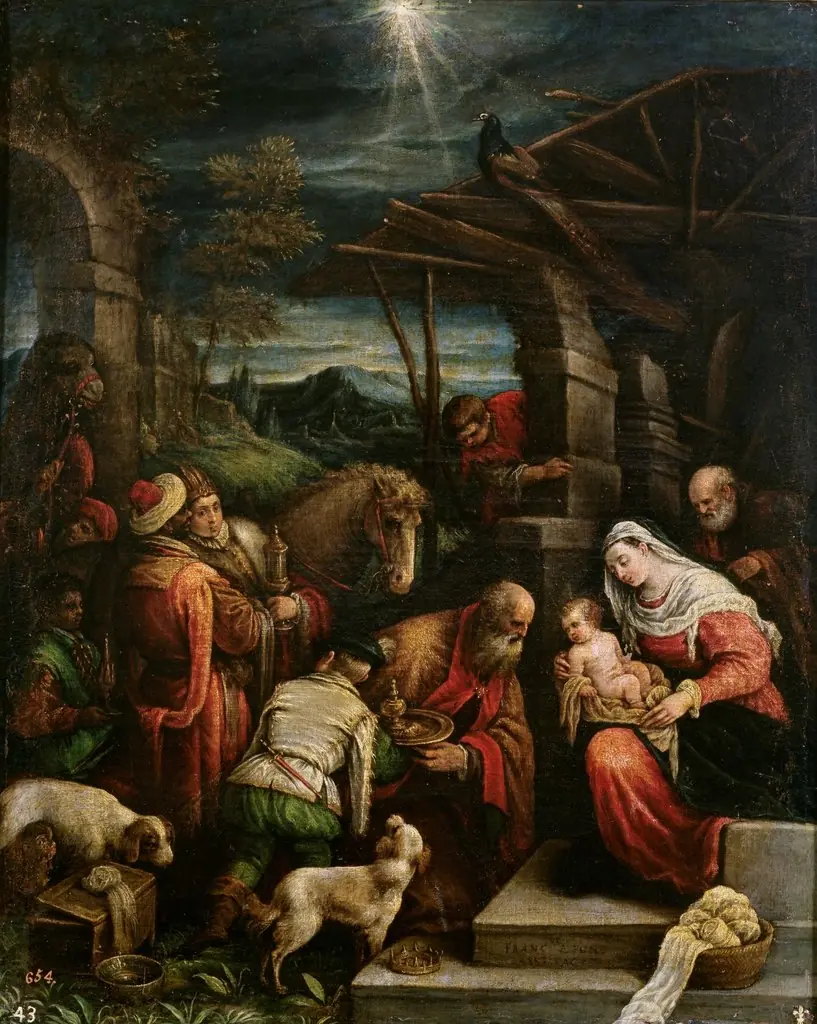 Adoration of the Magi
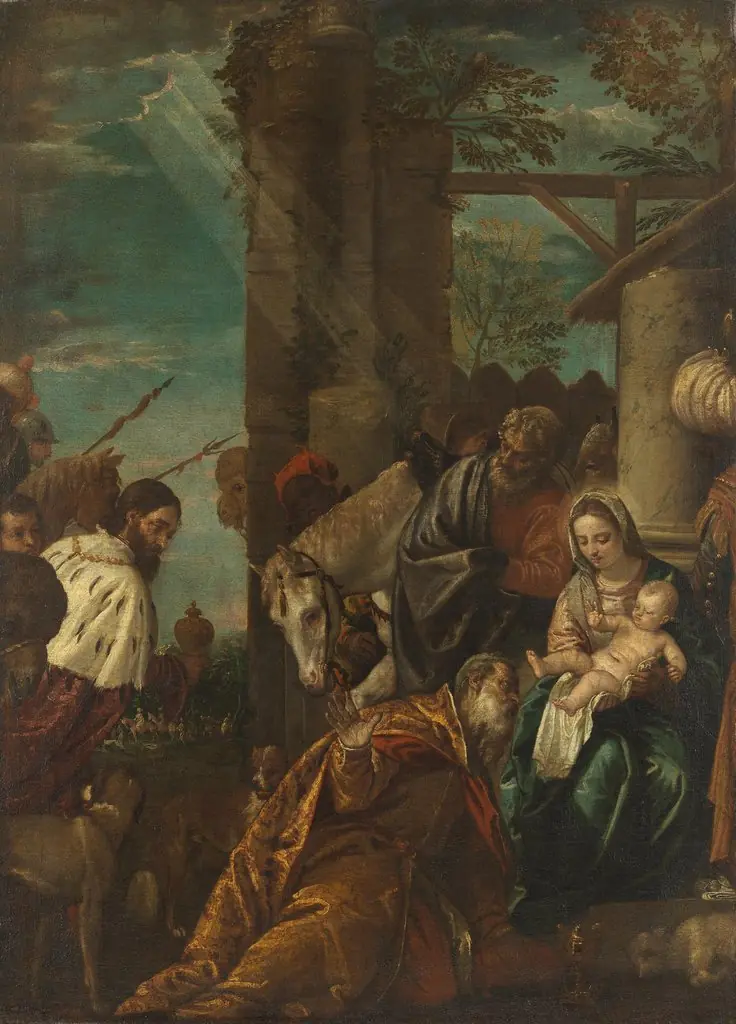 Die Anbetung der Könige
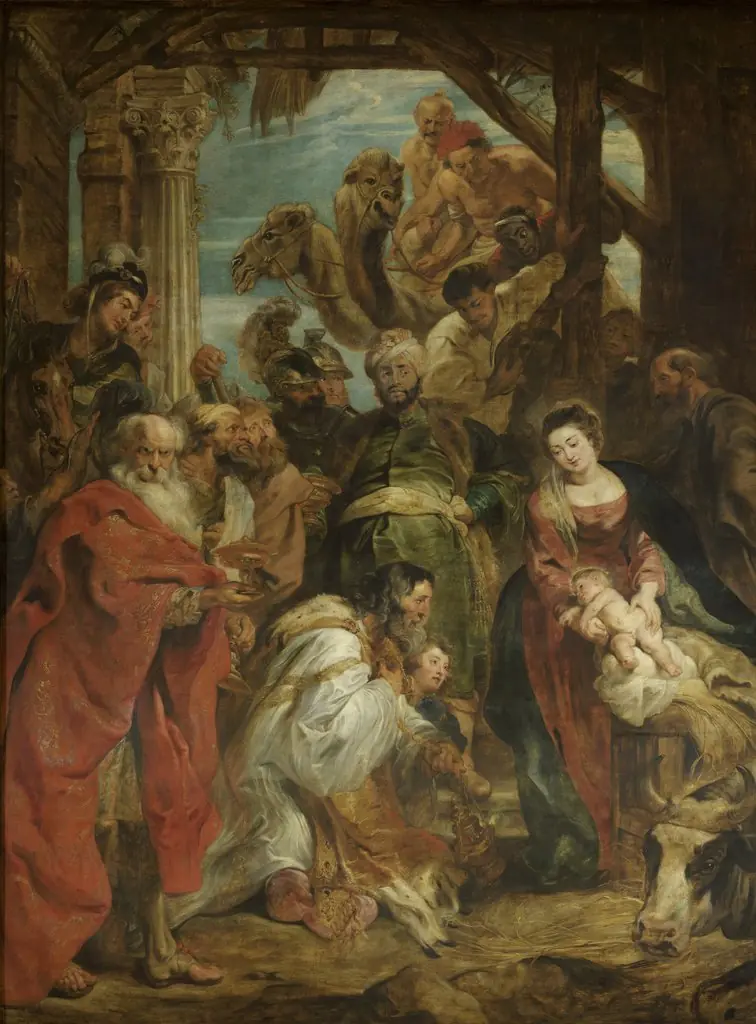 Adoration of the Magi
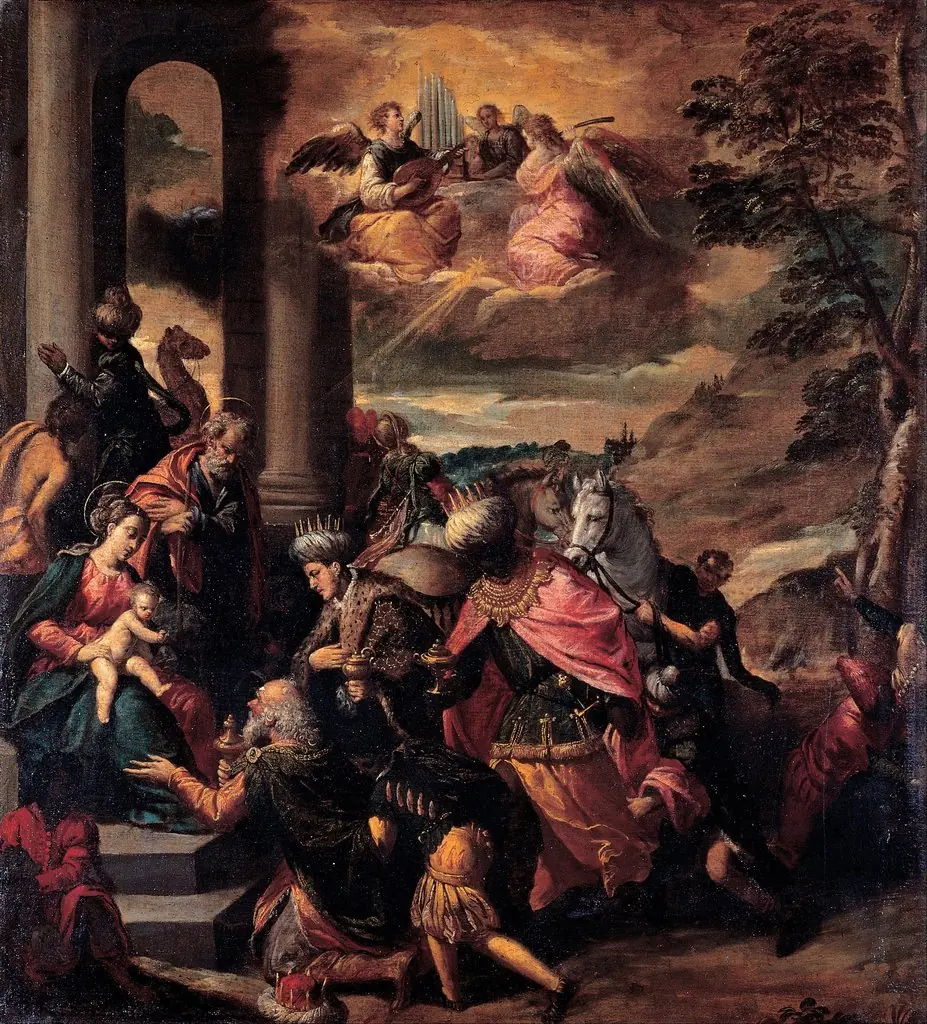 Adoration of the Magi
 The Adoration of the Shepherds