Artwork
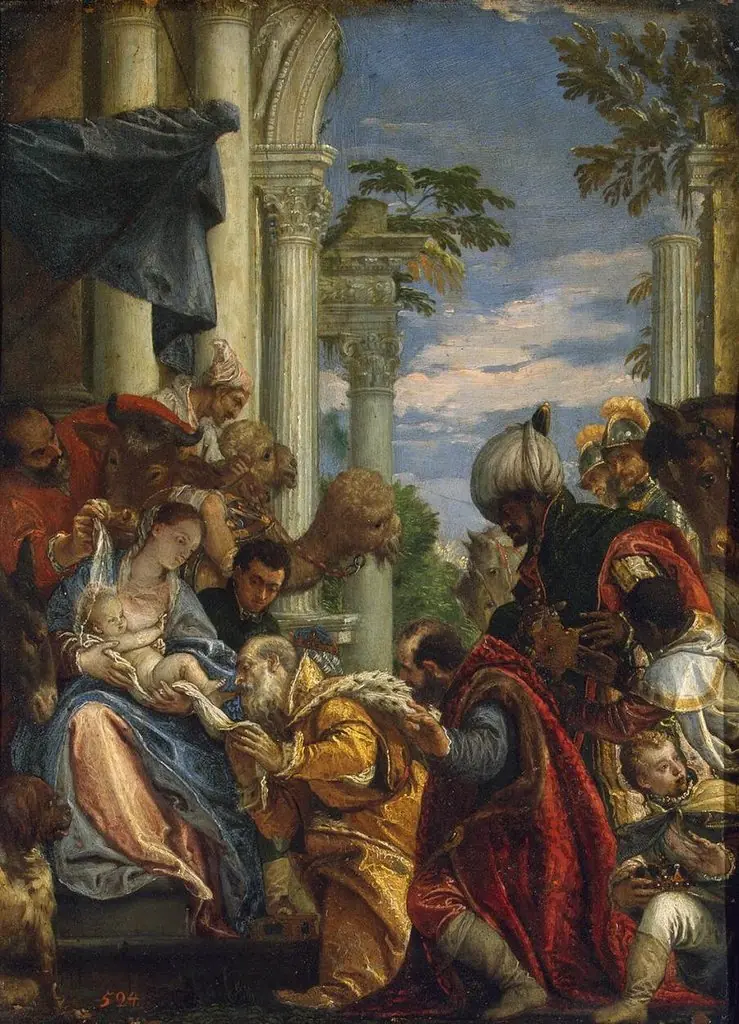
Die Anbetung der Könige
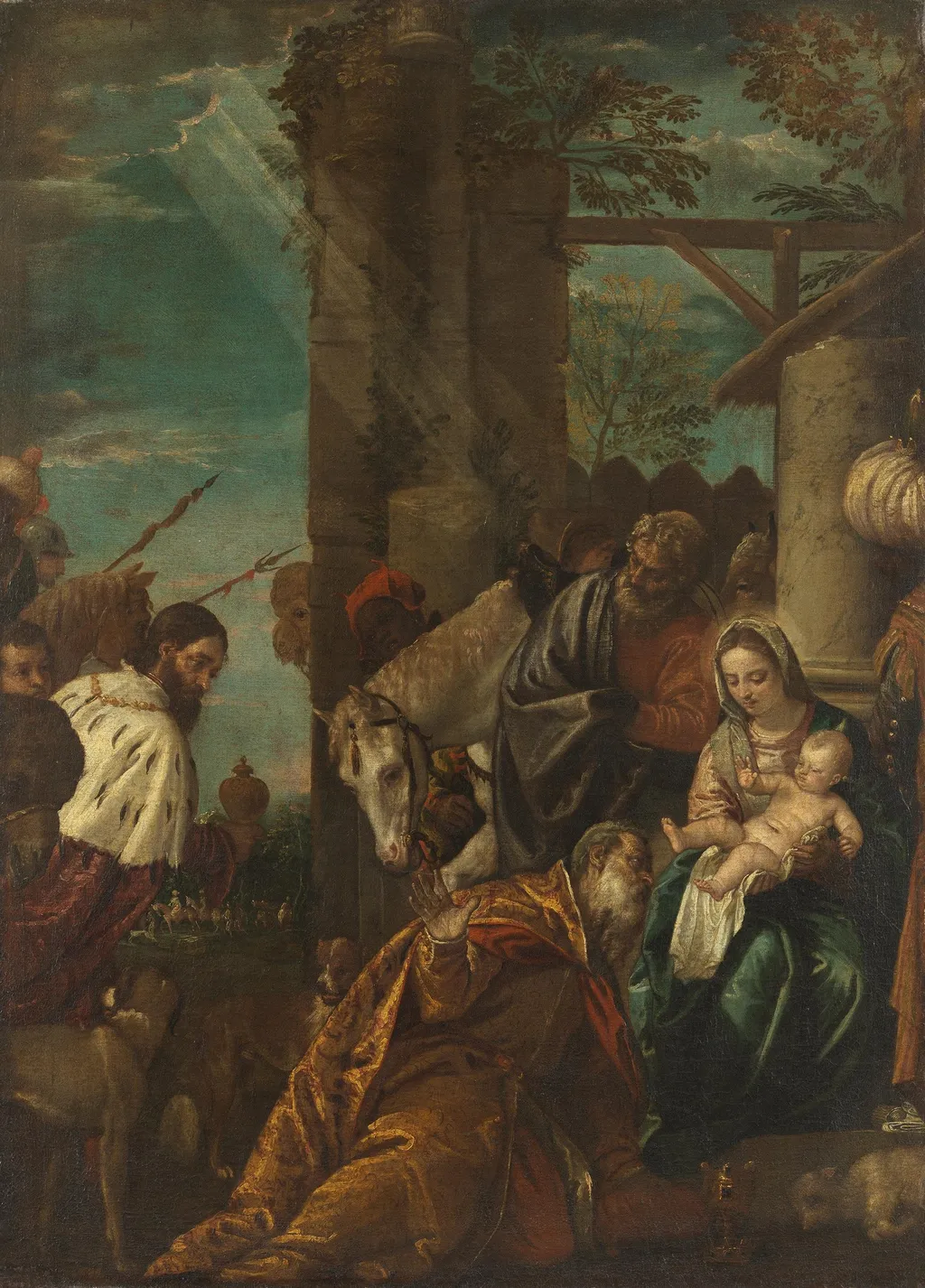
Die Anbetung der Könige is an unspecified painting by the Mannerist artist Paolo Veronese. It dates from 1558 and is held in the collection of the Bavarian State Painting Collections.
About this work
Subject & Meaning
The painting portrays the adoration of the Magi, showing the three kings presenting gifts to the infant Christ Child in a domestic interior that emphasizes the sacred moment within everyday space. Veronese arranges the figures in a pyramidal composition that draws the viewer’s eye toward the Christ Child, while richly detailed clothing and gifts symbolize both royal homage and the recognition of divine incarnation.
History & Provenance
The work has been exhibited in various shows of the Bavarian State Painting Collections, including the exhibition "Veronese: Master of Color" held in 2018.
Paolo Veronese created the religious painting Die Anbetung der Könige in 1558. The work depicts the Adoration of the Magi and the Christ Child, serving as a significant example of the artist's religious genre output from that year. Currently, the painting is held within the collection of the Bavarian State Painting Collections at the Alte Pinakothek. The artwork measures 92.8 cm in height and 67 cm in width.
Die Anbetung der Könige is held by the Bavarian State Painting Collections and is accessioned under its inventory in the Alte Pinakothek. The work has been exhibited in various shows of the Bavarian State Painting Collections, including the exhibition "Veronese: Master of Color" held in 2018.
Context
Paolo Veronese painted Die Anbetung der Könige in 1558, a religious composition depicting the adoration of the Magi. The work is housed in the Bavarian State Painting Collections at the Alte Pinakothek in Munich, where it remains part of their permanent holdings. Veronese's large-scale canvases, characterized by vibrant color and complex compositions, exemplify Venetian Renaissance mastery and religious storytelling.
This painting reflects his role in shaping Counter-Reformation visual narratives through dramatic spatial arrangements and symbolic richness, situating it within the broader context of 16th-century Italian art's devotional innovations.
Legacy
Die Anbetung der Könige by Paolo Veronese exerted lasting influence on religious painting through its dynamic composition and vivid portrayal of the Magi's adoration, shaping later interpretations of the Nativity scene. The work remains a cornerstone of the Bavarian State Painting Collections, housed in the Alte Pinakothek in Munich, where it continues to inform scholarly study of Veronese's mature period and Baroque developments. Its technical mastery and narrative richness have been cited as a precedent for artists across centuries, ensuring its reputation as a pivotal religious artwork.
Overview
Paolo Veronese’s 1558 canvas Die Anbetung der Könige presents a tranquil, reverent gathering centered on the infant Christ. The composition balances human figures and a modest landscape, with a clear sky and distant architecture framing the scene. The work exemplifies the compositional harmony and measured grandeur typical of Veronese’s large‑scale religious paintings.
Technique & Style
Executed in the late‑Mannerist idiom, the painting employs a refined palette of saturated reds, yellows, and greens, contrasted with the soft blues of the sky. Veronese’s handling of light renders subtle chiaroscuro, modeling forms without dramatic shadows, while the precise rendering of fabrics and foliage showcases his Venetian mastery of color and texture.
Own this work as a print
Artist & collection
Artist
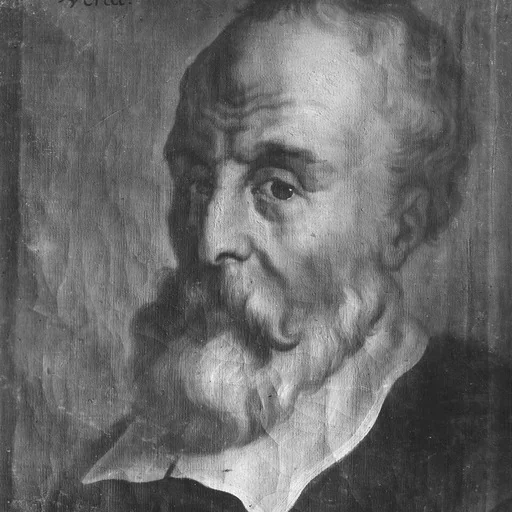
Paolo Caliari (1528 – 19 April 1588), known as Paolo Veronese ( VERR-ə-NAY-zay, -zee, US also -see; Italian: ), was an Italian Renaissance painter based in Venice, known for extremely large history paintings of…

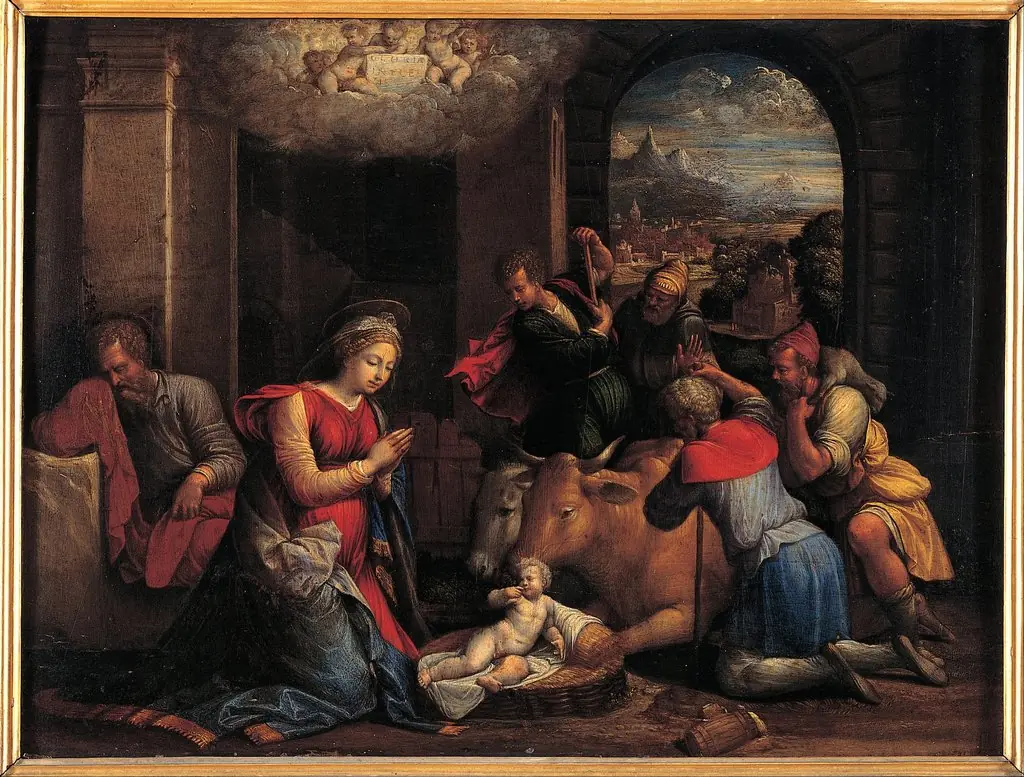
- Adoration of the Shepherds
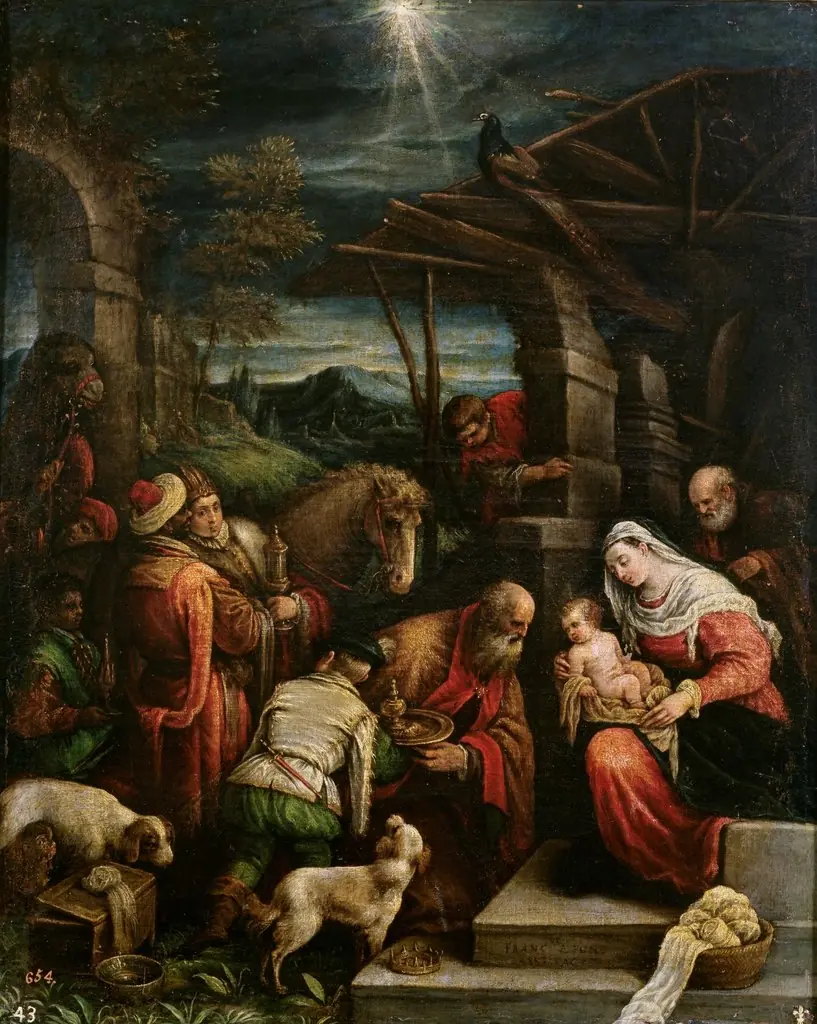 Adoration of the Magi
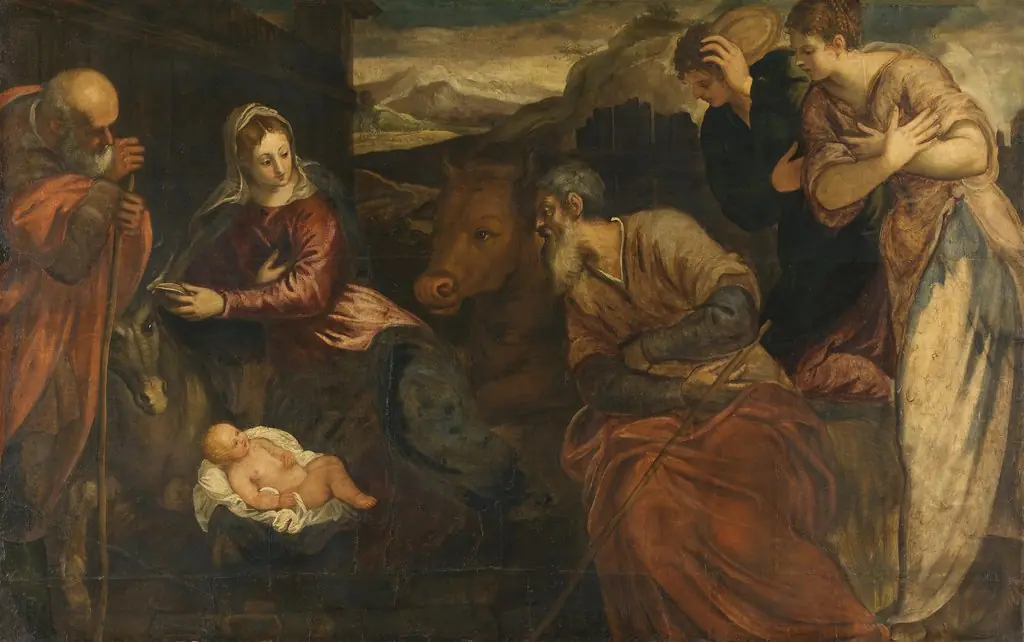 Adoration of the Shepherds
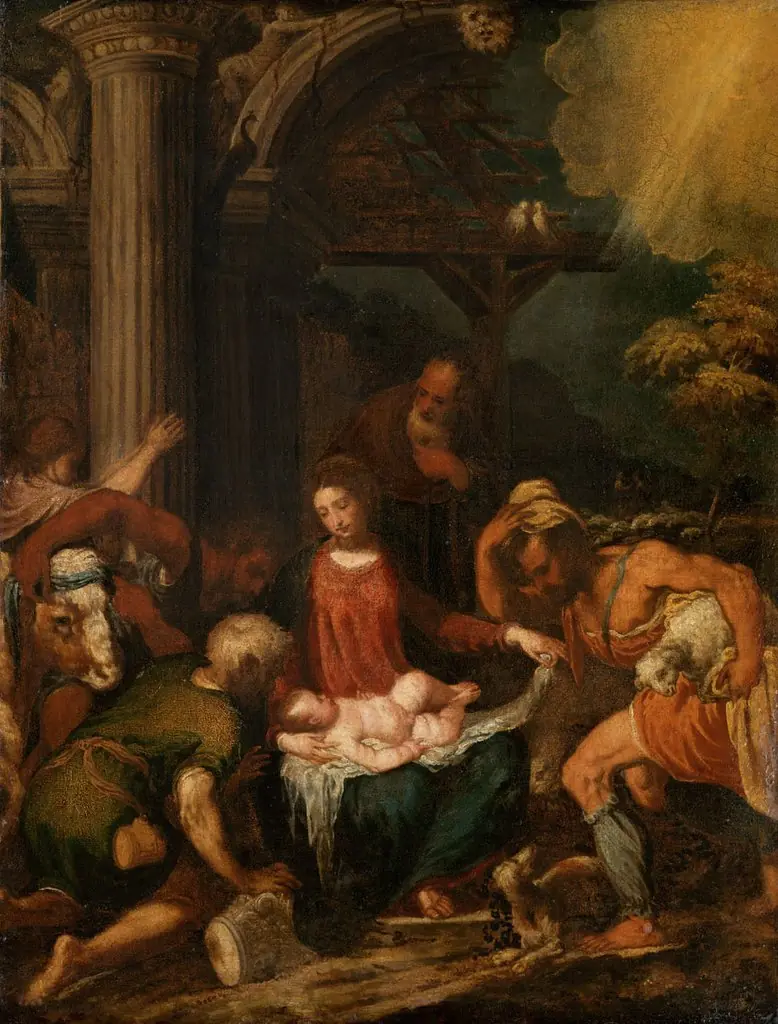 Adoration of the Shepherds
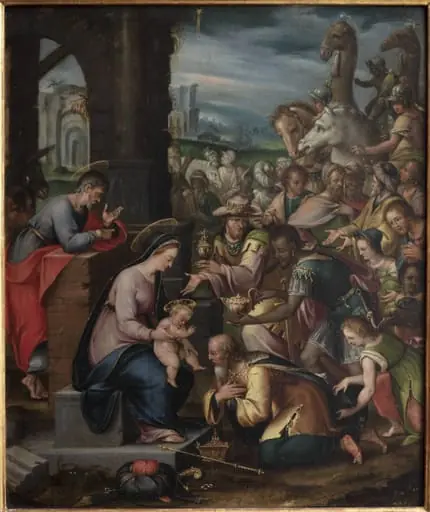 The Adoration of the Magi
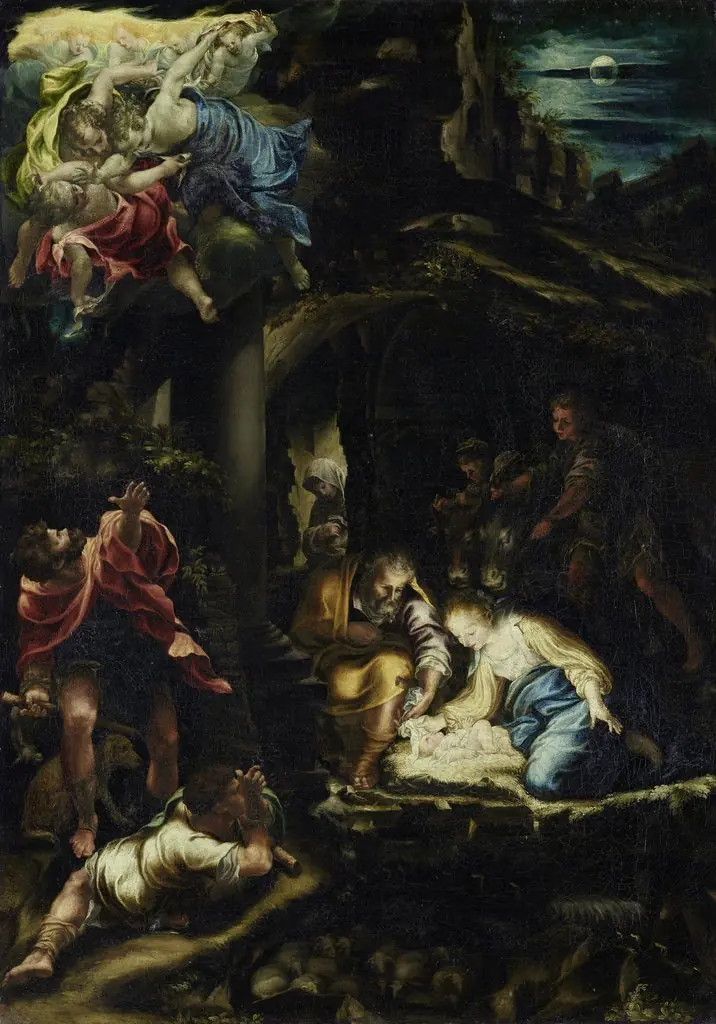 The Adoration of the Shepherds
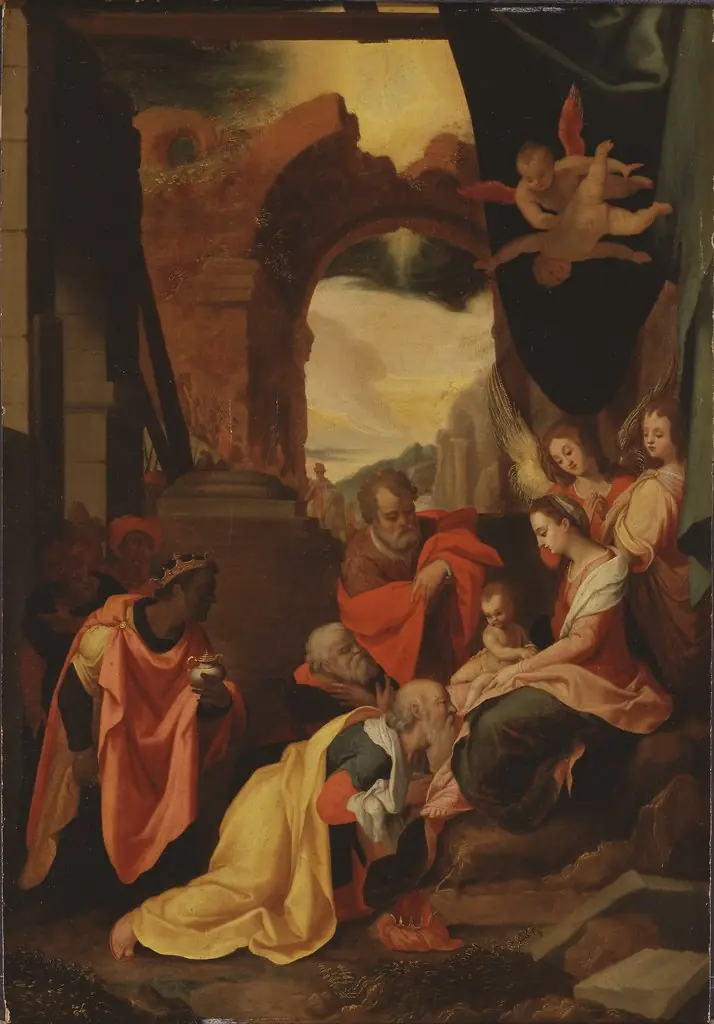 The Adoration of the Magi
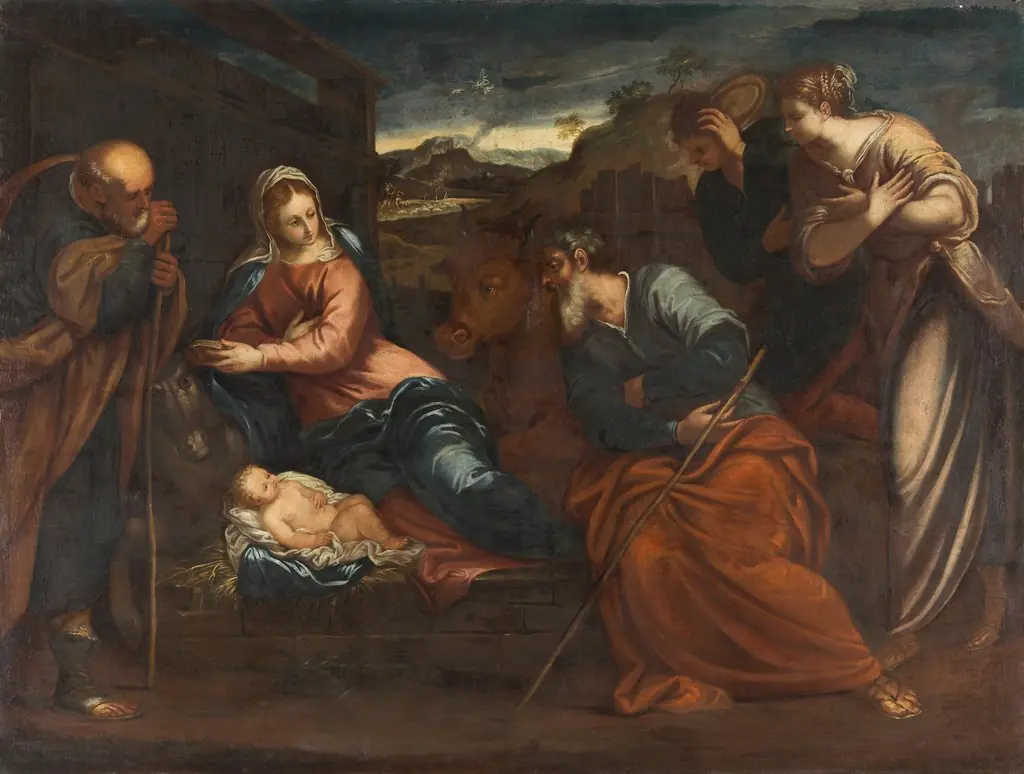 Anbetung durch die Hirten (Kopie nach)
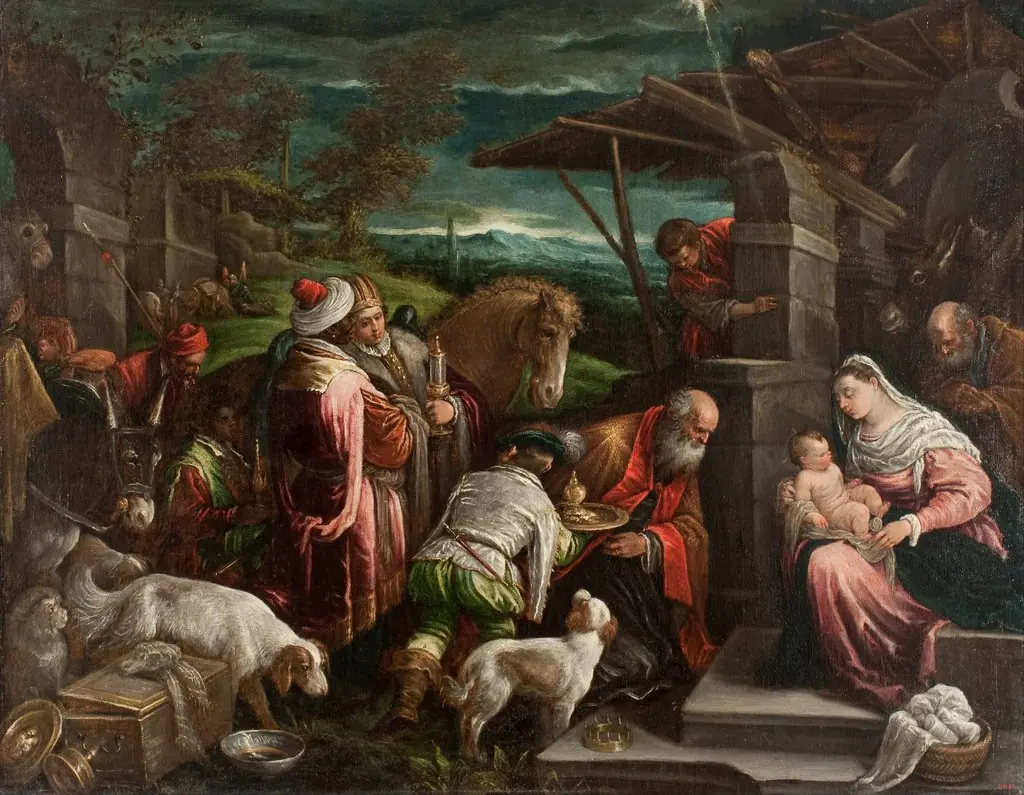 Adoration of the Magi
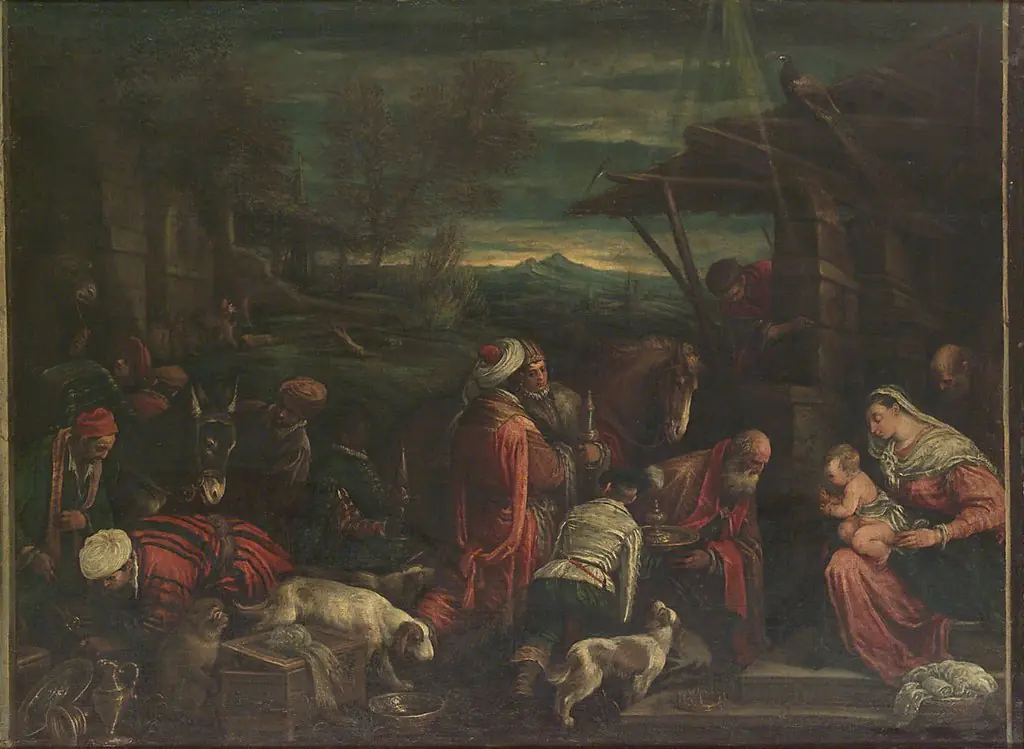 Anbetung der Könige
 Adoration of the Magi
 Adoration of the Shepherds