Artwork
The adoration of the shepherds
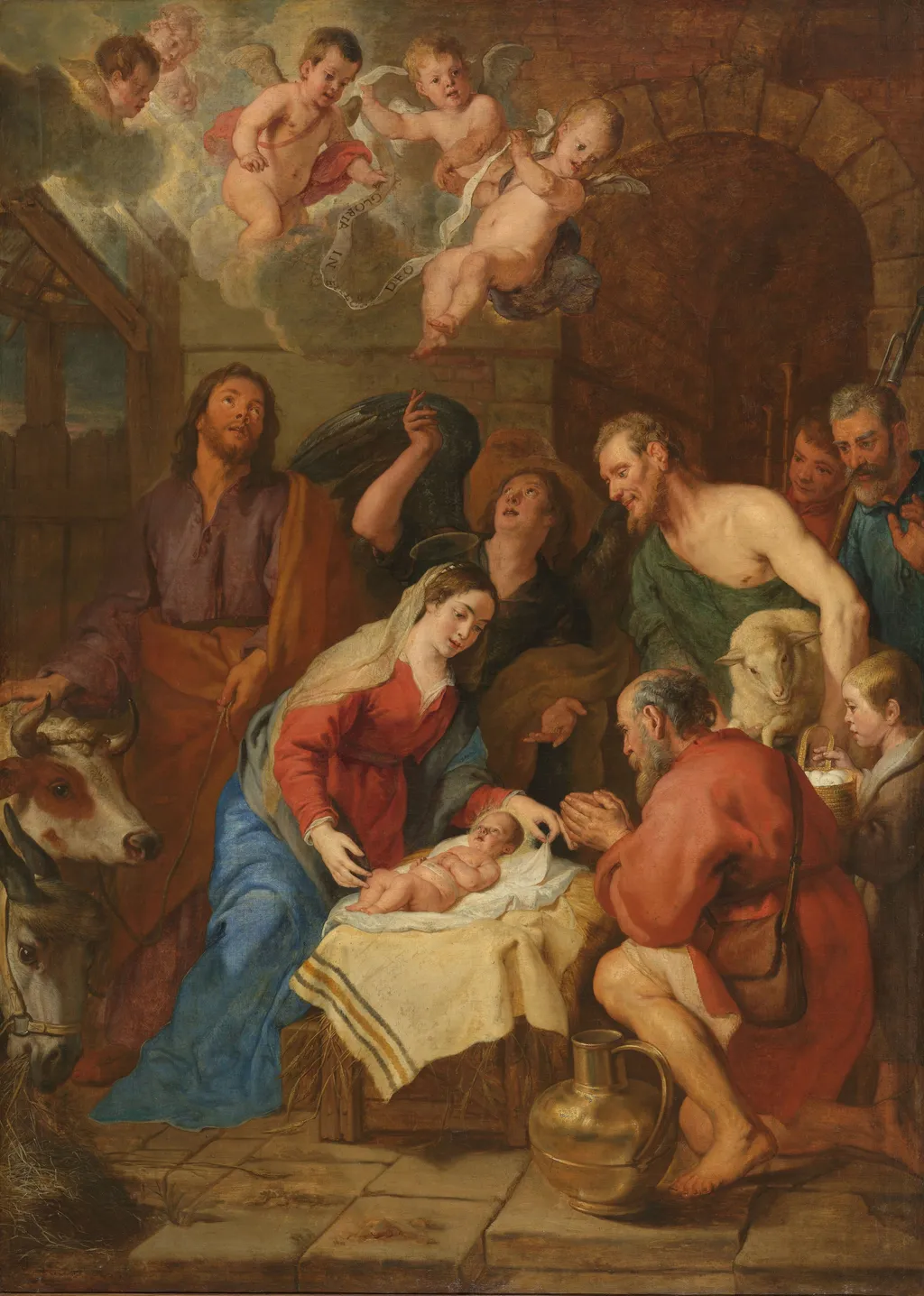
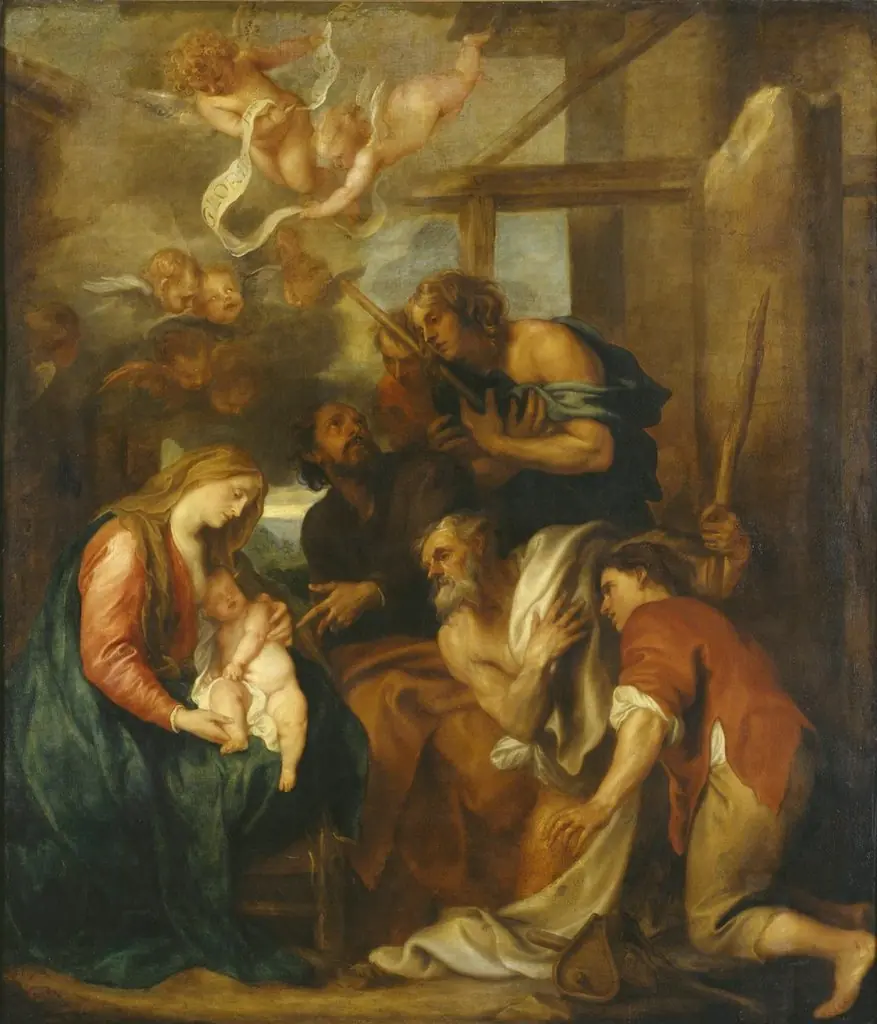
The adoration of the shepherds is an oil painting by the Flemish Baroque painting artist Gaspar de Crayer. It dates from 1650 and is held in the collection of the Rijksmuseum.
About this work
Subject & Meaning
The subject depicted is the Adoration of the Shepherds, a traditional Christian scene in which shepherds gather to honor the newborn Christ Child.
The subject depicted is the Adoration of the Shepherds, a traditional Christian scene in which shepherds gather to honor the newborn Christ Child. In this composition, the shepherds kneel in reverence before the infant Jesus, who is laid in a manger, while Mary and Joseph attend him. The scene is rendered within a humble setting, emphasizing the humility and accessibility of the divine event to common people.
Symbolically, the presence of the shepherds underscores the Christian belief in the universality of Christ’s birth, extending divine grace to all social classes. The manger itself functions as a prefiguration of the later Eucharist, linking the Incarnation with the sacrifice of the Cross. The work’s iconography reflects Counter-Reformation ideals, promoting piety and the accessibility of divine grace through direct, human encounter.
Technique & Style
Gaspar de Crayer executed The Adoration of the Shepherds in 1650 using oil paint applied to a canvas support. Created in Brussels, this religious work measures 309 cm in height and 234 cm in width. The painting is currently held in the depot of the Rijksmuseum by the Cultural Heritage Agency of the Netherlands. As a large-scale religious composition, the piece depicts the Christ Child within a scene of shepherds adoration.
History & Provenance
Gaspar de Crayer created The Adoration of the Shepherds in 1650. The work was produced in Brussels using oil paint on canvas. It depicts the Christ Child within a religious context.
The painting currently belongs to the Cultural Heritage Agency of the Netherlands Art Collection. It is housed within the depot of the Rijksmuseum.
The painting is housed in the Rijksmuseum's storage collection under the Cultural Heritage Agency of the Netherlands Art Collection. It was created in Brussels in 1650 using oil paint on canvas, measuring 309 cm in height and 234 cm in width.
Overview
Created circa 1650 by the Flemish artist Gaspar de Crayer, this oil painting portrays the biblical episode of the shepherds’ adoration of the infant Jesus. Executed in the Flemish Baroque idiom, the work is part of the Rijksmuseum’s collection and exemplifies de Crayer’s mature religious output.
Context
The work reflects Counter‑Reformation priorities, emphasizing devotional intimacy and emotional engagement. By placing the holy family amid humble shepherds and employing dramatic lighting, de Crayer aligns with contemporary efforts to make sacred narratives accessible and moving for a broad audience.
Own this work as a print
Artist & collection
Artist
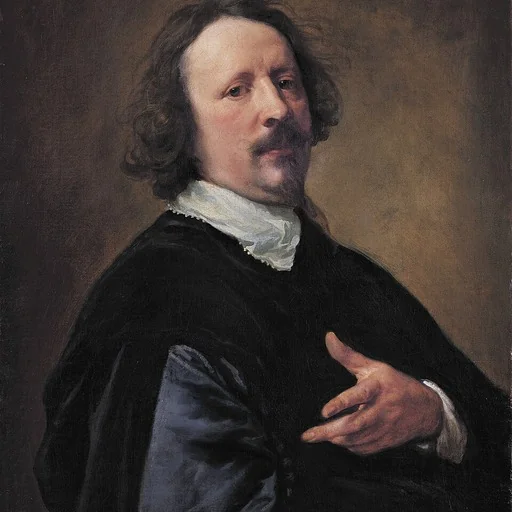
Gaspar de Crayer or Jasper de Crayer (18 November 1584 – 27 January 1669) was a Flemish painter known for his many Counter-Reformation altarpieces and portraits.

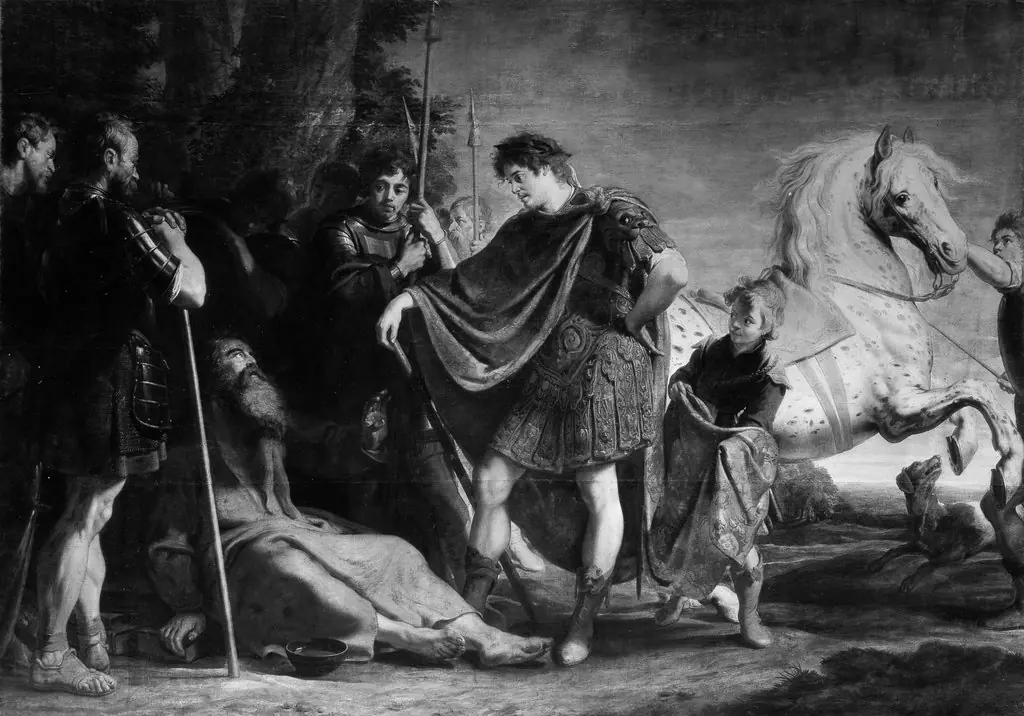 The Meeting of Alexander the Great and Diogenes
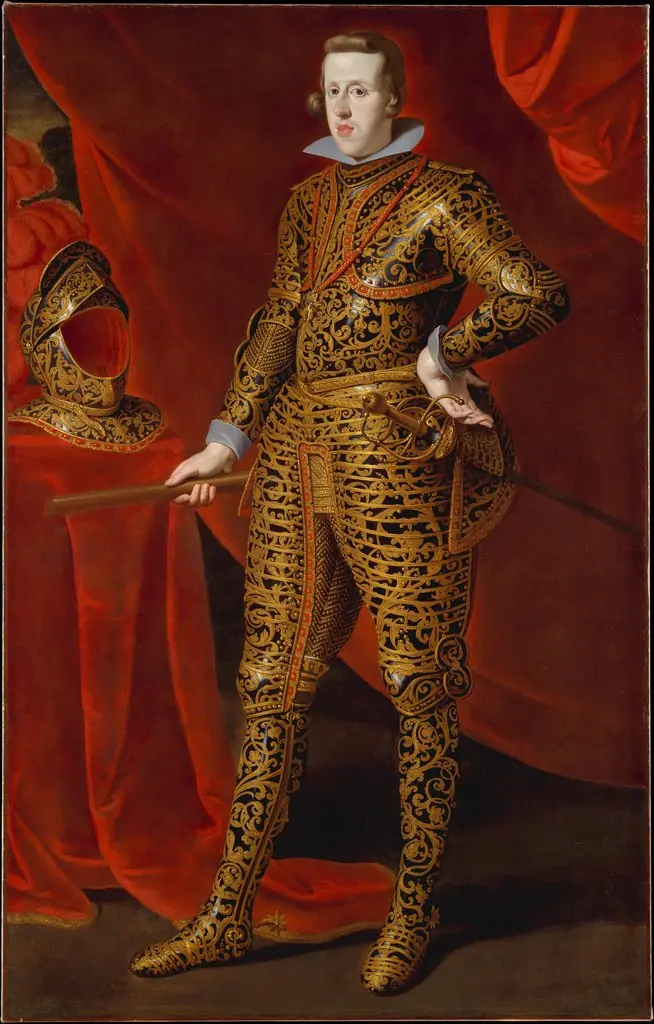 Philip IV (1605–1665) in Parade Armor
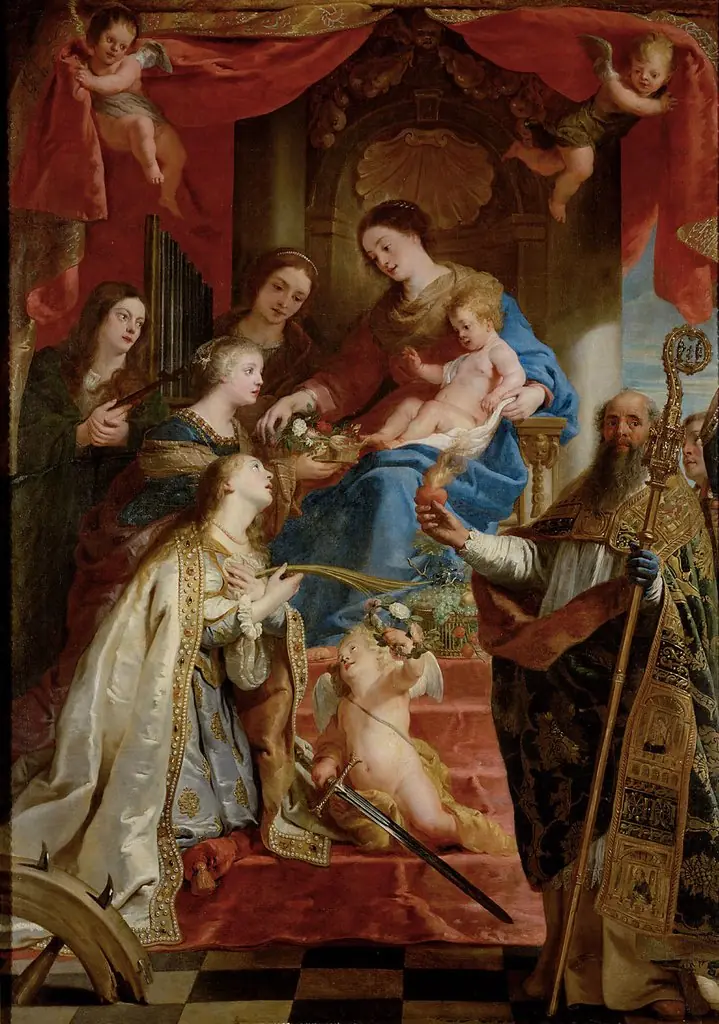 Virgin with child and saints Maria Magdalen, Cecilia, Dorothea, Catharina and Augustine
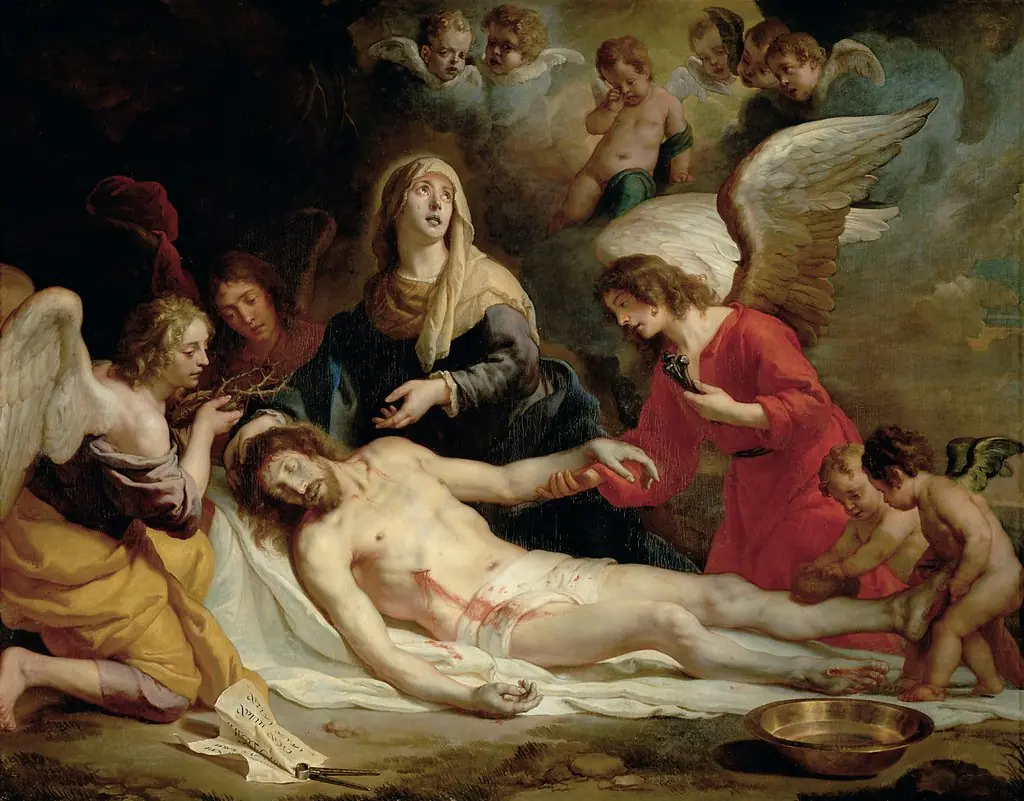 Lamentation
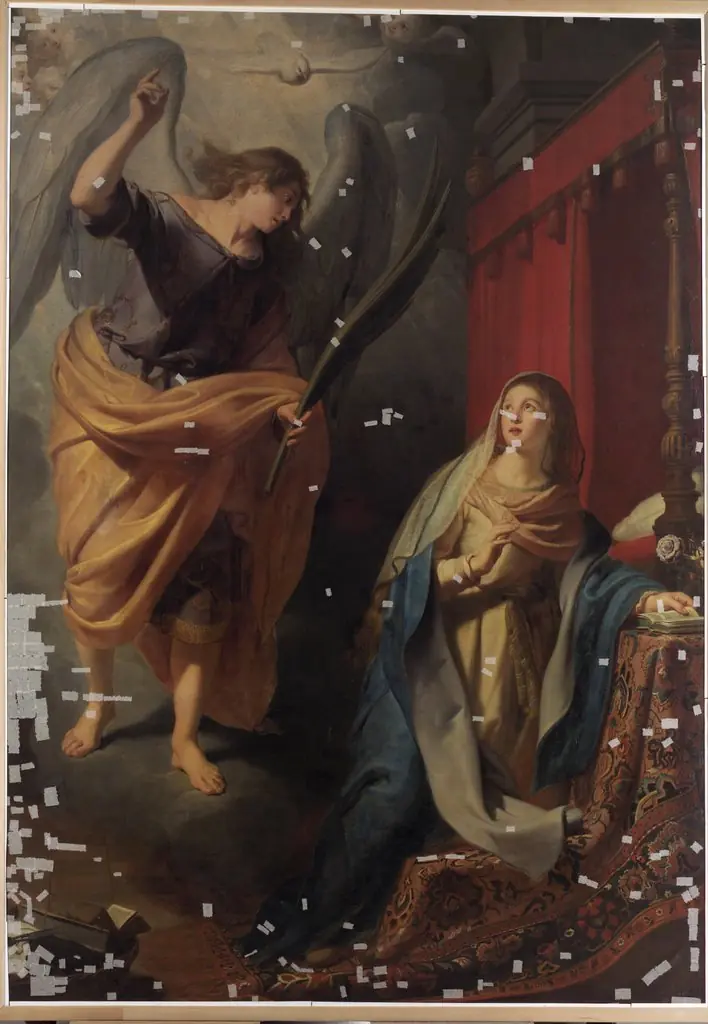 The Annunciation
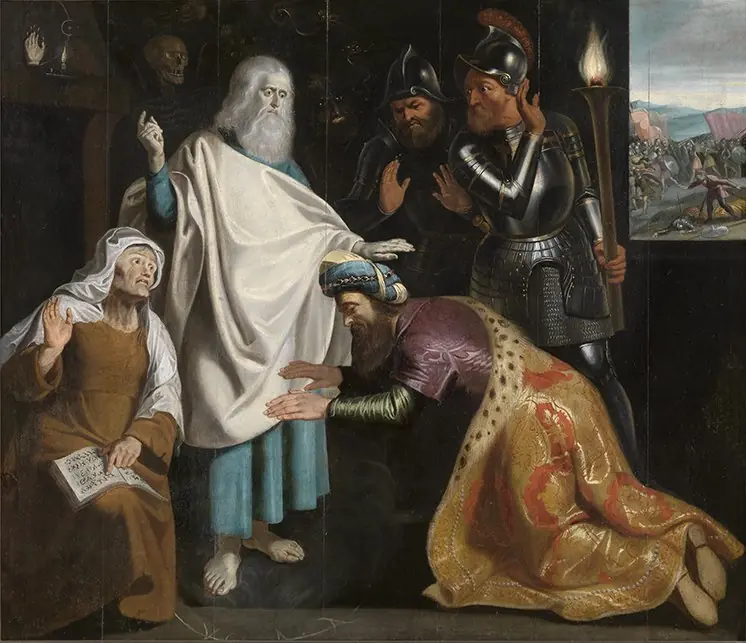 The ghost of Samuel appears to the witch of Endor; Saul falls prostrate to the ground (1 Samuel 28:3-20)
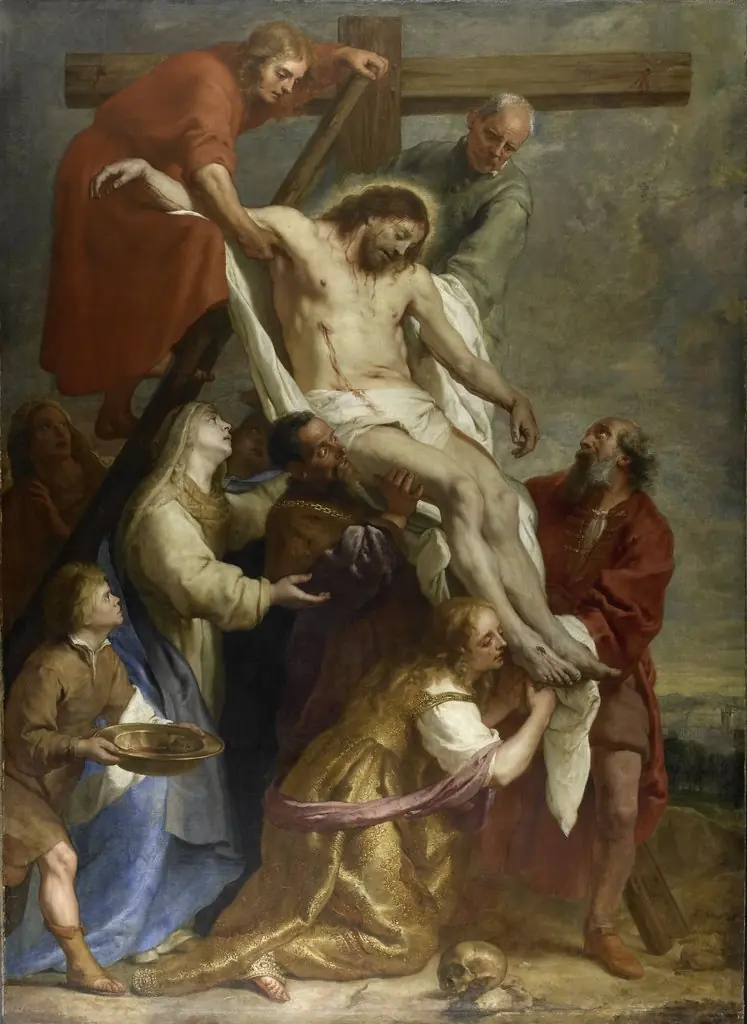 The descent from the cross
- The Adoration of the Shepherds
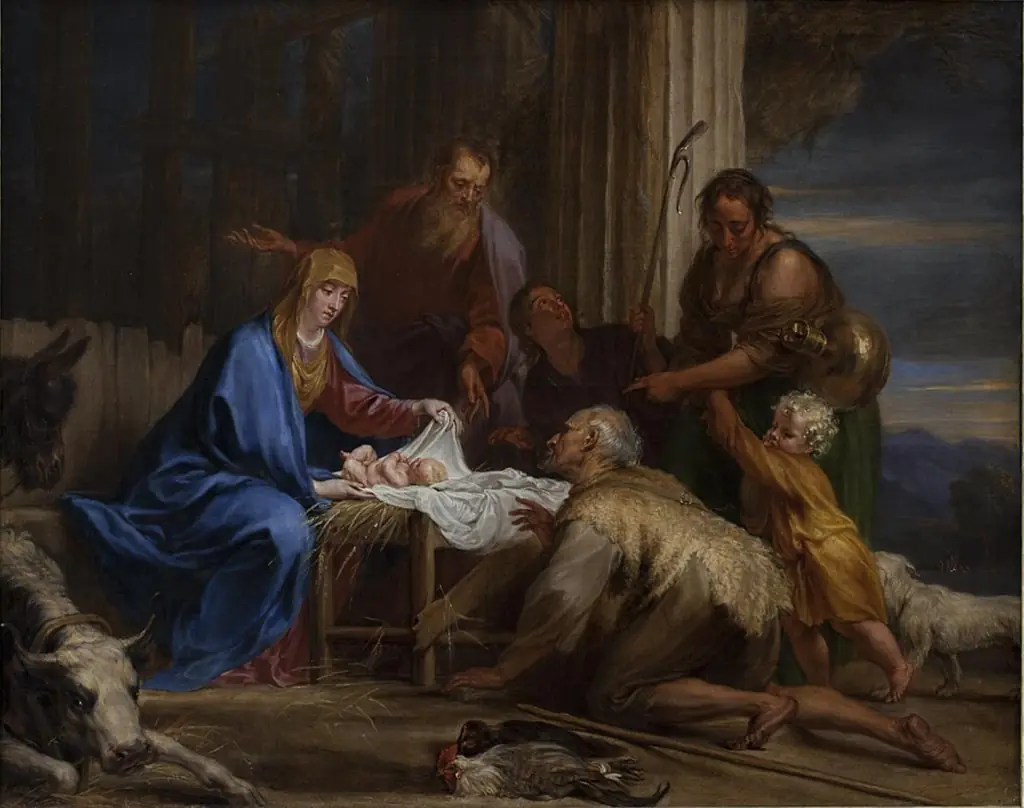 The Adoration of the Shepherds
 Adoration of the Shepherds
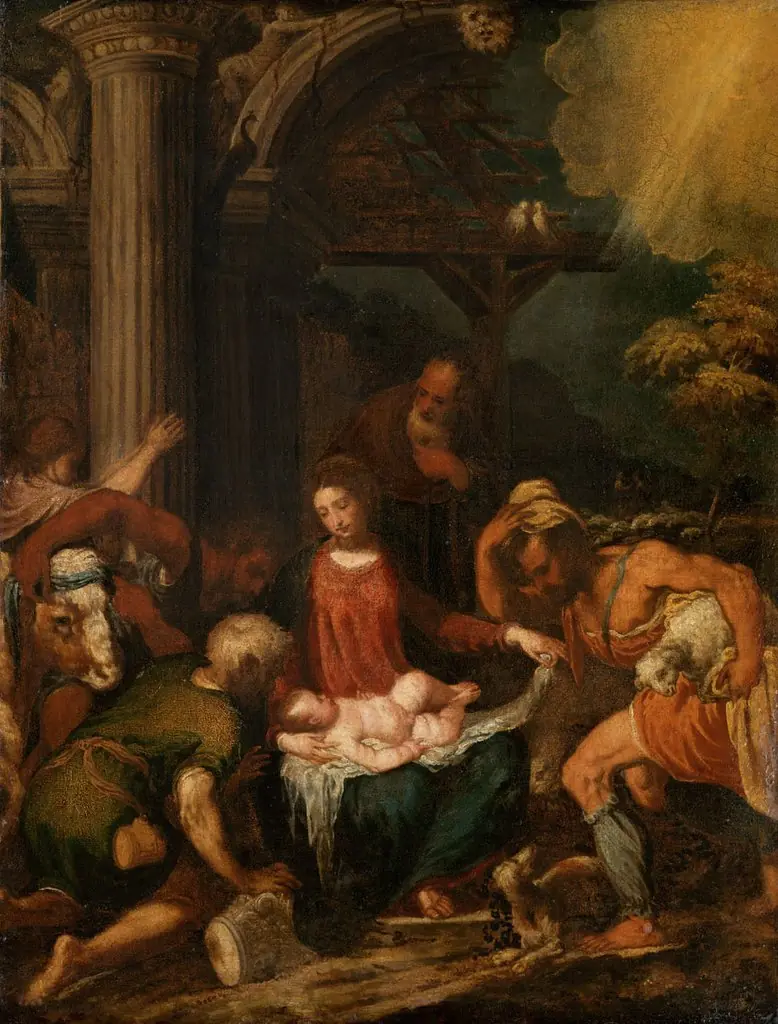 Adoration of the Shepherds
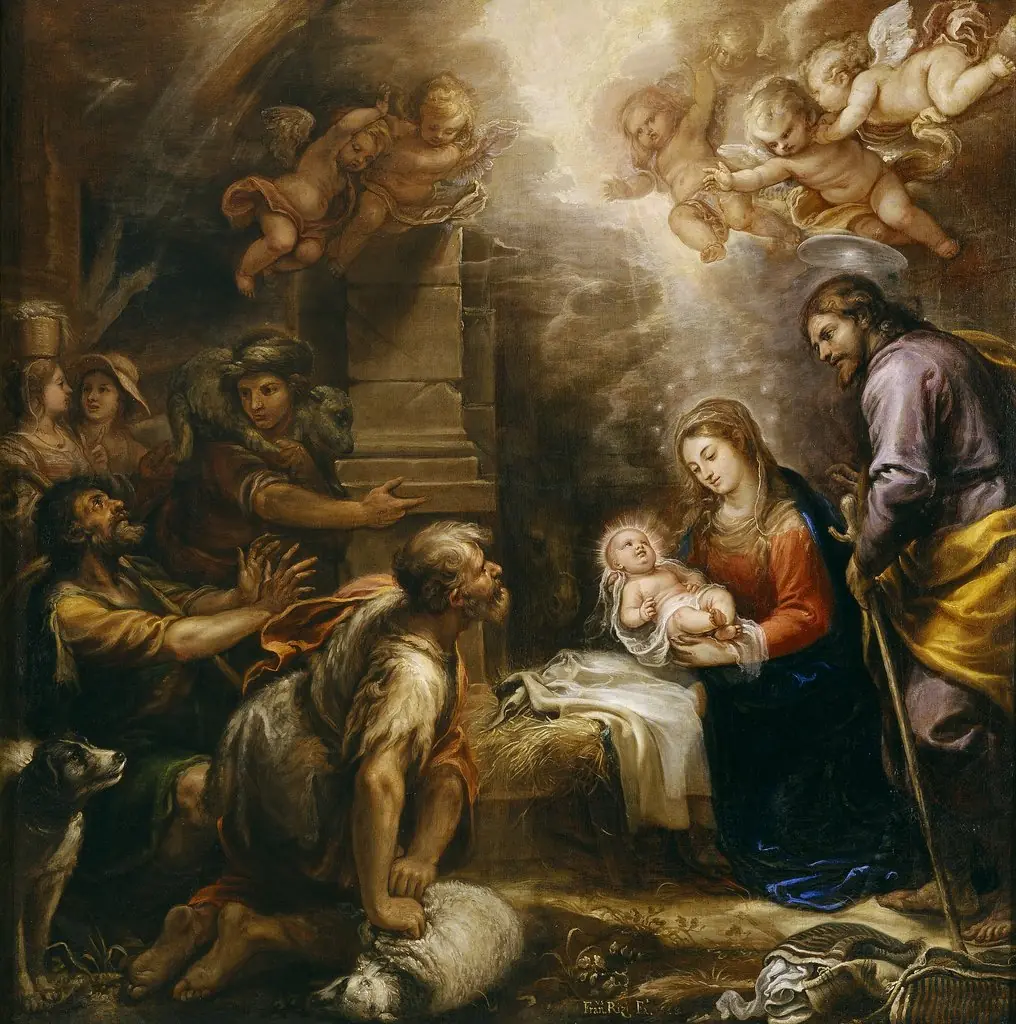 The Adoration of the Shepherds
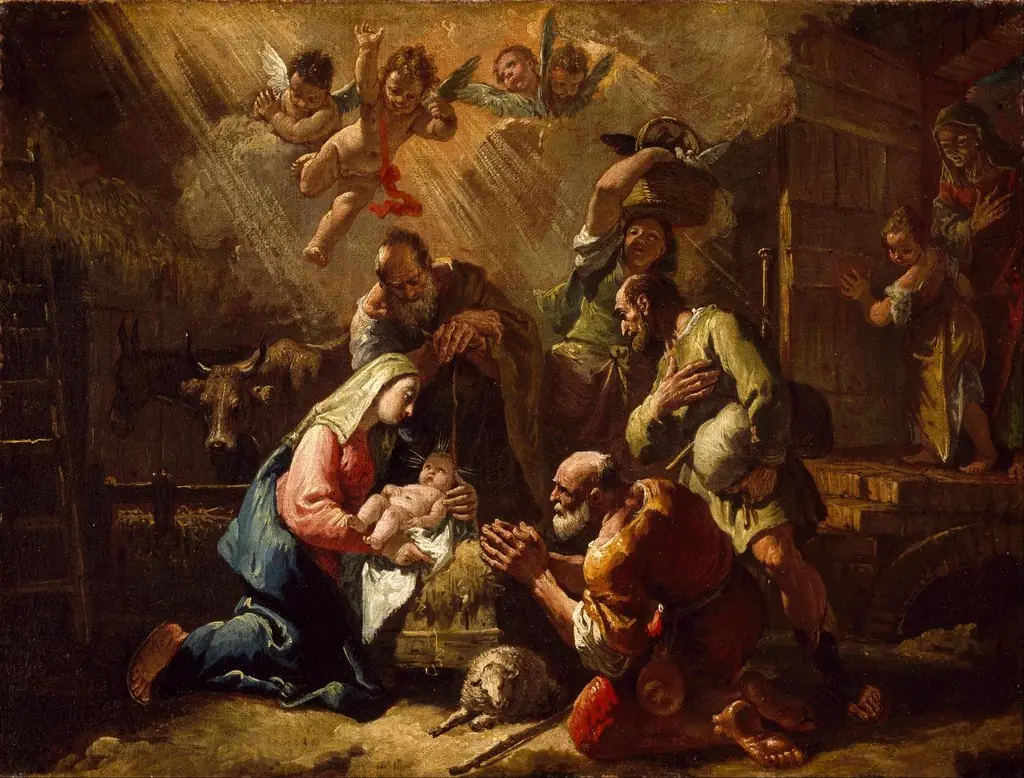 The Adoration of the Shepherds
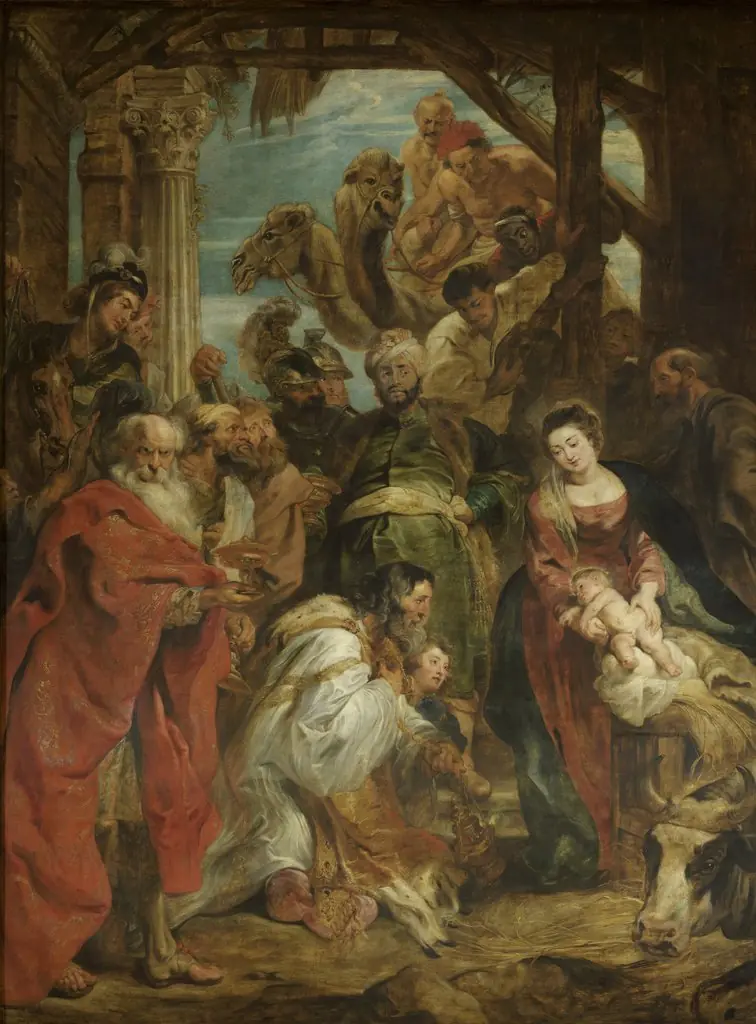 Adoration of the Magi
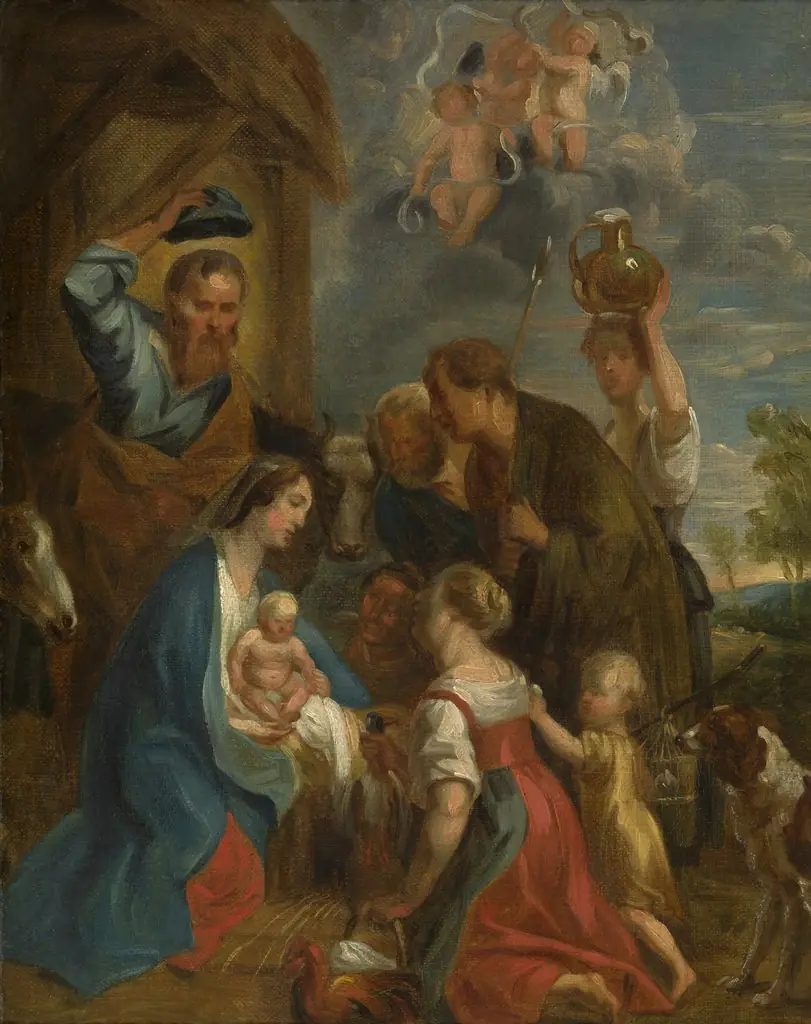 The Adoration of the Shepherds
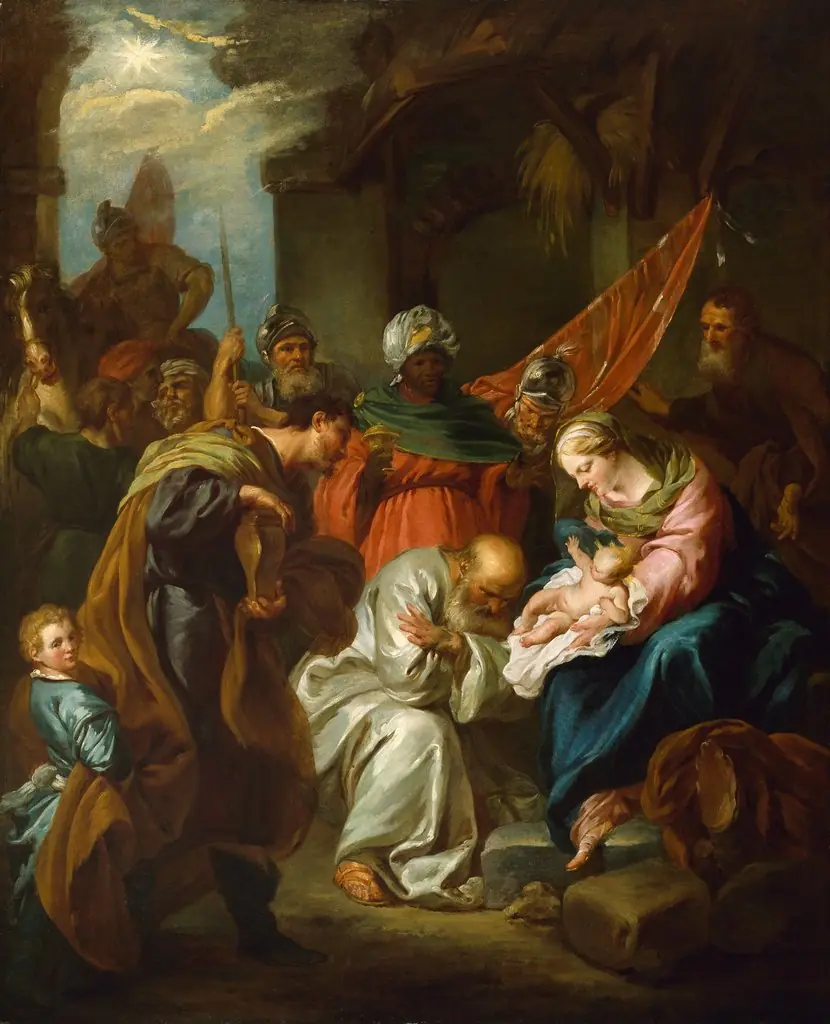 The Adoration of the Magi
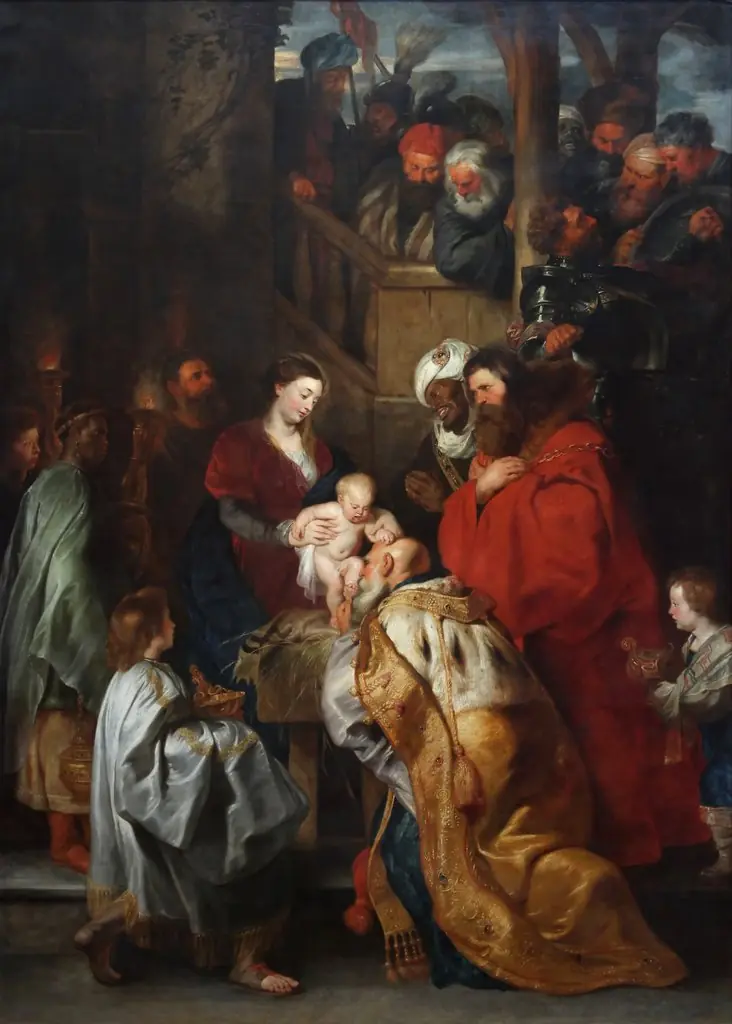 Adoration of the Three Kings
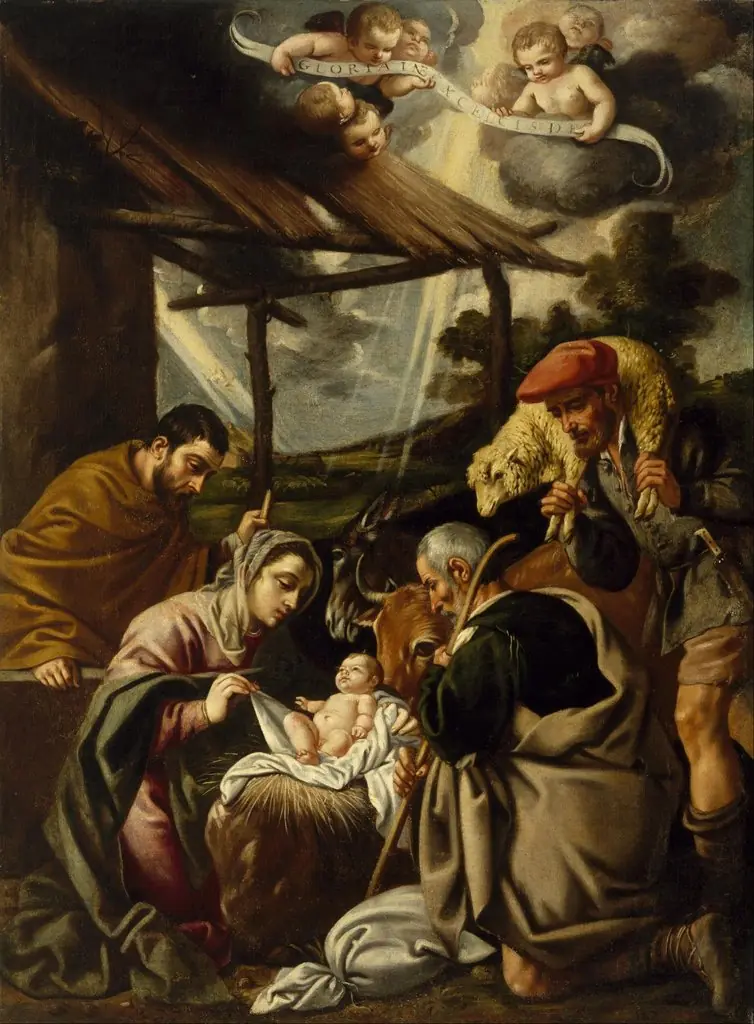 The Adoration of the Shepherds
 Adoration of the Shepherds