Artwork
Christ in Emmaus
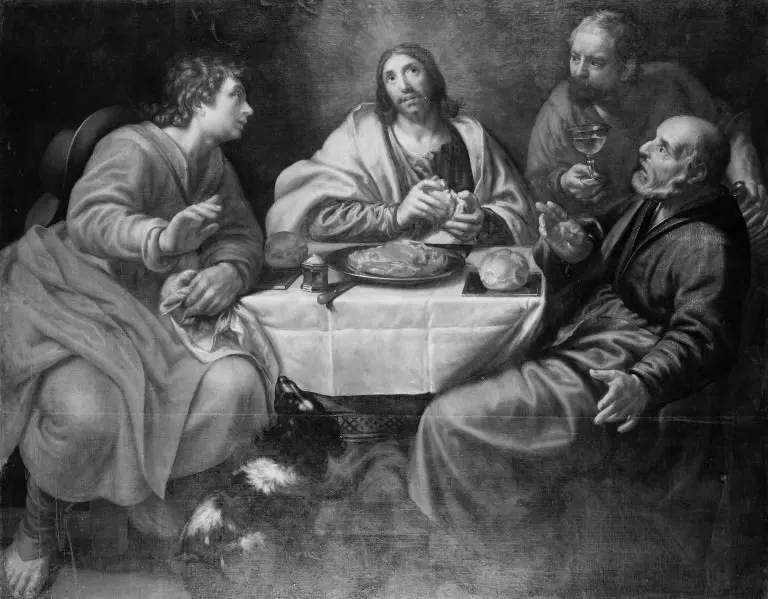
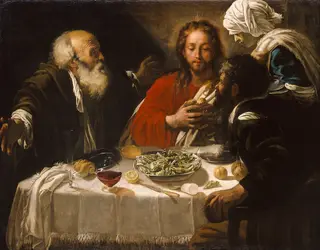
Christ in Emmaus is an oil painting by the Early Baroque Italian artist Antonio Circignani. It dates from 1607 and is held in the collection of the Statens Museum for Kunst.
About this work
Subject & Meaning
The inclusion of bread specifically underscores the Eucharistic symbolism often associated with this event in Christian iconography.
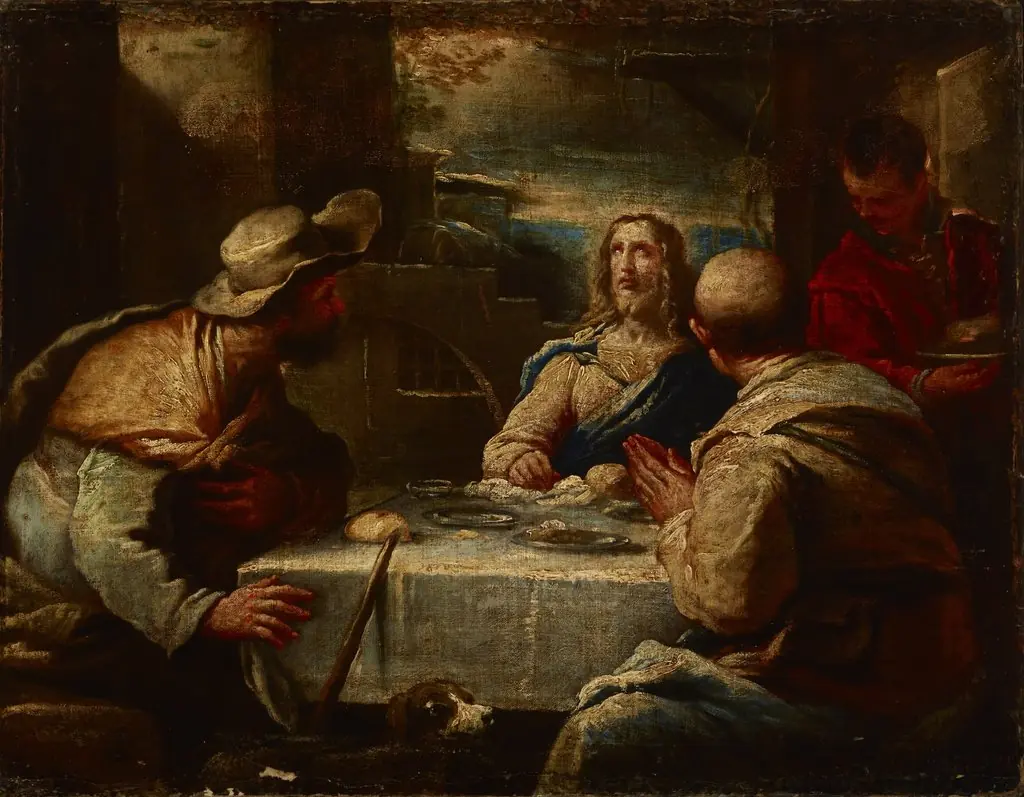
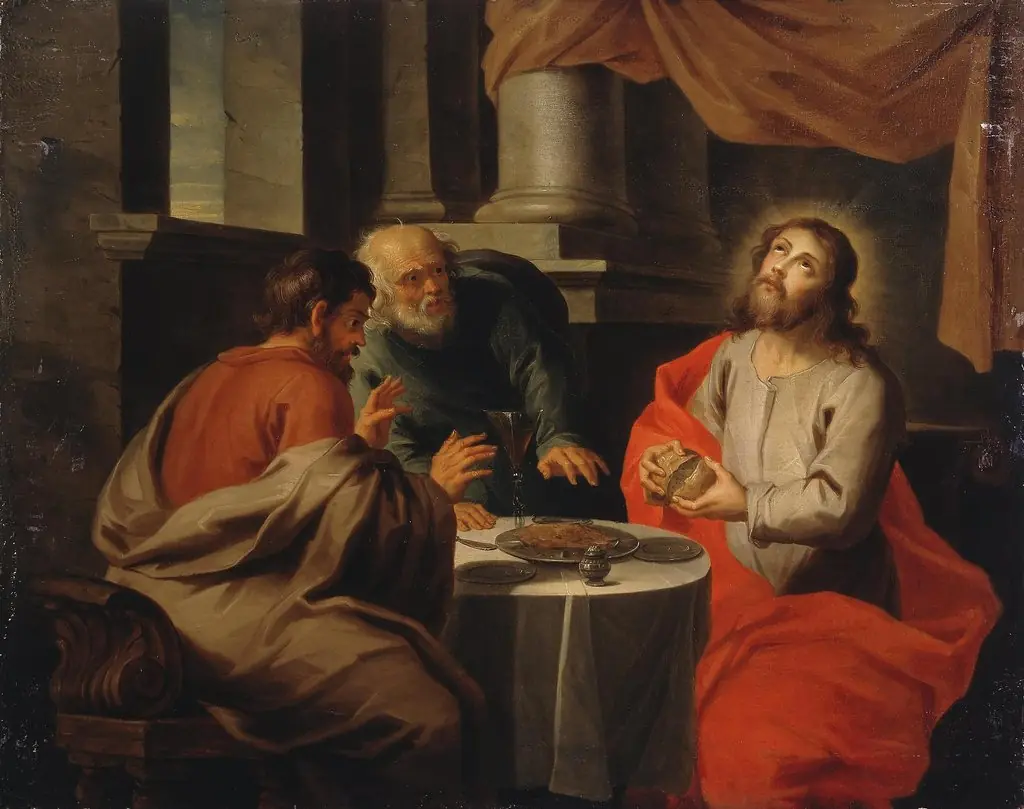
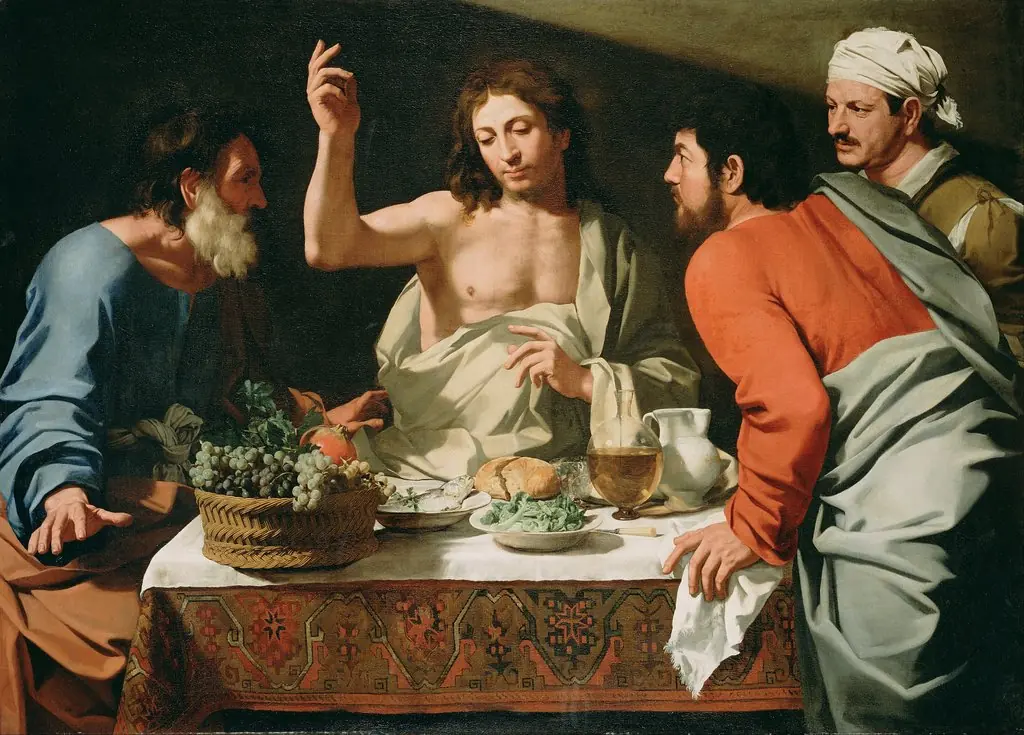
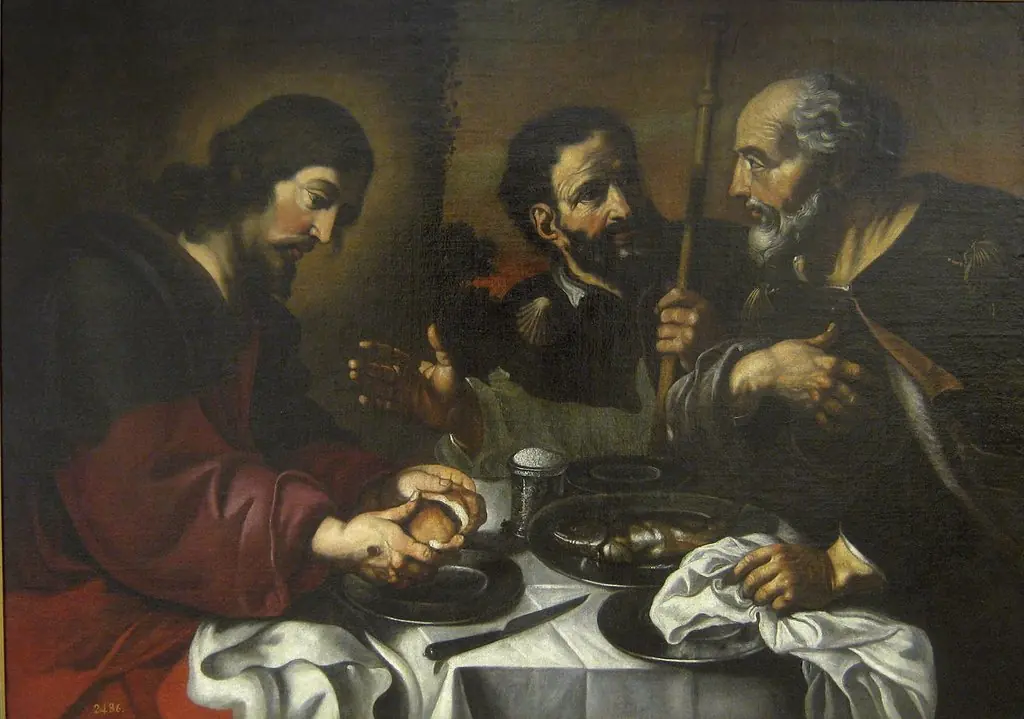
Antonio Circignani's 1607 oil painting depicts the biblical narrative of the Supper at Emmaus, a key episode in the Gospel accounts where the resurrected Jesus reveals his identity to two disciples during a meal. The work centers on the main subject of this recognition scene, featuring Jesus Christ as the primary figure alongside a group of humans and the symbolic element of bread. As a piece of religious art, the composition illustrates the moment of revelation where the divine is made manifest through the breaking of bread, serving as a visual representation of faith and spiritual recognition. The inclusion of bread specifically underscores the Eucharistic symbolism often associated with this event in Christian iconography.
Technique & Style
Antonio Circignani executed Christ in Emmaus using oil paint applied to a canvas support, a technique typical of early-seventeenth-century Italian religious painting. The work, dated 1607, portrays the biblical Supper at Emmaus with Jesus, bread, and a small group of figures, emphasizing their interaction around a shared meal. Measuring approximately 159.3 cm in height by 203.3 cm in width, the composition arranges the participants to highlight the moment of recognition.
The painting's formal qualities reflect a clear narrative style, relying on defined outlines and naturalistic color to convey the sacred scene.
History & Provenance
The painting Christ in Emmaus was created by the Italian artist Antonio Circignani in 1607. Executed in oil on canvas, it depicts the biblical scene of the Supper at Emmaus, featuring Jesus Christ and a group of figures gathered around bread. The work measures 159.3 cm in height by 203.3 cm in width and is held in the collection of the Statens Museum for Kunst in Copenhagen.
The specific commission details and earlier ownership chain are not documented in the available records, and no exhibition history is recorded.
Overview
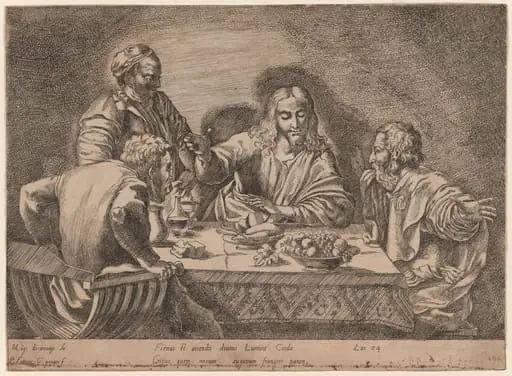
Created in 1607, this oil painting portrays the biblical episode of the Supper at Emmaus, where a group of four men share a meal and a piece of bread. The composition is set within a dimly lit interior, with a focused light source illuminating the faces of the figures, emphasizing their interaction.
Artist & collection
Artist
Antonio Circignani (1560–1620) was an Italian painter of the late-Renaissance (Mannerism) period and early Baroque.