Artwork
Joseph Explains the Pharaoh’s Dreams
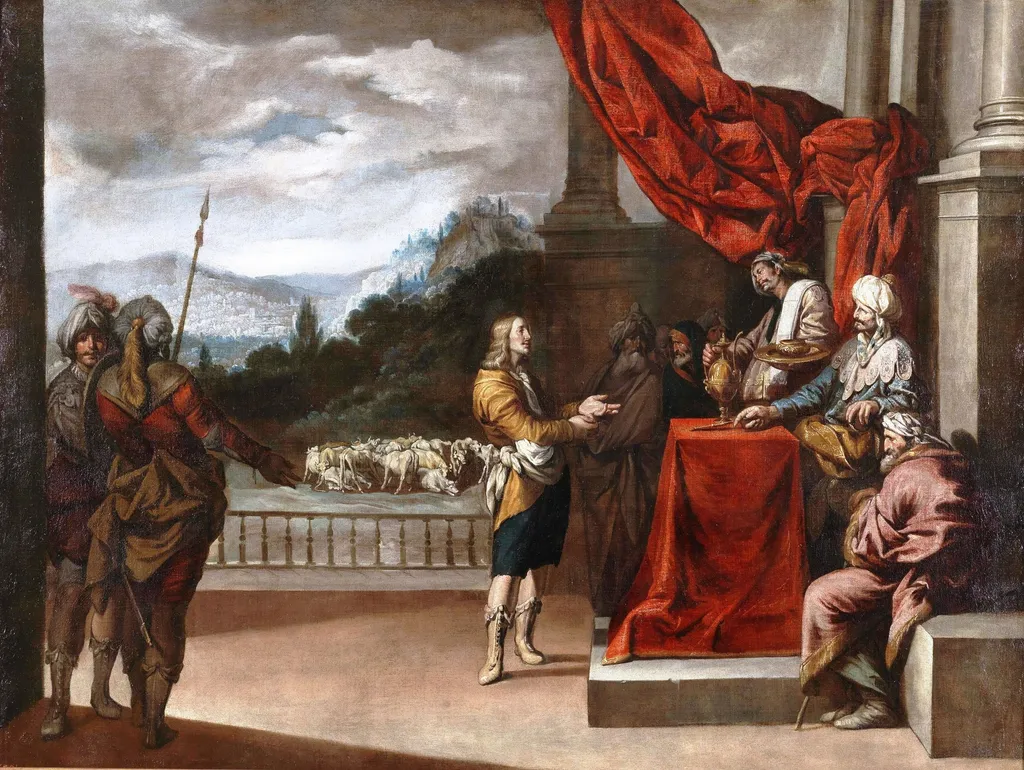
Joseph Explains the Pharaoh’s Dreams is an oil painting by the Early Baroque Italian artist Antonio del Castillo y Saavedra. It dates from 1650 and is held in the collection of the Museo del Prado.
About this work
Technique & Style
Created around 1650, this religious painting by Antonio del Castillo y Saavedra is executed in oil paint on canvas. The work measures 109 cm in height and 145 cm in width. As a Baroque-era depiction of the biblical figure Joseph, the piece utilizes the fluid properties of oil to render its sacred subject matter on a flexible textile support.
History & Provenance
It entered the collection of the Museo del Prado and was later associated with the Museo de la Trinidad, both institutions recorded as holding the painting.
Antonio del Castillo y Saavedra painted Joseph Explains the Pharaoh’s Dreams in 1650 using oil on canvas. The work belongs to the religious genre and measures 109 cm in height by 145 cm in width. It entered the collection of the Museo del Prado and was later associated with the Museo de la Trinidad, both institutions recorded as holding the painting.
The painting Joseph Explains the Pharaoh’s Dreams by Antonio del Castillo y Saavedra is part of the Museo del Prado collection and is catalogued under the inventory number P00968. It was created in 1650 using oil on canvas, measuring 109 cm by 145 cm. The work has been displayed in exhibitions at the Museo del Prado, including the 2011 exhibition "Antonio del Castillo Saavedra: Life and Work," which highlighted the artist’s religious paintings.
Overview
Antonio del Castillo y Saavedra's 'Joseph Explains the Pharaoh’s Dreams' is a 17th-century oil painting, circa 1650, housed at the Museo del Prado. The work captures a pivotal biblical moment in a composition that balances intimacy with expansive setting.
Subject & Meaning
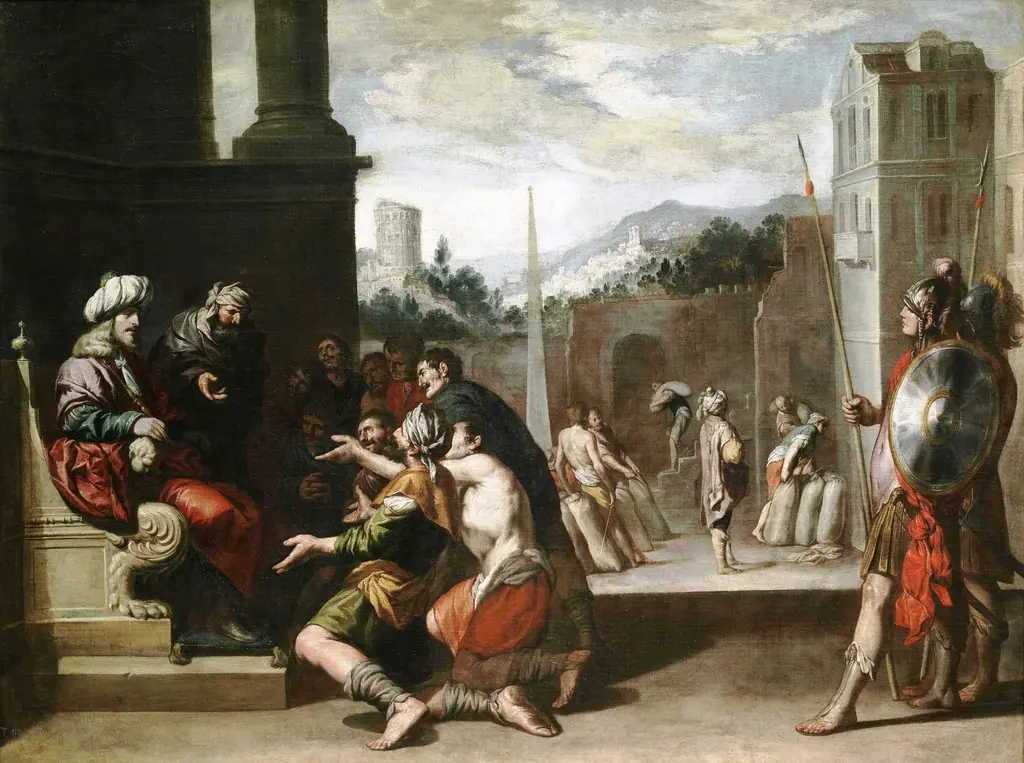
The painting depicts the biblical figure Joseph as he interprets dreams for the Pharaoh, surrounded by attentive onlookers. The scene conveys a sense of solemn engagement, highlighting Joseph's role as a wise interpreter.
Context
This work reflects the Baroque period's emphasis on dramatic lighting and emotionally charged scenes, common in religious art of the time.
Legacy
While specific influences or direct artistic legacies of 'Joseph Explains the Pharaoh’s Dreams' are not detailed, it contributes to the broader tradition of biblical depiction in Spanish Baroque art.
Own this work as a print
Artist & collection
Artist
Antonio del Castillo y Saavedra
Antonio del Castillo y Saavedra (1616–1668) was an artist, born in Córdoba.

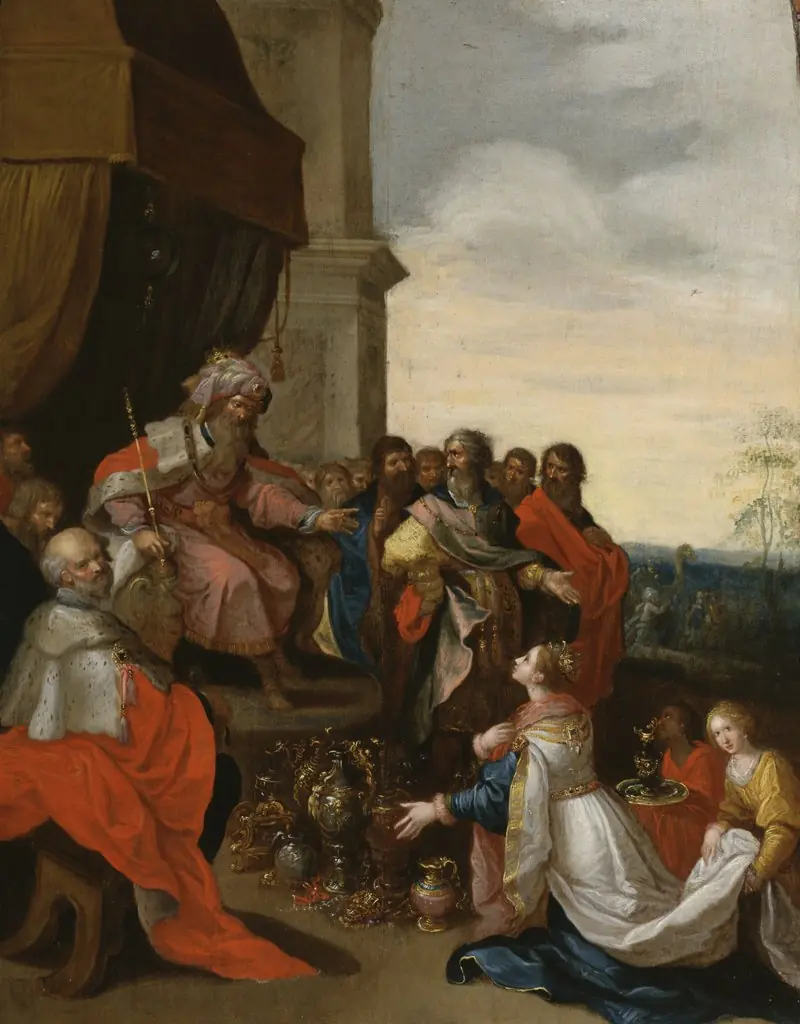 King Solomon Receiving the Queen of Sheba
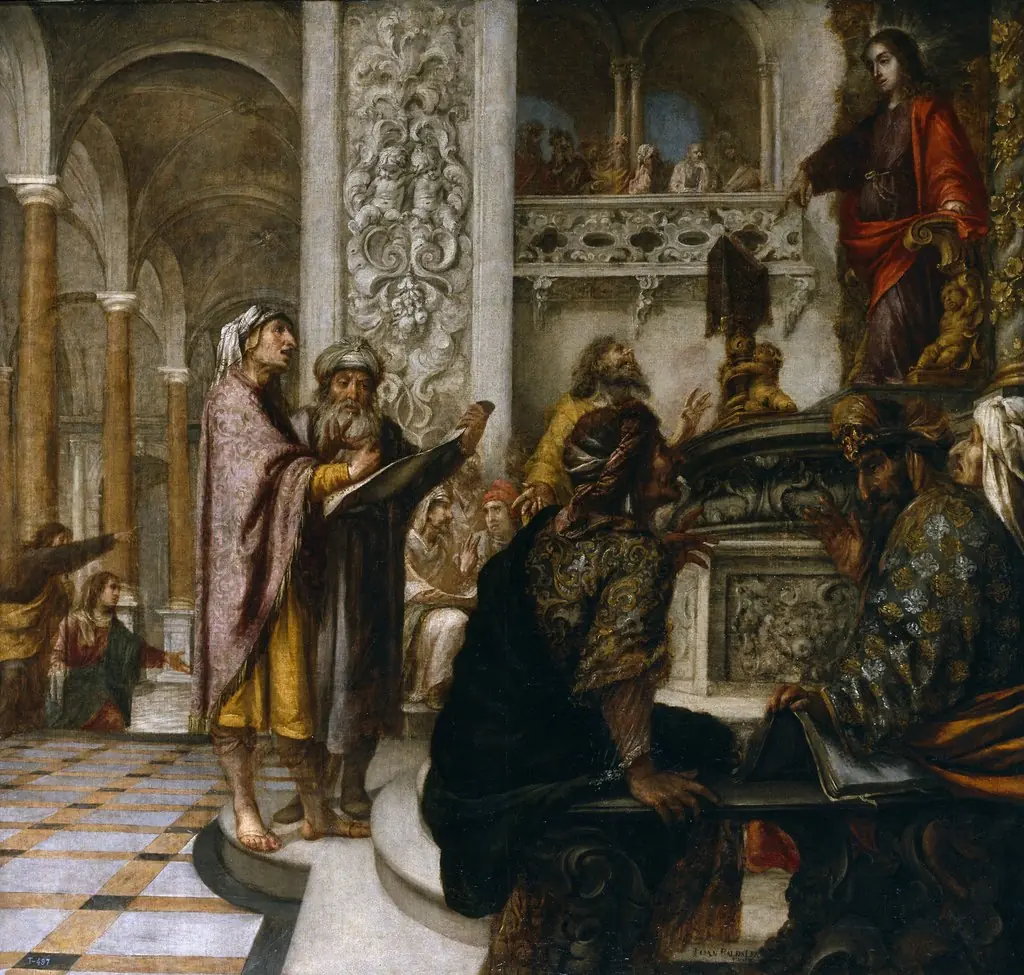 Christ disputing with the Doctors
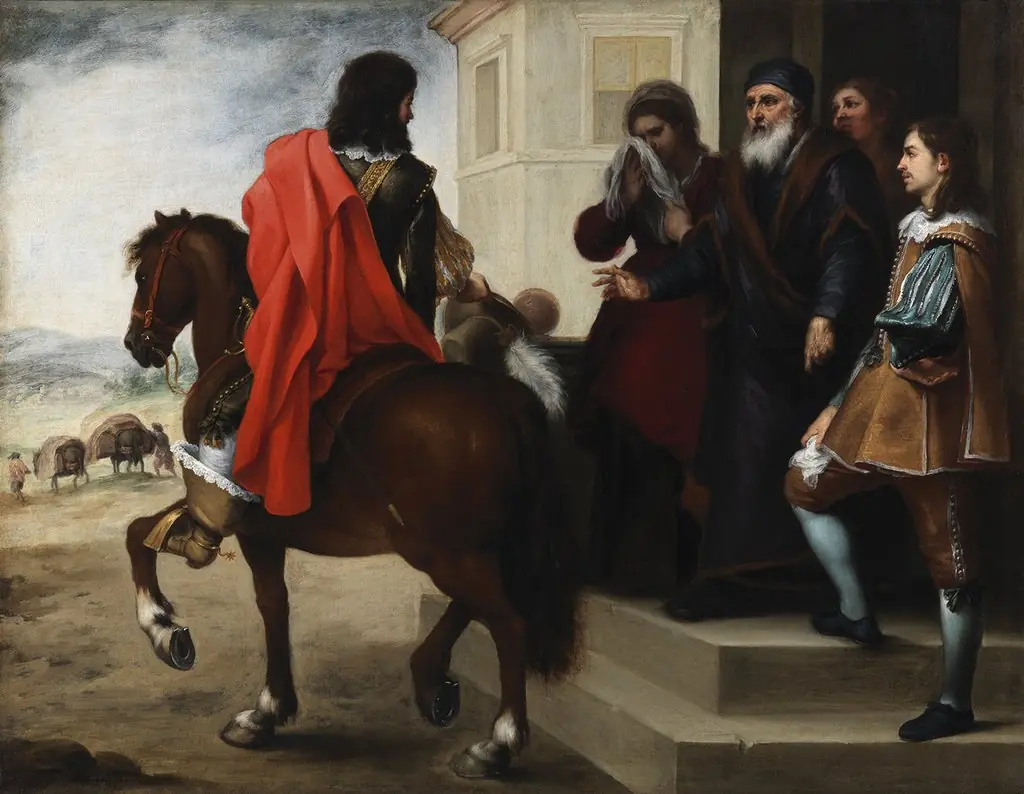 The Departure of the Prodigal Son
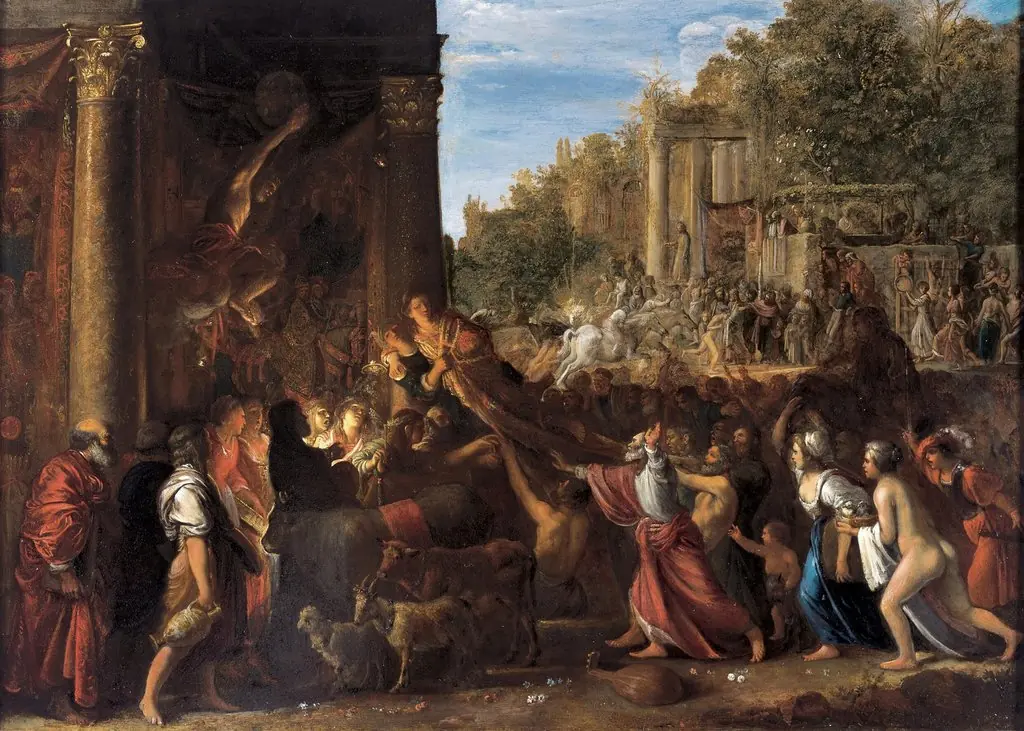 Il Contento
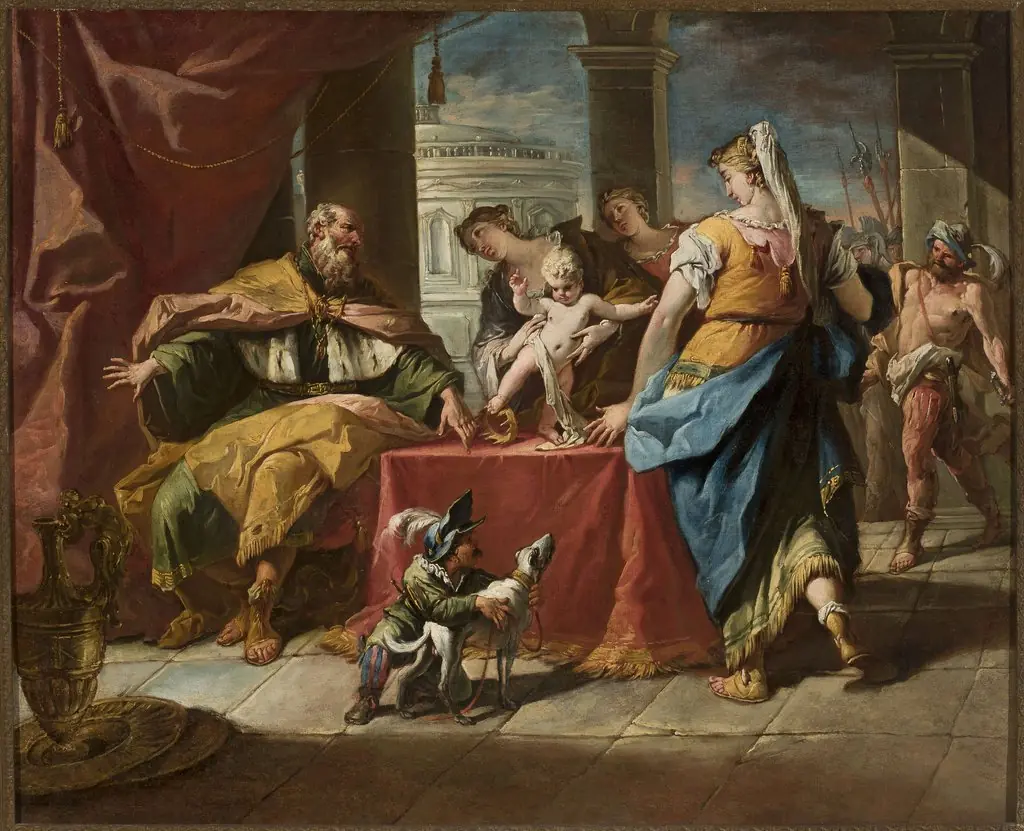 Moses trampling on the Pharaoh’s crown
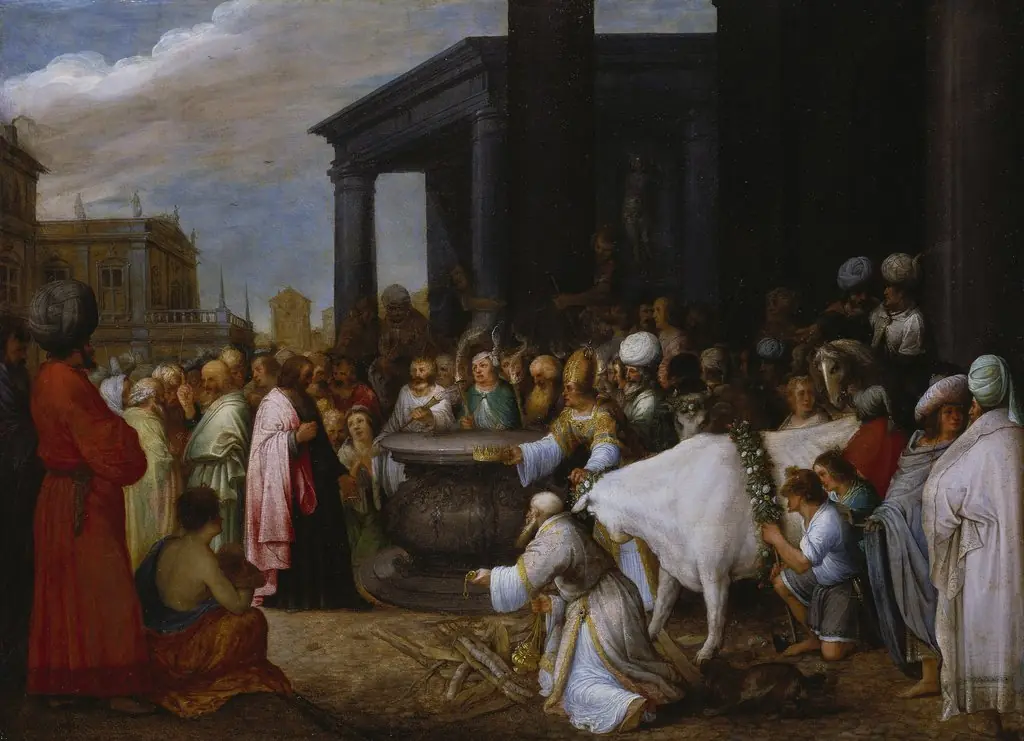 Paul and Barnabas are worshiped as gods in Lystra
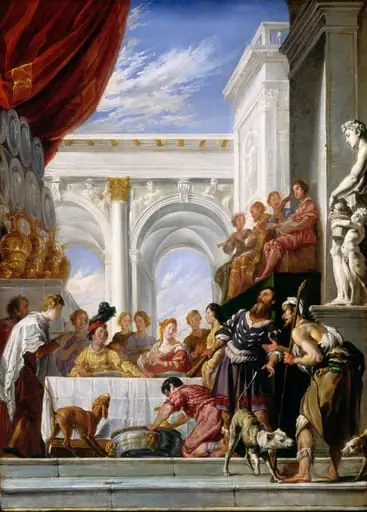 The Parable of Lazarus and the Rich Man
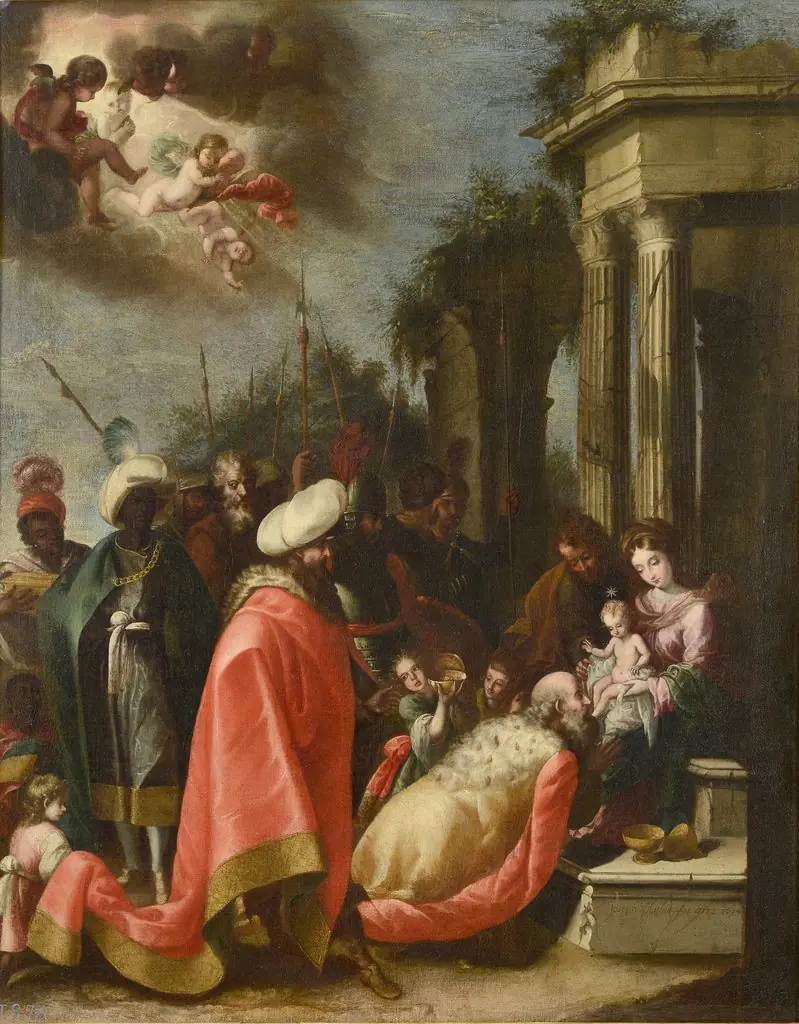 Adoración de los Reyes Magos
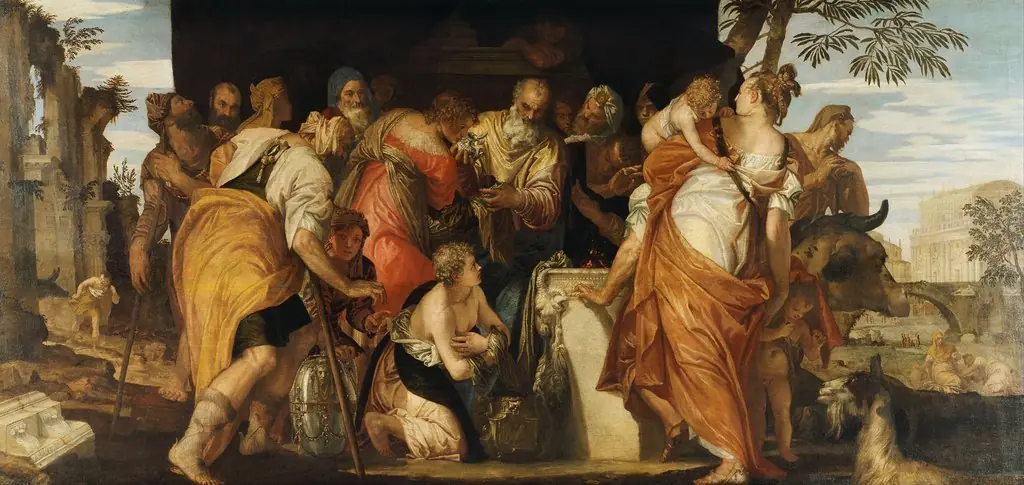 The Anointing of David
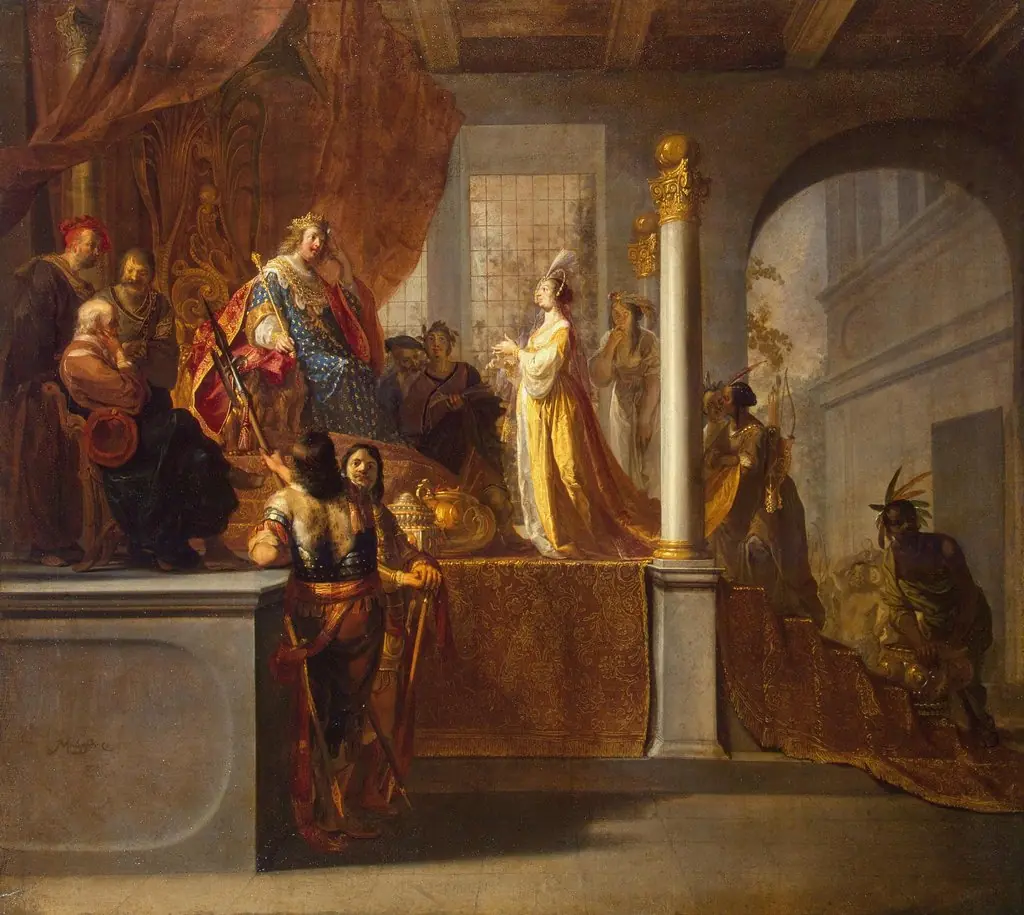 Queen of Sheba before Solomon