Artwork
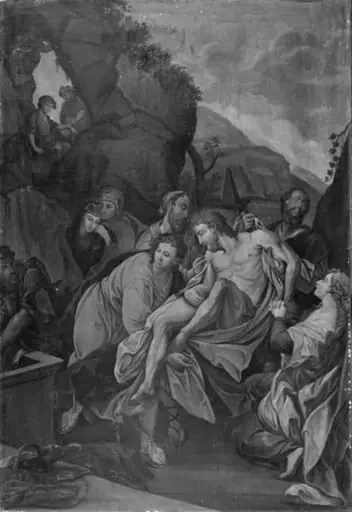
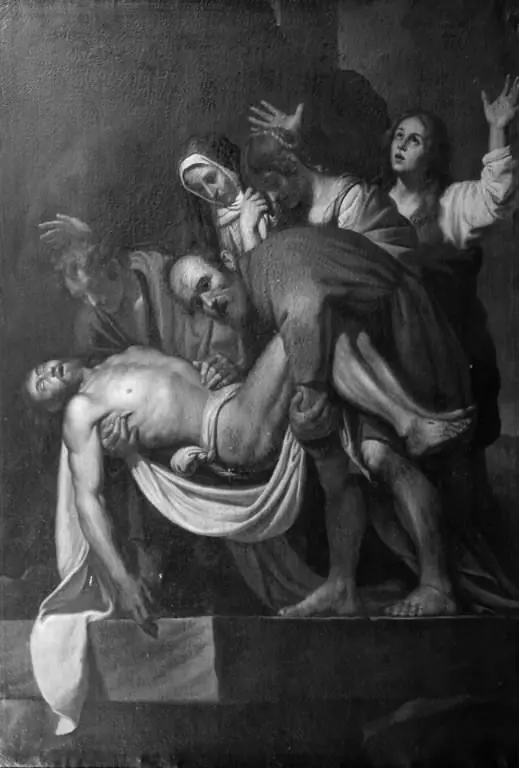
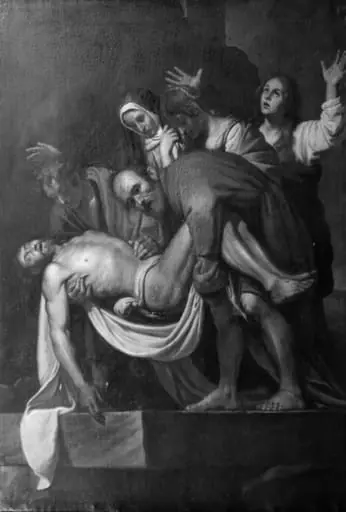
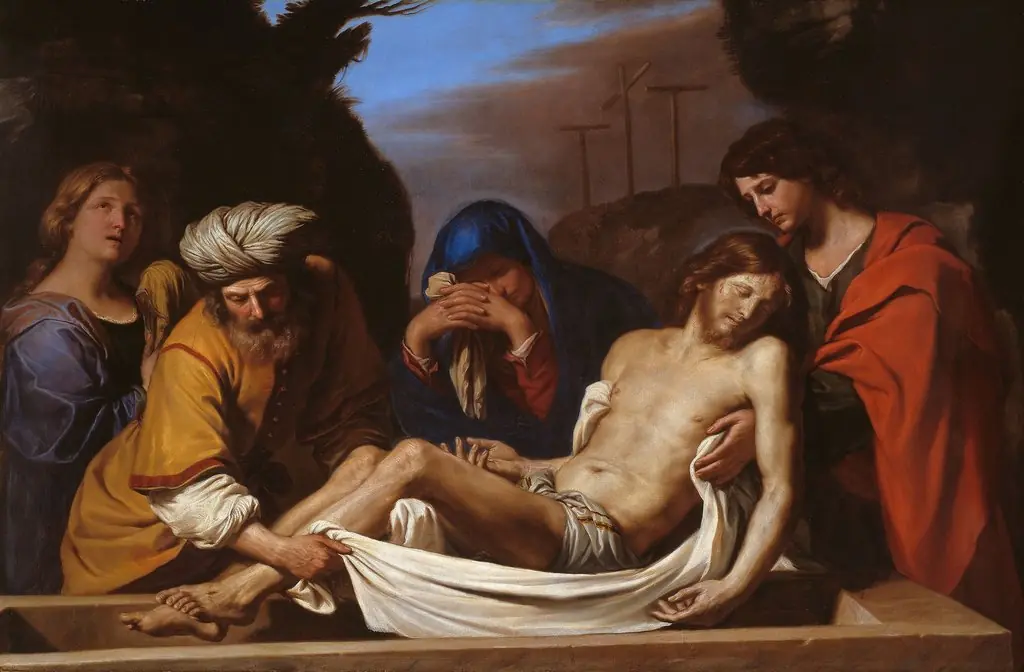
The Entombment
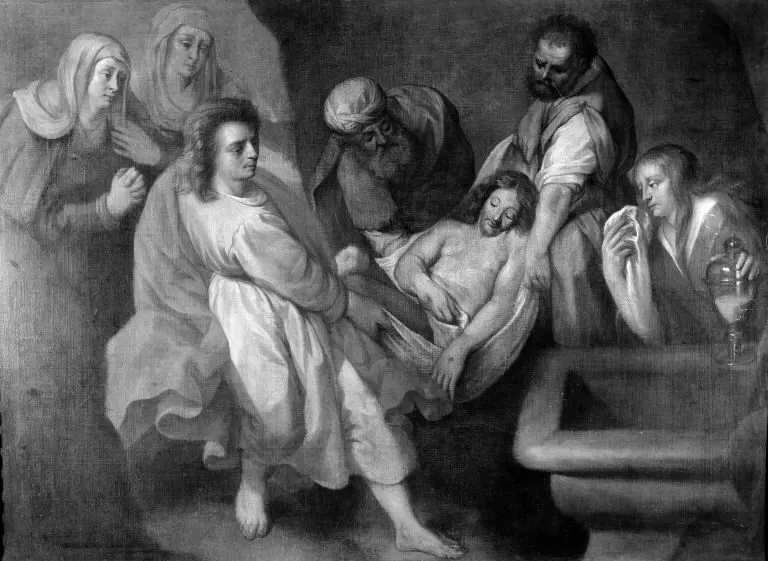
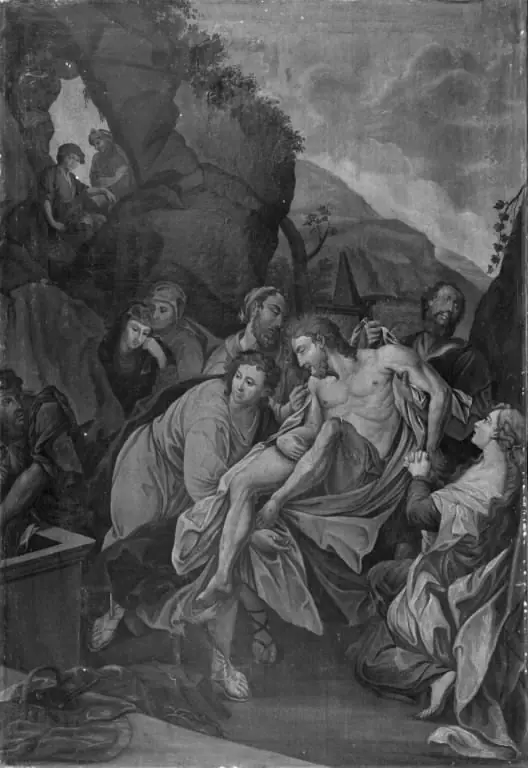
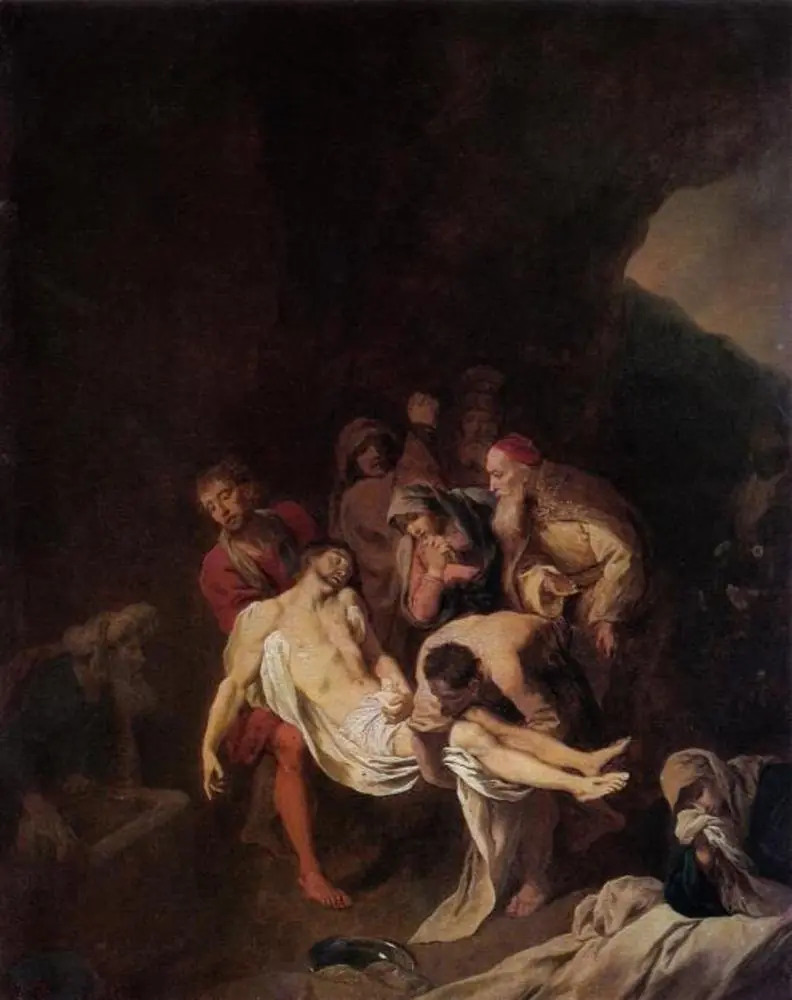
The Entombment is an oil painting by the Dutch Golden Age artist Arnold van Ravesteyn. It is held in the collection of the Statens Museum for Kunst.
About this work
Subject & Meaning
The subject centers on the entombment of Christ, a key moment in the Passion narrative that symbolizes both suffering and hope for resurrection.
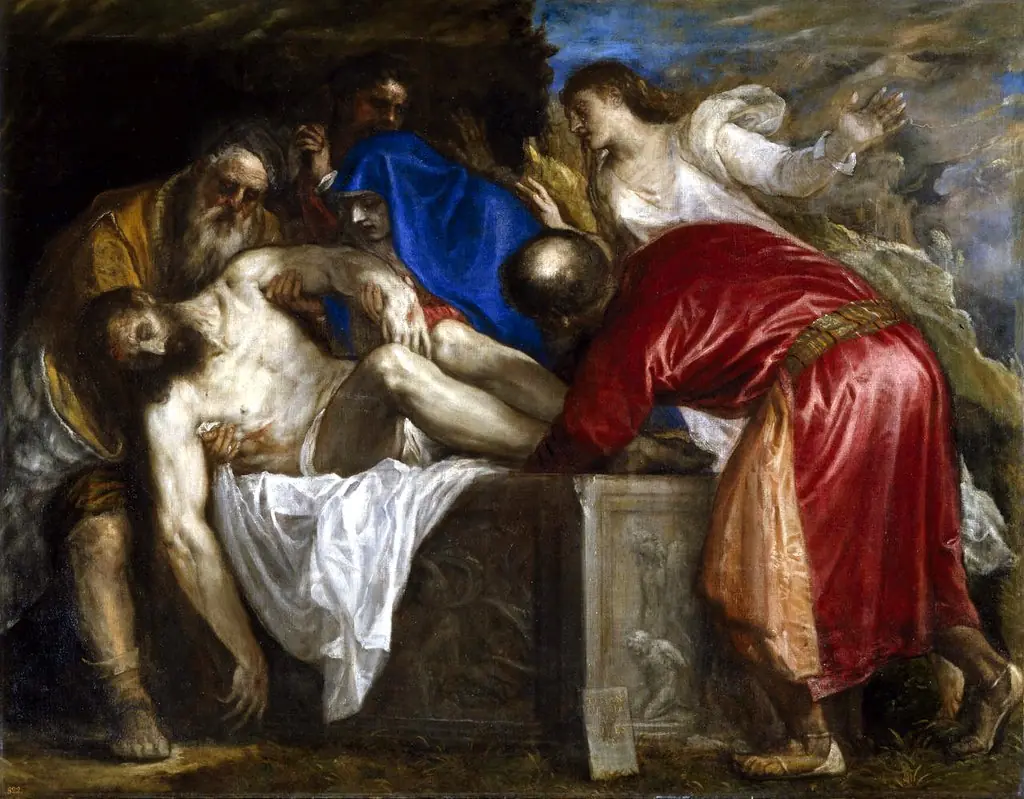
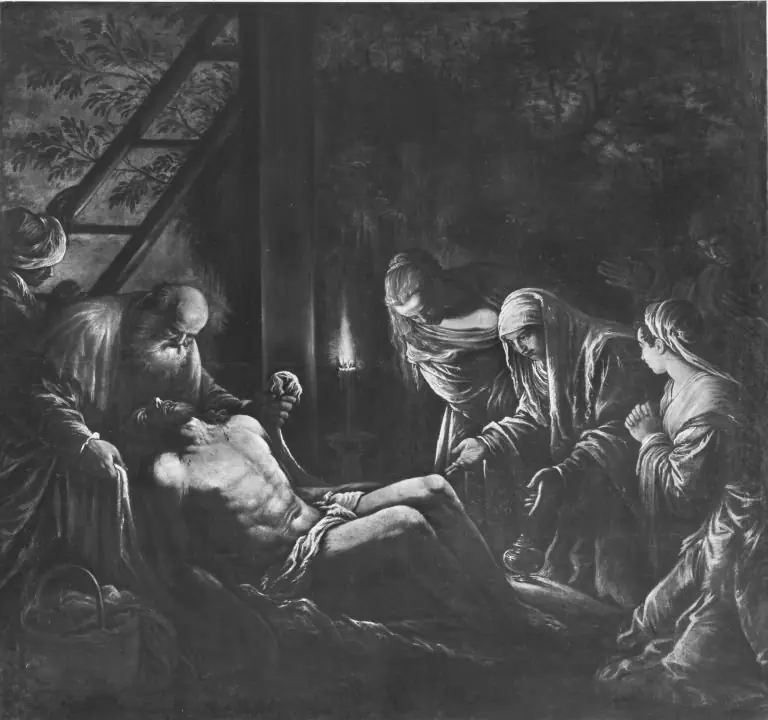
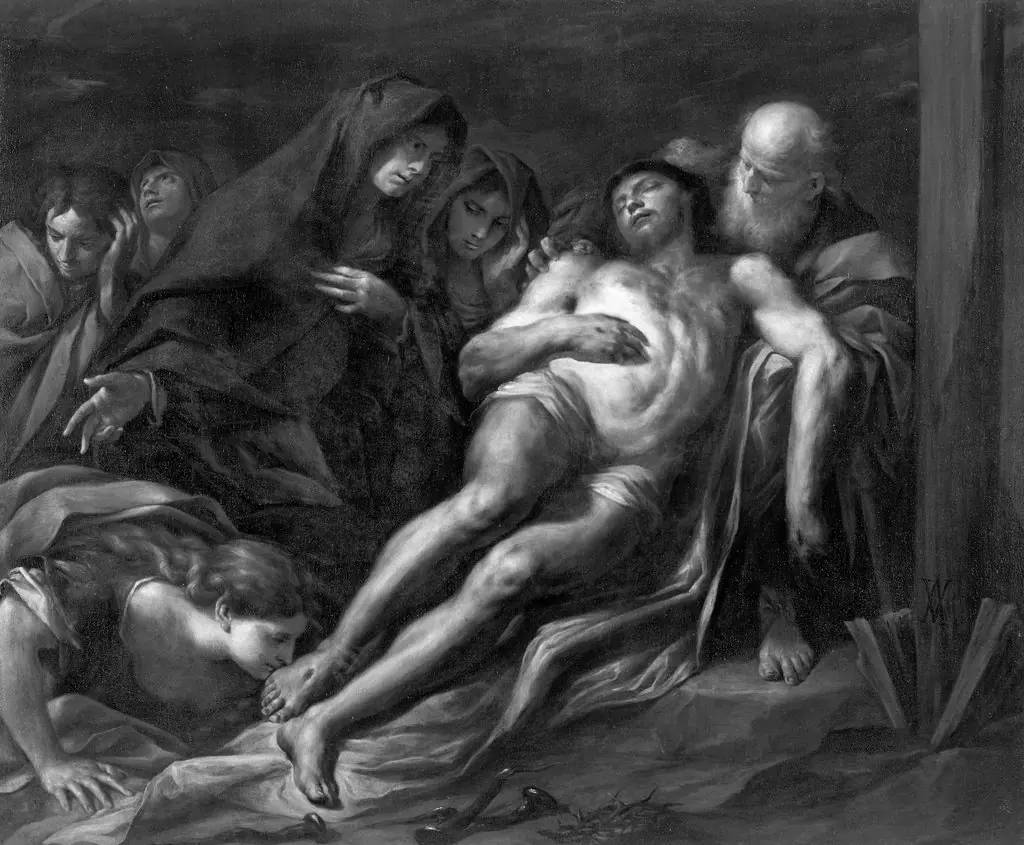
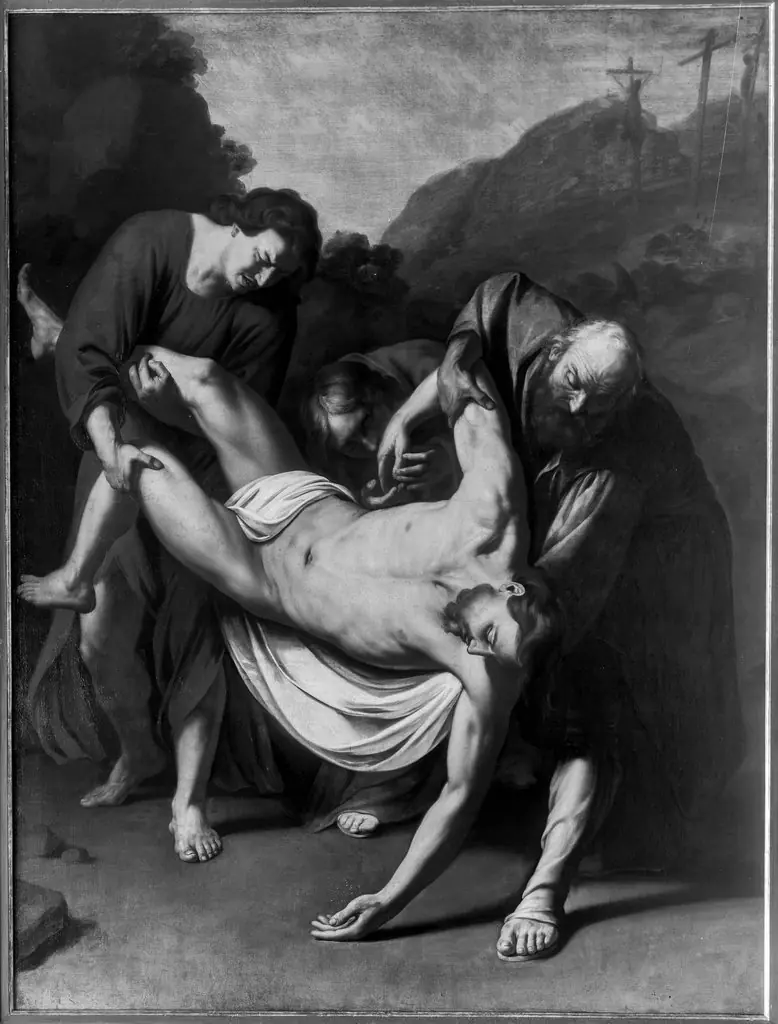
The Entombment depicts the burial of Jesus Christ, showing his lifeless body being lowered into a tomb by mourners. The composition emphasizes the solemnity of the moment, with figures arranged to draw focus to the central act of entombment. The work belongs to the religious art genre, reflecting themes of sacrifice and redemption within Christian iconography.
The painting measures 1090.0 cm in height and 1495.0 cm in width, created in oil paint on canvas in 1683 by Arnold van Ravesteyn. It is part of the collection at the Statens Museum for Kunst, where it remains on display.
The subject centers on the entombment of Christ, a key moment in the Passion narrative that symbolizes both suffering and hope for resurrection. This theme aligns with devotional practices in early modern European religious art, where visual storytelling reinforced theological narratives for congregational reflection.
Technique & Style
The Entombment by Arnold van Ravesteyn is executed in oil paint on canvas, a standard support for late seventeenth-century Dutch religious painting. The work measures 1090 mm in height by 1495 mm in width, giving it a markedly horizontal format suited to its multi-figure narrative. Its classification as a religious painting depicting the entombment of Christ is consistent with the oil medium's capacity for the layered tonal modeling and detailed figural handling typical of the period.
No information on the painting's current condition, surface handling, or specific stylistic qualities is provided in the available sources.
History & Provenance
Arnold van Ravesteyn painted The Entombment in 1683, an oil on canvas work measuring 1090 cm by 1495 cm that depicts the entombment of Christ. The painting entered the collection of the Statens Museum for Kunst, where it remains on display.
The work was created as a religious composition for an unknown patron, reflecting van Ravesteyn's focus on devotional subjects in the late Dutch Baroque period.
The Entombment is held by the Statens Museum for Kunst in Denmark, which is listed as both its collection and its location. The painting, executed in oil on canvas, measures 1090 mm in height and 1495 mm in width.
No exhibition history is documented in the available sources.
Overview
Arnold van Ravesteyn’s oil on canvas, dated 1692, portrays the biblical episode of Christ’s entombment. The work is part of the collection of Denmark’s Statens Museum for Kunst, where it is displayed among the museum’s Baroque holdings.
Context
The work reflects the Counter‑Reformation’s emphasis on emotionally charged religious scenes, a trend prevalent in Dutch and Flemish art of the 1600s. Van Ravesteyn, trained in the Dutch tradition, adapts this devotional narrative to a restrained, intimate setting, aligning with contemporary tastes for private contemplation.
Artist & collection