Artwork
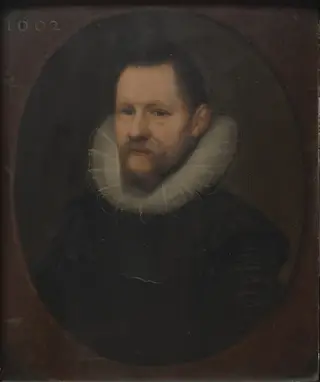
Portret van Dominicus Baudius (1561-1613). Hoogleraar in de welsprekendheid, de geschiedenis en de rechten te Leiden
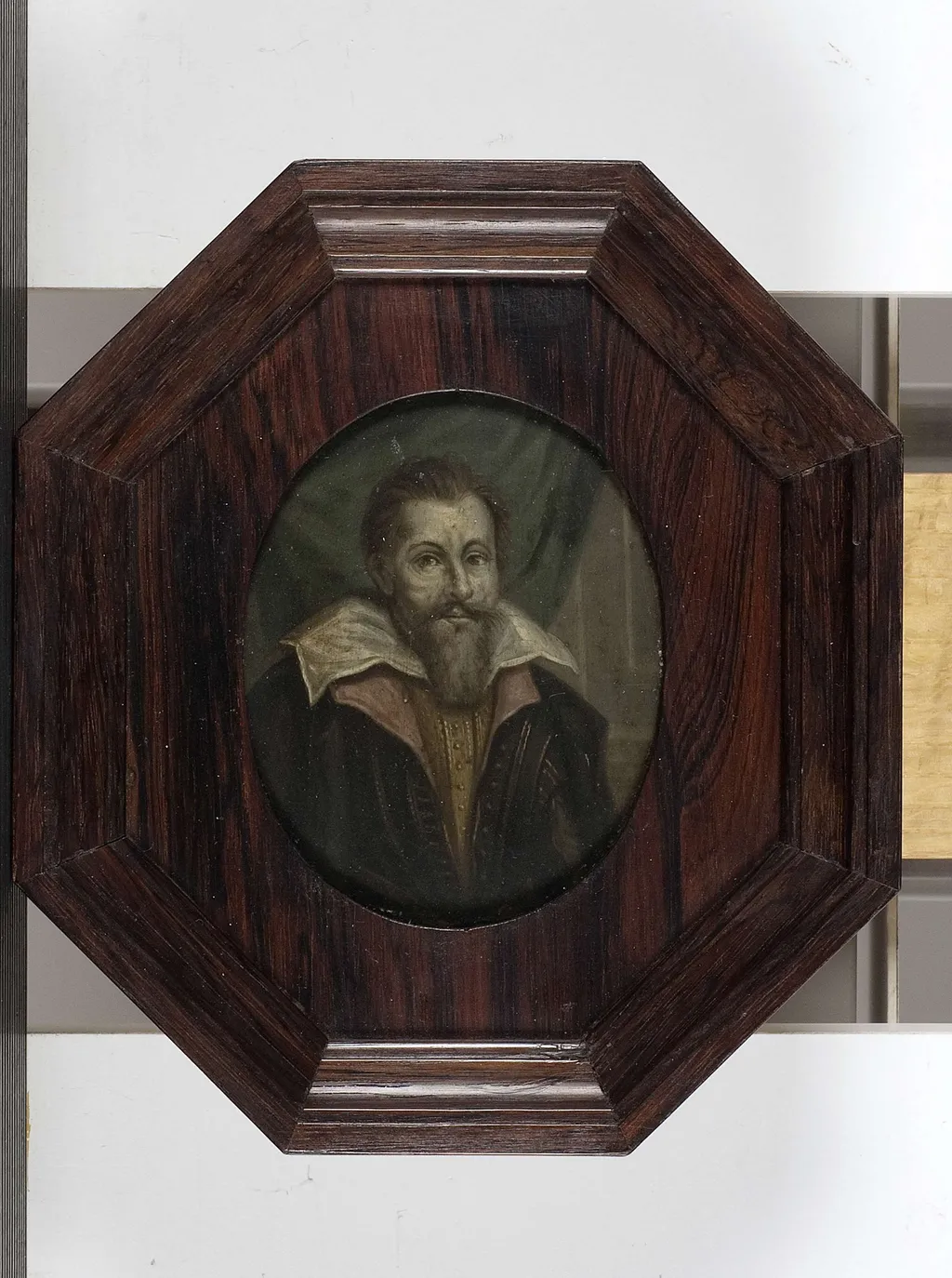
Portret van Dominicus Baudius (1561-1613). Hoogleraar in de welsprekendheid, de geschiedenis en de rechten te Leiden is an oil painting by the Rococo painting artist Arnoud van Halen. It dates from 1716 and is held in the collection of the Rijksmuseum.
About this work
Technique & Style
Arnoud van Halen employed a meticulous approach to capture the sitter’s scholarly presence, using fine brushwork to delineate facial features and period attire.
The portrait depicts Dominicus Baudius, a professor of eloquence, history, and law at Leiden University, rendered in oil paint on a tin support. The work measures 11 cm in height by 9.5 cm in width and dates to 1716. Arnoud van Halen employed a meticulous approach to capture the sitter’s scholarly presence, using fine brushwork to delineate facial features and period attire. The composition emphasizes formal dignity through restrained coloration and precise rendering of texture on the metal surface.
History & Provenance
The work was created in 1716 by Arnoud van Halen, commissioned as a portrait of Dominicus Baudius, who held the Leiden professorship in eloquence, history, and law. It was painted in tin and executed in oil, measuring 11 centimeters in height and 9.5 centimeters in width. The painting entered the collection of the Rijksmuseum and is now held in the depot of the Cultural Heritage Agency of the Netherlands Art Collection. Its creation is documented as occurring on 1716-01-01, reflecting the precise inception date recorded for the work.
Overview
Arnoud van Halen’s 1716 tin portrait presents Dominicus Baudius (1561‑1613), a former professor of rhetoric, history and law at Leiden. The work is an oval composition framed in dark wood, now part of the Rijksmuseum’s collection.
Subject & Meaning
The sitter, Baudius, appears as a bearded scholar wearing a dark collar and a ruffled shirt, his expression rendered in subdued greens and browns. The portrait emphasizes his intellectual stature through a sober, dignified pose.
Context
In the early 18th century, Dutch portraiture often combined academic subjects with a modest aesthetic, reflecting the period’s shift toward personal commemoration rather than grandiose representation.
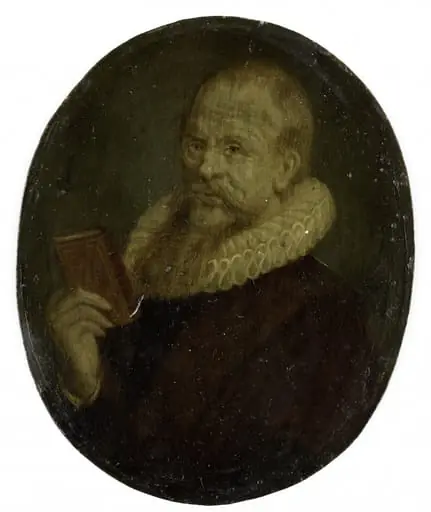
Own this work as a print
Artist & collection

 Portrait of Sibylle van Griethuysen (ca.1620-na 1662)
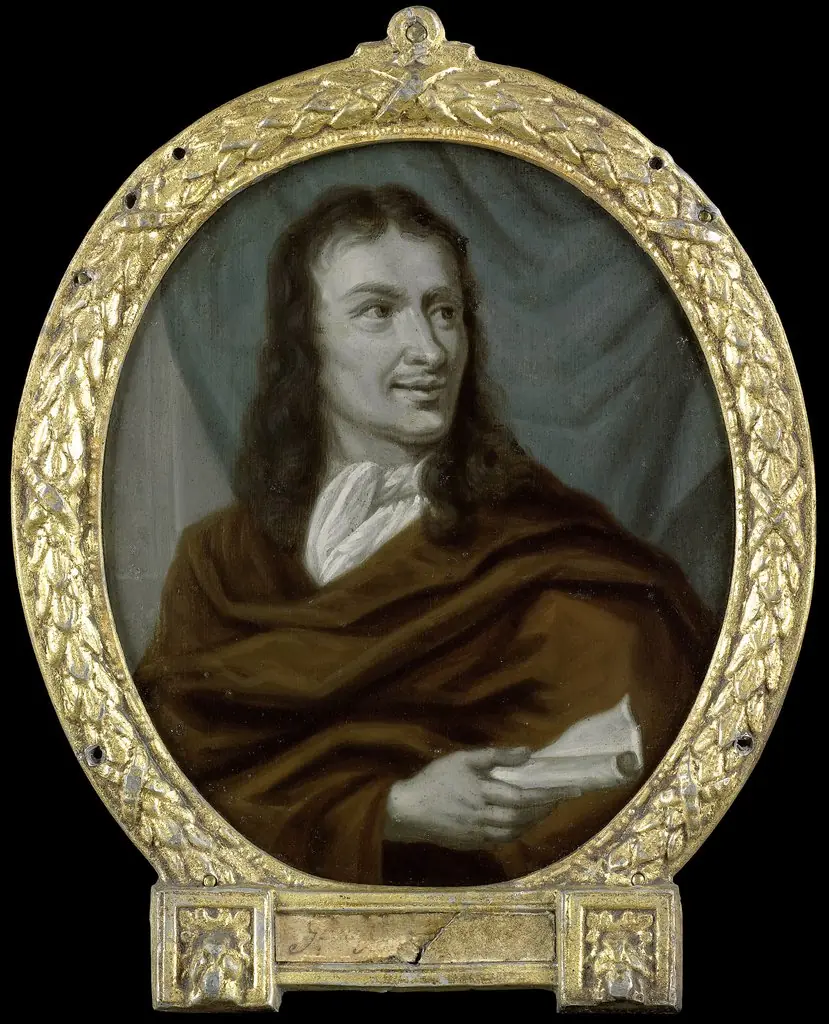 Portrait of Pieter Verhoek (1633-1702)
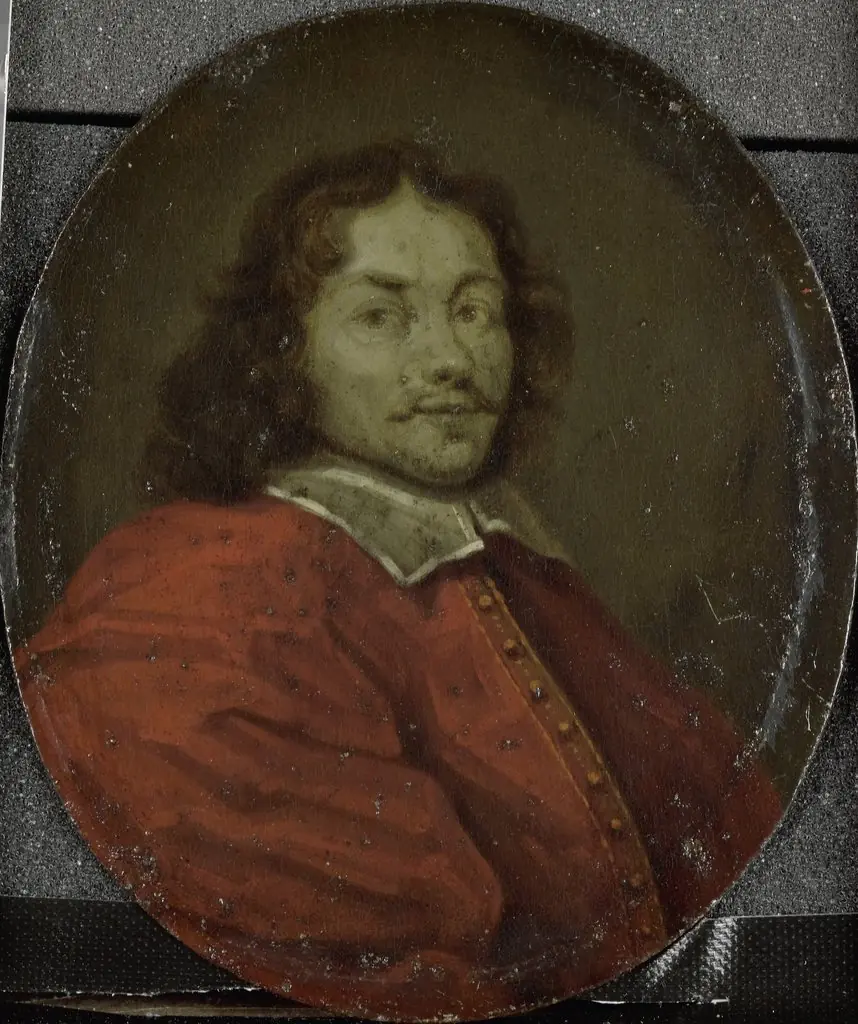 Portrait of Matthijs Gansneb, called Tengnagel, Poet in Amsterdam
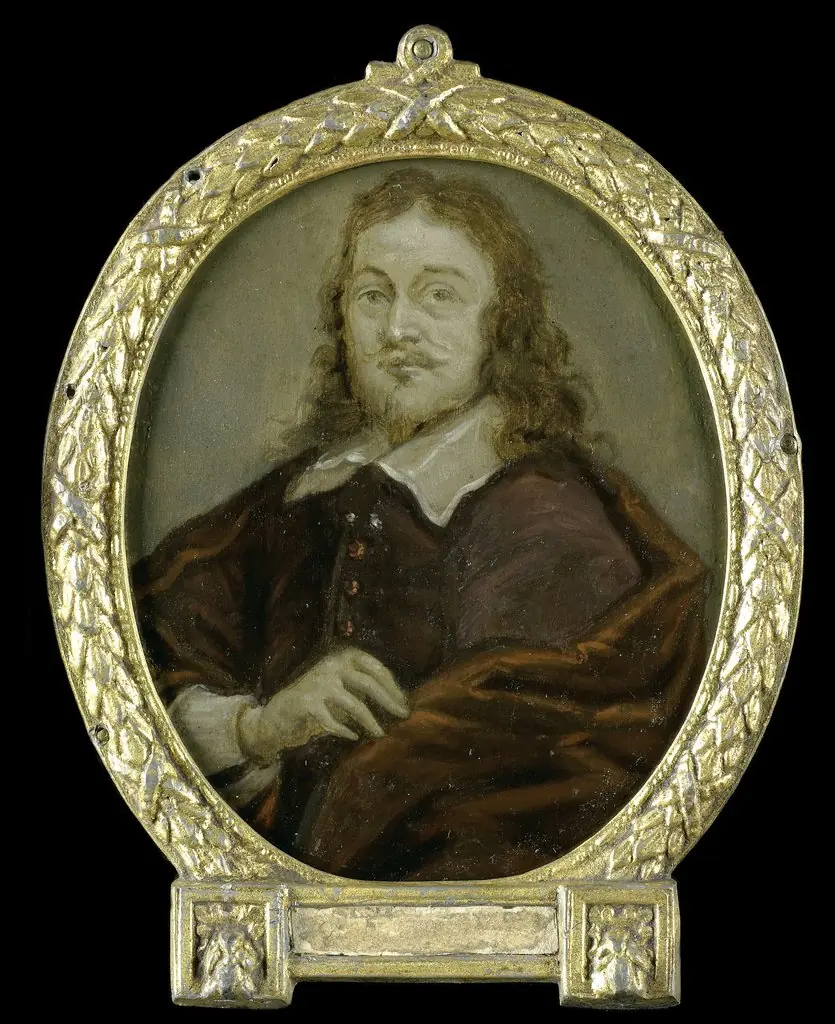 Portrait of the painter Bonaventura Peeters I (1614-52)
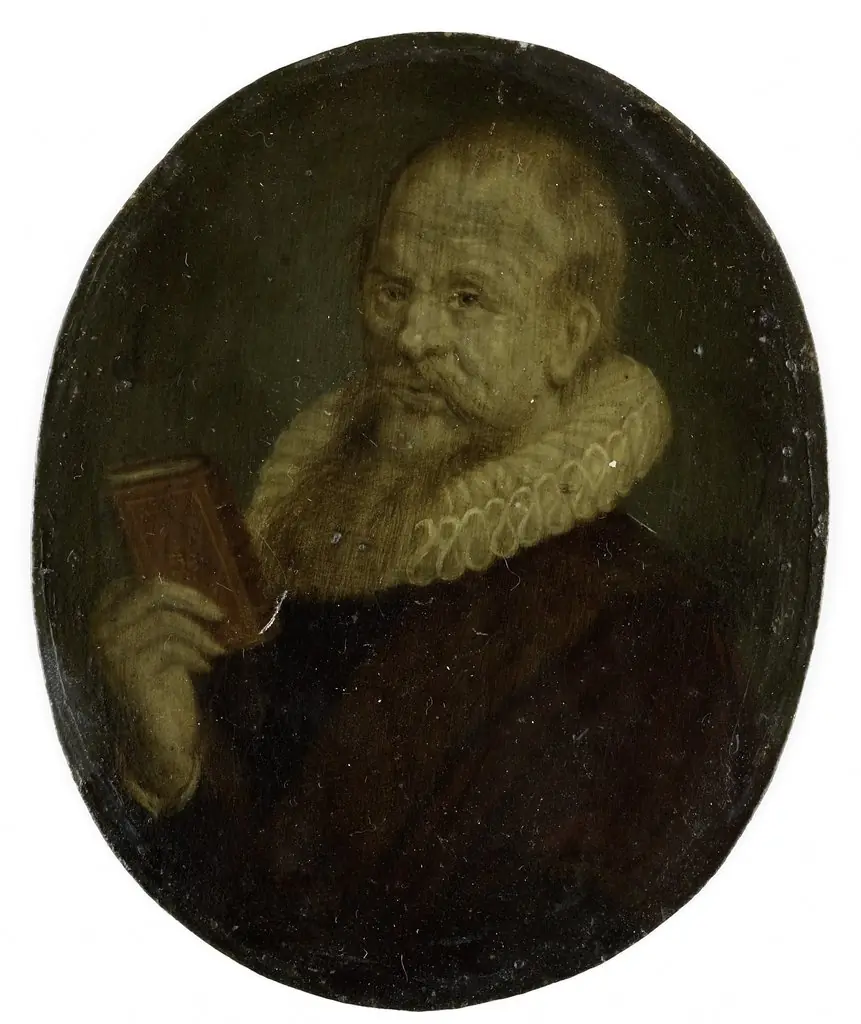 Portrait of Theodorus Schrevelius (1572-1653)
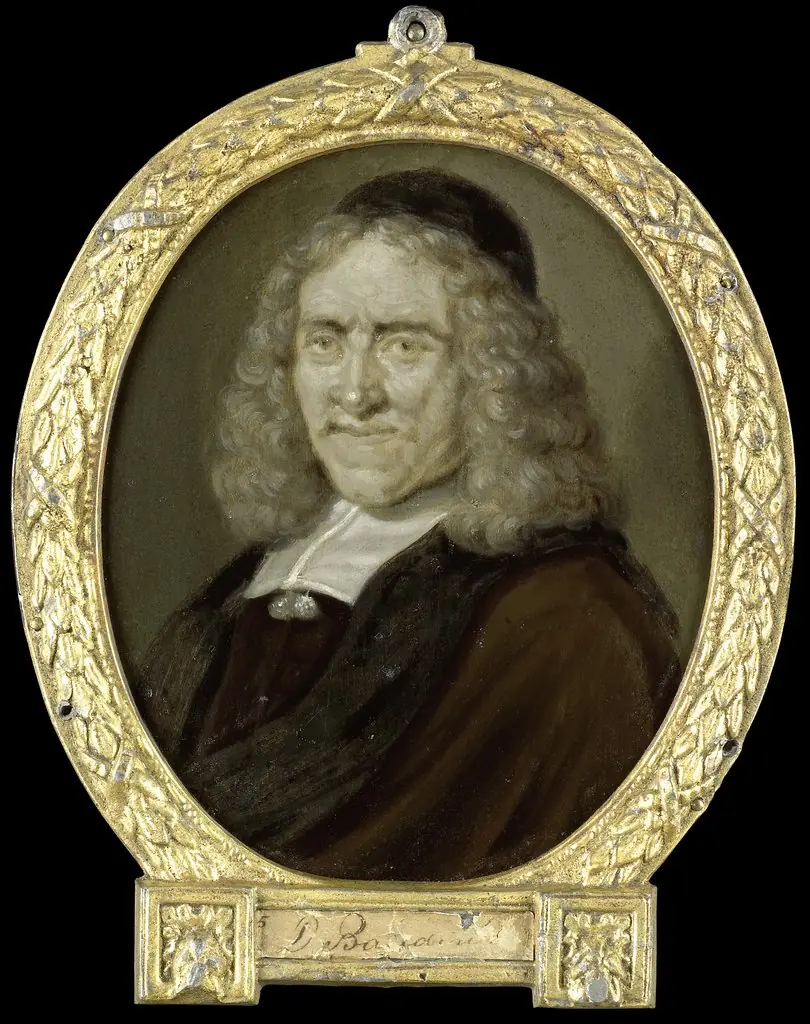 Portrait of Willem Jacobsz van Heemskerck, Poet and Engraver on Glass
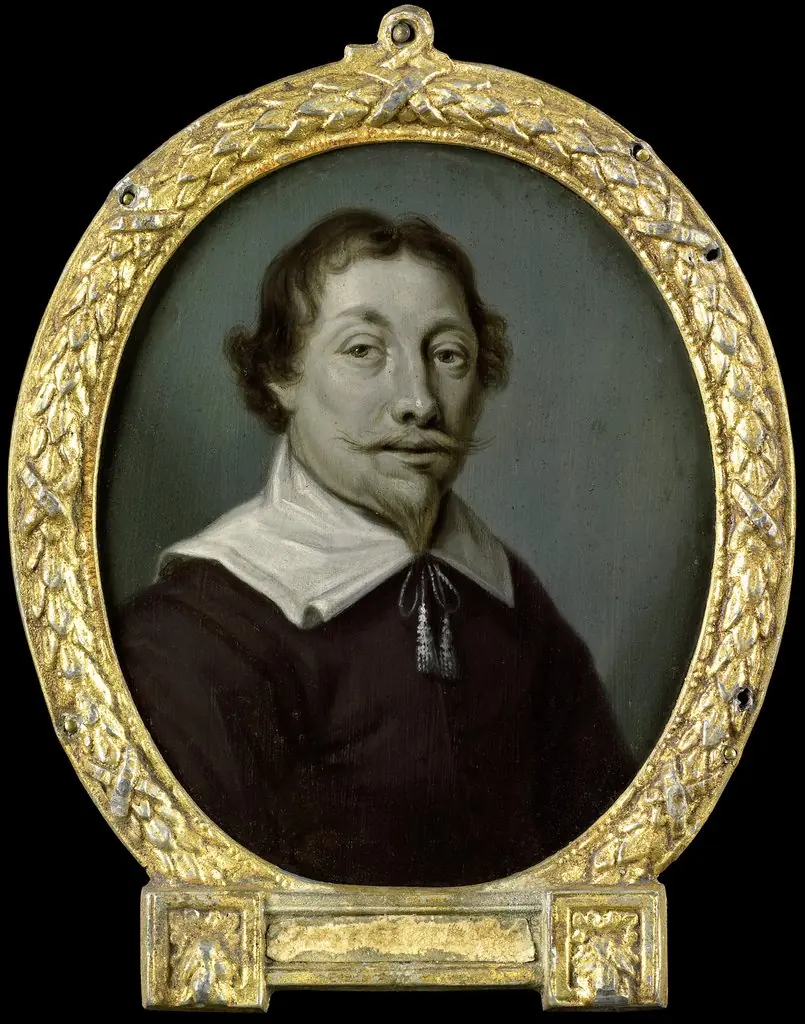 Portrait of Jan van der Veen, Pharmacist and Poet in Deventer
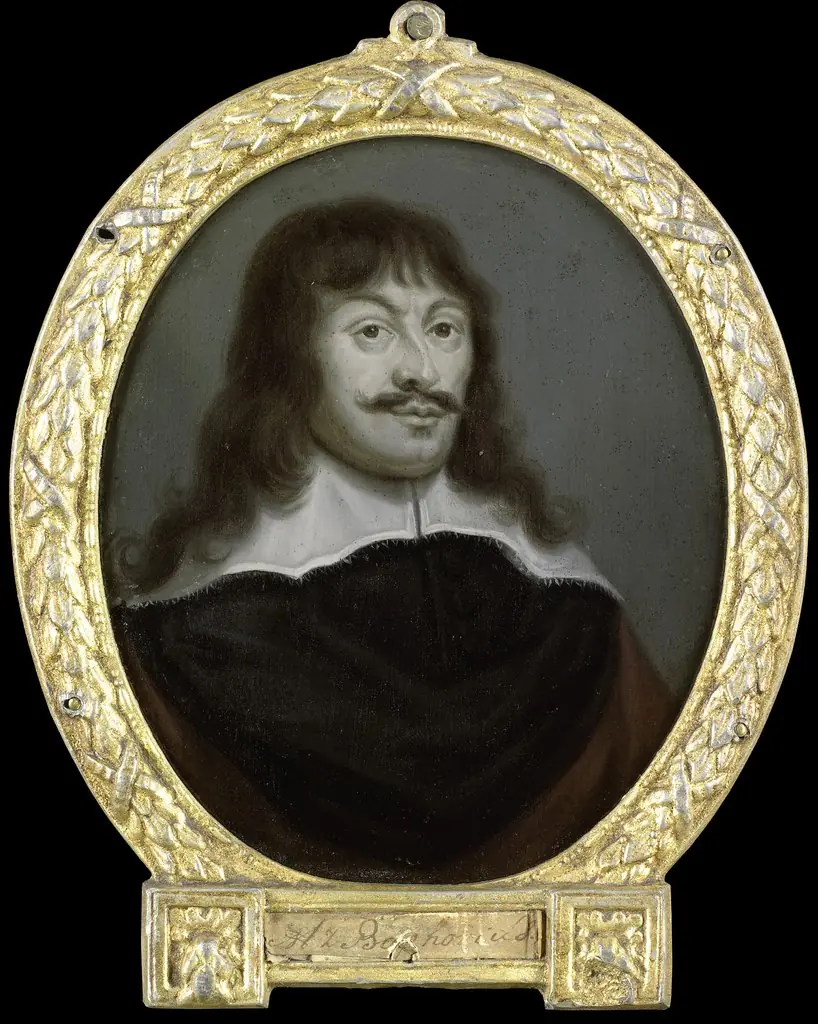 Portrait of Marcus Zuërius van Boxhorn, Historian and Professor at Leiden
 Portrait of Cornelis Jansz Hartigsvelt, Director of the Rotterdam Chamber of the Dutch East India Company, elected 1639
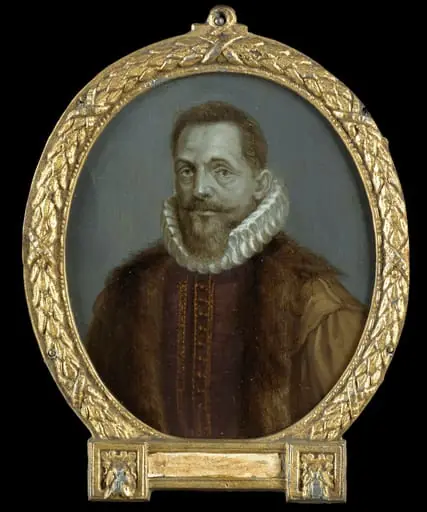 Portrait of Petrus Bertius, Professor at Leiden
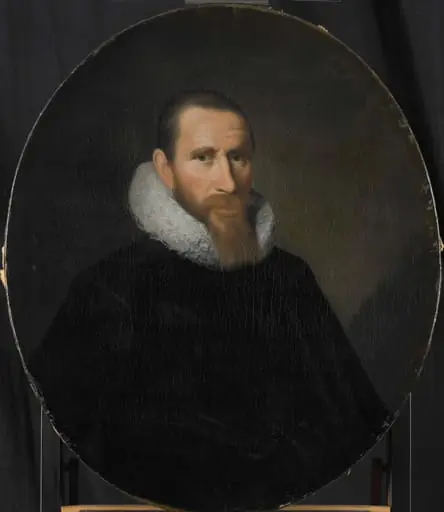 Portrait of Joost van Coulster, Director of the Rotterdam Chamber of the Dutch East India Company, elected 1630
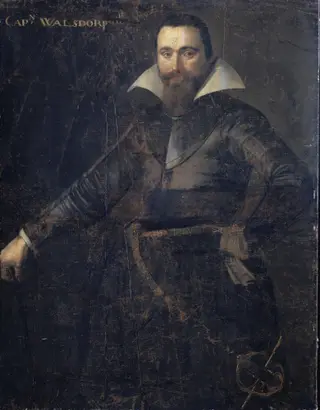 Portrait of Bartholomeus Andrio Walsdorffer (?-1622)
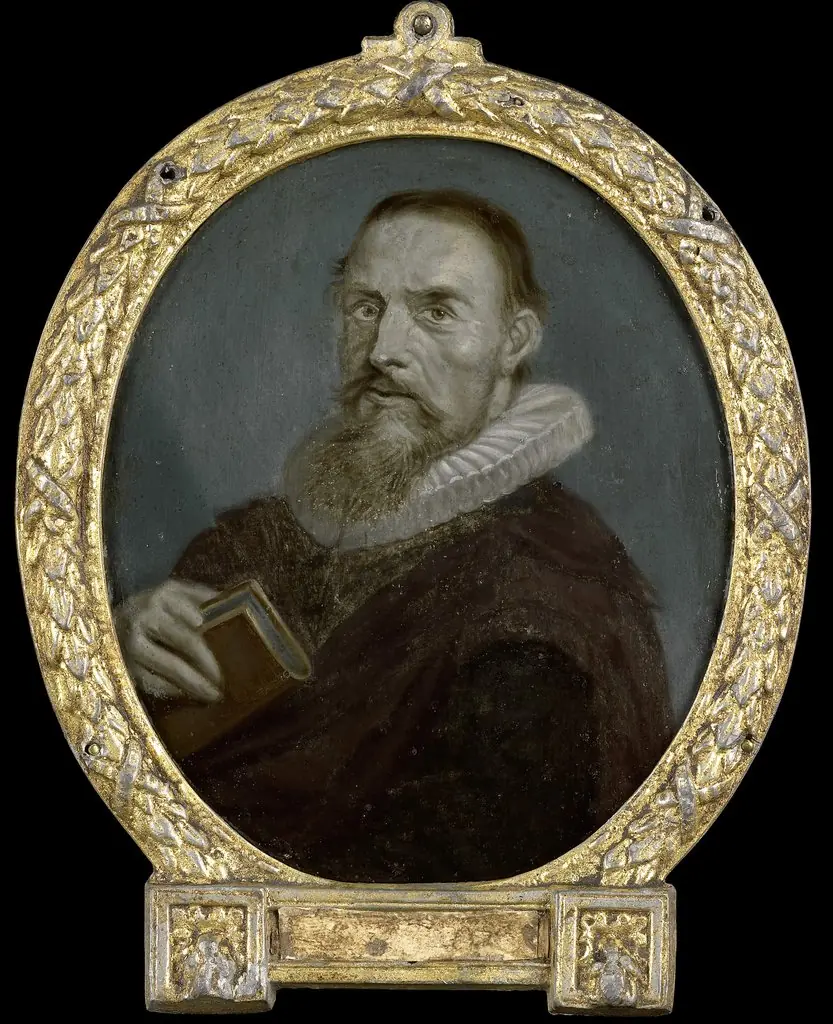 Portrait of Samuel Ampzing (ca.1591-1632)
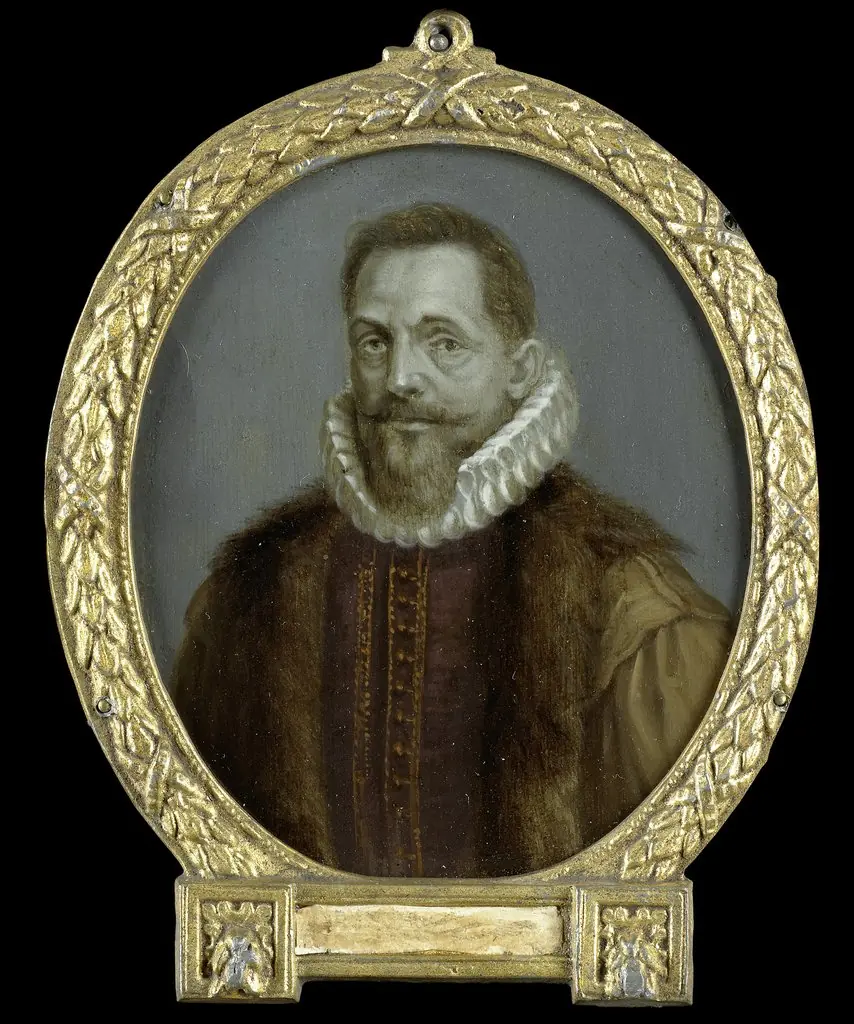 Portrait of Petrus Bertius, Professor at Leiden
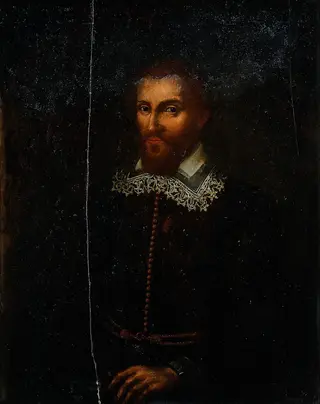 Portrait of Pieter Both, Governor-General of the Dutch East Indies
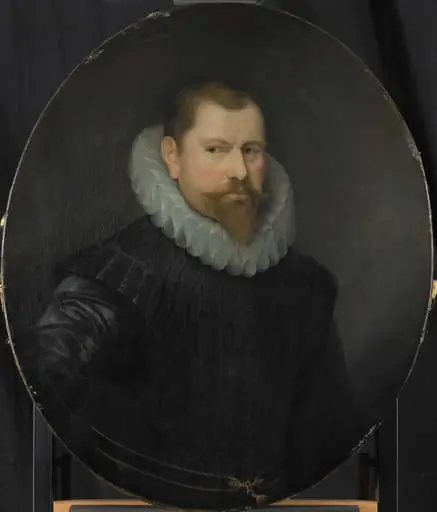 Portrait of Cornelis Matelieff the Younger, Director of the Rotterdam Chamber of the Dutch East India Company, elected 1602
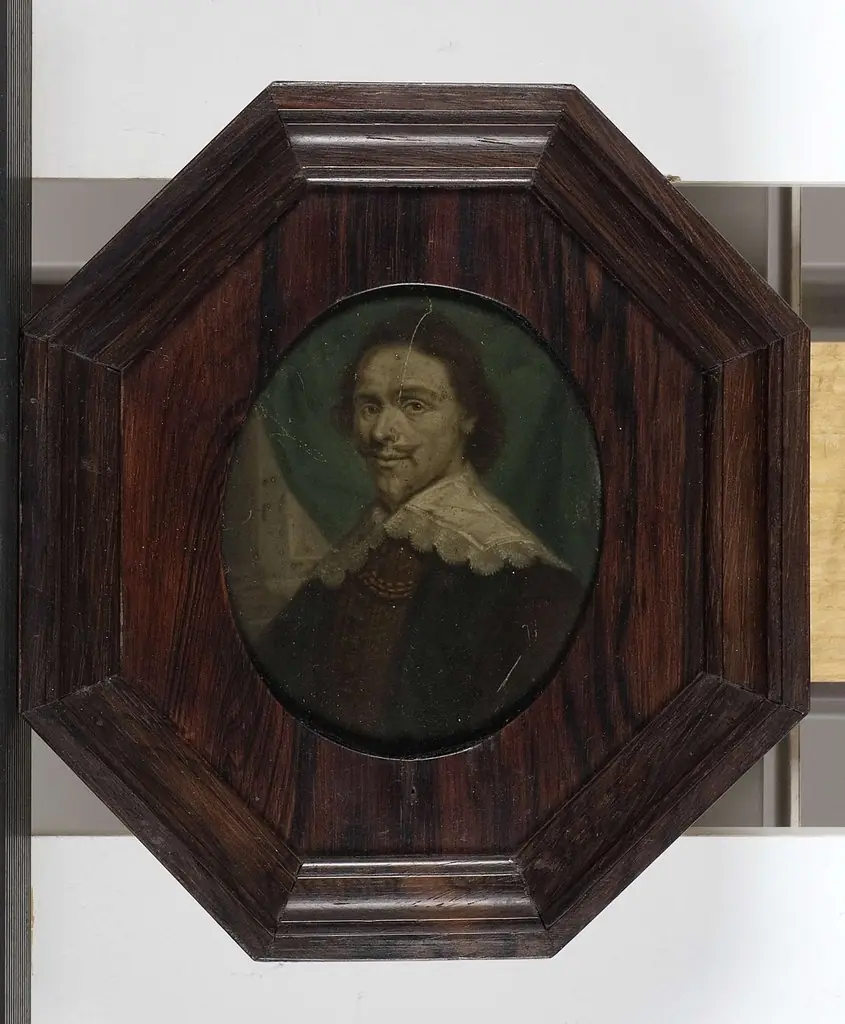 Dirck Graswinckel (1600-66). Rechtsgeleerde en letterkundige
 Portrait of a Man