Artwork
Evening Prayer of a Farmer
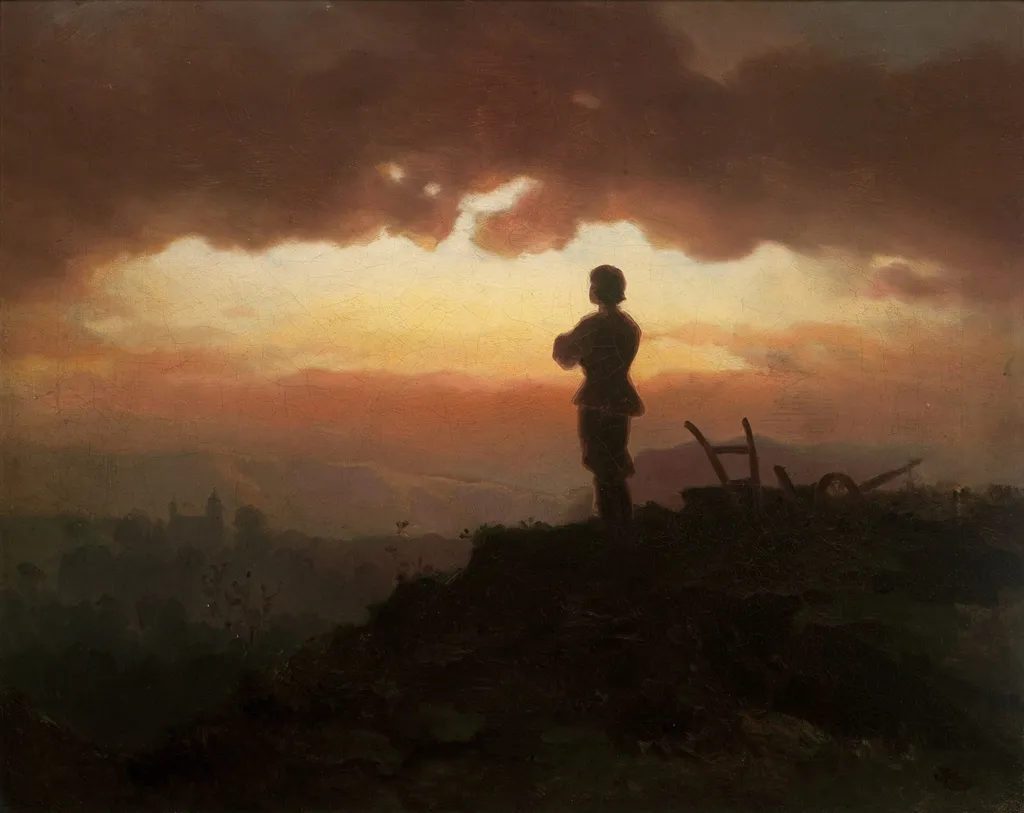
Evening Prayer of a Farmer is an oil painting by Artur Grottger. It dates from 1865 and is held in the collection of the National Museum in Kraków.
About this work
Overview
Painted in 1865 by Artur Grottger, Evening Prayer of a Farmer is an oil on canvas work that captures a solitary rural figure in a moment of stillness.
Painted in 1865 by Artur Grottger, Evening Prayer of a Farmer is an oil on canvas work that captures a solitary rural figure in a moment of stillness. Created during Poland’s partition era, the piece reflects the quiet resilience of peasant life under foreign rule. It resides in the National Museum in Kraków and exemplifies Grottger’s commitment to depicting Polish identity through intimate, everyday scenes rather than grand historical narratives.
Subject & Meaning
The painting portrays a farmer kneeling on a hill at dusk, hands clasped in prayer. His posture suggests personal devotion, but also a broader spiritual connection to the land and nation. The absence of religious iconography shifts focus to the individual’s inner life, framing prayer as an act of endurance. The setting evokes a sense of solitude, reinforcing themes of quiet dignity amid political fragmentation.
Technique & Style
Grottger employs chiaroscuro to model the farmer’s form against the fading light, enhancing the figure’s sculptural presence. The palette is restrained, earthy browns, muted greens, and soft golds, emphasizing the naturalism of the landscape. Brushwork is deliberate but unobtrusive, allowing the mood to emerge from tonal contrasts rather than detail. The silhouette of the figure against the sky heightens emotional resonance without theatricality.
History & Provenance
Completed in 1865, the painting entered the collection of the National Museum in Kraków shortly after its creation. Grottger, who died young in 1867, produced few large-scale works, making this one of his more enduring compositions. Its preservation reflects early institutional recognition of his role in shaping a national visual language during a time when Polish cultural expression was suppressed under partitioning powers.
Context
Poland had been erased from the map by 1865, divided among Russia, Prussia, and Austria. In this climate, artists like Grottger turned to rural subjects as symbols of enduring national spirit. The farmer’s prayer becomes a subtle act of resistance, not through defiance, but through the affirmation of cultural continuity. Such imagery resonated with audiences seeking identity beyond political borders.
Legacy
Though not widely exhibited outside Poland, Evening Prayer of a Farmer remains a touchstone in discussions of 19th-century Polish art. It influenced later generations who sought to represent national character through quiet, personal moments rather than overt nationalism. Its restrained emotion and focus on the land continue to inform interpretations of Polish Romanticism as introspective and grounded.
Own this work as a print
Artist & collection
Artist
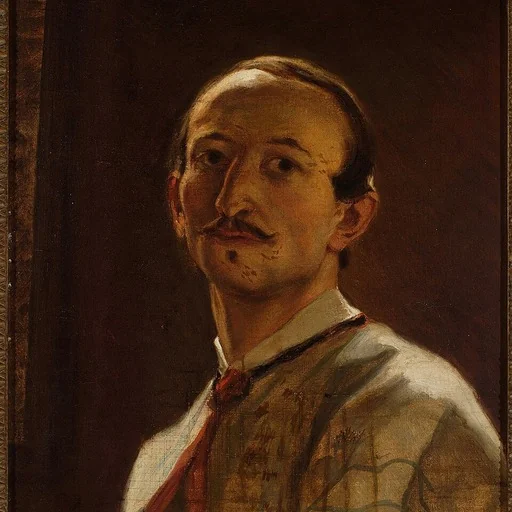
Artur Grottger (11 November 1837 – 13 December 1867) was a Polish Romantic painter and graphic artist, one of the most prominent artists of the mid 19th century under the partitions of Poland, despite a life cut short by incurable illness.

 Portrait of a Man
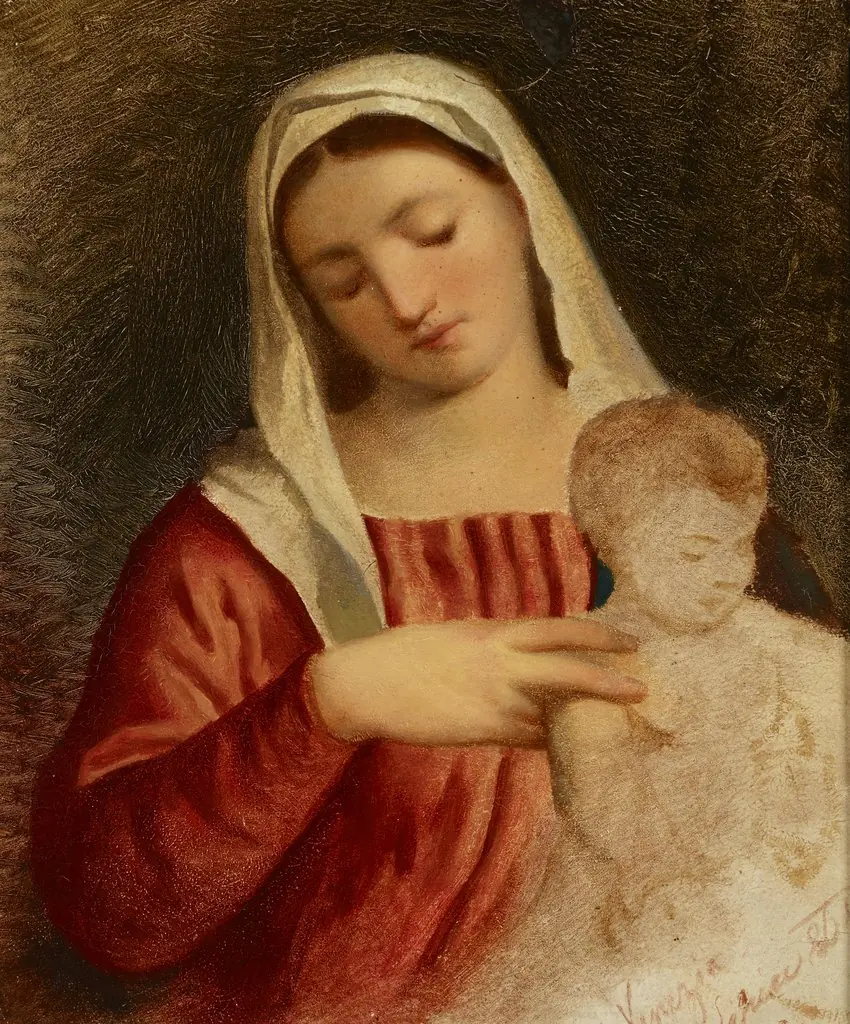 Madonna with Child – Copy of the fragment of the painting "Madonna with Child and Saints" by Bonifacio Veronese
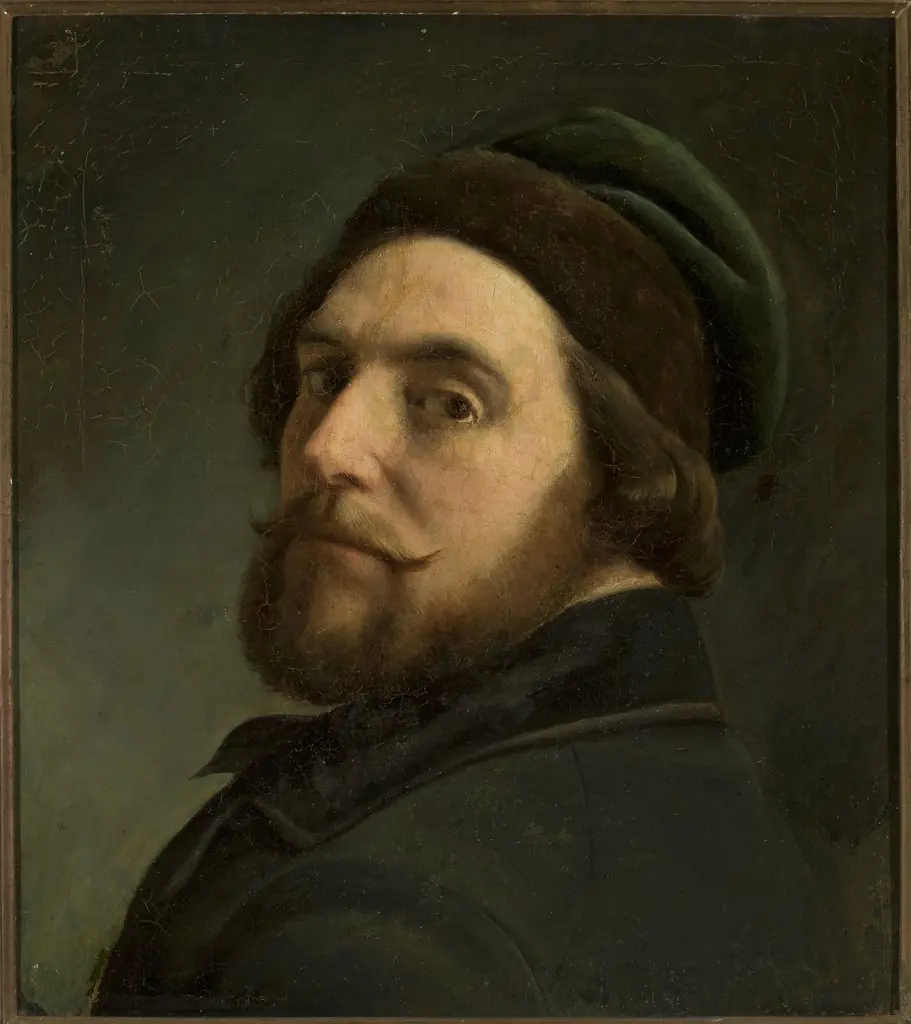 Male portrait
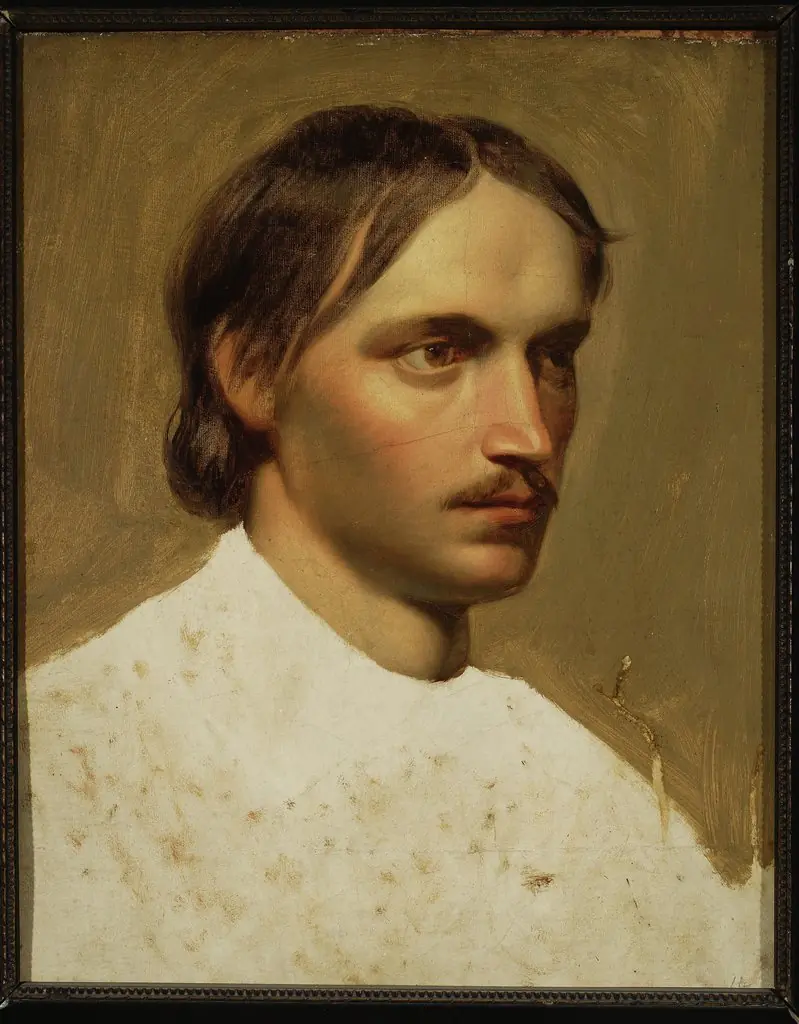 Portrait of Wincenty Chochlik Wasilewski (1849–1897)
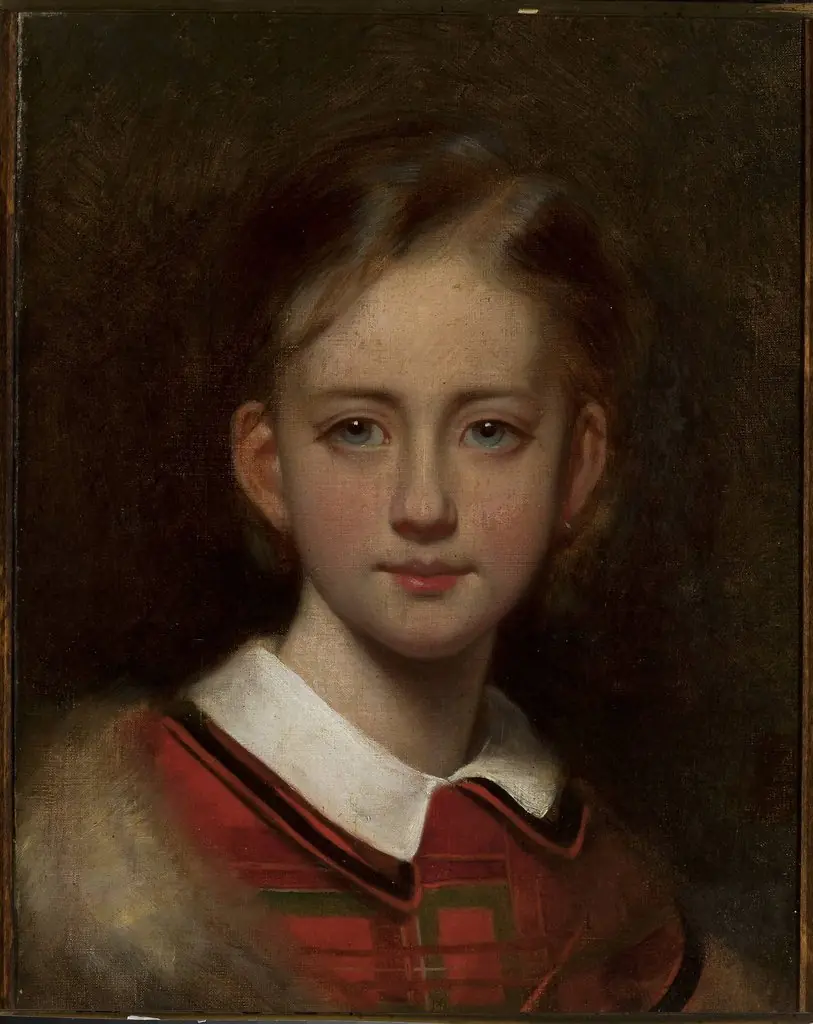 Portrait of a girl
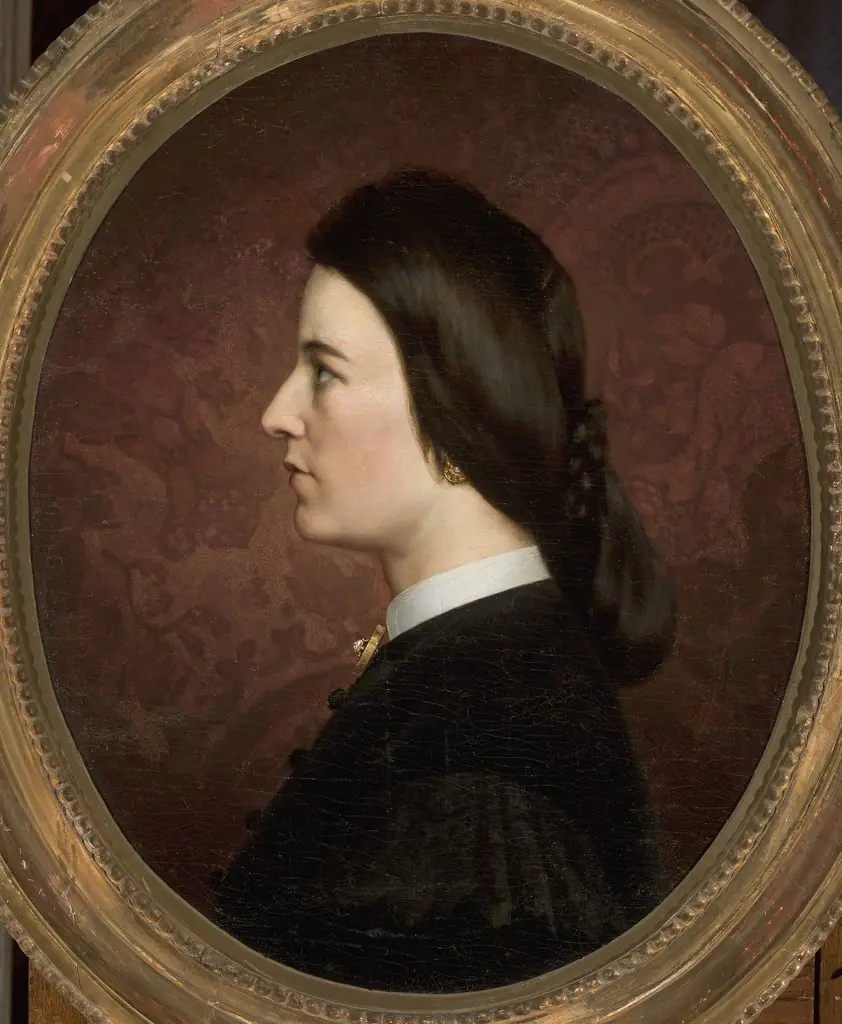 Portrait of Maria Sawiczewska, artist’s sister
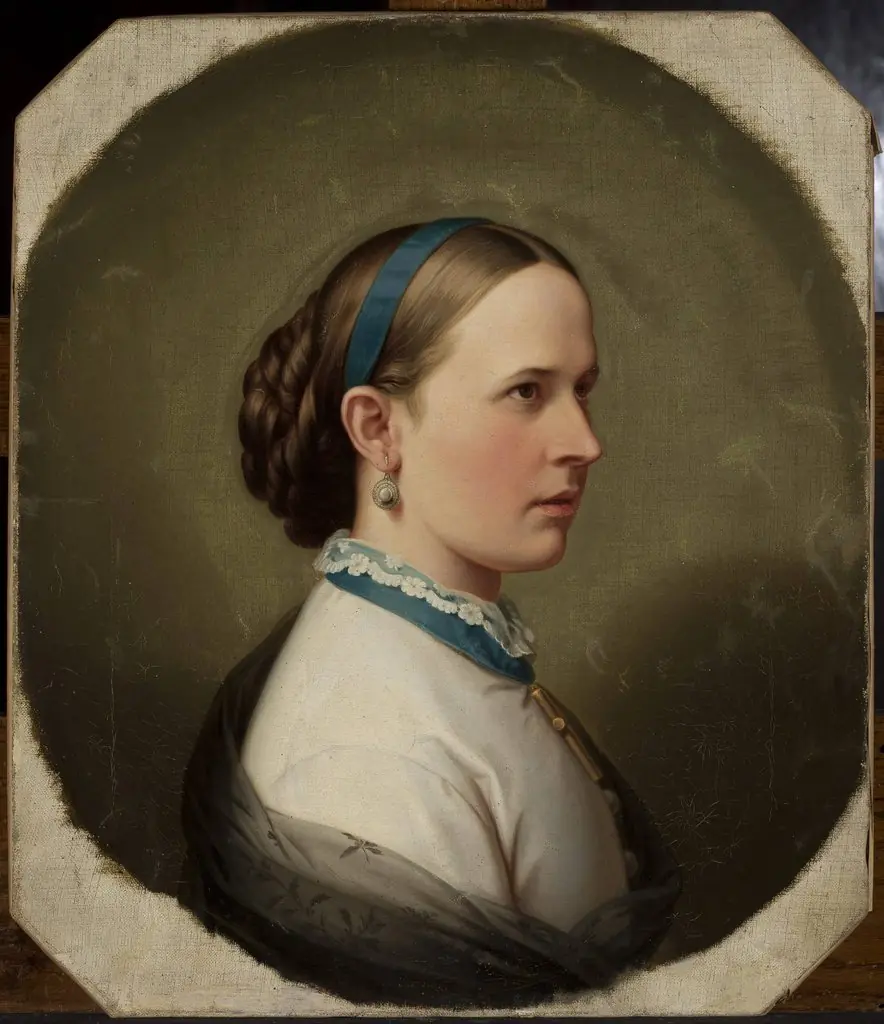 Portrait of a young woman
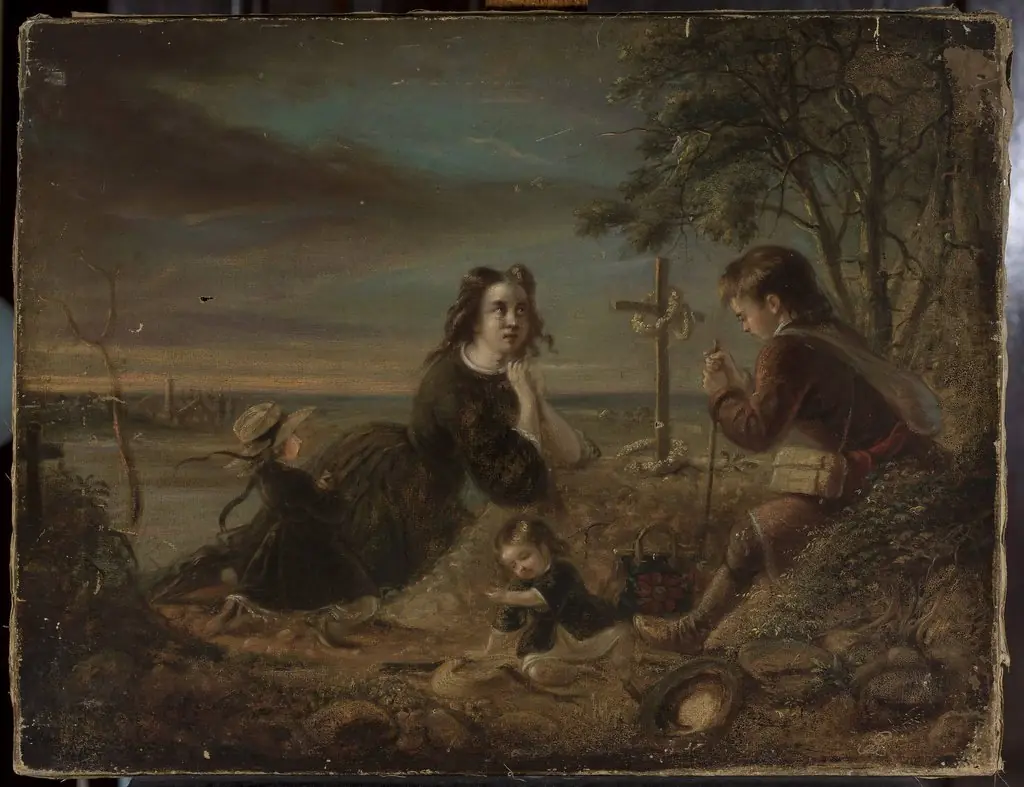 Prayer at the grave
- Lake Nemi
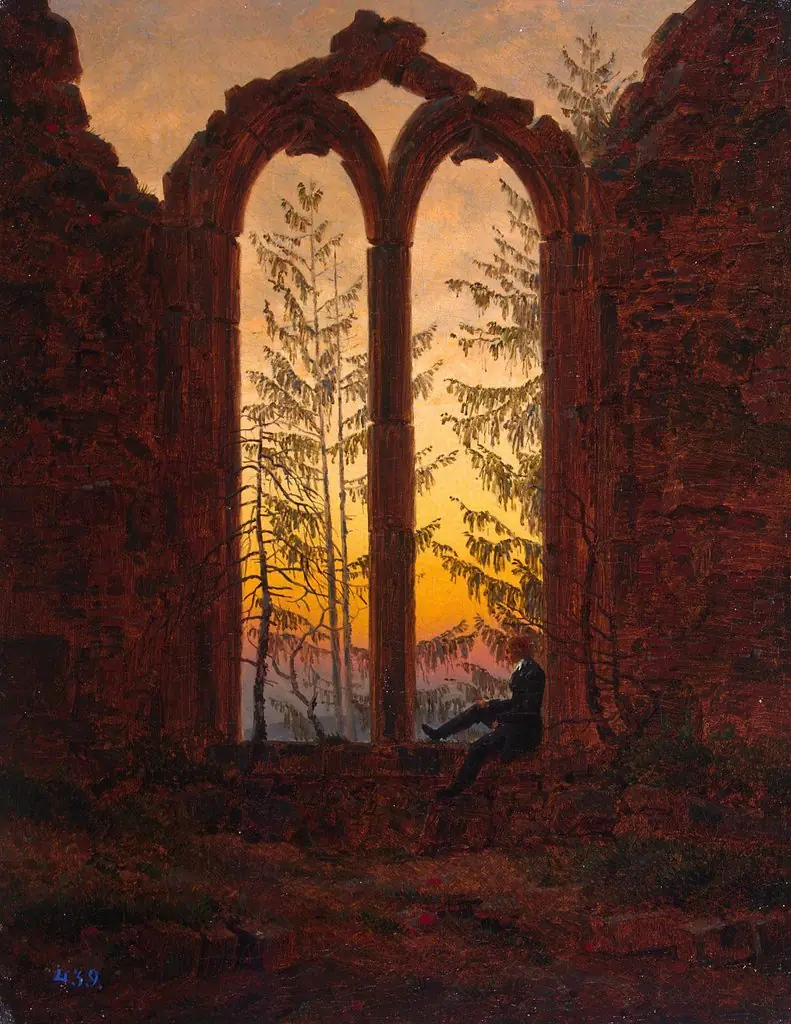 Ruins of the Oybin
 Surroundings of the Habsburg Ruin
 Sea Bay
 Landskab ved Hald henimod aften
 Drifting Clouds
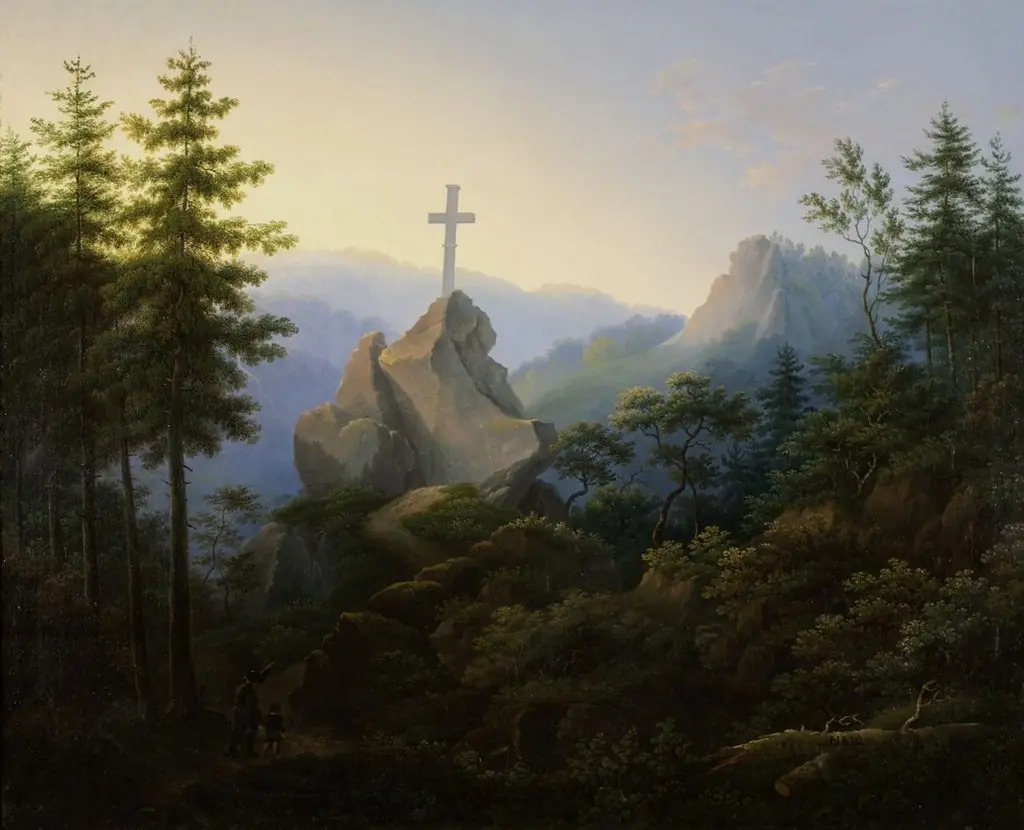 Der Ilsenstein am Fuße des Brockens im Harzgebirge
 Hills behind the Møen Cliff
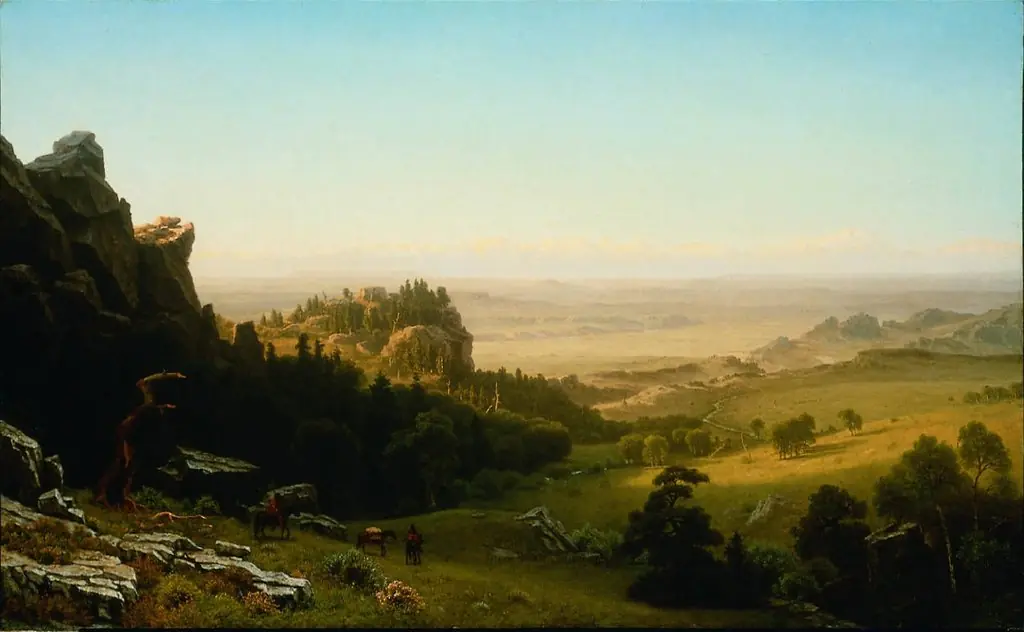 View from the Wind River Mountains, Wyoming
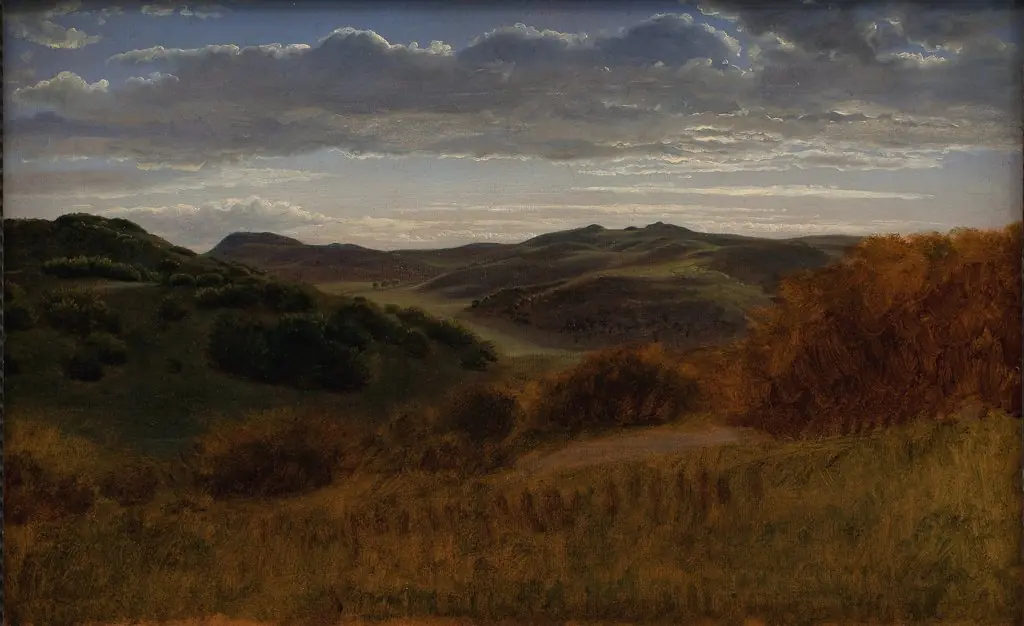 Hills behind the Møen Cliff
 The Evening Star
 Mountain landscape in Bohemia