Artwork
The evangelist John
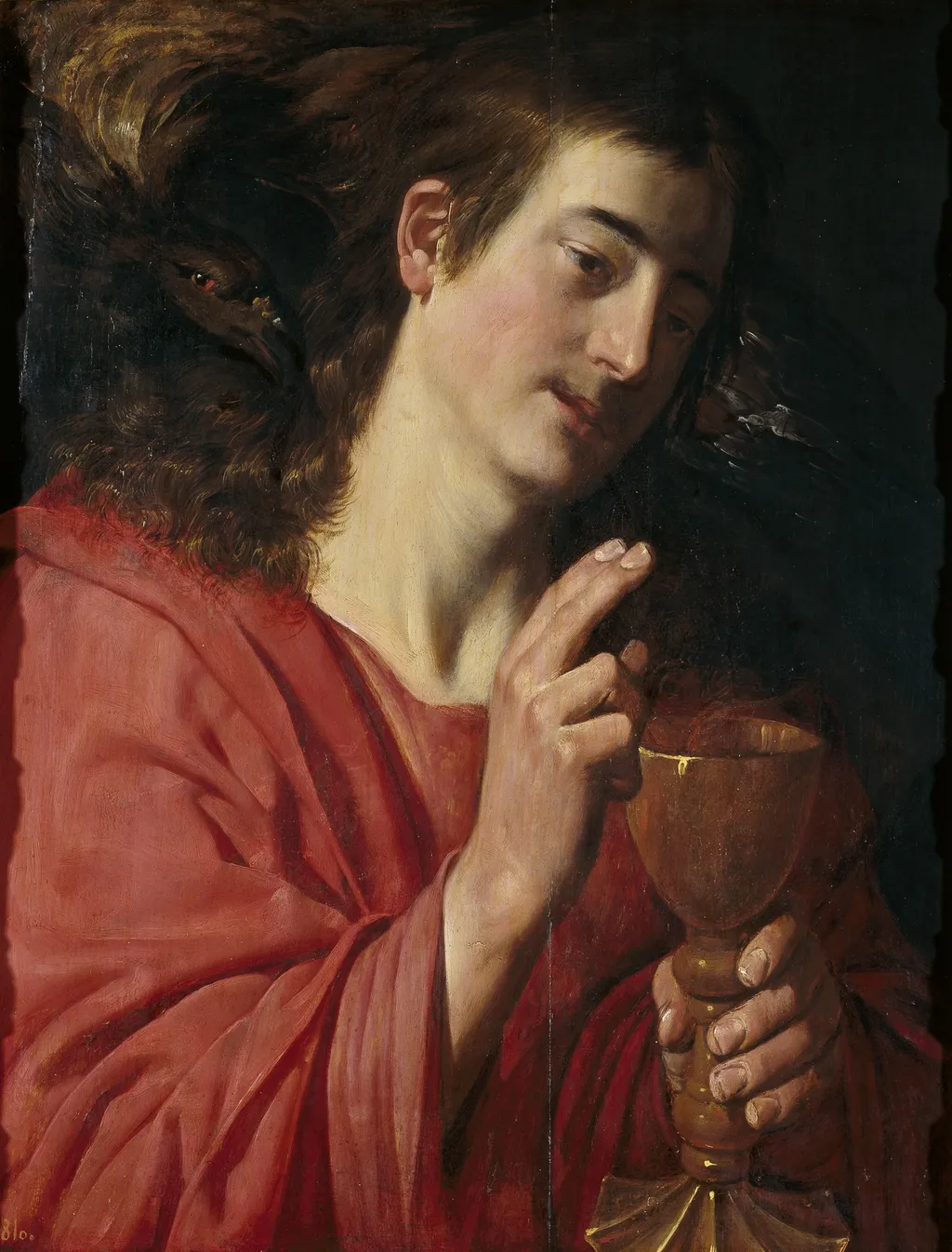
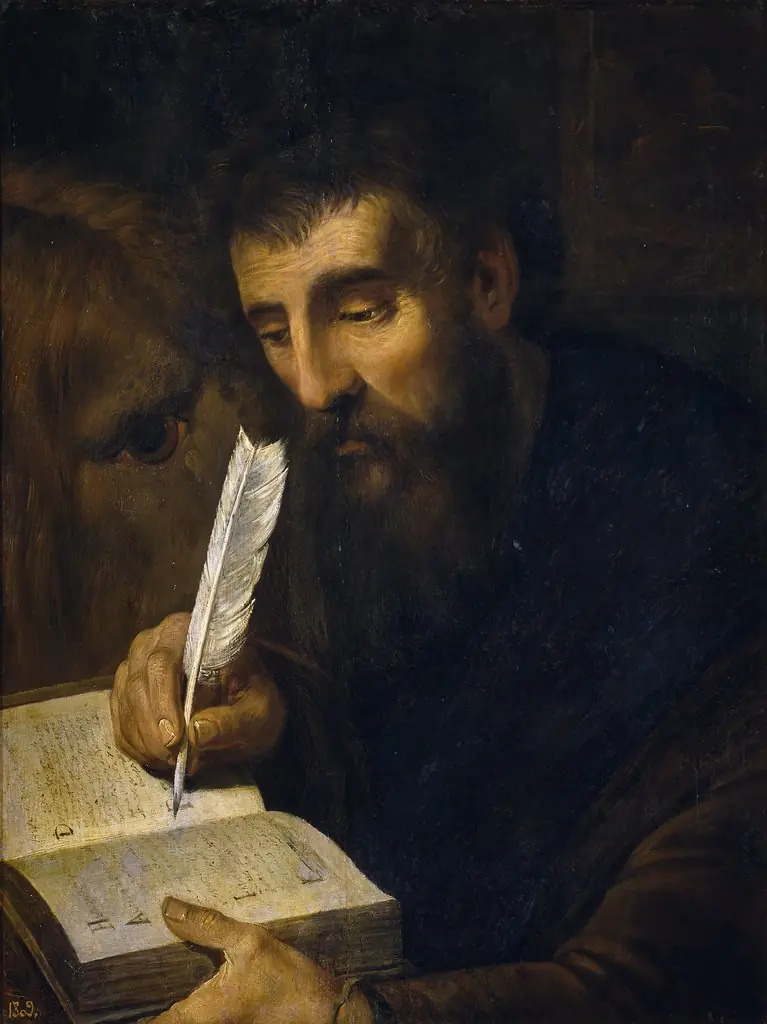
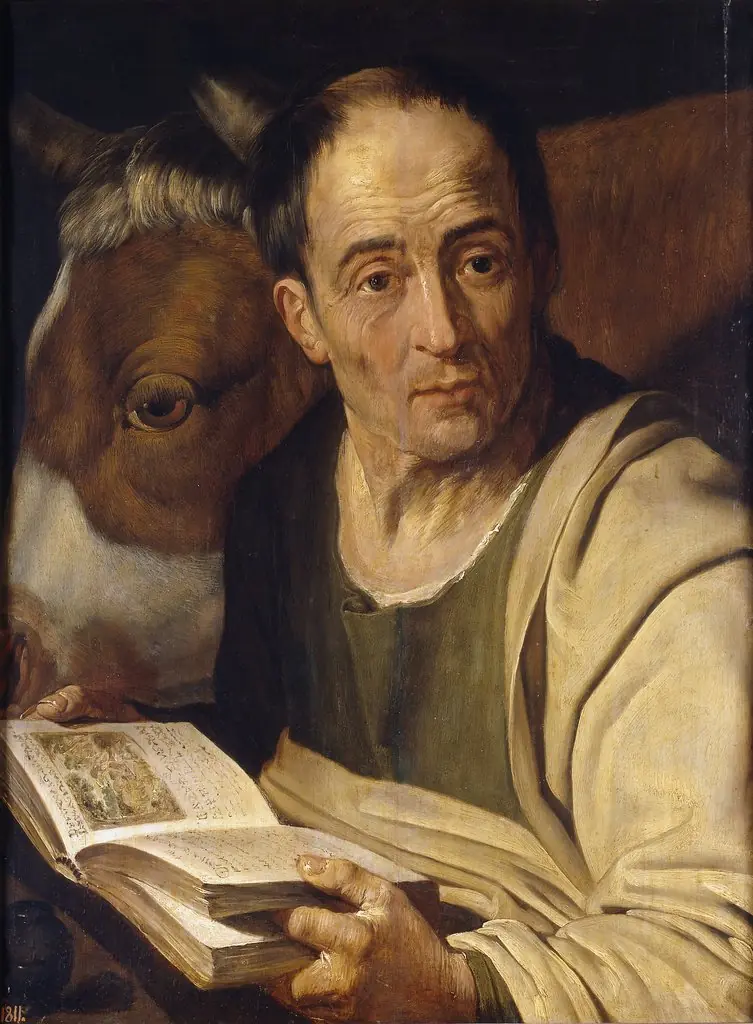
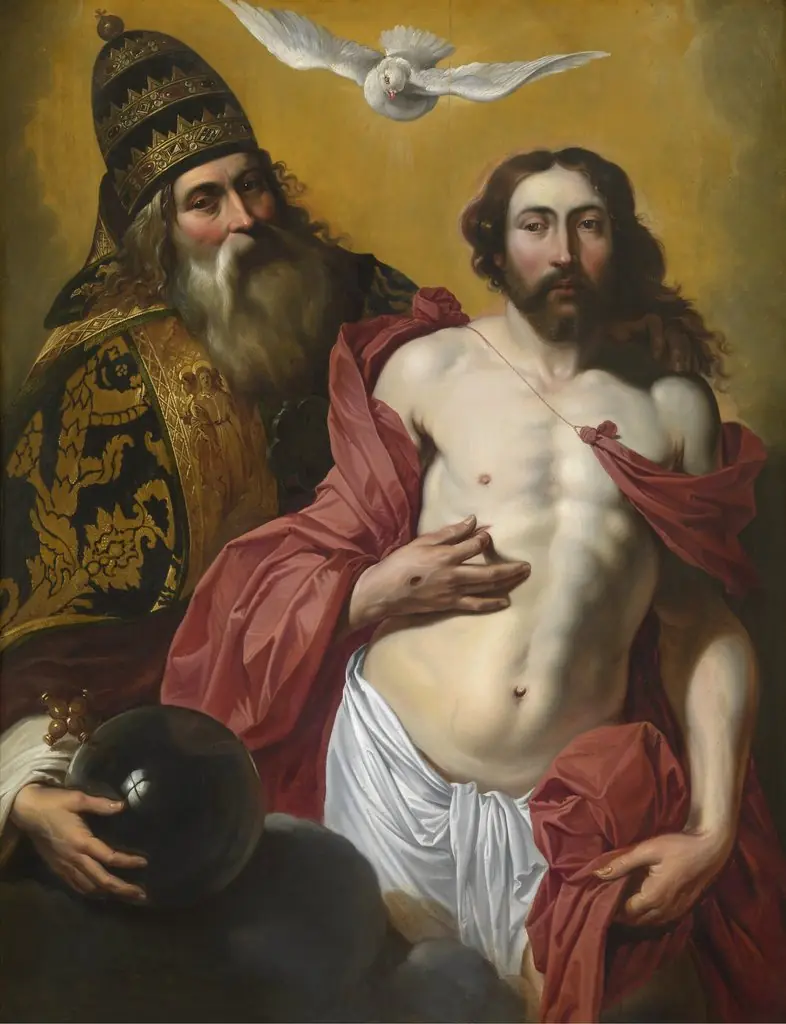
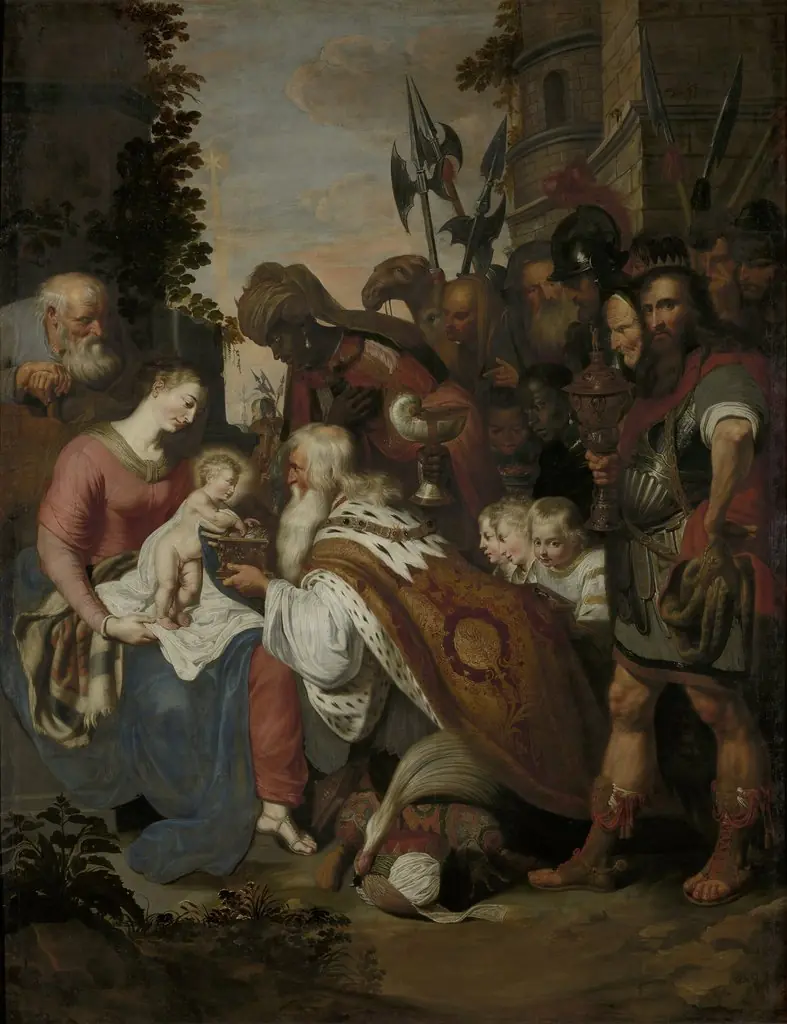
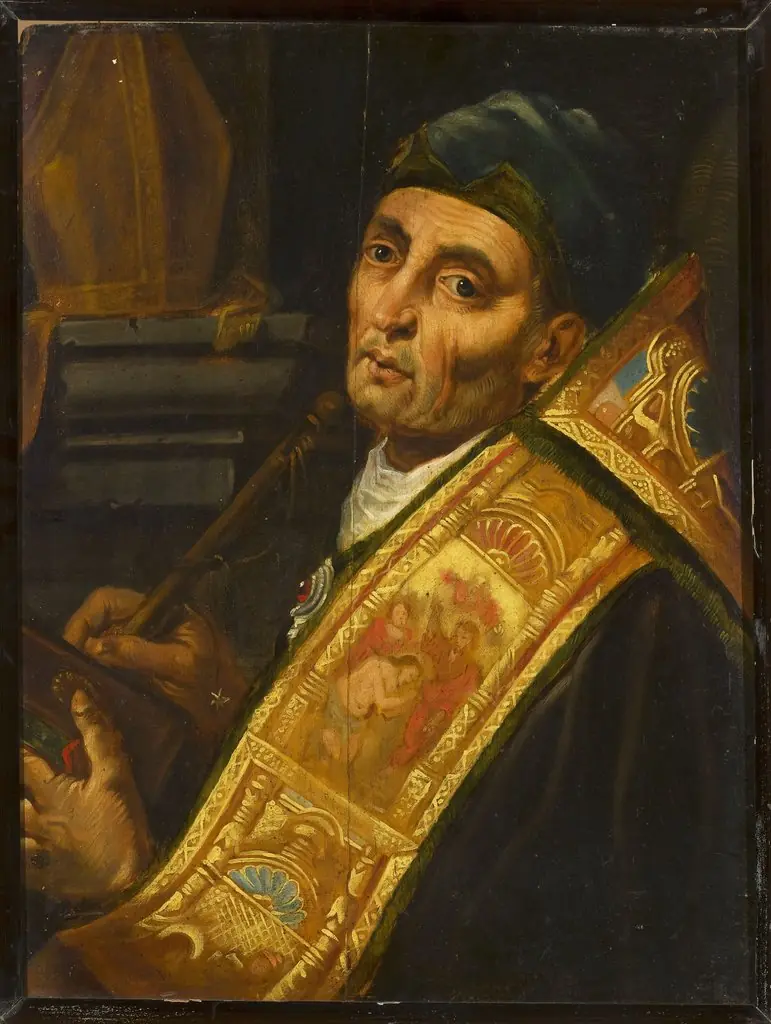
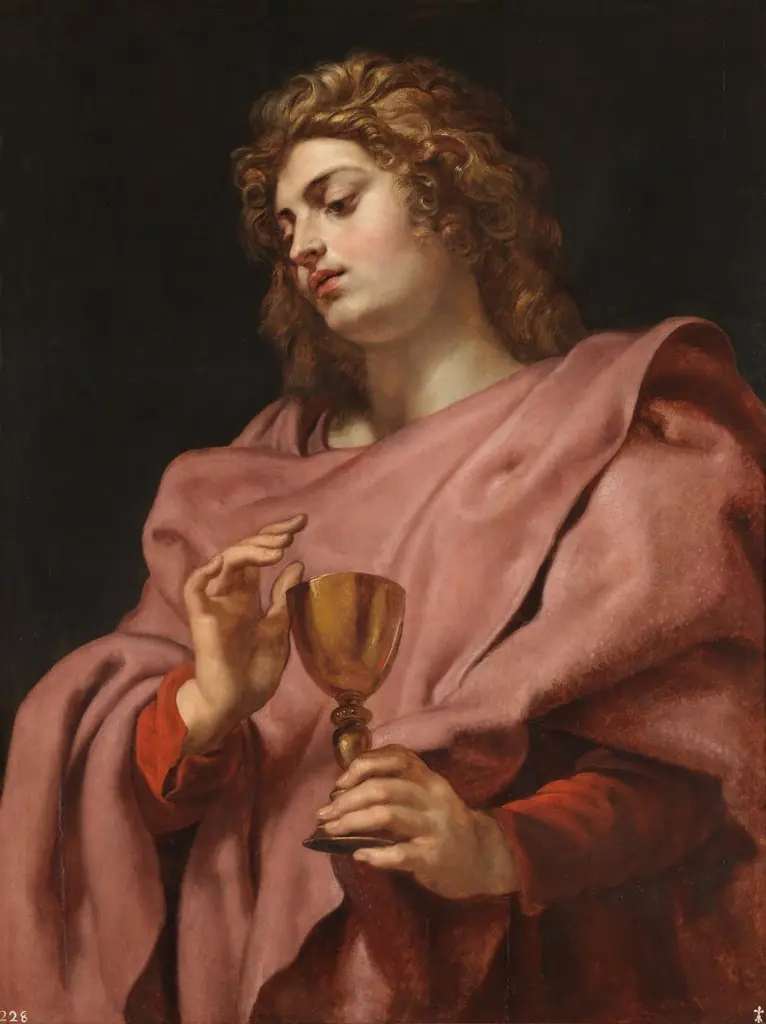
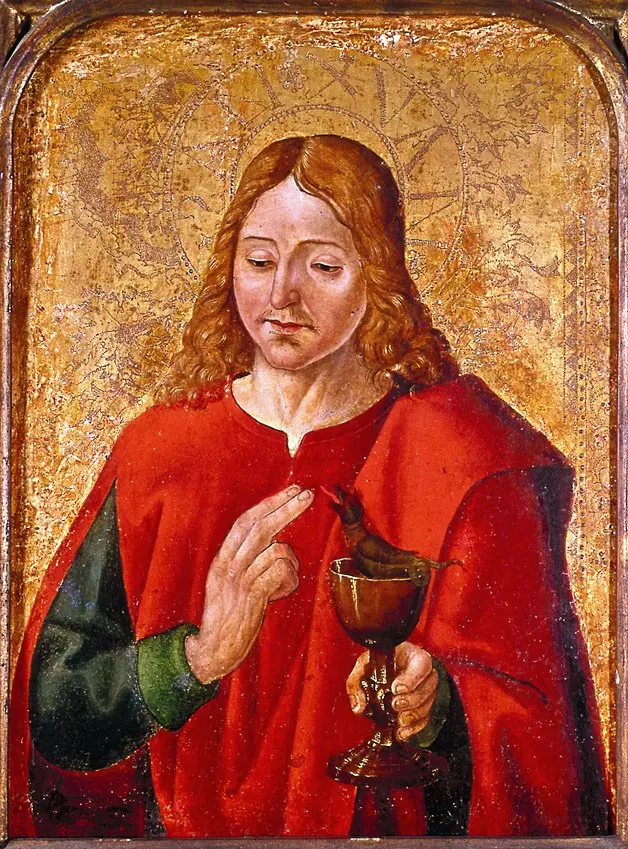
The evangelist John is an oil painting by the Early Baroque Italian artist Artus Wolffort. It dates from 1601 and is held in the collection of the Museo del Prado.
About this work
Subject & Meaning
Rendered in oil on panel around 1601, the work belongs to the religious genre and reflects Counter-Reformation emphasis on saintly intercession and martyrdom.
The painting portrays John the Evangelist, identified by his traditional attribute of a chalice, symbolizing the Eucharist and his role as a witness to Christ's sacrifice. Rendered in oil on panel around 1601, the work belongs to the religious genre and reflects Counter-Reformation emphasis on saintly intercession and martyrdom. Its composition highlights John's contemplative gaze and the chalice as a visual metaphor for divine revelation and sacramental presence.
Technique & Style
Created in 1601 by Artus Wolffort, this religious painting depicts John the Evangelist alongside a chalice. The work is executed in oil paint on a wooden panel support. Measuring 61 cm in height and 49 cm in width, the piece combines traditional devotional subject matter with the material durability characteristic of early seventeenth-century Flemish panel painting.
History & Provenance
The painting was created by Artus Wolffort in 1601, executed in oil paint on panel as a religious work depicting the evangelist John. According to the Wikidata record, an alternative inception date of 1650 is also listed, though the canonical creation date is 1601. The work is held in the collection of the Museo del Prado, where it remains located.
No information is available in the provided sources regarding the original commission, early ownership, or intermediate provenance of the work prior to its acquisition by the museum. The chain of custody between its creation and its presence in the Museo del Prado is not documented in the available materials.
The painting is held by the Museo del Prado, where it forms part of the museum's collection. According to the available records, it is catalogued within the Prado's holdings of works by Artus Wolffort. The medium is oil paint on panel, and the work depicts the evangelist John with a chalice.
No specific inventory or accession number is recorded in the available sources, and no exhibition history beyond its inclusion in the Museo del Prado collection is documented.
Overview
Artus Wolffort’s 1601 oil painting entitled The Evangelist John presents the apostle in a contemplative stance, clutching a golden chalice. Executed in the early Baroque idiom, the work measures the solemnity of its subject through restrained composition and focused lighting. It is part of the permanent collection of the Museo del Prado in Madrid.
Context
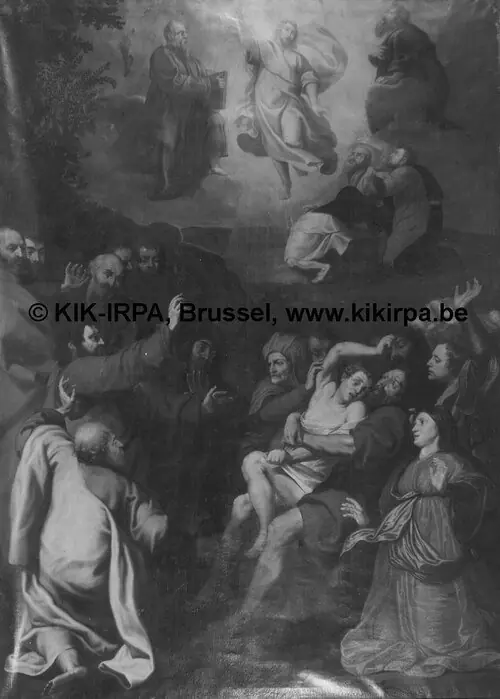
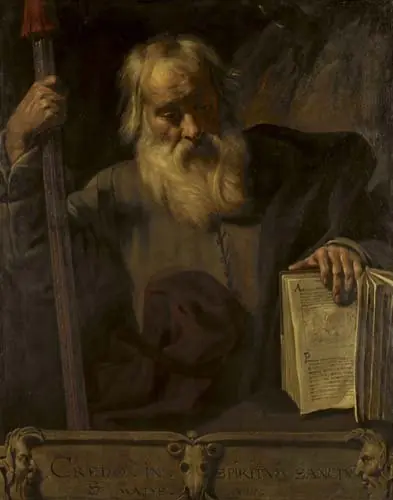
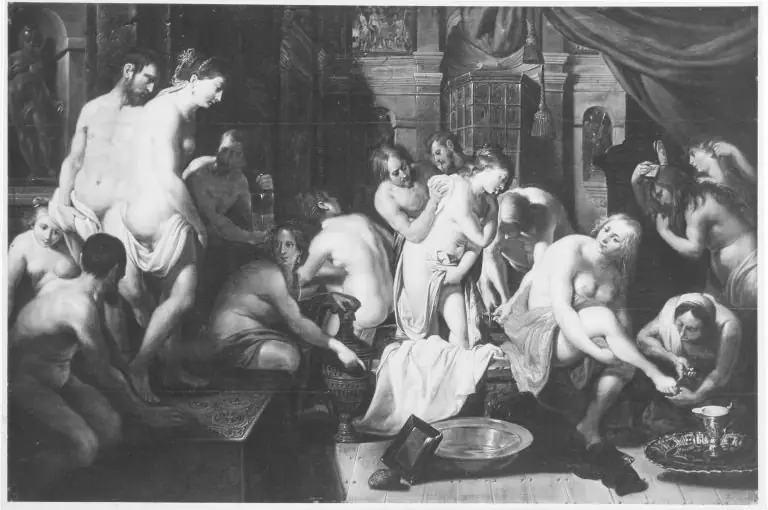
Wolffort, known chiefly for history paintings that blend biblical and mythological narratives, produced The Evangelist John during a period when Flemish artists were increasingly absorbing Italian stylistic innovations. The work exemplifies this cross‑regional exchange, situating a Northern painter within the broader currents of Baroque devotional imagery.
Own this work as a print
Artist & collection
Artist
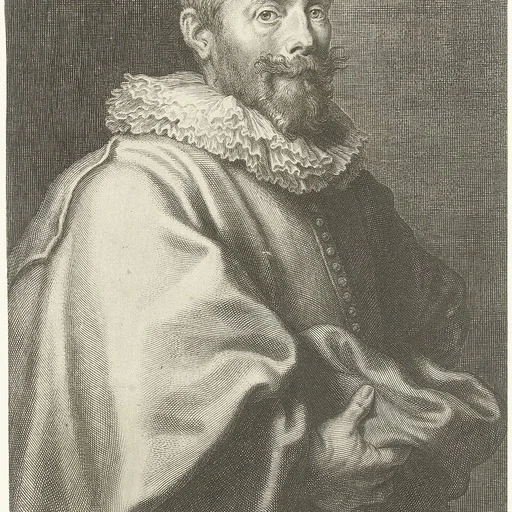
Artus Wolffort, Artus Wolffaert or Artus Wolffaerts (1581–1641) was a Flemish painter known mainly for his history paintings depicting religious and mythological scenes.