Artwork
The evangelist Luke
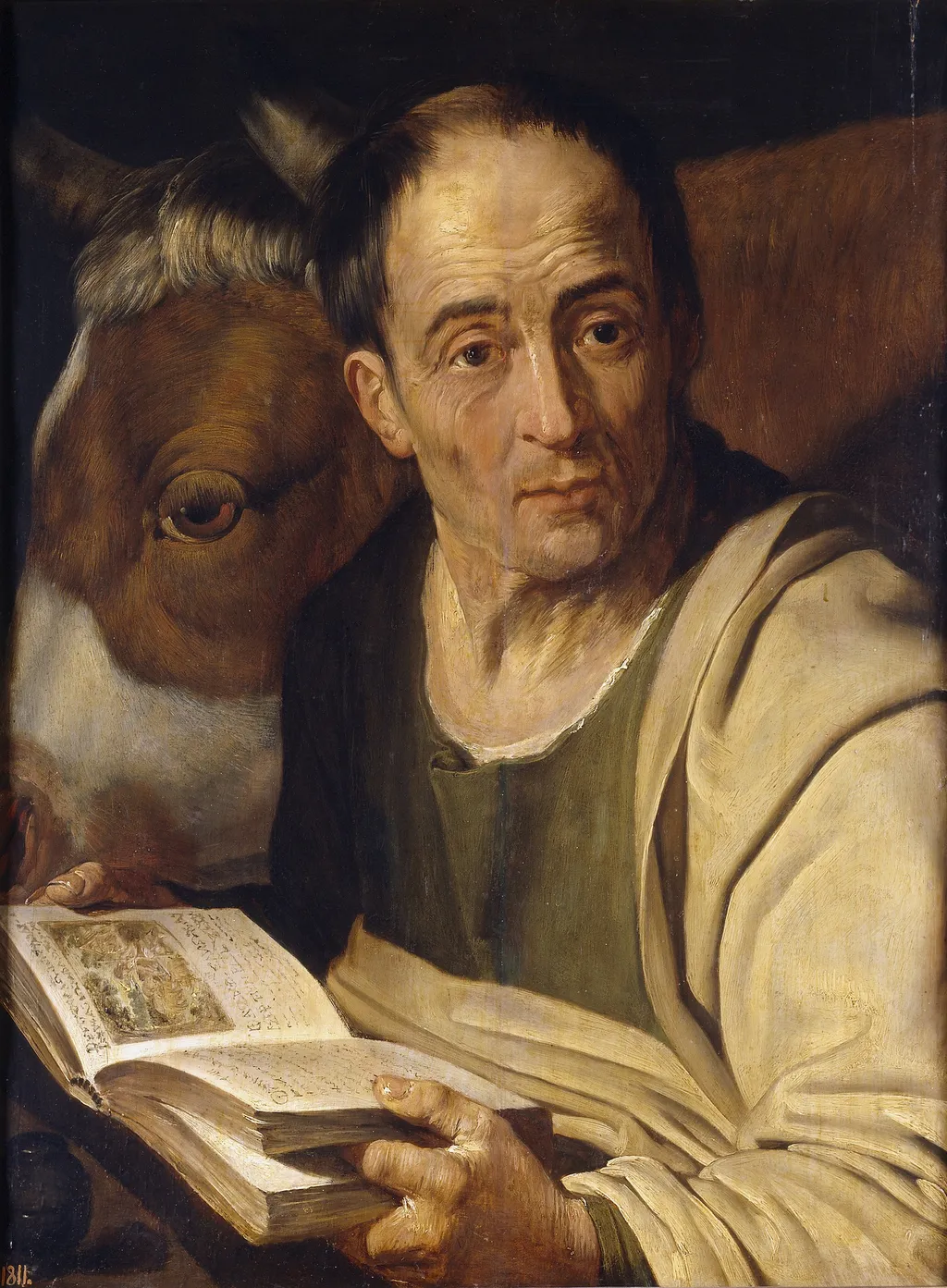
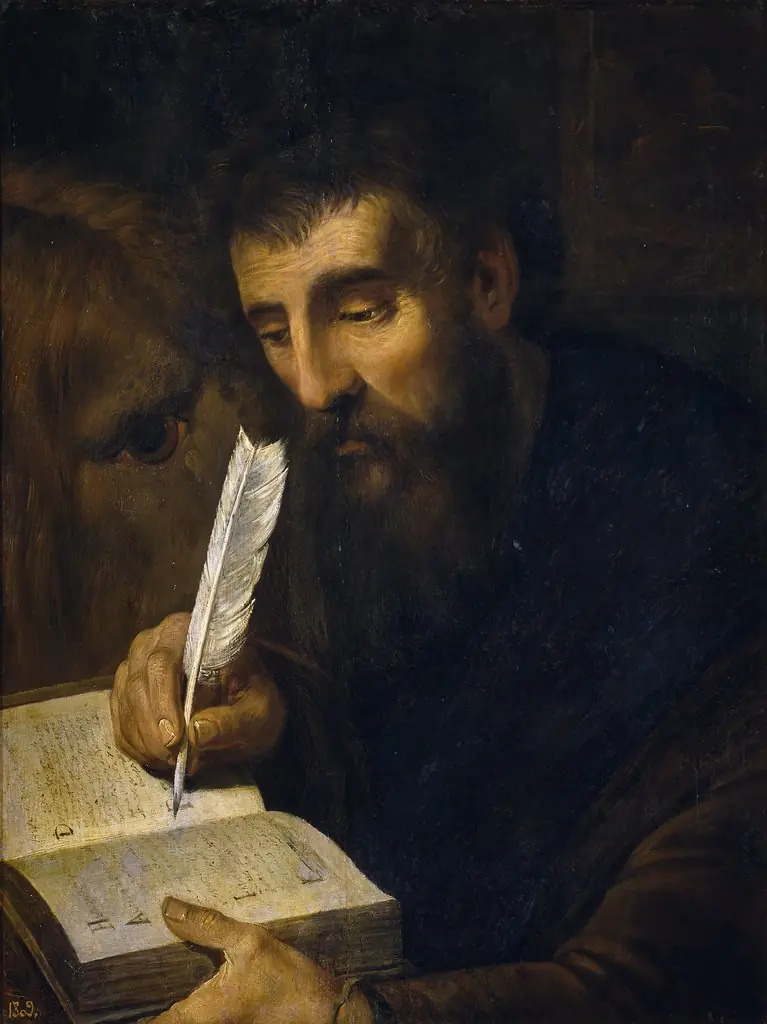
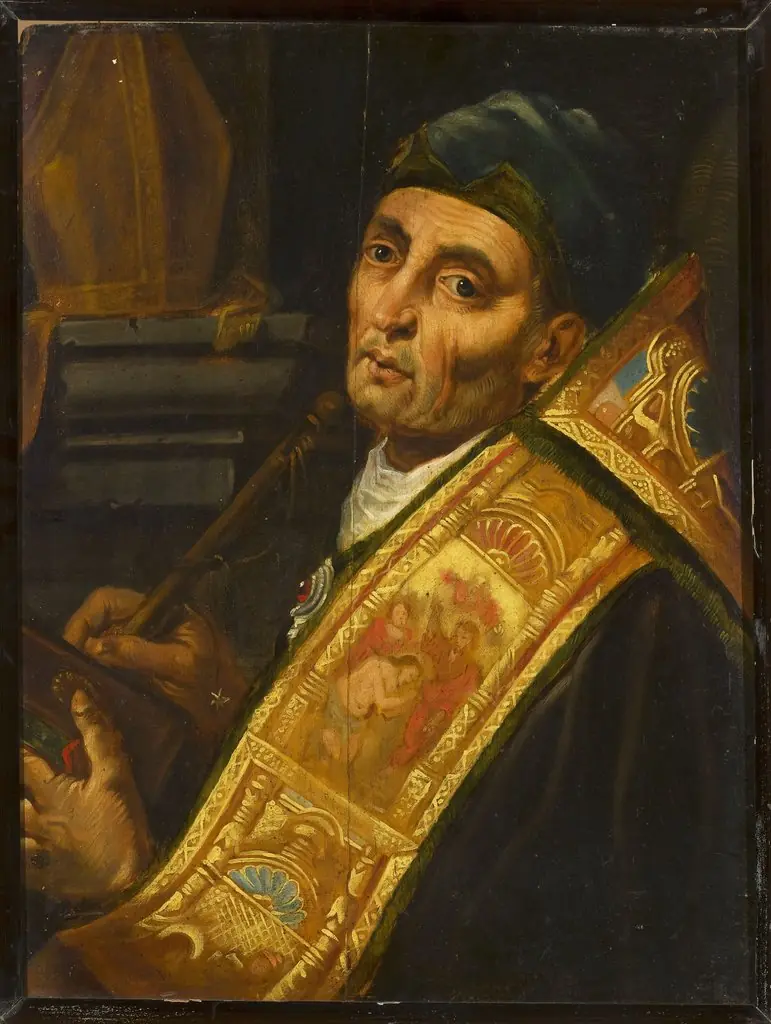
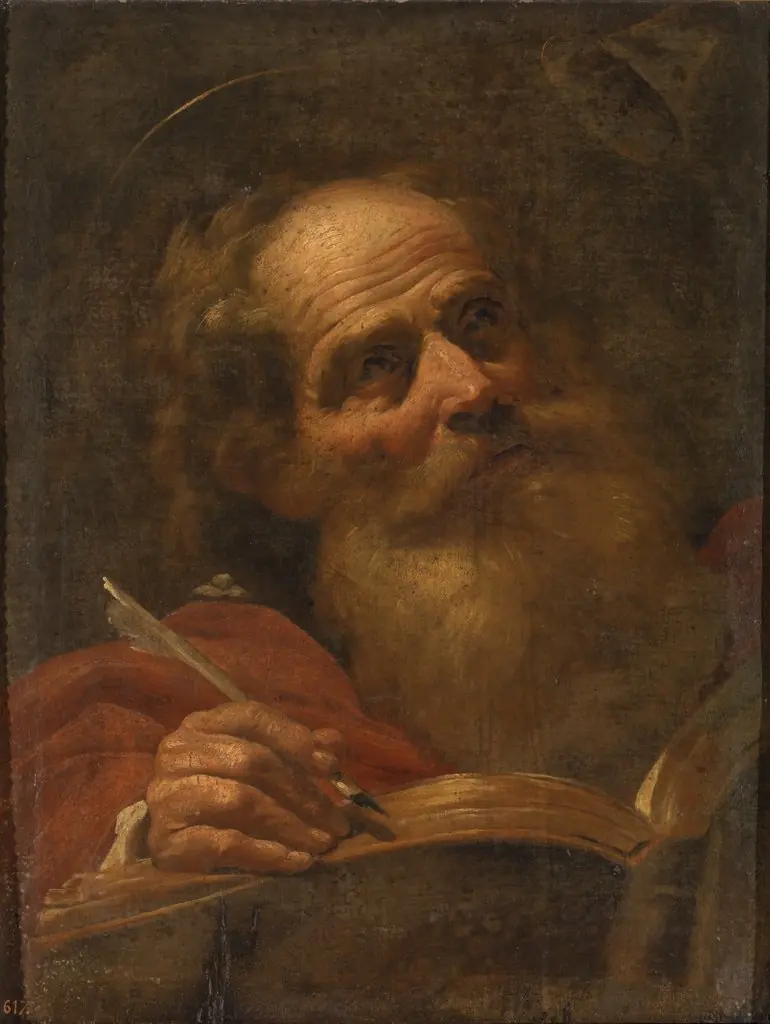
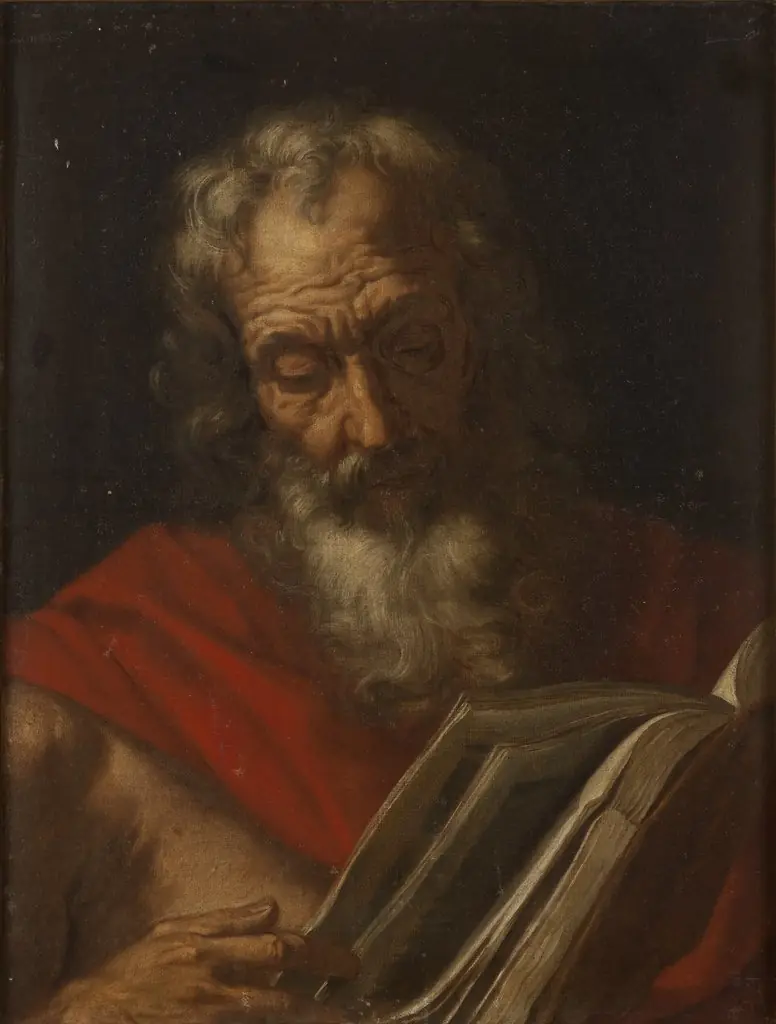
The evangelist Luke is an oil painting by the Early Baroque Italian artist Artus Wolffort. It dates from 1601 and is held in the collection of the Museo del Prado.
About this work
Subject & Meaning
The iconography aligns with standard Luke symbolism while the composition draws on contemporary Spanish artistic conventions of the early seventeenth century.
The painting portrays Luke the Evangelist, identified by his traditional attribute of a book, symbolizing the written Gospel. His contemplative gaze and open hand suggest scholarly devotion and the act of evangelical writing. The work belongs to the religious genre, reflecting Counter-Reformation emphasis on saintly exempla and the role of the evangelists as authors of the New Testament narrative.
Its presence in the Museo del Prado collection underscores the Spanish capital’s acquisition of Counter-Reformation masterpieces in the early 20th century.
The iconography aligns with standard Luke symbolism while the composition draws on contemporary Spanish artistic conventions of the early seventeenth century.
The painting’s meaning extends to the theological concept of divine inspiration guiding the composition of the Gospel, a theme emphasized in contemporary devotional literature.
Technique & Style
The evangelist Luke is executed in oil paint on panel, a support typical of early seventeenth-century Northern European cabinet paintings. The work measures 61 cm in height by 49 cm in width, a modest vertical format suited to devotional viewing at close range. The medium is classified as a painting within the religious genre, with the panel ground providing a smooth, rigid surface for the layered oil handling characteristic of Wolffort's practice.
The composition centers on Luke the Evangelist accompanied by a book, the attributes by which the saint is conventionally identified. No condition reports or detailed stylistic analysis are documented in the available sources, so further remarks on handling, surface state, or stylistic qualities cannot be substantiated.
History & Provenance
The painting was created by Artus Wolffort in 1601, executed in oil paint on panel. The work is held in the collection of the Museo del Prado, where it is currently located. No further details regarding its commission, prior ownership, or chain of custody are documented in the available sources.
The evangelist Luke is held in the collection of the Museo del Prado, where it is recorded under inventory number P00968. The work was created in 1601 by Artus Wolffort using oil paint on panel, measuring 61 cm by 49 cm. It has been displayed in the museum’s religious art galleries as part of exhibitions focusing on Counter‑Reformation painting.
Context
The evangelist Luke by Artus Wolffort (1601) exemplifies Counter-Reformation religious painting, reflecting the artist's position within the early Baroque tradition. The work's composition and iconography of Luke with his book align with contemporary Counter-Reformation demands for clear, didactic religious imagery, situating it within the broader context of 17th-century devotional art. Its presence in the Museo del Prado's collection underscores its significance within the canon of European religious painting, though scholarly attention has historically focused more on Wolffort's later works.
Art historical analysis places this early work within the trajectory of Flemish Baroque painting, highlighting its stylistic connections to Caravaggisti influences adapted by Northern European artists. The painting's technical execution in oil on panel and its depiction of Luke as a scholarly evangelist reflect the period's emphasis on intellectual engagement with scripture, reinforcing its role in understanding the evolution of religious narrative in Baroque art.
Overview
Artus Wolffort’s The Evangelist Luke (1601) is an oil painting that portrays the biblical author Luke holding an open book. The figure is set against a dark background, his gaze directed outward, while a horse’s head peeks from behind, adding a subtle narrative element.
Own this work as a print
Artist & collection
Artist
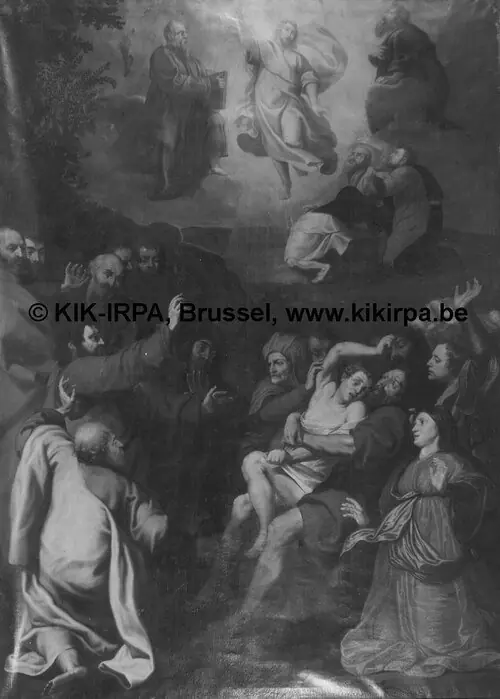
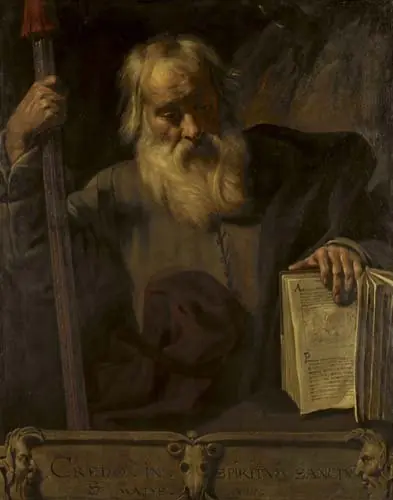
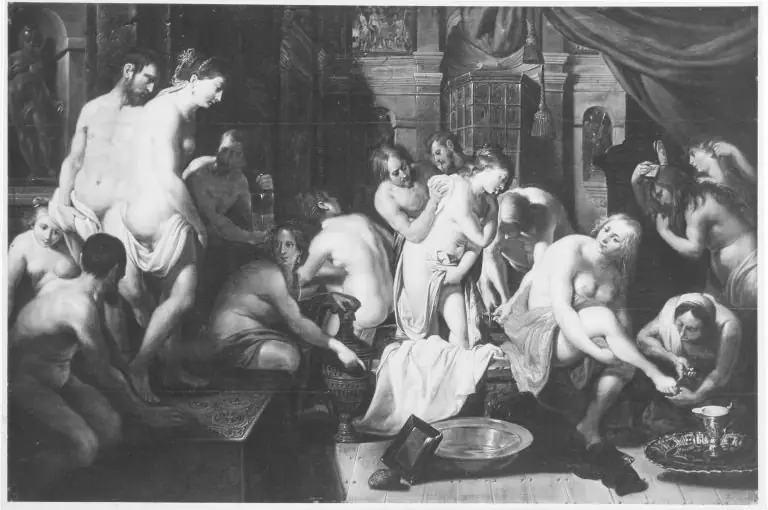
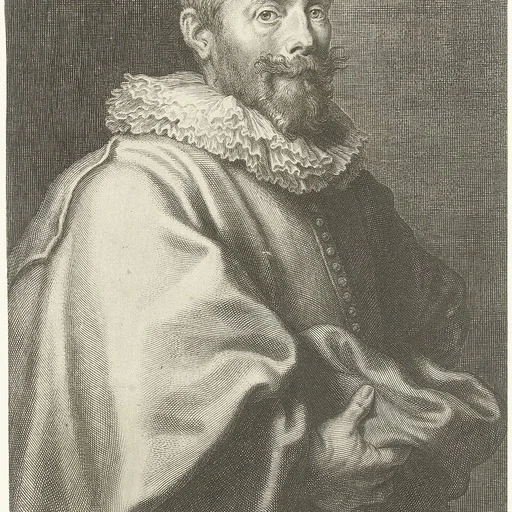
Artus Wolffort, Artus Wolffaert or Artus Wolffaerts (1581–1641) was a Flemish painter known mainly for his history paintings depicting religious and mythological scenes.