Artwork
Saint John the Evangelist
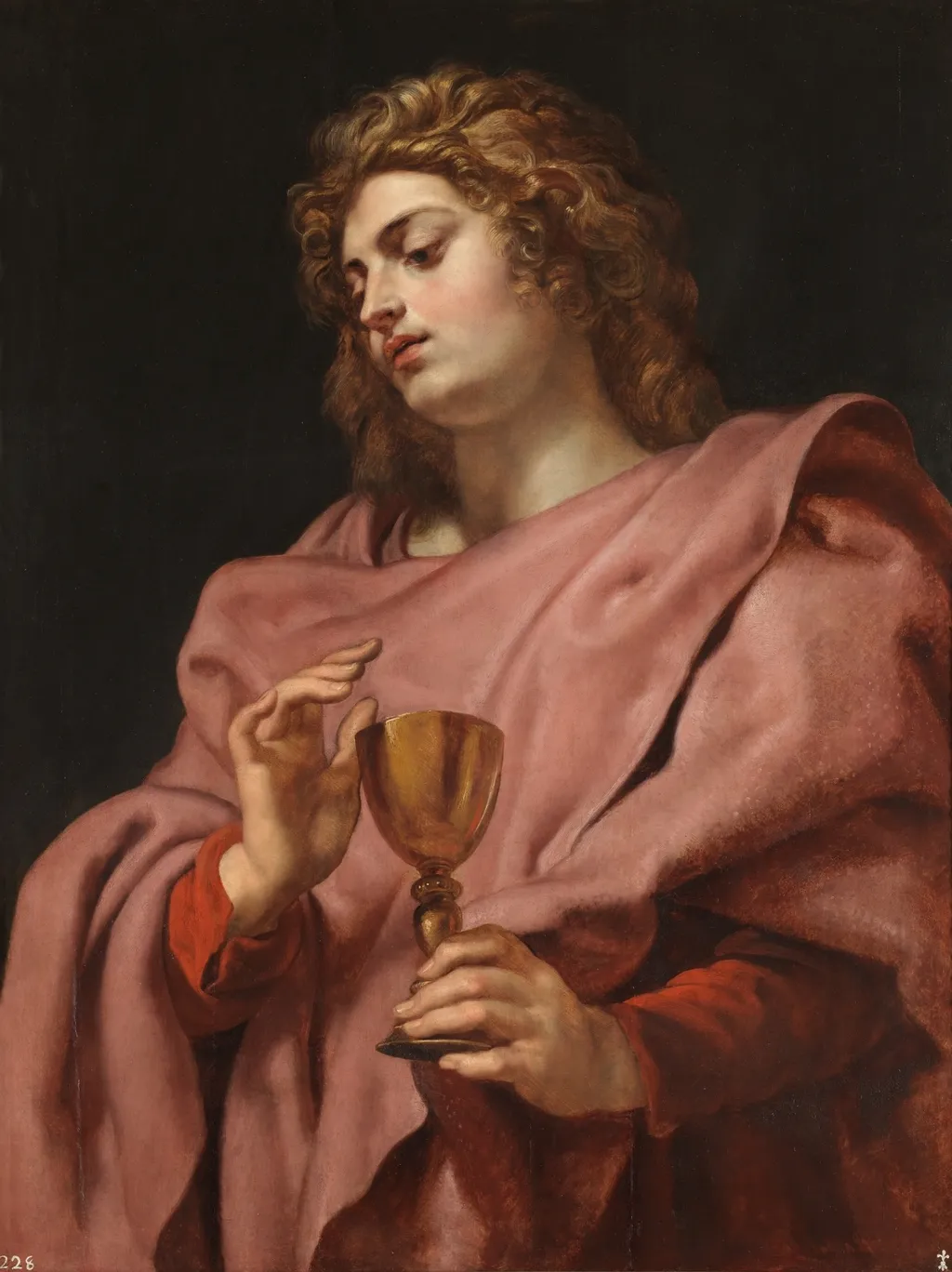
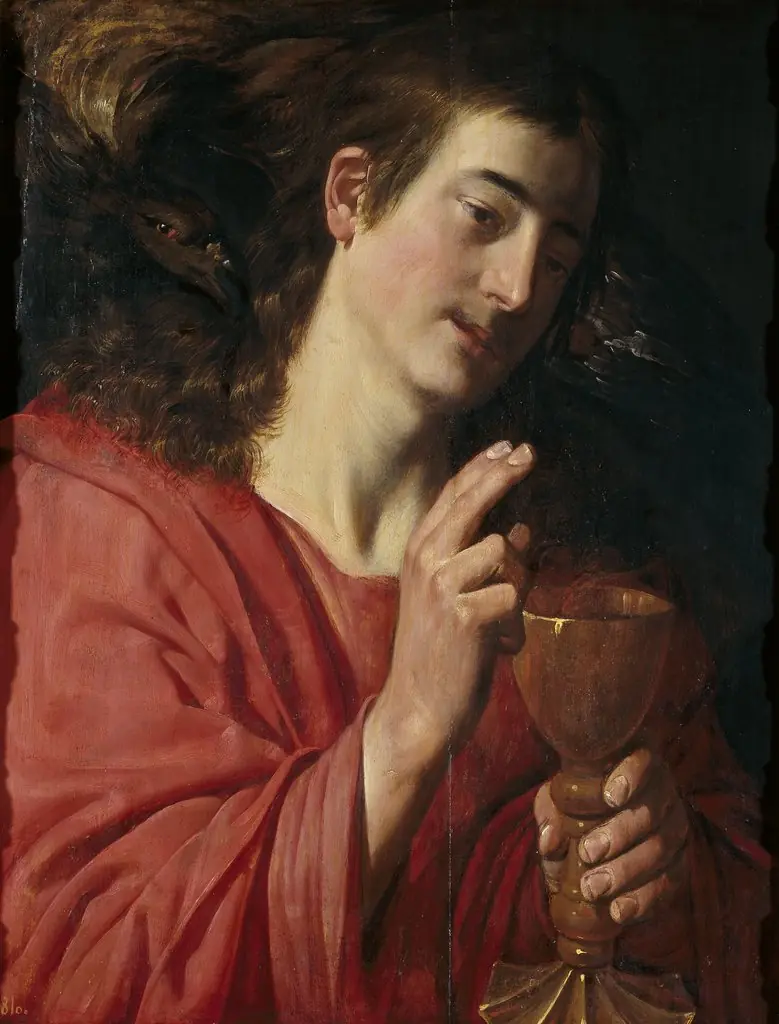
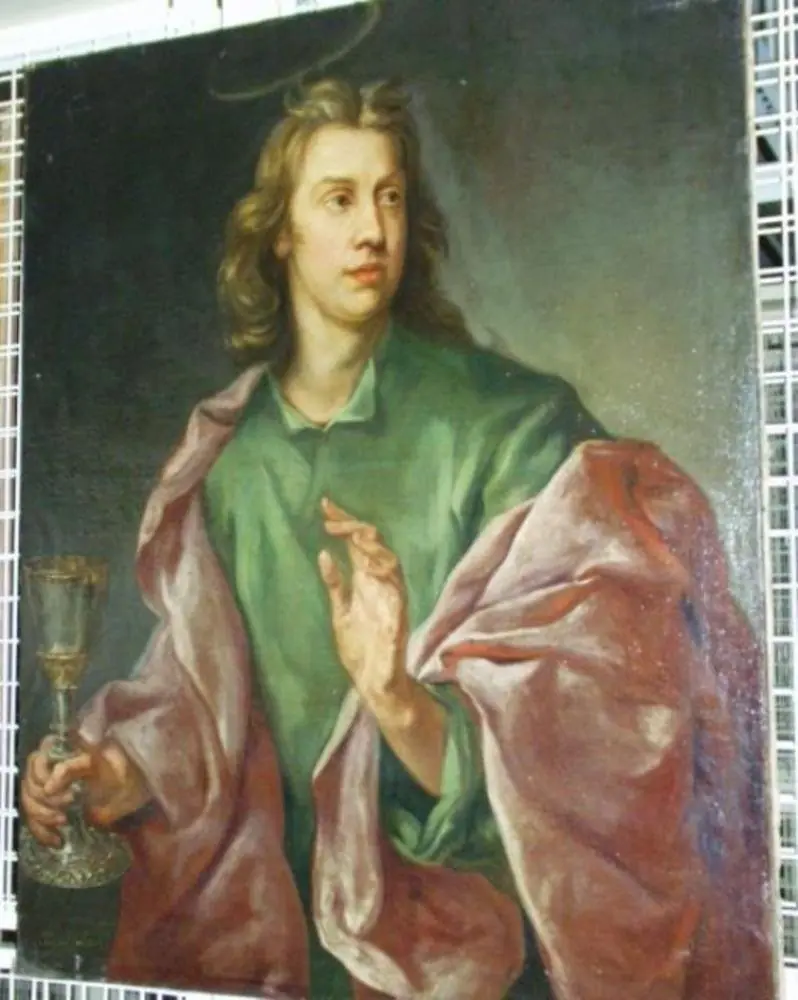
Saint John the Evangelist is an oil painting by the Flemish Baroque painting artist Peter Paul Rubens. It dates from 1610 and is held in the collection of the Museo del Prado.
About this work
Subject & Meaning
The chalice also alludes to the Eucharist and the Last Supper, reinforcing the work’s religious significance within Counter‑Reformation iconography.
The painting portrays John the Evangelist holding a chalice, a standard attribute that identifies him as the author of the Gospel and signals his role as a witness to divine revelation. The chalice also alludes to the Eucharist and the Last Supper, reinforcing the work’s religious significance within Counter‑Reformation iconography. Rubens emphasizes the saint’s contemplative gaze and the delicate rendering of his white garment to convey spiritual purity and scholarly devotion.
Technique & Style
Saint John the Evangelist is executed in oil paint on canvas, a standard support for Peter Paul Rubens's religious commissions of this period. The work measures 107.5 cm in height by 83 cm in width, a vertical format well suited to its devotional function. Stylistically, the painting reflects Rubens's Baroque handling, with the saint rendered as the primary subject alongside the iconographic motif of the chalice that traditionally identifies John the Evangelist.
The composition belongs to the category of religious art and is held in the Museo del Prado collection.
History & Provenance
Painted around 1610, the work is one of Rubens’s early religious compositions executed in oil on canvas.
The painting entered the Spanish royal collection by 1746, when it is recorded in the inventory of Elisabeth Farnese at the Royal Palace of La Granja de San Ildefonso. It passed to Philip V and then to Ferdinand VII, and remained with the Spanish monarchy through Charles III. By the nineteenth century it was part of the holdings at the Museo del Prado, where it is currently located.
The painting is held in the collection of the Museo del Prado in Madrid, where it remains part of the museum's holdings of works by Peter Paul Rubens. It is recorded in the Wikidata entry as belonging to that collection, alongside earlier custodial associations with the Royal Palace of Aranjuez and the Royal Palace of La Granja de San Ildefonso.
Prior to its museum placement, the work passed through the hands of several Spanish monarchs, including Philip V of Spain, Elisabeth Farnese, Charles III of Spain, and Ferdinand VII of Spain, reflecting its movement through the Spanish royal collections before entering the Prado.
No specific accession number is recorded in the available sources, and no exhibition history beyond its custodial locations is documented.
Context
Peter Paul Rubens' Saint John the Evangelist (1610) emerged within the dynamic religious context of Counter-Reformation Flanders, reflecting Rubens' prolific output for Spanish patrons and his mastery of devotional imagery. The work's creation coincides with the artist's peak period of church commissions, particularly for the Spanish Habsburg court, as documented in the Prado's provenance linking it to Ferdinand VII and other royal collectors. Its depiction of the evangelist holding a chalice aligns with Counter-Reformation iconography emphasizing Eucharistic themes, situating it within Rubens' broader synthesis of Italianate composition and Northern naturalism.
The painting's attribution to Rubens has been foundational in scholarship on his religious oeuvre, establishing key precedents for understanding his workshop practices and patronage networks across early 17th-century Europe.
Overview
Created in 1610 by the Flemish painter Peter Paul Rubens, this oil on canvas portrays Saint John the Evangelist. The work belongs to Rubens’s mature Baroque period and is now part of the Museo del Prado’s collection. Its composition centers on a solitary figure illuminated against a dark backdrop, emphasizing the saint’s contemplative presence.
Own this work as a print
Artist & collection
Artist
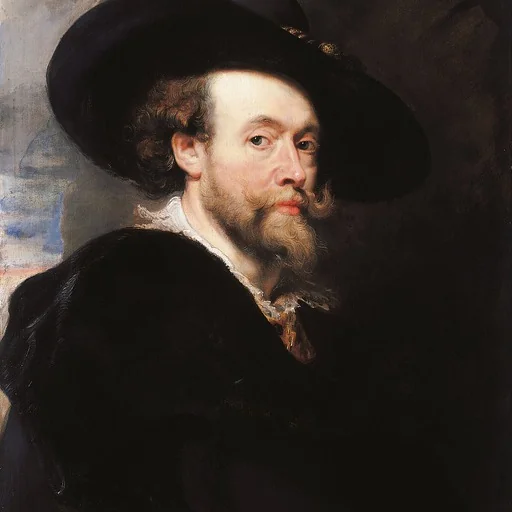
Sir Peter Paul Rubens ( ROO-bənz; Dutch:; 28 June 1577 – 30 May 1640) was a Flemish artist and diplomat.