Artwork
Portrait of Adriaan van Veverland (1651-ca.1712), writer of theological works and satires, with a wanton woman
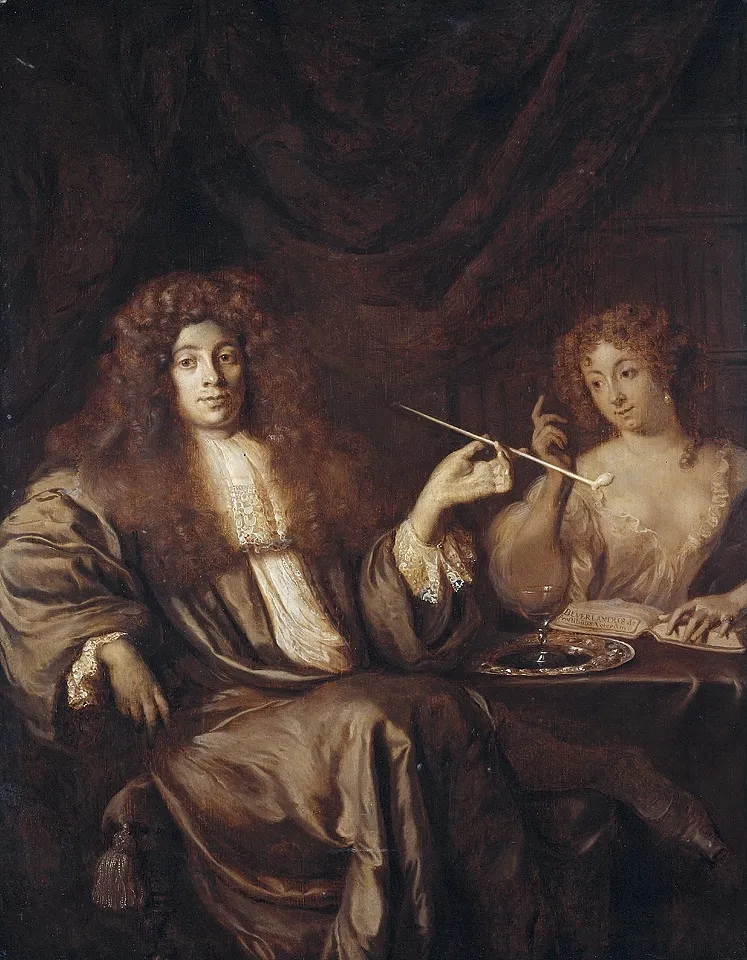
Portrait of Adriaan van Veverland (1651-ca.1712), writer of theological works and satires, with a wanton woman is an oil painting by the Dutch Golden Age artist Ary de Vois. It is held in the collection of the Rijksmuseum.
About this work
The man, dressed in dark attire with lace cuffs, holds a stick in his right hand, while the woman, wearing a light-colored dress, holds a book in her left hand.
This painting depicts a man and a woman seated together at a table. The man, dressed in dark attire with lace cuffs, holds a stick in his right hand, while the woman, wearing a light-colored dress, holds a book in her left hand.
The man's attire and the woman's dress suggest a formal setting, possibly from the 17th century. The woman's book bears an inscription, adding a layer of depth to the scene.
This painting, created by Ary de Vois, showcases the artist's skill in capturing the subtleties of human interaction. For more on the artist's use of chiaroscuro, explore the works of Ary de Vois.
Subject & Meaning
The painting shows Adrian Beverland, a 17th-century writer known for theological texts and satirical works, accompanied by a woman often interpreted as a symbolic figure representing worldly temptation or moral ambiguity. This juxtaposition invites reflection on themes of intellectual pursuit versus sensual indulgence, characteristic of the period's exploration of human nature and ethical contrasts. The composition uses portraiture to convey both individual identity and broader moral narratives through its symbolic pairing.
The work was created by Ary de Vois in 1676 using oil on panel, measuring 35 cm by 27.5 cm, and is part of the Rijksmuseum's collection in Amsterdam.
Symbolic elements include the presence of the woman, which may allude to contemporary debates about learning, virtue, and desire, reflecting the sitter's complex legacy as both a scholar and a provocateur of social norms.
Technique & Style
The work is an oil painting executed on wooden panel, measuring 35 cm by 27.5 cm, and depicts the writer Adrian Beverland accompanied by a woman described as wanton. Rendered in 1676 by Ary de Vois, the portrait employs a restrained palette and precise brushwork typical of Dutch portraiture of the period, emphasizing fine detail in facial features and clothing while presenting a compositional balance that highlights the sitter's scholarly attributes.
History & Provenance
The portrait was painted in 1676 by Ary de Vois, as indicated by the work’s internal record and the artist’s Wikidata entry, both of which agree on the year of creation. The sitter, Adriaan van Veverland (1651–ca. 1712), is identified in the work’s title and corroborated by the Wikidata record, which also lists the canvas dimensions as 35 × 27.5 cm on panel. The painting entered the Rijksmuseum collection, where it remains located according to the same Wikidata entry.
The painting Portrait of Adriaan van Veverland is held in the collection of the Rijksmuseum in Amsterdam. While the specific inventory or accession number is not provided in the available records, the work is cataloged within the museum's holdings as an oil-on-panel portrait by Ary de Vois. Created in 1676, the piece depicts the writer Adriaan van Veverland alongside a woman. The provided sources do not contain information regarding a specific exhibition history for this artwork.
Context
Ary de Vois painted this portrait in 1676, depicting writer Adrian Beverland alongside a provocative female figure, reflecting the satirical and theological themes present in his published works. Beverland's controversial writings, which combined moral critique with erotic allegory, generated significant debate in Dutch intellectual circles, influencing how contemporaries interpreted visual representations of piety and transgression. The painting's composition, with its juxtaposition of scholarly authority and sensual imagery, illustrates broader trends in 17th-century Dutch portraiture that explored psychological depth through symbolic narrative.
Its placement in the Rijksmuseum collection underscores its recognized importance as a material record of cultural tension during the period.
Scholars have emphasized the work's role in mapping the intersections of literary provocation and visual representation in the Dutch Golden Age, particularly in how artists like de Vois navigated patronage constraints while engaging with the era's fascination with moral ambiguity. The portrait remains a key example for understanding the visual culture of dissent, as it encapsulates the era's complex negotiation between public decorum and private expression.
Legacy
Adriaan van Veverland's satirical and theological writings, depicted in Ary de Vois's 1676 portrait, influenced 18th-century Dutch portraiture through its frank portrayal of moral ambiguity. The work's presence in the Rijksmuseum collection has preserved its visibility, contributing to scholarly reassessments of van Veverland's role in the period's literary and artistic discourse. Its genre blending of portraiture with narrative elements anticipated later developments in genre painting, though specific later exhibitions or direct influence on subsequent artists are not documented in the provided sources.
Overview
Ary de Vois painted this oil portrait in 1688, now part of the Rijksmuseum’s collection. It shows the Dutch author Adriaan van Veverland, noted for theological treatises and satirical writings, seated beside a woman whose demeanor contrasts with his solemnity.
Artist & collection

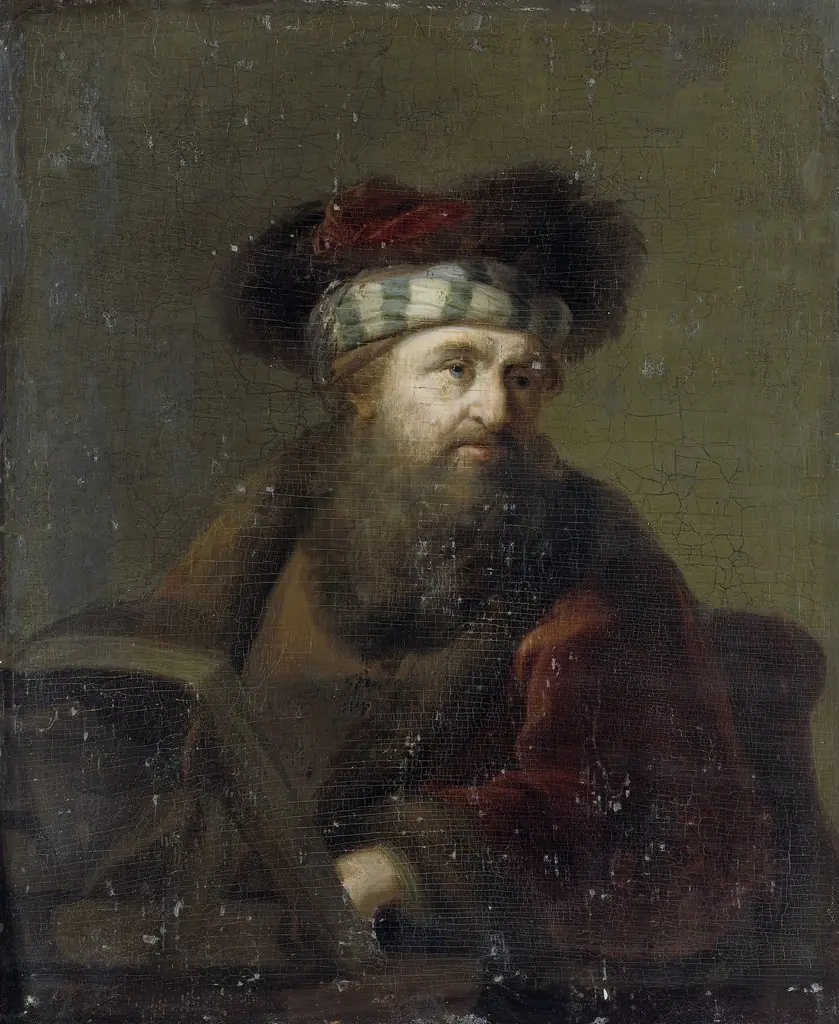
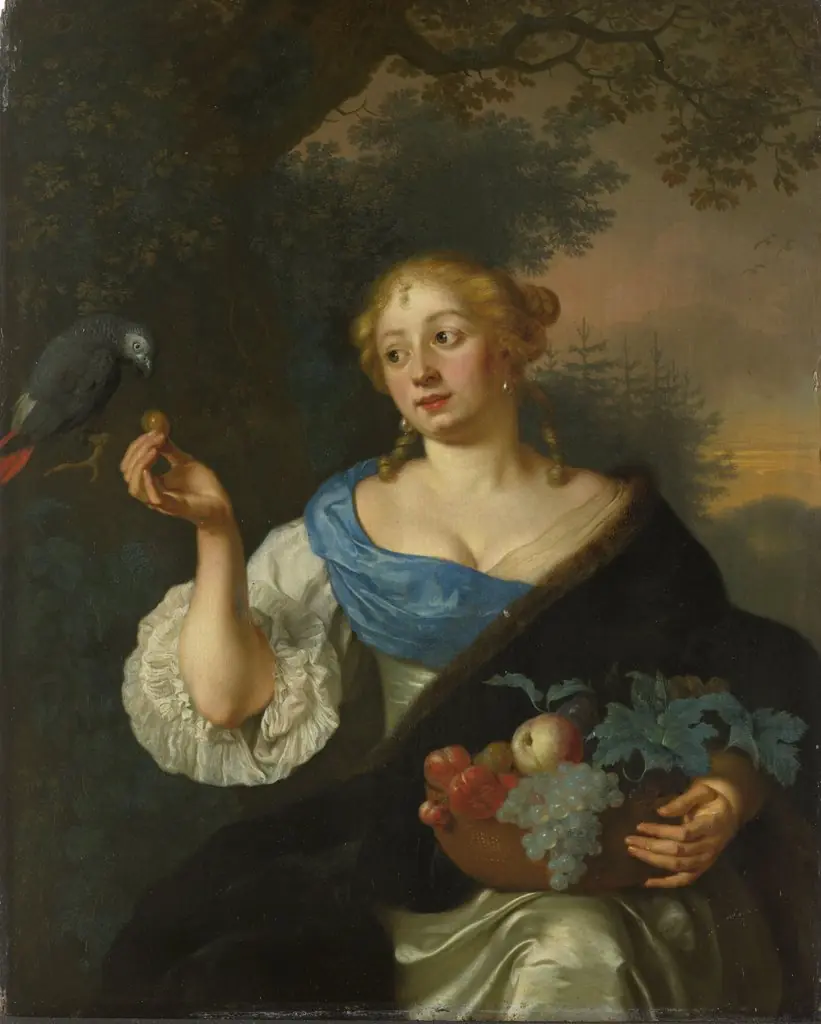
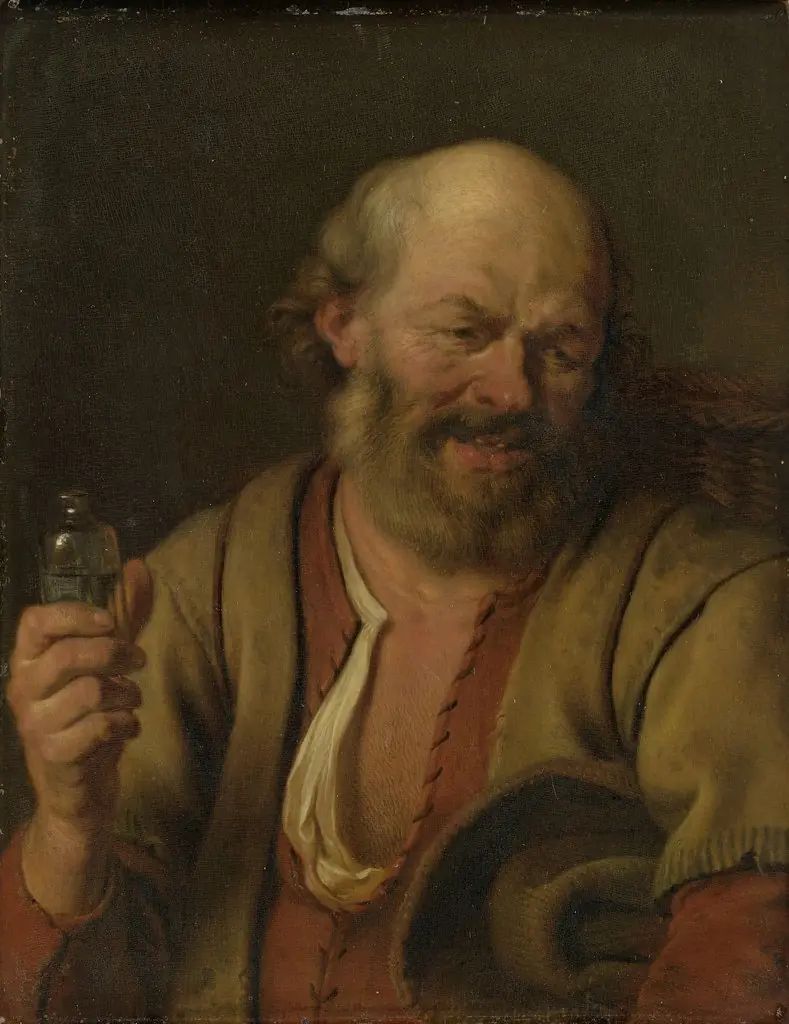
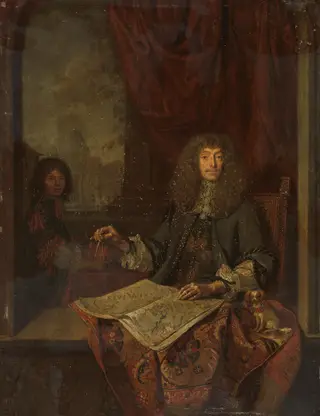
- Portrait of Carel Quina (1622-89), Knight of the Holy Sepulchre and Amsterdam-born explorer of Asia
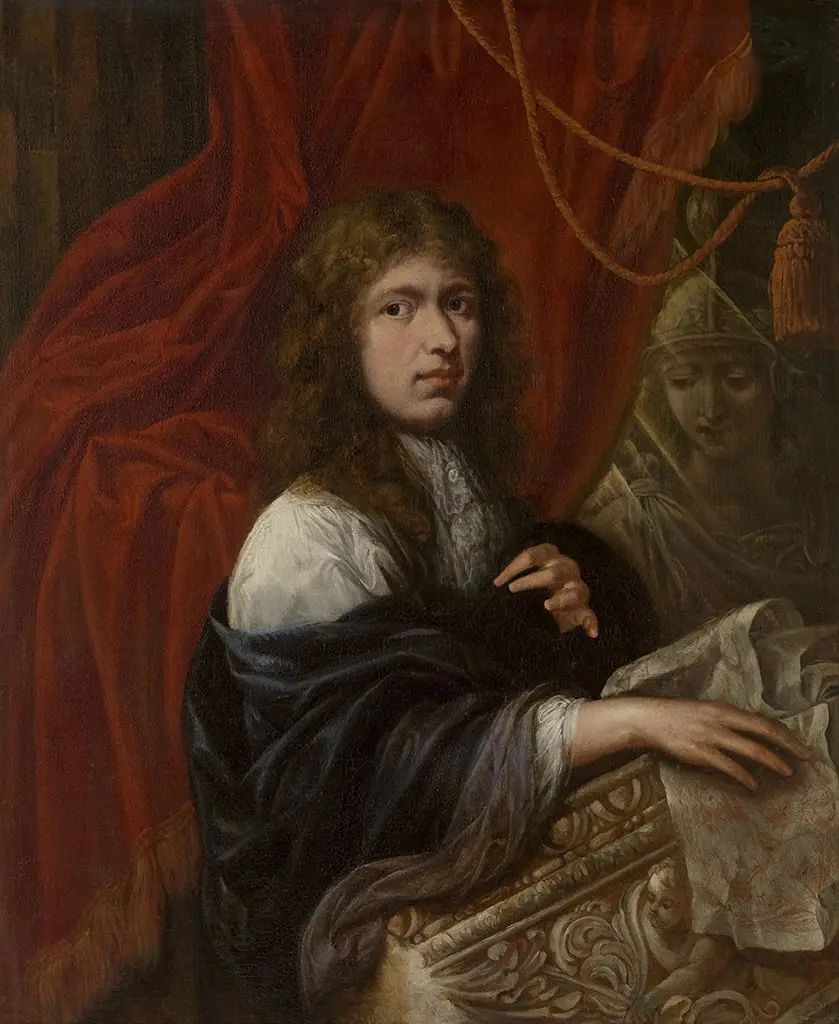 Self-Portrait
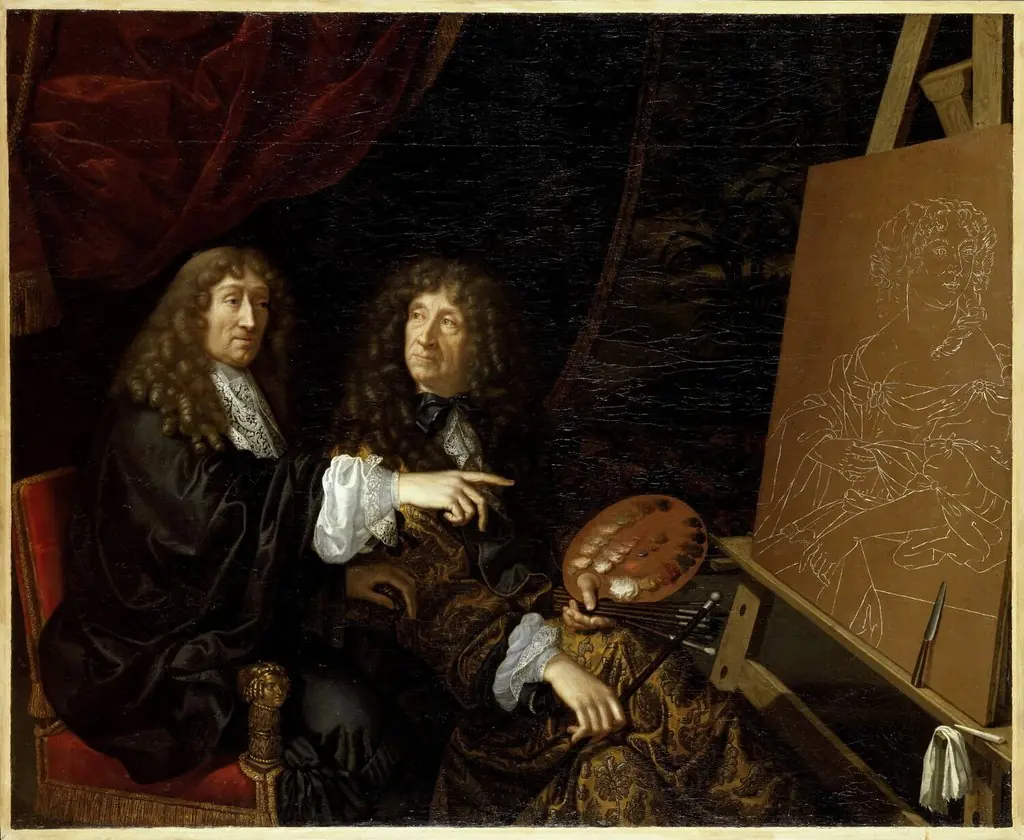 Henri and Charles Beaubrun making the portrait of Queen Marie-Thérèse
 Kreivi Johan Gabriel Stenbock
 Arent van der Houven
 Charles Killigrew
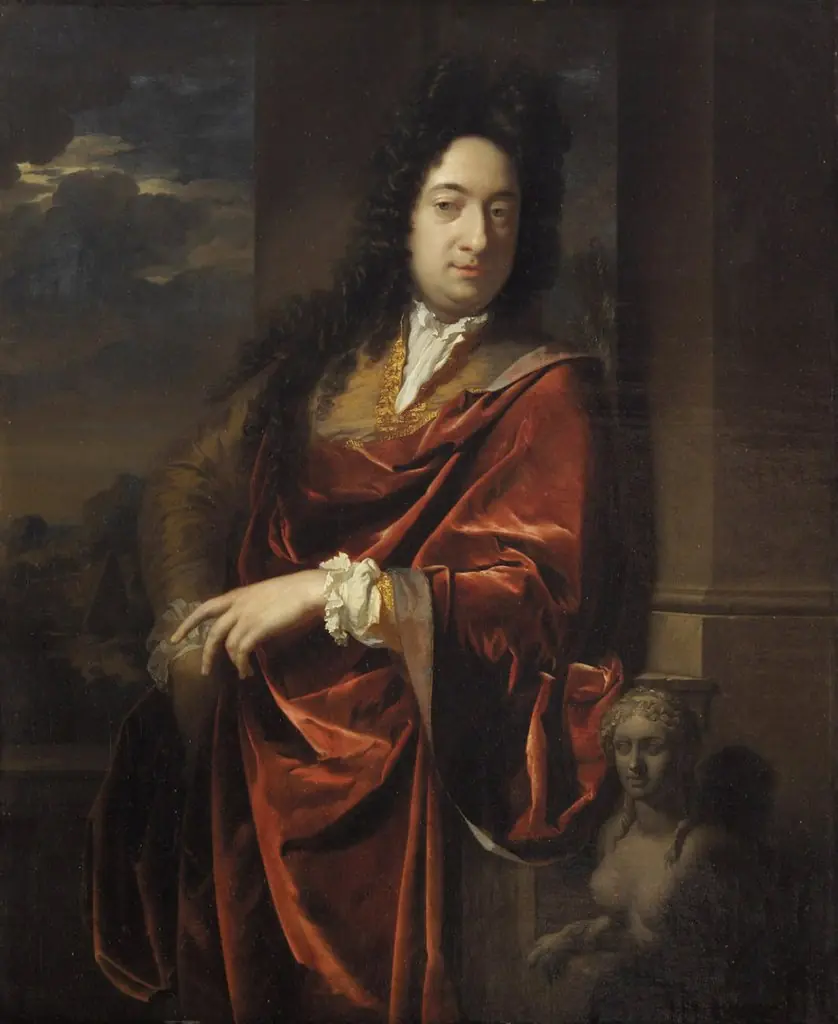 Bildnis eines Herren
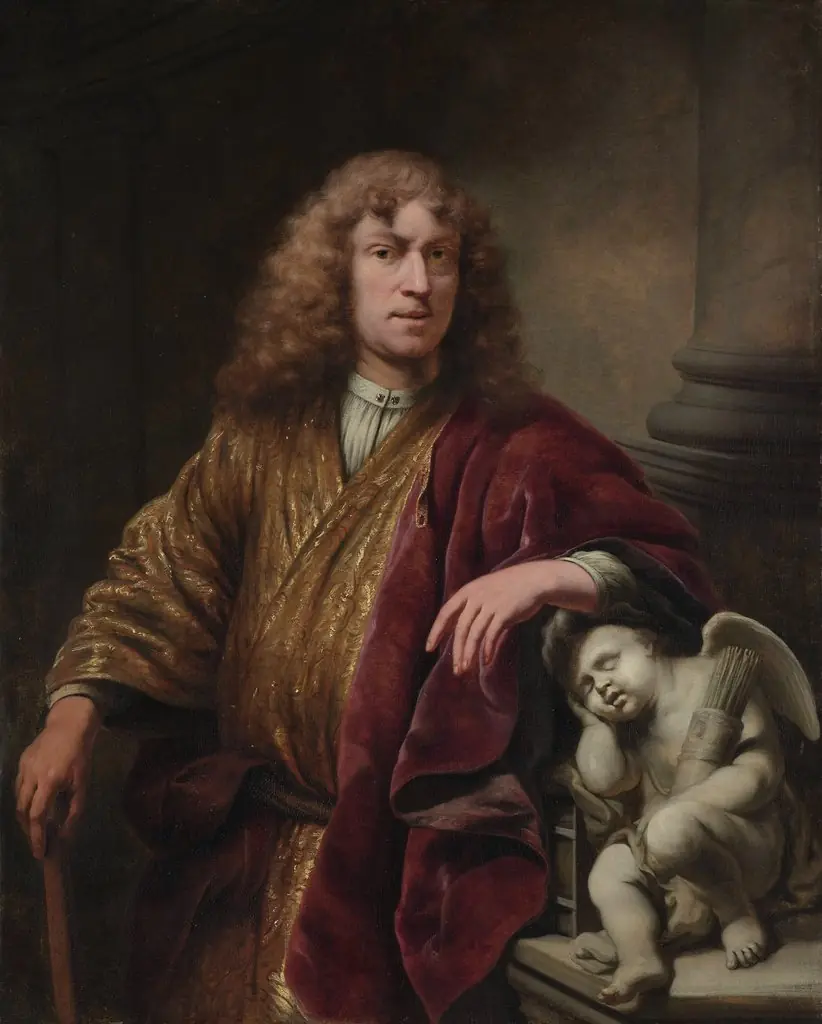 Self-portrait
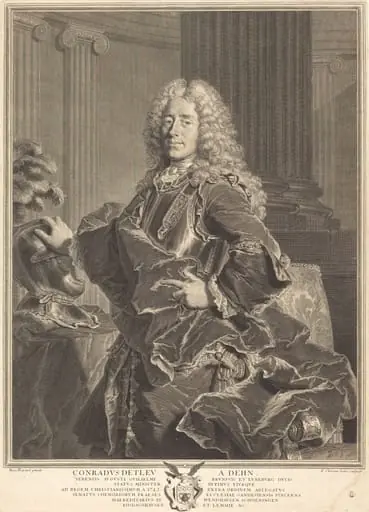 Conradus Detleu von Dehn
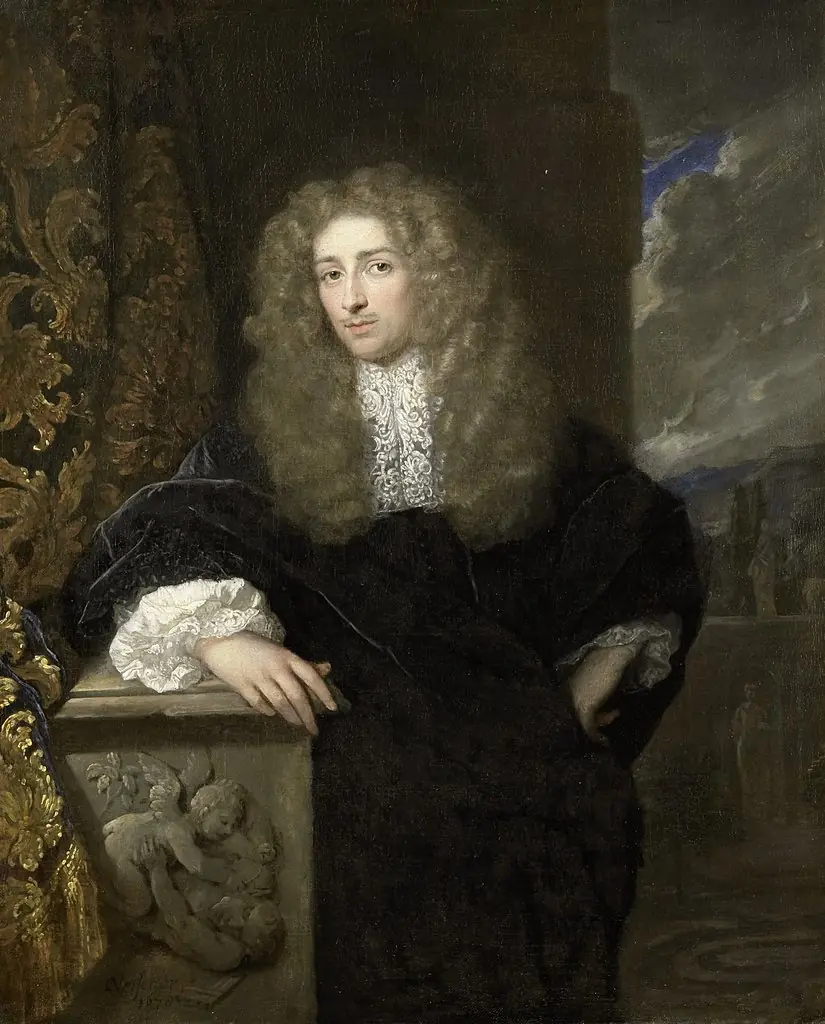 Portrait of a man, possibly a member of the van Citters family
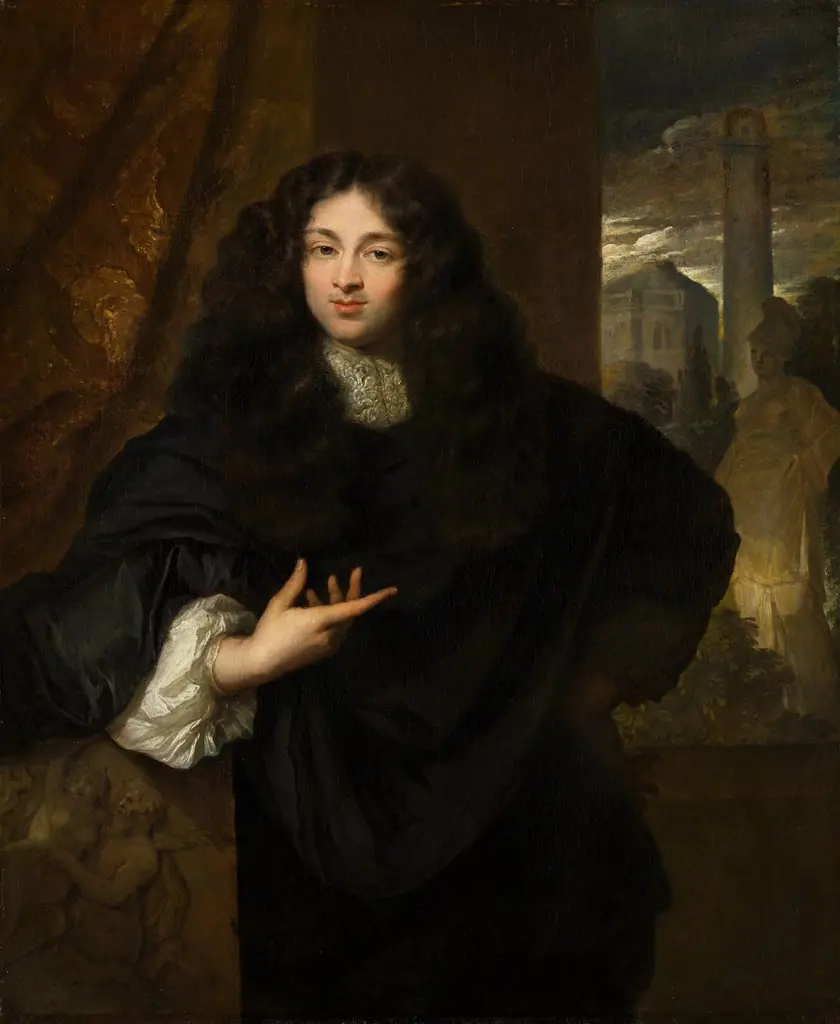 Portrait of Maurits Le Leu de Wilhem (1643- 1724)
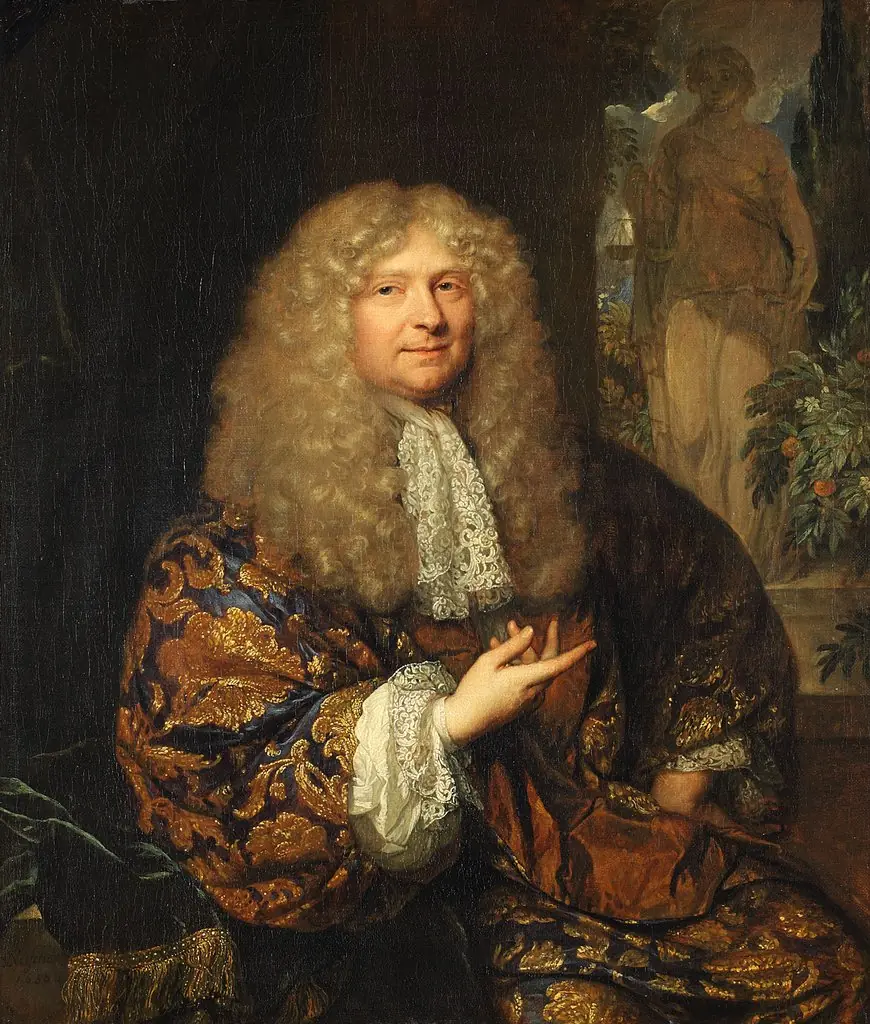 Portrait of a gentleman with an allonge wig