Artwork
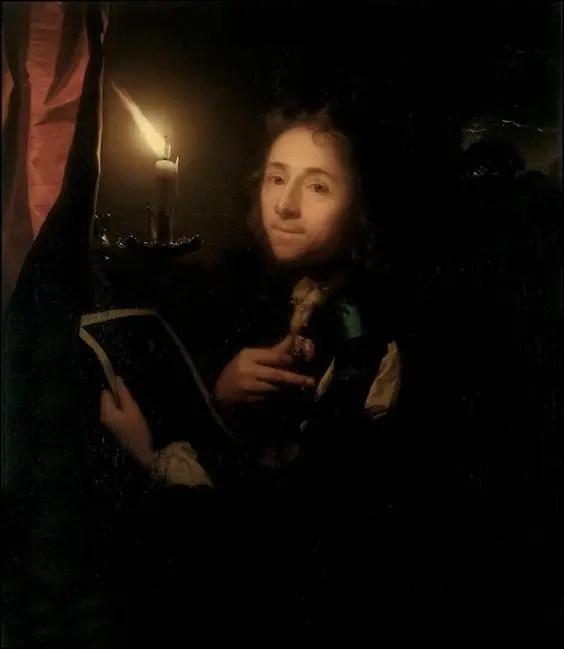
Self-portrait
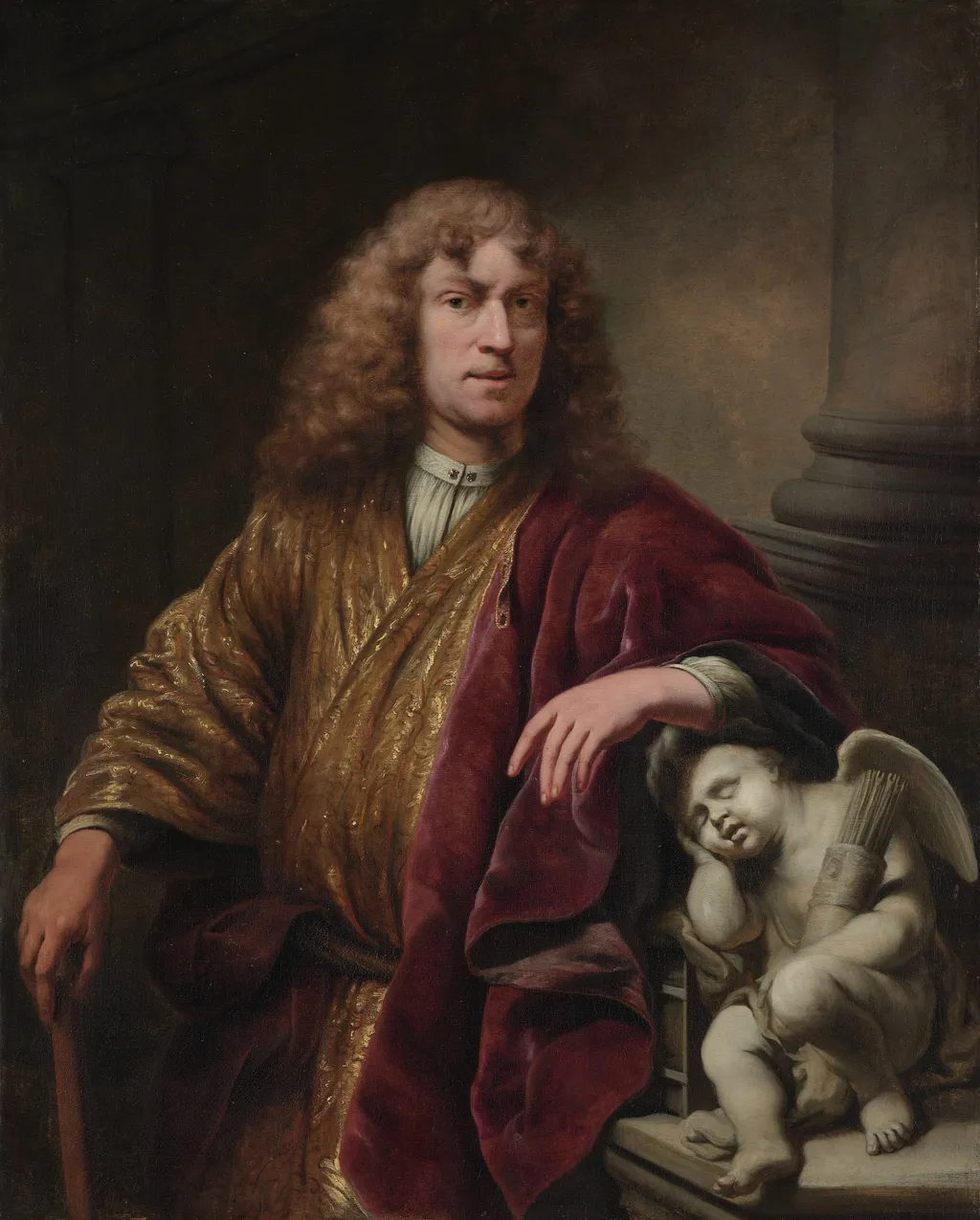
Self-portrait is an oil painting by the Dutch Golden Age artist Ferdinand Bol. It dates from 1669 and is held in the collection of the Rijksmuseum.
About this work
Ferdinand Bol shows himself in oils. He’s dressed in an embroidered robe and leans on a small Cupid statue. The painting dates to 1669, the same year Bol married Anna van Erckel for the second time.
It’s a self-portrait, so you’re looking at the artist’s face and pose. The Cupid detail hints at love and new beginnings.
If you like this, look up the artist Ferdinand Bol.
Subject & Meaning
The Rijksmuseum holds the canvas as a self-portrait whose imagery fuses personal biography with classical allegory.
The painting depicts the Dutch artist Ferdinand Bol himself, shown wearing an embroidered robe and leaning his left arm on a small sculpture of a sleeping Cupid, the Roman god of love. Both the painting and its richly carved, gilded frame are threaded with references to love: the slumbering Cupid has no arrows left to fire and has come to rest, signaling that the portrayed artist is in love, while the sunflowers carved into the frame turn toward the sun as a lover orients toward the beloved. The work is understood to have been painted on the occasion of Bol's second marriage to Anna van Erckel in 1669, giving the iconography of Cupid and the solar symbolism a direct marital meaning.
The Rijksmuseum holds the canvas as a self-portrait whose imagery fuses personal biography with classical allegory.
Technique & Style
The work is an oil-on-canvas painting, with oil paint applied to a woven canvas support. Ferdinand Bol depicts himself half‑length, wearing an embroidered robe and resting his left arm on a small sculpture of a sleeping Cupid, a motif that underscores themes of love. The composition is set within an ornate, gilded frame adorned with flowers, including sunflowers, which further reinforce the amorous symbolism.
The handling of the paint follows the smooth, blended technique characteristic of Bol’s mature portraiture, though specific brushwork details are not recorded in the sources.
History & Provenance
The painting was created in 1669 as an oil-on-canvas self-portrait by Ferdinand Bol, depicted wearing an embroidered robe and leaning on a small Cupid sculpture, likely painted to commemorate his marriage to Anna van Erckel that year. It first appears in the probate records of the artist’s unmarried son Elbert Bol, after which it was sold at auction in Amsterdam on 17 August 1818 as lot number 9 from the collection of Wreesman and purchased by Albertus Brondgeest. Brondgeest bequeathed the work to the Rijksmuseum in 1849, where it remains in the collection.
The work was exhibited in the Historische Tentoonstelling van Amsterdam in 1876, the Rijksmuseum exhibition 'Prijst de lijst' in 1984, 'Portretten van echt en trouw' at the Frans Halsmuseum in 1986, and 'De glorie van de Gouden Eeuw' in 2000.
Context
Executed circa 1669, this oil-on-canvas work is widely interpreted by scholars as a commemorative piece marking Ferdinand Bol's second marriage to Anna van Erckel. The composition, featuring the artist in an embroidered robe leaning on a sculpture of a sleeping Cupid, utilizes iconography to signify love; the resting deity suggests the artist's satisfied romantic state, while sunflowers on the gilded frame symbolize devotion. Although the specific bequest within the estate of Bol's unmarried son, Elbert, remains unknown, the painting is likely the self-portrait recorded in those probate documents.
Its art-historical trajectory includes a documented sale in 1818 to collector Albertus Brondgeest, who later donated it to the Rijksmuseum. The work has been featured in significant surveys of Dutch Golden Age painting, including exhibitions in 1984 and 2000 focusing on seventeenth-century portraiture and glory.
Overview
Ferdinand Bol’s self‑portrait, executed in oil on canvas around 1669, presents the artist in a richly embroidered robe. He rests his weight against a small marble figure of Cupid, creating a composed yet intimate pose. The work is part of the Rijksmuseum’s collection in Amsterdam and measures roughly the size of a typical 17th‑century portrait.
Own this work as a print
Artist & collection
Artist
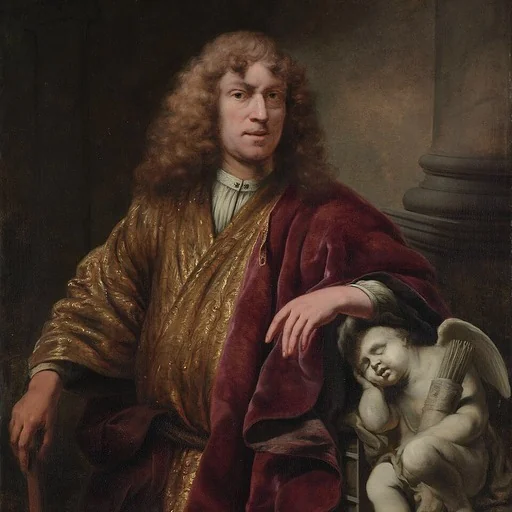
Ferdinand Bol (24 June 1616 - 24 August 1680) was a Dutch painter, etcher and draftsman.

 Venus and Adonis
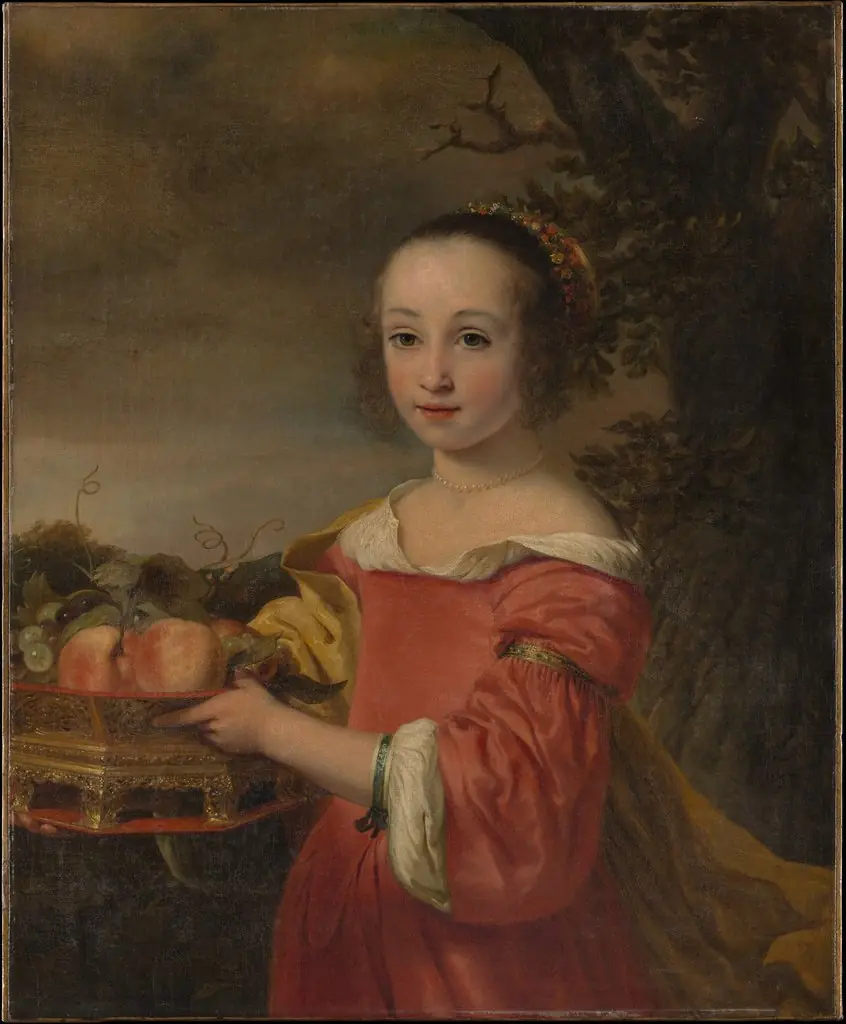 Petronella Elias (1648–1667) with a Basket of Fruit
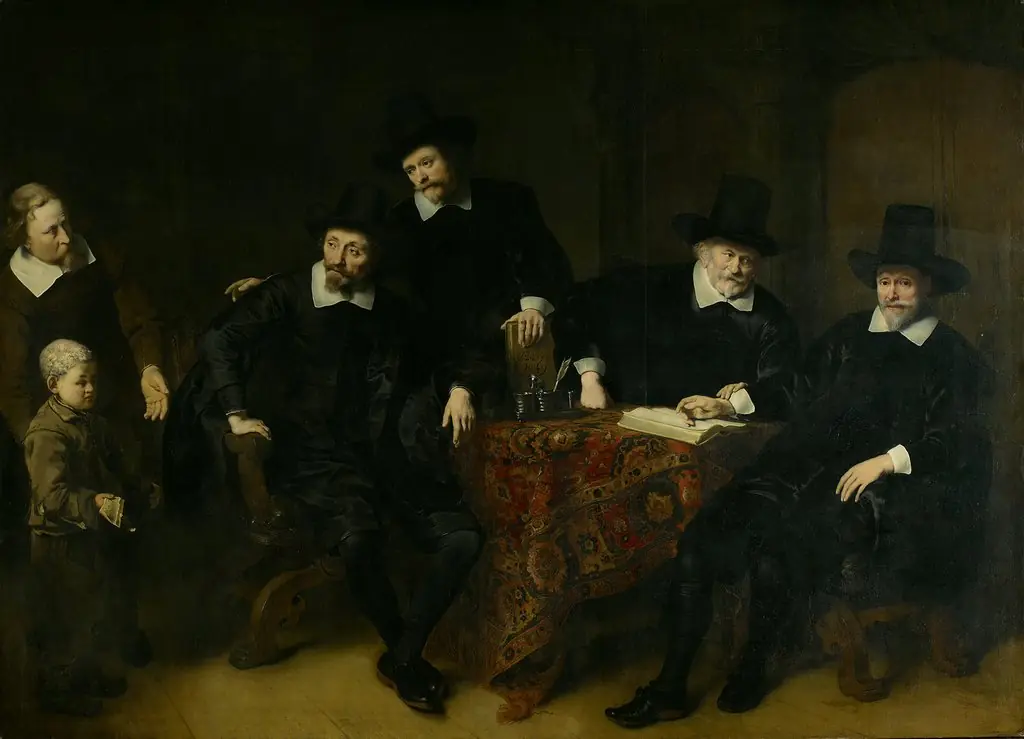 The Regents of the Leper's house in Amsterdam in 1649
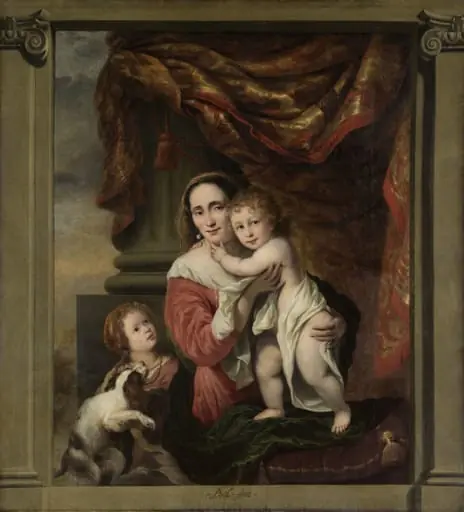 Caritas: Joanna de Geer (1629-1691) with her Children Cecilia Trip (1660-1728) and Laurens Trip (b. 1662)
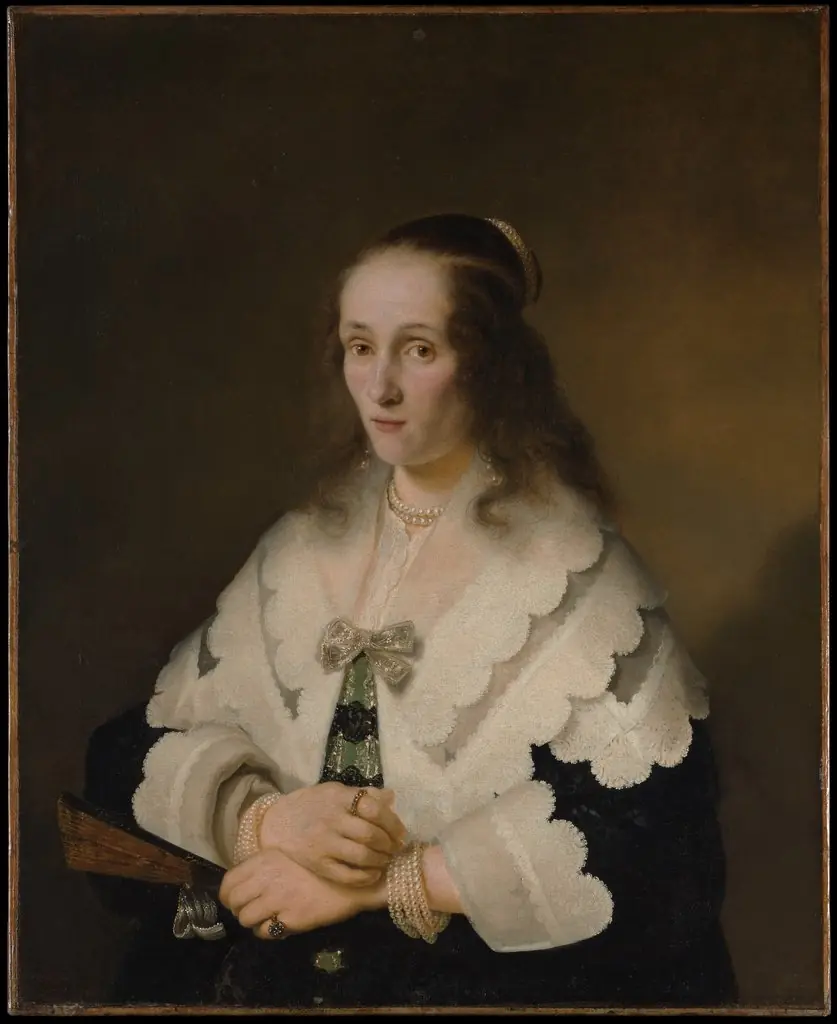 Portrait of a Woman
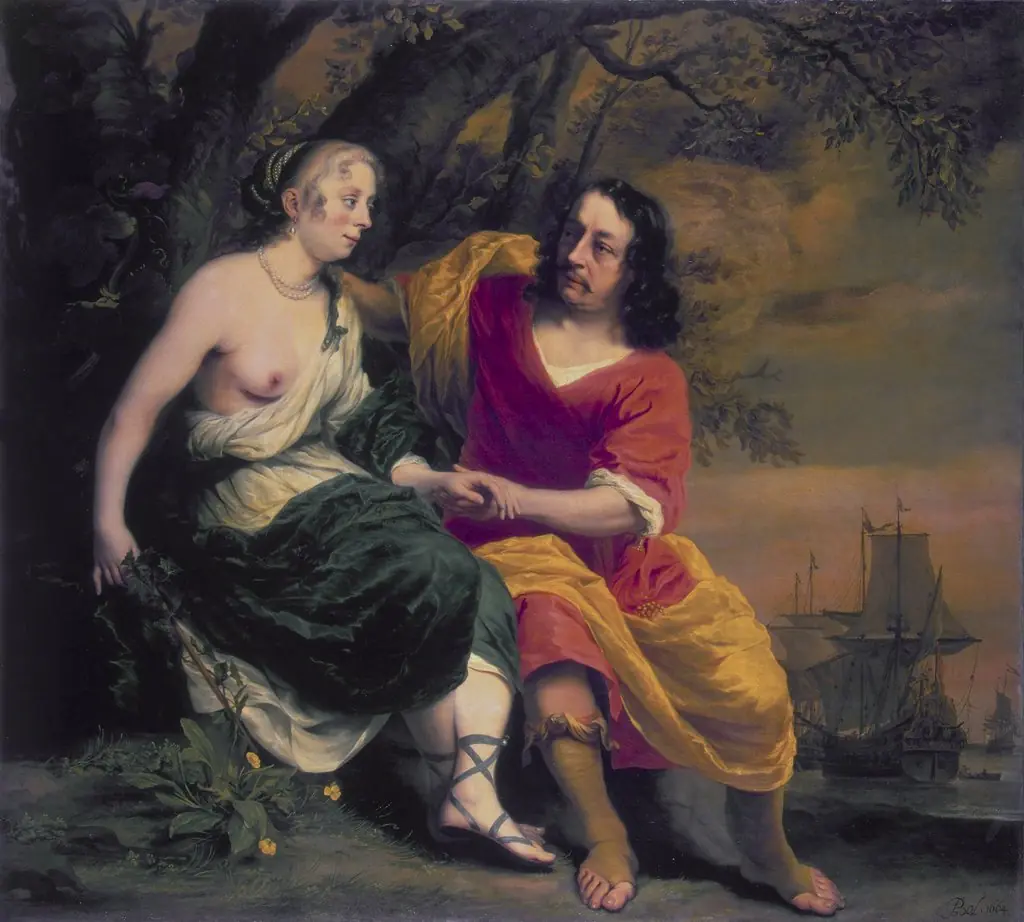 Bacchus and Ariadne
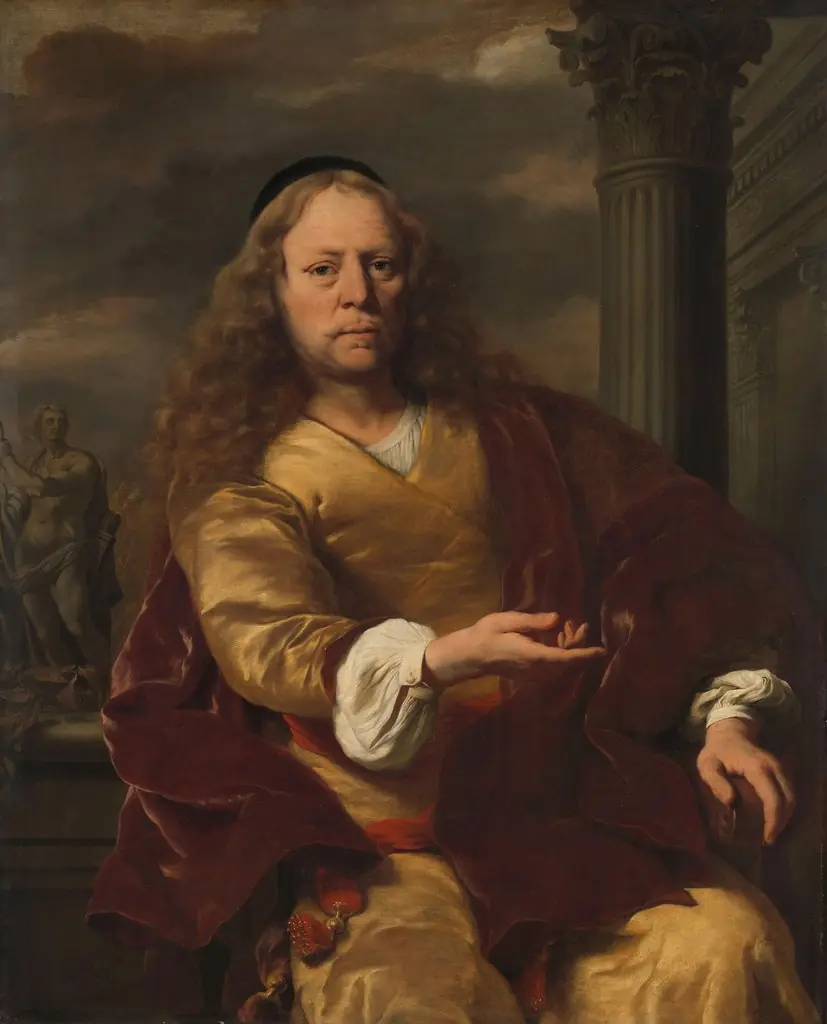 Portrait of a man
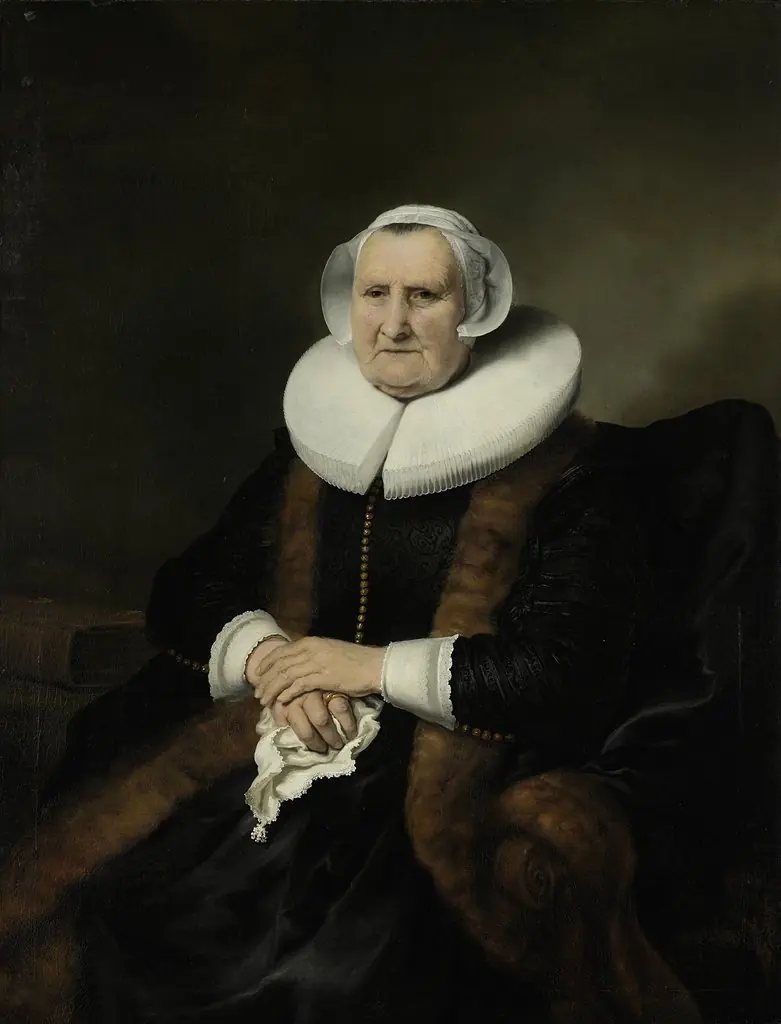 Portrait of an Old Lady, Possibly Elisabeth Bas
- Portrait of a Young Gentleman
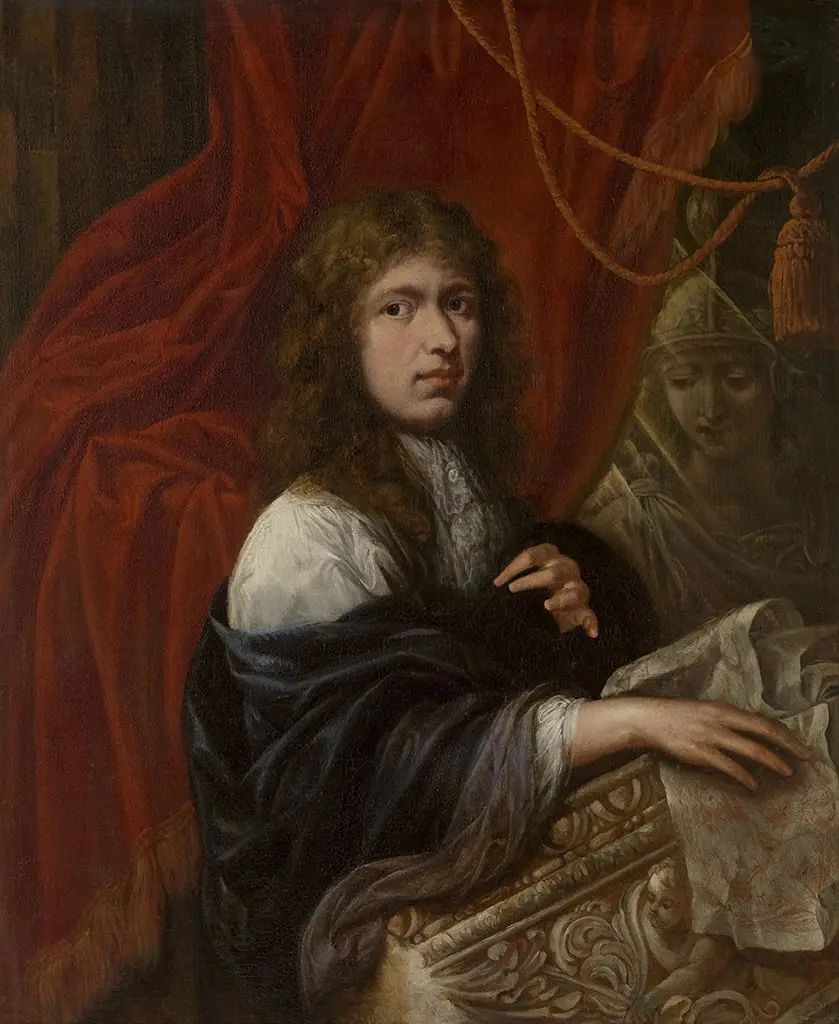 Self-Portrait
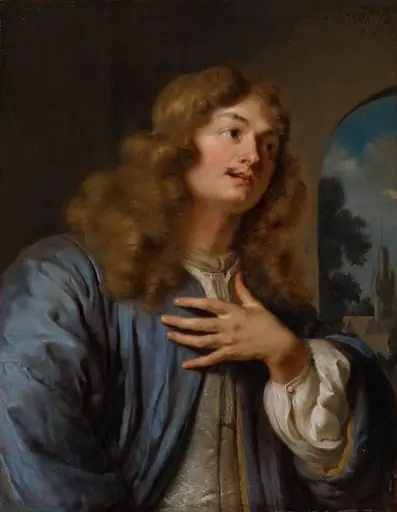 The Artist as Lover
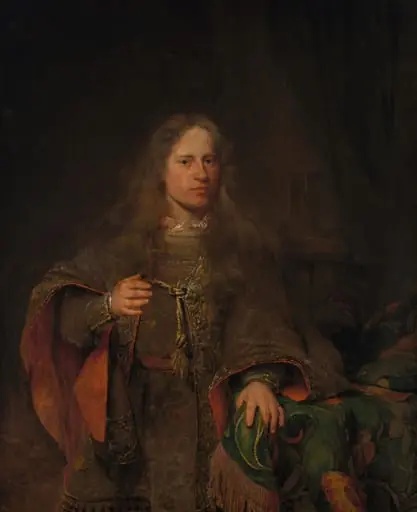 Portrait of Ernest de Beveren, Lord of West-IJsselmonde and De Lindt
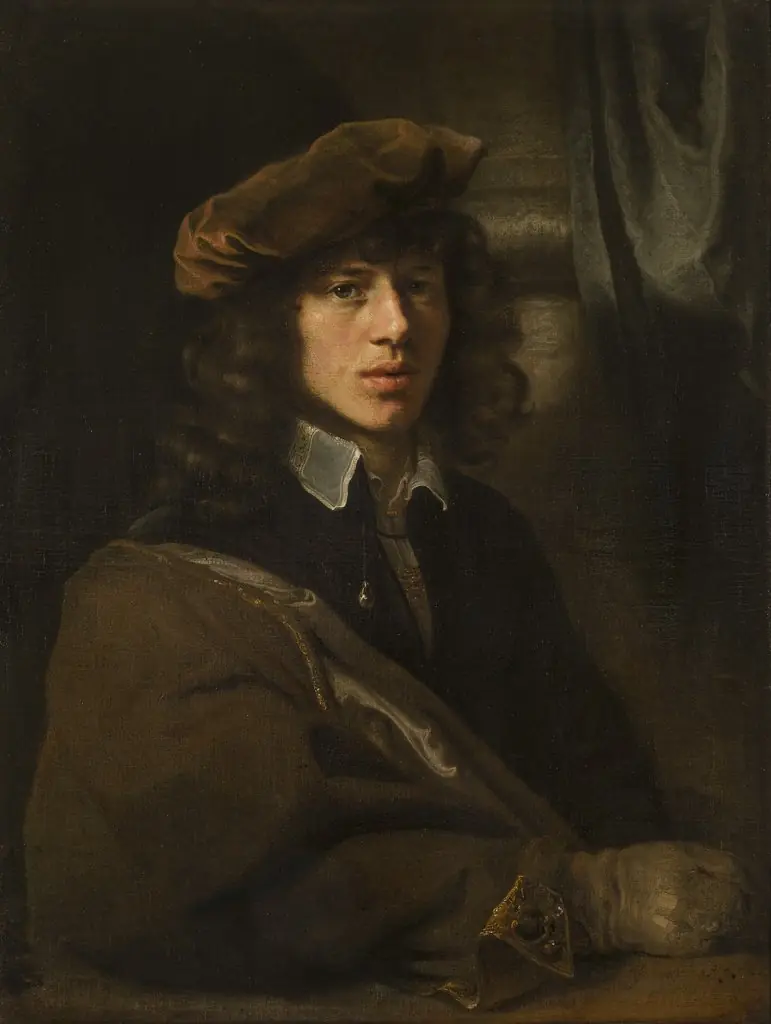 Portrait of Carel Fabritius
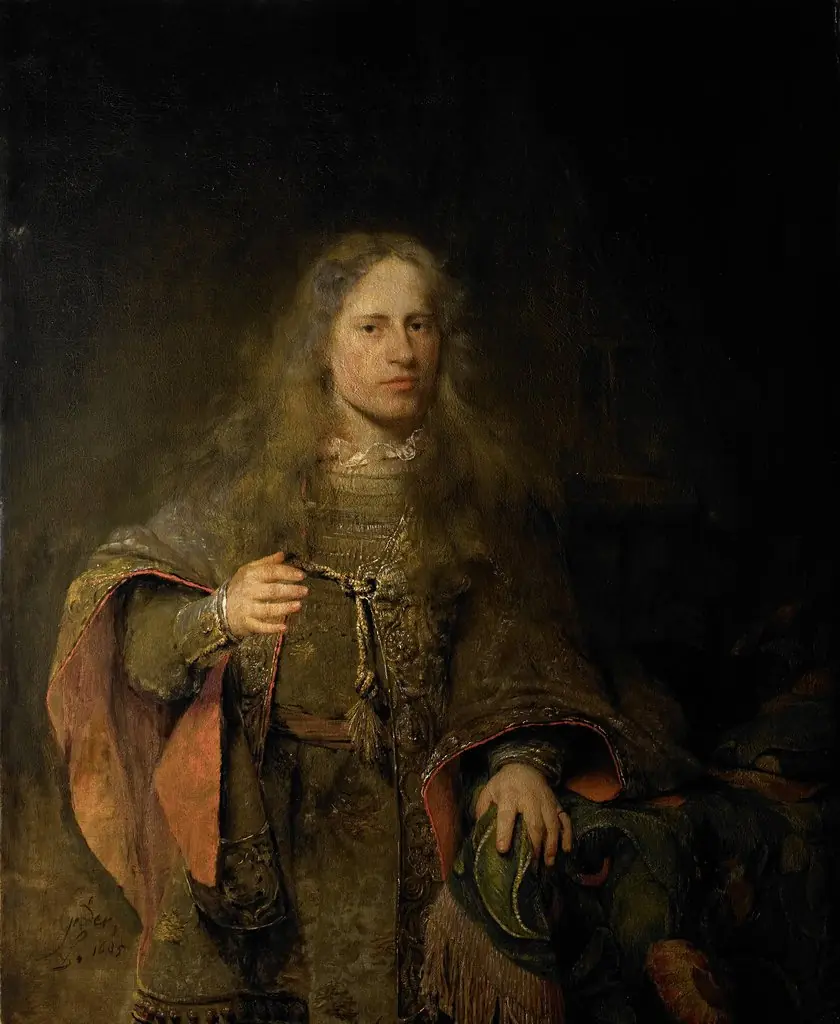 Portrait of Ernest de Beveren, Lord of West-IJsselmonde and De Lindt
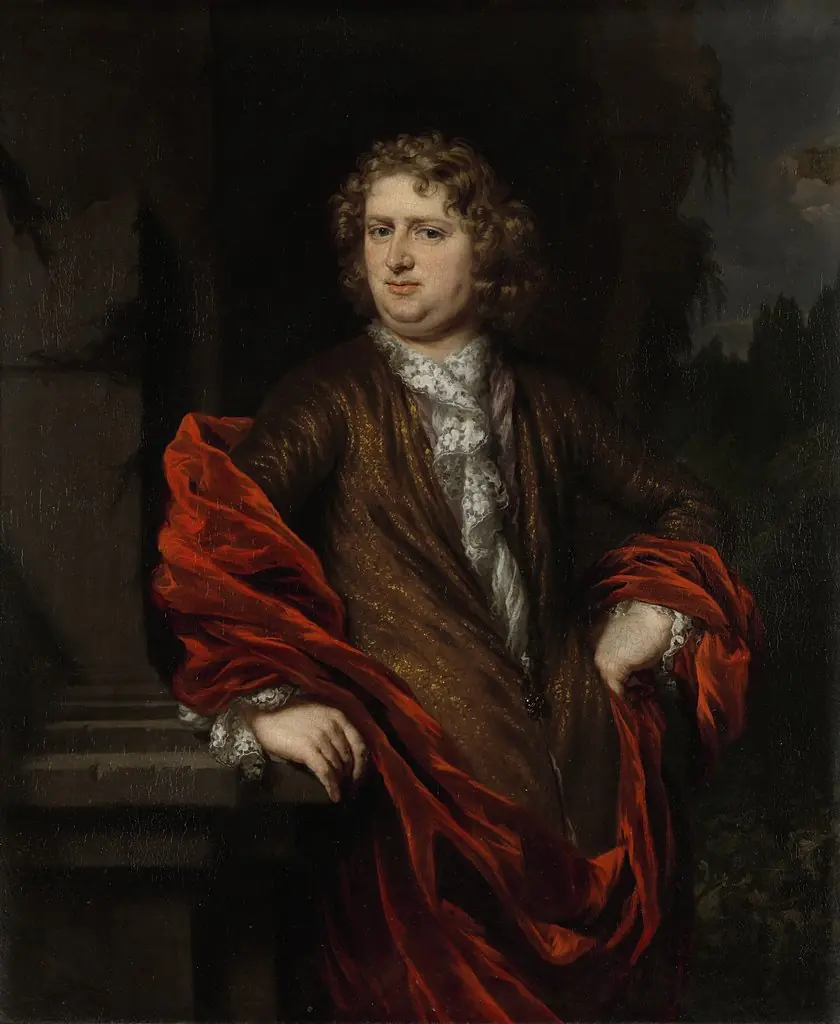 Portrait of Pieter Groenendijk
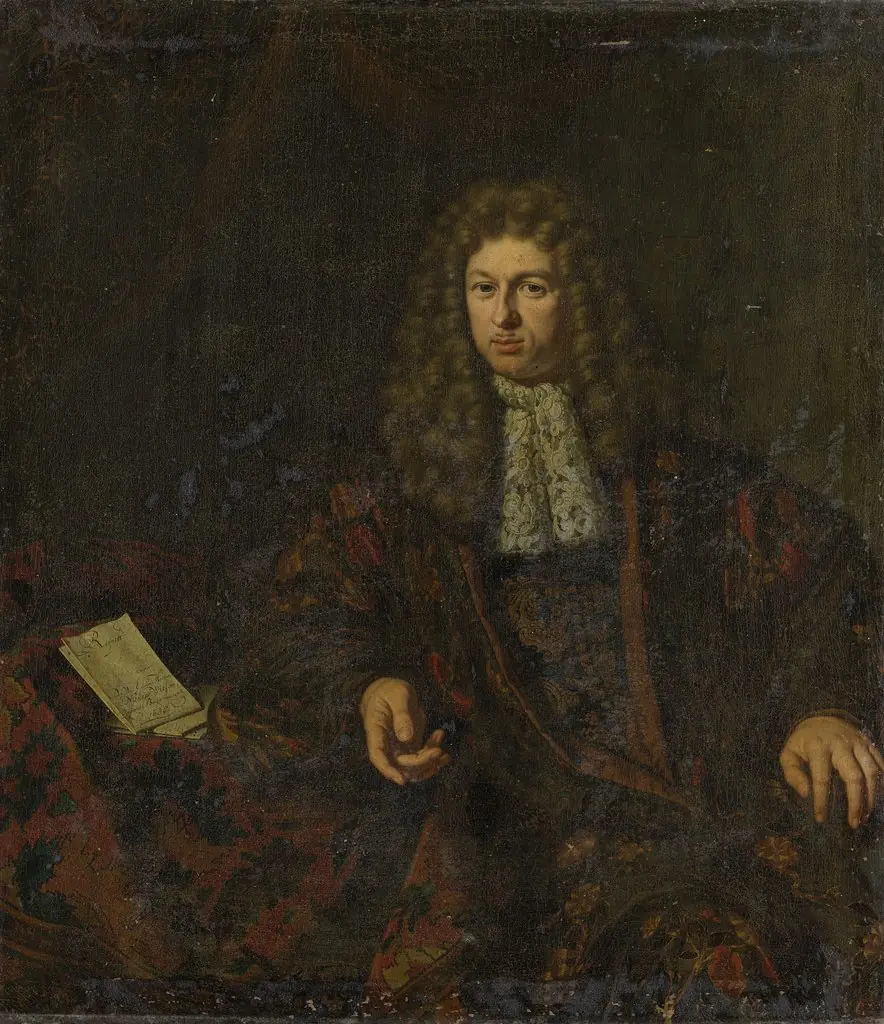 Portret van Nicolaes Witsen (1641-1717)
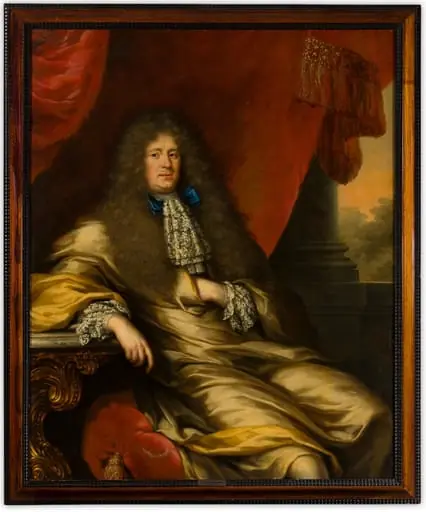 Kreivi Johan Gabriel Stenbock
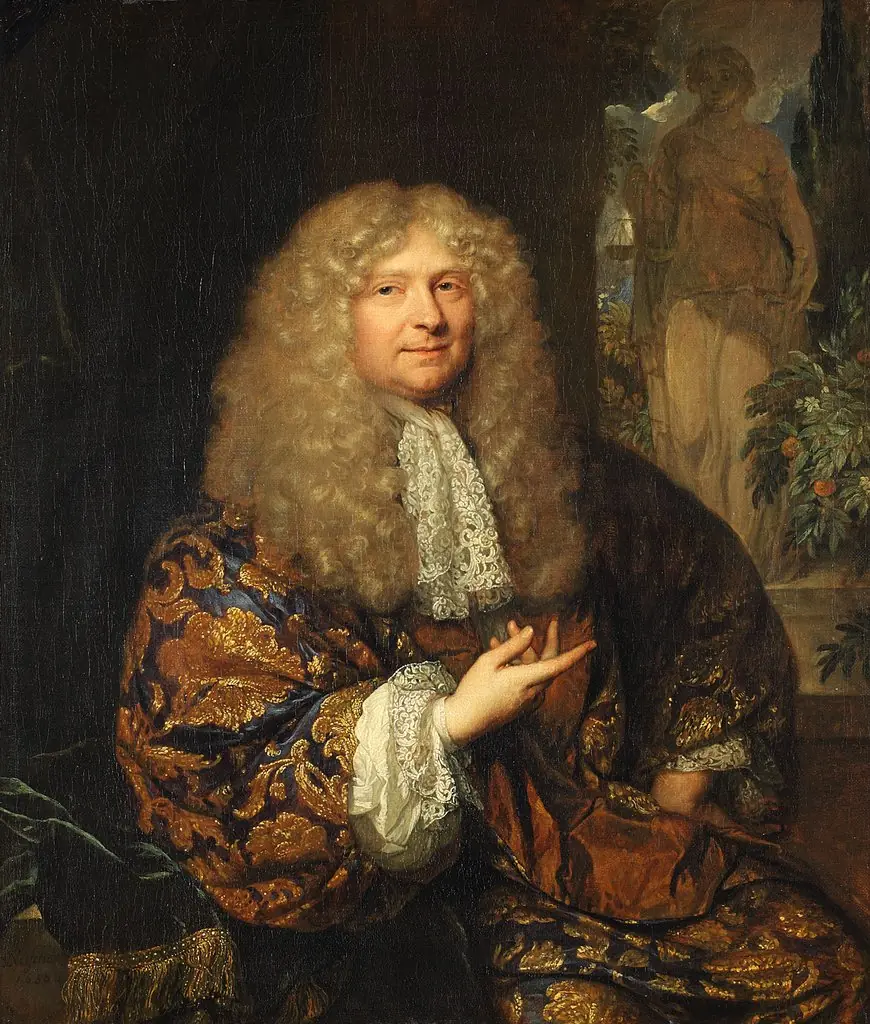 Portrait of a gentleman with an allonge wig
 Self-portrait