Artwork
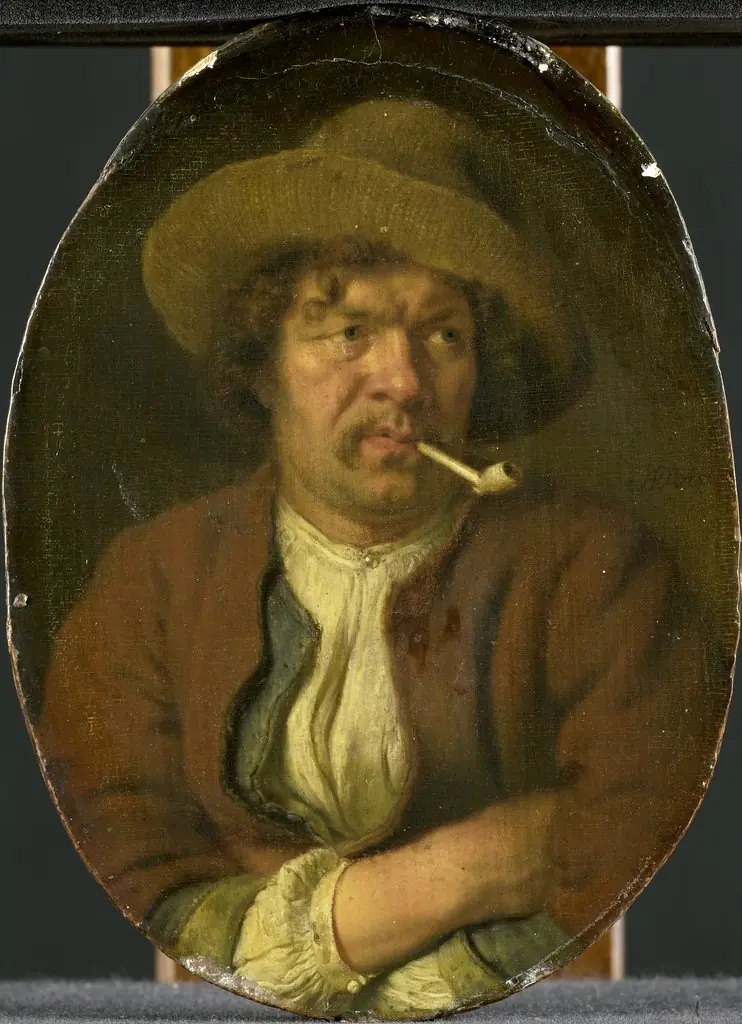
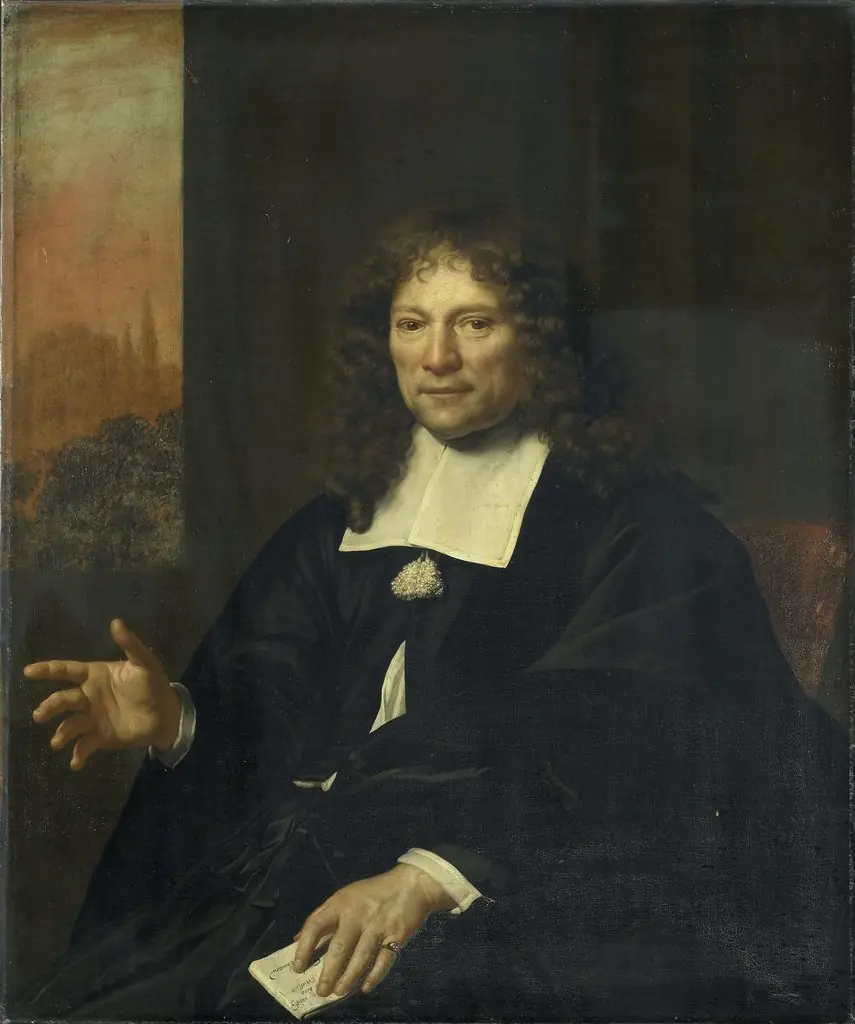
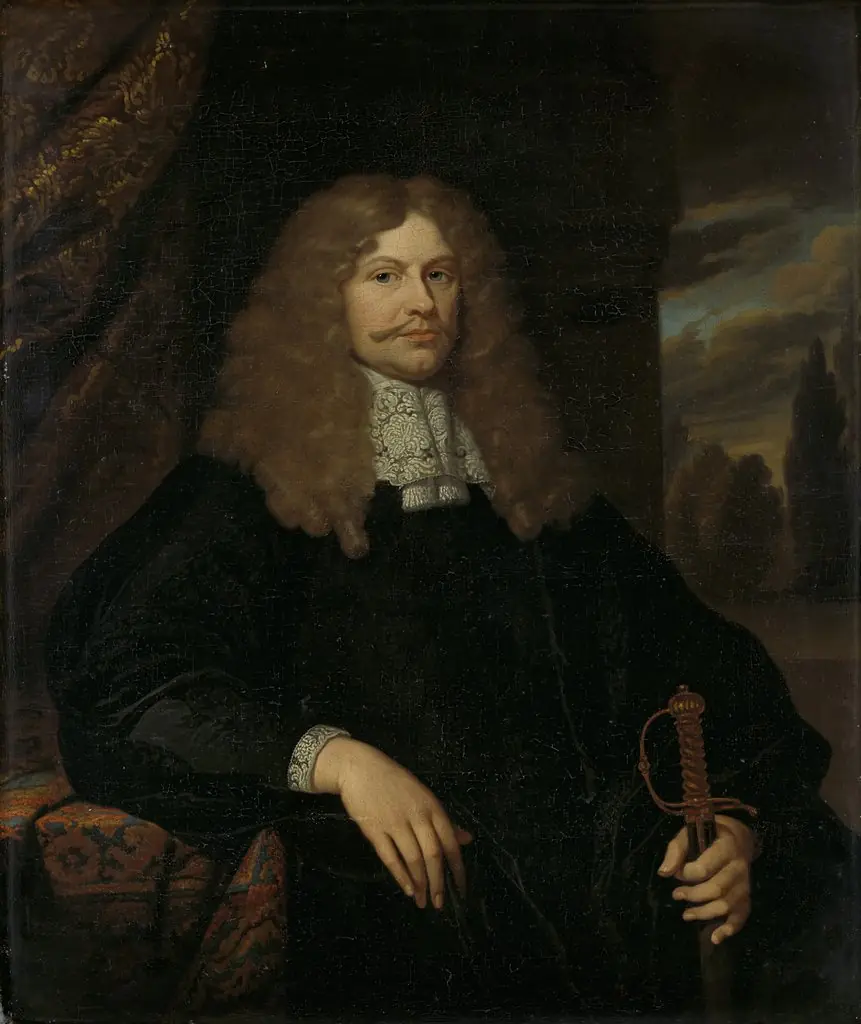
Portrait of a man
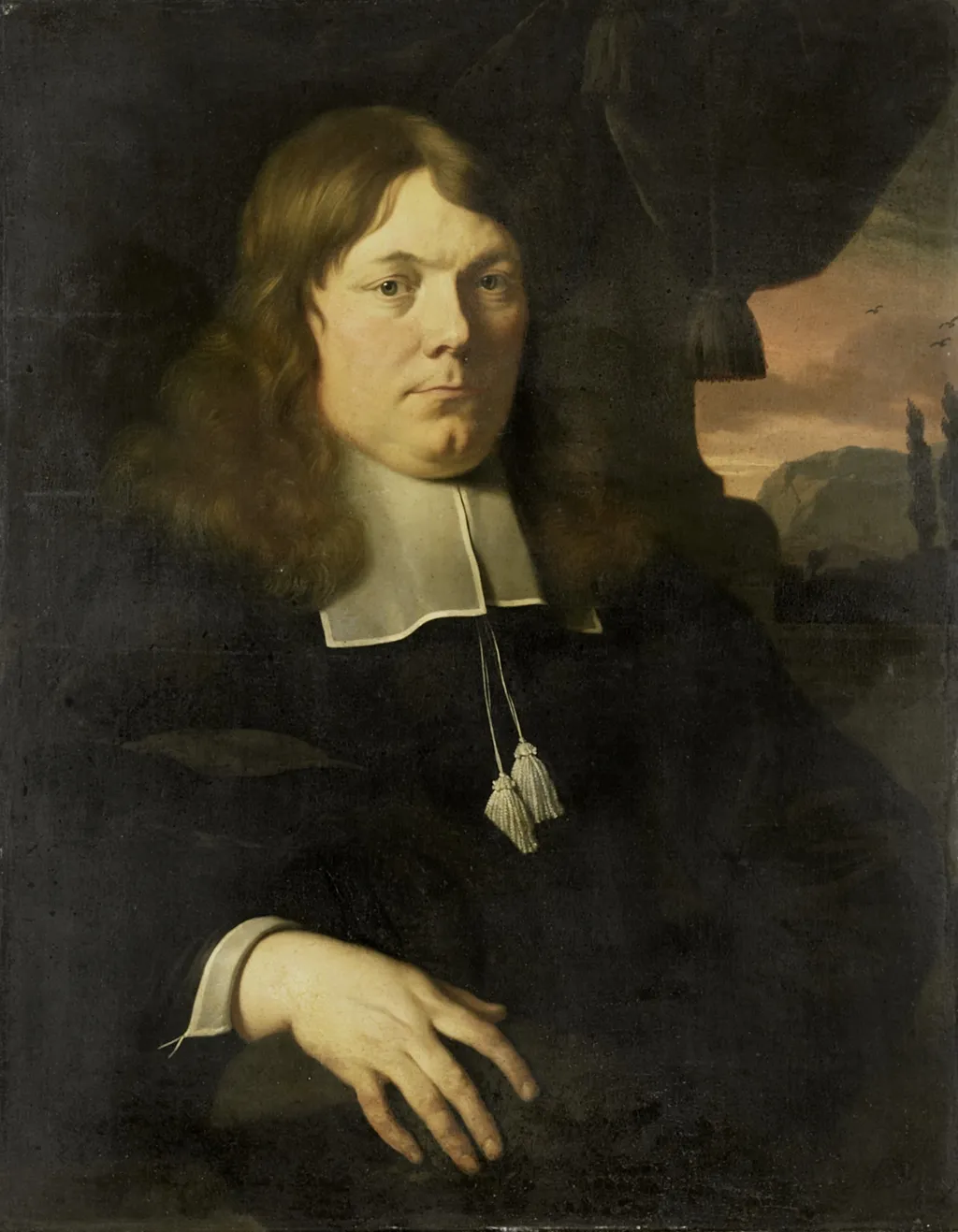
Portrait of a man is an oil painting by the Dutch Golden Age artist Ary de Vois. It dates from 1670 and is held in the collection of the Rijksmuseum.
About this work
Subject & Meaning
The sitter is portrayed as an unidentified man in a three-quarter view, turned slightly to the left, wearing contemporary attire that identifies him as a member of the Dutch elite of the late seventeenth century. The plain background and direct gaze focus attention on the individual, a convention in Dutch portraiture intended to convey social status and personal presence rather than allegorical meaning. The absence of attributes or insignia suggests the portrait’s purpose was to document identity and standing rather than to symbolize virtues or professional roles.
Technique & Style
Created in 1670, Ary de Vois's Portrait of a Man is executed in oil paint on a canvas support. The work measures 82 cm in height and 64 cm in width. As a portrait, the painting focuses on an unidentified male subject, adhering to the genre conventions of the period through its direct depiction of the sitter.
History & Provenance
The painting depicts an unidentified male subject and is currently held in the collection of the Rijksmuseum.
The Portrait of a Man was created by the Dutch artist Ary de Vois in 1670. Executed in oil paint on canvas, the work measures 82 cm in height and 64 cm in width. The painting depicts an unidentified male subject and is currently held in the collection of the Rijksmuseum.
While the specific circumstances of the original commission and the detailed chain of ownership prior to its museum acquisition are not recorded in the available sources, the work's inception is firmly dated to 1670. It remains a documented example of de Vois's portraiture from that period.
The painting is held in the collection of the Rijksmuseum, where it is located. No specific inventory or accession number is provided in the available sources. Furthermore, there is no recorded exhibition history for this work within the referenced materials.
Legacy
Portrait of a man (1670) by Ary de Vois, housed in the Rijksmuseum, exemplifies 17th-century Dutch portraiture and reflects evolving techniques in oil painting and compositional realism. The work's attribution and stylistic analysis have informed scholarly discourse on portrait conventions of the era, influencing interpretations of contemporary Dutch art. Its presence in a major public collection underscores its significance within institutional narratives of Northern European art history.
The painting's legacy is anchored in its role as a representative example of the artist's oeuvre and its contribution to the study of unidentified portraiture in museum contexts.
Overview
Created in 1670, this oil painting by Ary de Vois presents a solitary male figure rendered with careful attention to light and texture. The work is part of the Rijksmuseum’s collection and exemplifies the Dutch portrait tradition of the late 17th century, focusing on a restrained, introspective mood rather than overt narrative.
Own this work as a print
Artist & collection

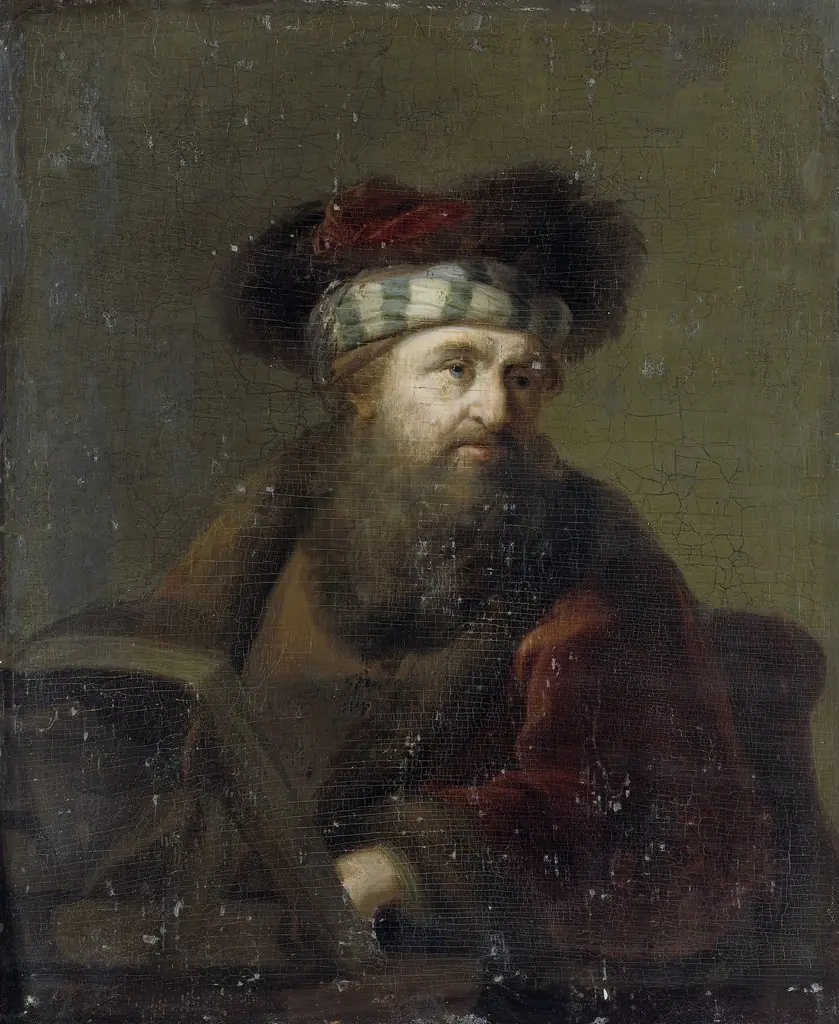
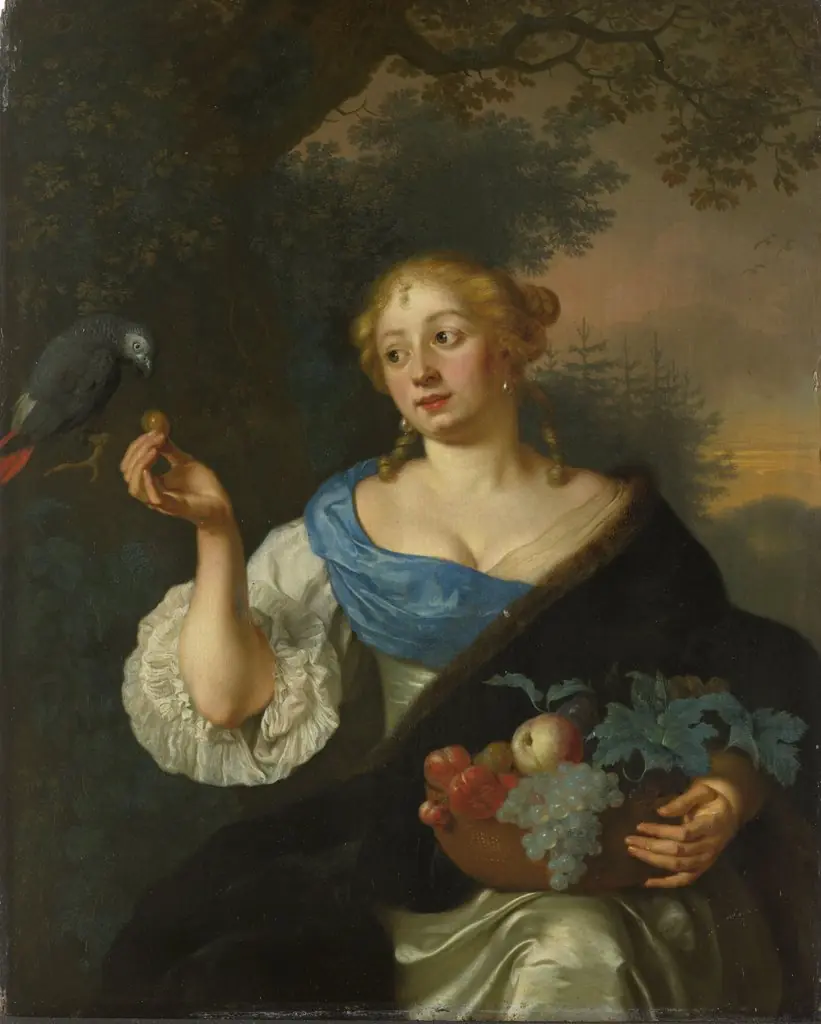
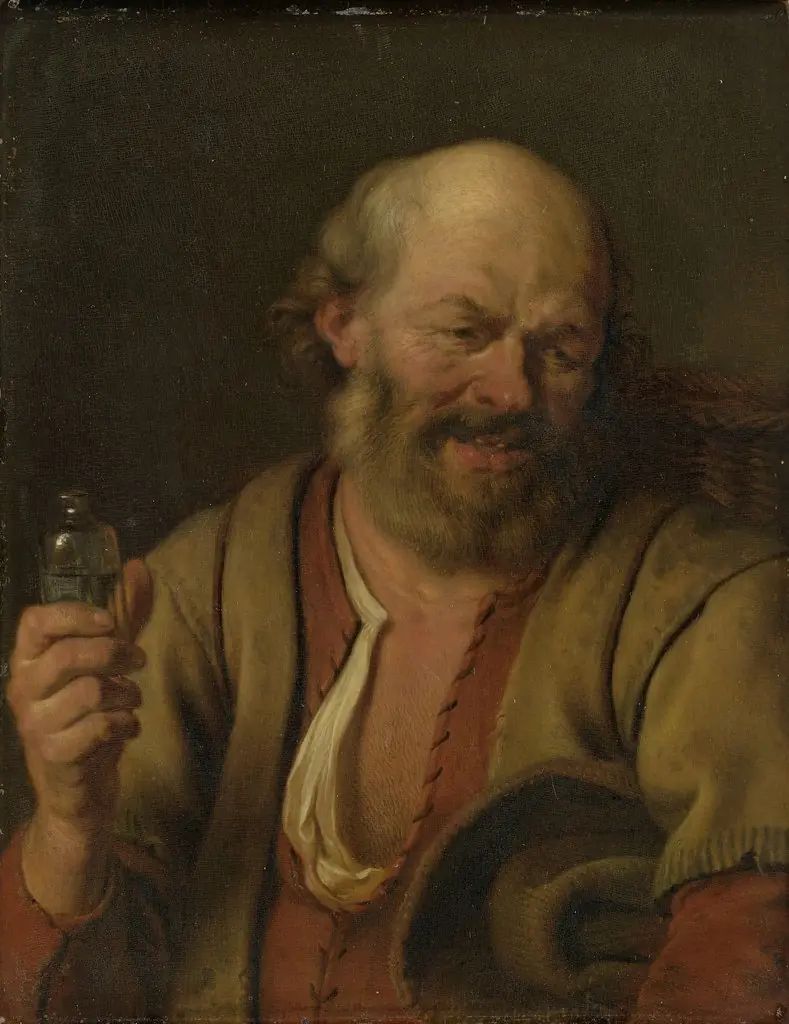
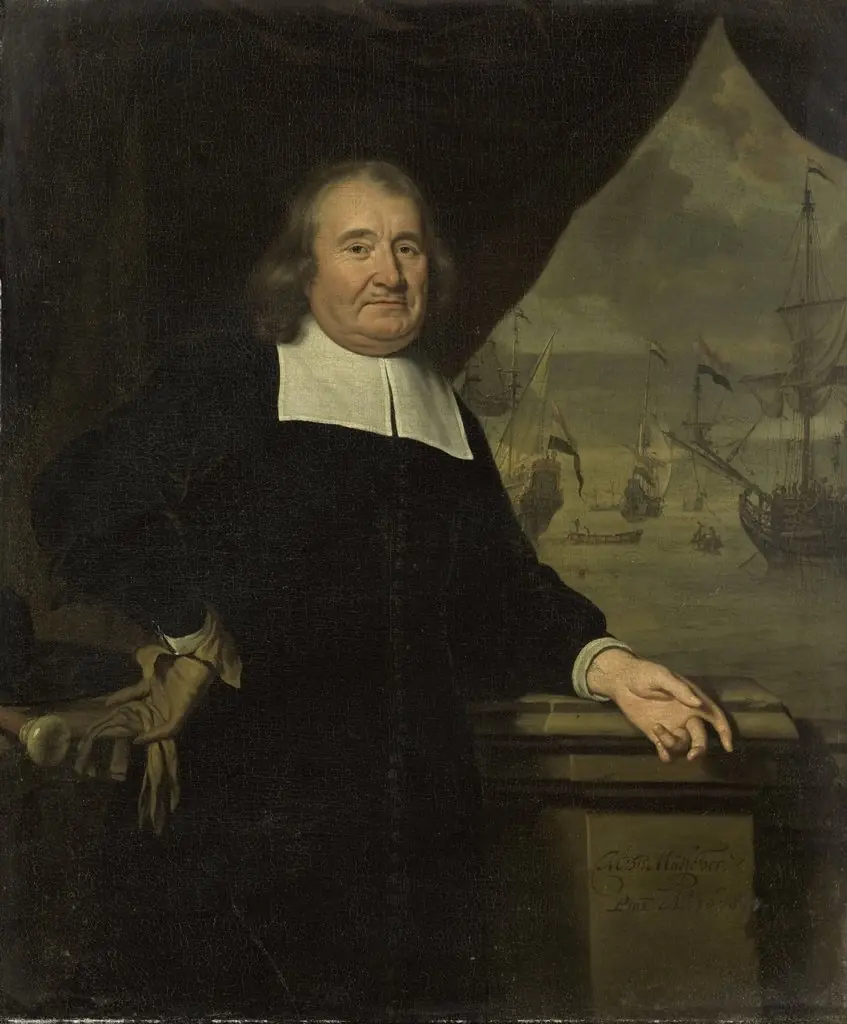
- Portrait of a captain or ship-owner
 Portrait of Daniel Nellius, elder of the Remonstrant church and sampling official of Alkmaar
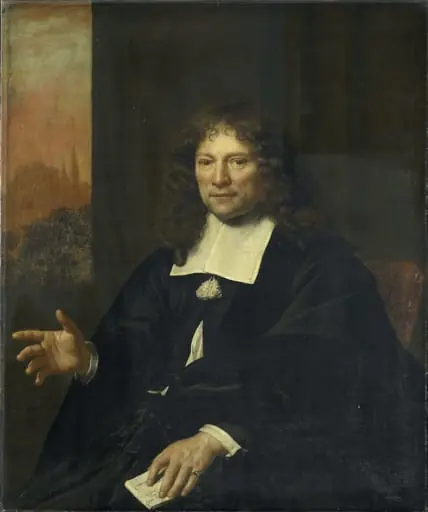 Portrait of Daniel Niellius. Elder of the Remonstrant Church and Sampling Official of Alkmaar
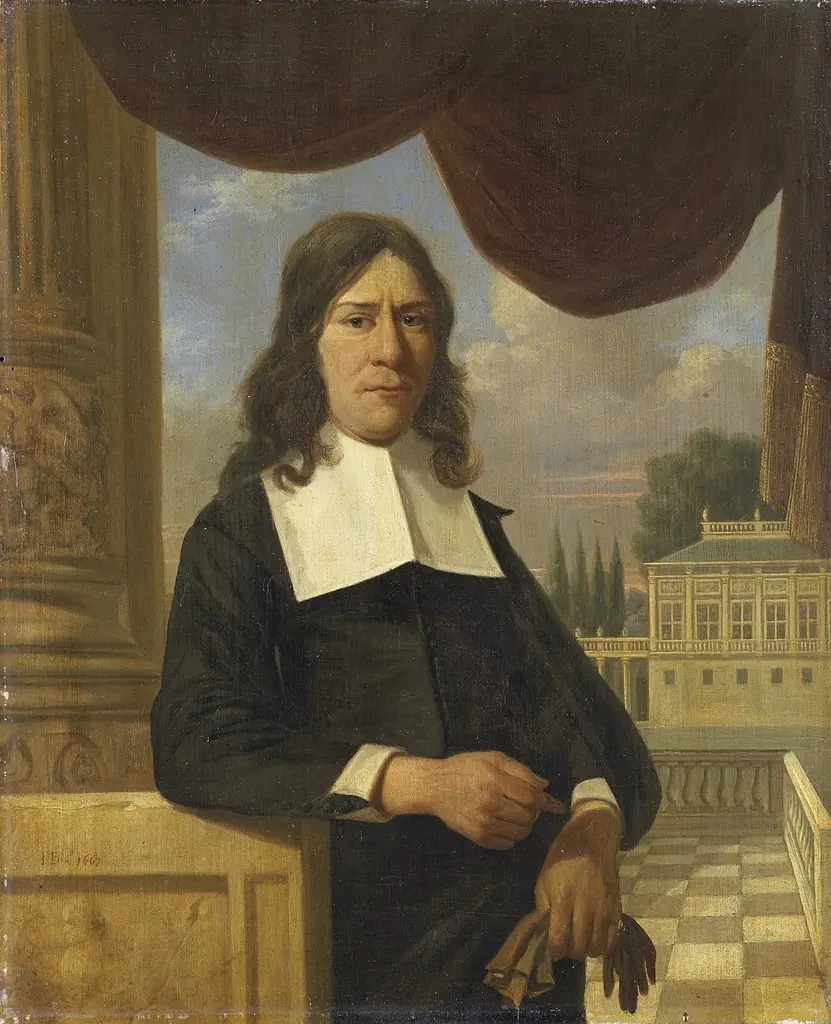 Portrait of Nicolaes Eichelberg (d 1699), Haarlem merchant and husband of Helena van der Schalke
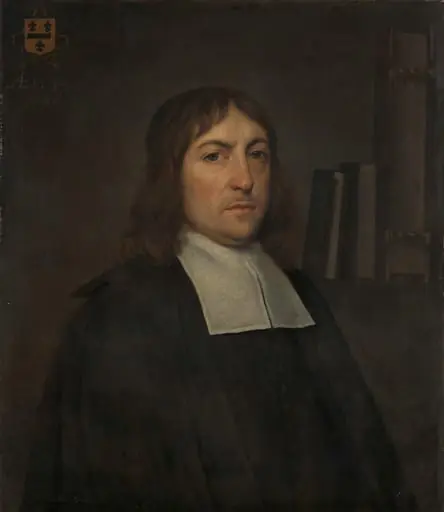 Portrait of Barend Hakvoort (1652-1735)
 Portrait of Barend Hakvoort (1652-1735)
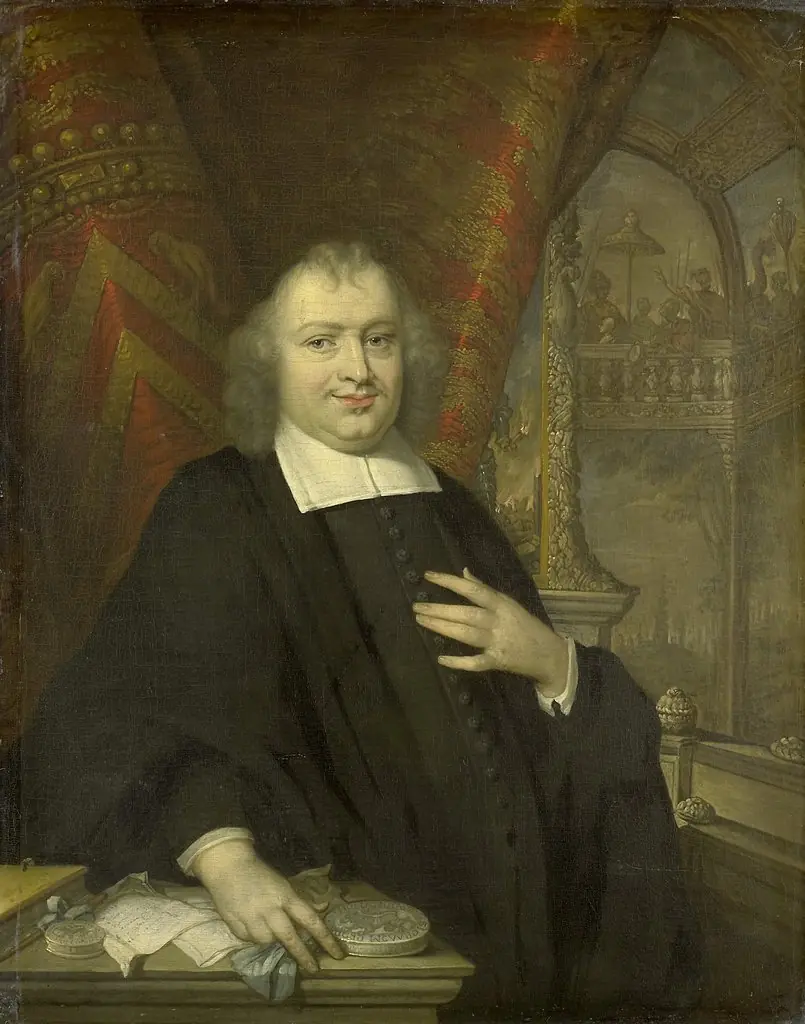 Portrait of Caspar Fagel (1634-88), Grand pensionary of Holland from 1672 on, with the assembly hall of the states of Holland on the Binnenhof, The Hague, in the background
 Johan Hadorph,1630-1693
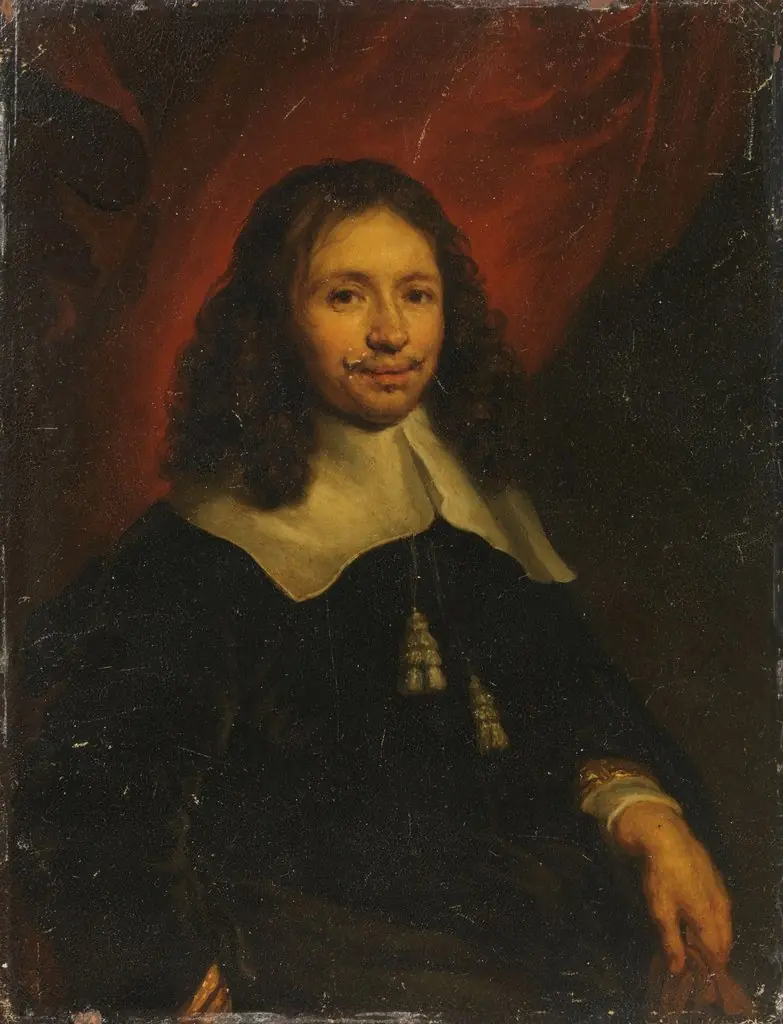 Dionijs Wijnands (1628-73). Amsterdam merchant
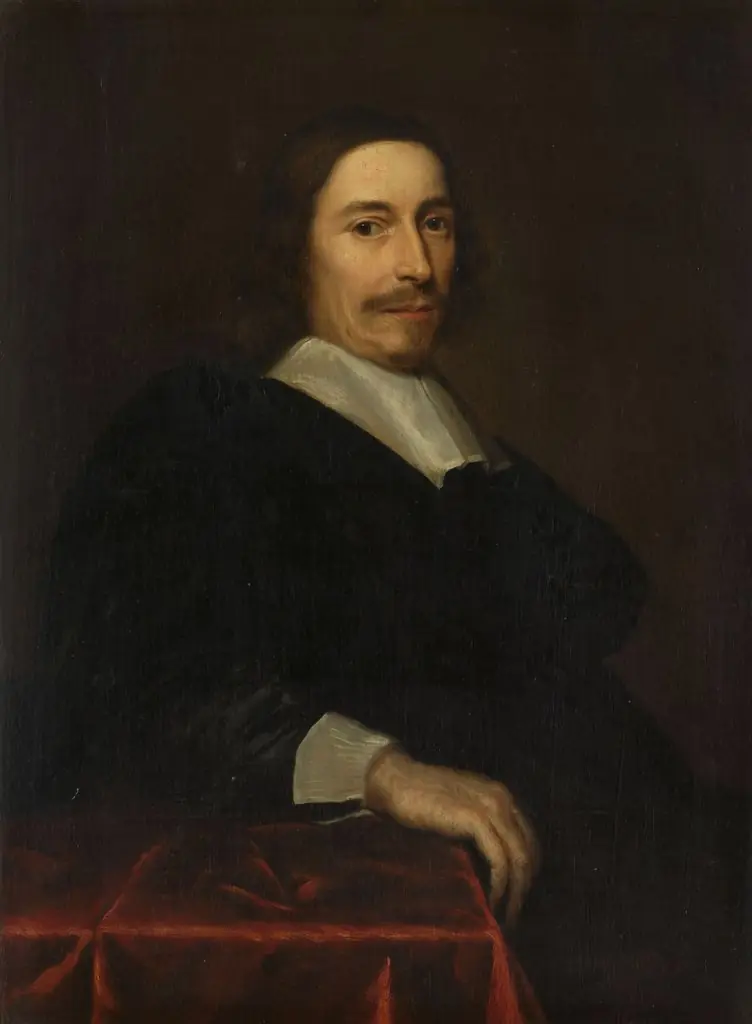 Jacob de Witt (1589-1674)
 Portrait of Cornelis Backer (1633-81), councillor, alderman, and colonel of the Amsterdam militia
 Portrait of Barend Hakvoort (1652-1735), bookseller, church reader and catechism master in Zwolle