Artwork
Still Life wit Flowers
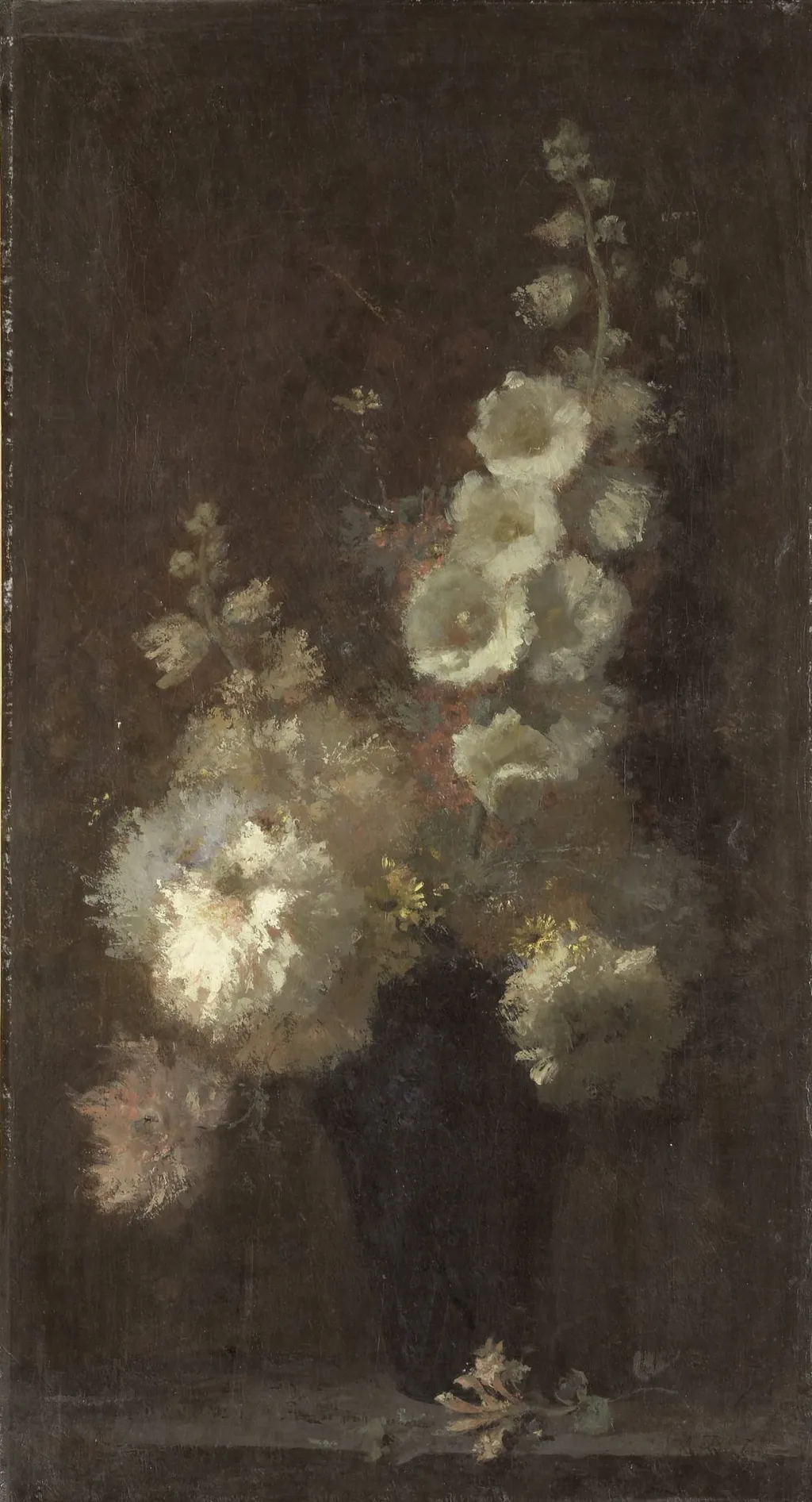
Still Life wit Flowers is an unspecified painting by the Realist artist Auguste Jouve. It dates from 1874 and is held in the collection of the Rijksmuseum.
About this work
Technique & Style
Created between 1870 and 1877, the painting belongs to the genre of still life, distinguishing it from the artist's more frequently noted portraits.
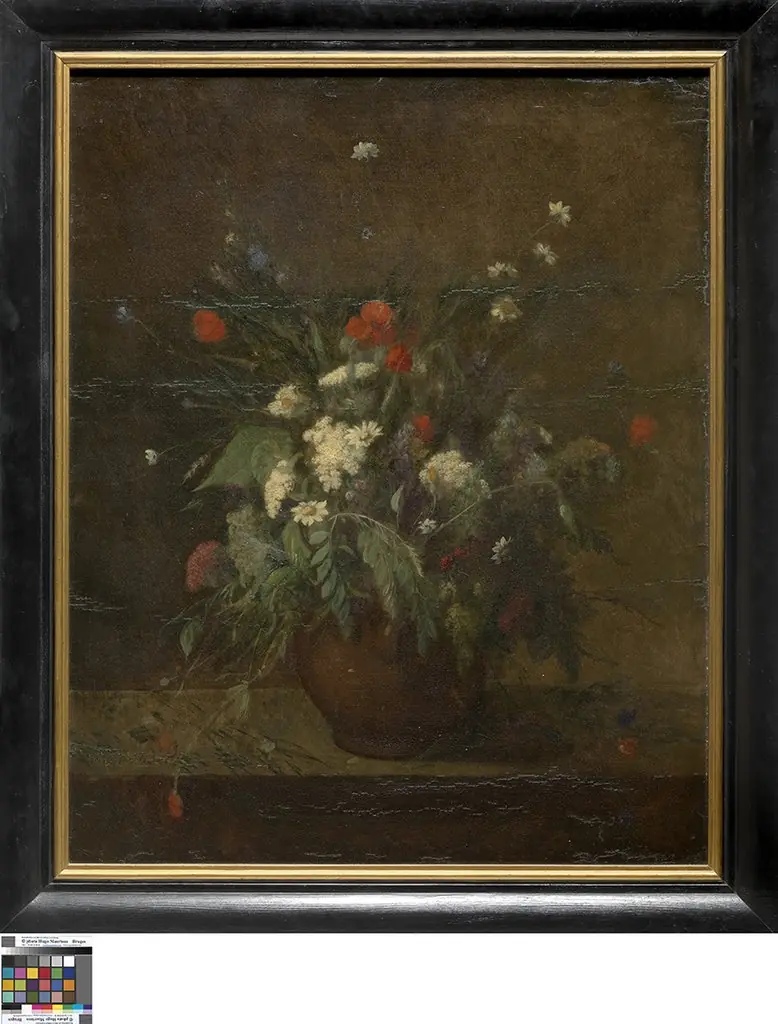
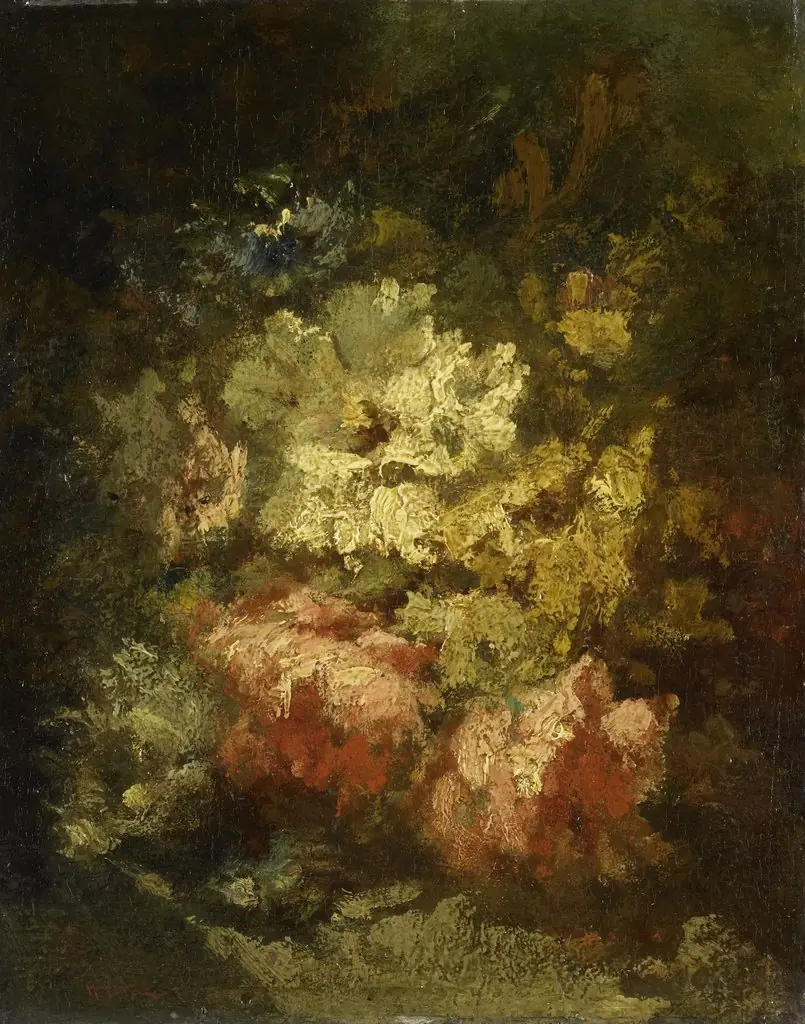
The work Still Life with Flowers (Nature morte aux fleurs) by Auguste Jouve is executed in oil on canvas. Created between 1870 and 1877, the painting belongs to the genre of still life, distinguishing it from the artist's more frequently noted portraits. The piece is held in the collection of the Rijksmuseum in Amsterdam.
While Jouve was also known for experimenting with enamelled barbotine on lava supports and for his work in photography and ceramics, this specific artwork is defined by its traditional oil painting medium.
History & Provenance
The painting Still Life with Flowers (also titled Nature morte aux fleurs) was created by Auguste Jouve between 1870 and 1877. Executed in oil on canvas, the work is currently held in the collection of the Rijksmuseum in Amsterdam. The artwork represents one of Jouve's floral still lifes, distinct from his portraiture and landscape outputs, and remains part of the public holdings in the Netherlands.
The Still Life with Flowers is held in the collection of the Rijksmuseum, Amsterdam, accessioned as a work on paper or panel between 1870 and 1877.
The painting was included in the Dutch national museum’s holdings by at least 2024.
Context
Auguste Jouve's Still Life with Flowers (c. 1870–1877) is held in the Rijksmuseum in Amsterdam, situating the work within major European public collections. The painting is a rare surviving example of Jouve's output in the genre of still life, as his career is otherwise primarily noted for portraiture, landscapes, and ceramics. Created during a period when Jouve was active in Paris and Lyon, the work reflects his broader artistic network, which included close friendships with Vincent and Theo van Gogh as well as the animal painter Olivier de Penne.
While Jouve achieved recognition for his photographs and later received a gold medal at the 1889 Paris Exposition Universelle, this specific oil on canvas remains a key document of his versatility beyond his more famous son, Paul Jouve. The presence of the work in the Rijksmuseum alongside a portrait of his wife in the Van Gogh Museum underscores his connection to the artistic circles of late 19th-century France and the Netherlands.
Overview
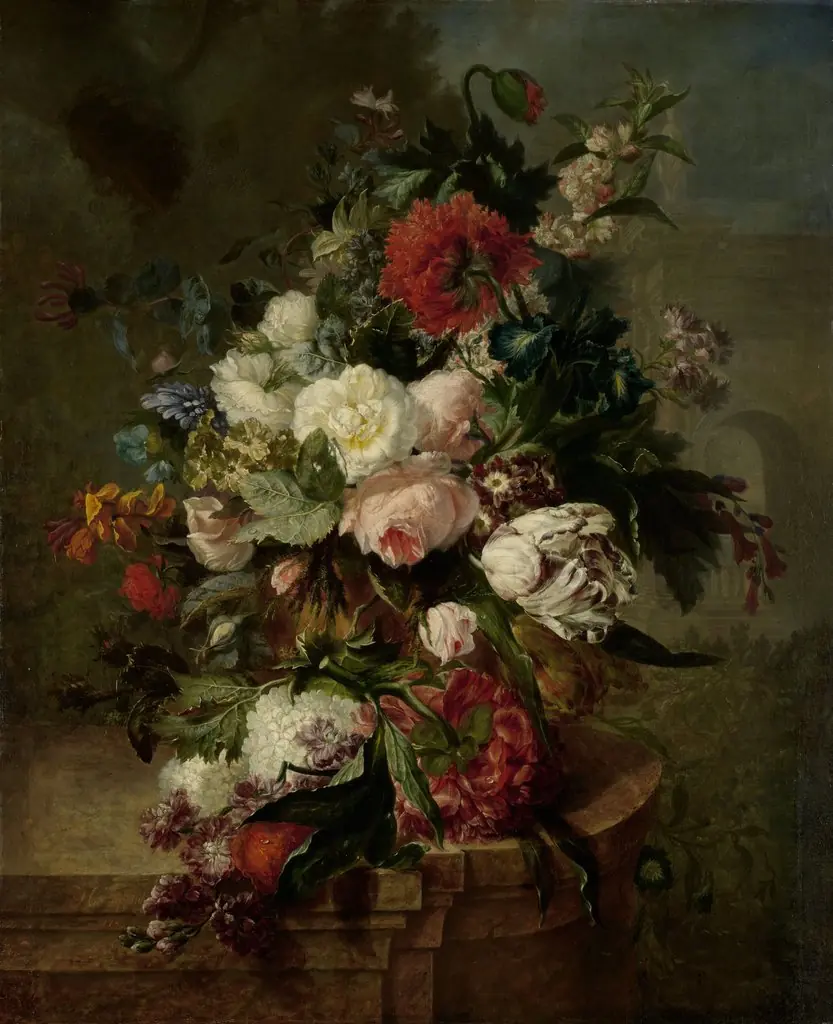
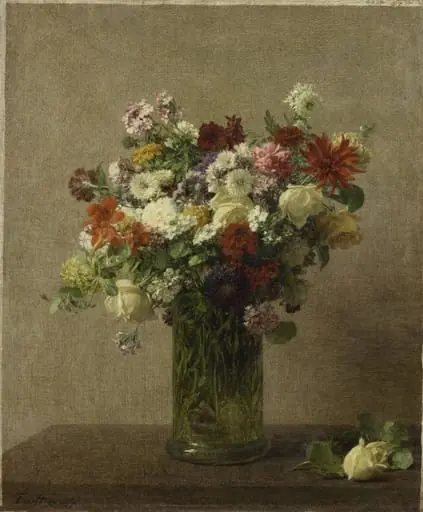
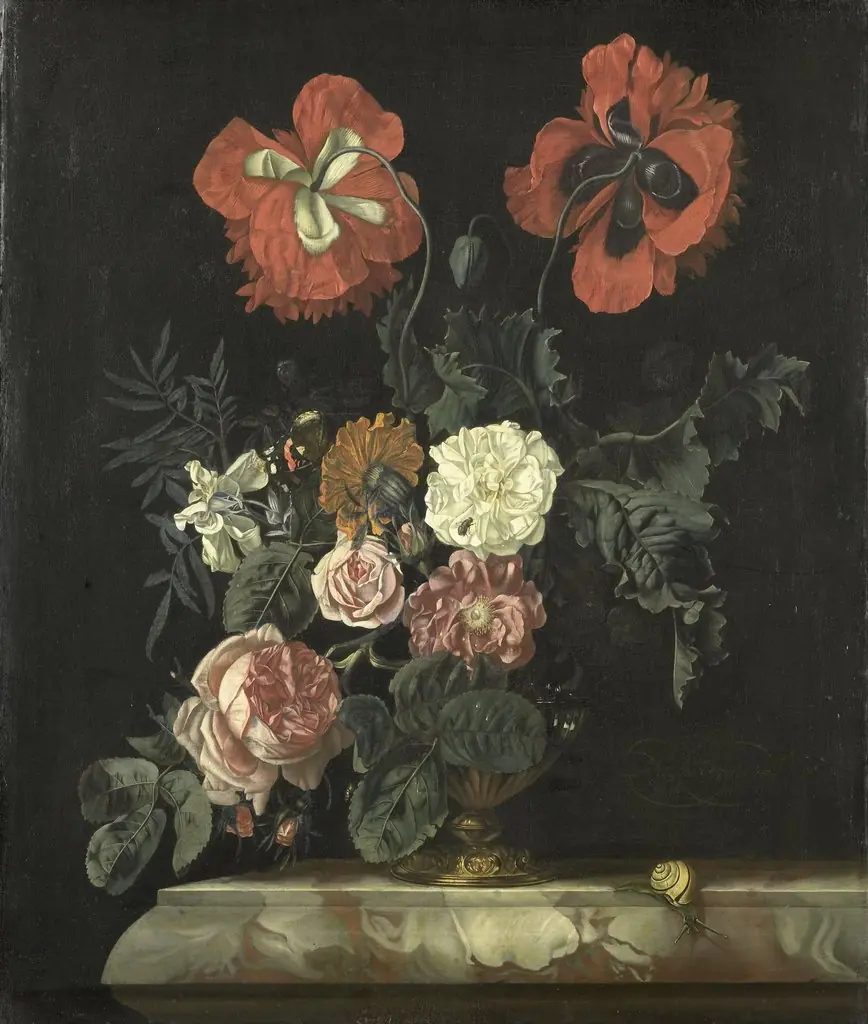
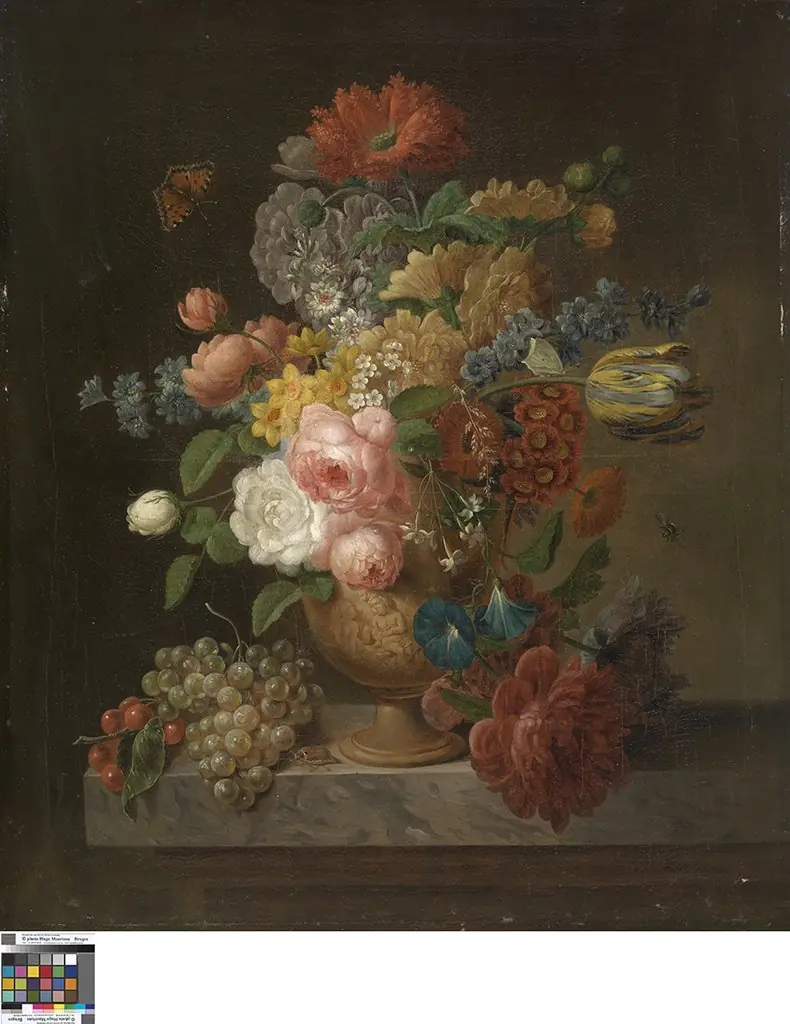
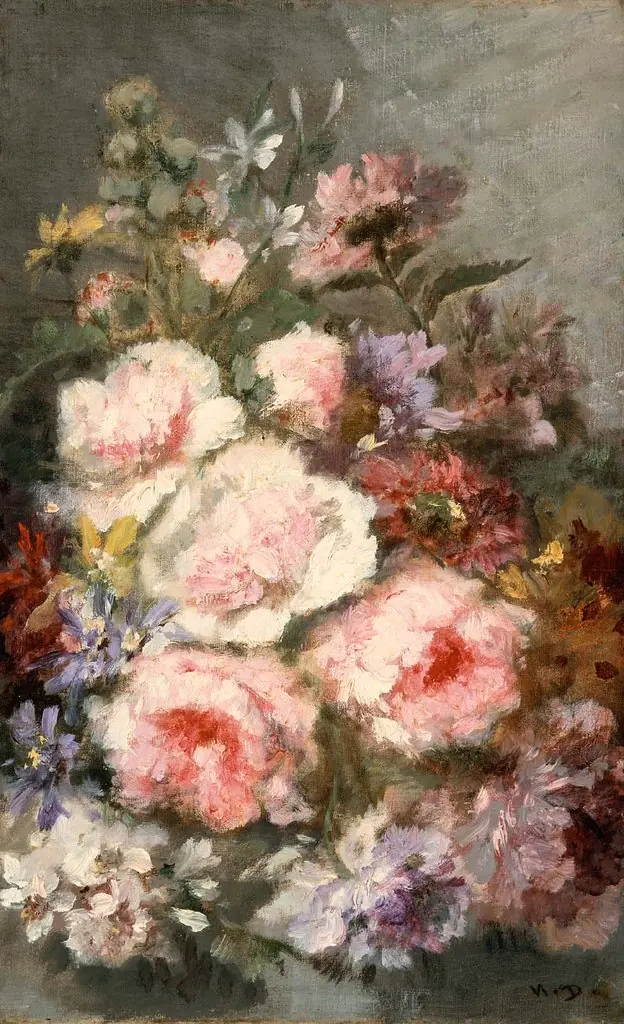
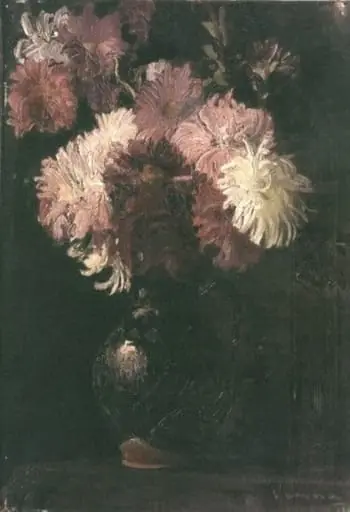
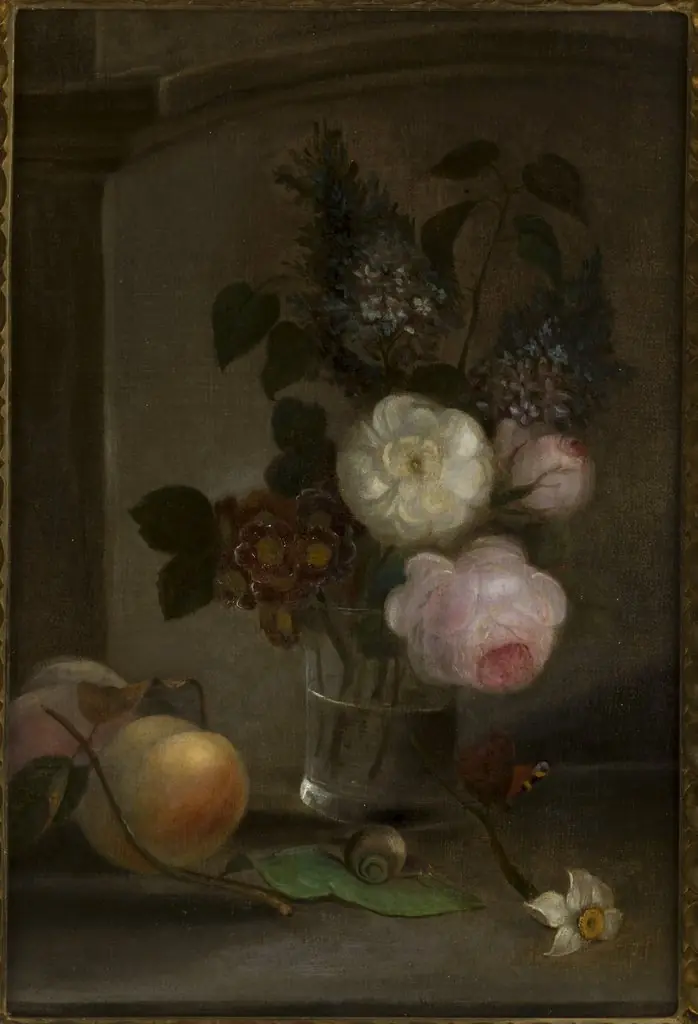
This oil painting, titled Still Life with Flowers, depicts a modest arrangement of pink and white hollyhocks placed in a plain earthenware pot that rests on a wooden tabletop. The composition is straightforward, focusing on the natural forms of the blossoms and the humble vessels that hold them.
Subject & Meaning
The work centers on a single bouquet of hollyhocks, their petals rendered with a sense of vitality as they curl and droop. The choice of everyday garden flowers and a simple pot suggests an interest in ordinary beauty rather than allegorical symbolism.
Legacy
Although the creator is unidentified, the painting contributes to the broader understanding of everyday still‑life subjects in Dutch art. Its detailed rendering of flora and modest objects continues to inform studies of genre painting and the visual culture of the era.
Artist & collection