Subject
Vase
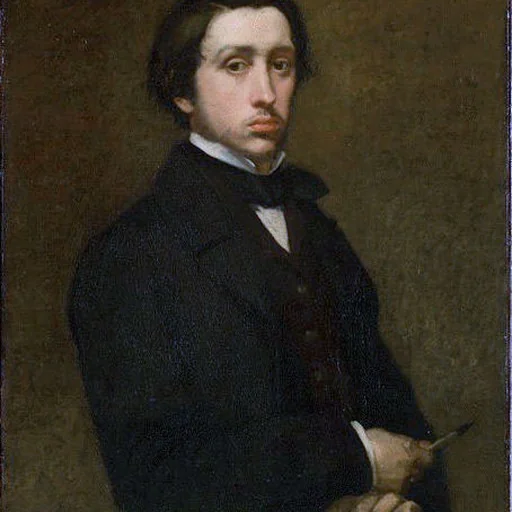
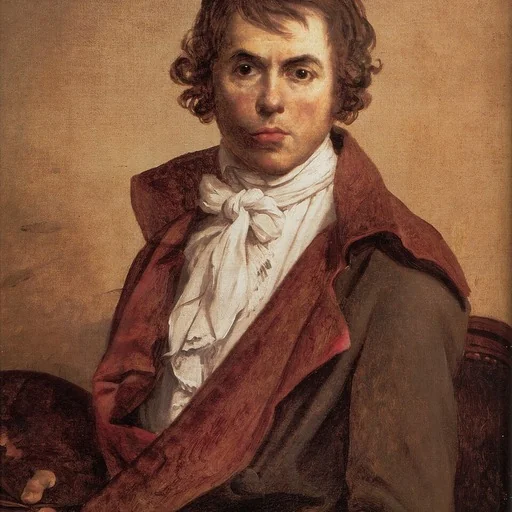
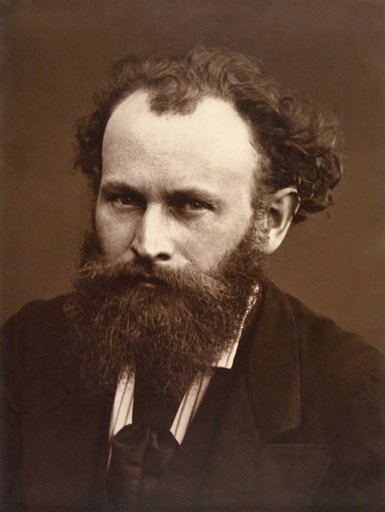
Vase is a subject in art. The gallery holds 200 works in this subject in art, including works by Edgar Degas, Jacques-Louis David and Édouard Manet.
Few objects have carried the history of art as faithfully as the vase. As one of the oldest of all made forms—an open vessel of ceramic, glass, or non-rusting metal such as brass, bronze, or aluminium—it served the practical needs of storing, pouring, and display, but quickly became a surface for the highest artistic ambition. In ancient Greece, where a distinctive pottery tradition emerged around 1000 BCE, the vase was effectively the canvas of its age. The black-figure technique, developed near 700 BCE, rendered silhouetted figures in fired slip with details cut by incision; around 530 BCE the red-figure method reversed the scheme, freeing painters to model anatomy and emotion. Masters such as Exekias, who brought black-figure to its expressive limit, and the red-figure pioneer Euphronios turned amphorae and kraters into vehicles for myth, athletics, and war.
In East Asia the vase pursued a parallel destiny in porcelain. The kilns of Jingdezhen in Jiangxi perfected the cobalt blue-and-white wares that, under the Ming dynasty and especially from the Wanli reign (1572–1620), were exported to Europe in vast quantity. Their auspicious forms—the fertility-laden double-gourd and pomegranate vases—and the very secret of their manufacture, unlocked in Europe only in the eighteenth century, fueled centuries of collecting and imitation.
Within painting, the vase became indispensable as the anchor of the flower still life. Jan Brueghel the Elder, nicknamed "Velvet" or "Flower" Brueghel, was among the first to specialize in dense bouquets—blooms drawn from different seasons and therefore impossible in a single living arrangement—set against dark grounds and freighted with vanitas meaning on the brevity of life. The catalogue's *Flowers in a Basket and a Vase* and Severin Roesen's exuberant *Still Life: Flowers and Fruit* extend that lineage.
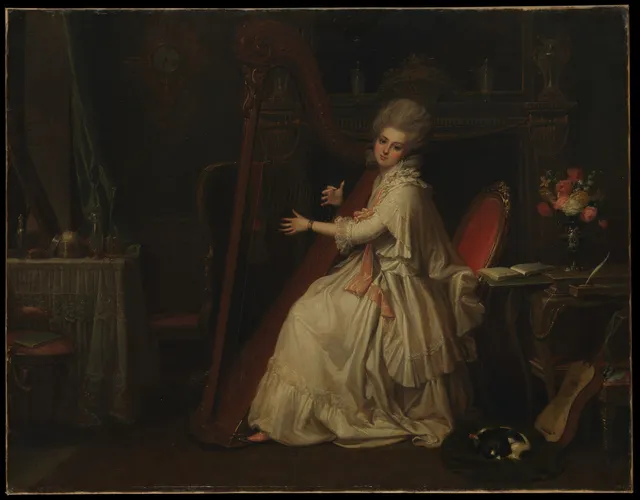
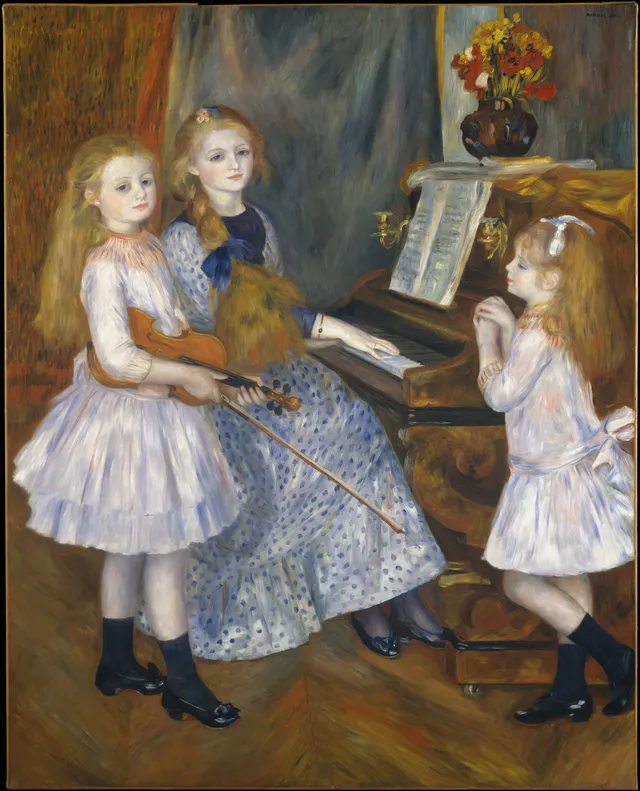
The motif also threads through portraiture and interiors, where a vase signals refinement, domesticity, and the painter's command of light on glazed surfaces—as in Edgar Degas's *A Woman Seated beside a Vase of Flowers*, Renoir's *The Daughters of Catulle Mendès*, and Marie-Victoire Lemoine's atelier scene. From Neoclassical revivals like Wedgwood's to modern abstraction, the vase endures as both designed object and enduring pictorial subject.
Key artists
Works
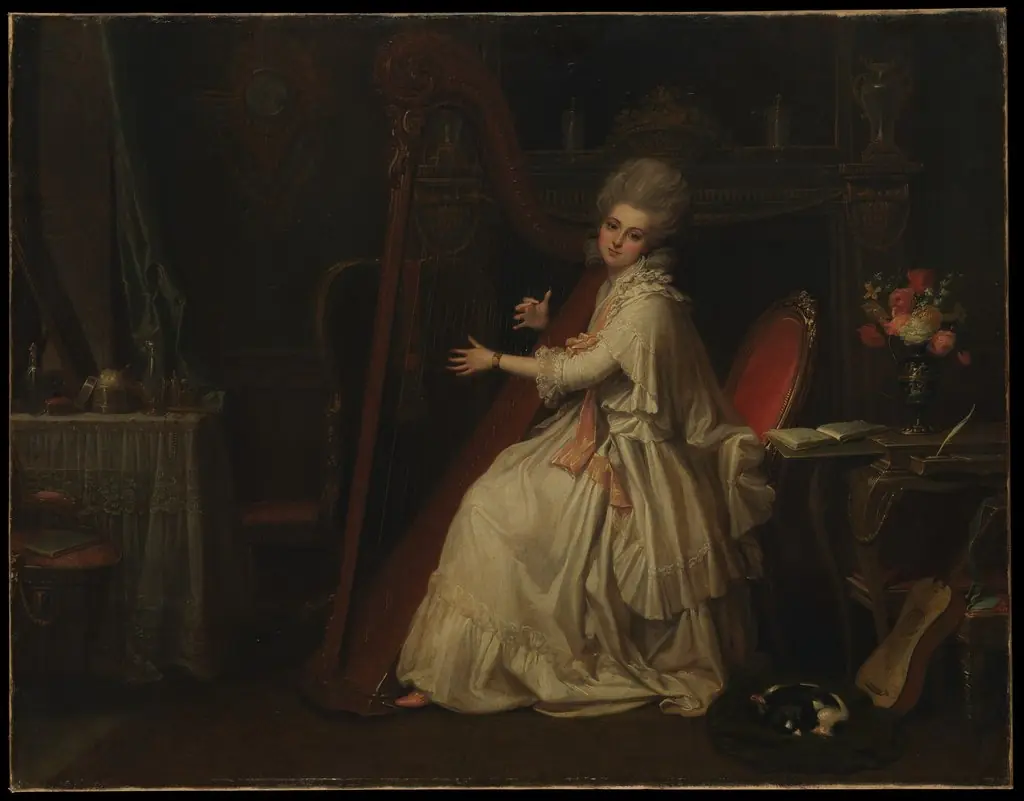 Portrait of Marianne Dorothy Harland (1759–1785), Later Mrs. William Dalrymple
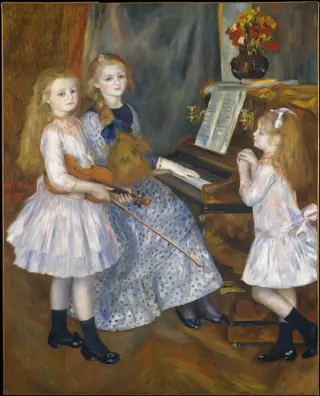 The Daughters of Catulle Mendès
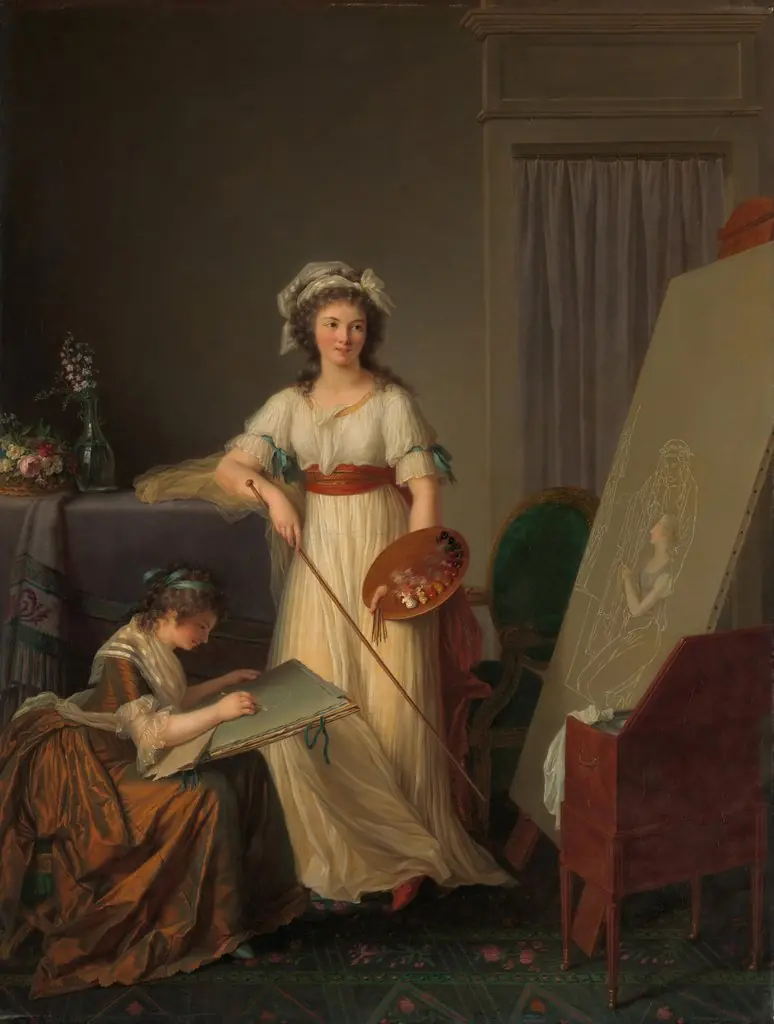 The Interior of an Atelier of a Woman Painter
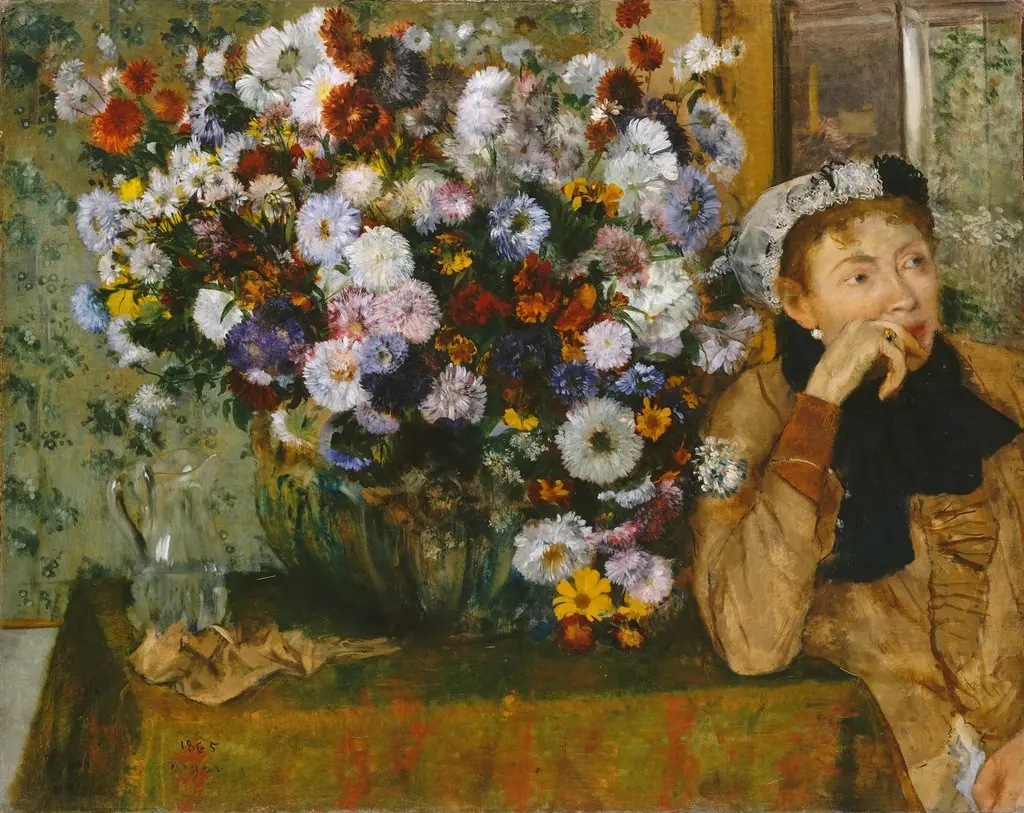 A Woman Seated beside a Vase of Flowers
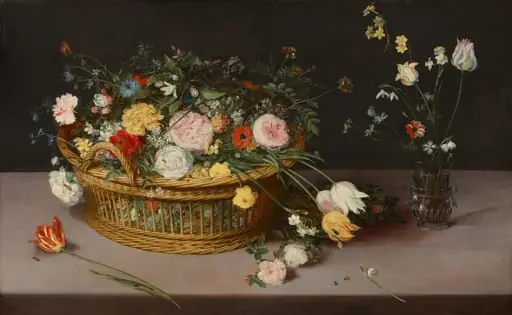 Flowers in a Basket and a Vase
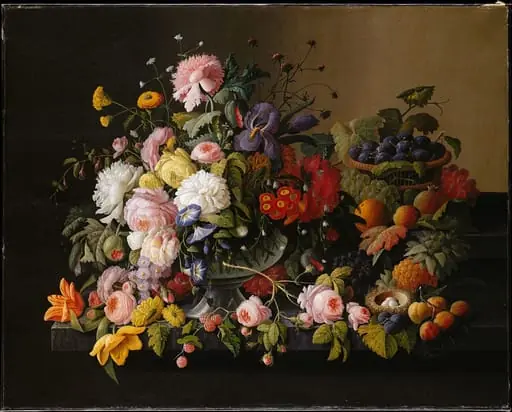 Still Life: Flowers and Fruit
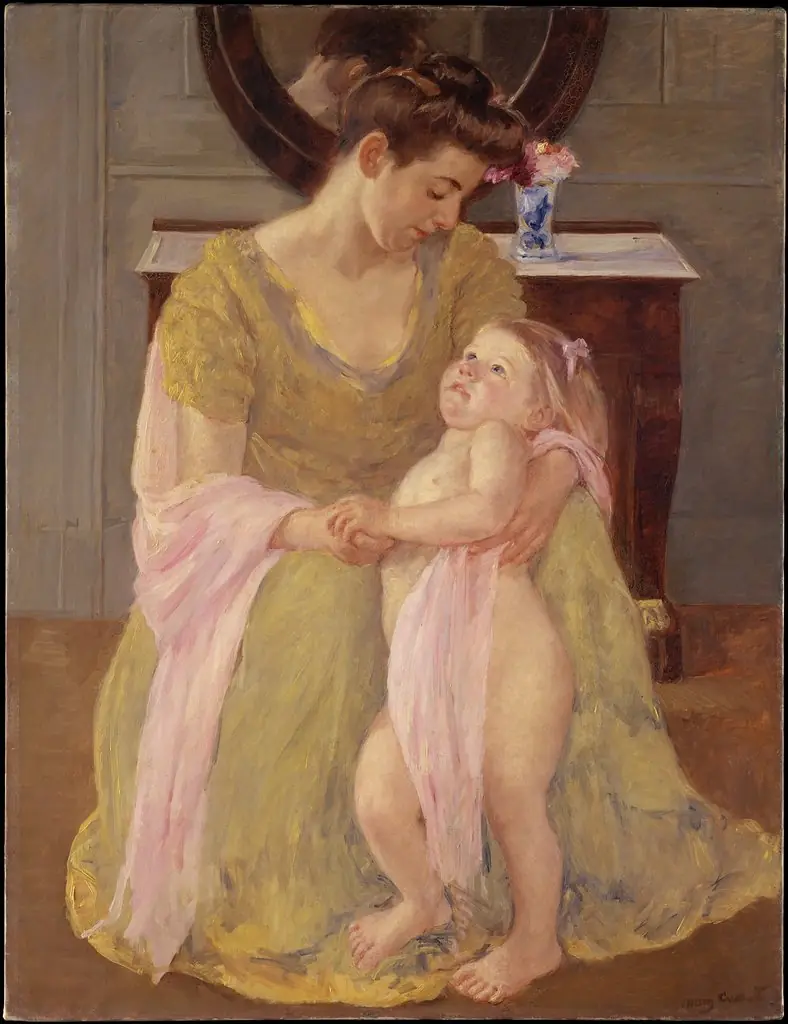 Mother and Child with a Rose Scarf
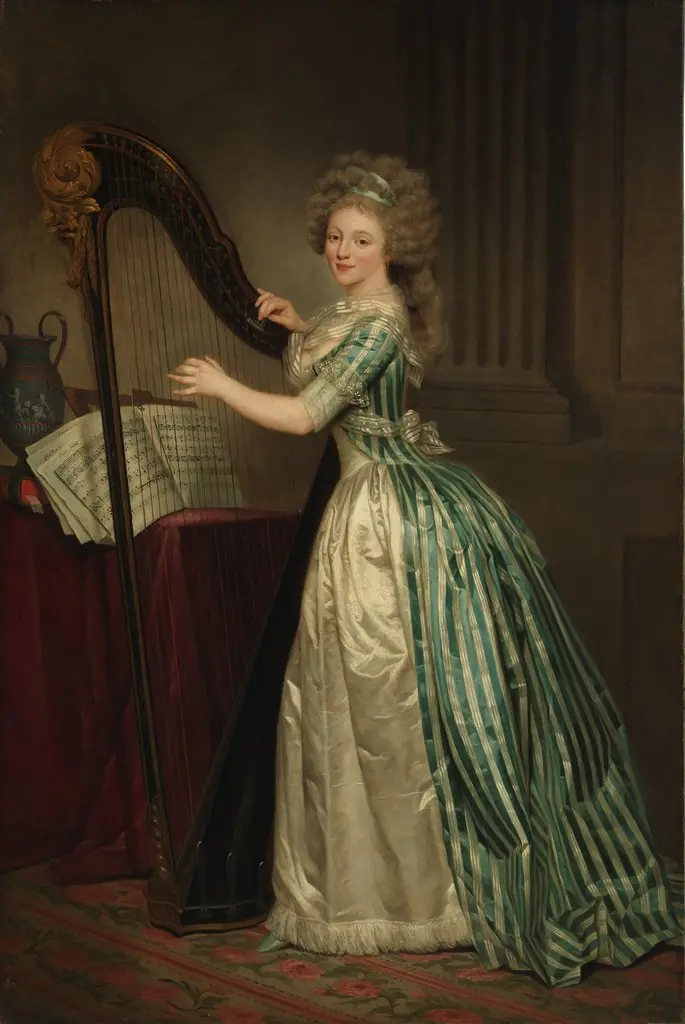 Self-Portrait with a Harp
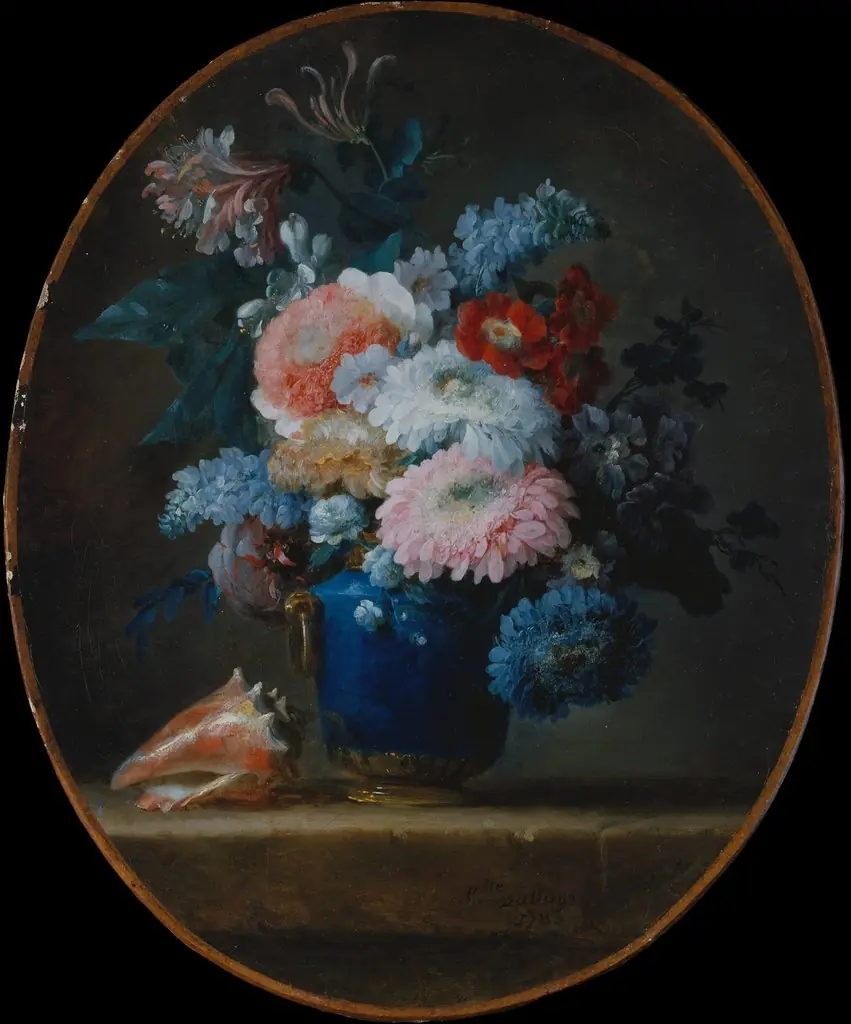 Vase of Flowers and Conch Shell
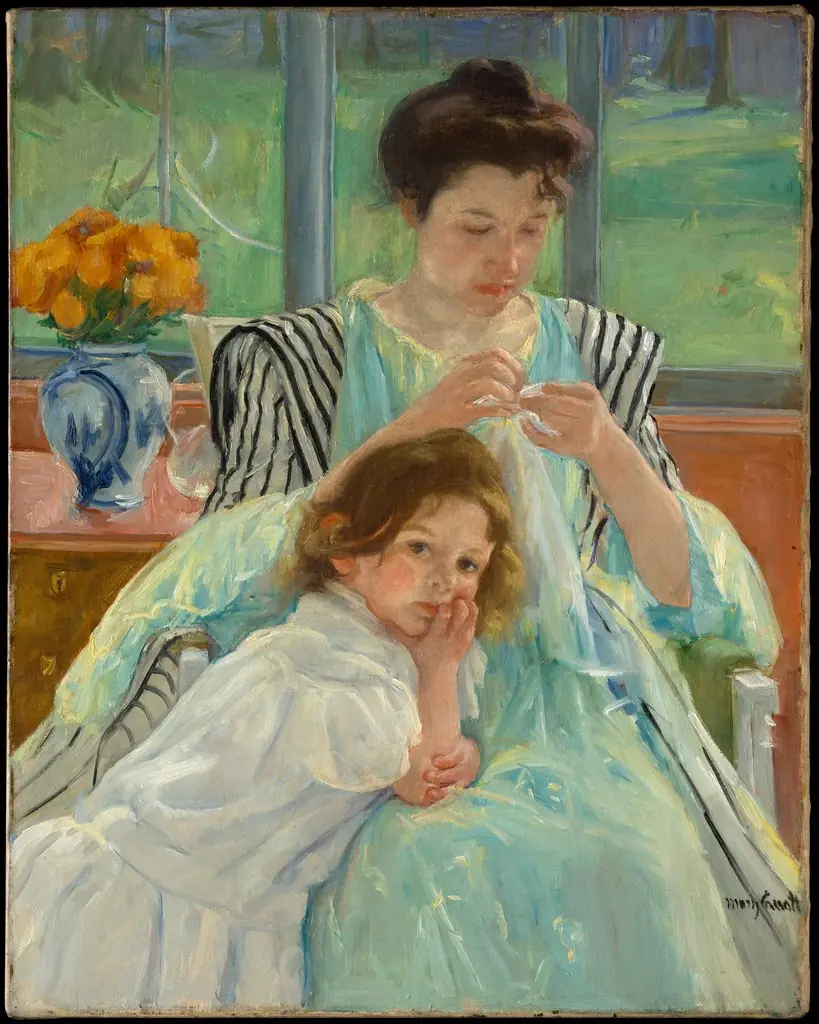 Young Mother Sewing
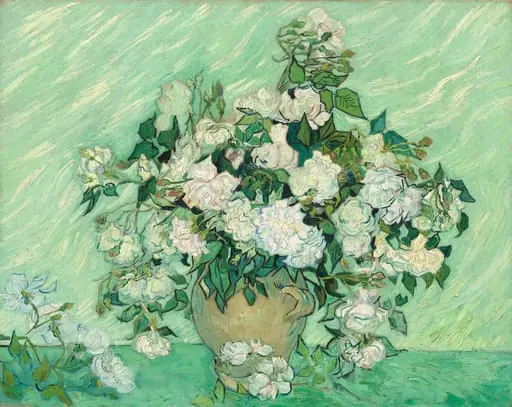 Roses
Roses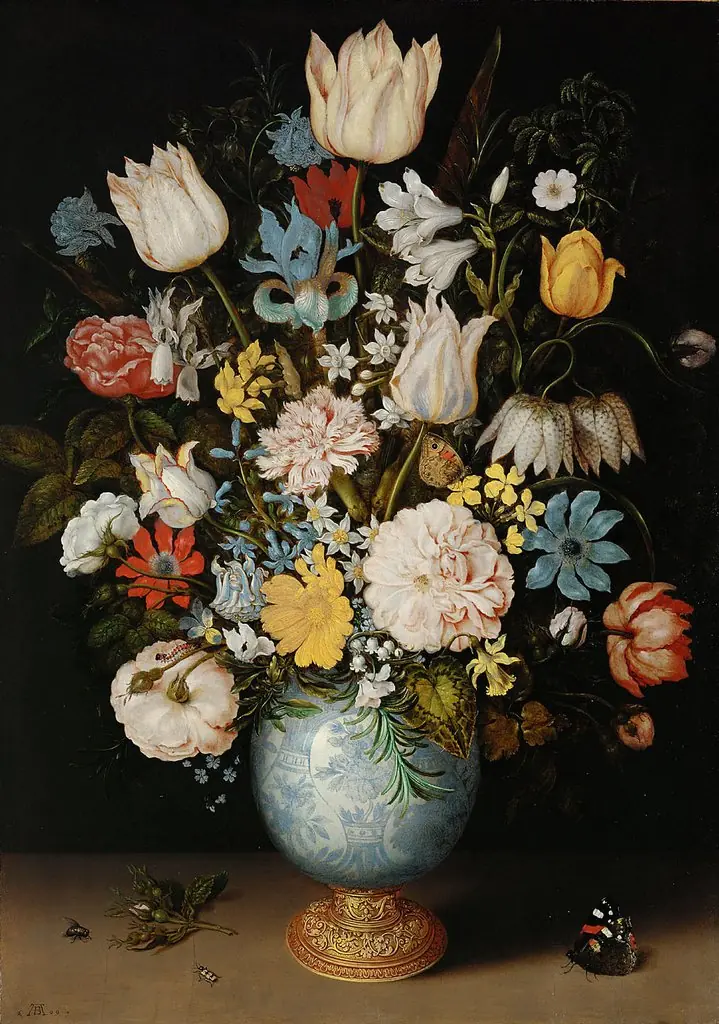 Flowers in a blue and white porcelain vase
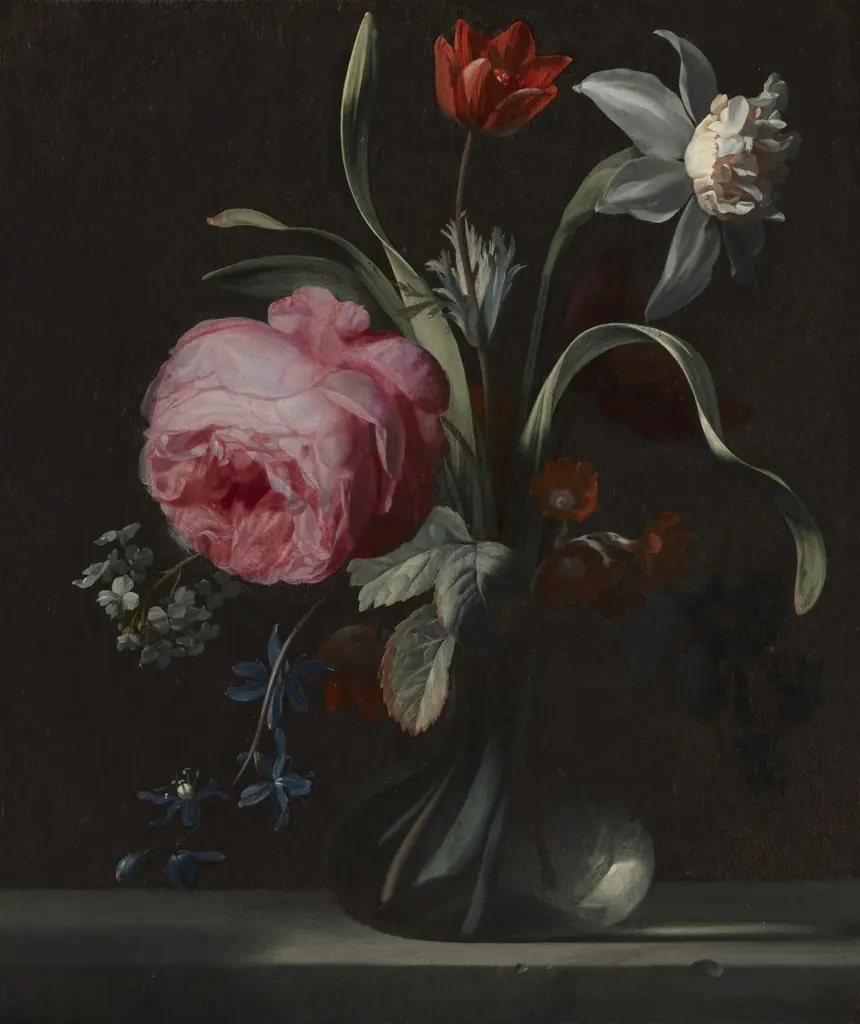 Flowers in a Vase
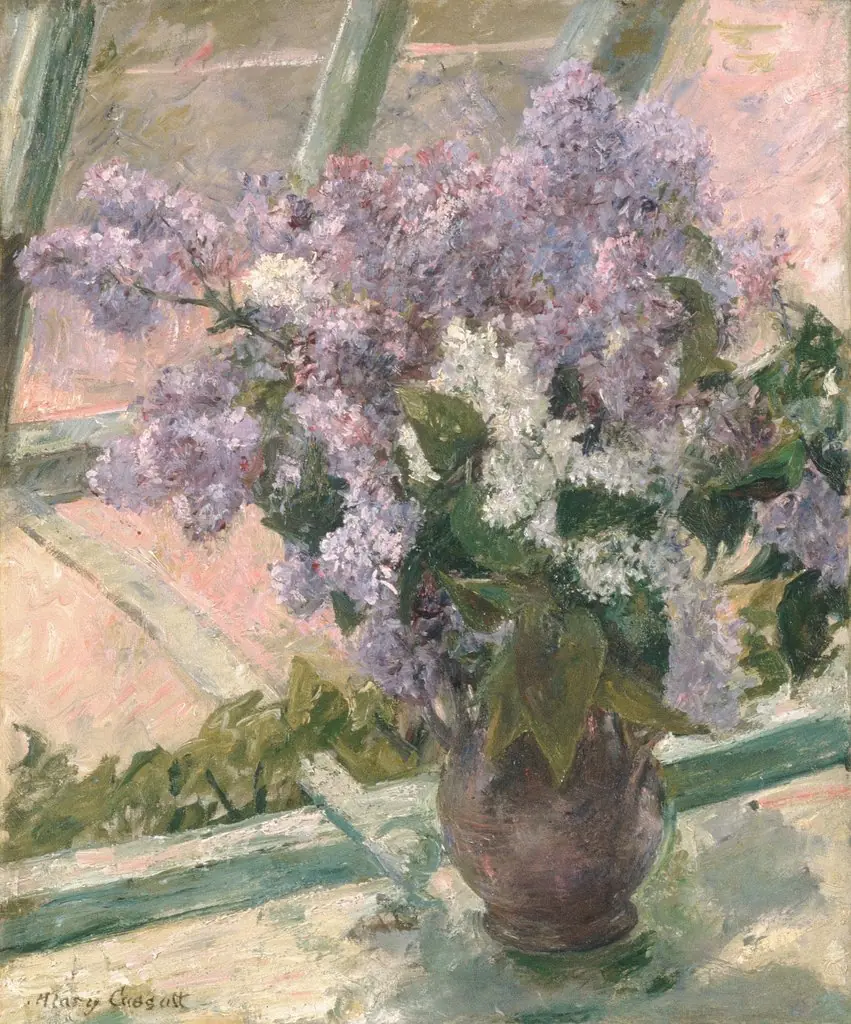 Lilacs in a Window
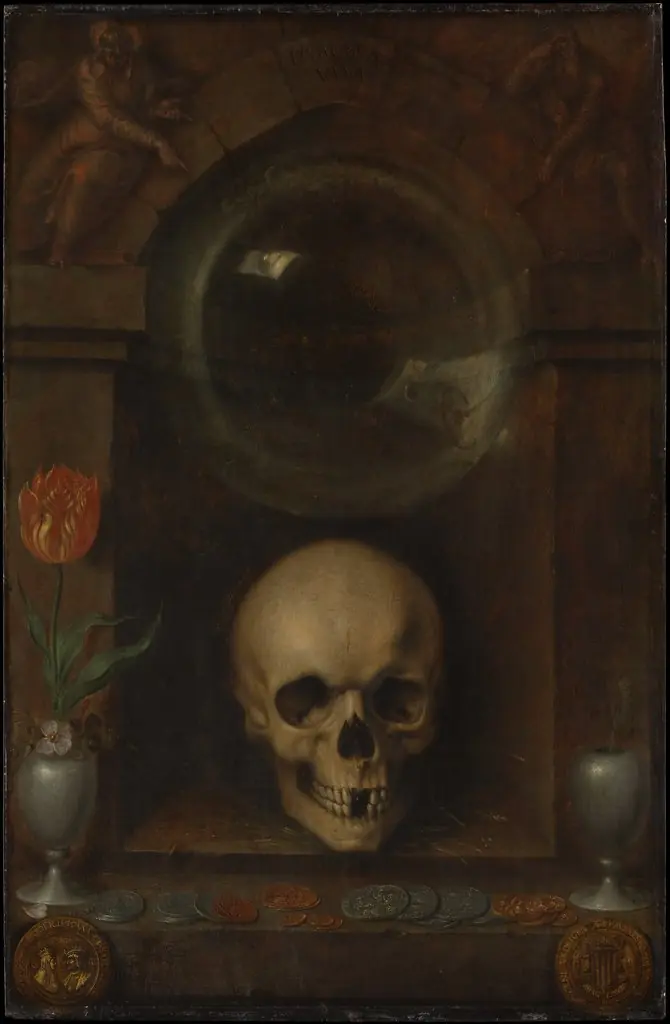 Vanitas Still Life
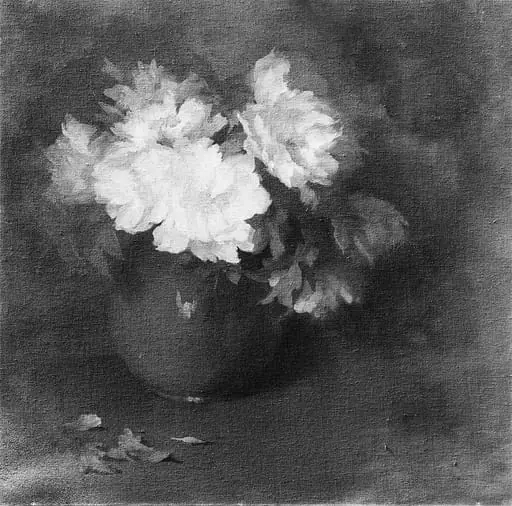 Peonies
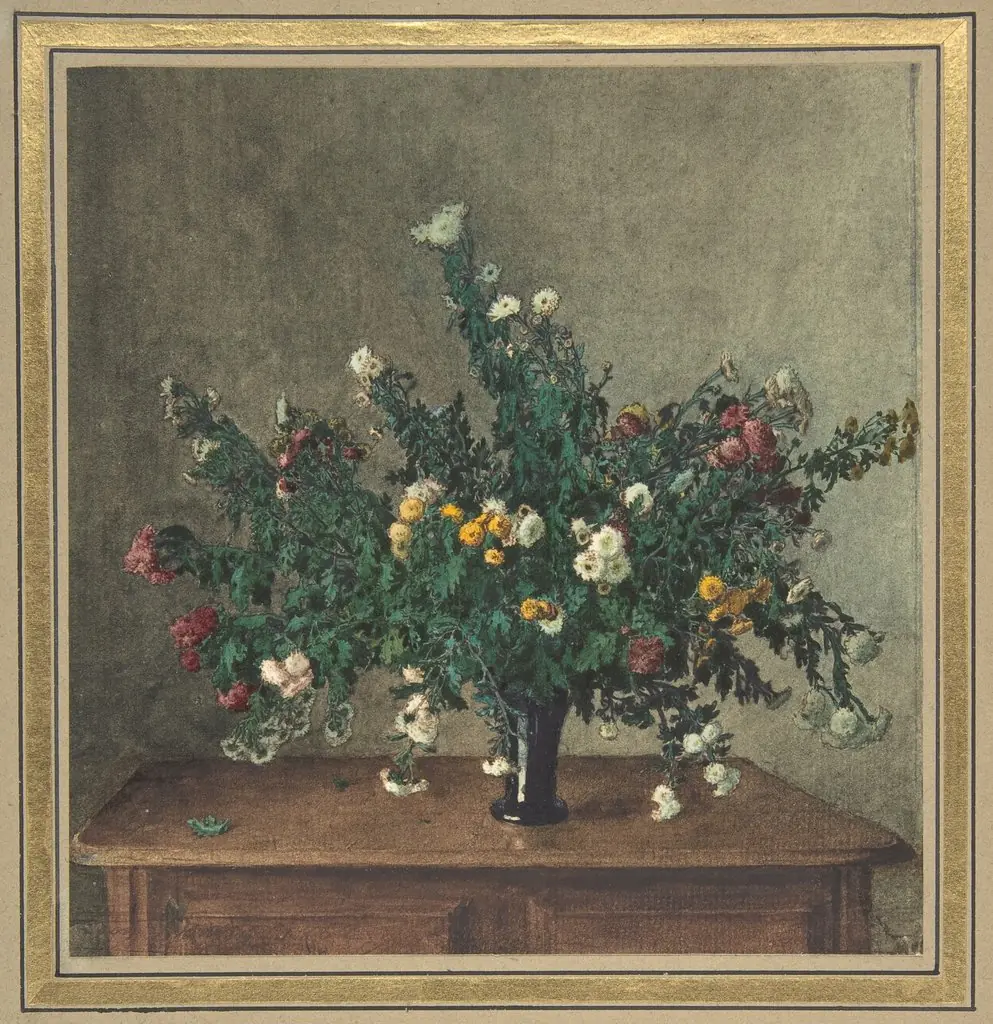 Bouquet of Small Chrysanthemums
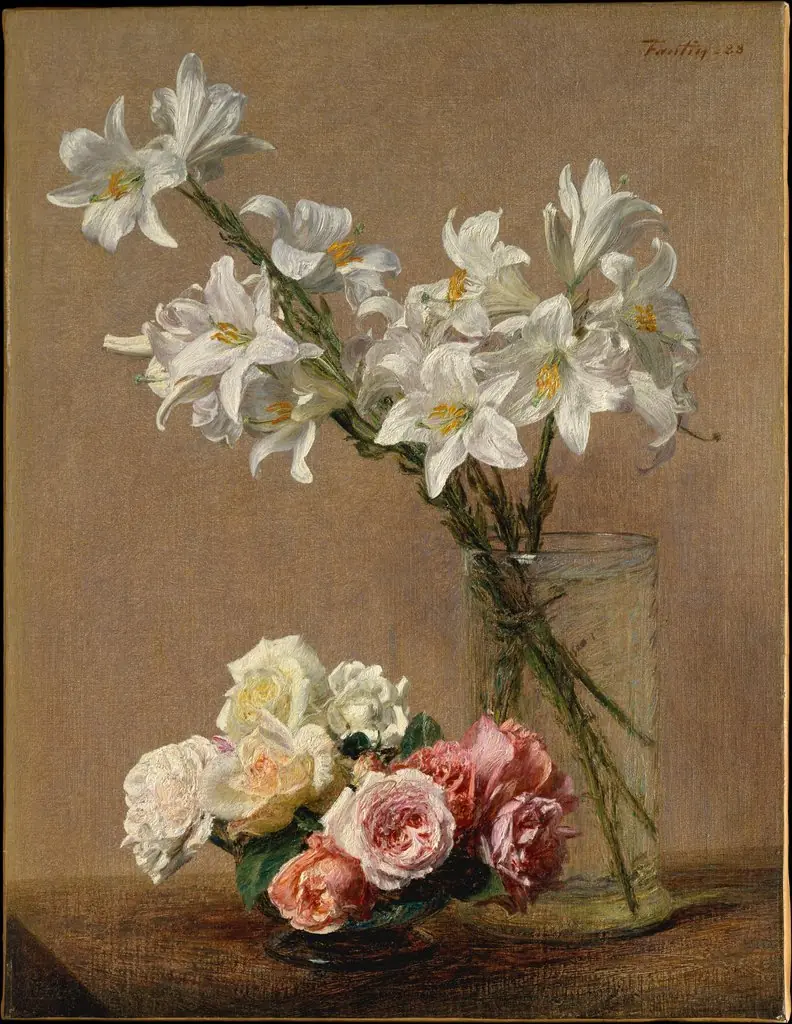 Roses and Lilies
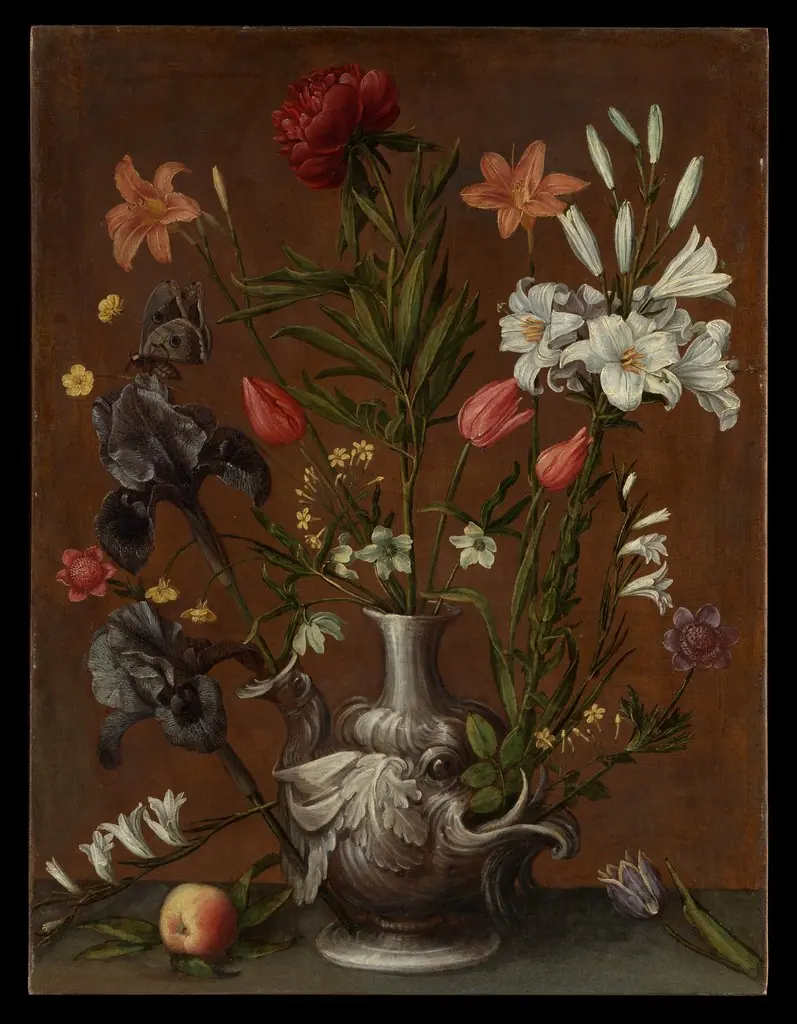 Flowers in a Grotesque Vase
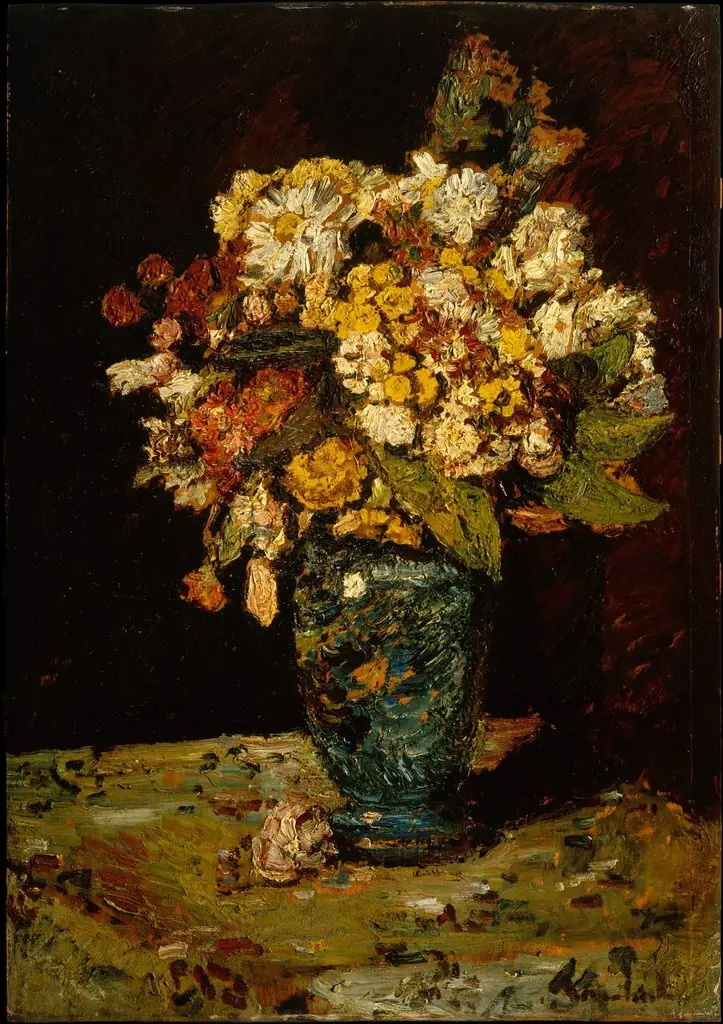 Flowers in a Blue Vase
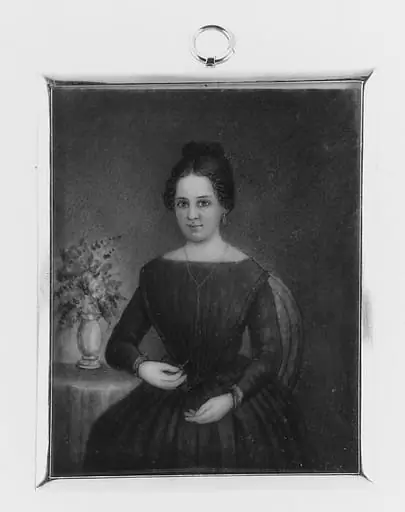 Portrait of a Lady
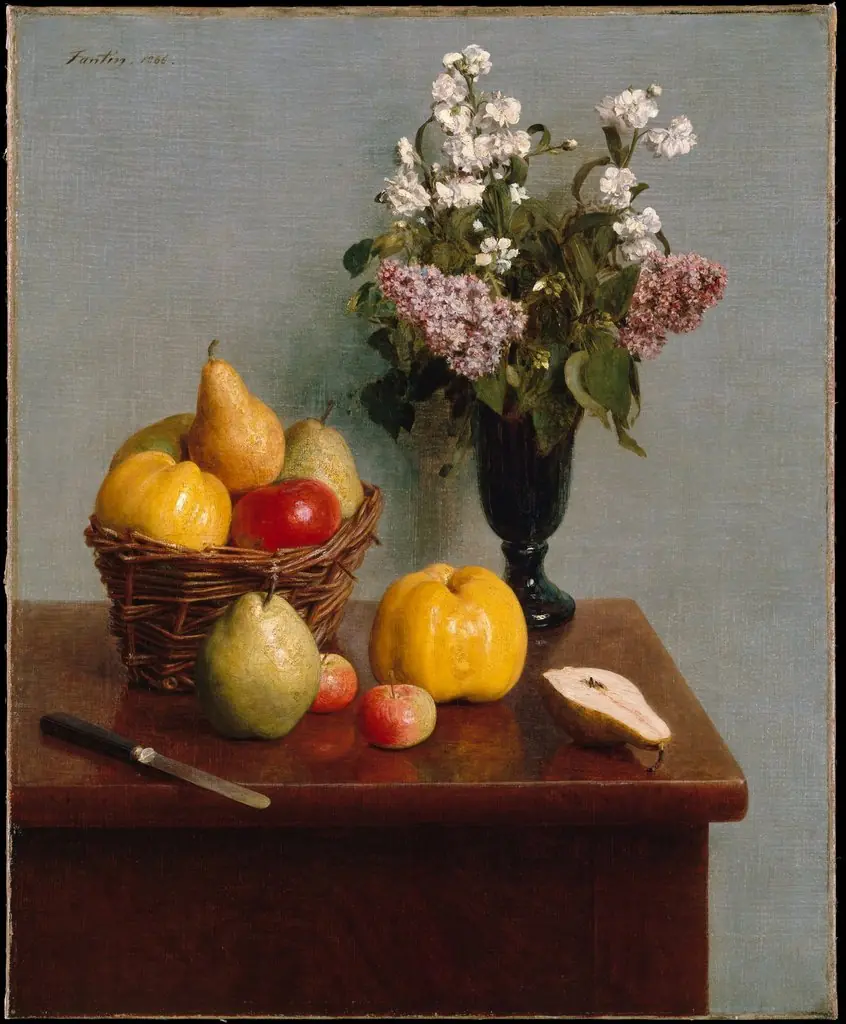 Still Life with Flowers and Fruit
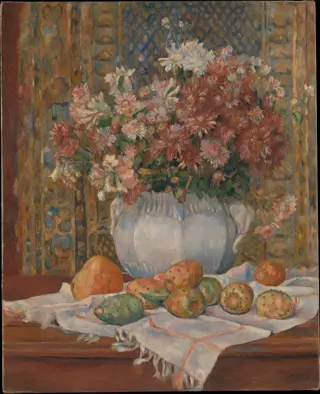 Still Life with Flowers and Prickly Pears
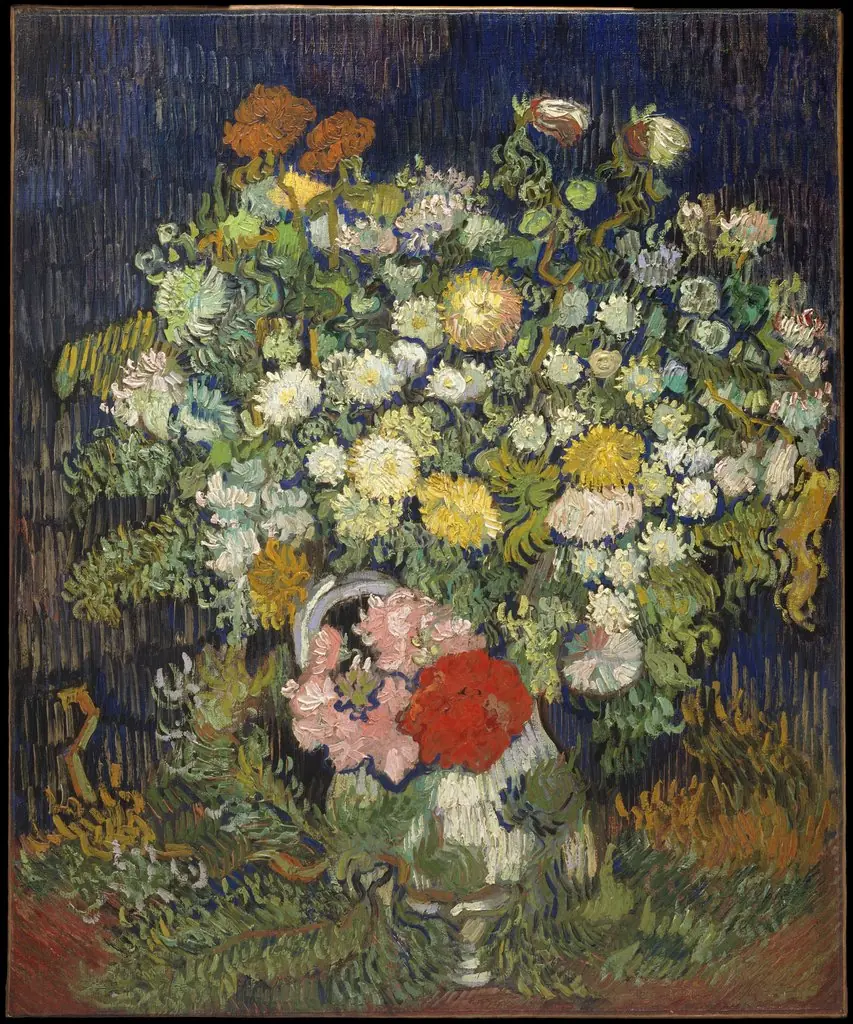 Bouquet of Flowers in a Vase
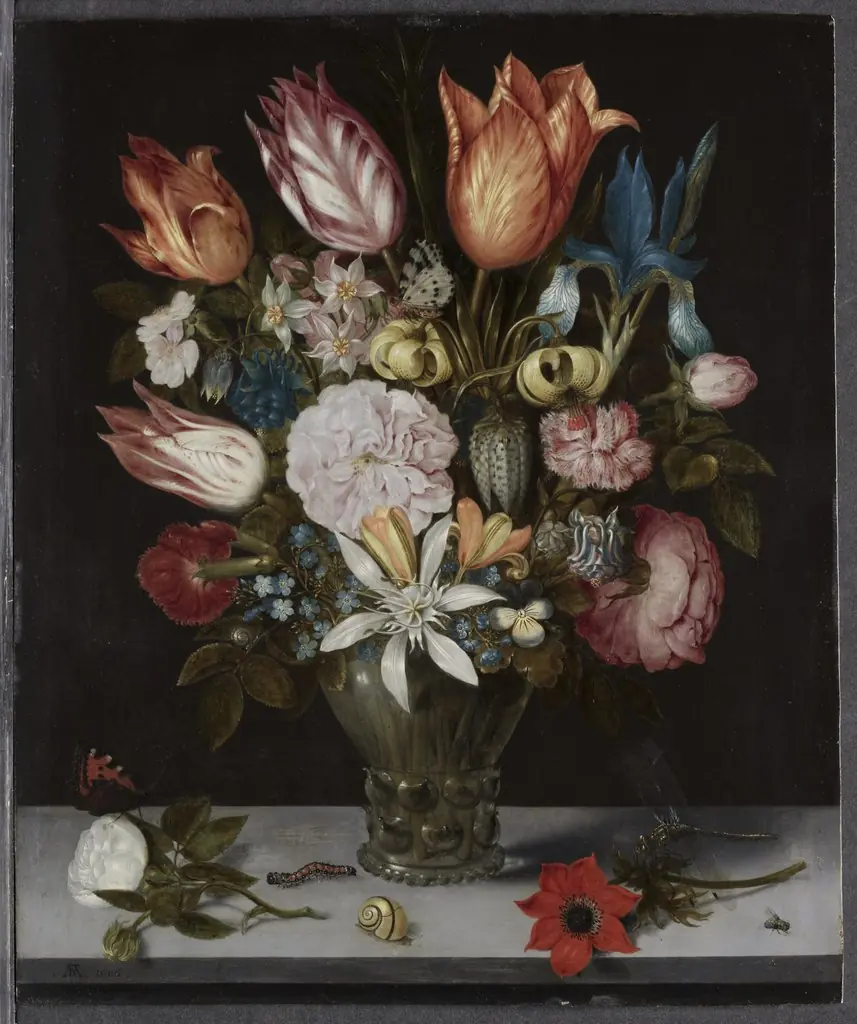 Flowers in a Glass
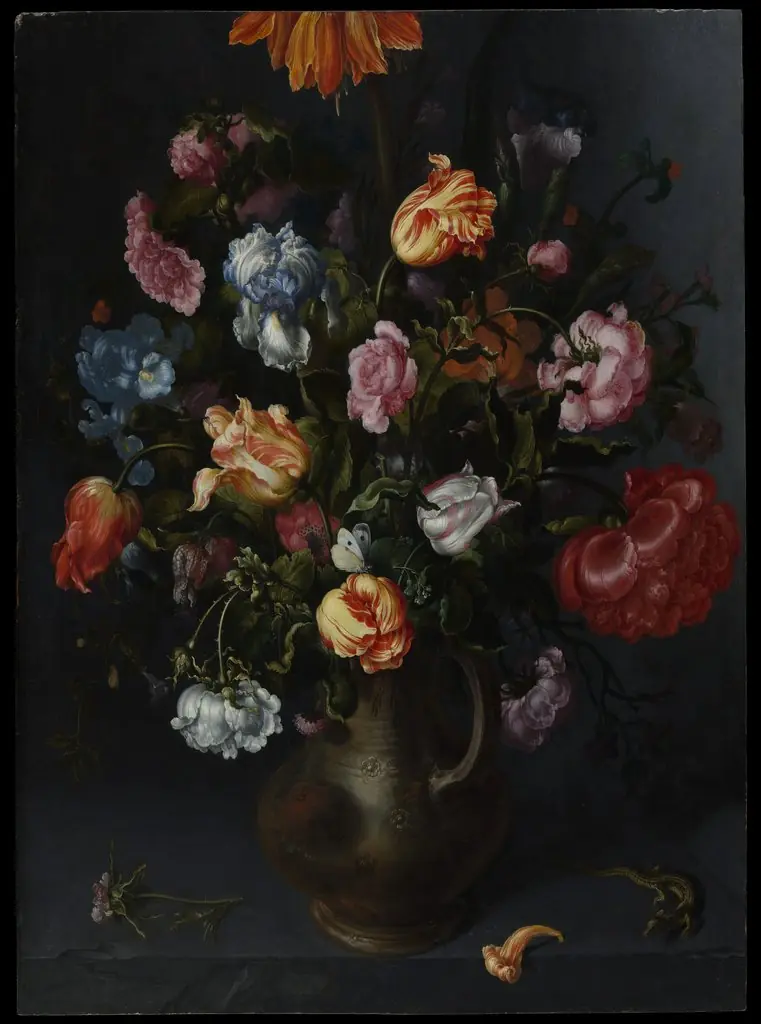 A Vase with Flowers
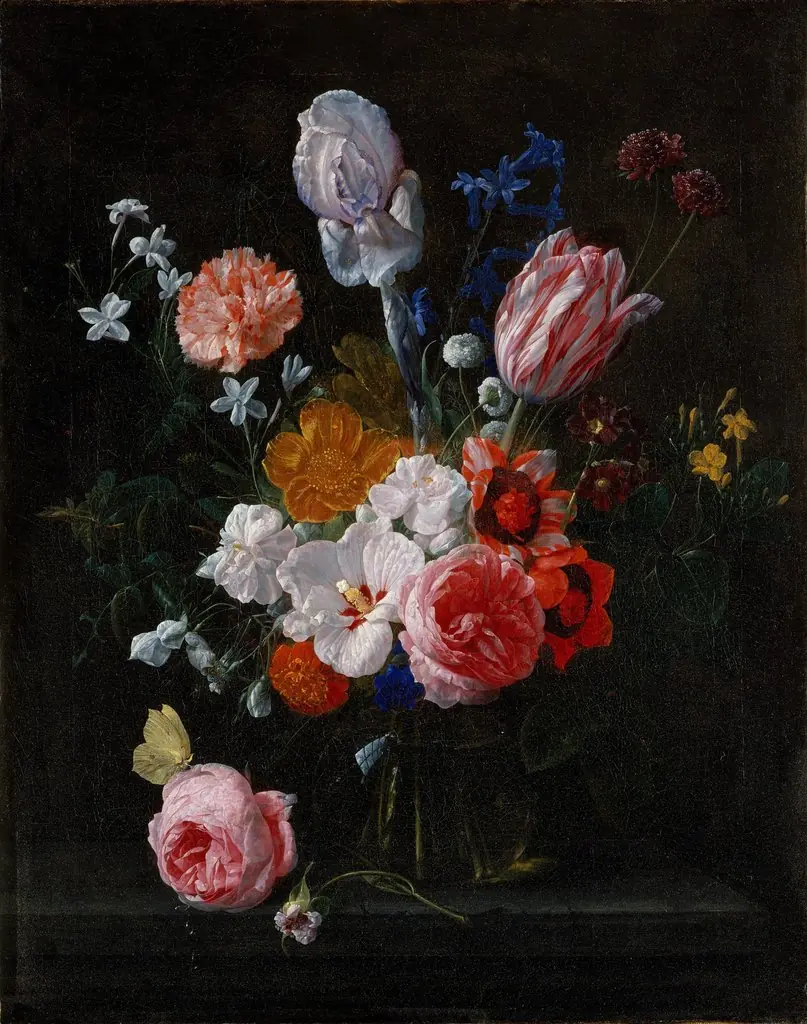 A Bouquet of Flowers in a Crystal Vase
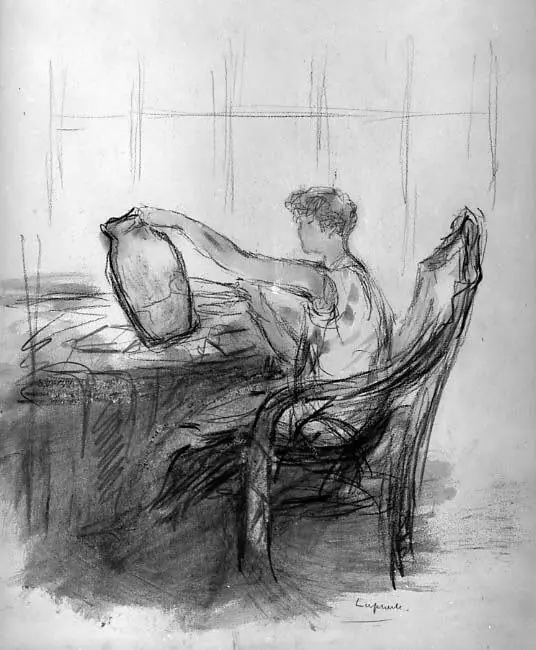 Woman Painting a Vase
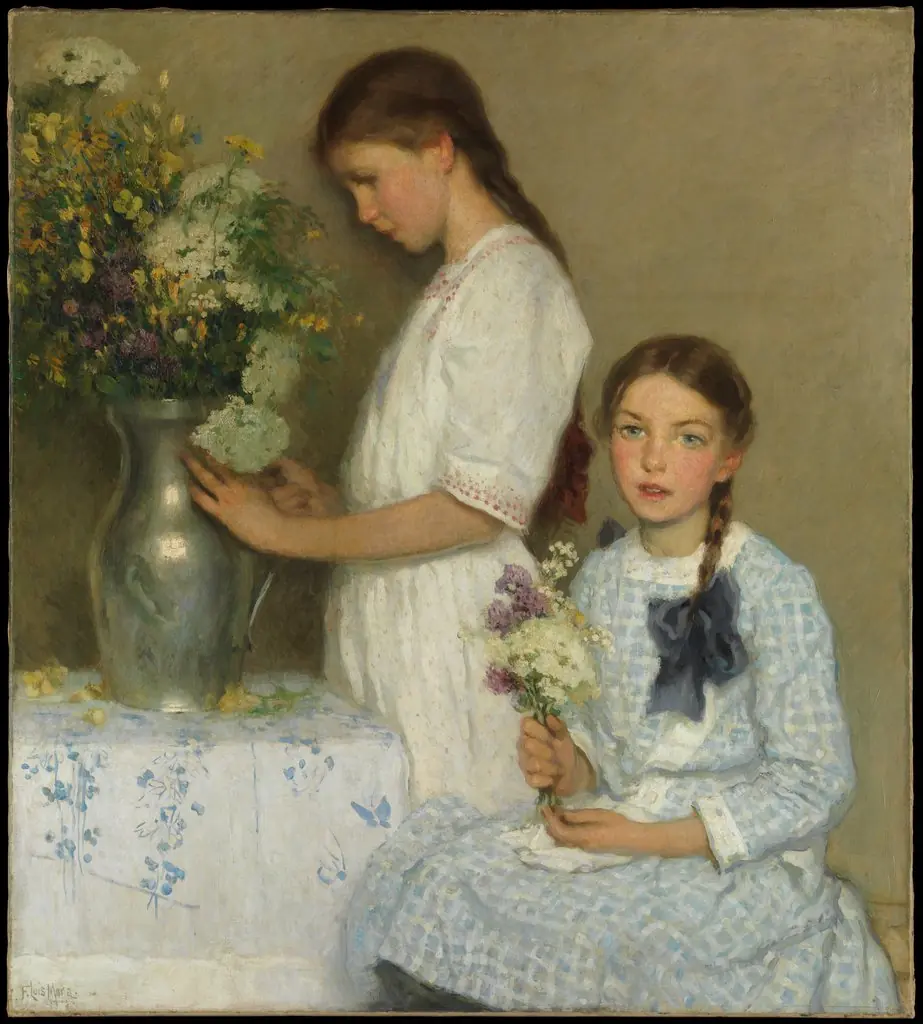 Flowers of the Field
 Untitled
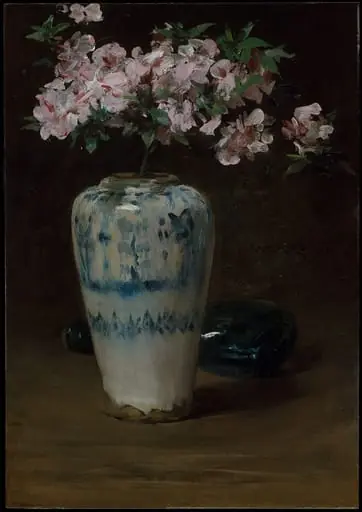 Pink Azalea—Chinese Vase
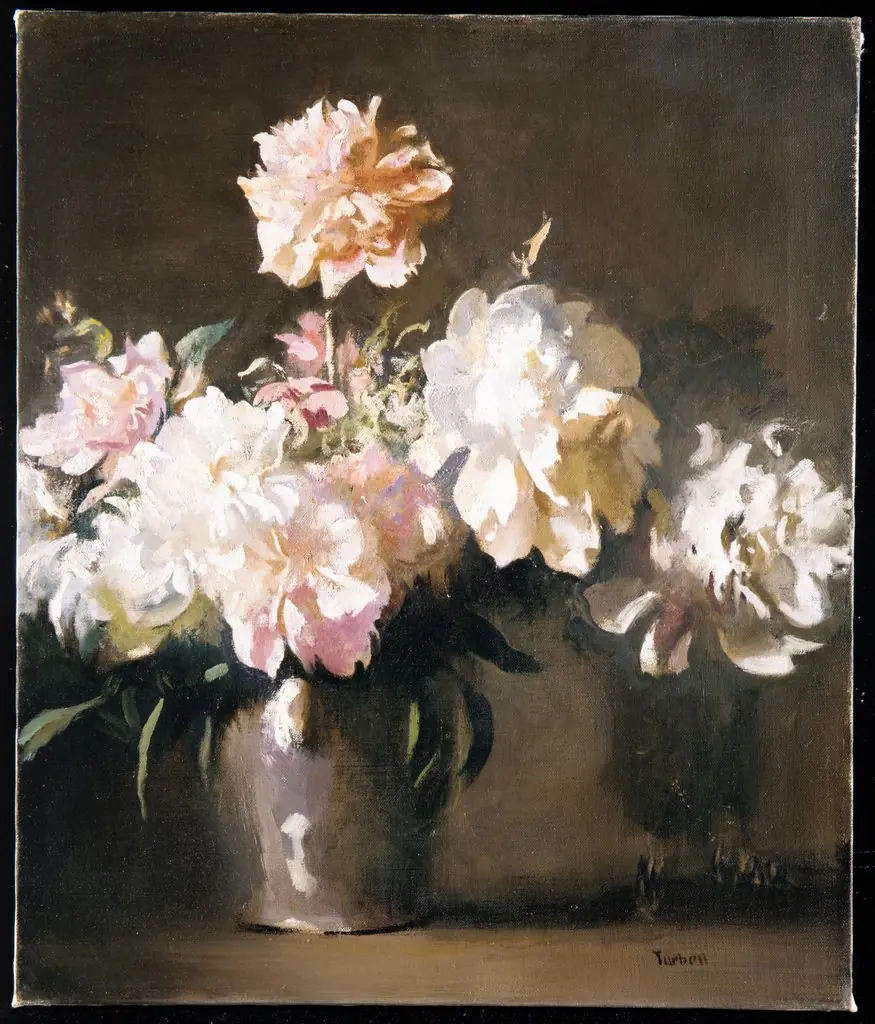 Still Life: Vase of Peonies
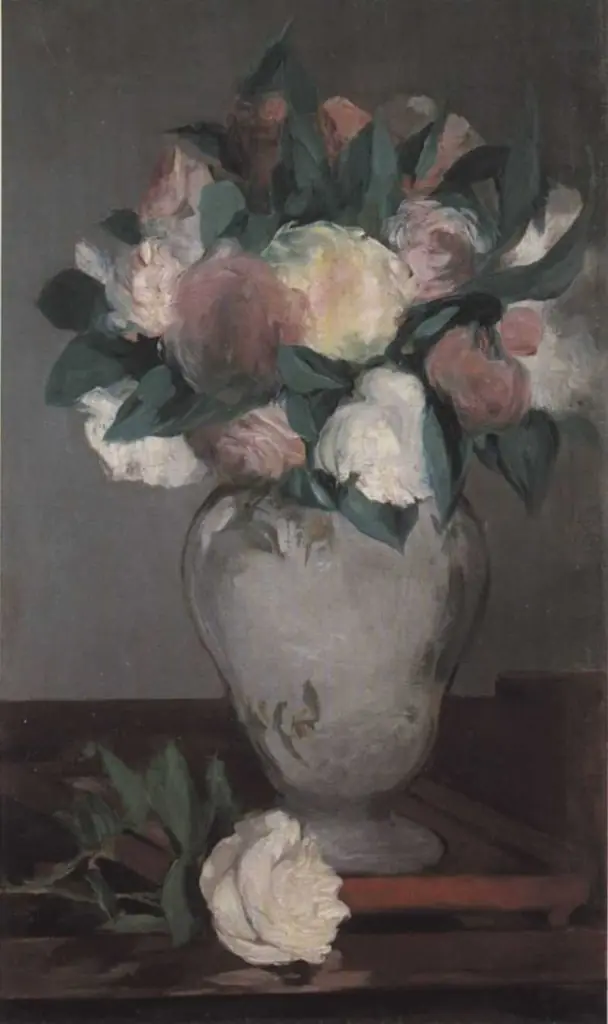 Peonies
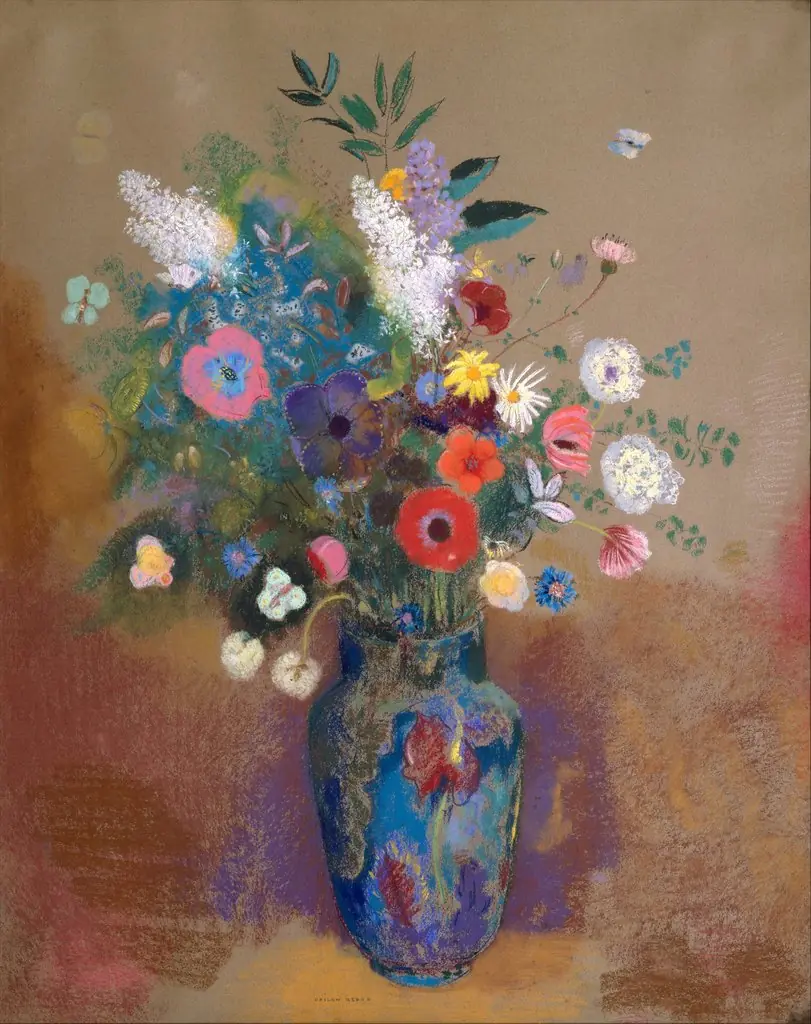 Bouquet of Flowers
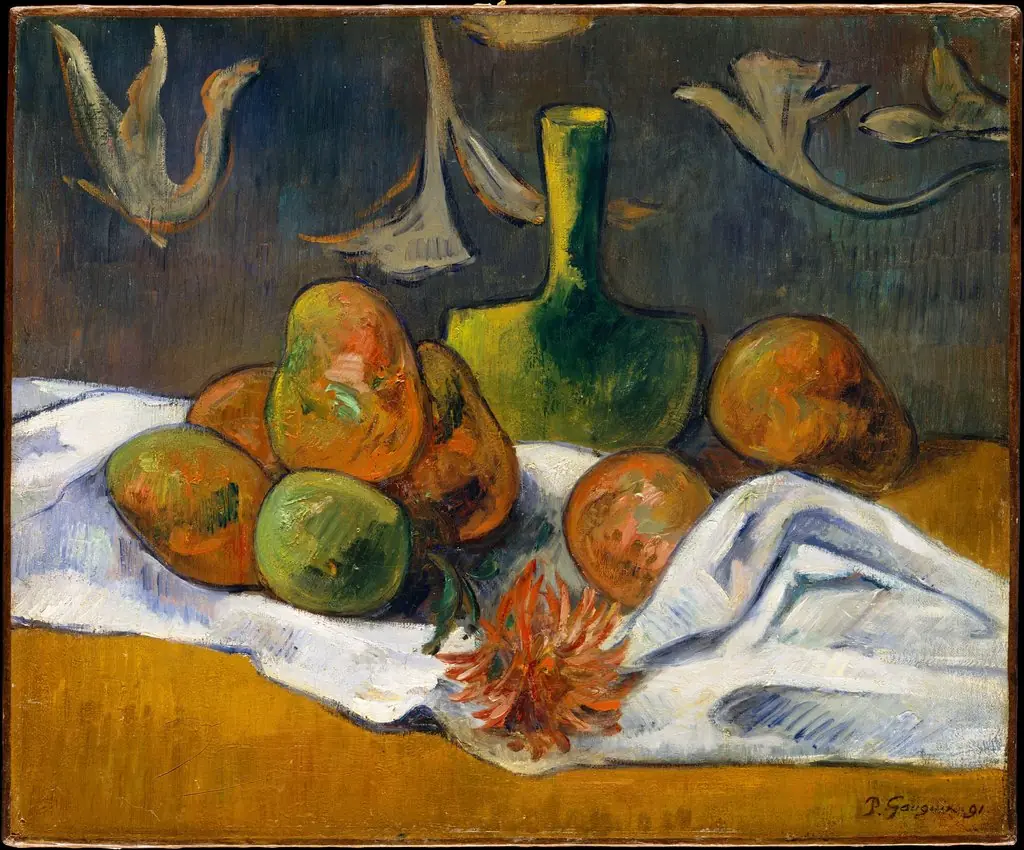 Still Life
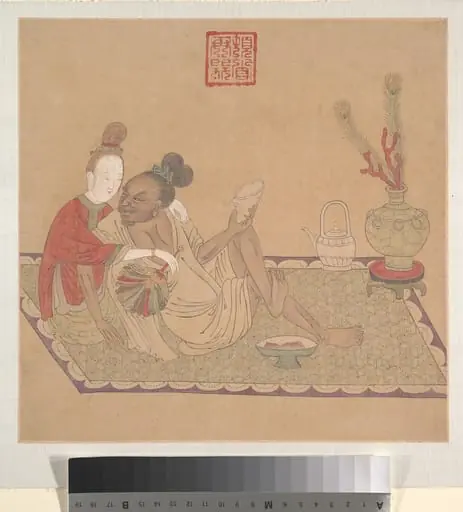 Untitled
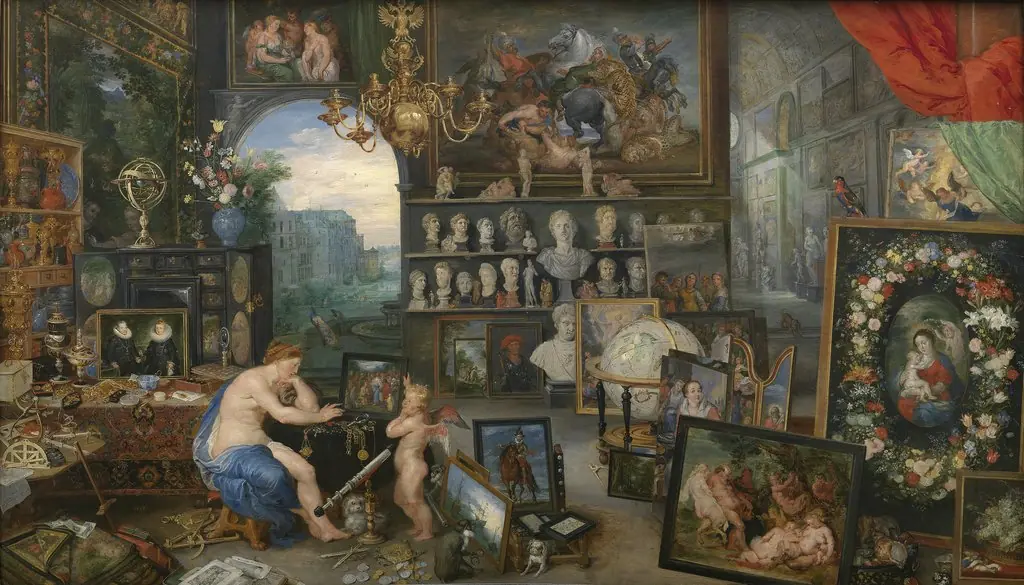 The Sense of Sight
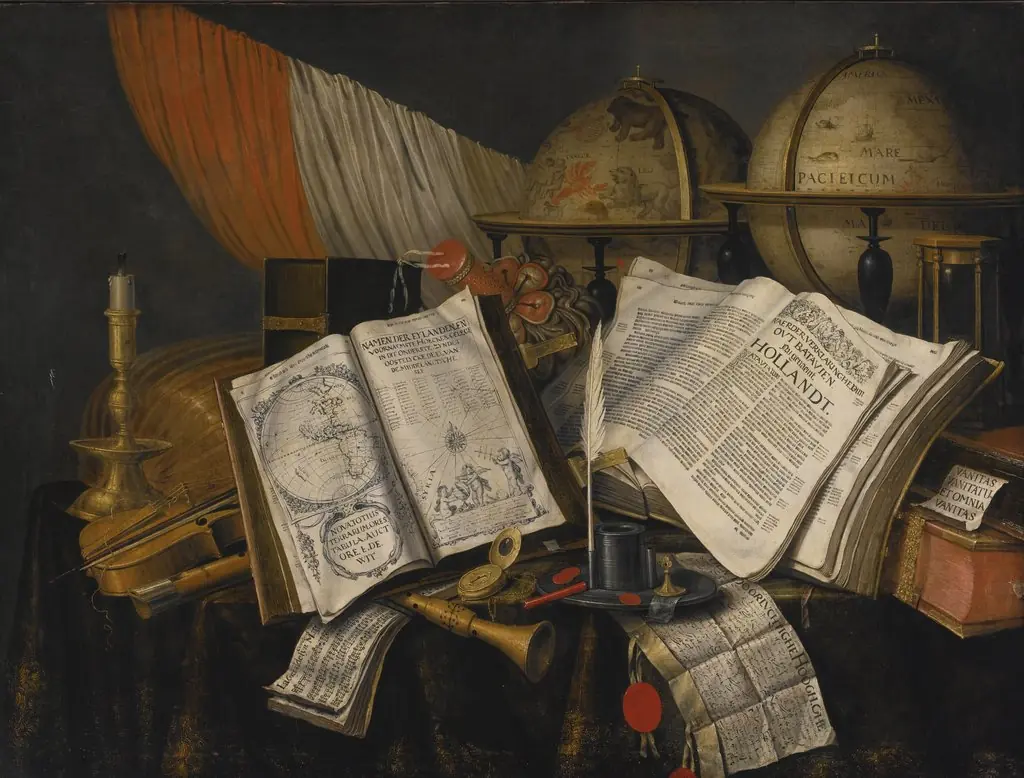 Vanitas Still Life with a Candlestick, Musical Instruments, Dutch Books, a Writing Set, an Astrological and a Terrestial Globe and an Hourglass, All on a Draped Table
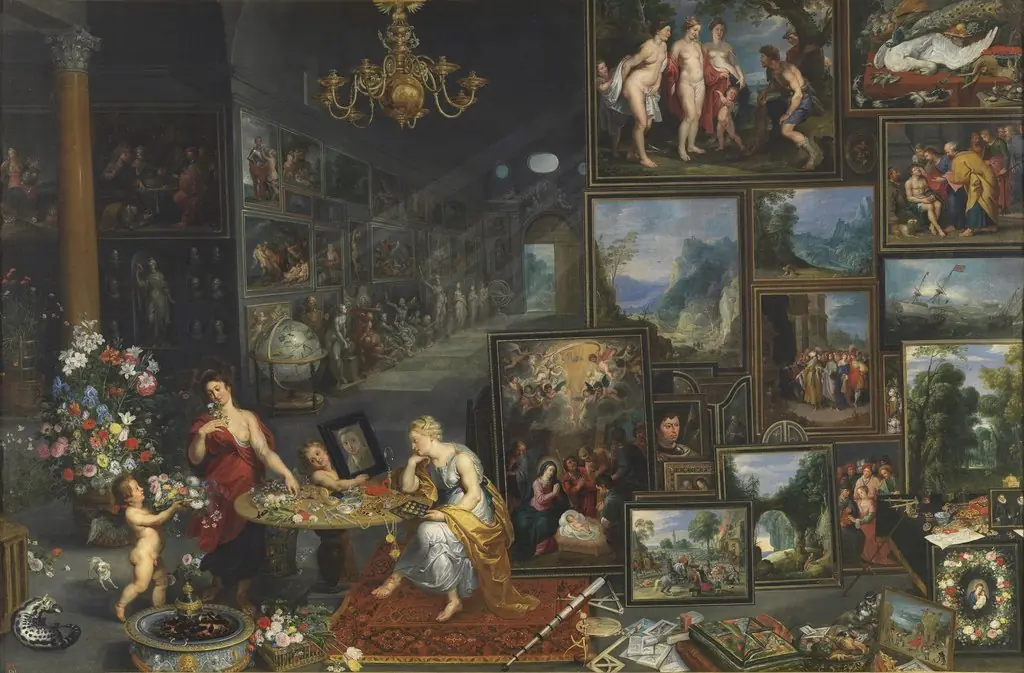 Allegory of Sight and Smell
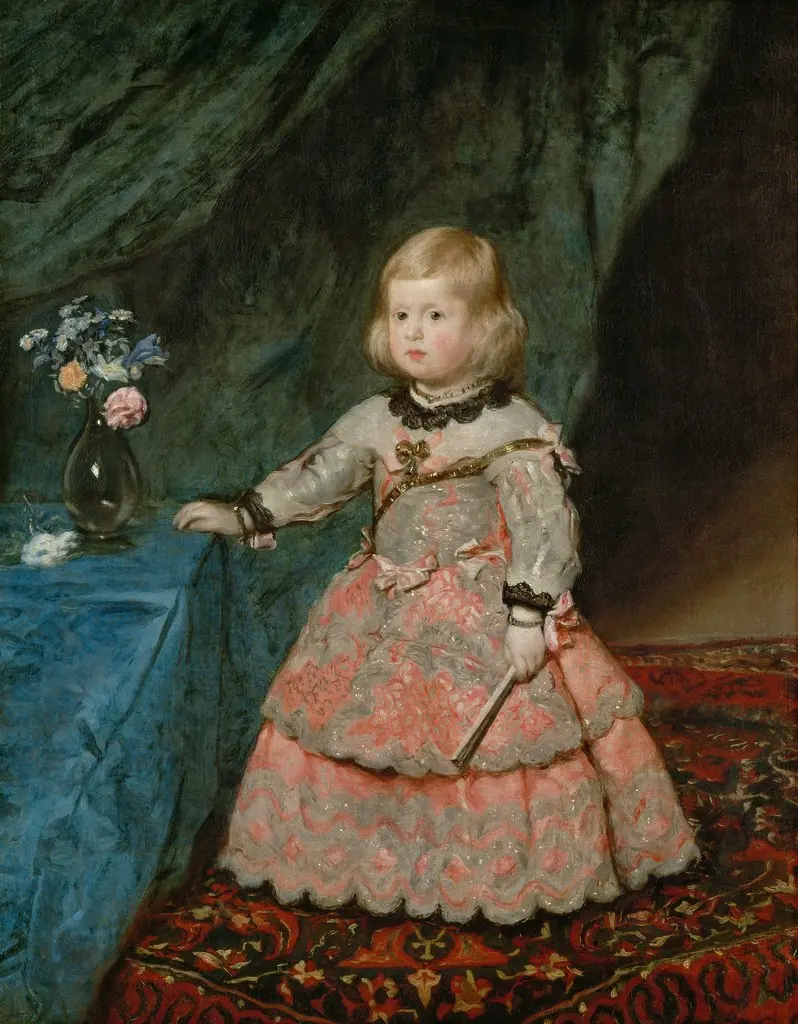 Infanta Margarita Teresa
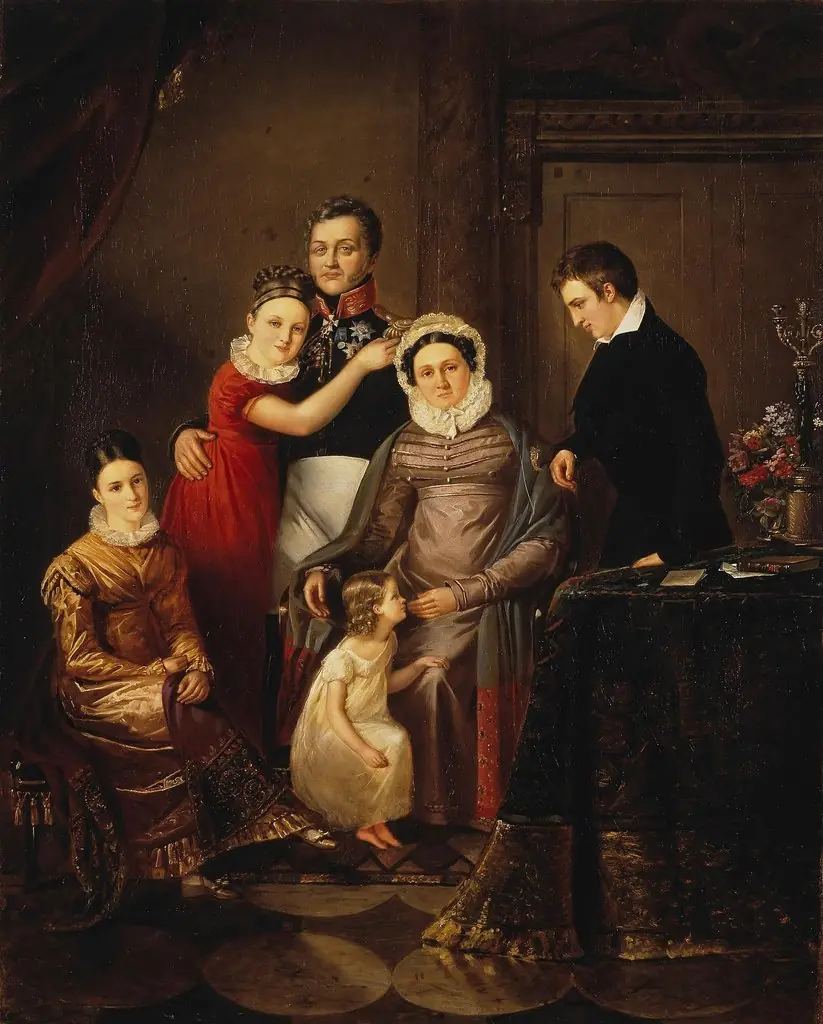 Portrait of Count Nikolai Repnin-Volkonsky with His Family
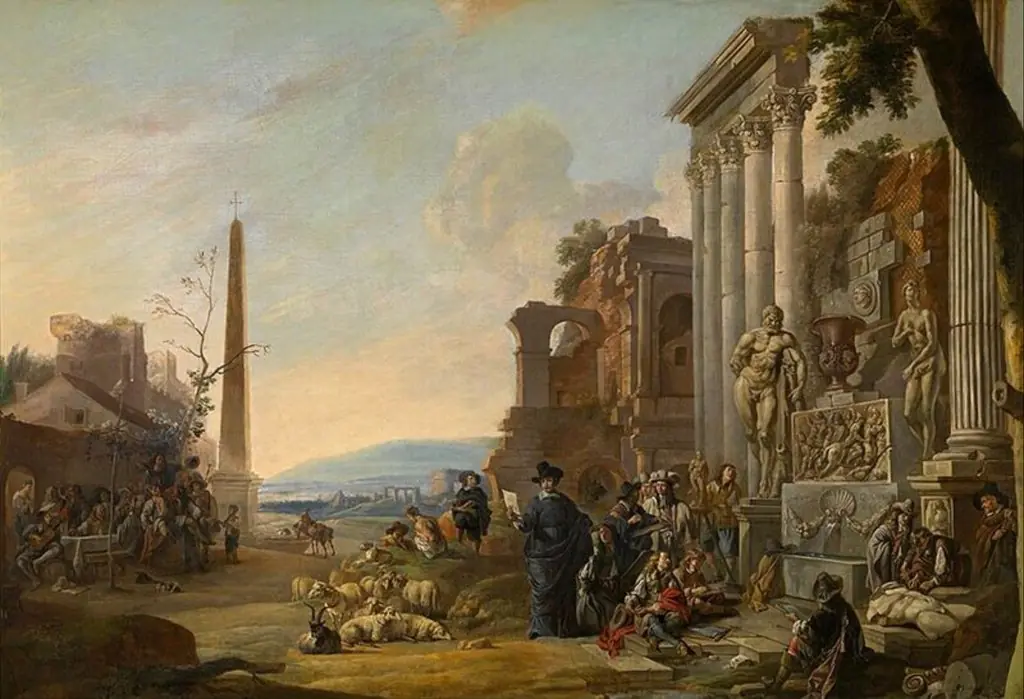 The Study of Art in Rome
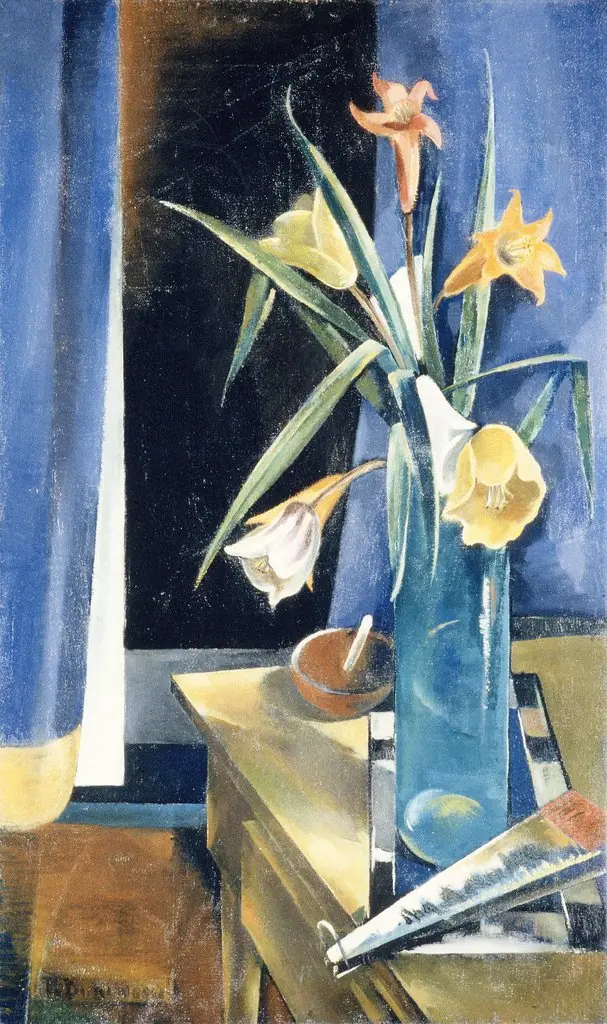 Vase of Flowers
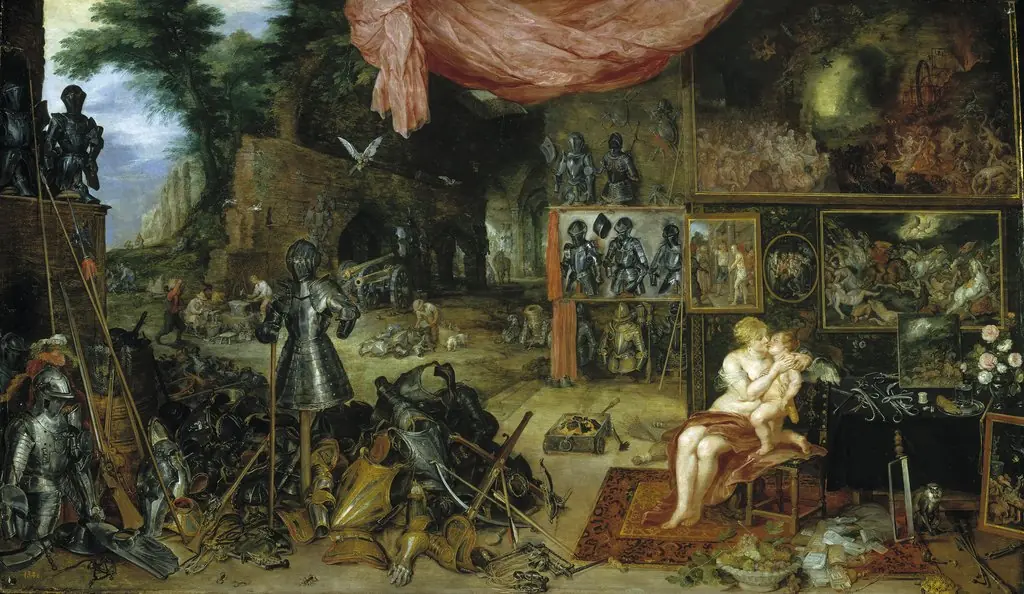 Touch
Touch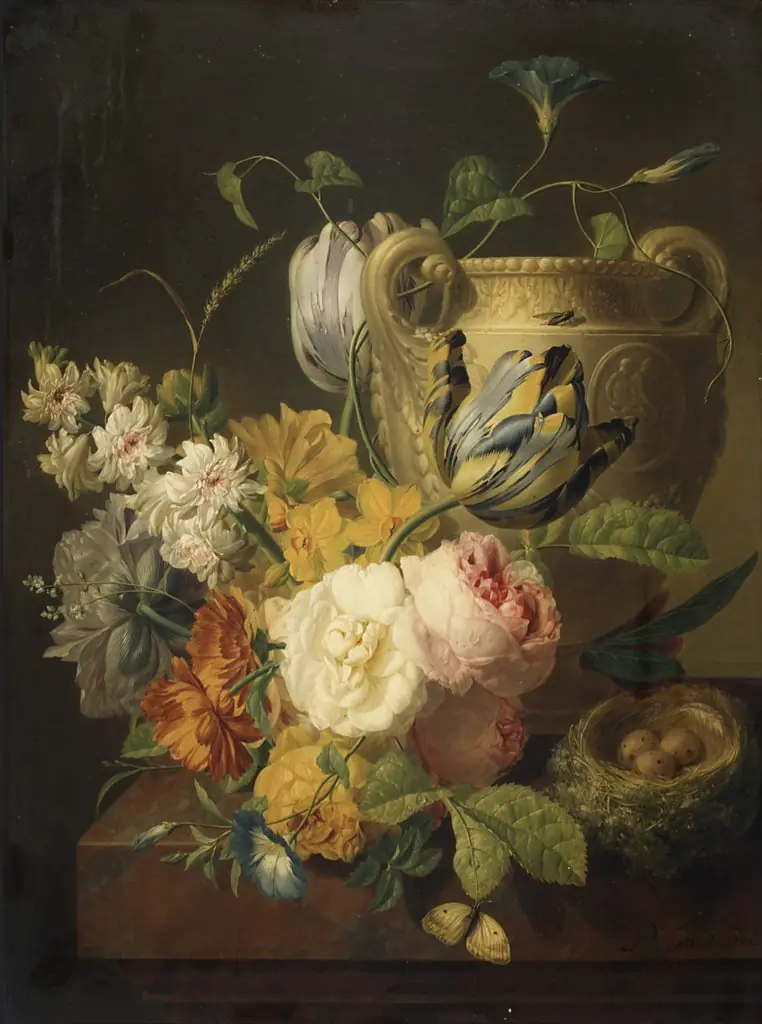 Flowers by a Stone Vase
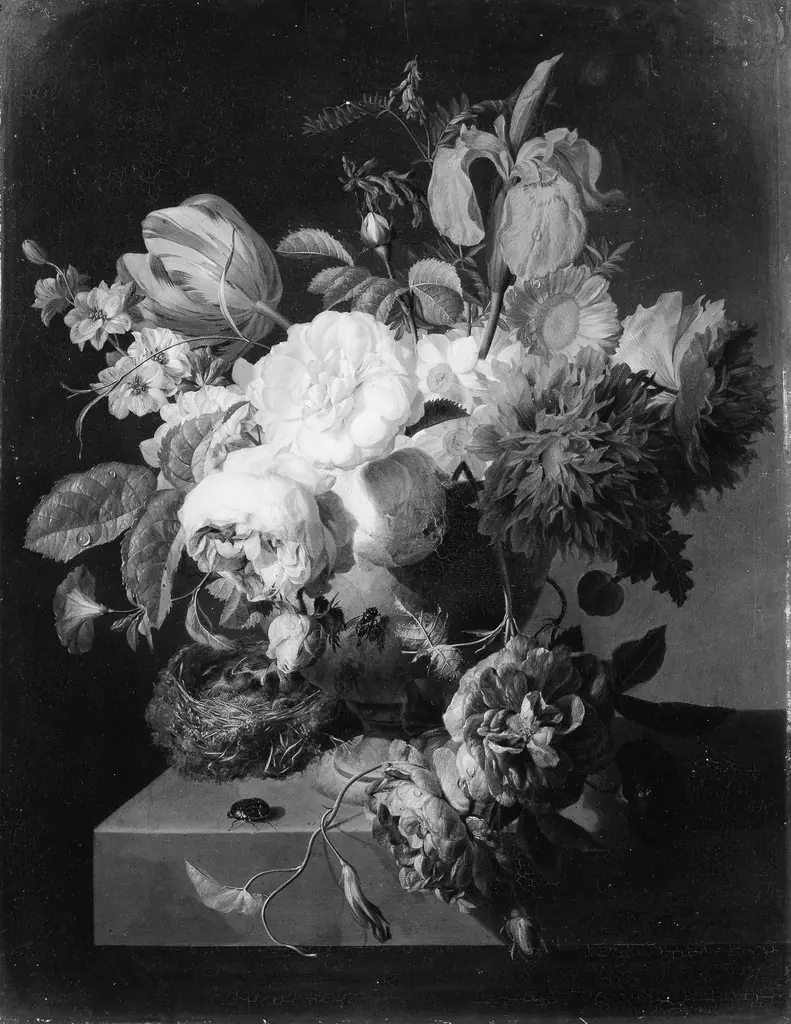 Flowers in a Stone Vase
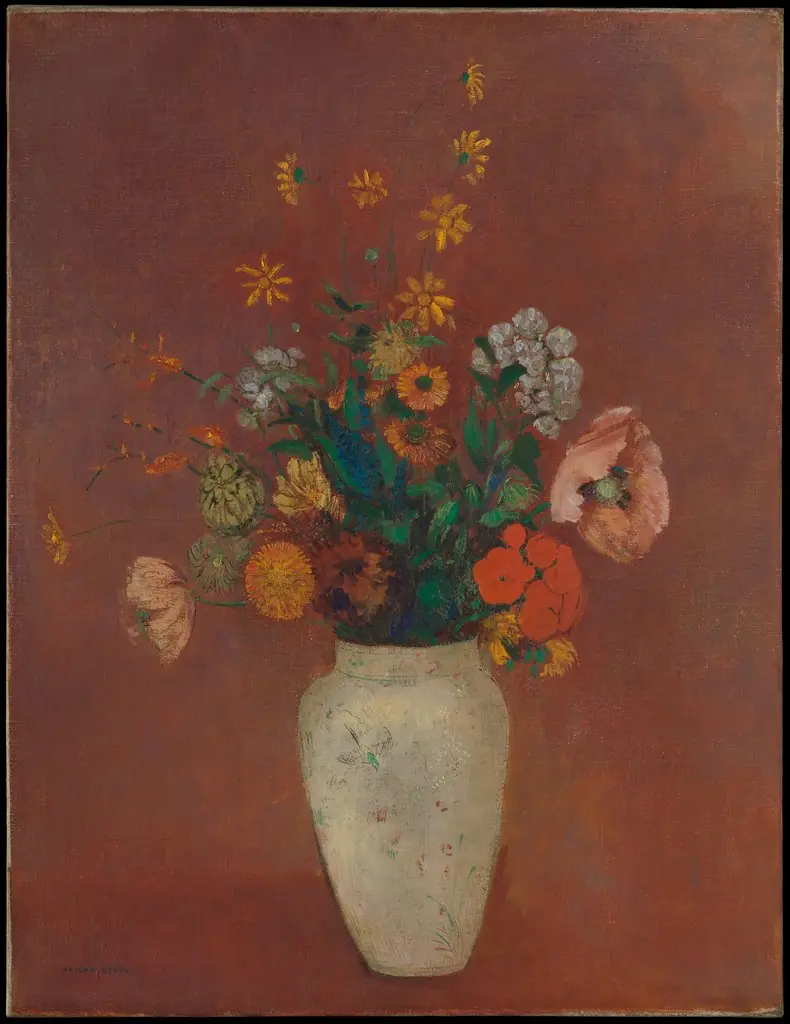 Bouquet in a Chinese Vase
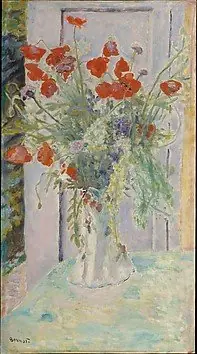 Poppies in a Vase
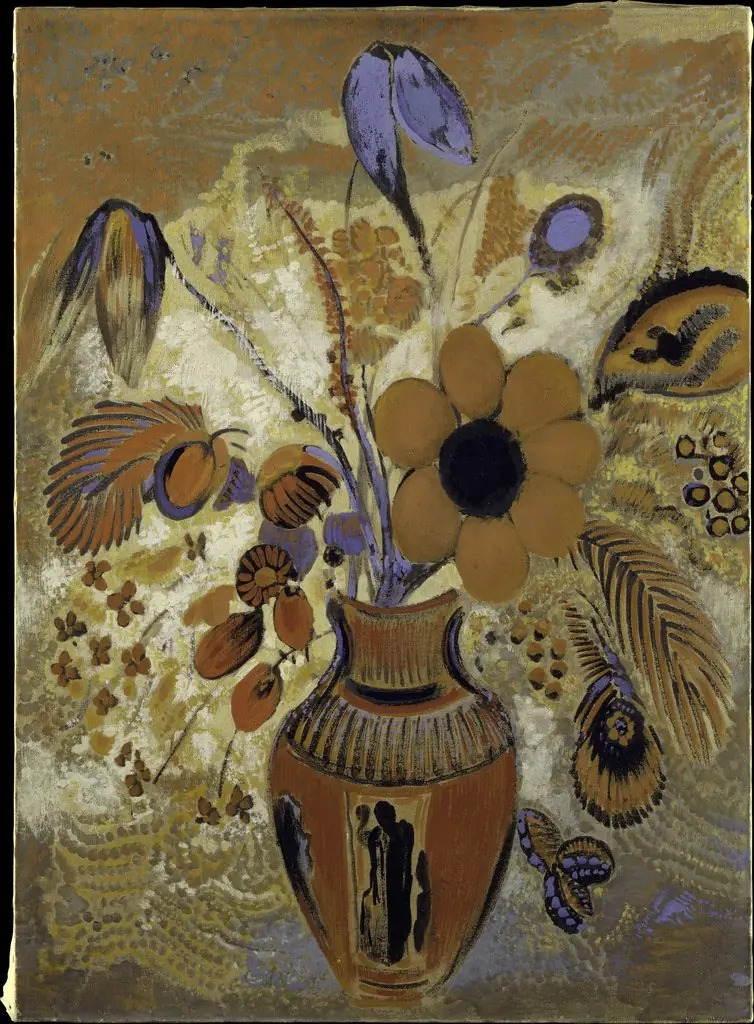 Etruscan Vase with Flowers
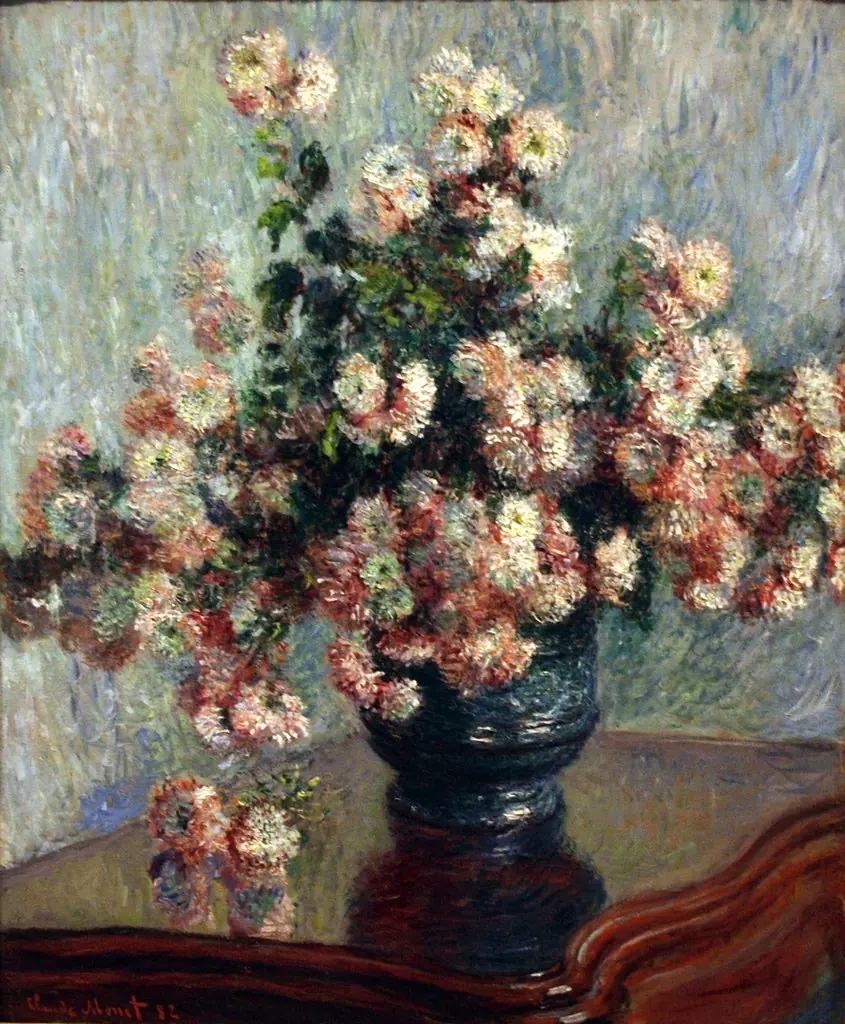 Chrysanthemums
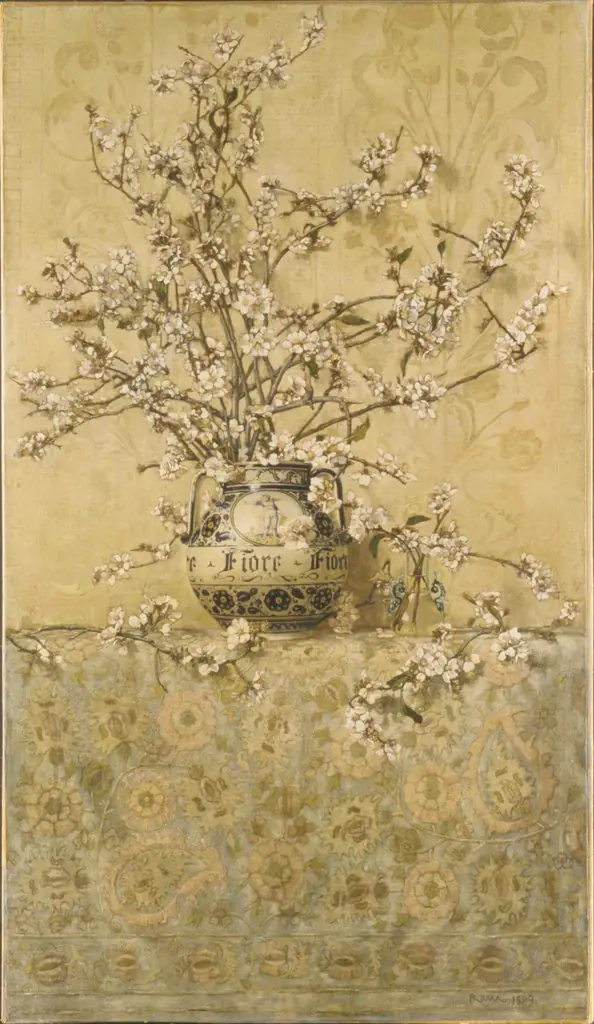 Apple Blossoms
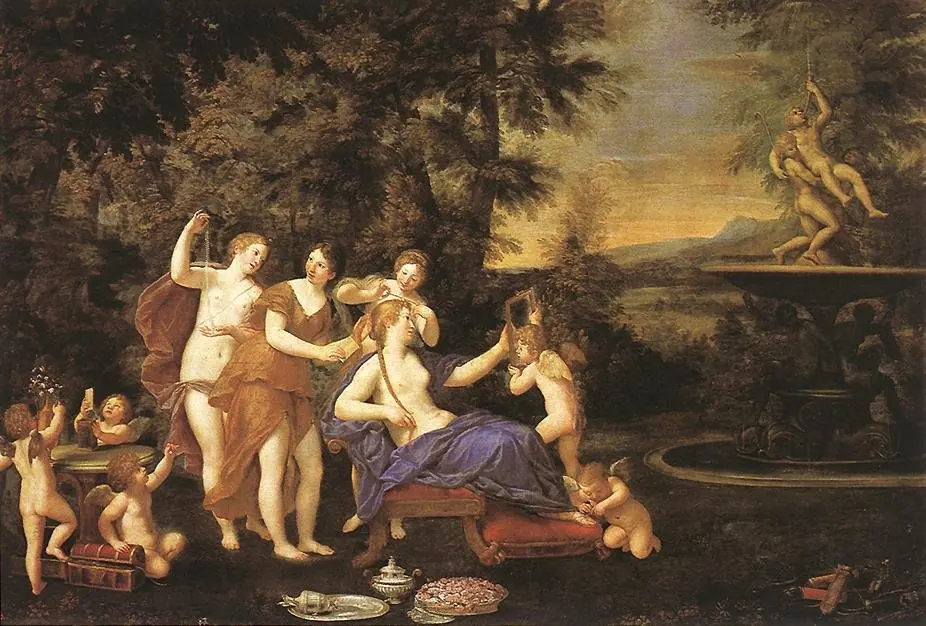 The toilet of Venus
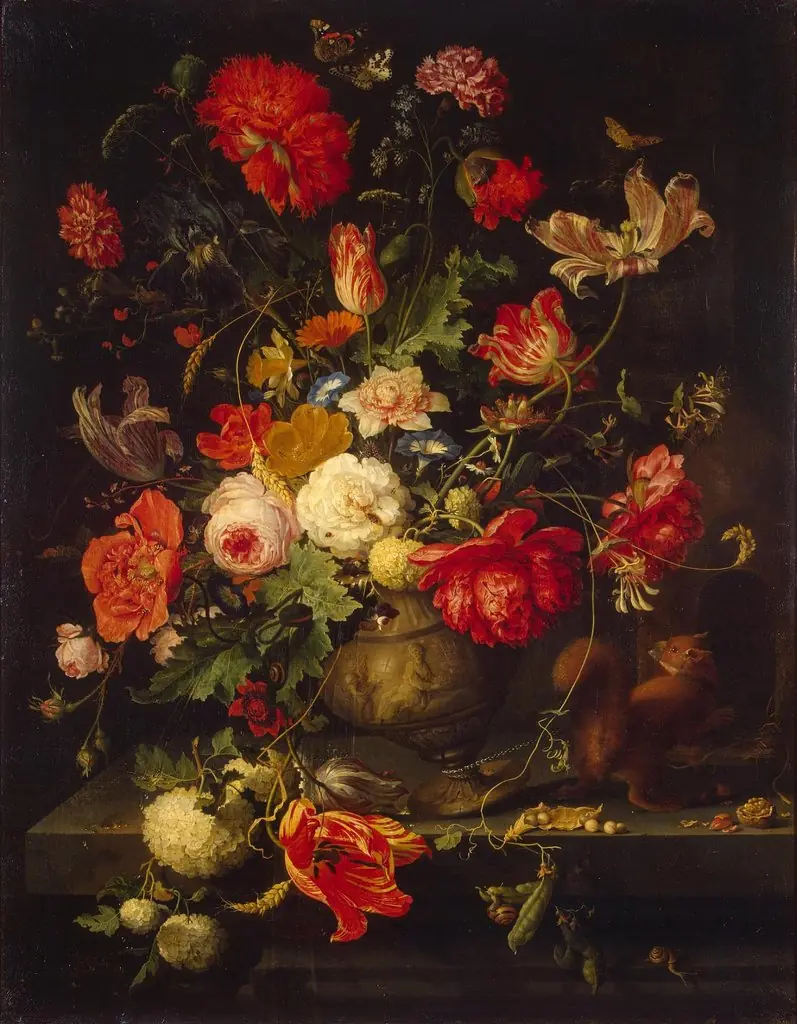 Vase of Flowers
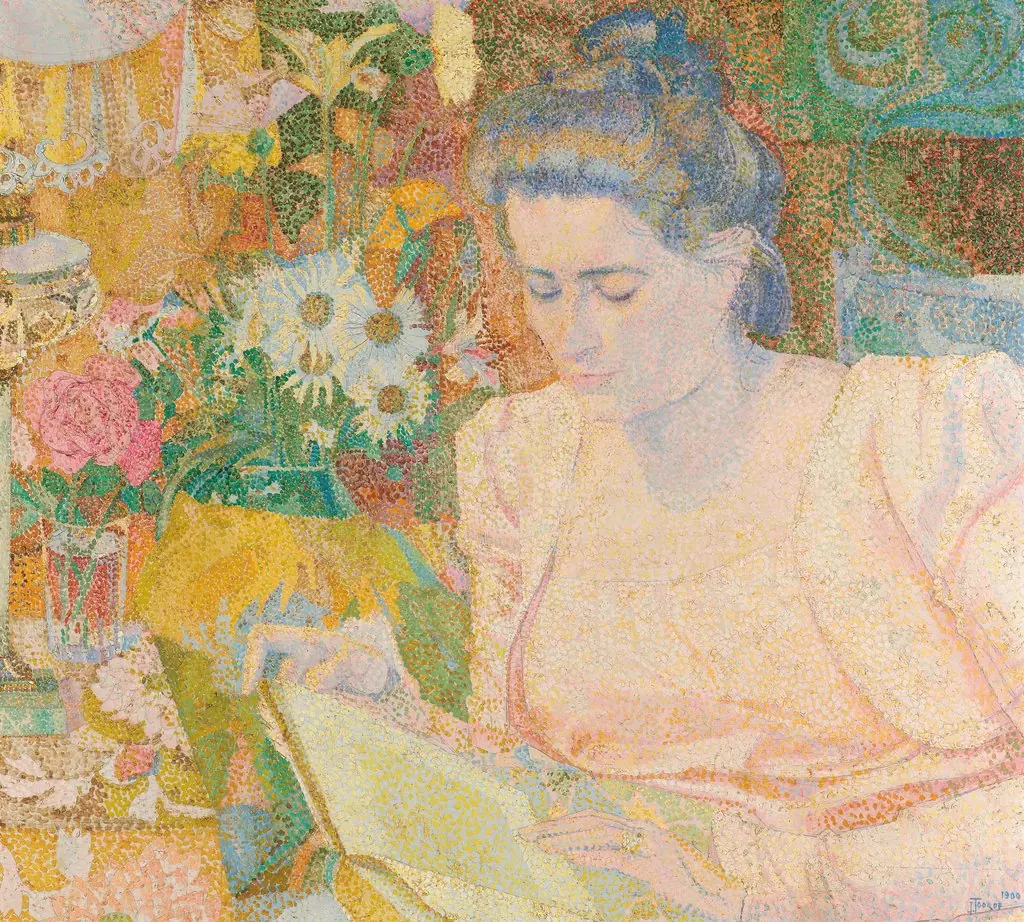 Portrait of Marie Jeanette de Lange
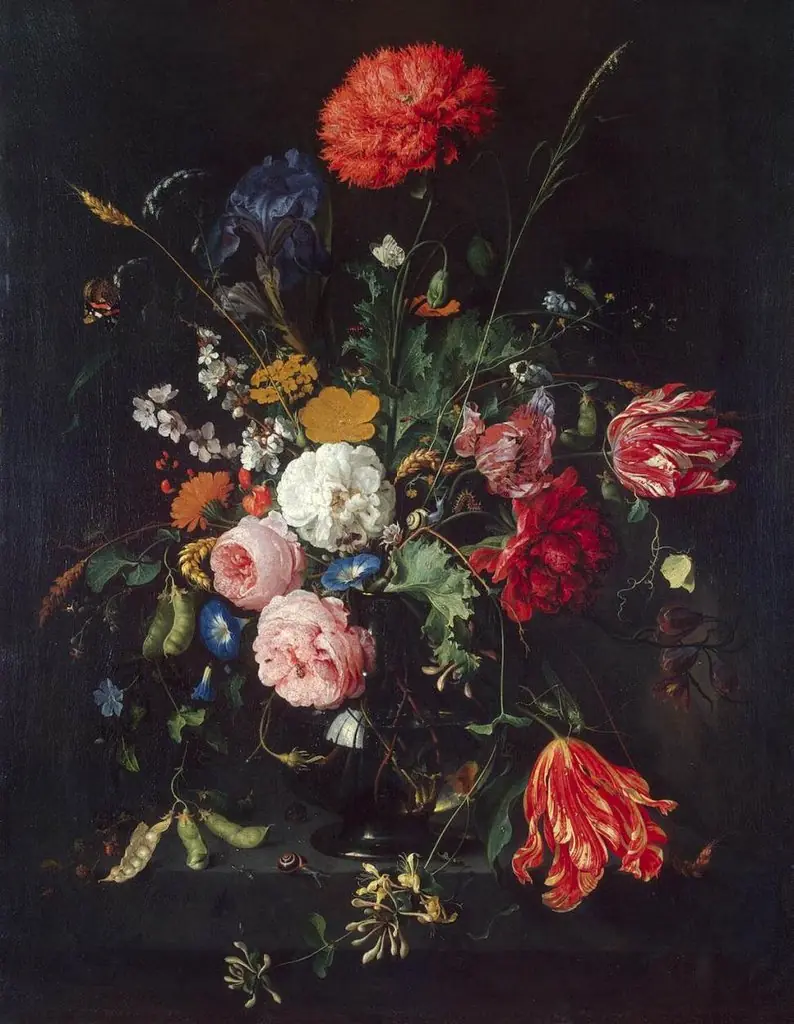 Flowers in a Vase
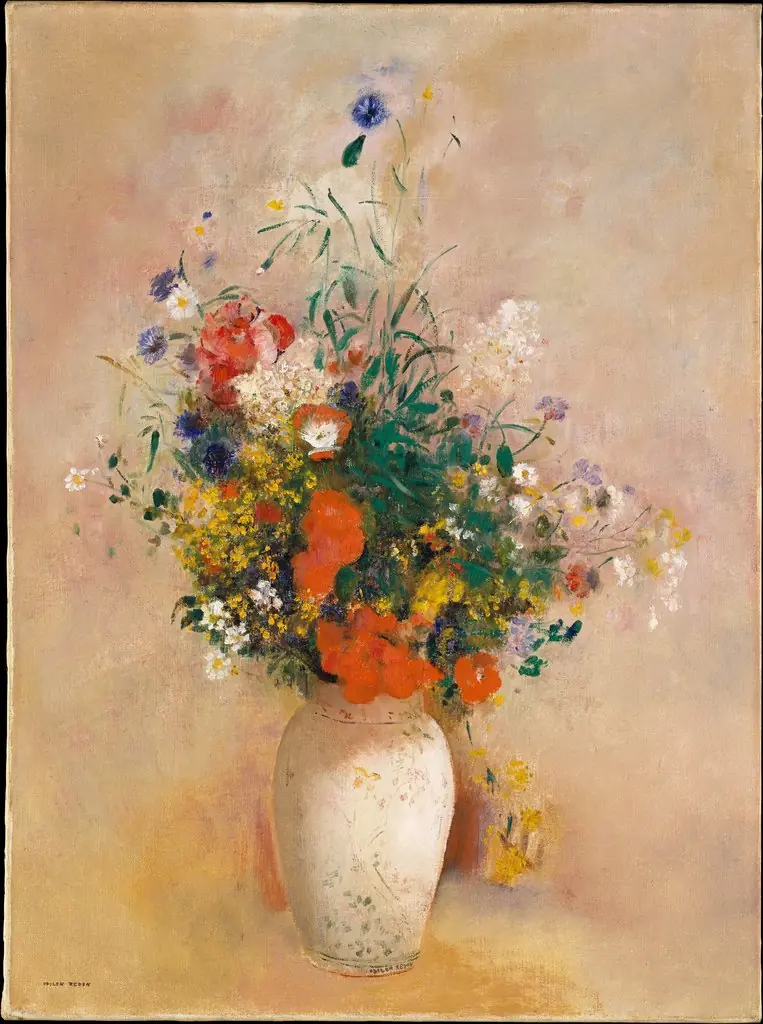 Vase of Flowers (Pink Background)
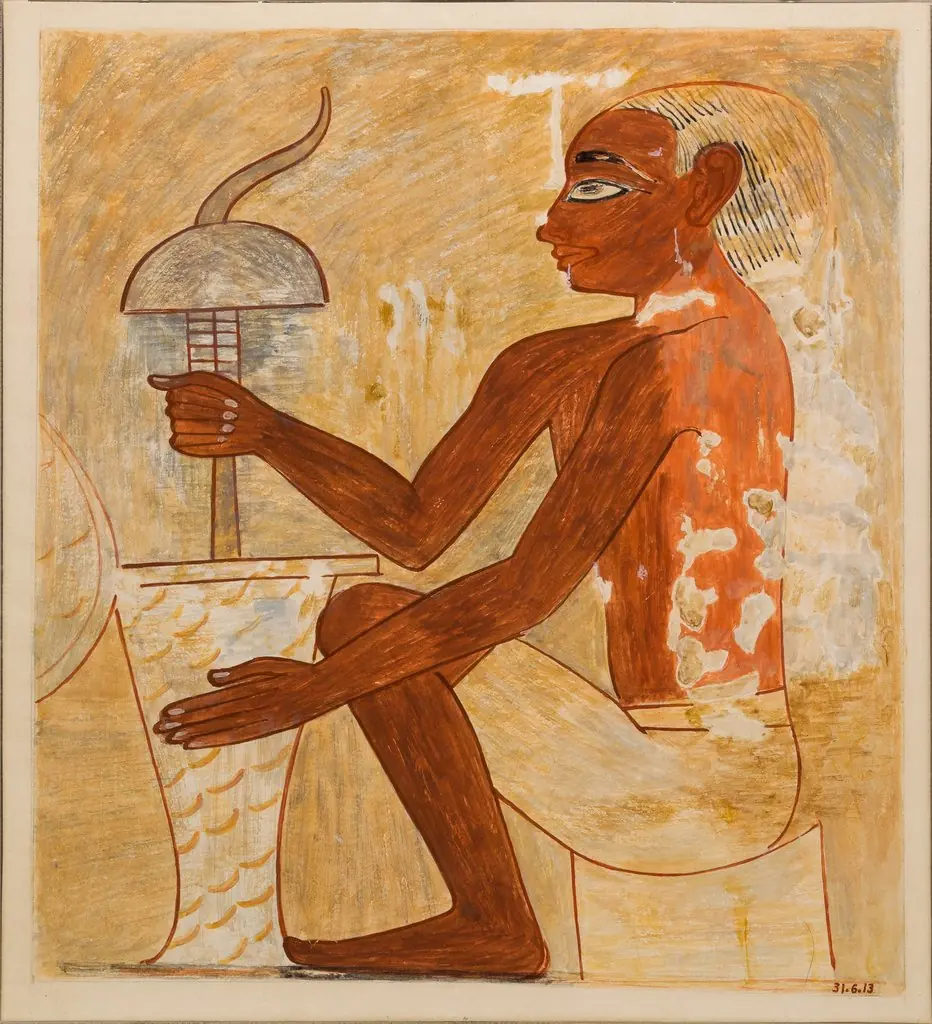 Drilling a Stone Vase, Tomb of Rekhmire
 Untitled
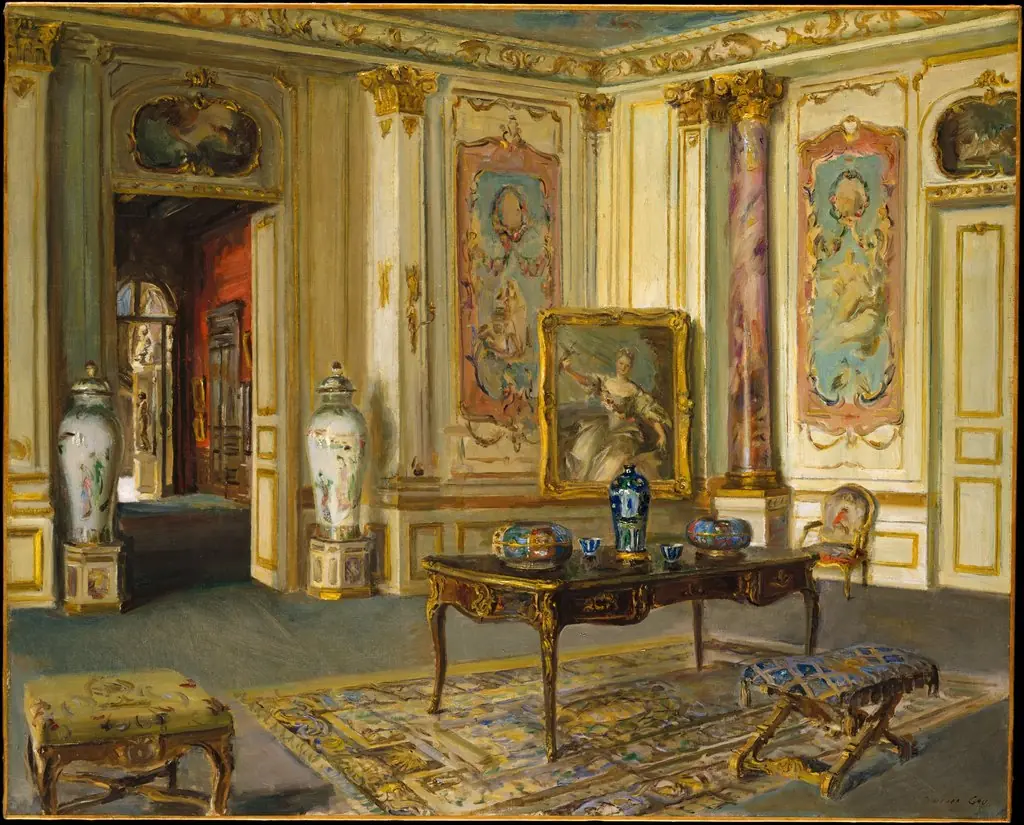 Le Grand Salon, Musée Jacquemart-André
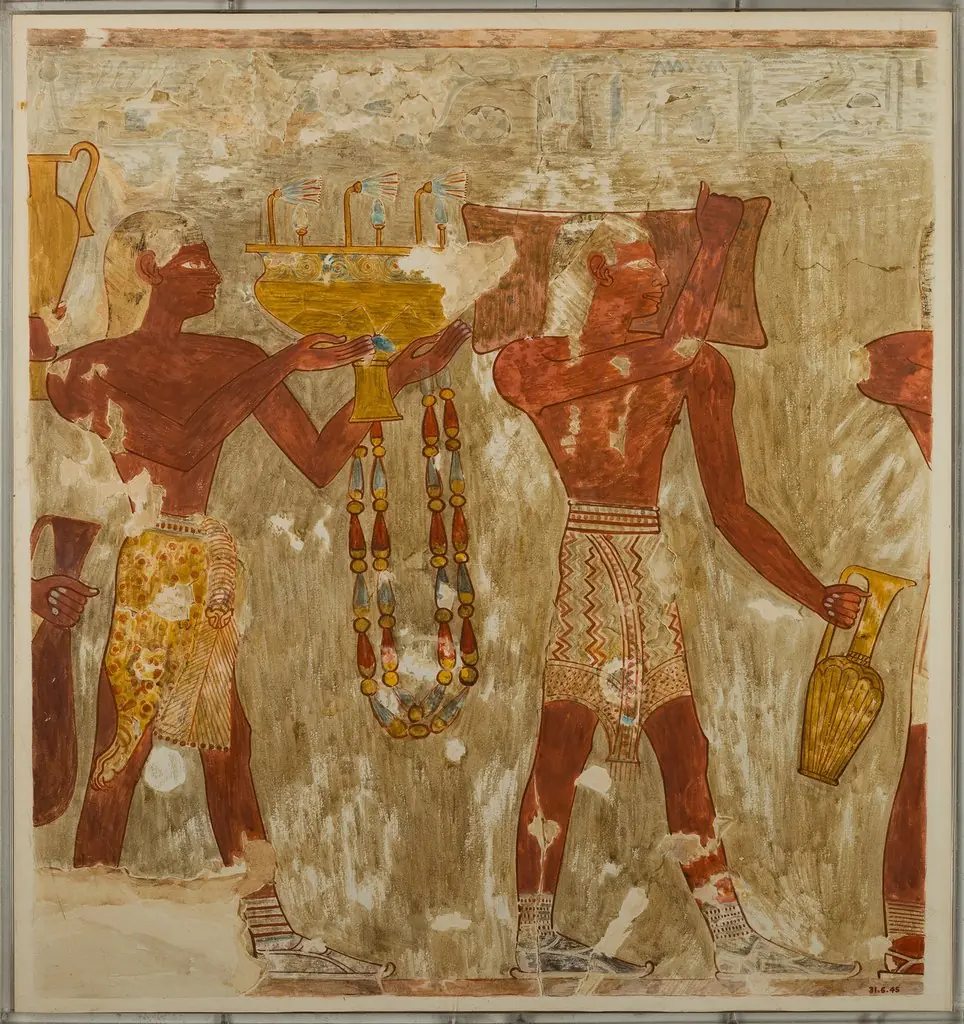 Cretans Bringing Gifts of Metal and Jewelry, Tomb of Rekhmire
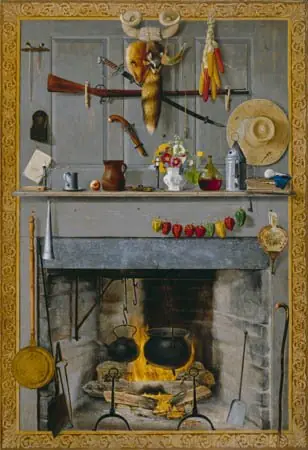 Grandma's Hearthstone
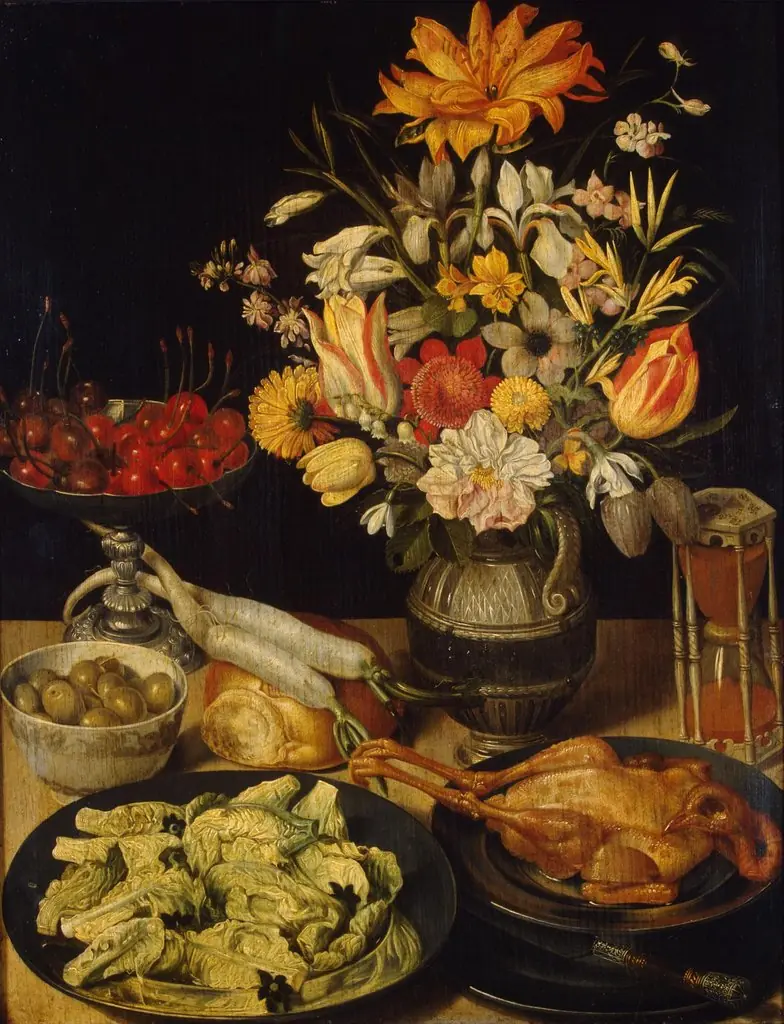 Still Life with Flowers and Snacks
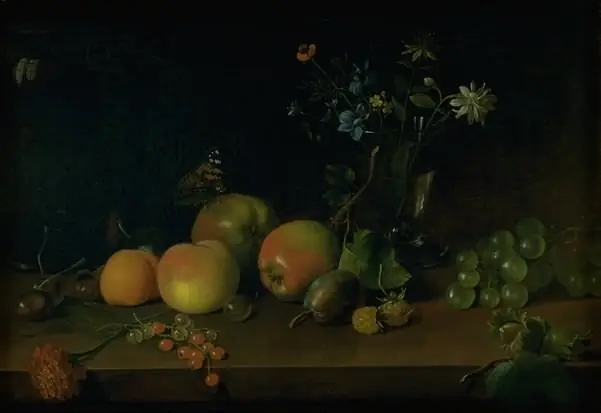 Flowers and Fruit on a Table
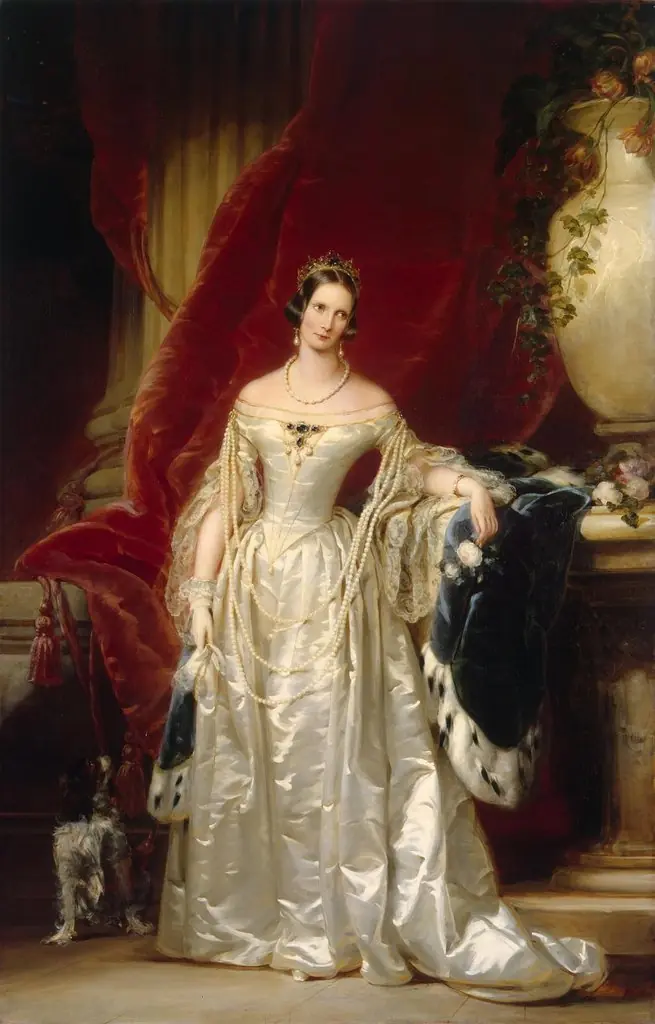 Portrait of Empress Alexandra Fyodorovna
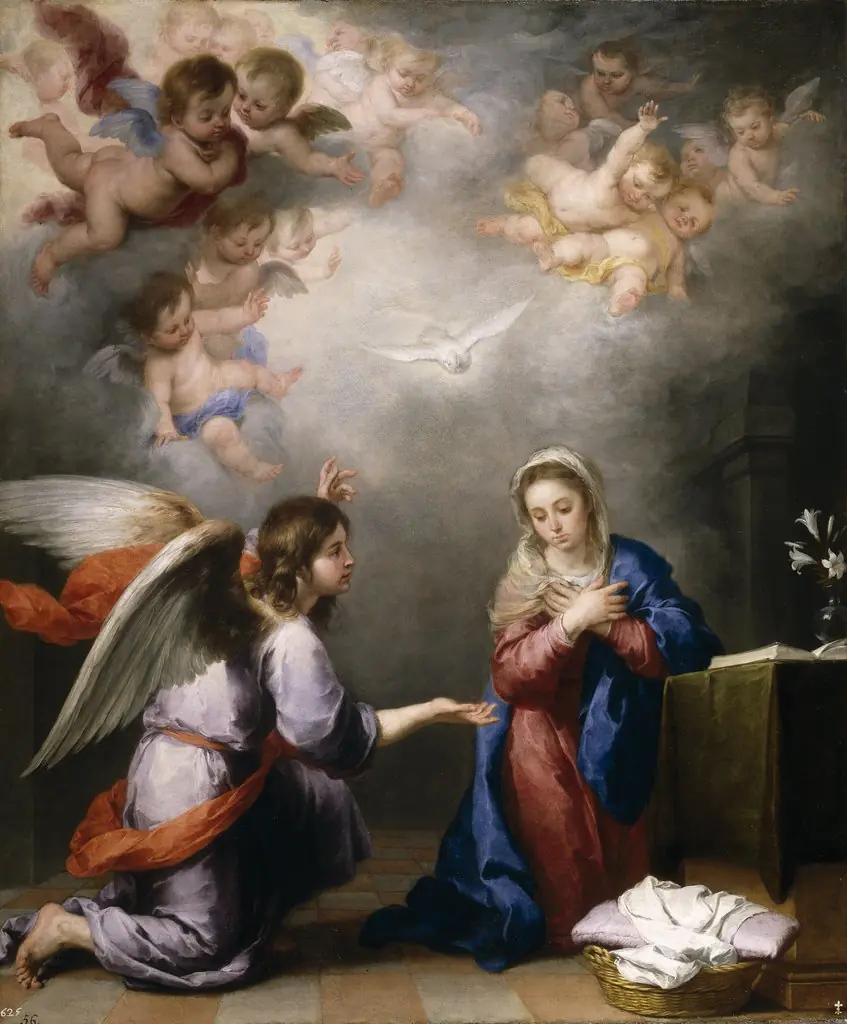 The Annunciation
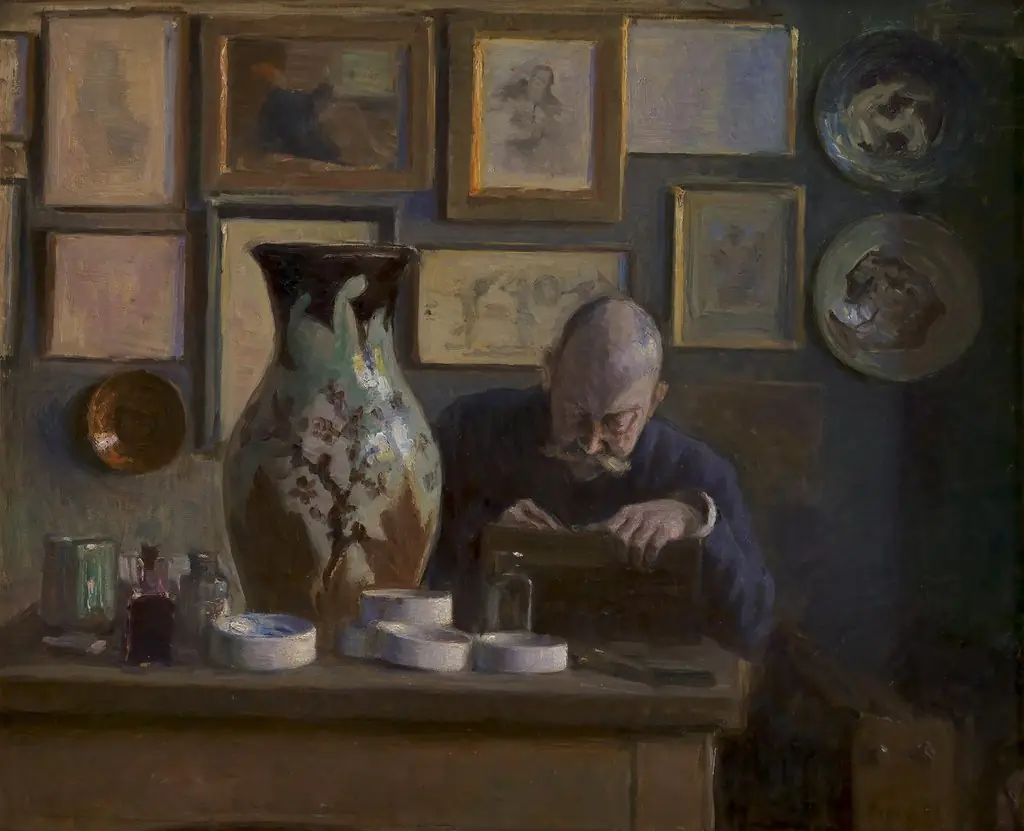 Arkitekten Thorvald Bindesbøll i sin arbejdsstue
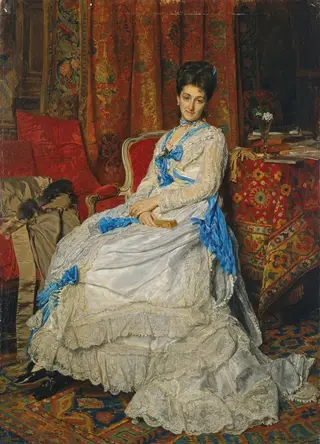 Josefa Manzanedo e Intentas de Mitjans, Second Marchioness of Manzanedo
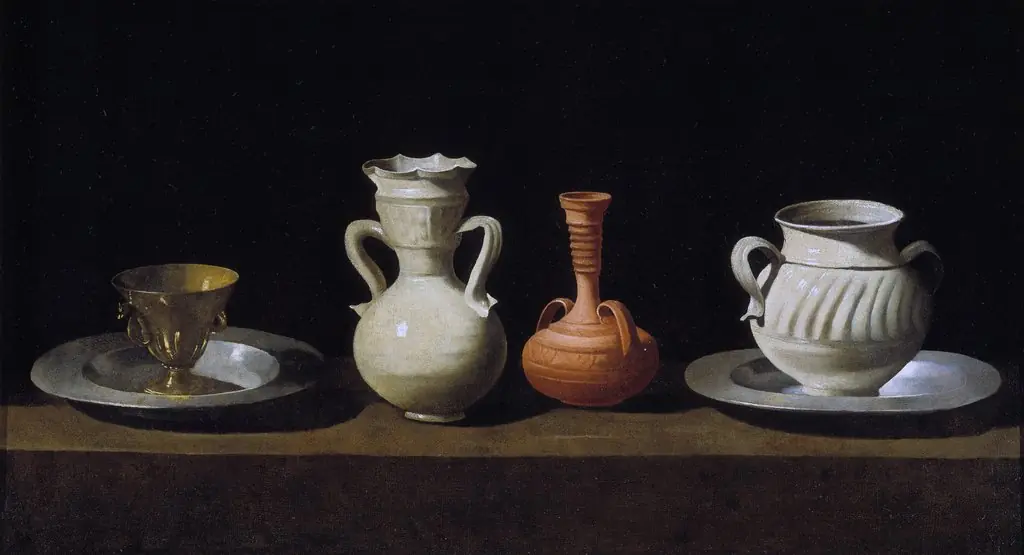 Still Life with Pots
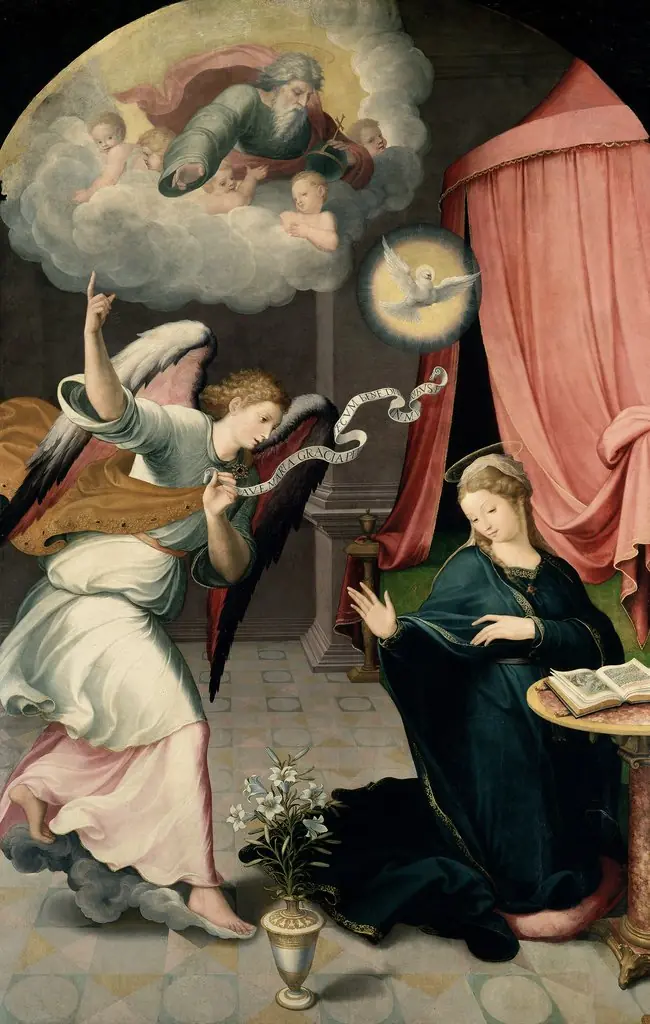 Altarpiece of the Annunciation
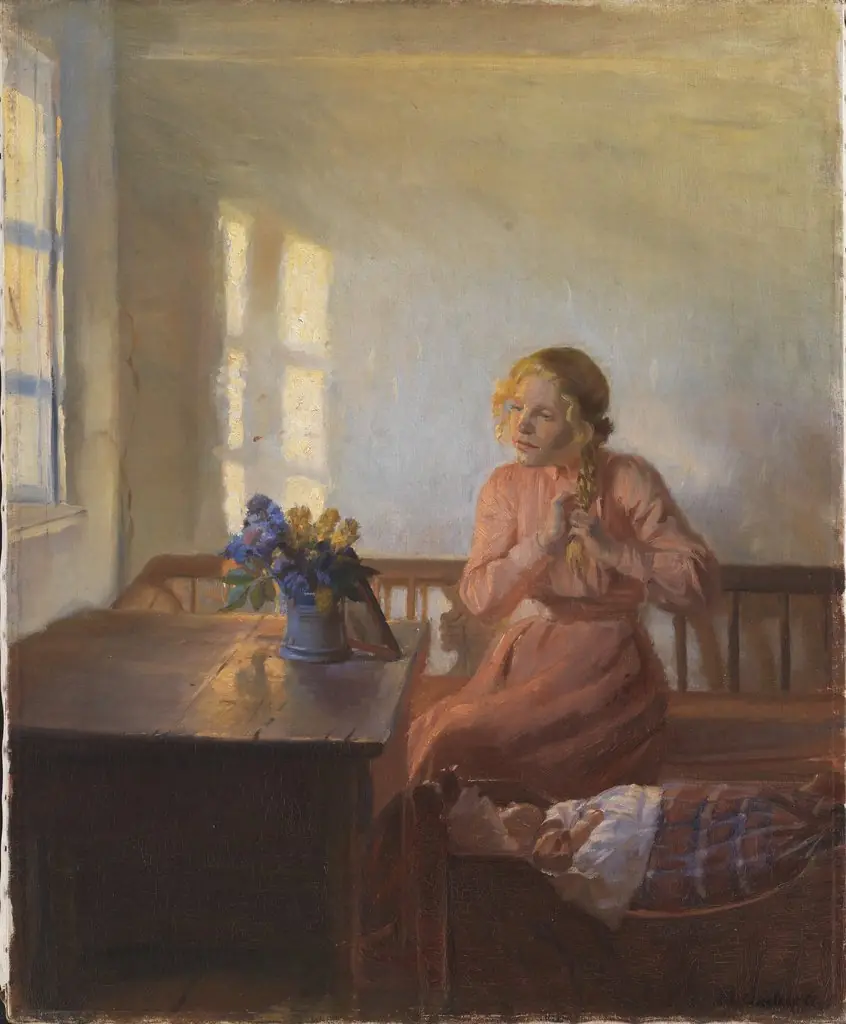 A Young Girl Plaiting her Hair
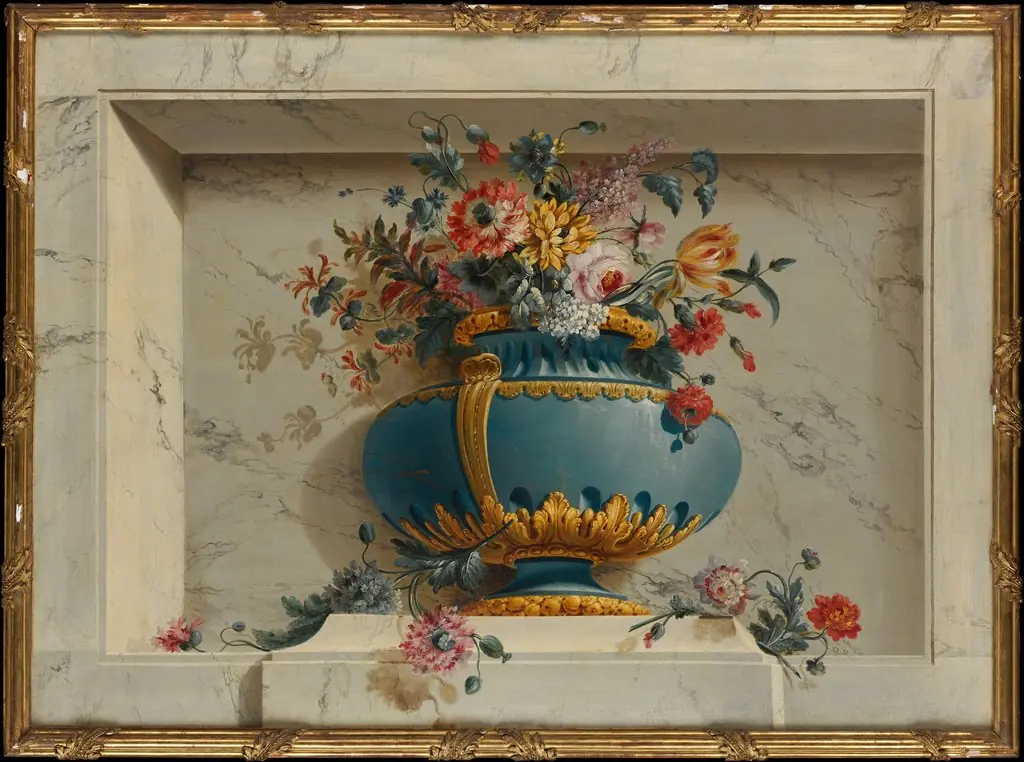 Vase of Flowers in a Niche
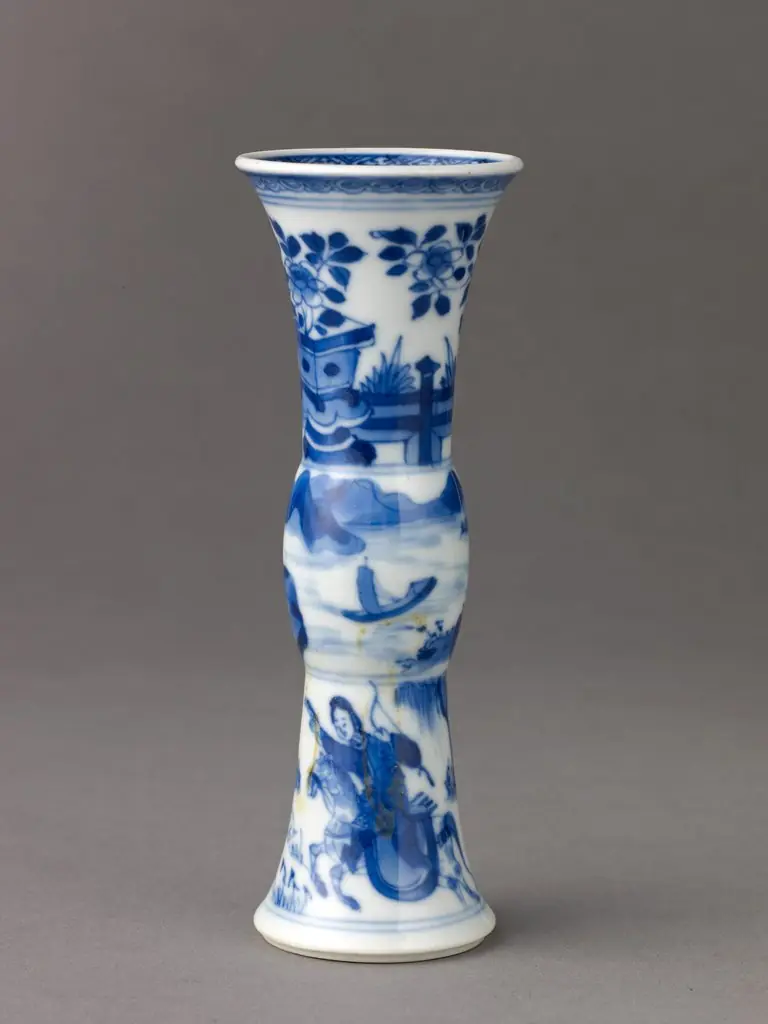 Small vase
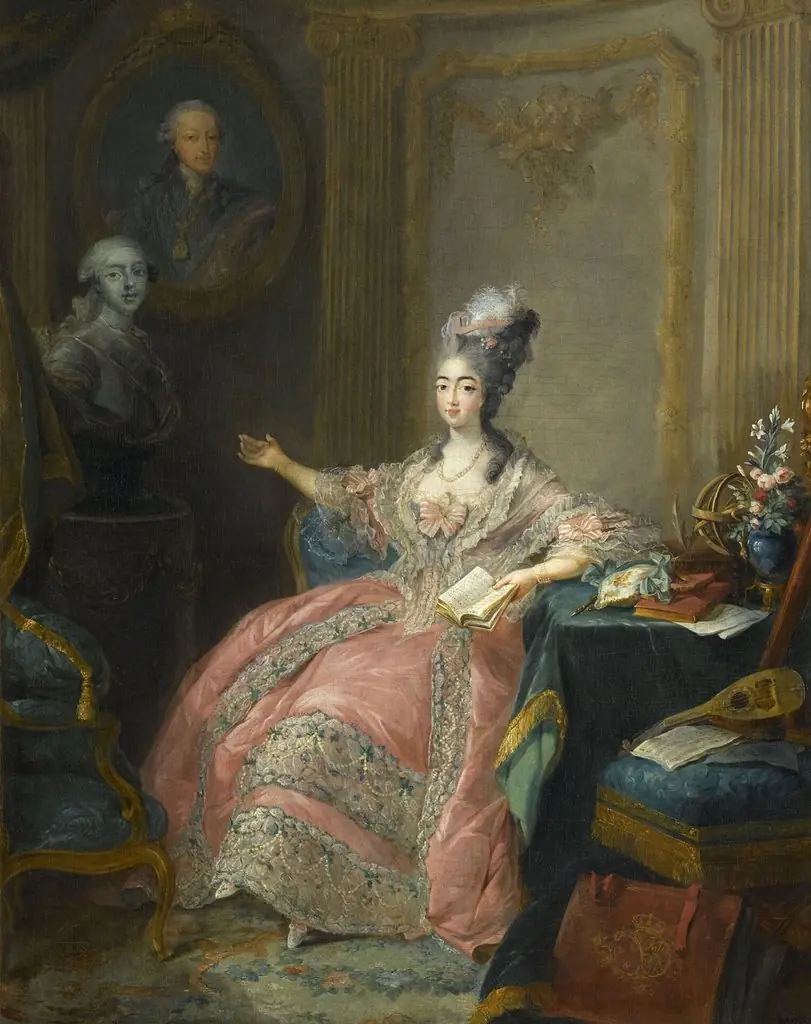 Marie-Joséphine-Louise de Savoie, Countess of Provence
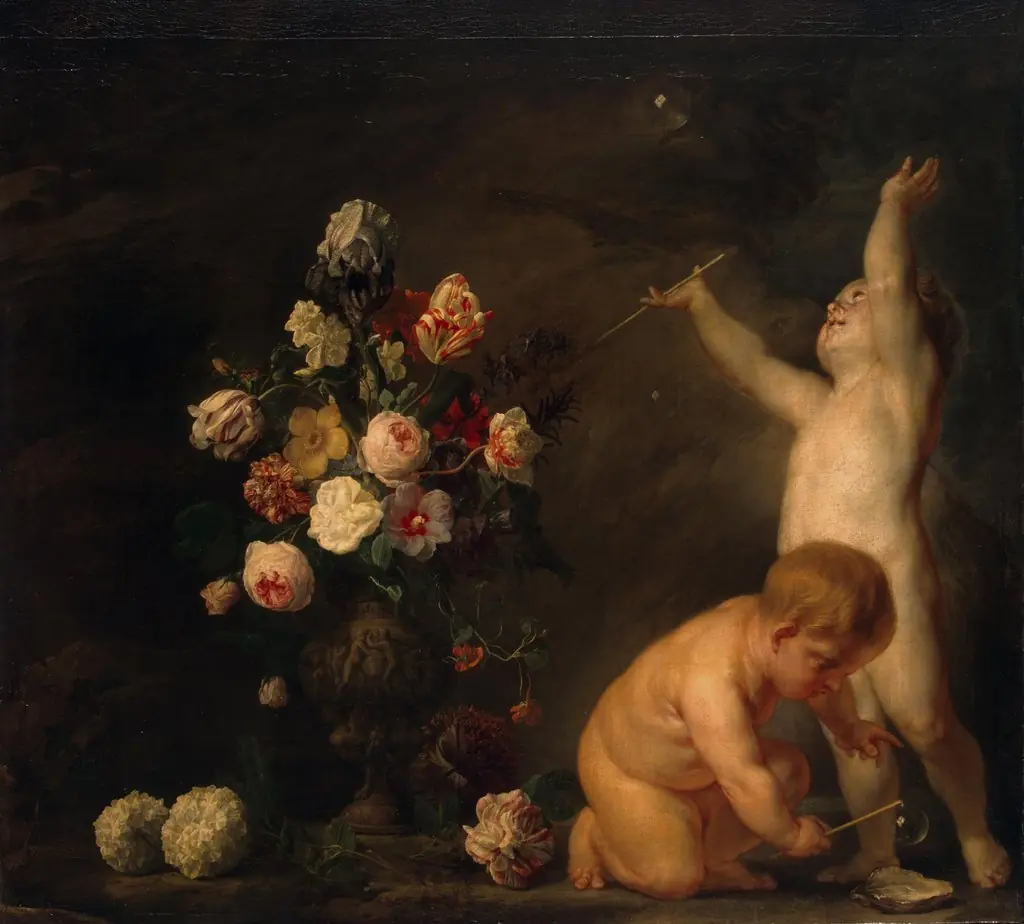 Vanitas
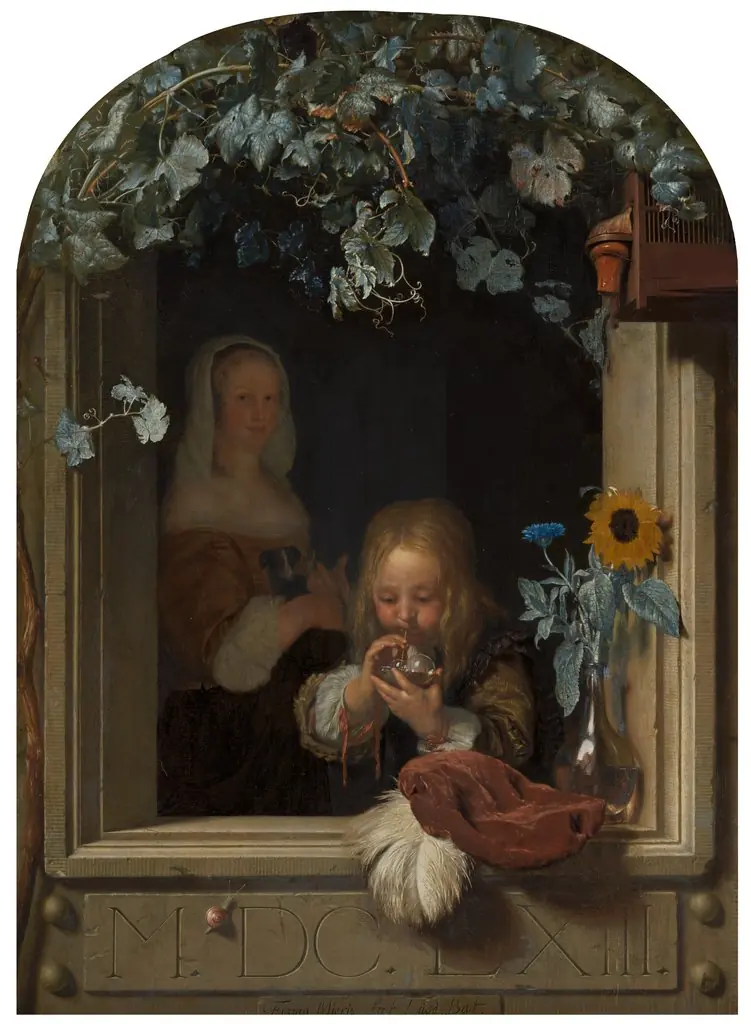 A Boy Blowing Bubbles
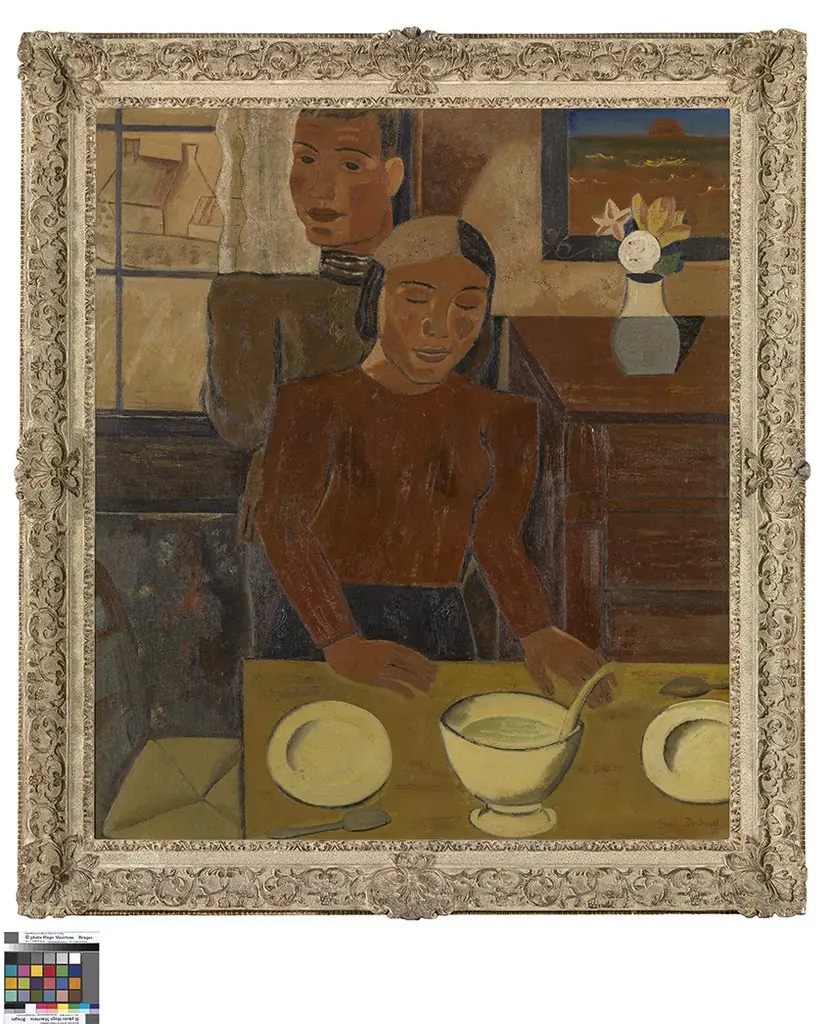 De maaltijd
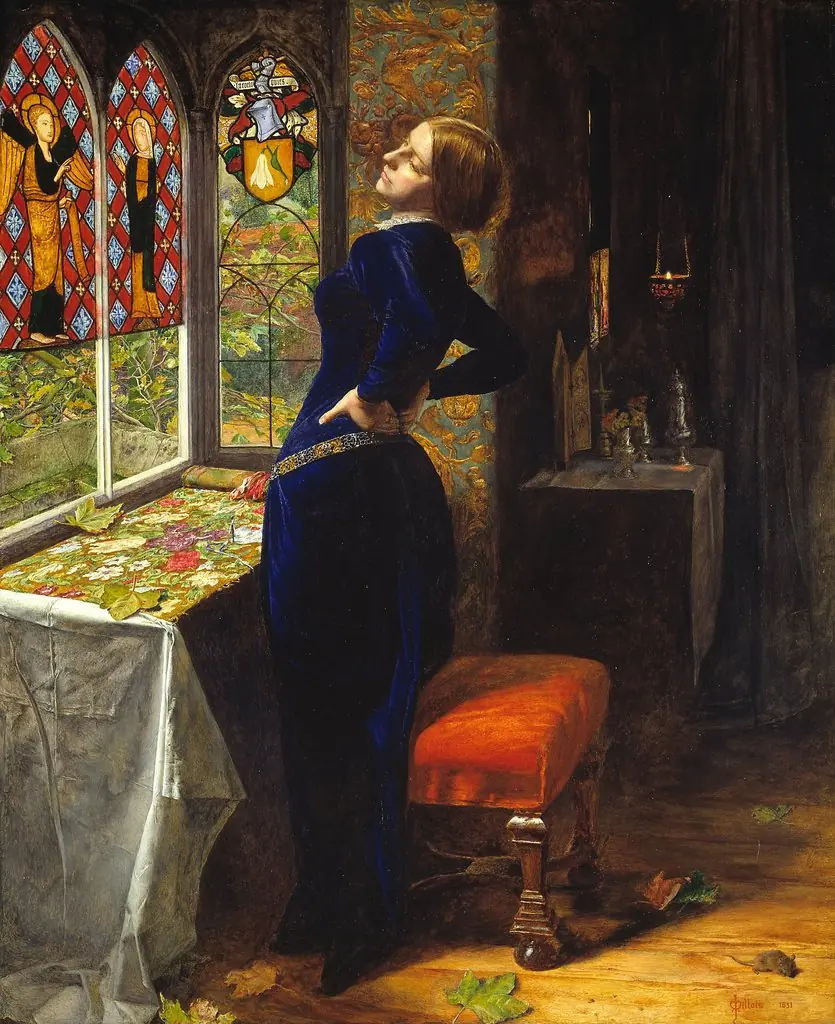 Mariana
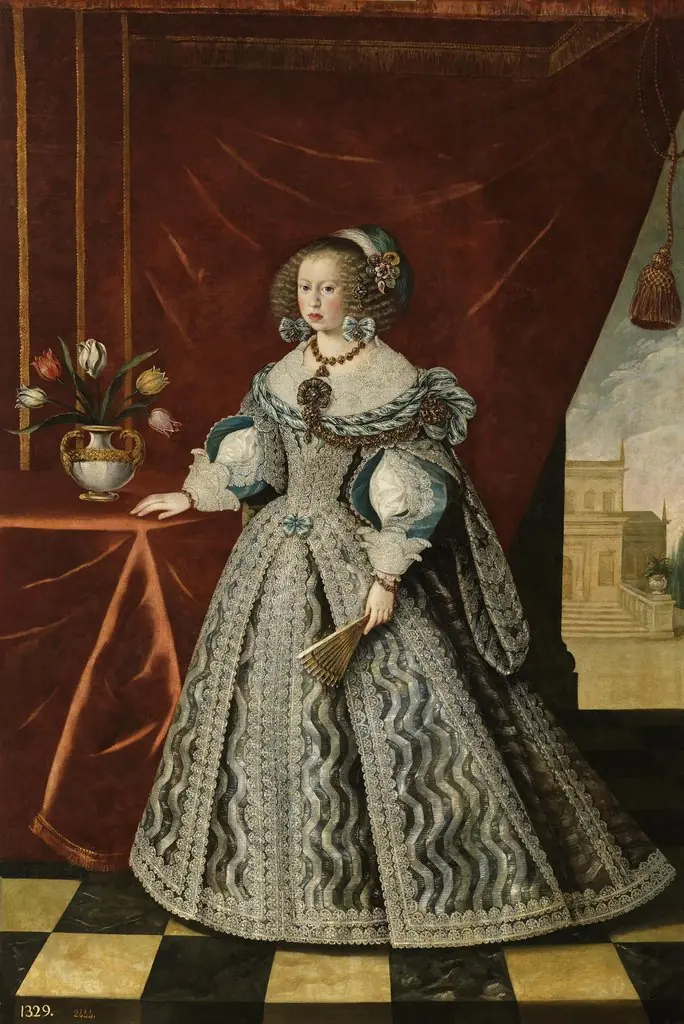 Mariana of Austria
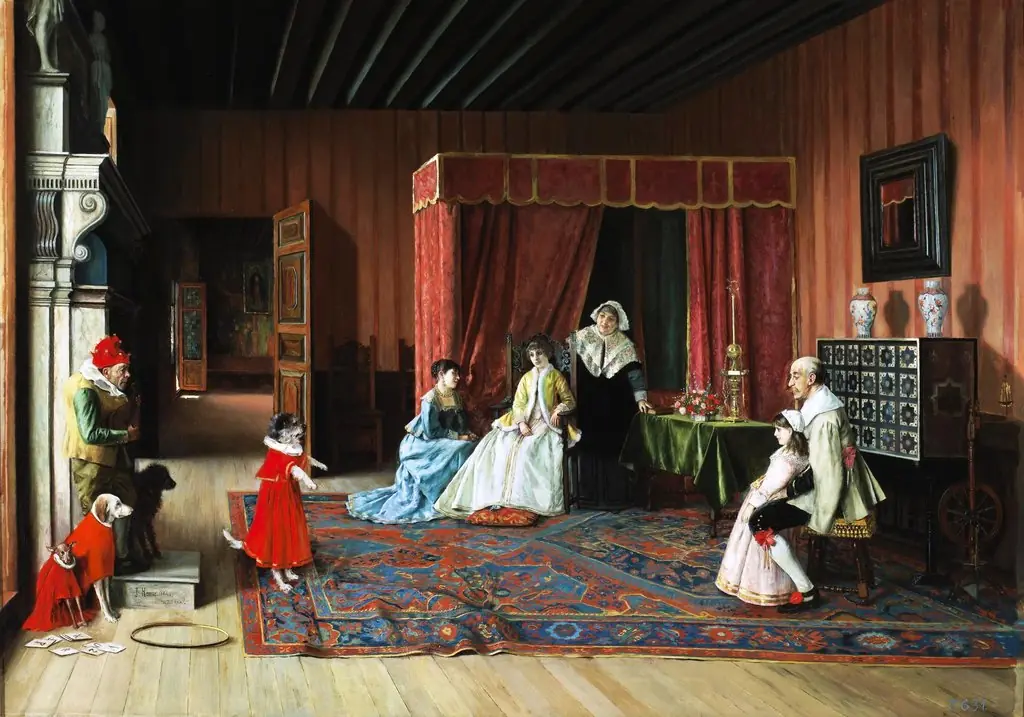 El pasatiempo
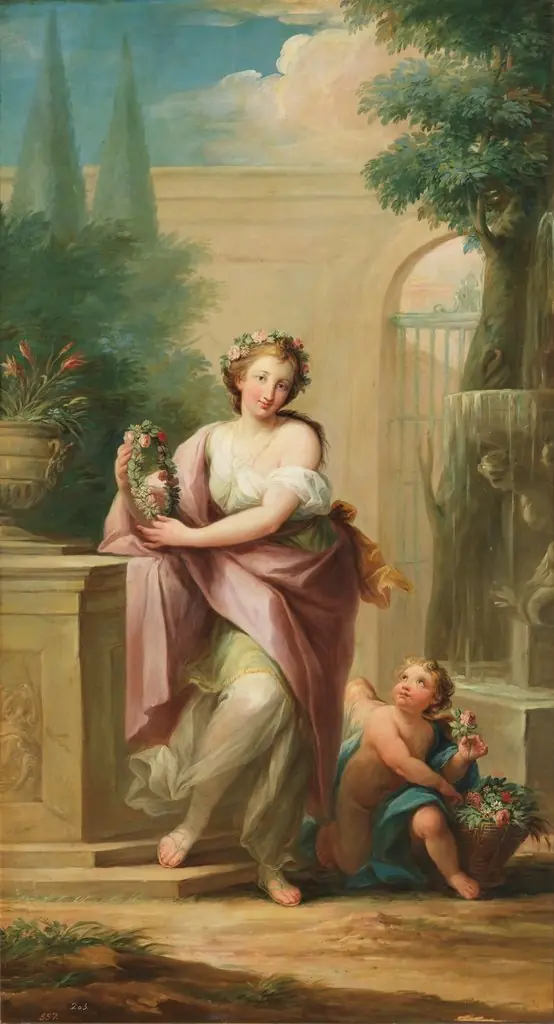 Spring
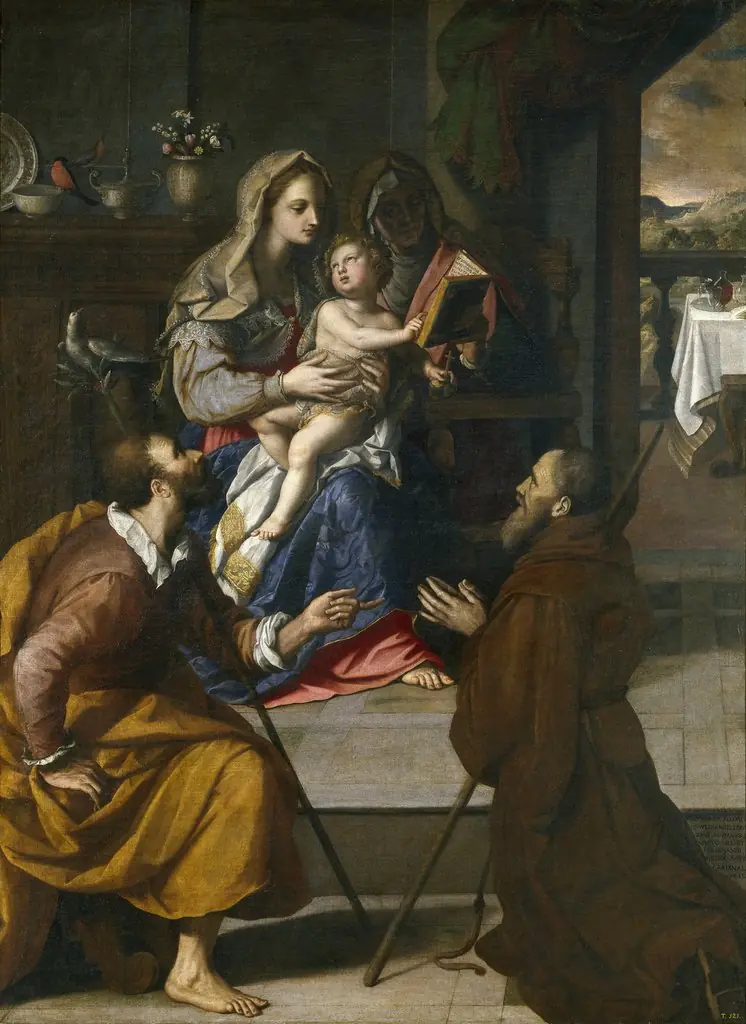 The Holy Family of Cardinal Fernando de’ Medici
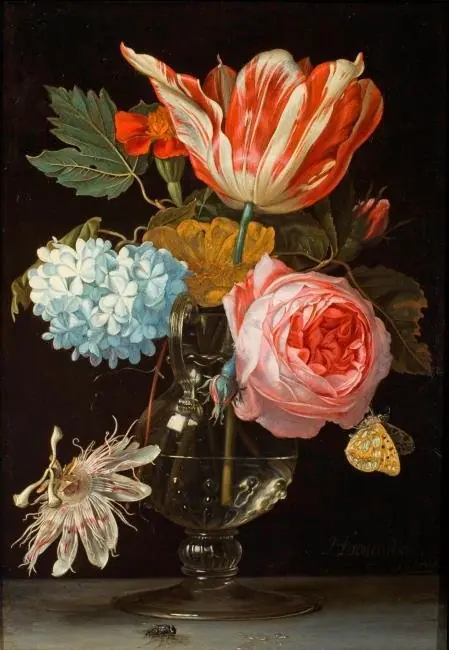 Flowers in a vase with a passion flower
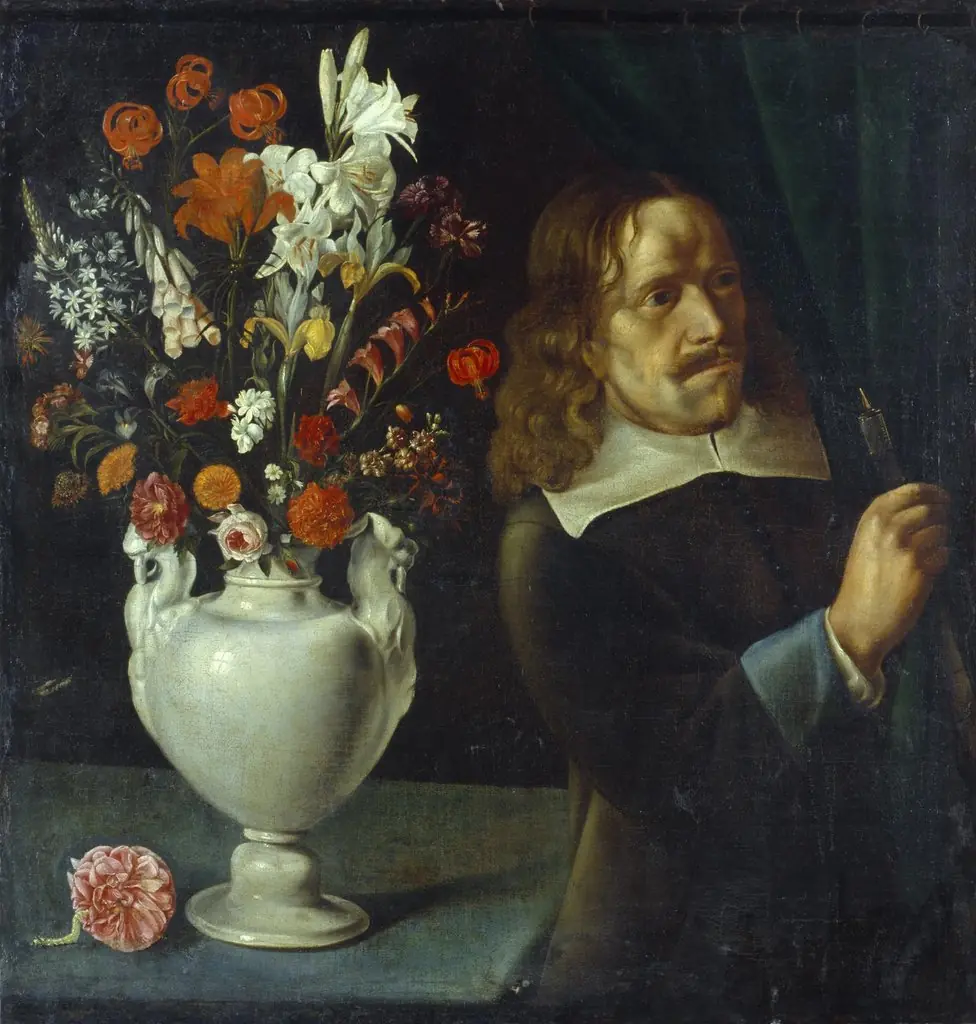 Man with a Vase
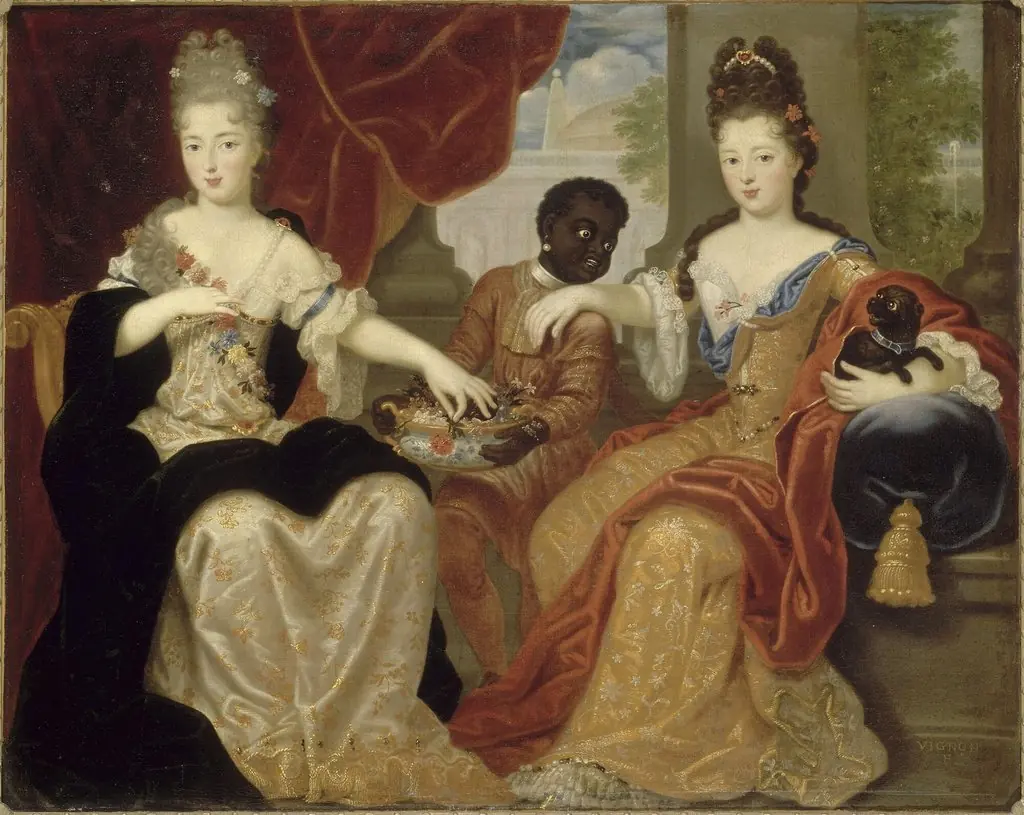 Françoise-Marie de Bourbon known as Mademoiselle de Blois and Louise-Françoise de Bourbon known as Mademoiselle de Nantes
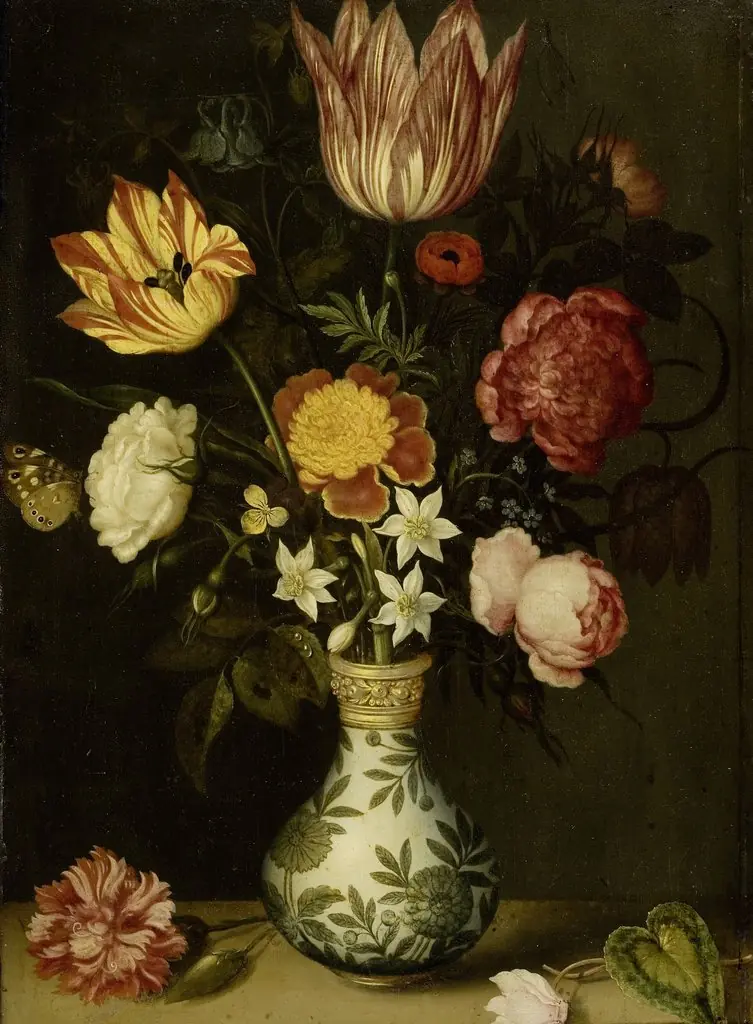 Still life with flowers in a Wan-li vase
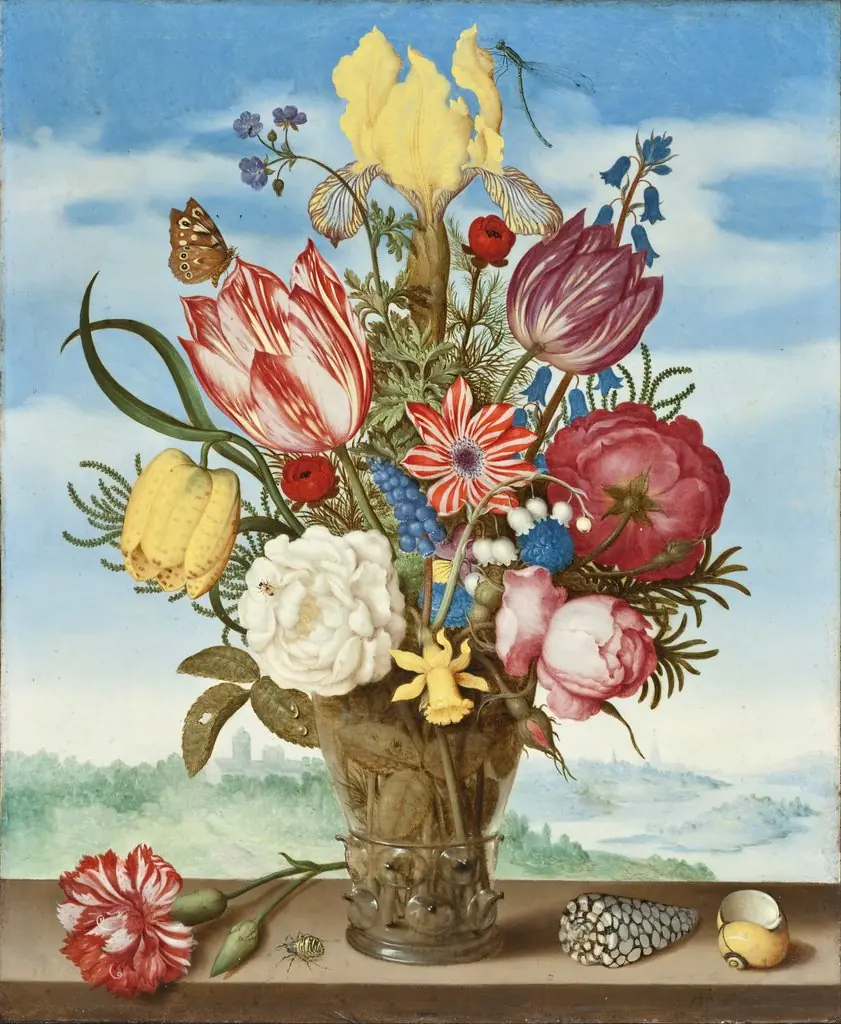 Bouquet of Flowers on a Ledge
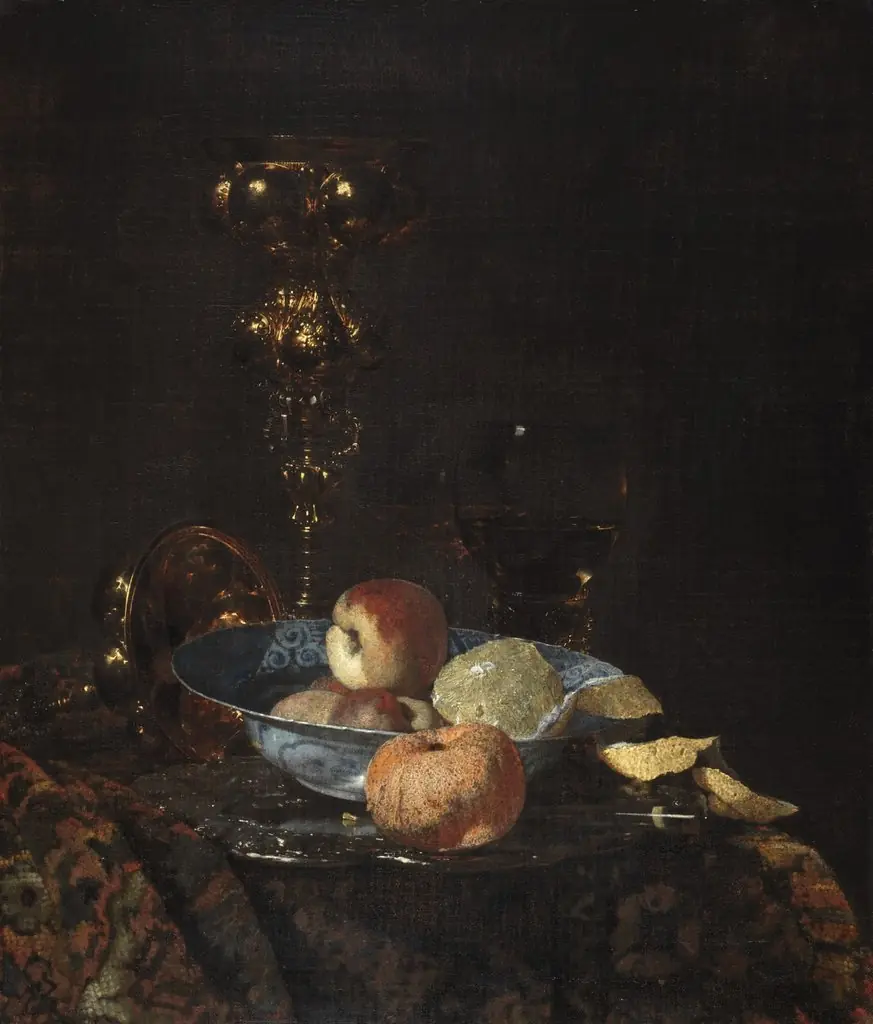 Still Life with Columbine Goblet
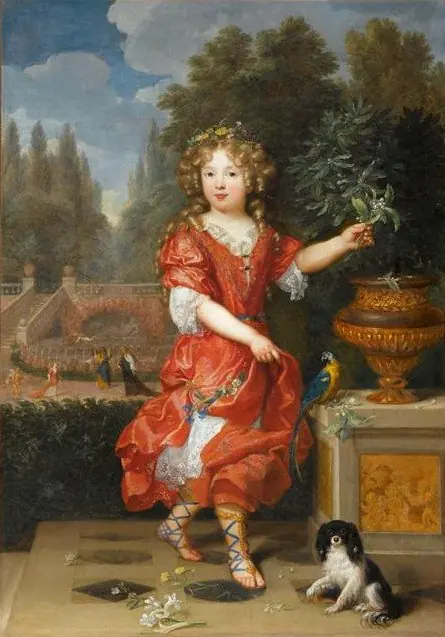 Presumed portrait of Mademoiselle de Blois
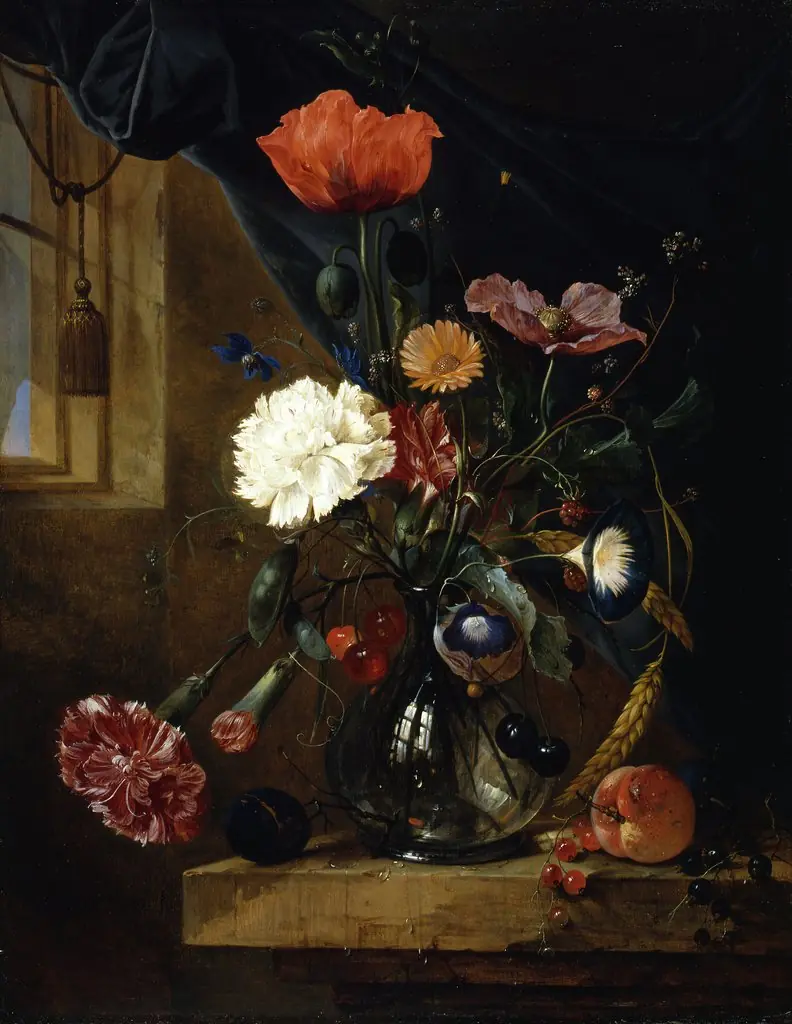 Bouquet in a Glass Vase
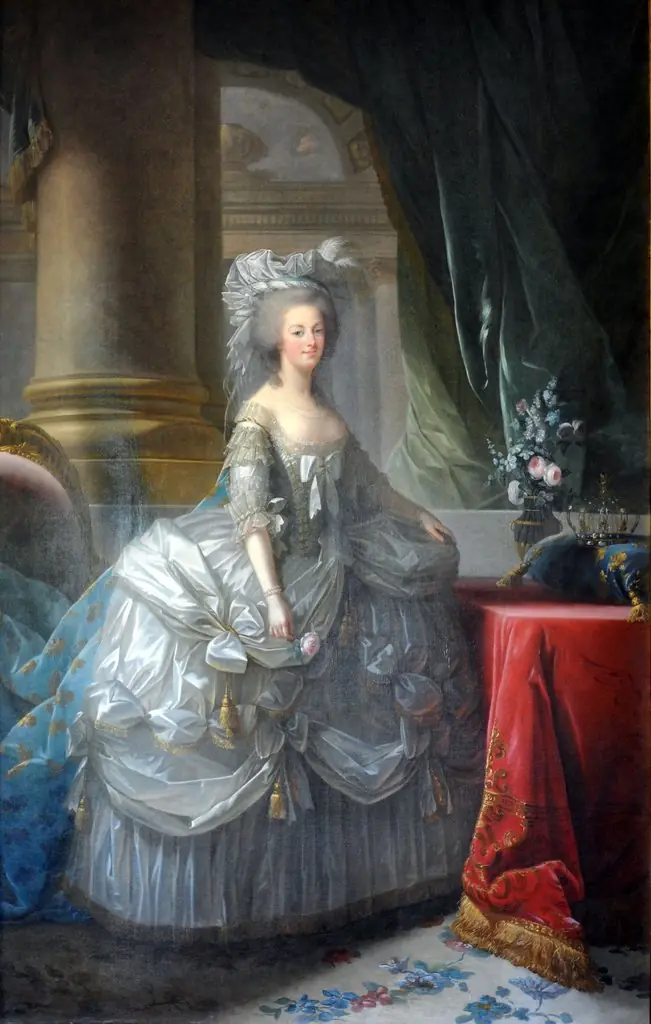 Marie Antoinette in Court Dress
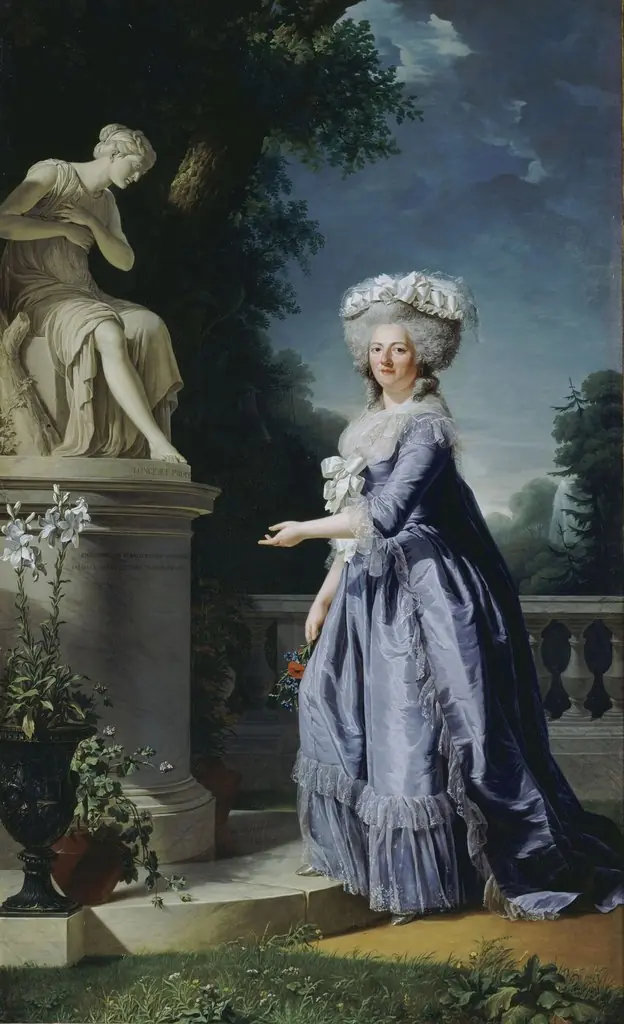 Madame Victoire of France
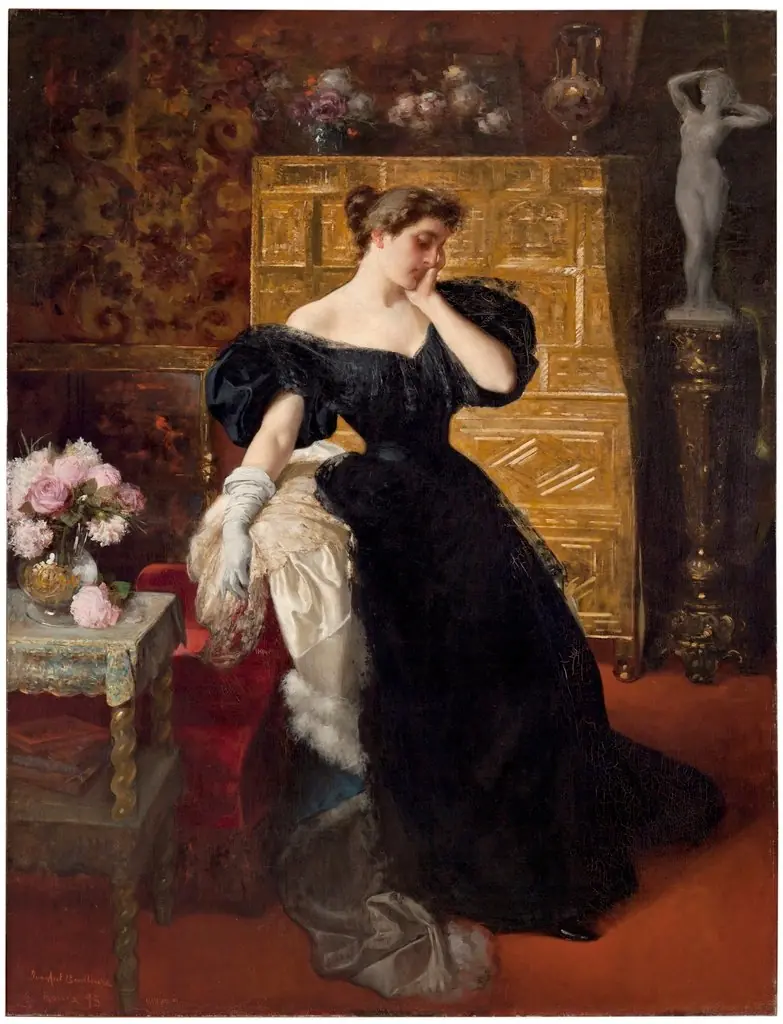 Después del baile
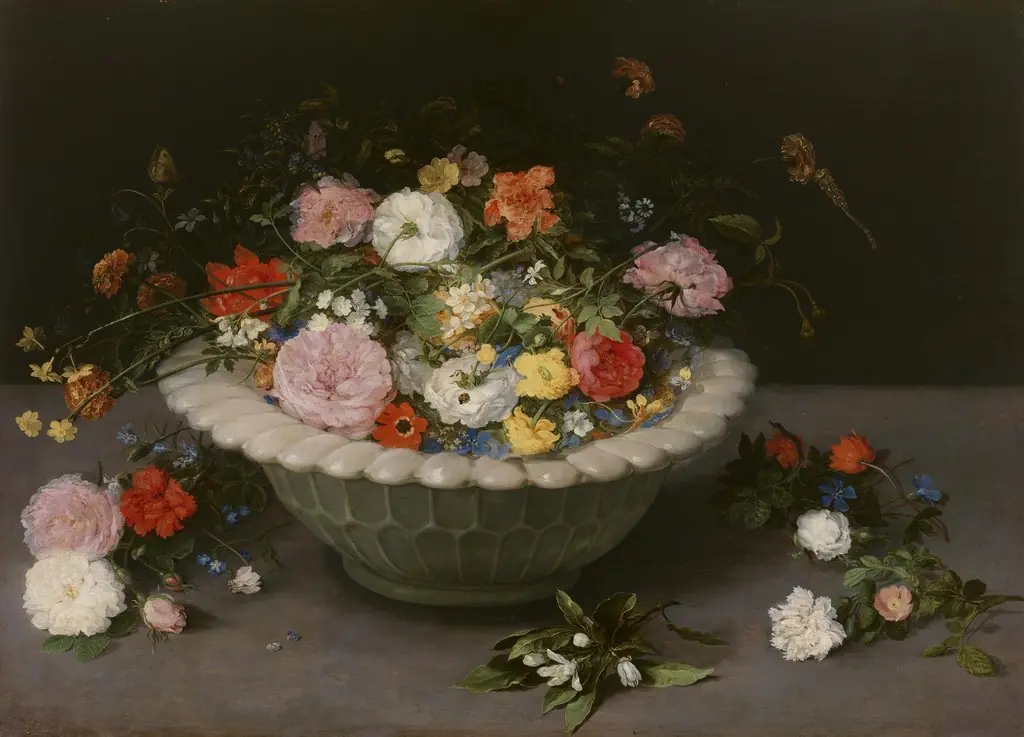 Flowers in a Bowl
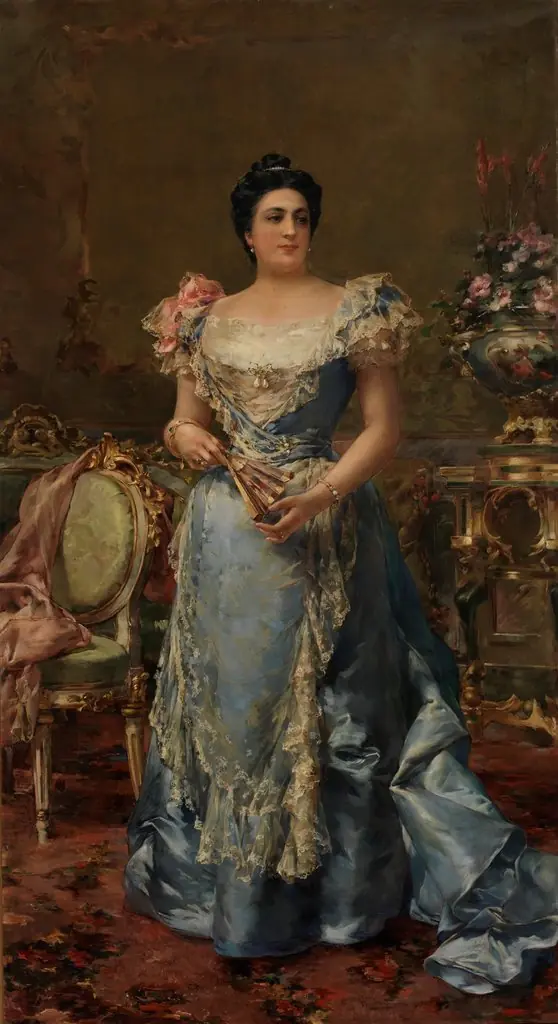 Faustina Peñalver y Fauste marquesa de Amboage
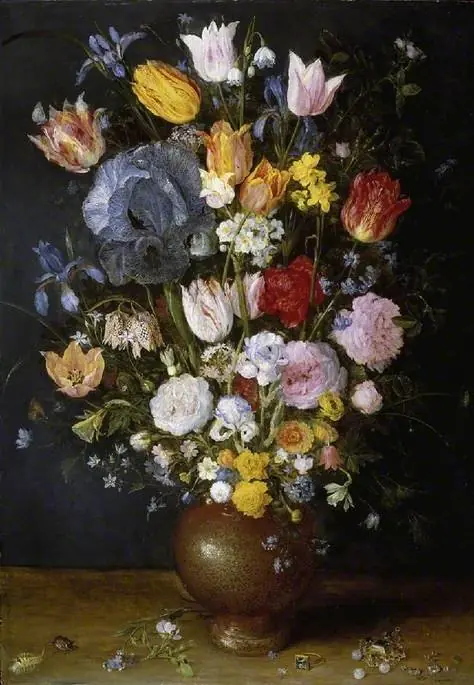 A stoneware vase of flowers
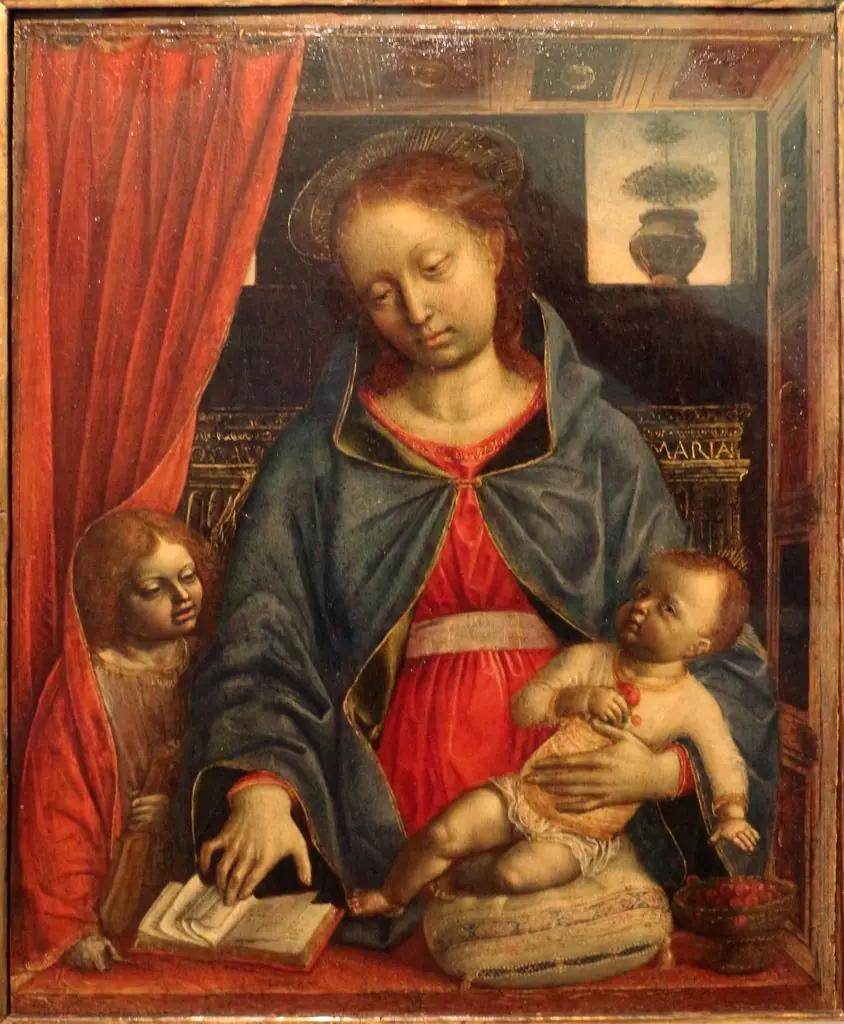 Madonna and Child with an Angel
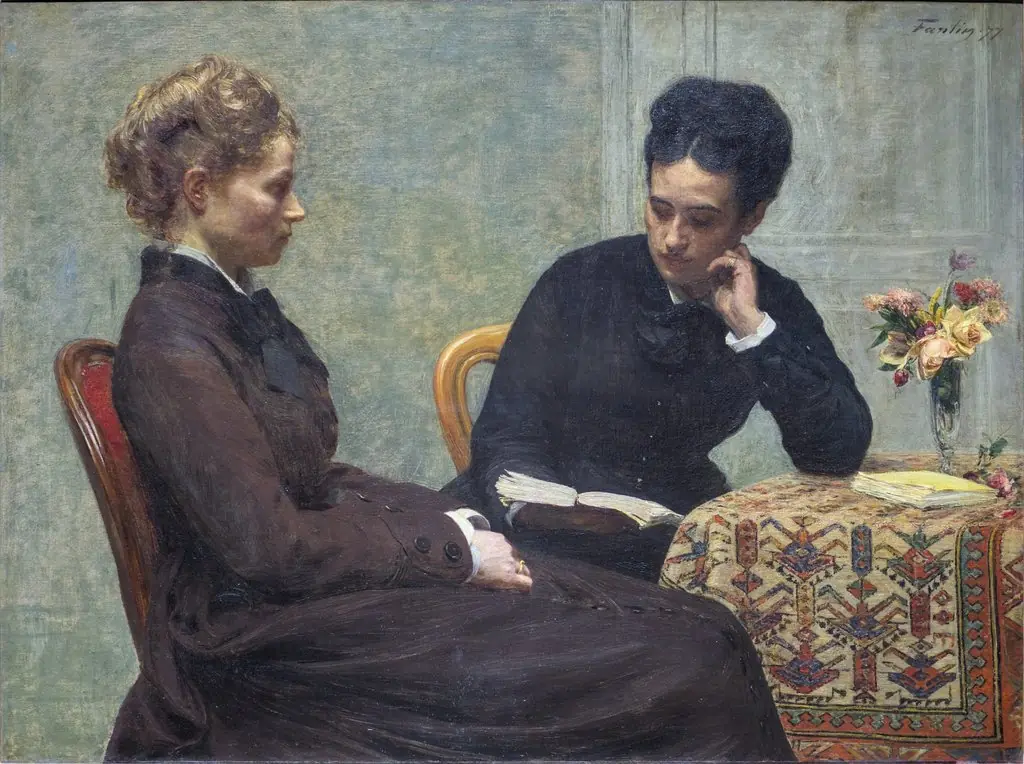 The Reading
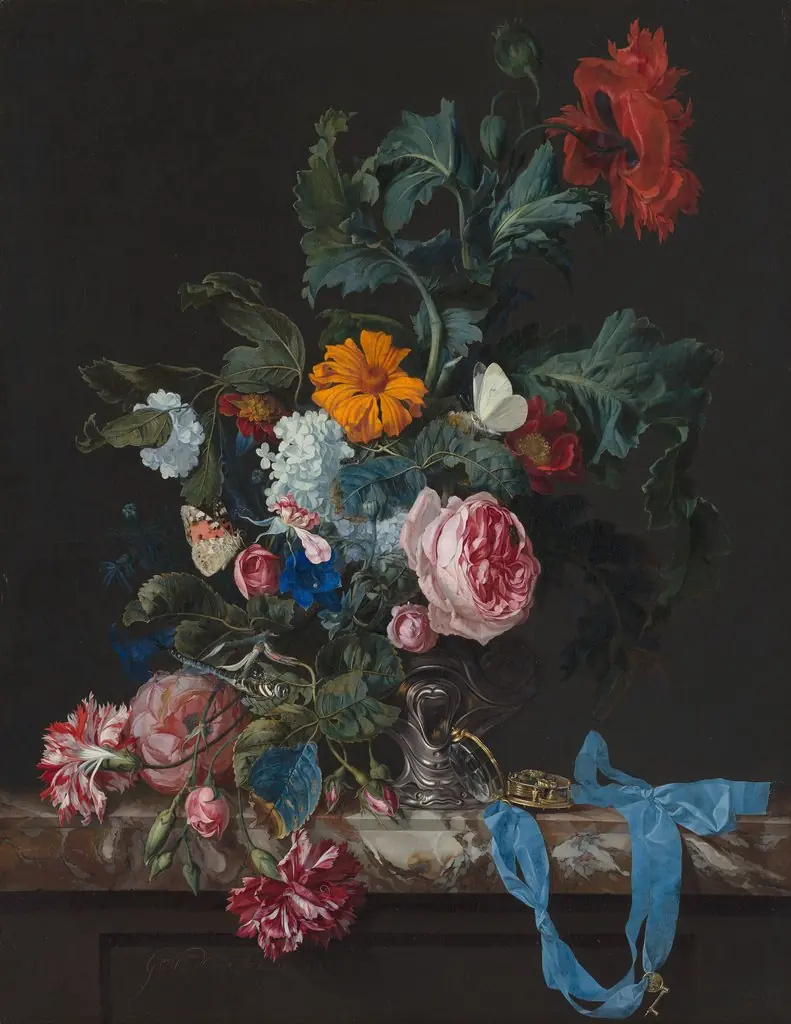 Flower still life with a watch
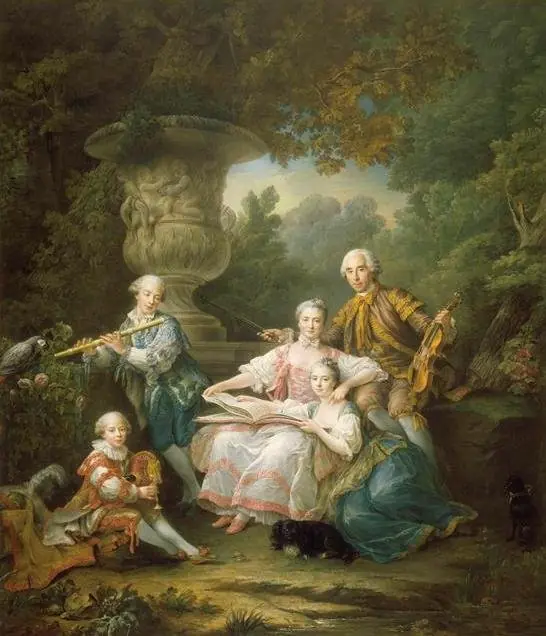 The Sourches family
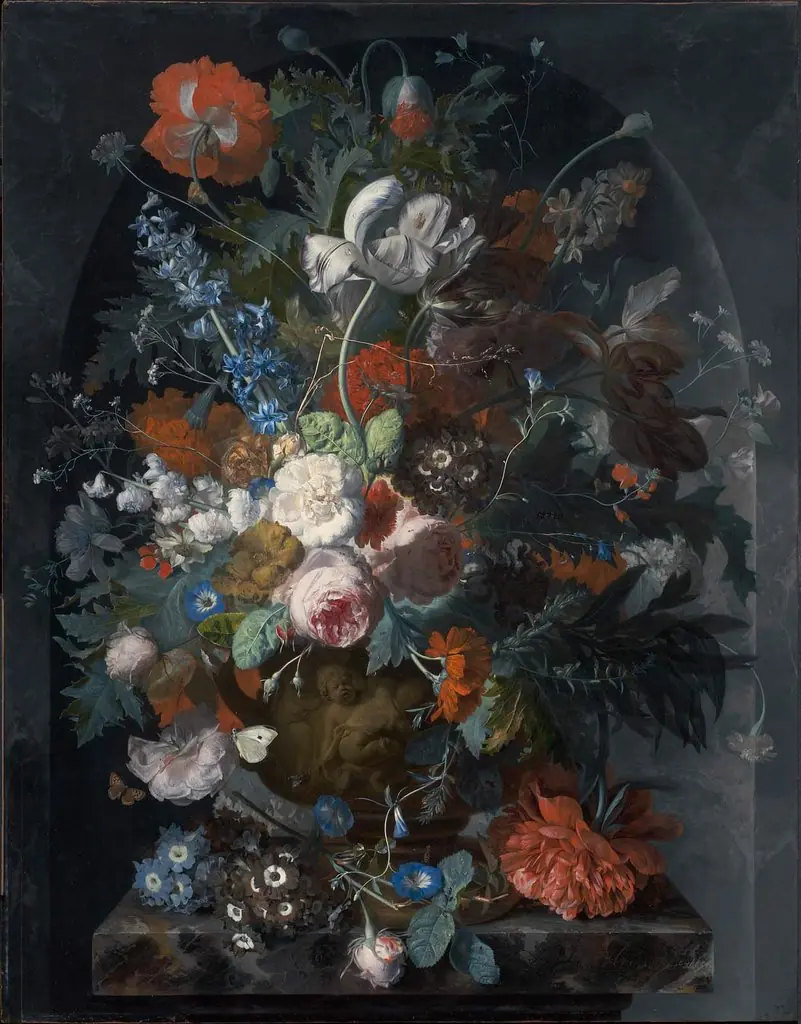 Vase of Flowers in a Niche
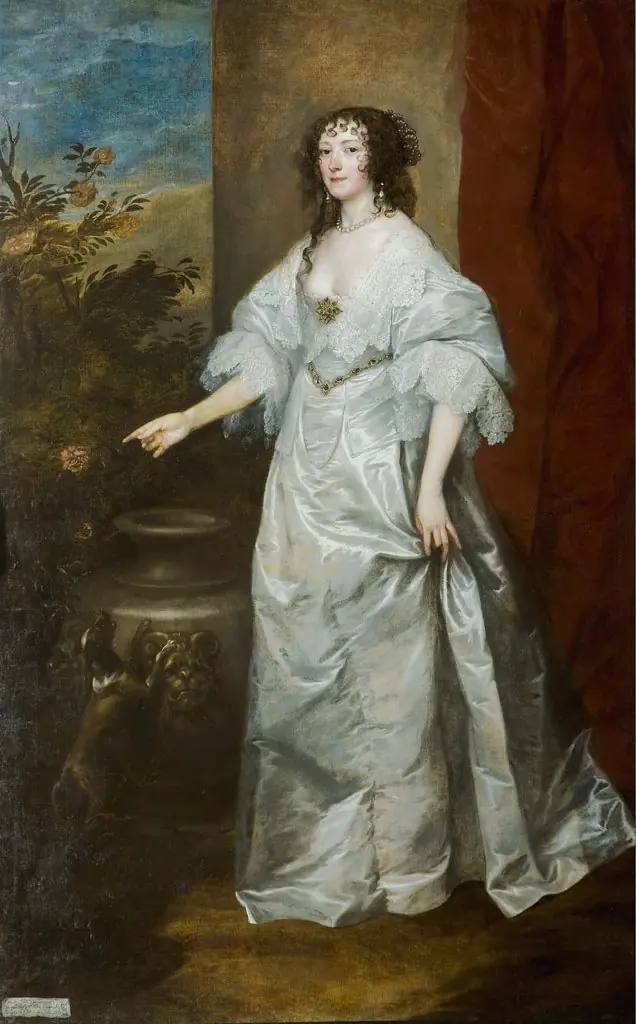 Portrait of Isabella, Lady de La Warr
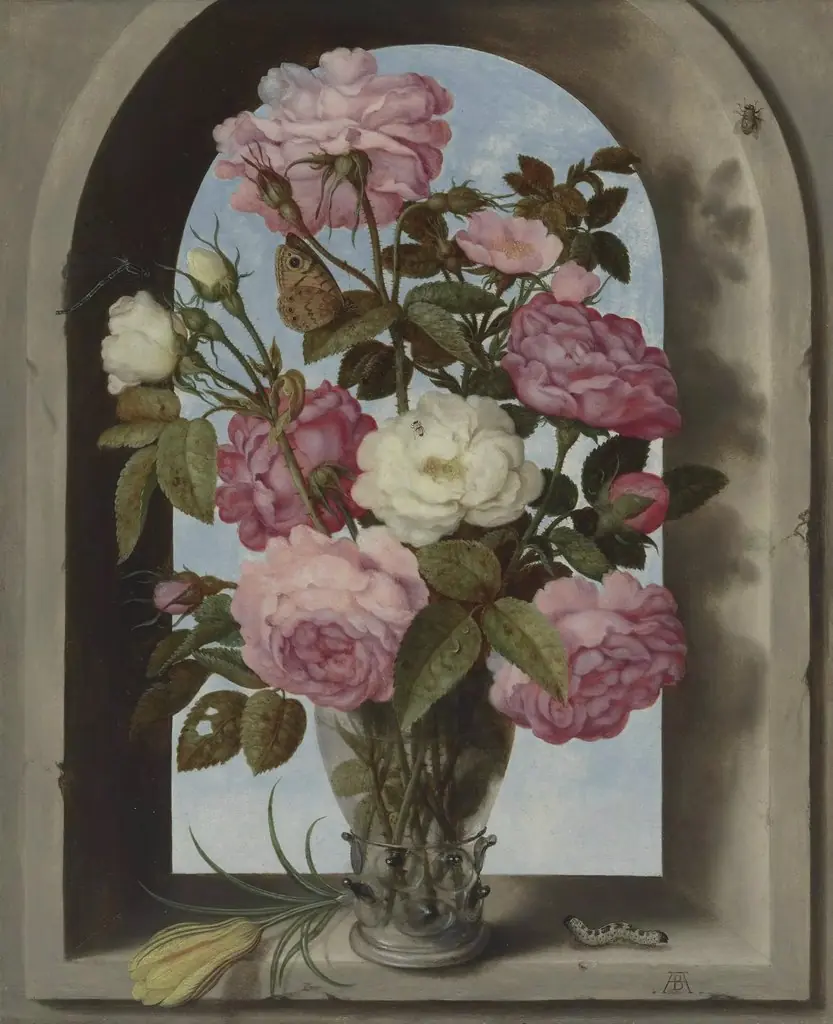 Still-life with Roses in a Glass Vase
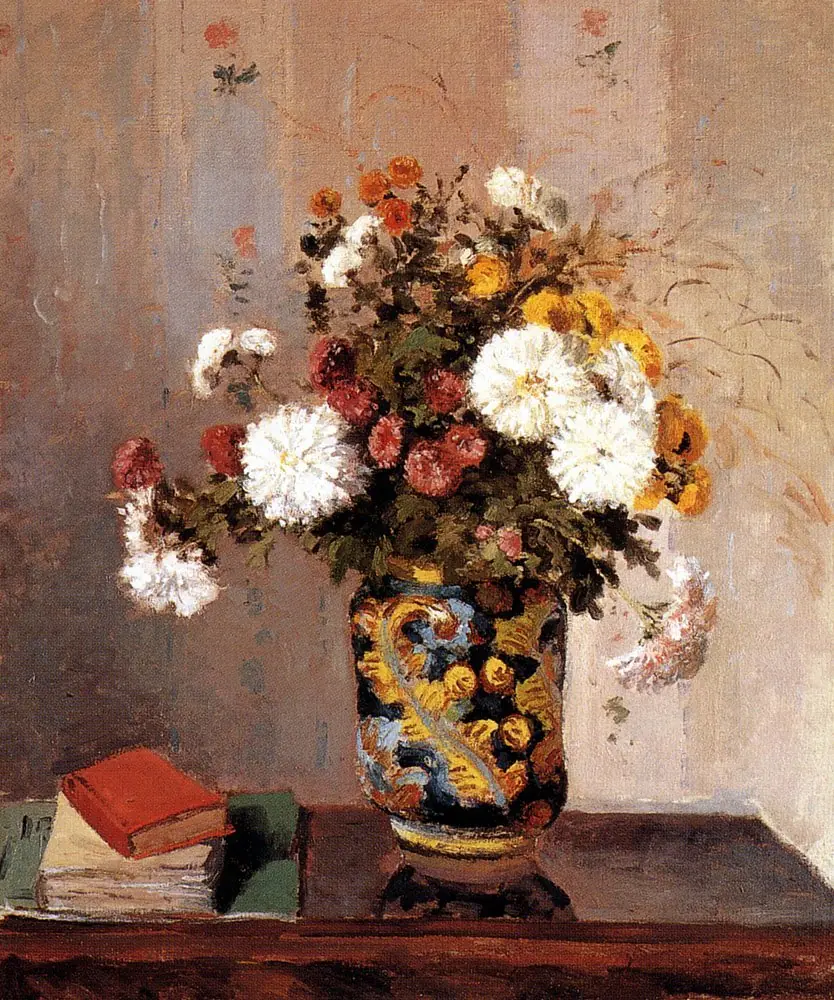 Chrysanthemums in a Chinese Vase
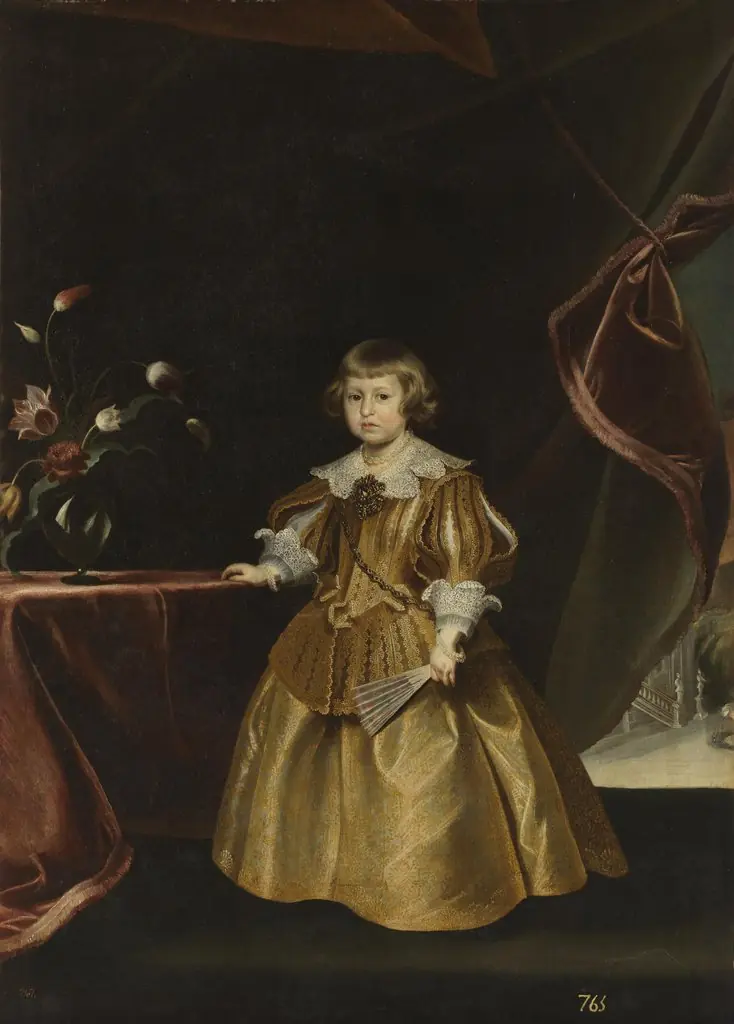 Portrait of an infanta
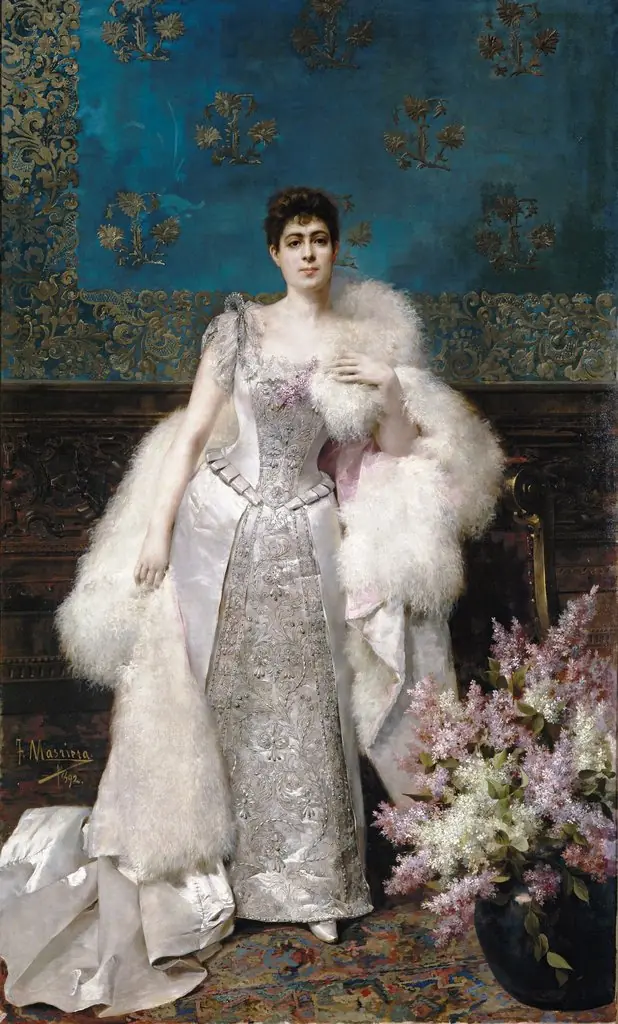 Francisca Aparicio y Mérida marquesa de Vistabella
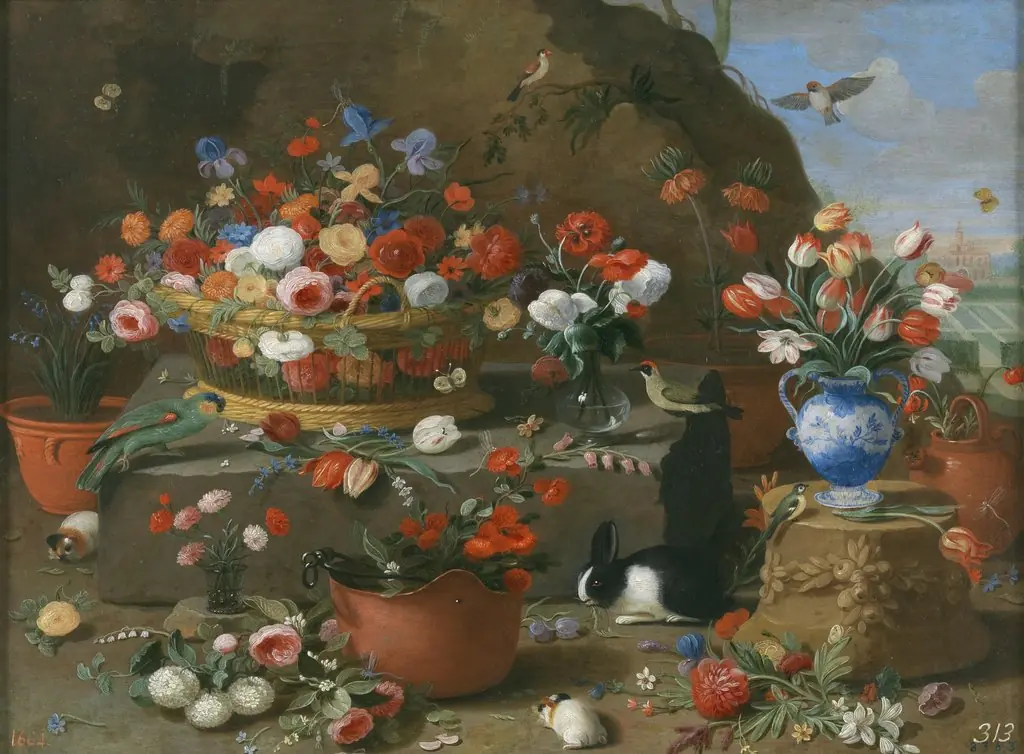 Floral Still Life
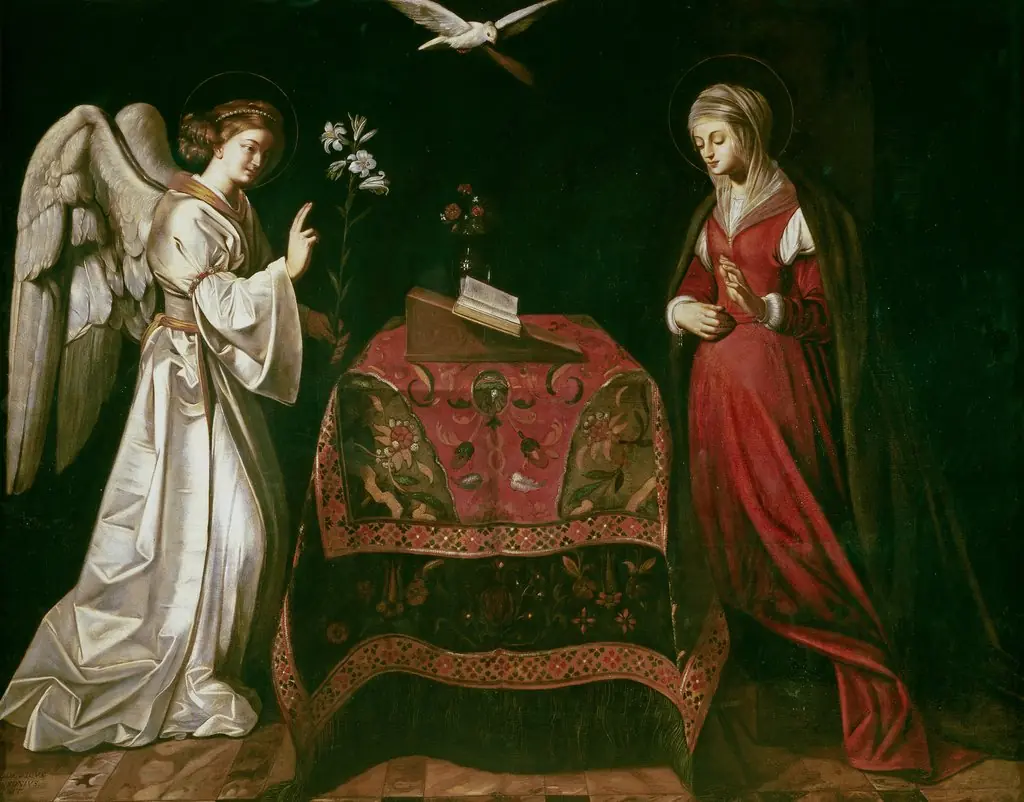 The Annunciation
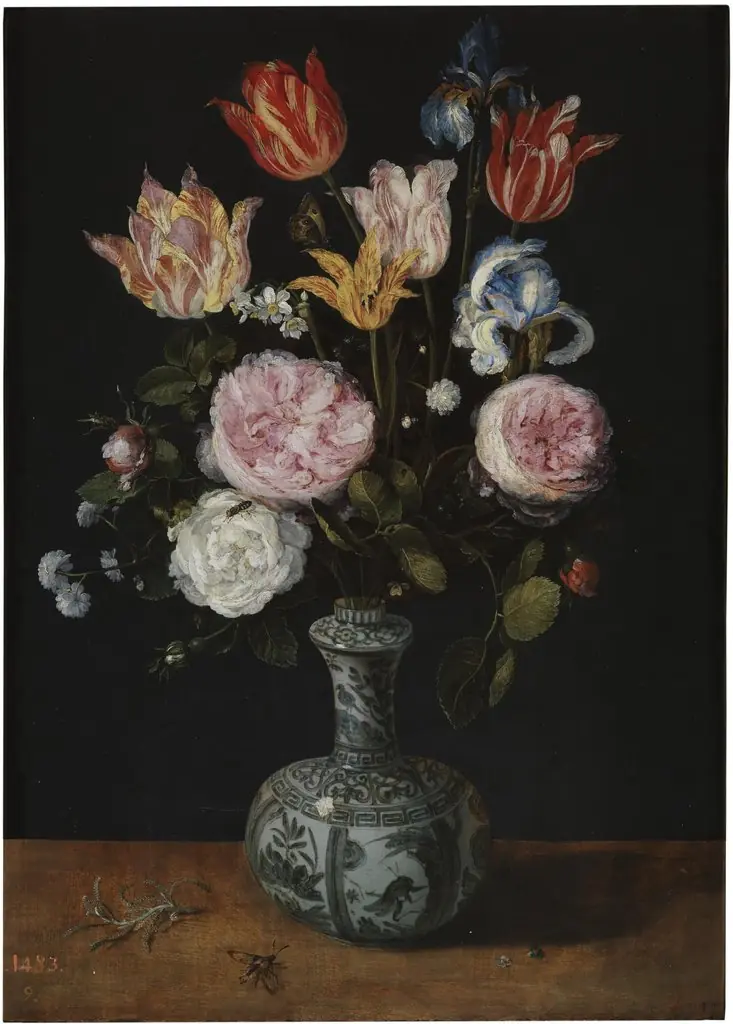 Vase of Flowers
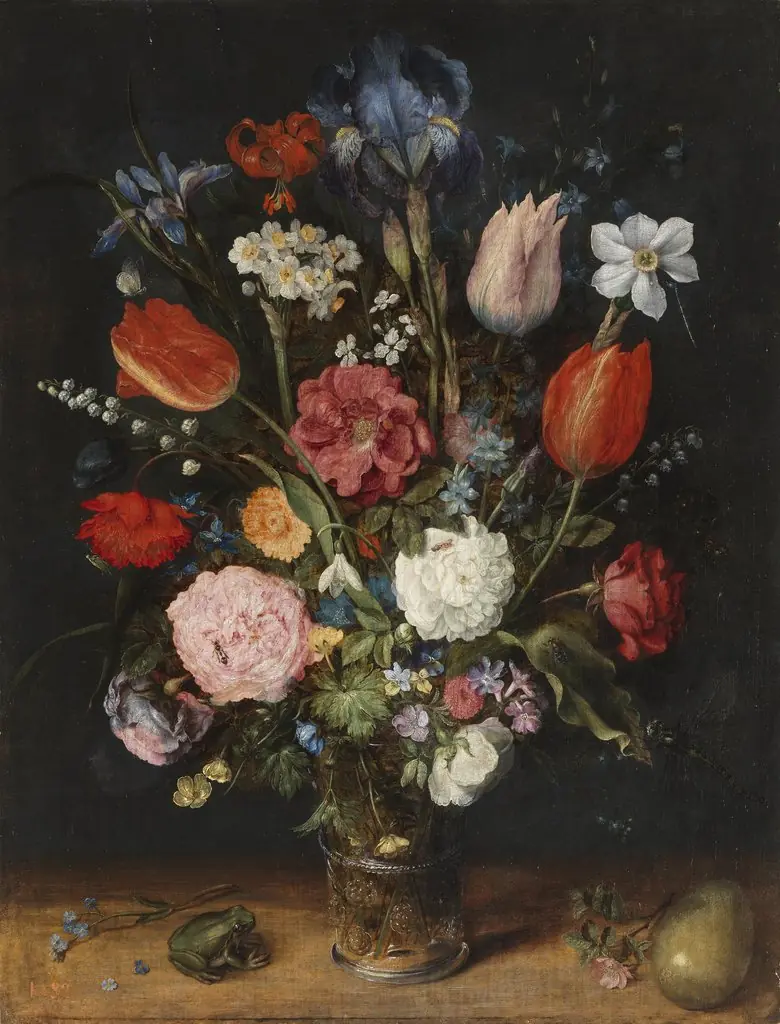 Vase of Flowers
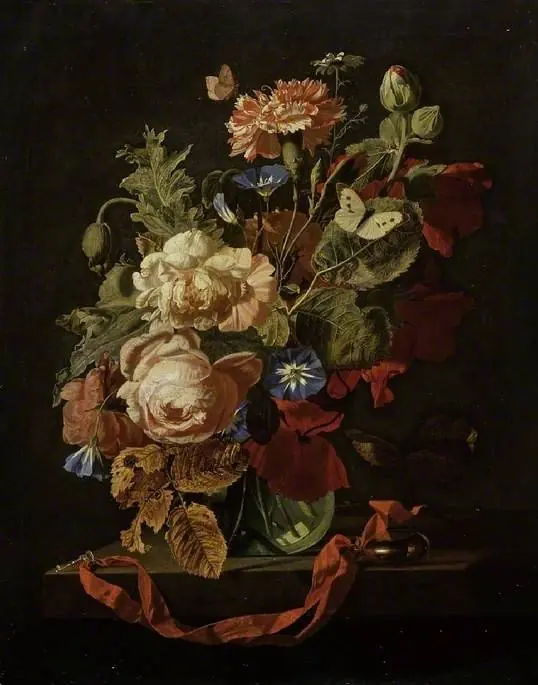 A Vase of Flowers
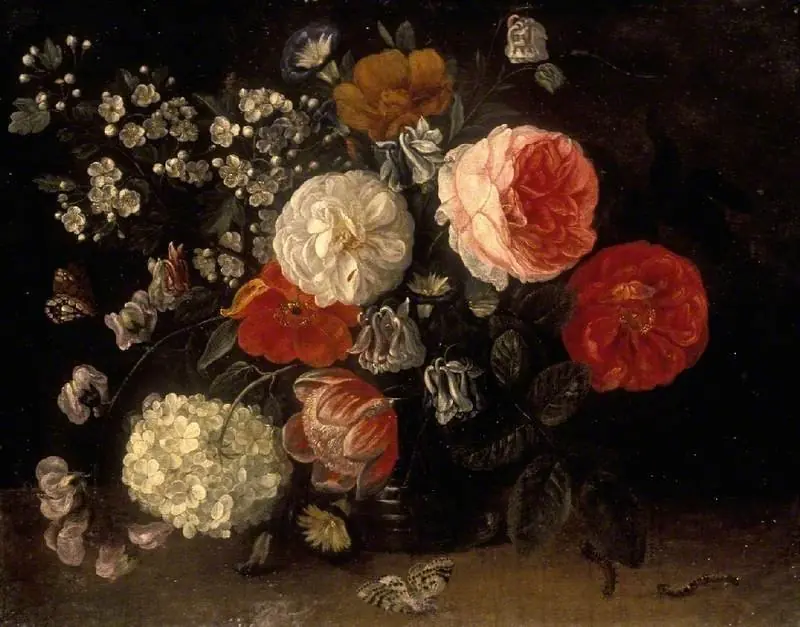 A vase of flowers
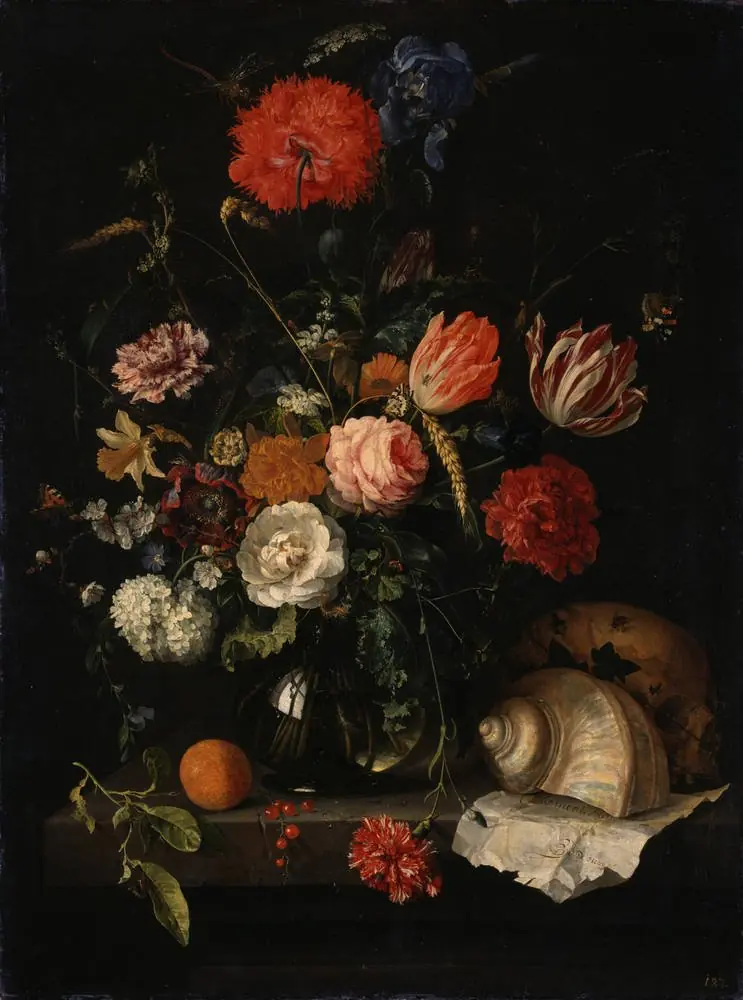 Memento Mori with a Skull under a Vase with Flowers
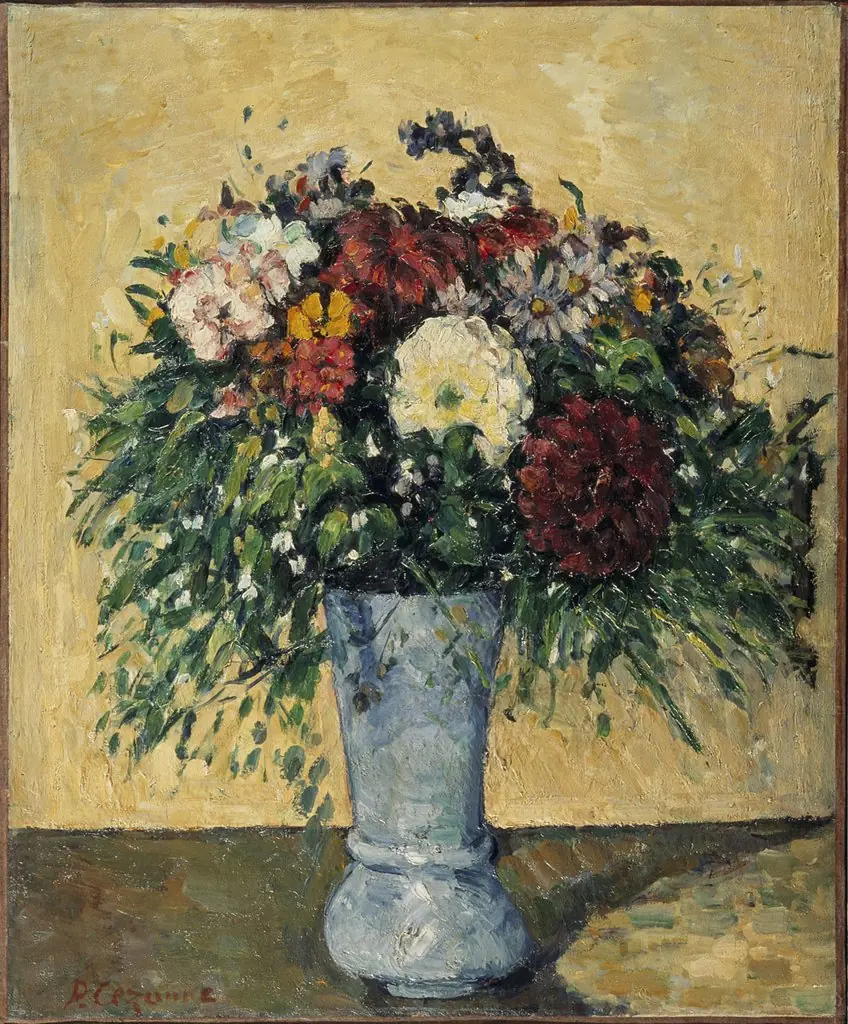 Flowers in a blue vase
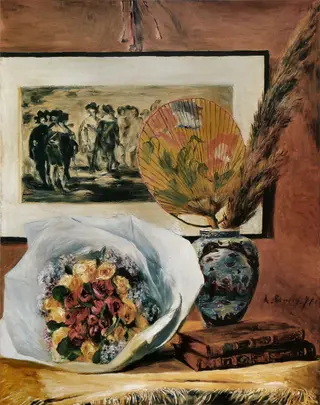 Still Life with Bouquet and Fan
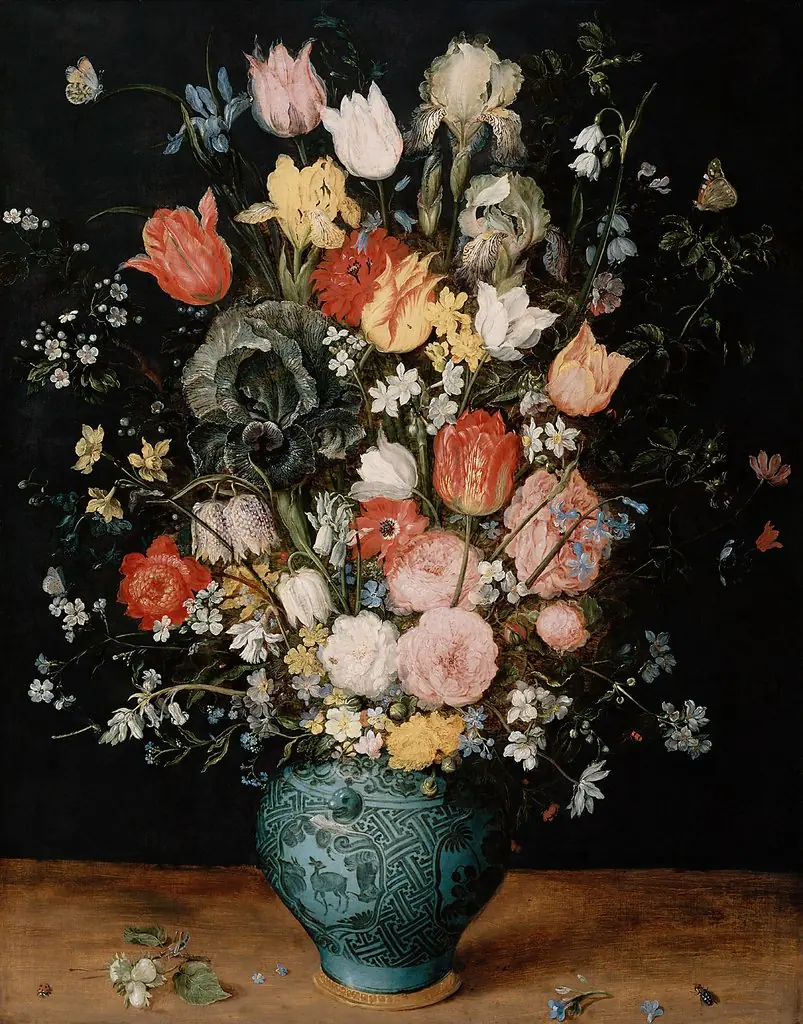 Chinese porcelain vase of flowers on a tabletop
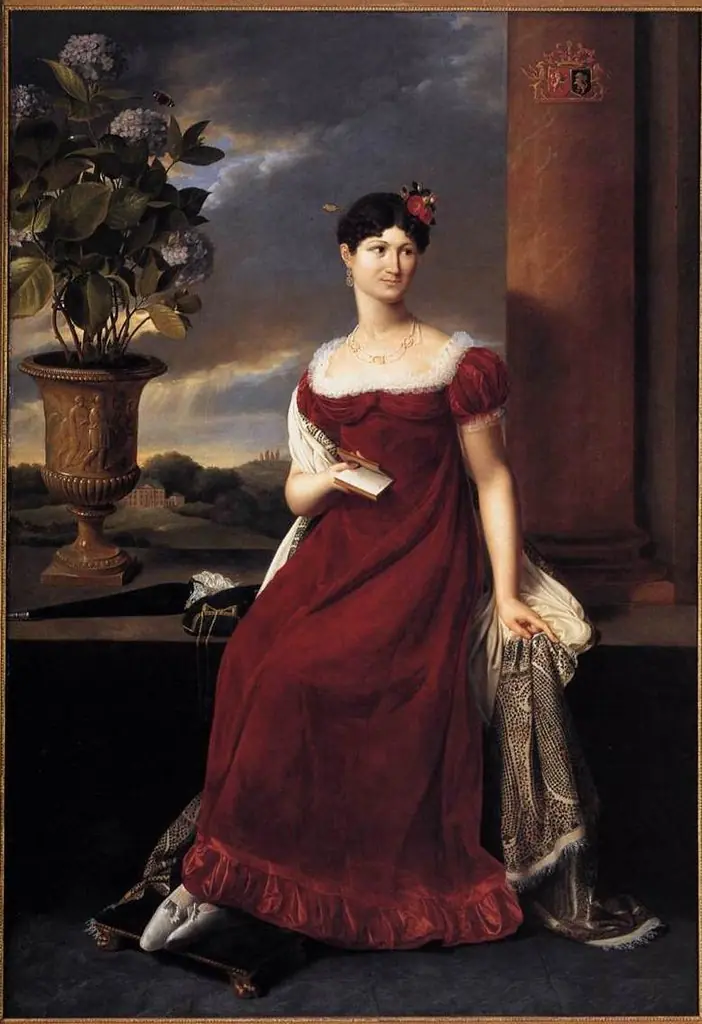 Mary Lodge, Bride of Baron Charles-Louis de Keverberg de Kessel
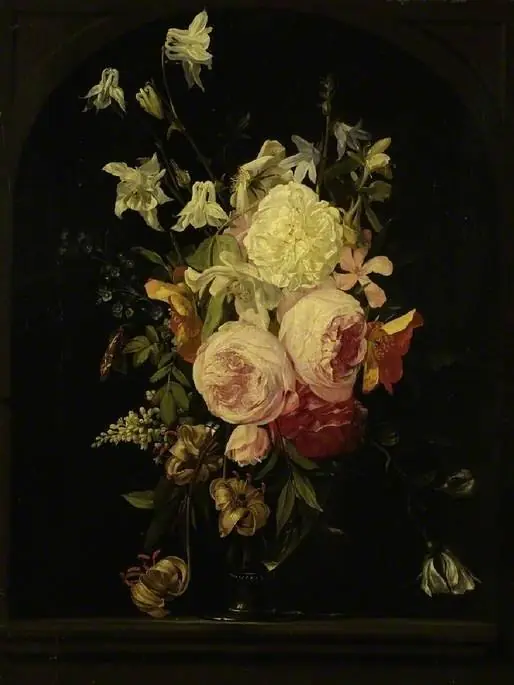 A vase of flowers
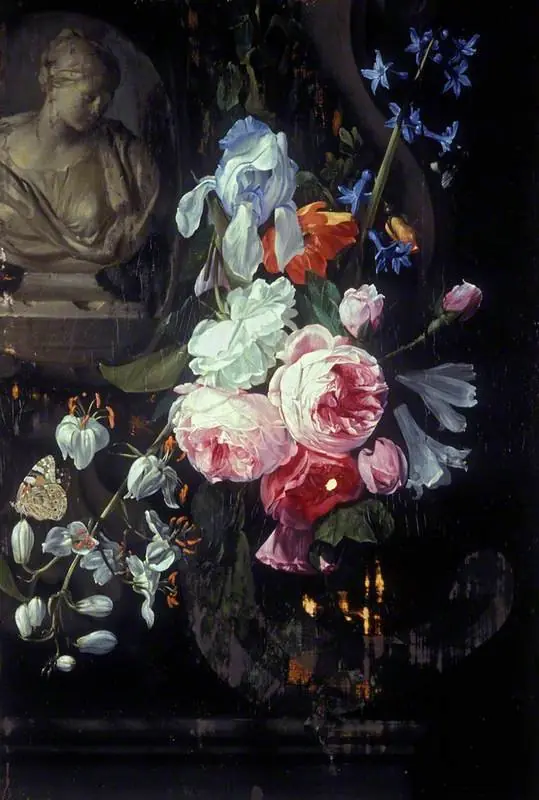 A vase of flowers
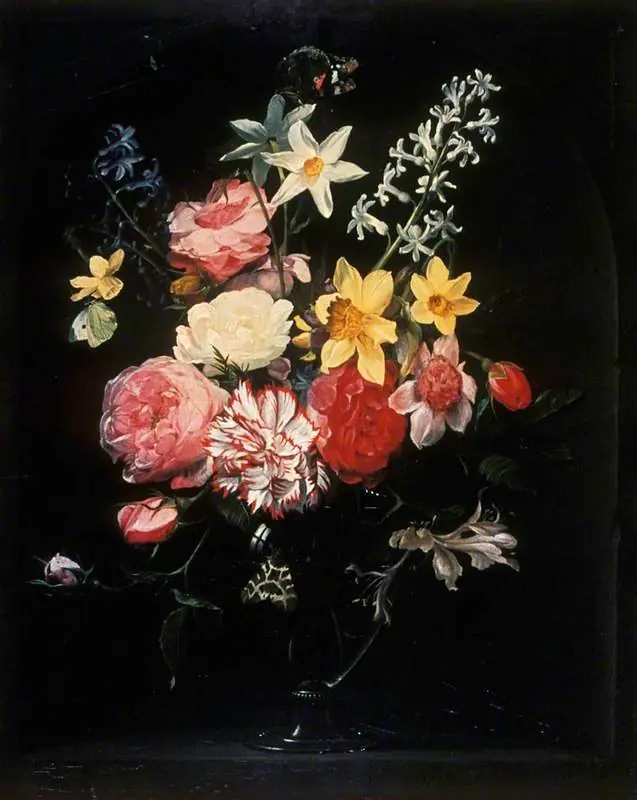 A vase of flowers
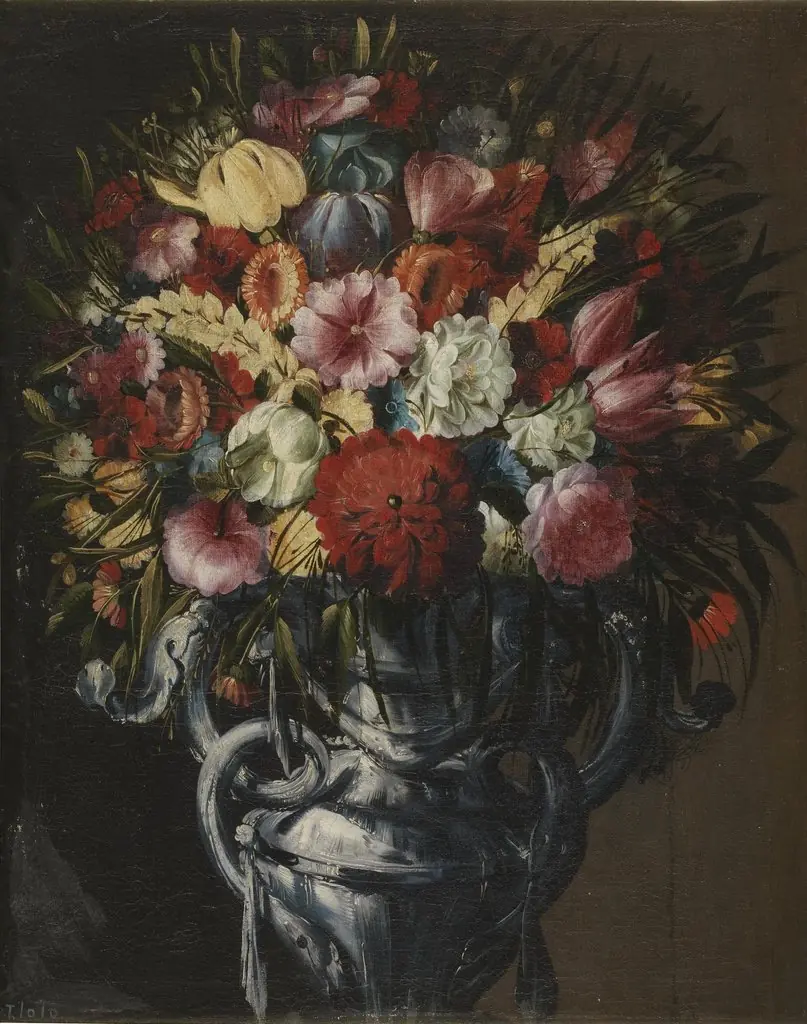 Florero
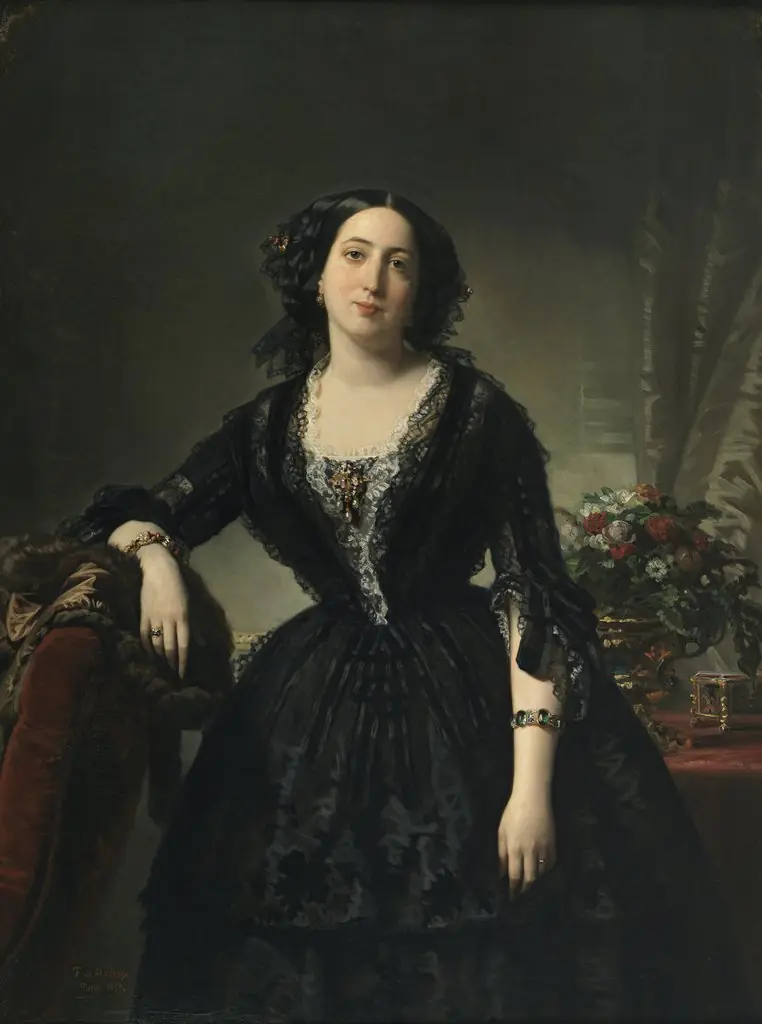 María Dolores de Aldama, Marchioness of Montelo
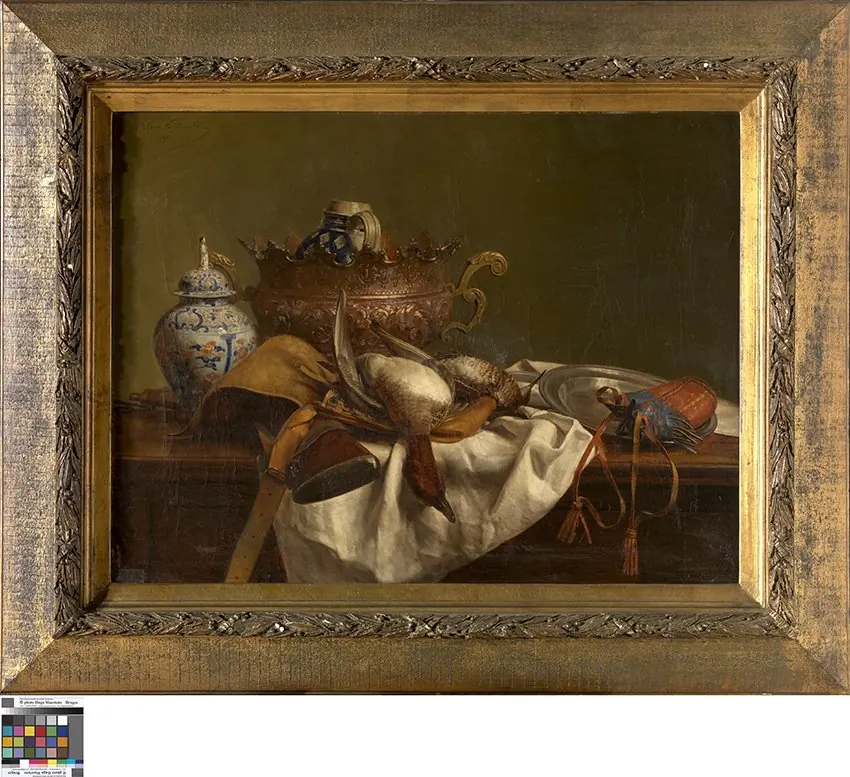 Stilleven met jachtbuit
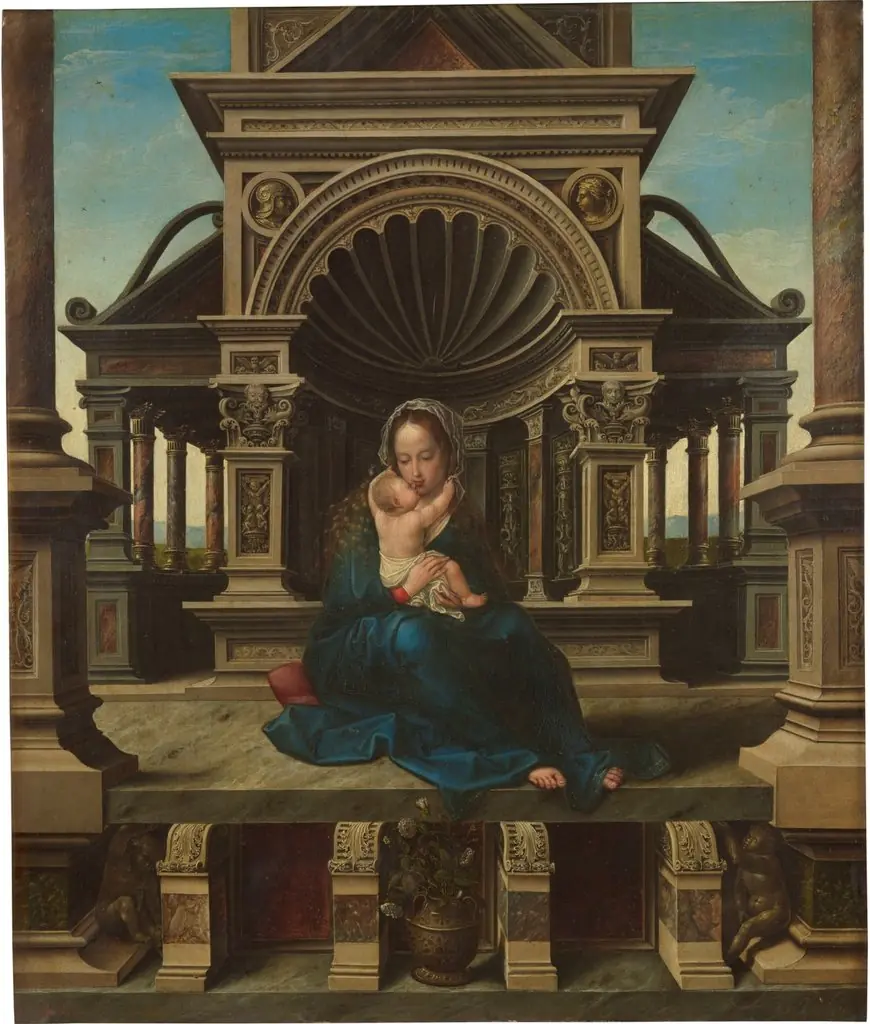 The Virgin of Louvain
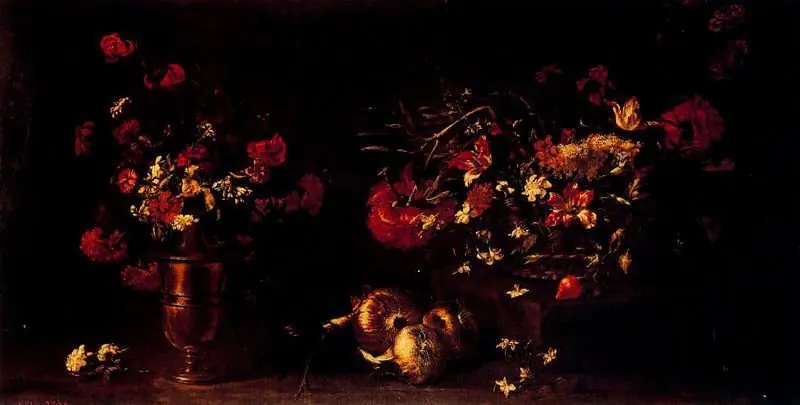 Vases and onions
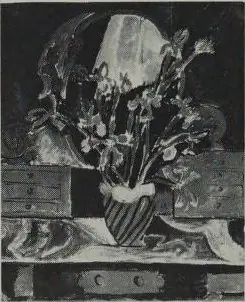 Vase of Irises
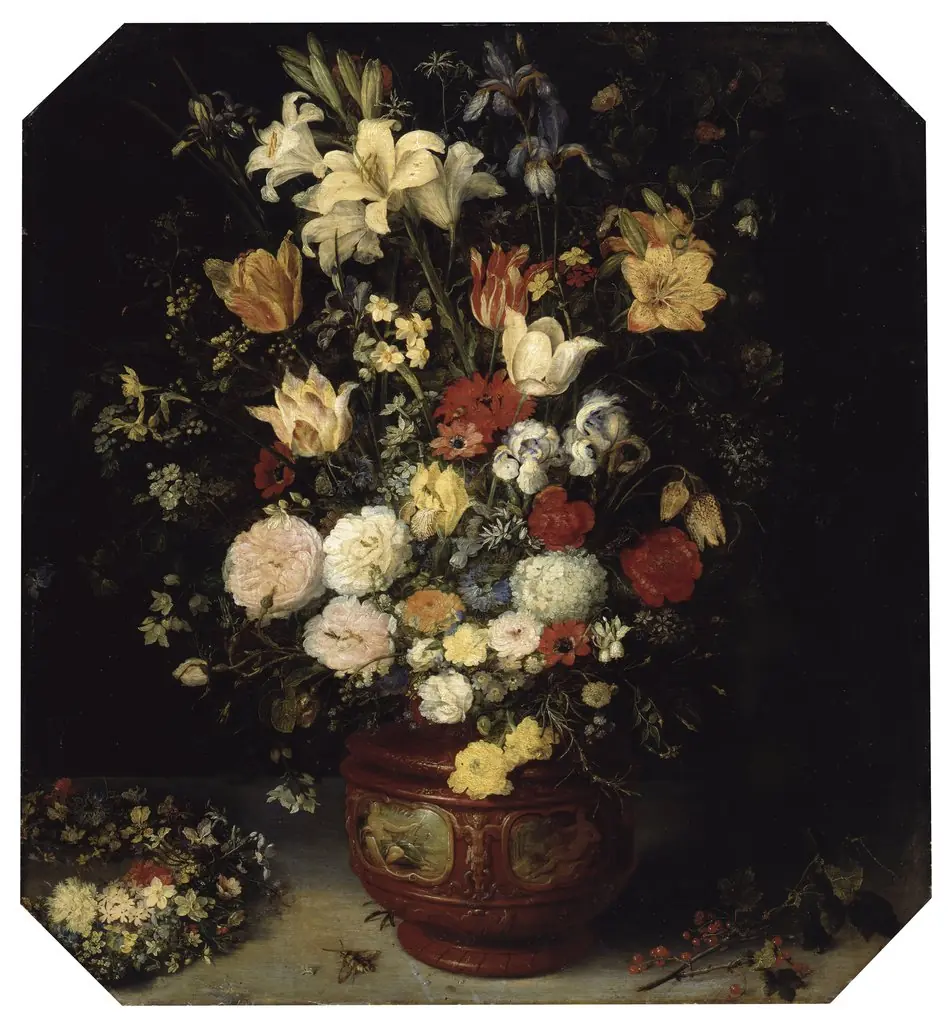 Bouquet of Flowers
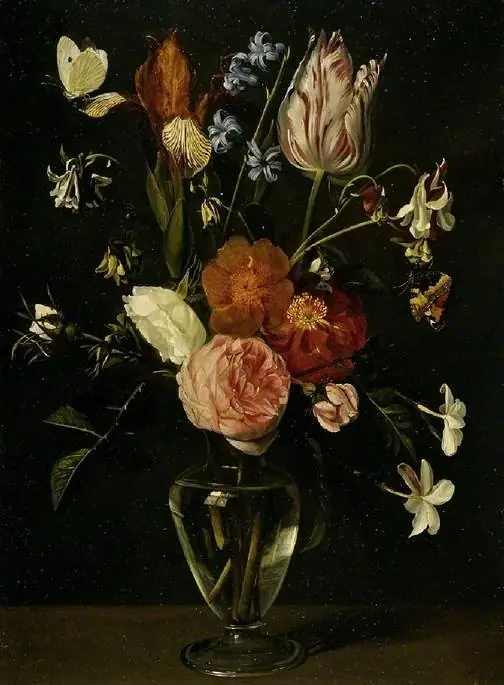 A vase of flowers
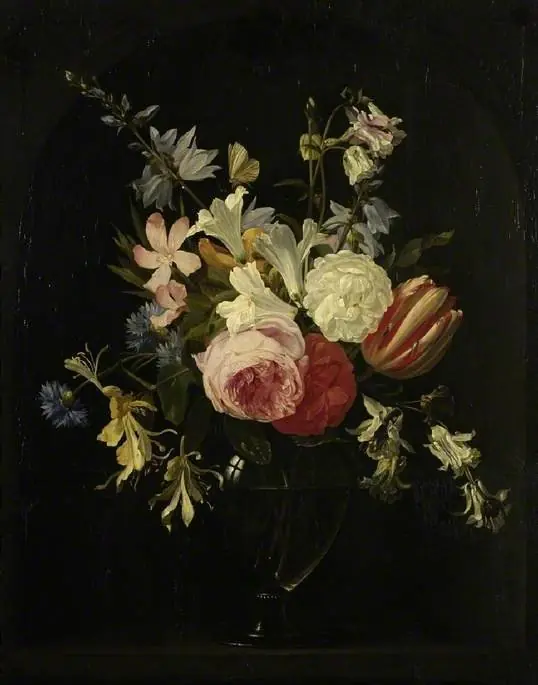 A vase of flowers
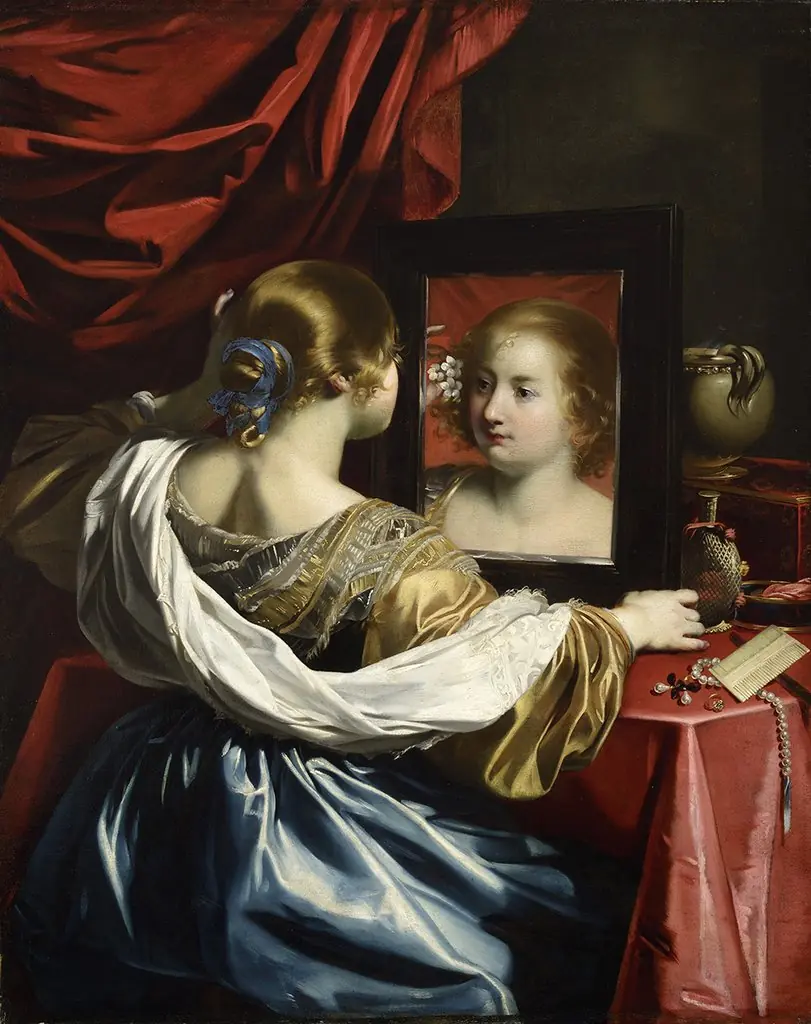 Vanity
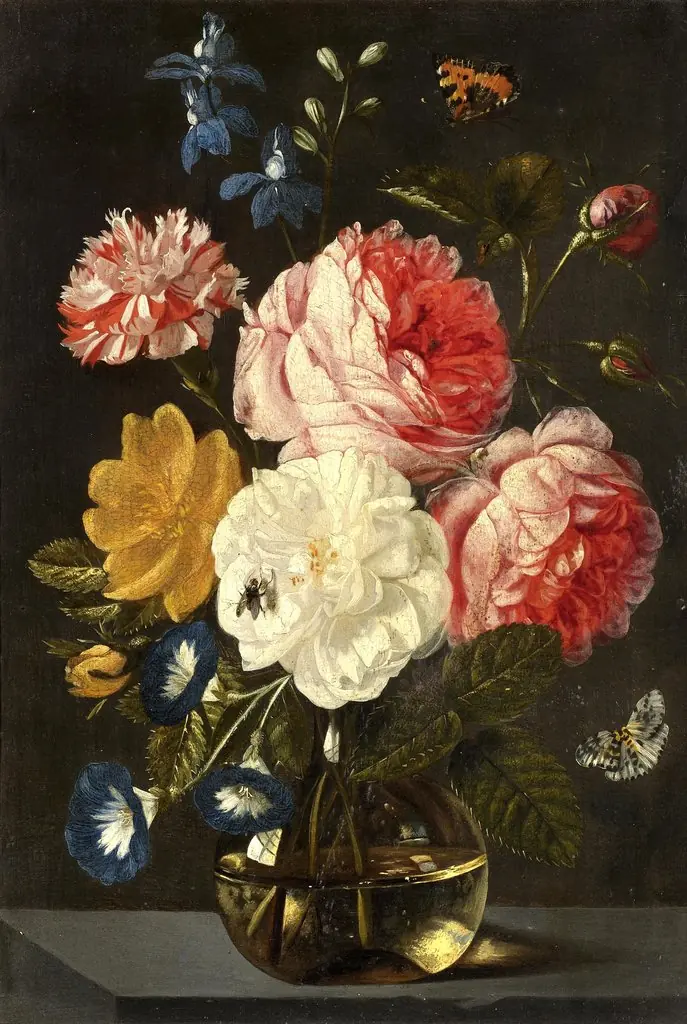 A vase of flowers
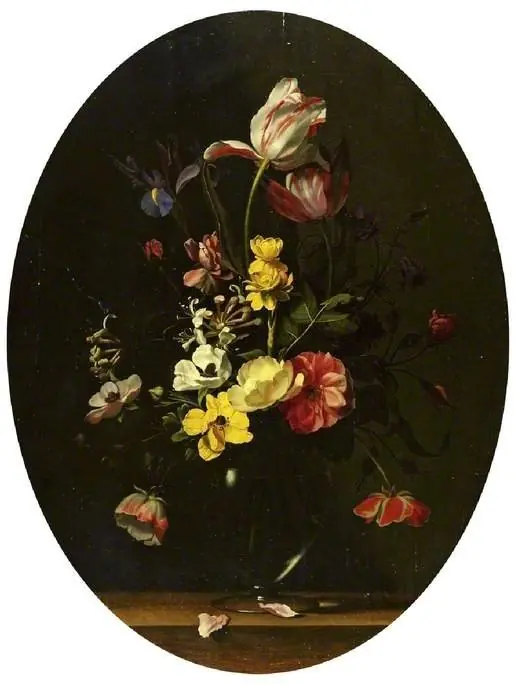 A vase of flowers
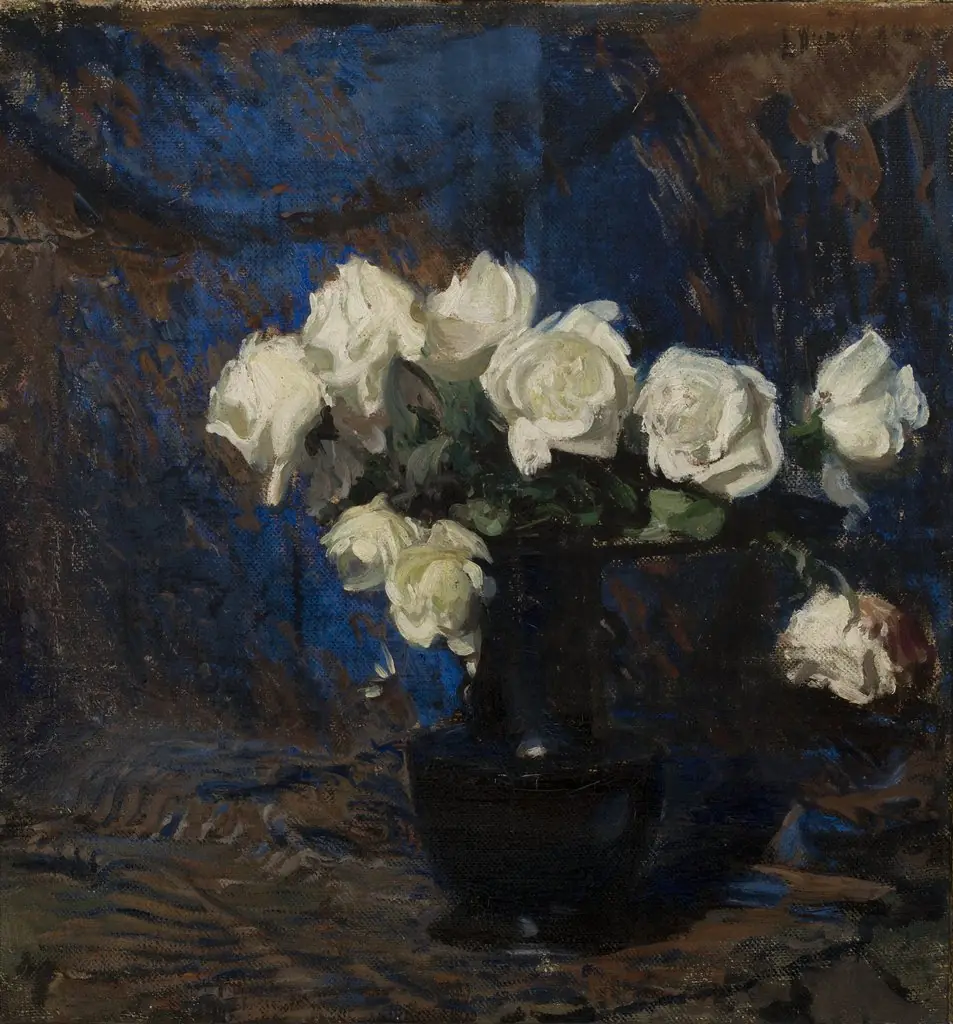 White Roses
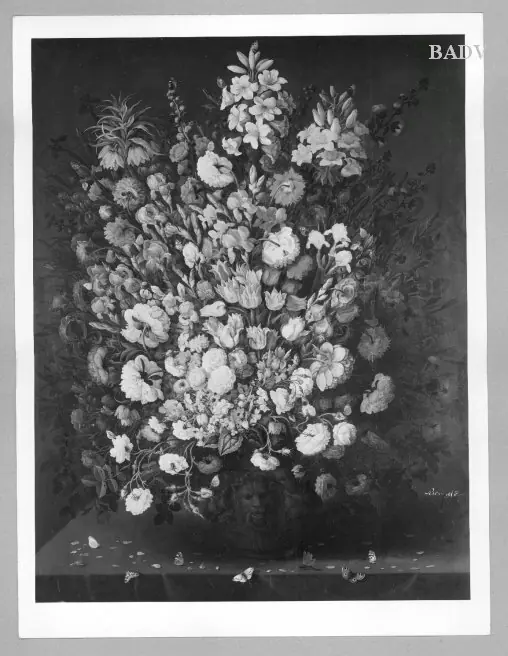 flowers
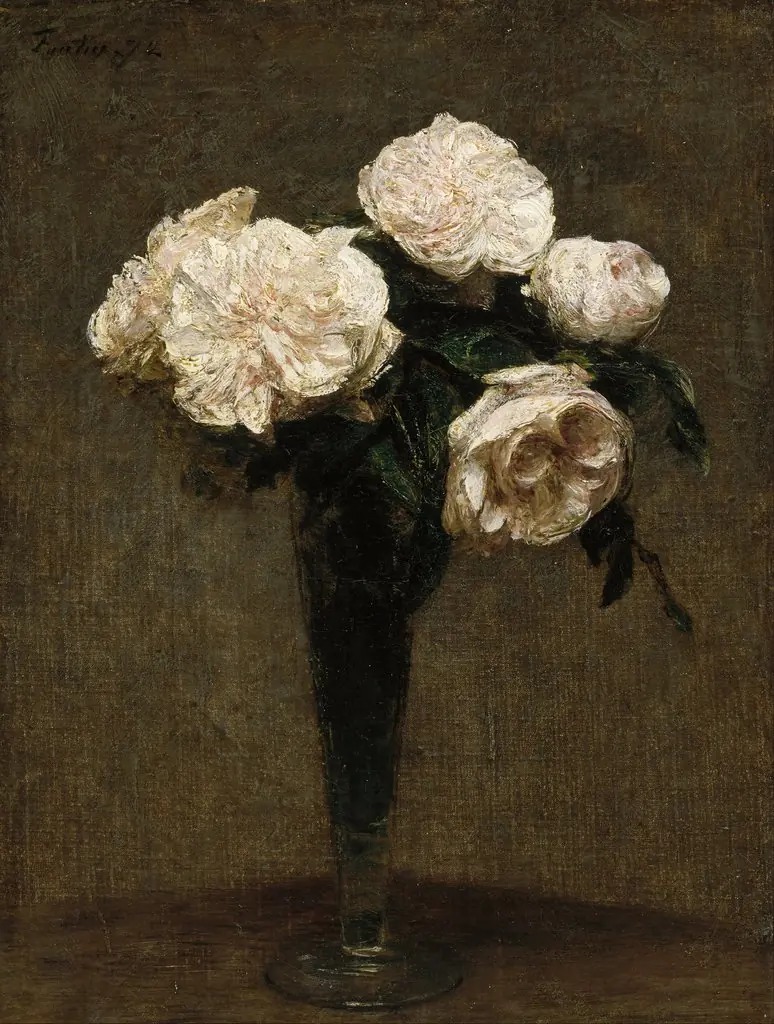 Roses in a Vase
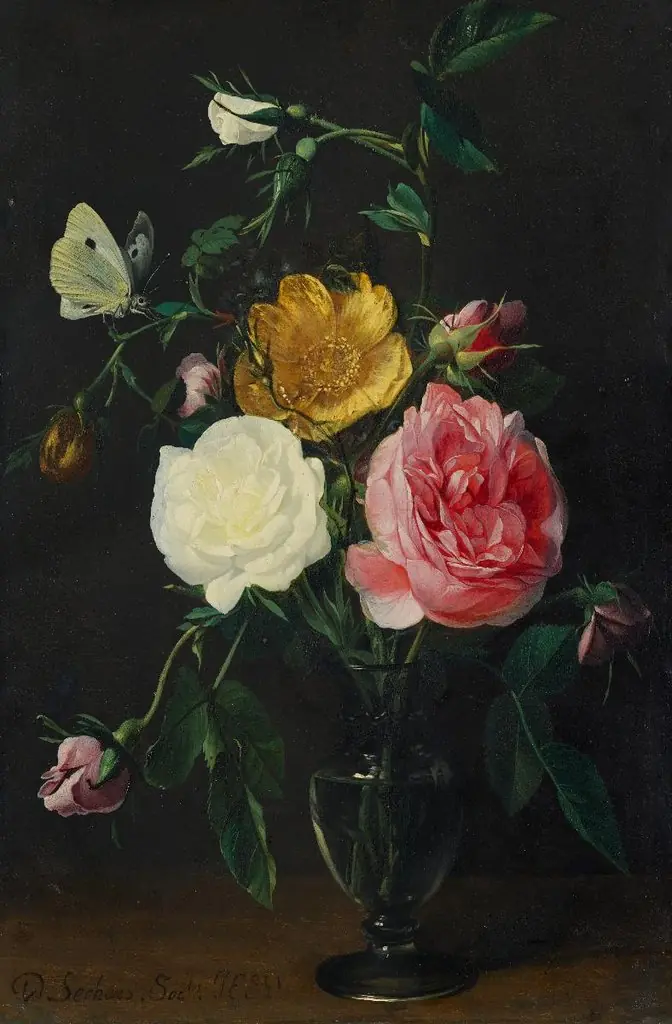 Roses in a glass vase
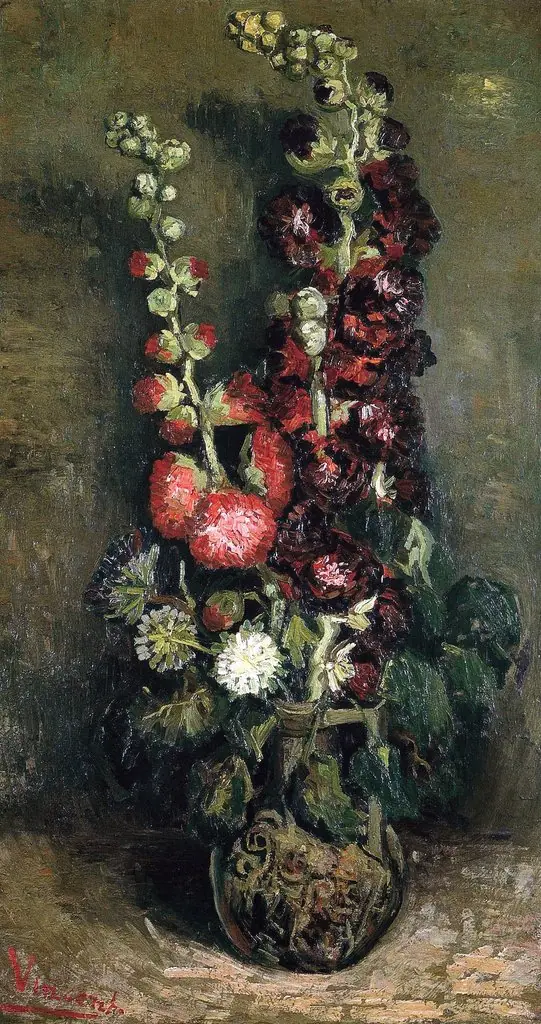 Vase with Musk-mallows
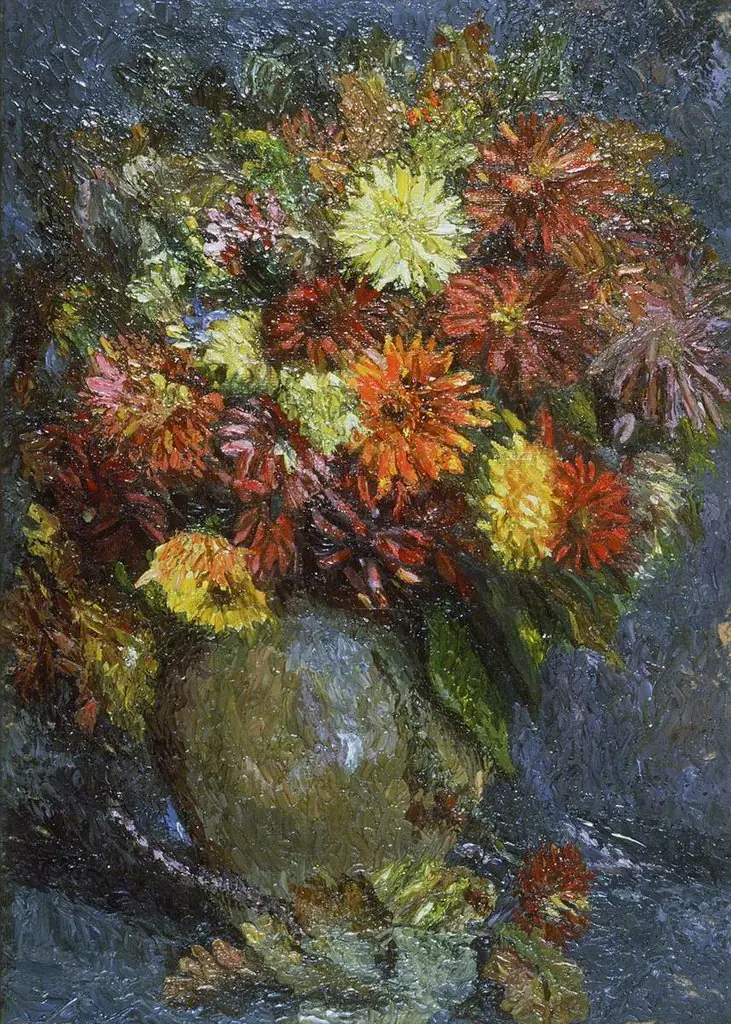 Still Life, Vase of Flowers
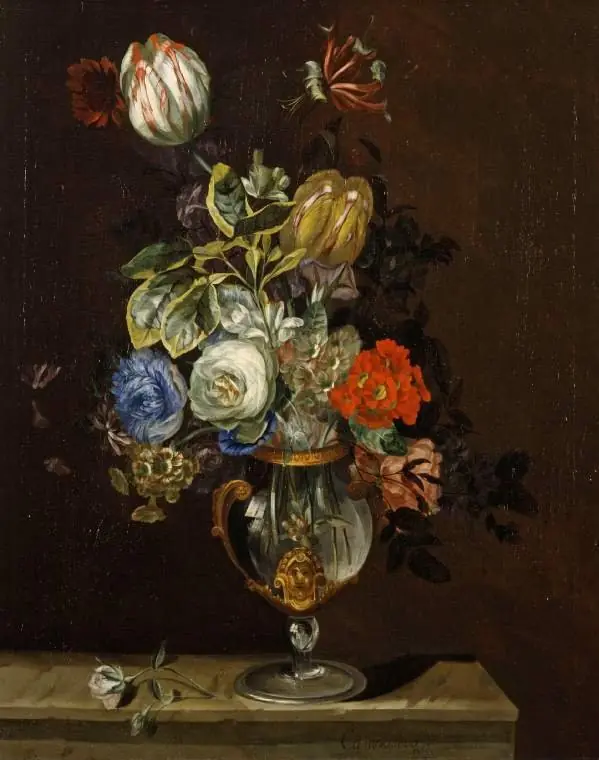 A vase of flowers
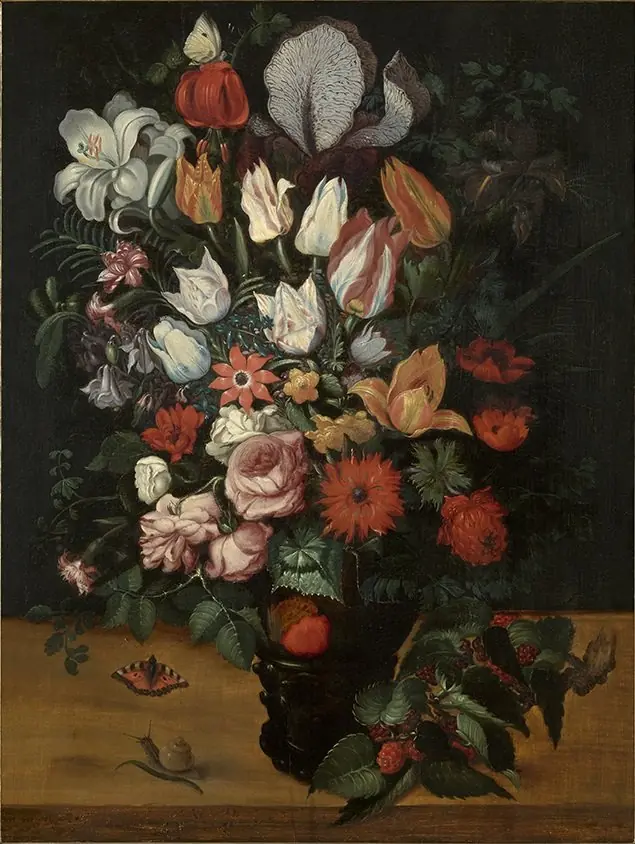 Bouquet of Flowers
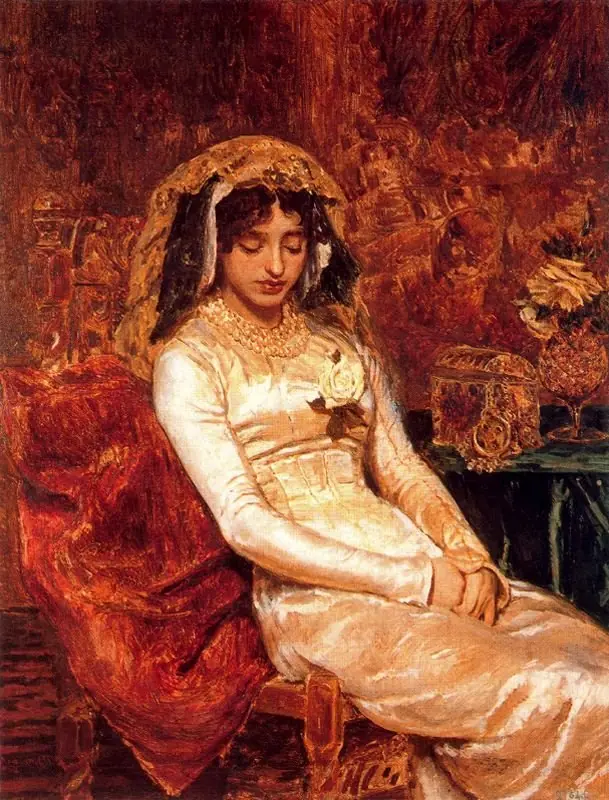 Before the Wedding
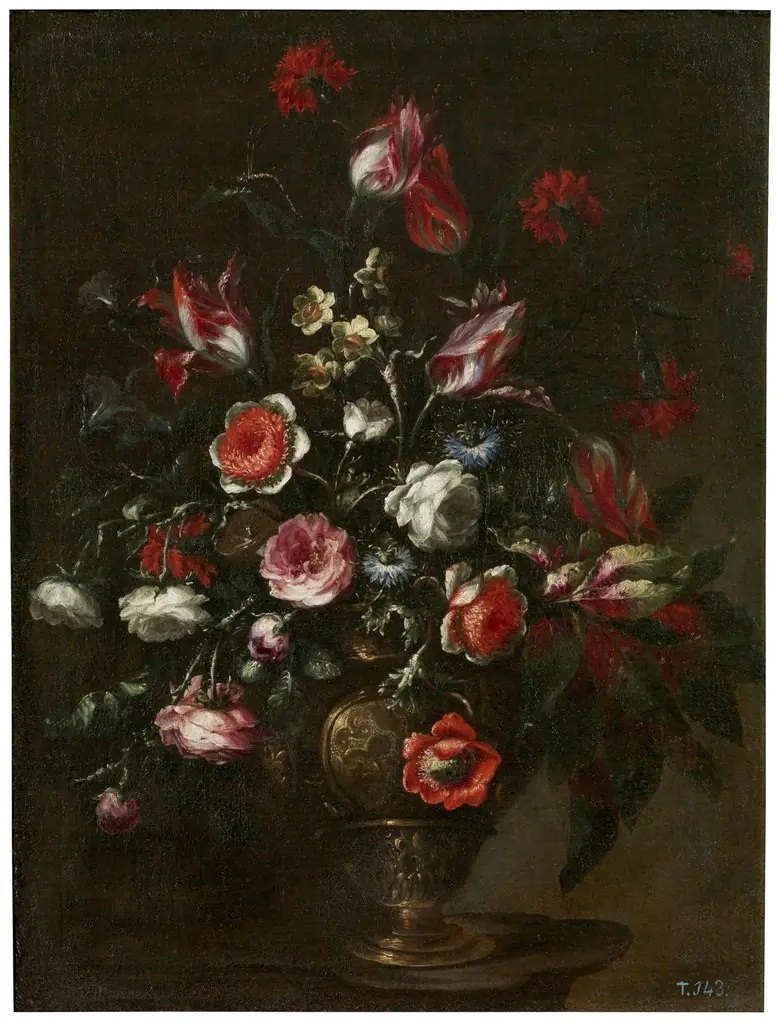 Florero
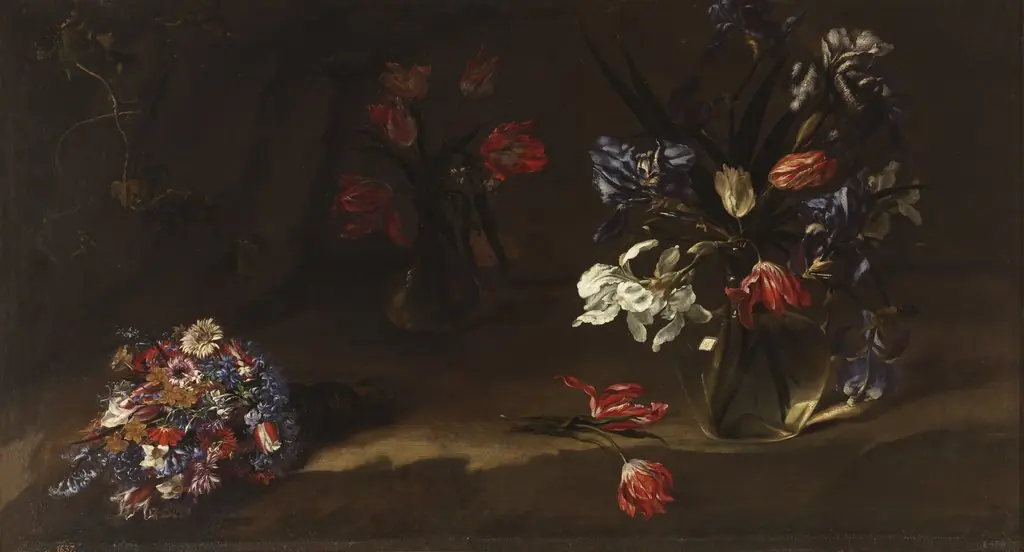 Vases of flowers
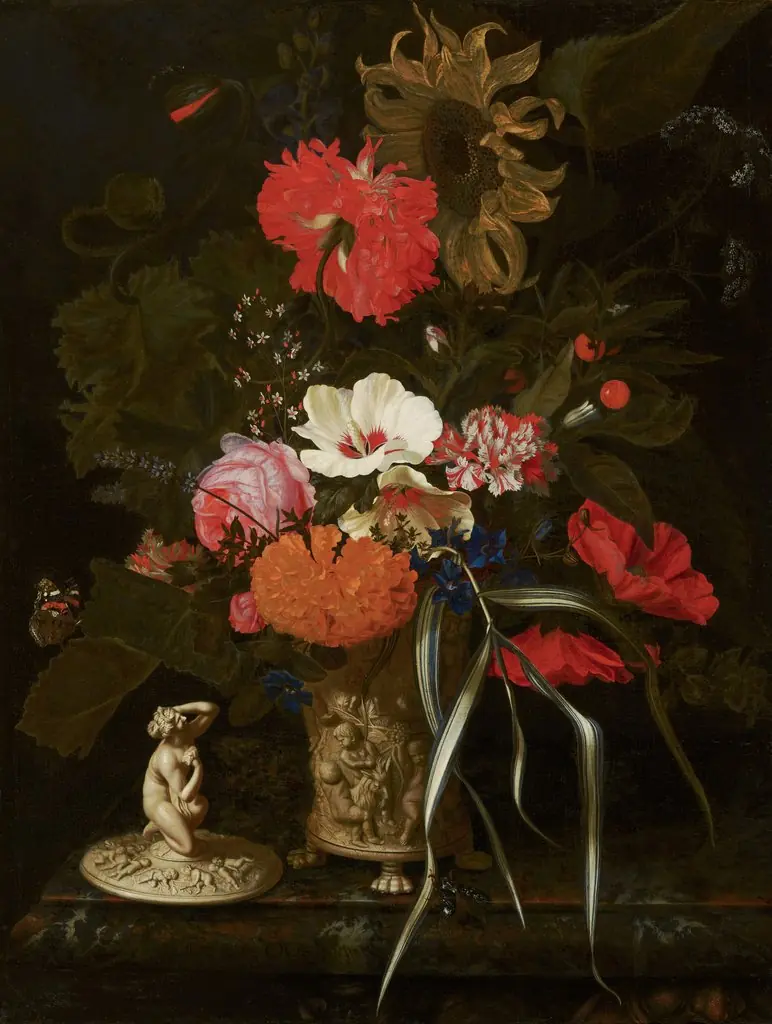 Flowers in an Ornamental Vase
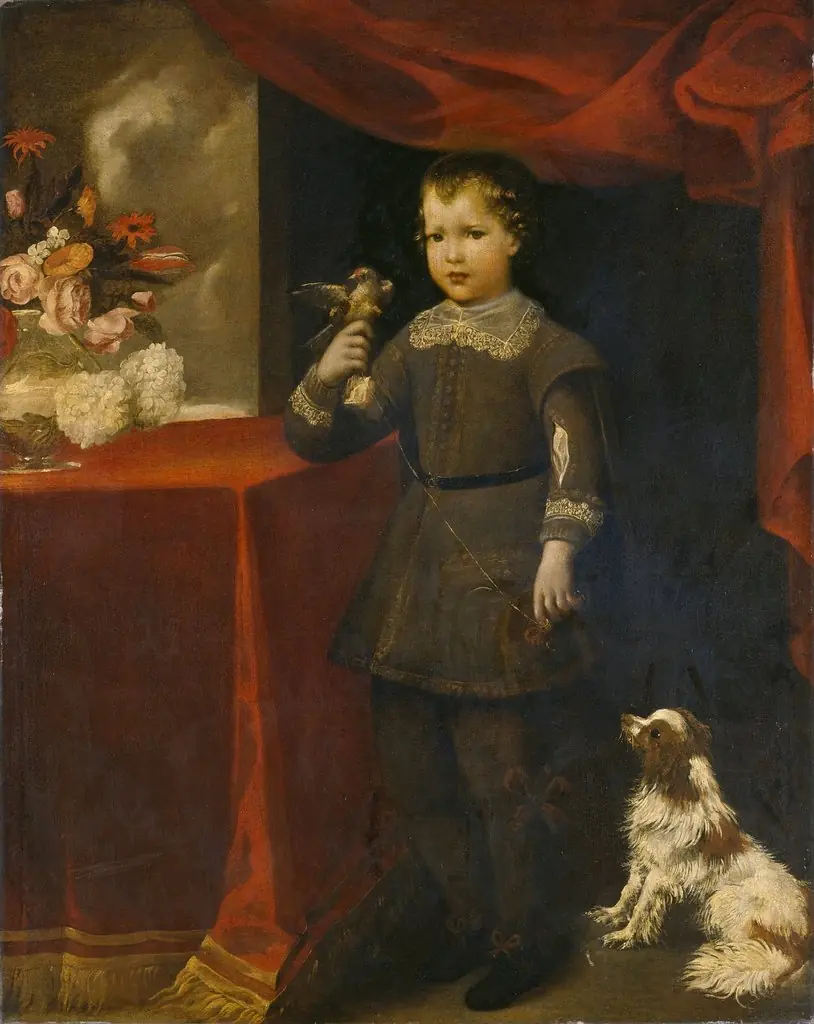 El príncipe Baltasar Carlos
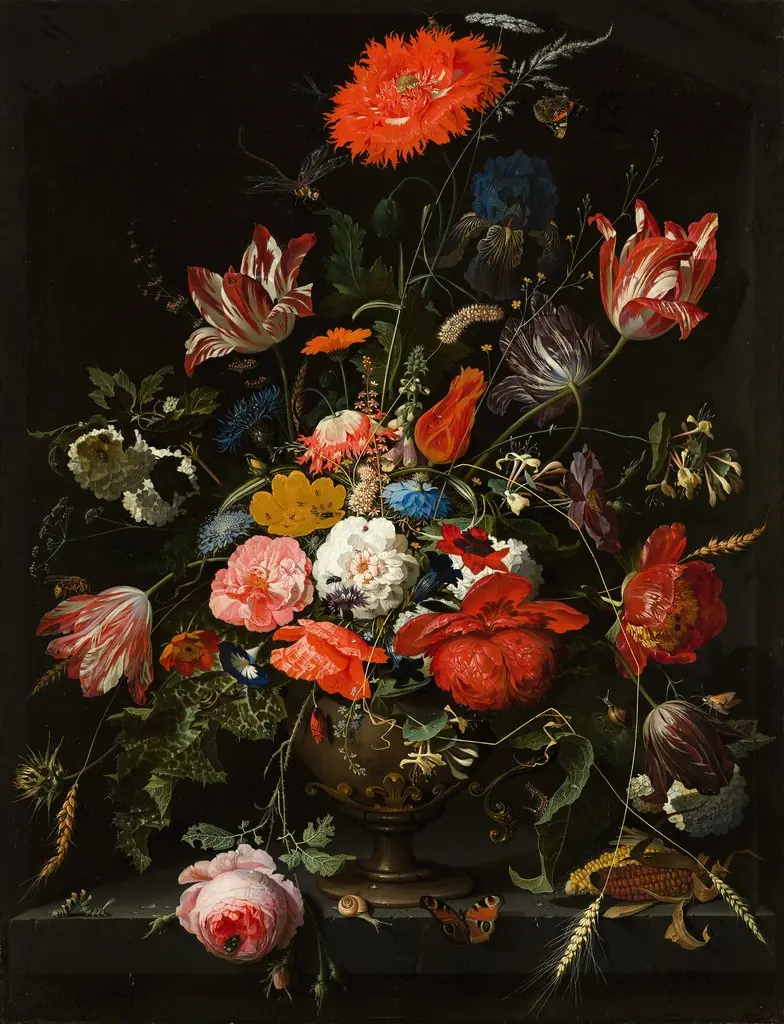 Flowers in a metal vase in a niche
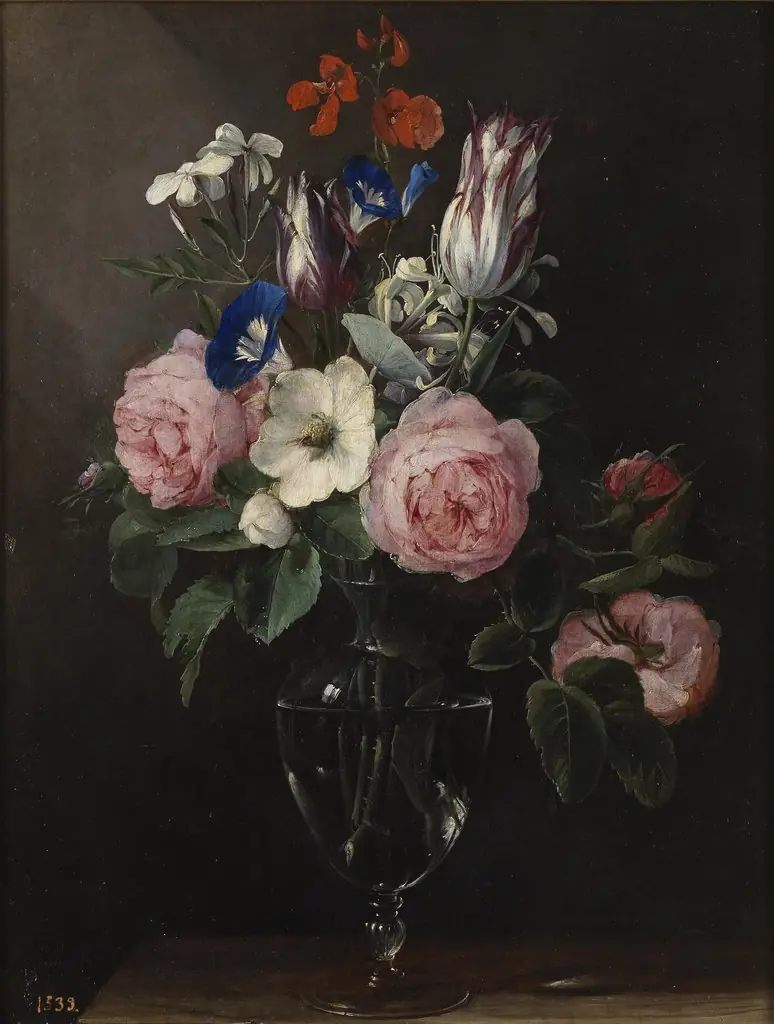 Vase of Flowers
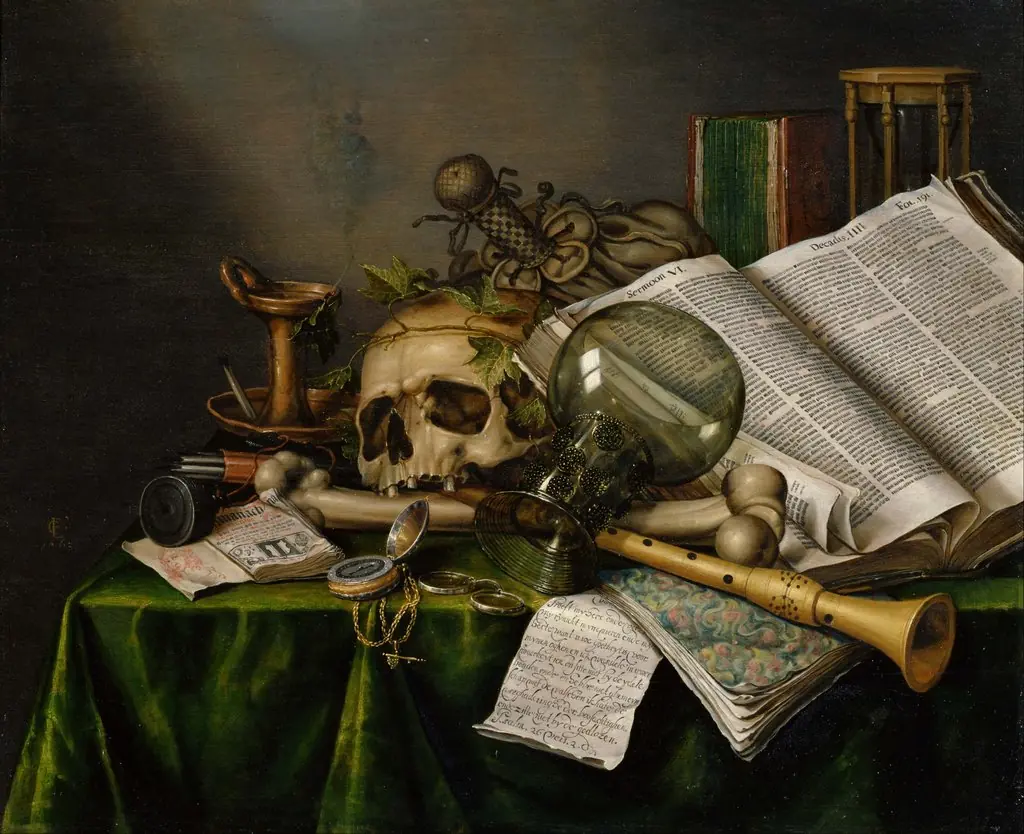 Vanitas, Still Life with Books and Manuscripts and a Skull
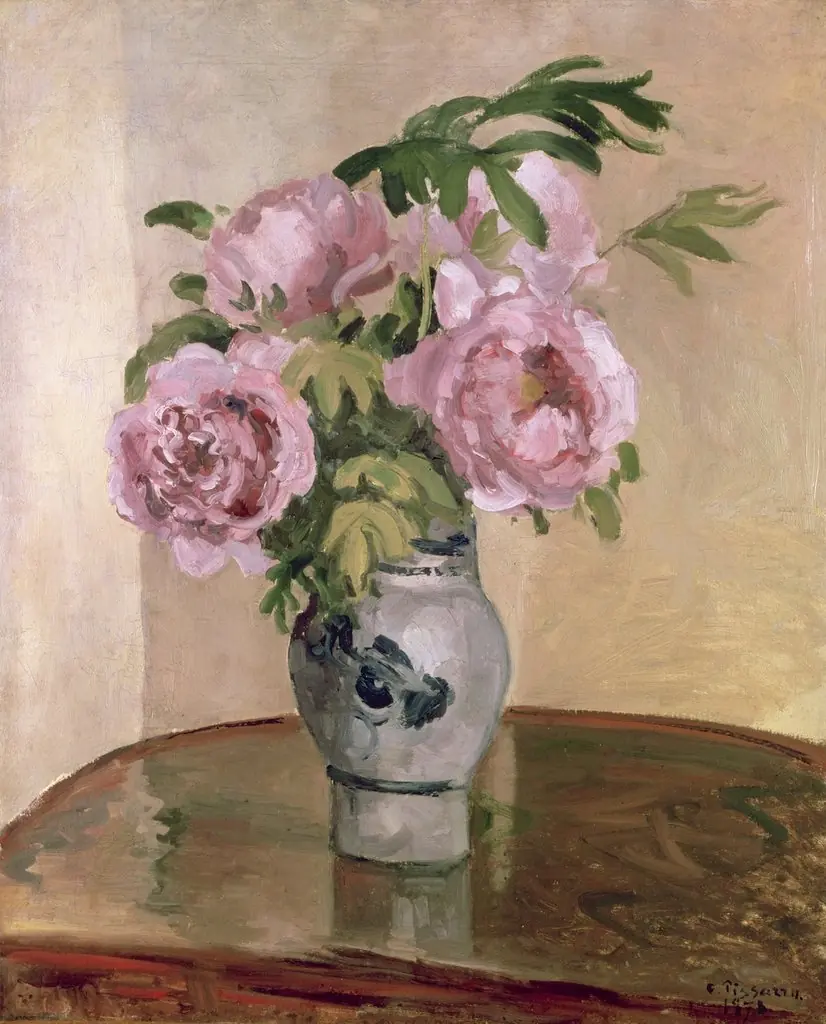 Bouquet of Pink Peonies
 The resurrection of Lazarrus
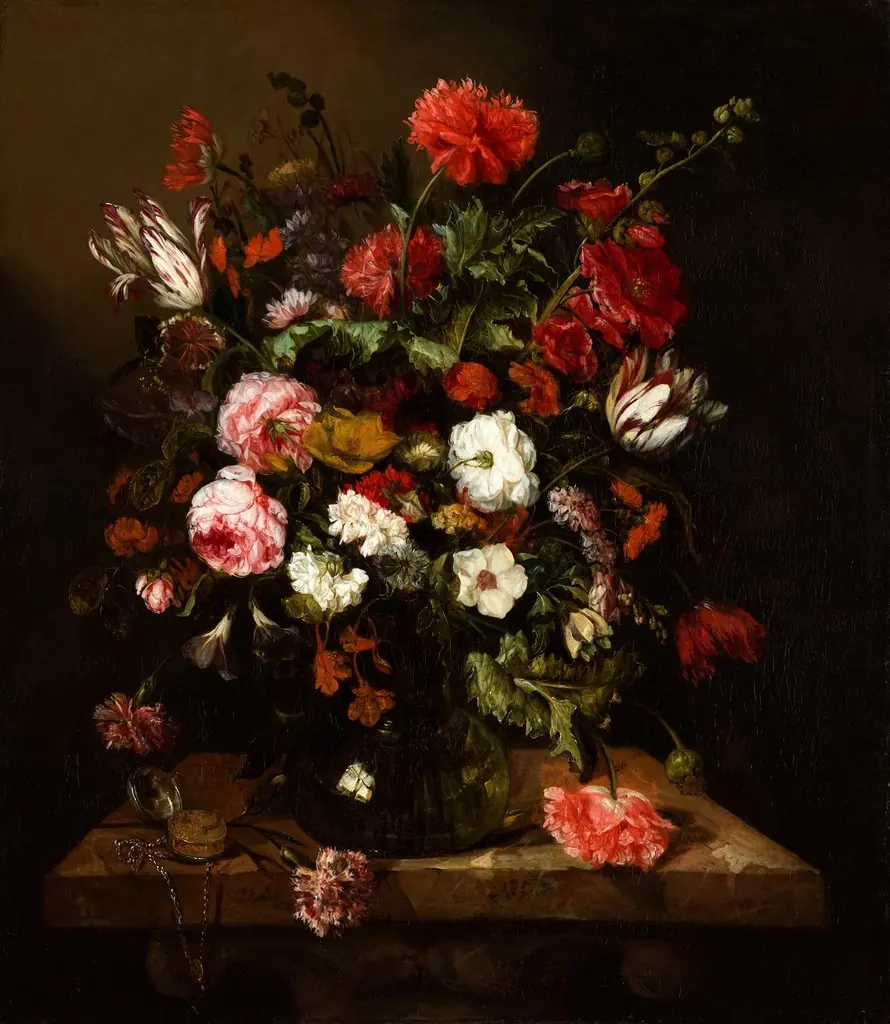 Flower Still Life with a Timepiece
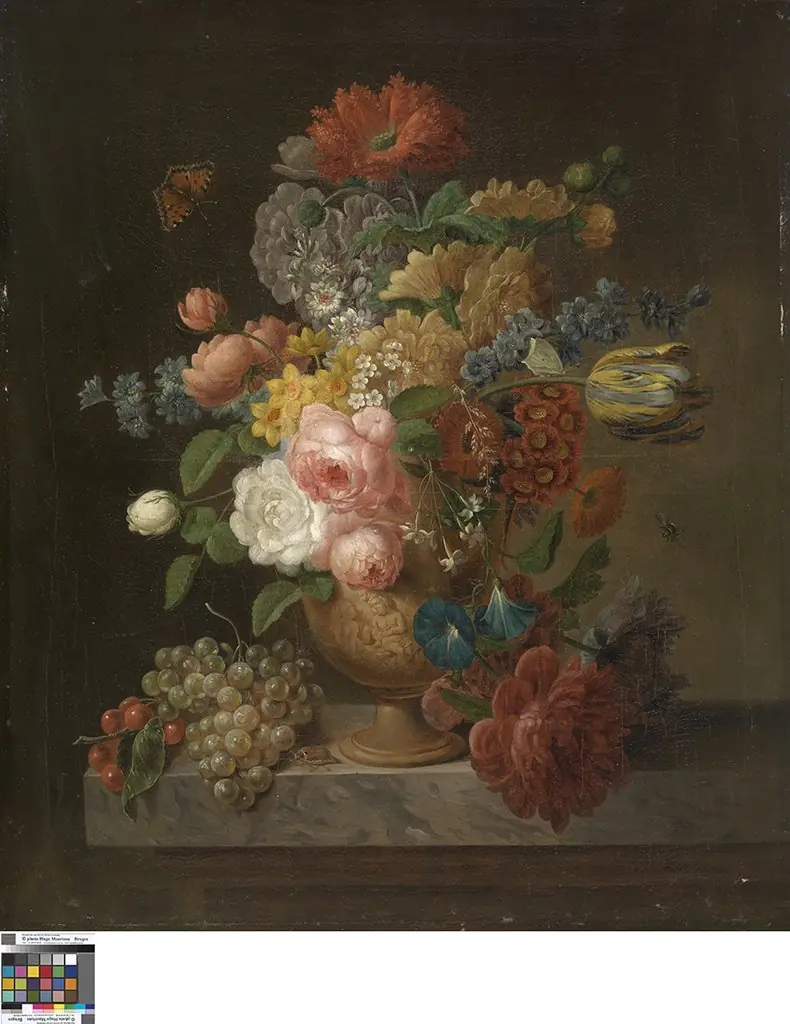 Still Life of Flowers
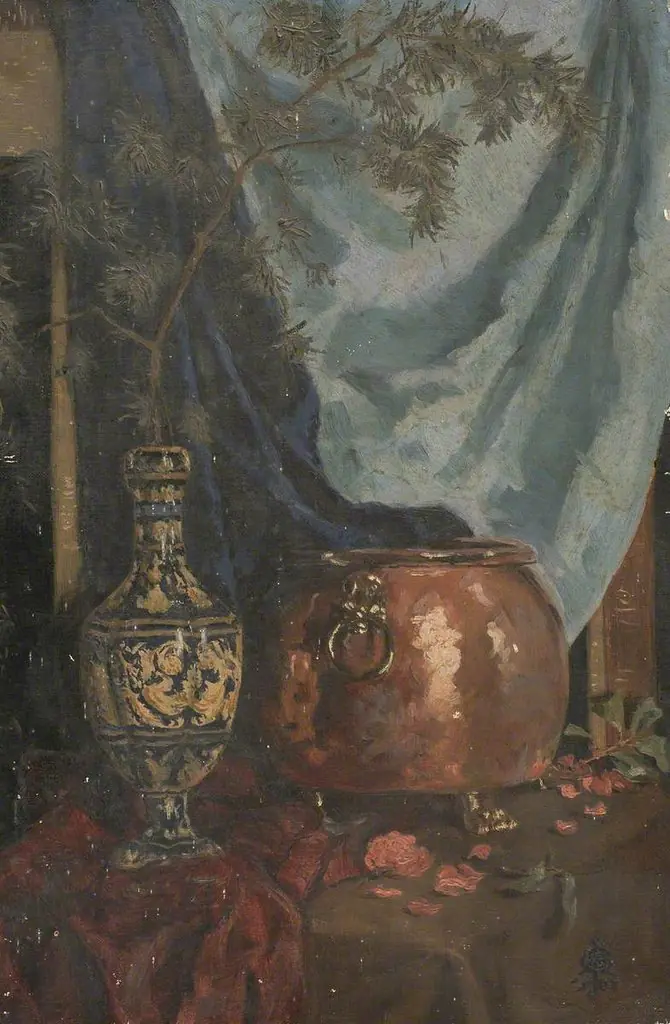 Still Life
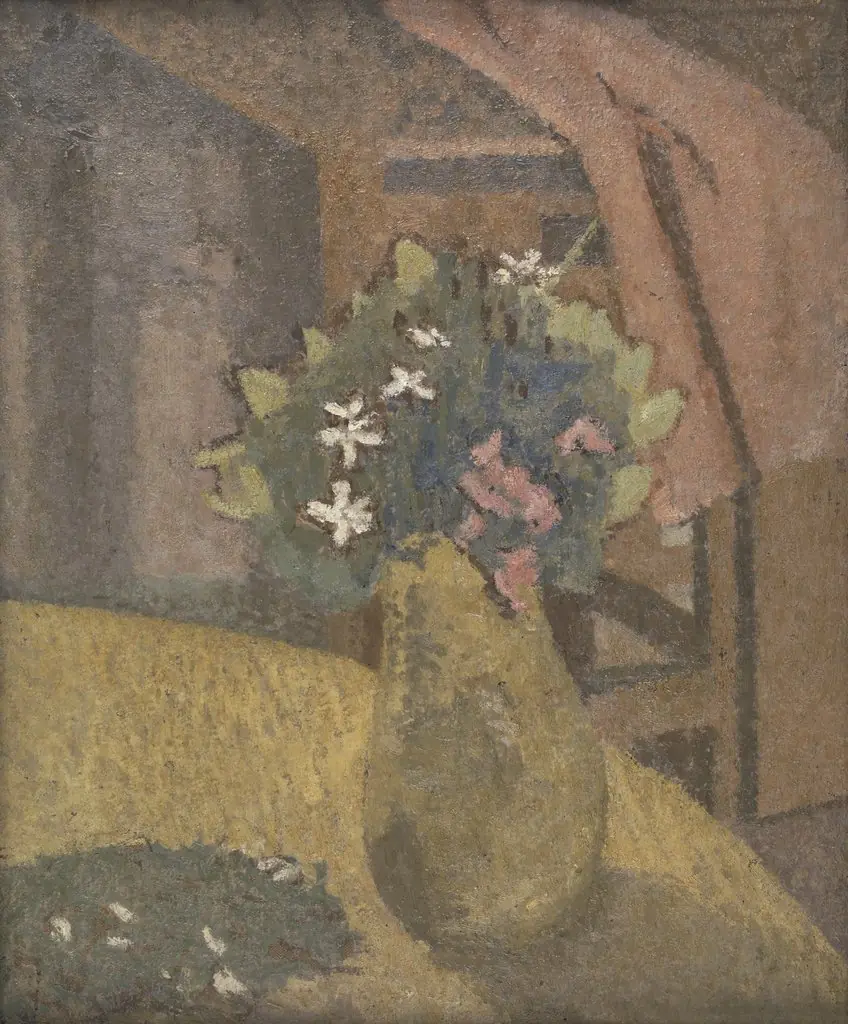 Vase of flowers
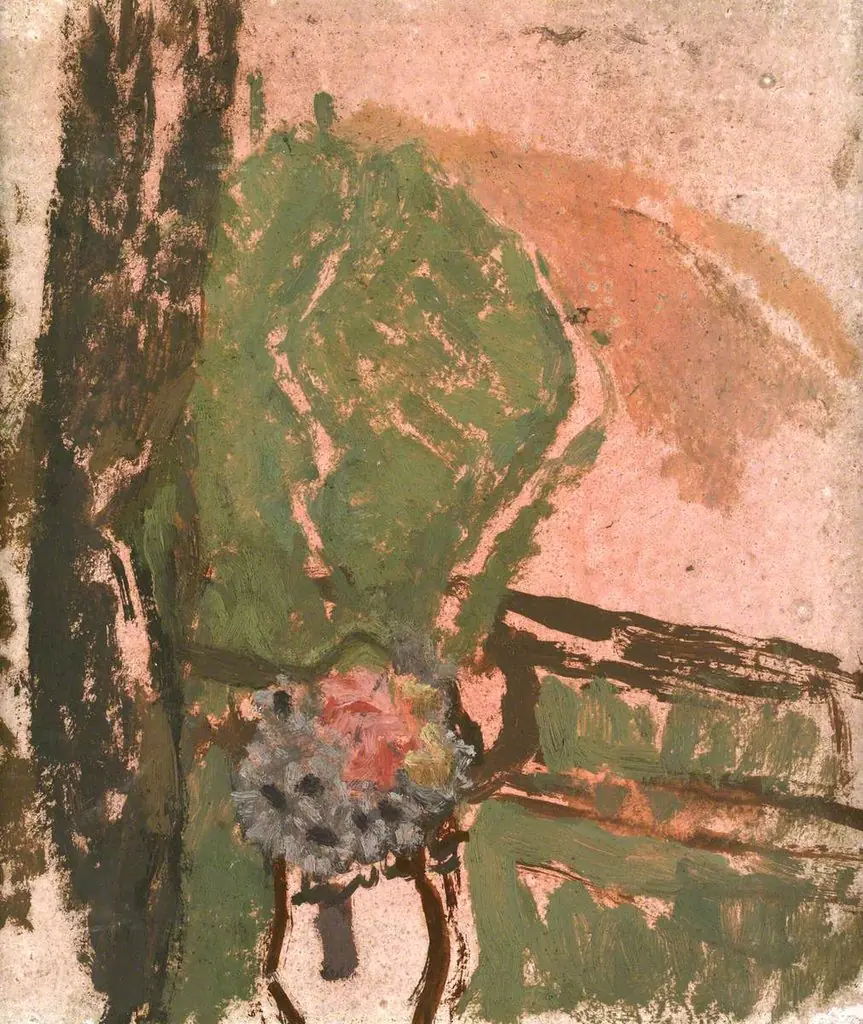 Vase of Flowers
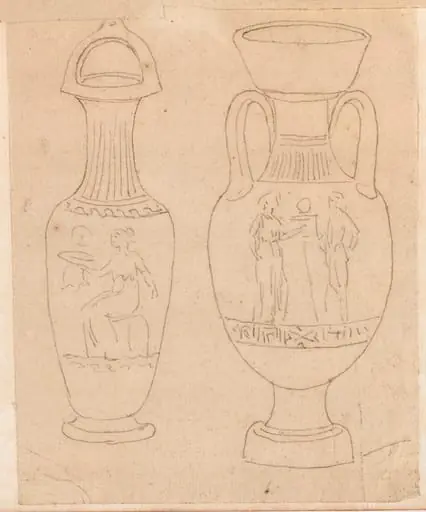 Two Greek Vases
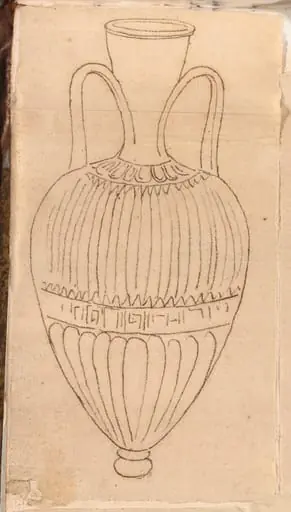 Double-Handled Vase
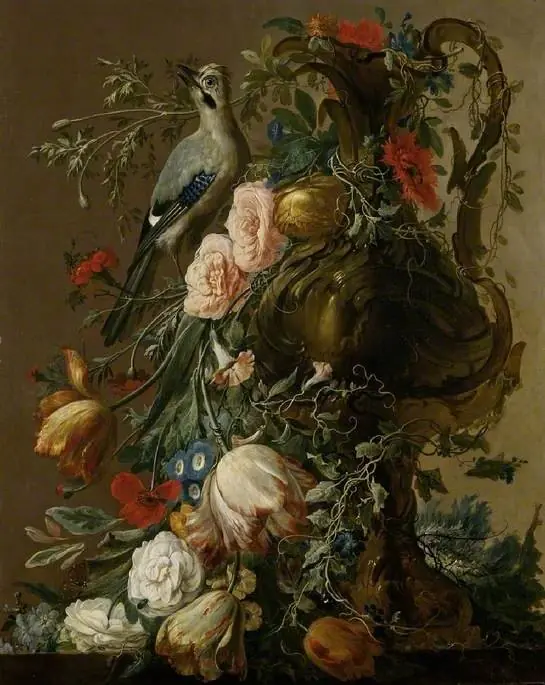 A sculpted stone vase with Roses, Anniula, Poppies, Convolvulus, with a Jay on a ledge
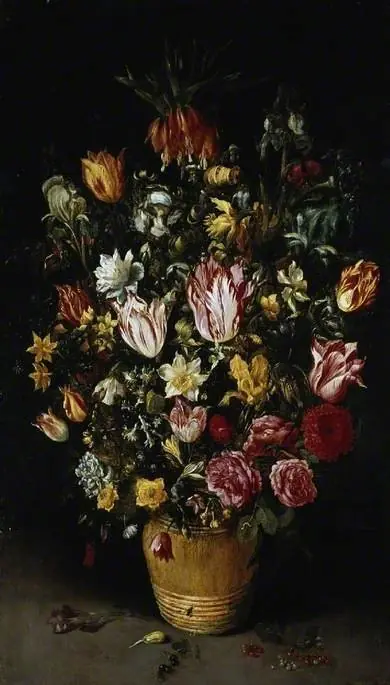 Tub of flowers
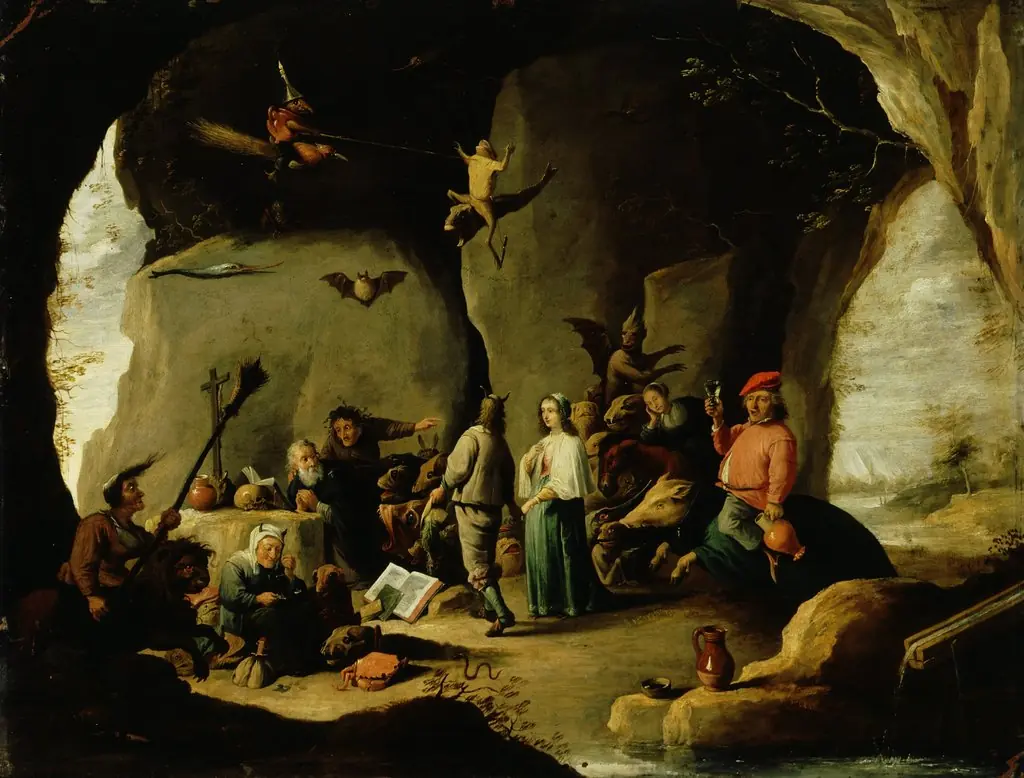 Temptation of St. Anthony
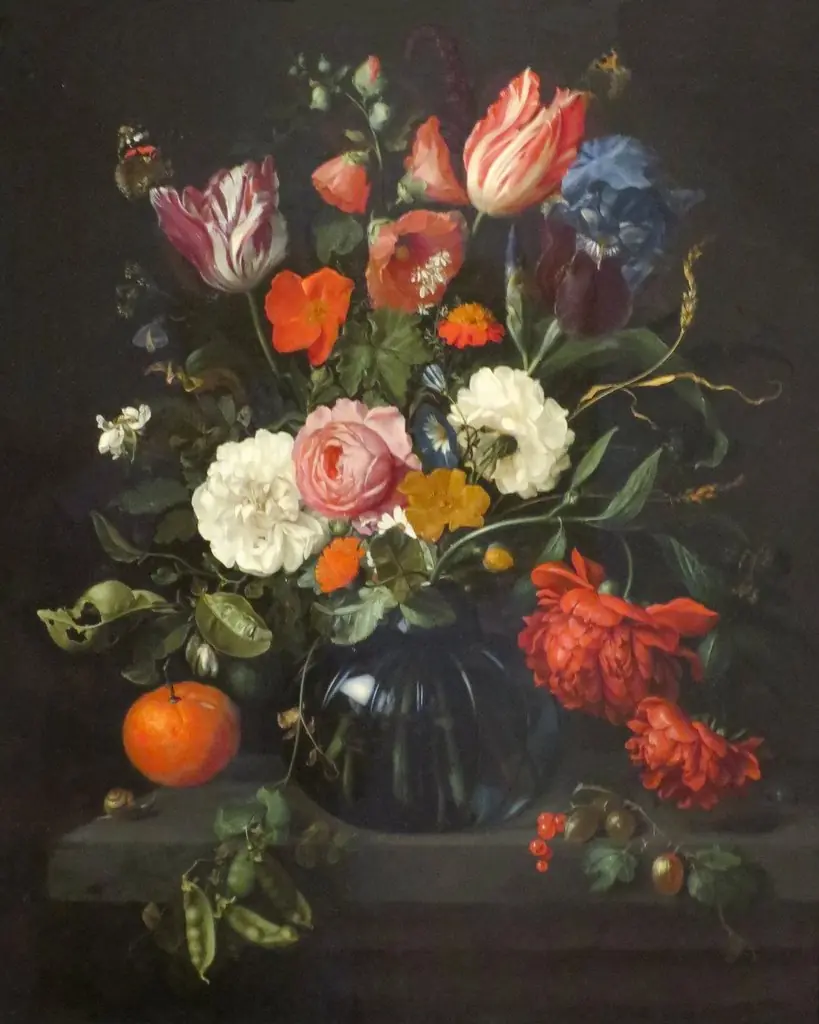 Vase of Flowers
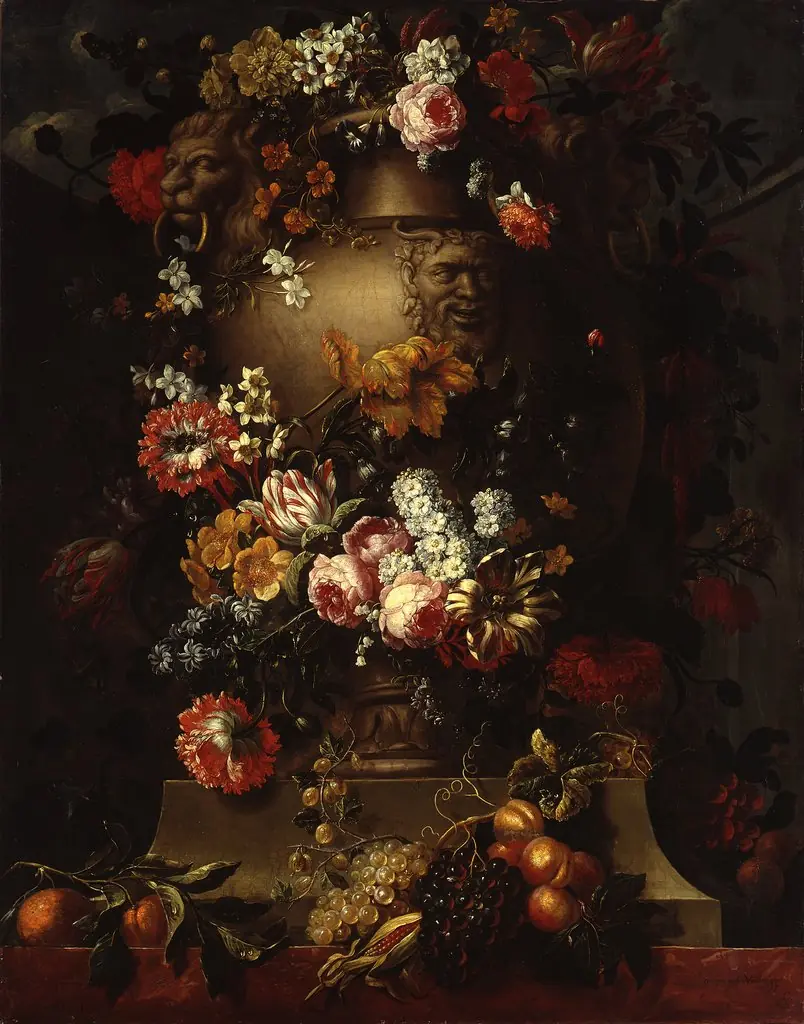 Stone Vase with Garlands of Flowers and Fruit
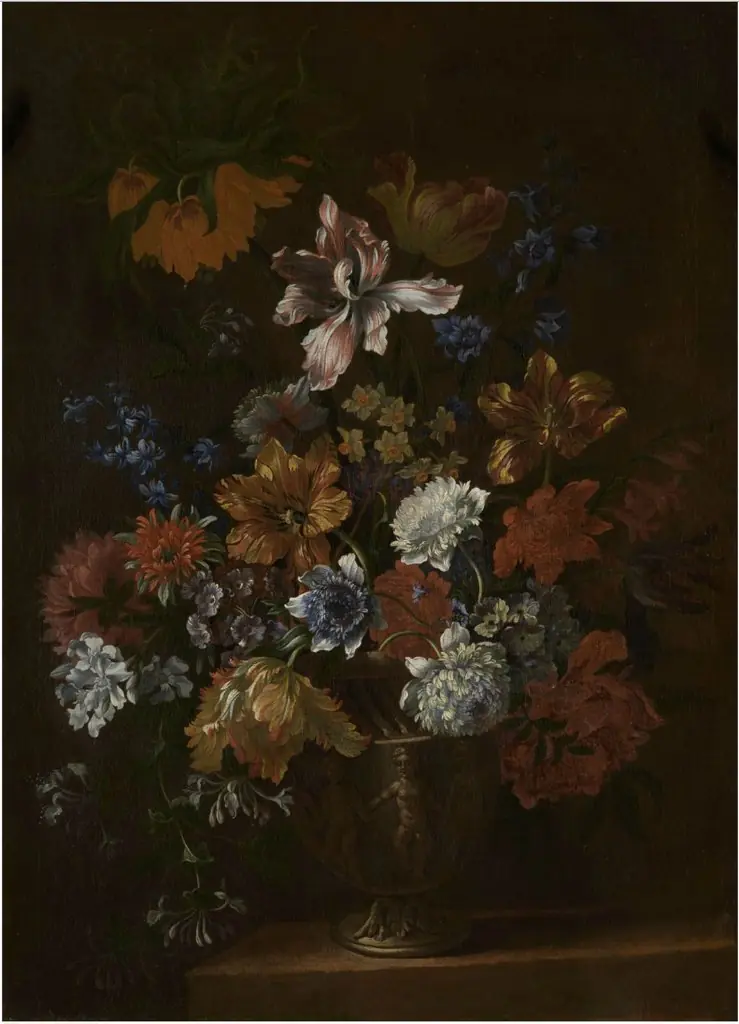 Flower Piece
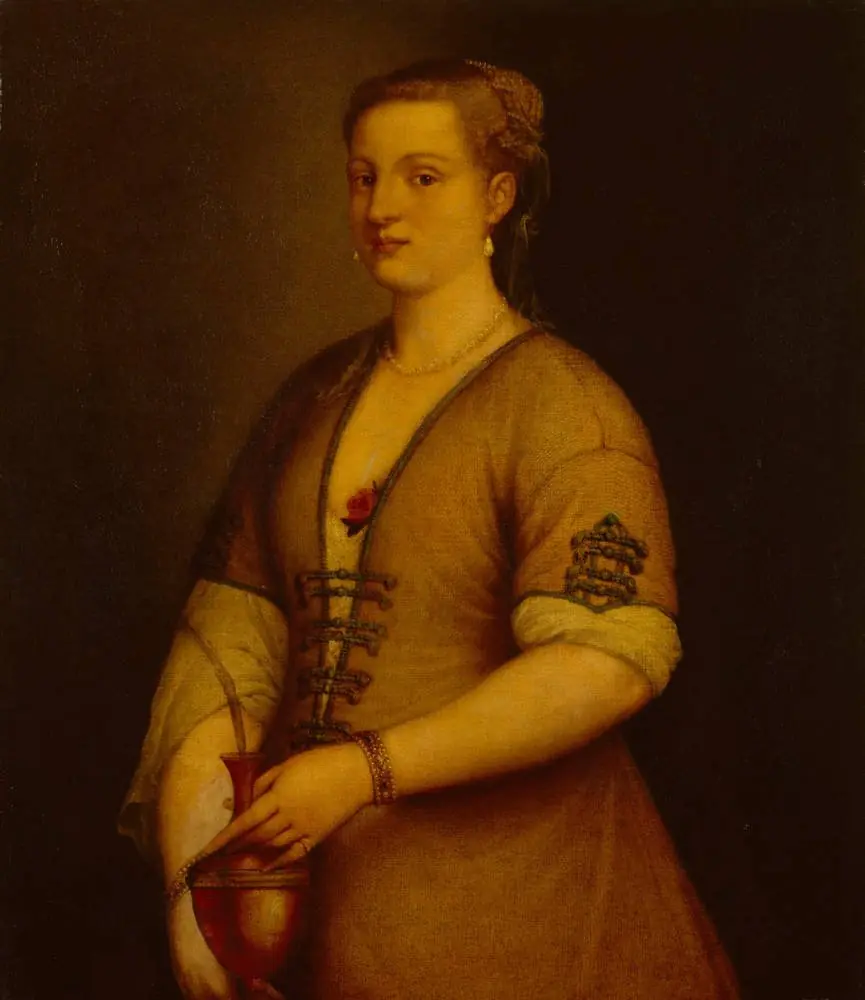 Portrait of a Lady with a Vase
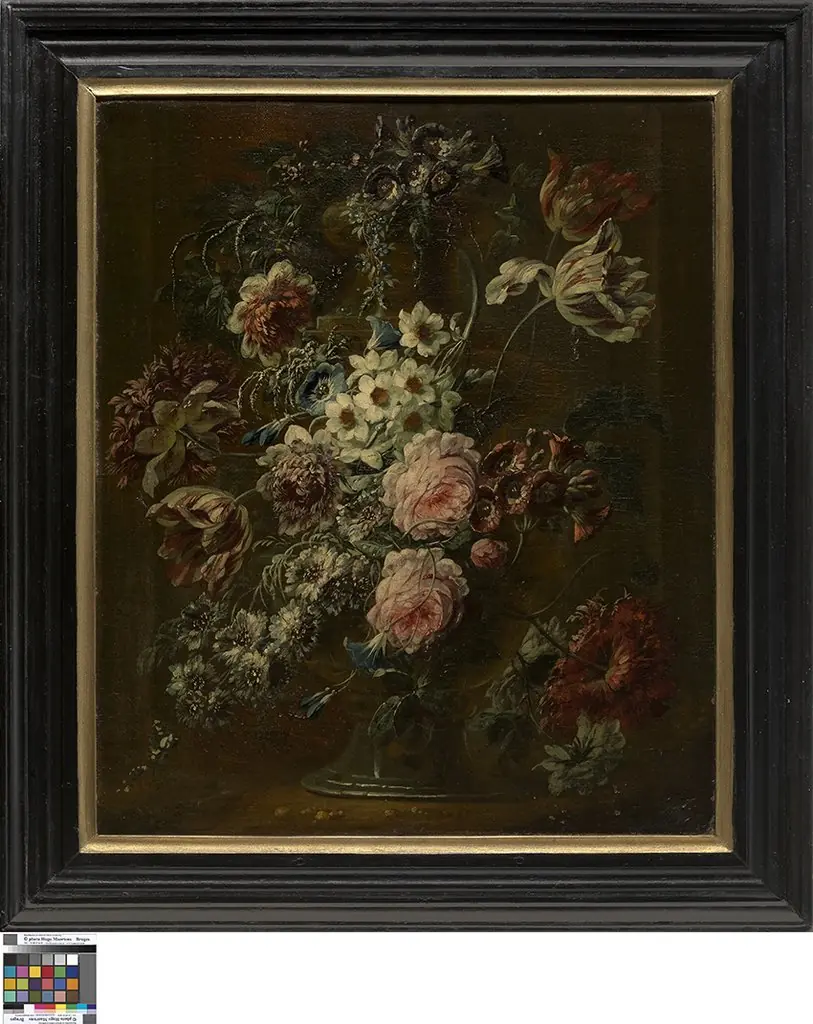 Stilleven met bloemen
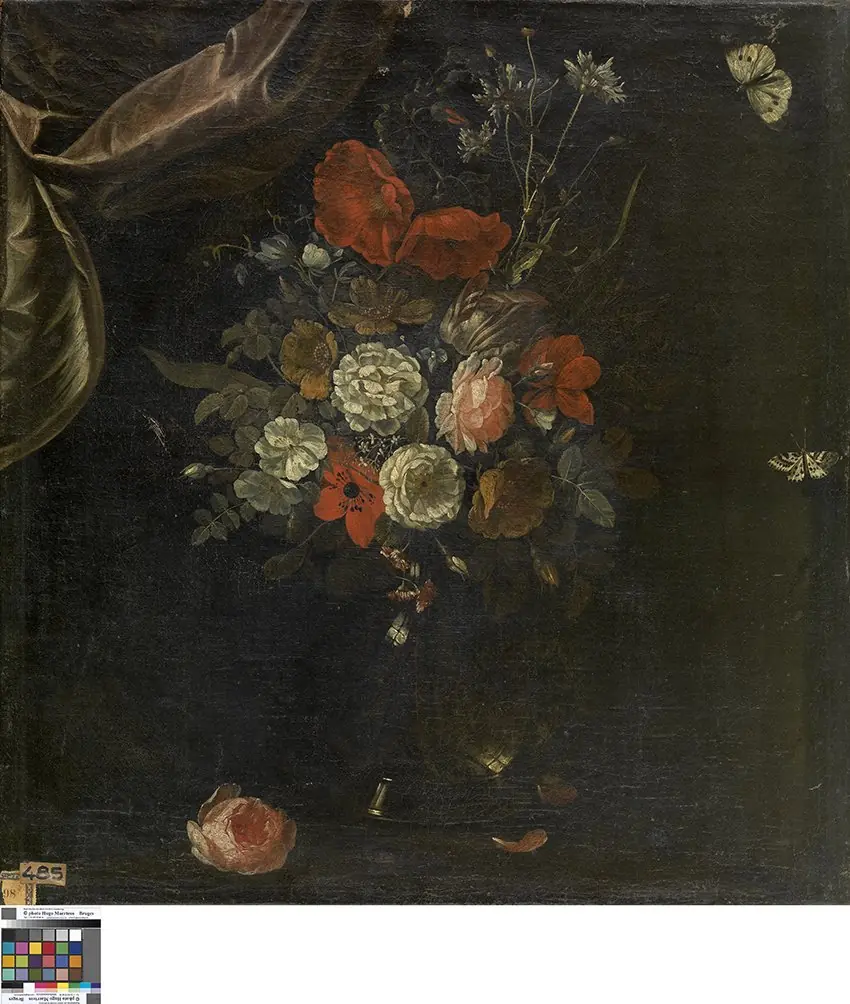 Bloemstuk
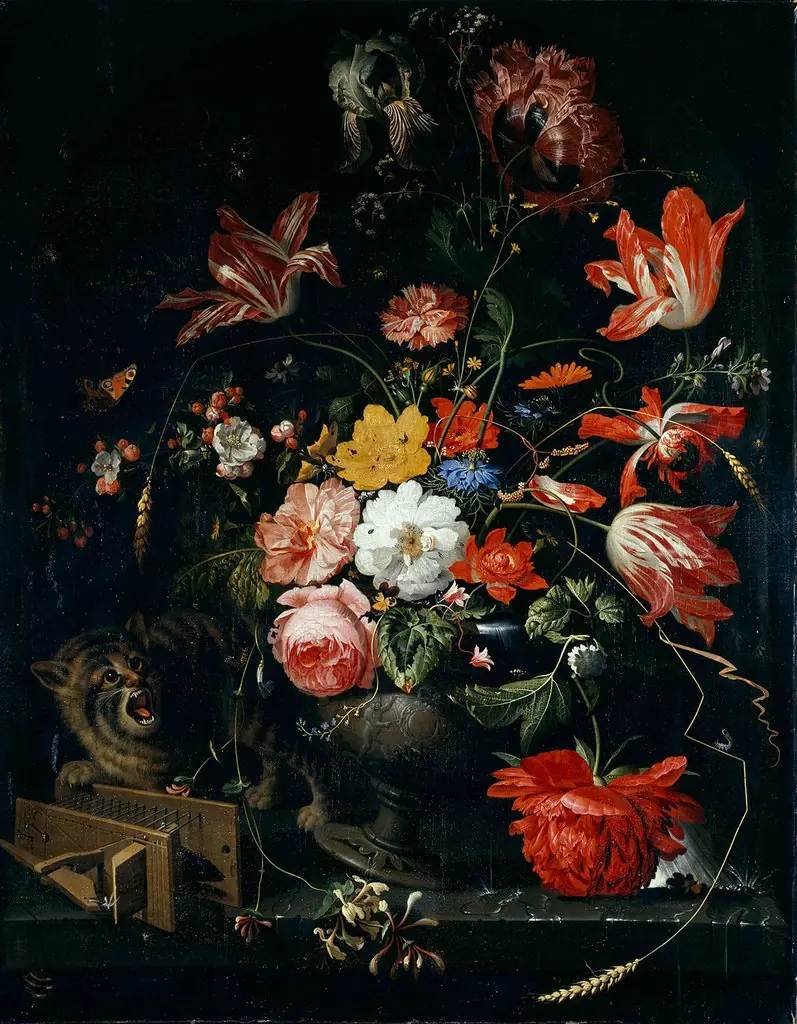 Flower piece with cat and mousetrap
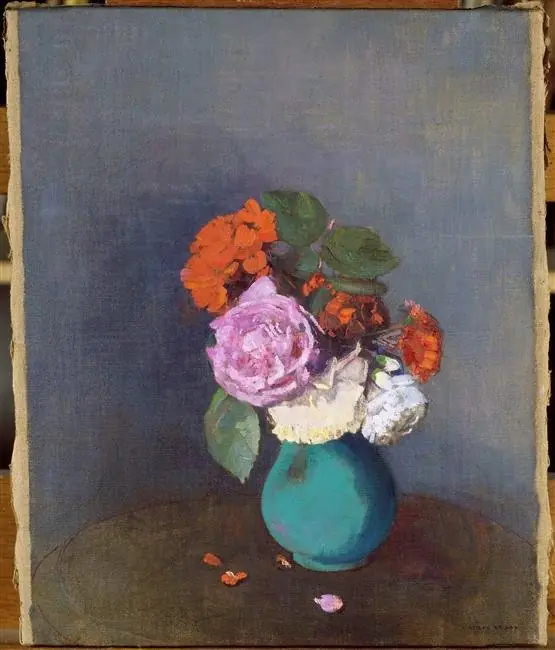 Fleurs
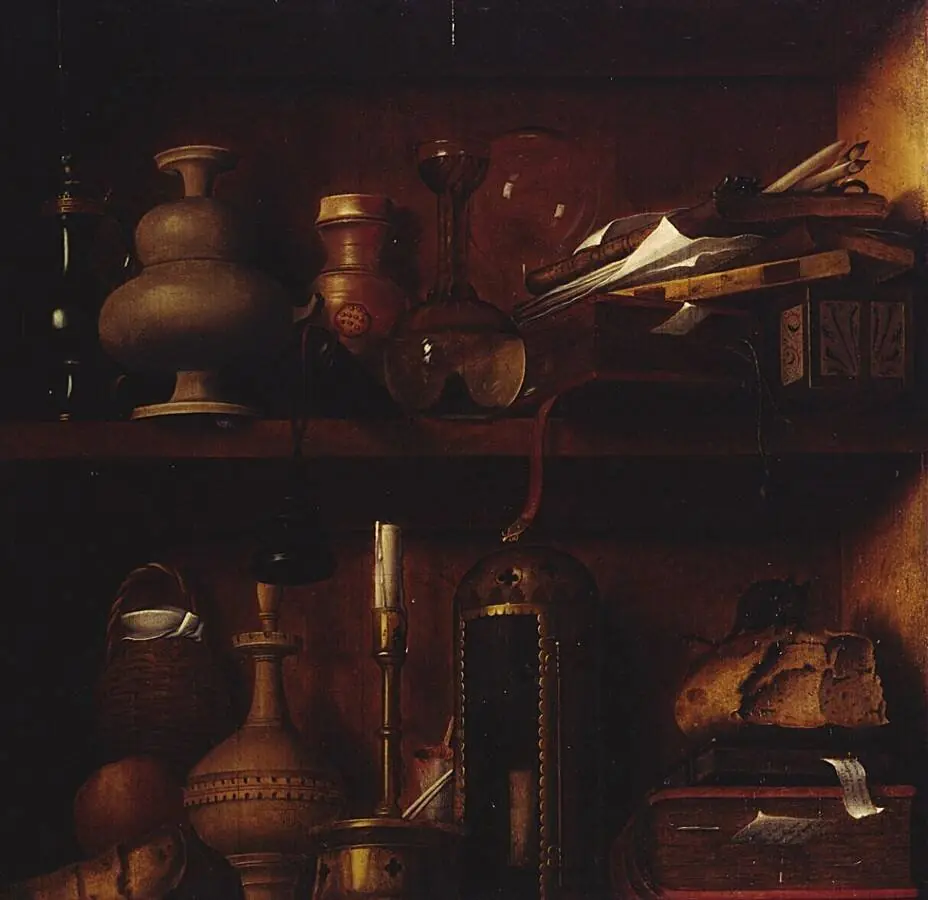 Still life in a Cupboard, 1538
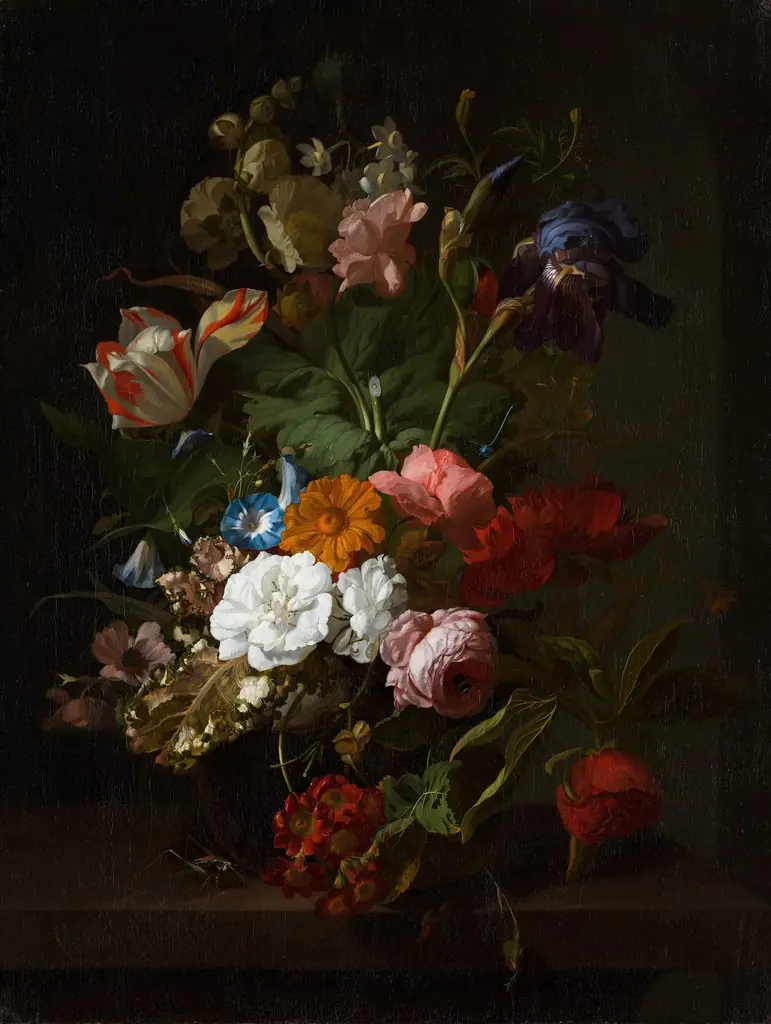 Vase of flowers
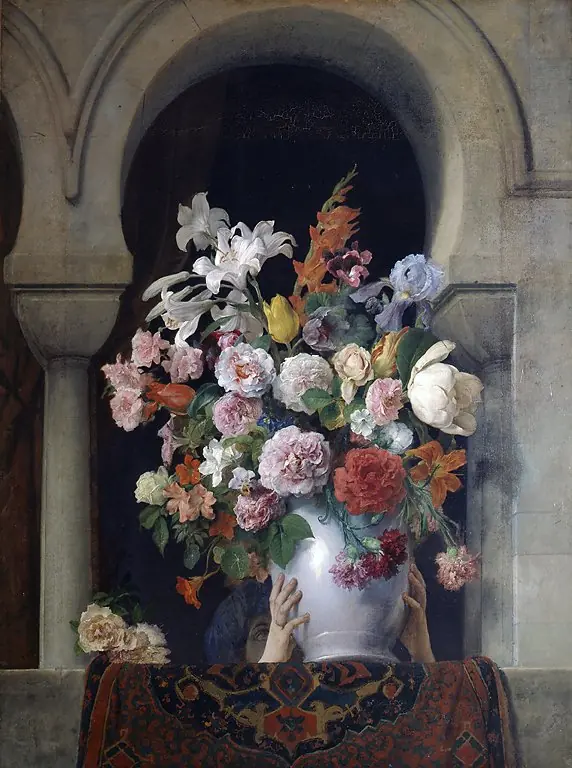 Flowers at the Window of the Harem
 Hunting Still Life
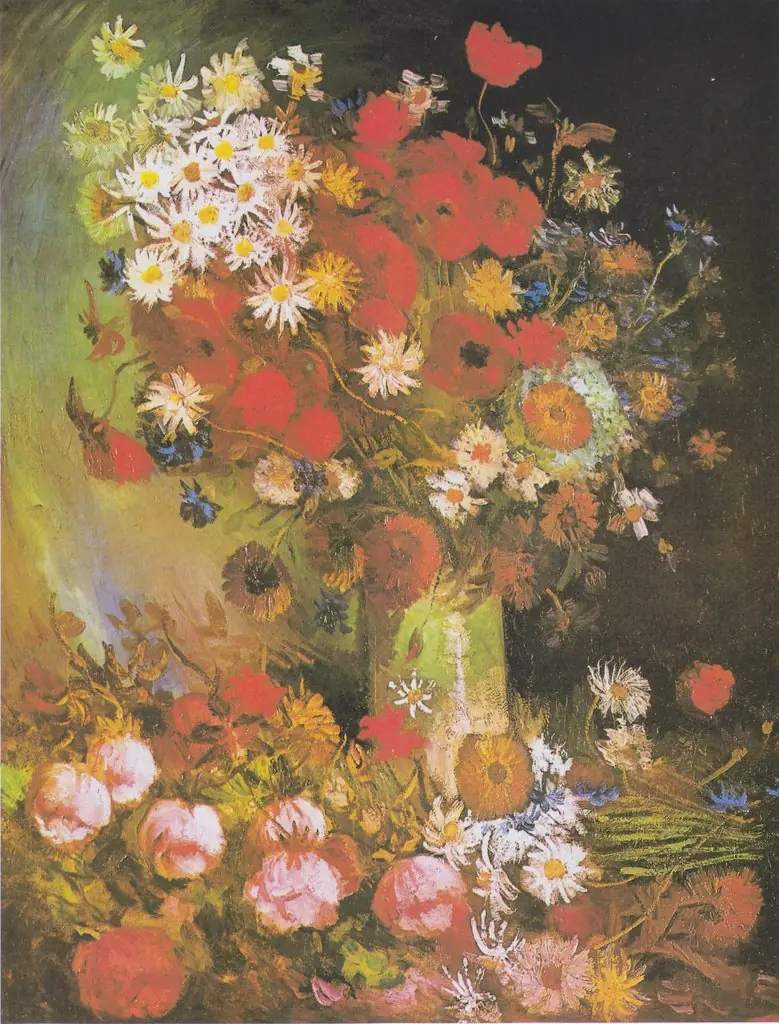 Still Life with Meadow Flowers and Roses
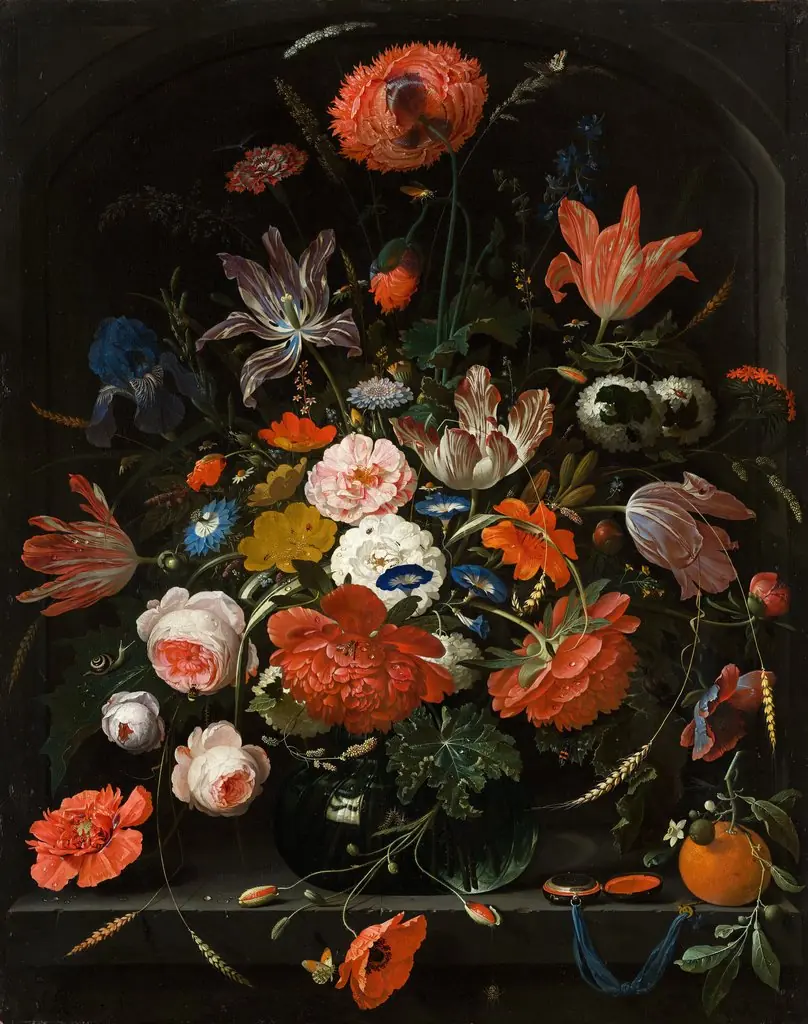 Flowers in a Glass Vase
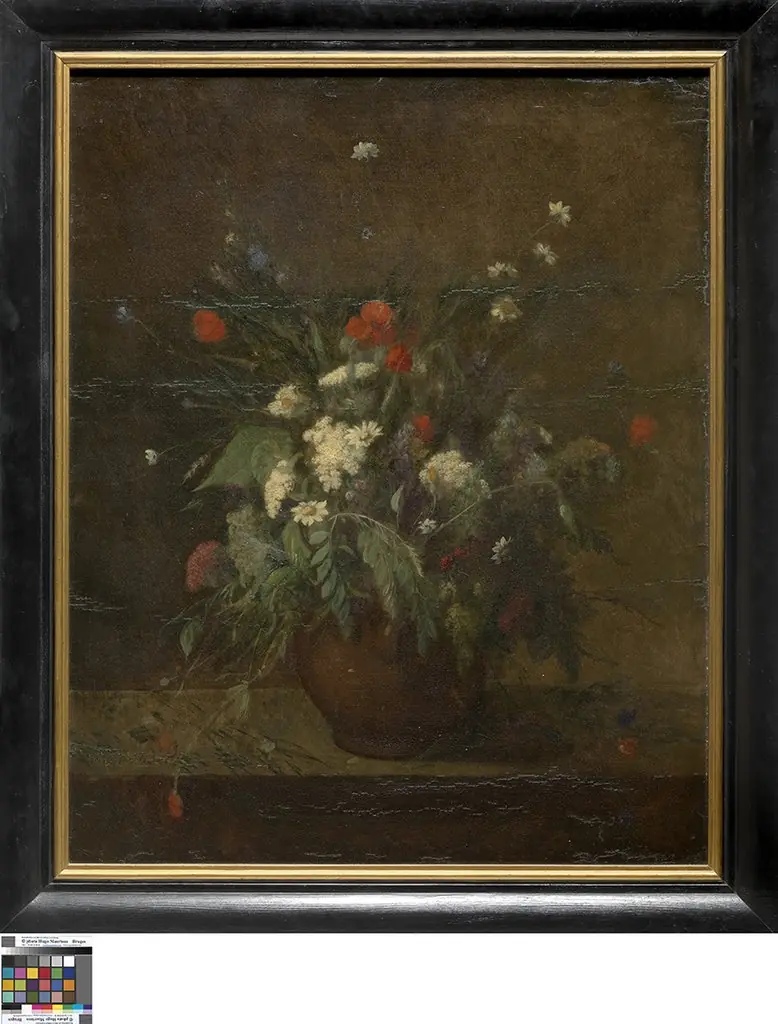 Still life with flowers
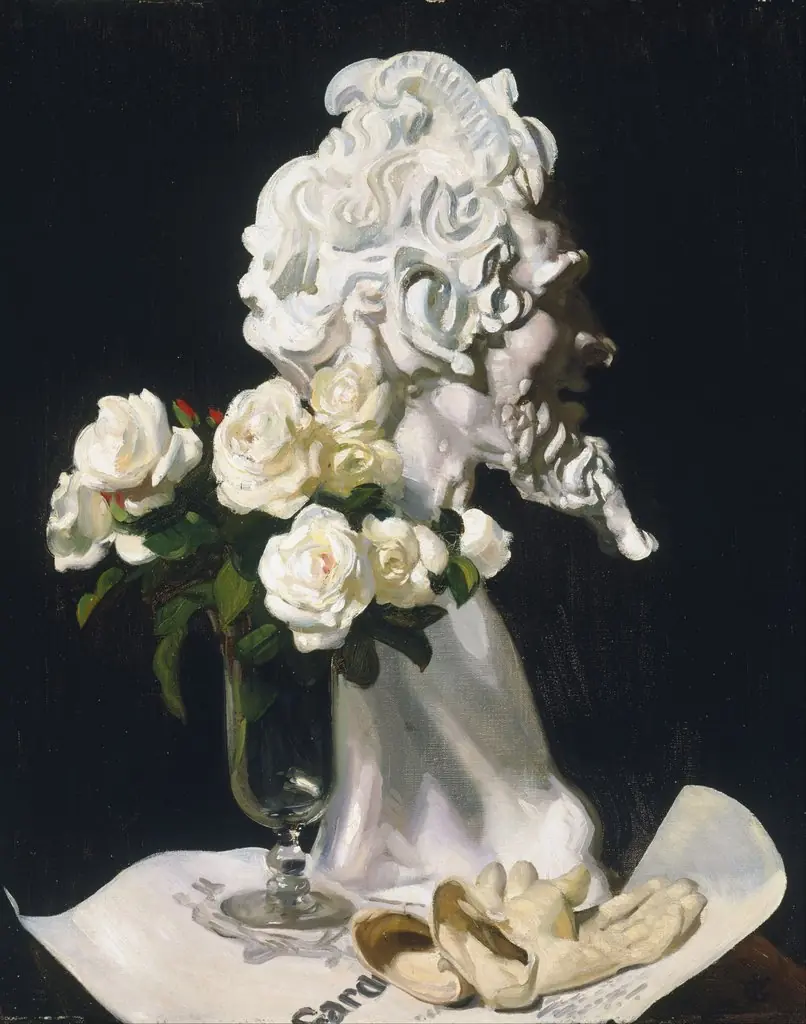 Pan is dead (still life)
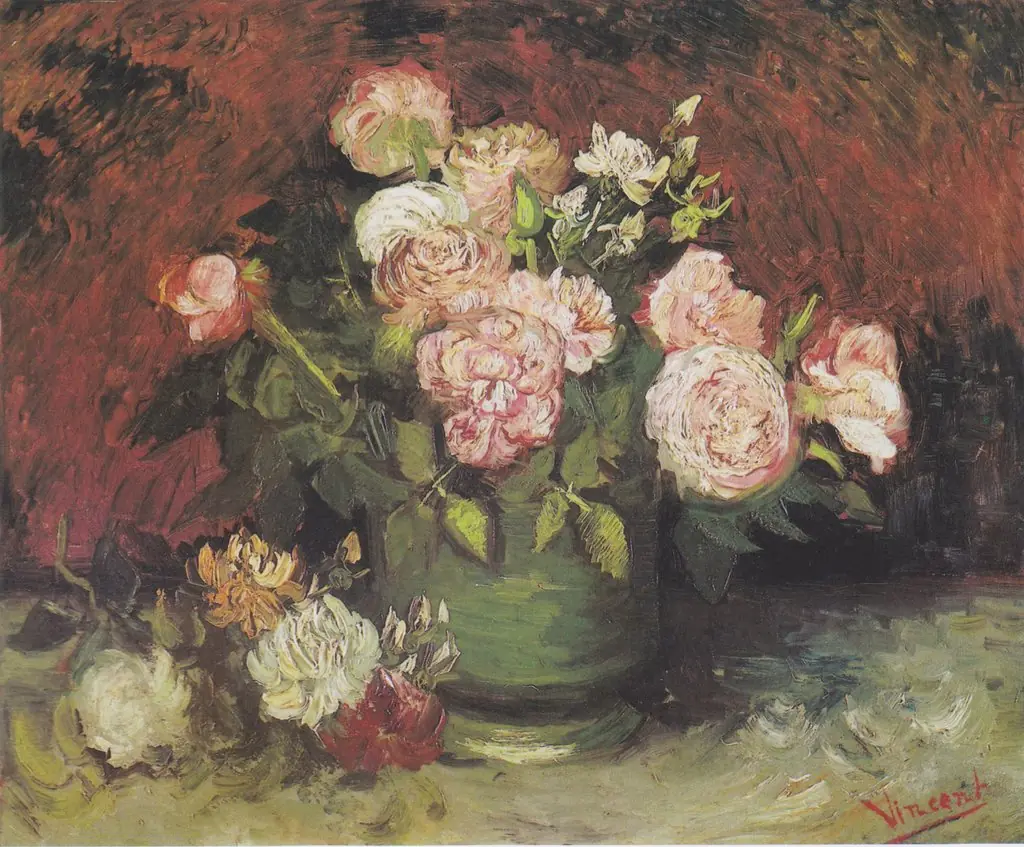 Bowl with Peonies and Roses
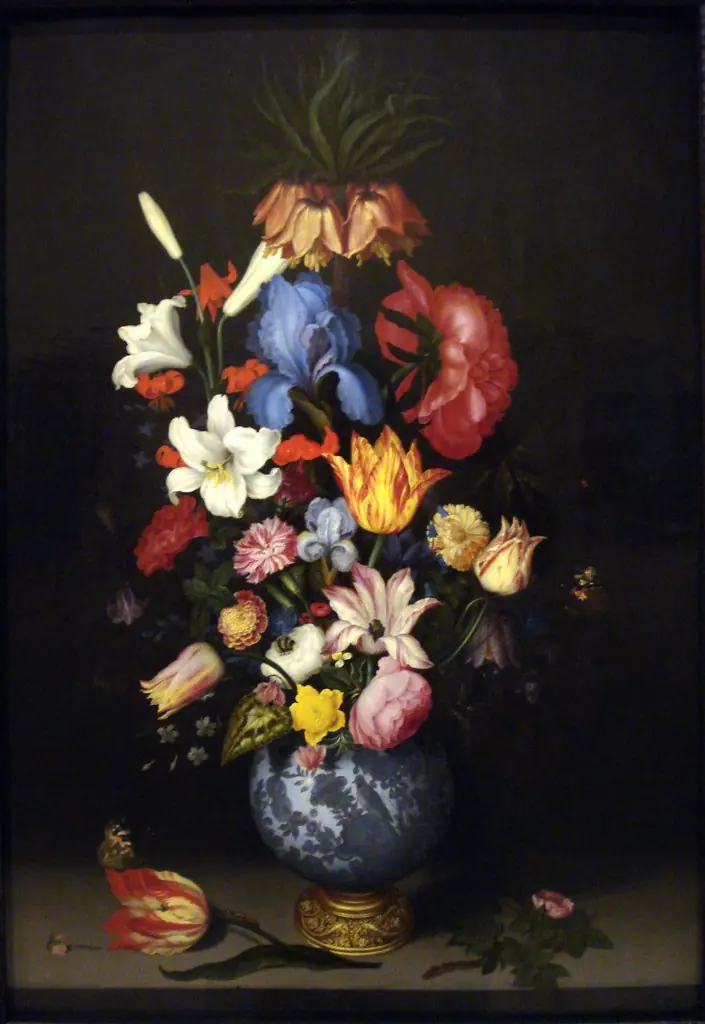 Bouquet in a Wan-Li Vase with a Gilt Mount
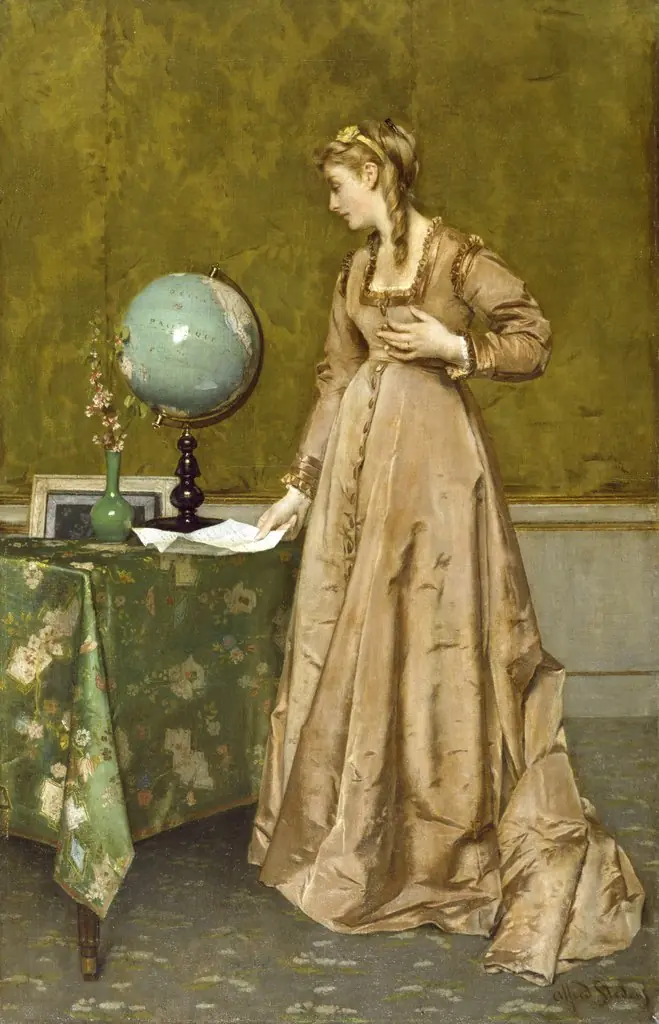 News from Afar
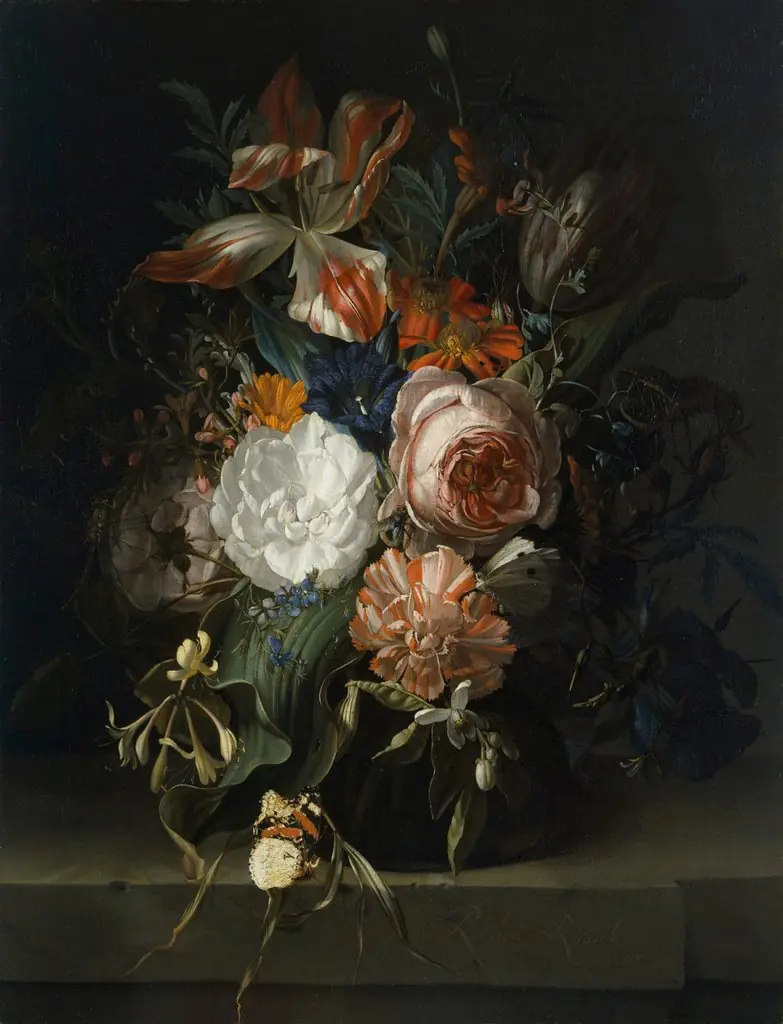 Flowers in a glass vase on a marble ledge, 1691
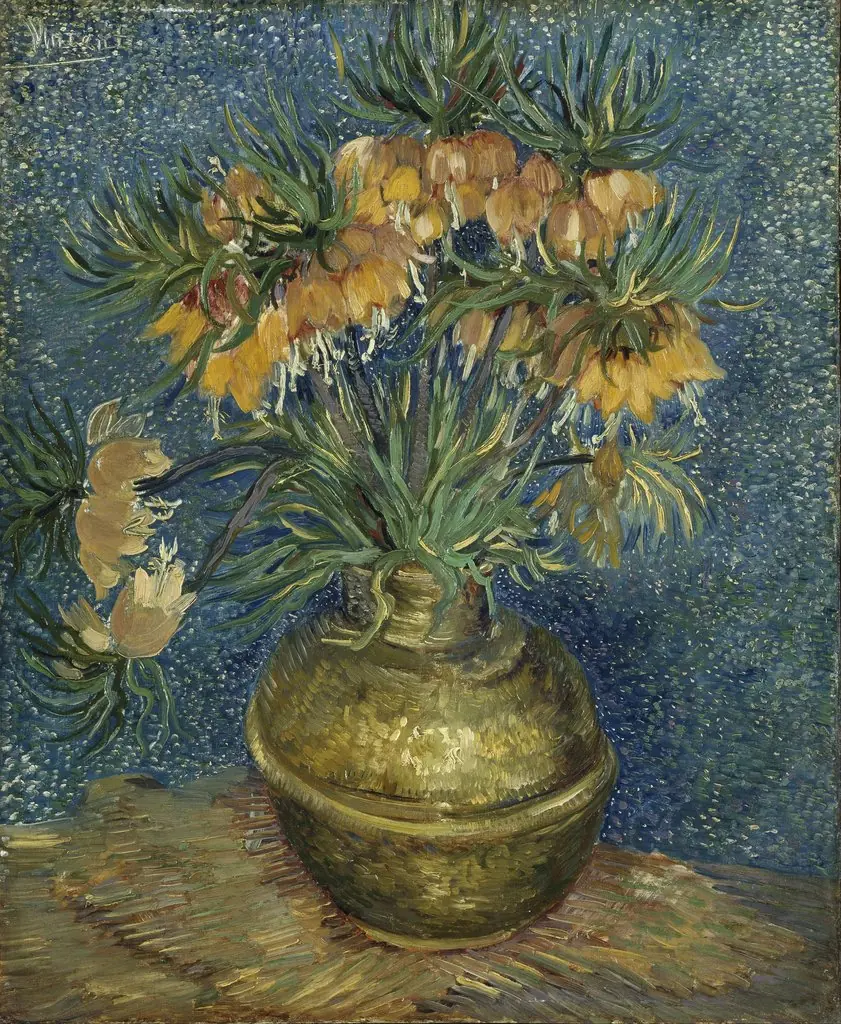 Fritillaries in a Copper Vase
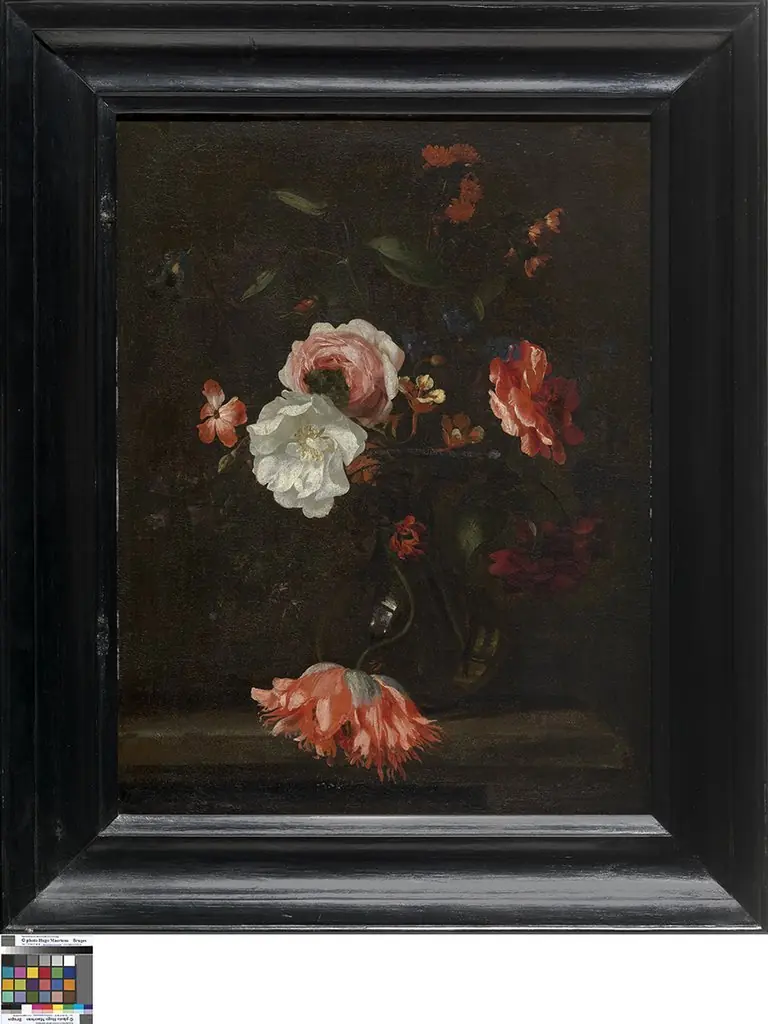 Bloemstuk
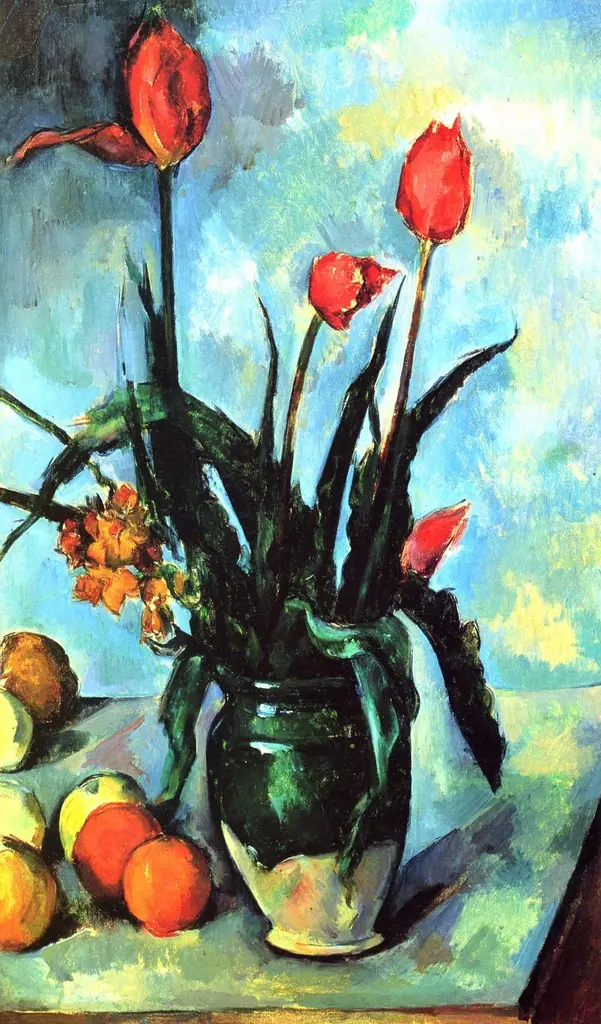 Le Vase de tulipes (Tulipes in a Vase)
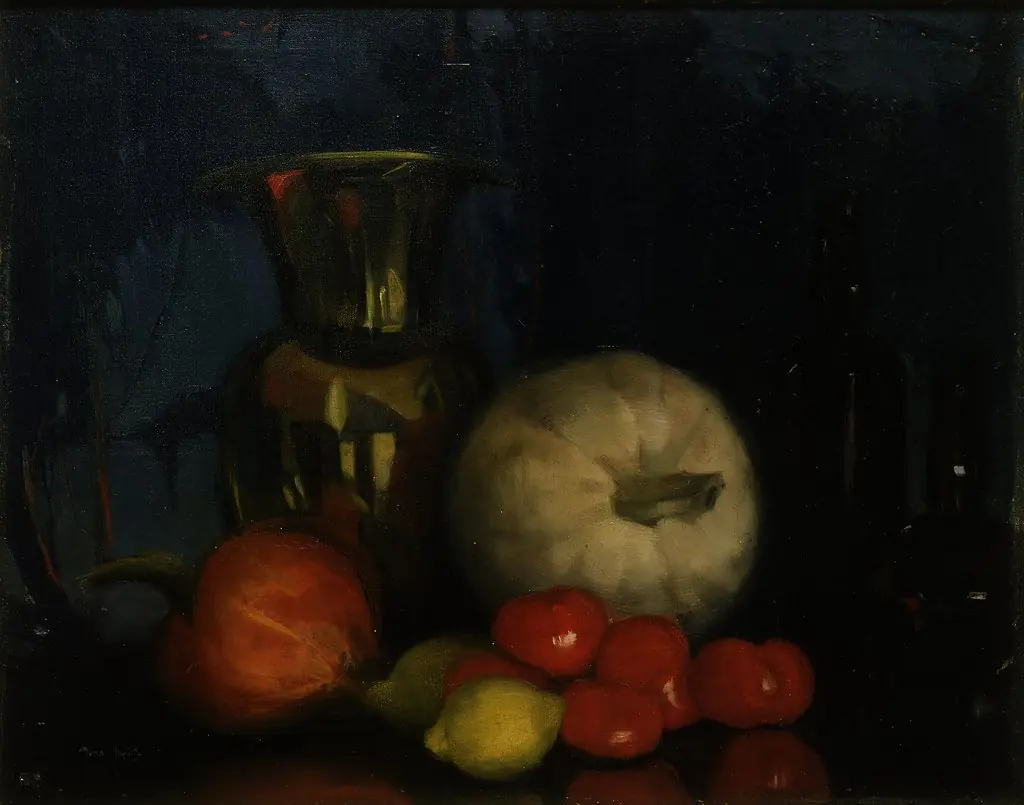 Decorative group
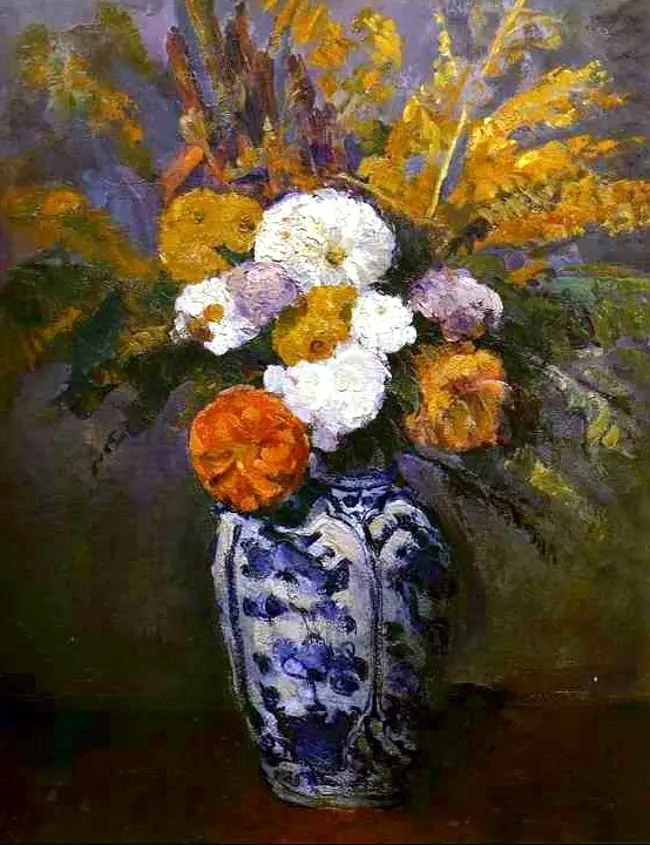 Dahlias in a Delft vase
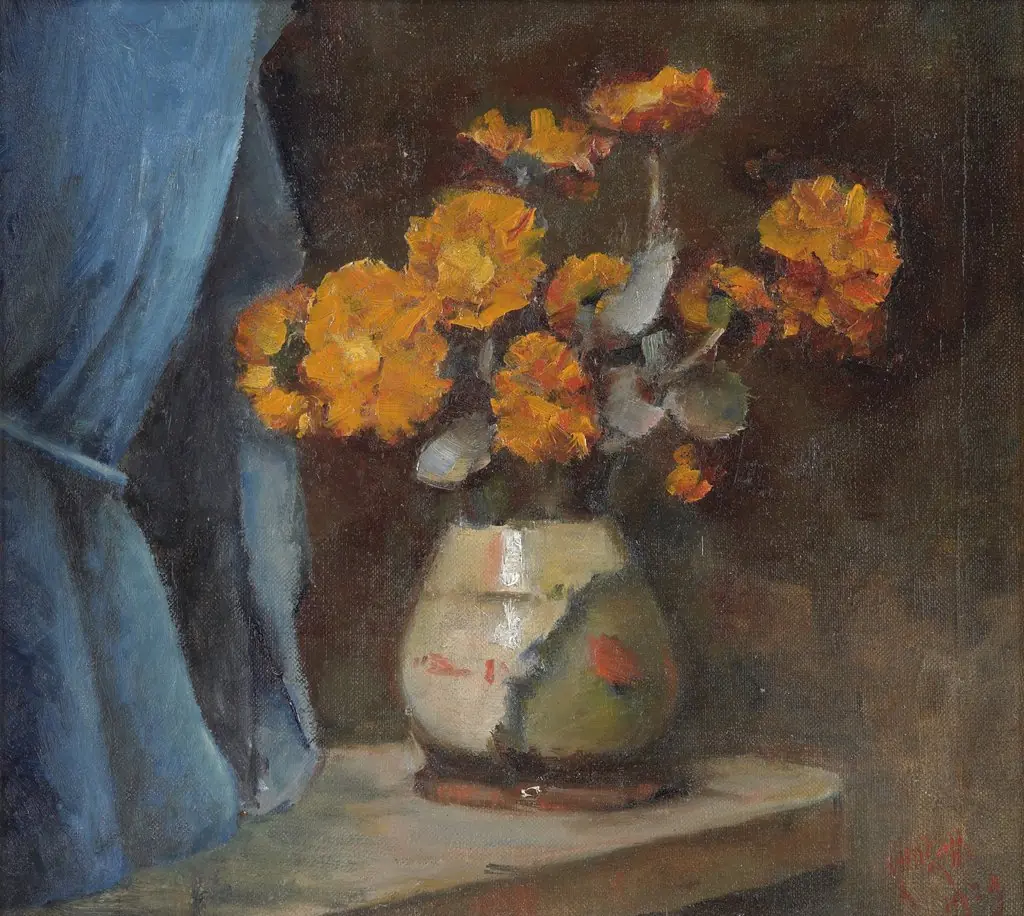 The broken vase
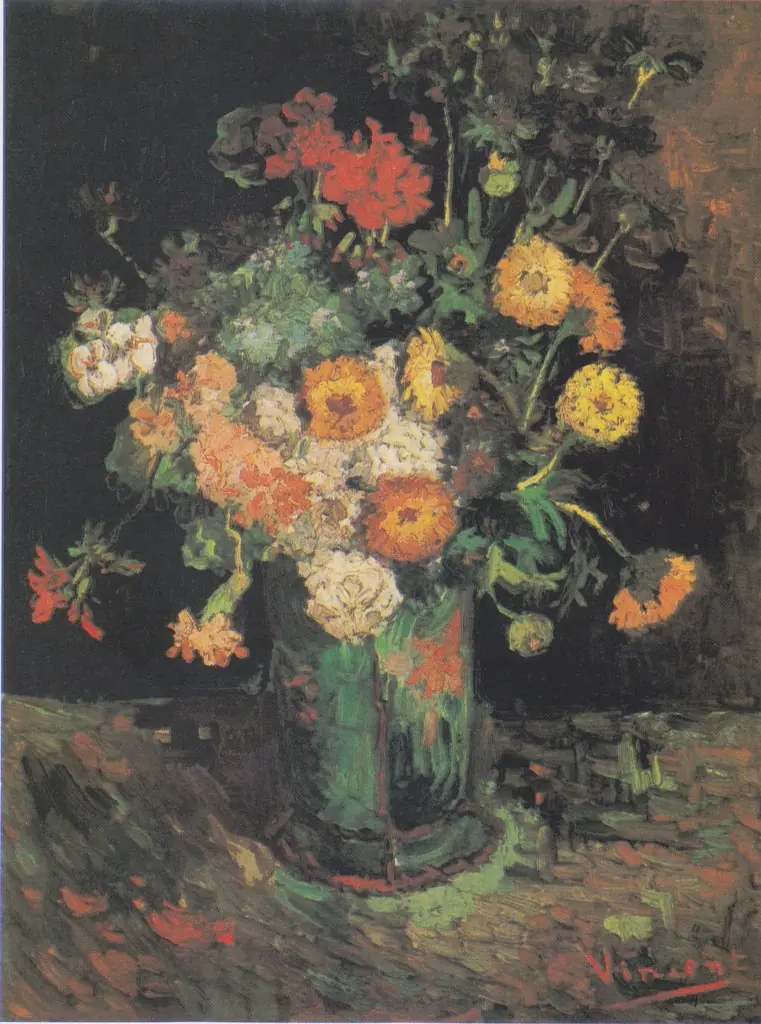 Vase with Zinnias and Geraniums
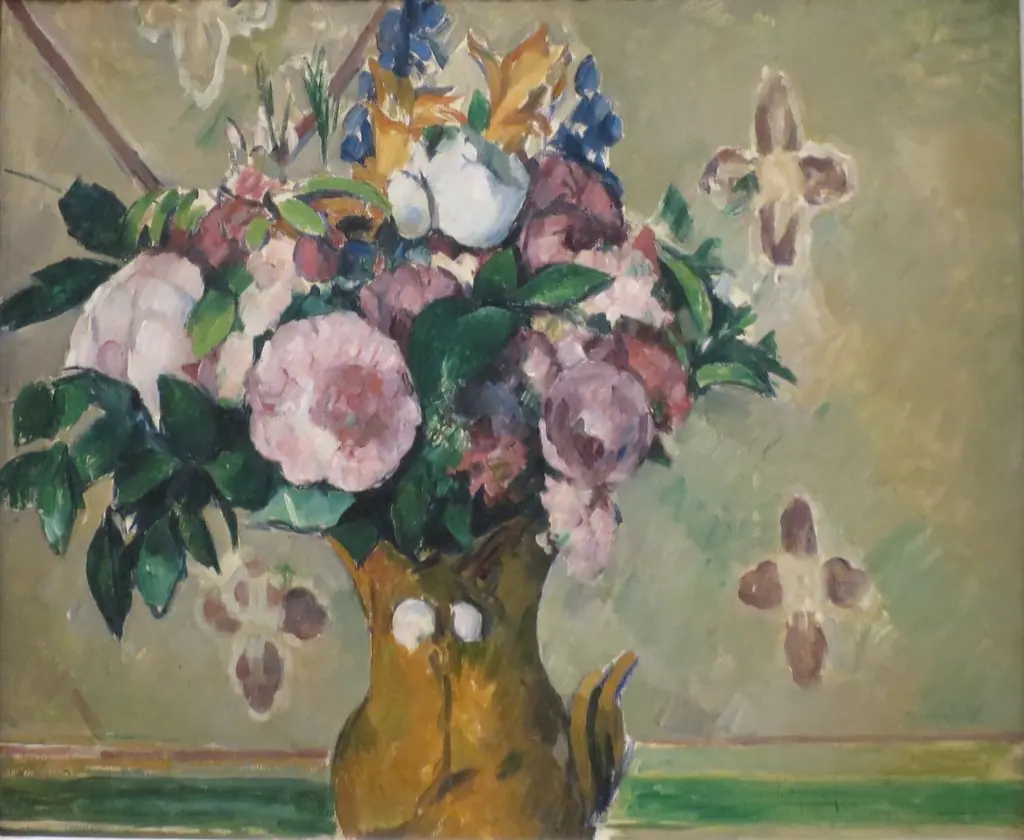 Fleurs dans un vase rouge
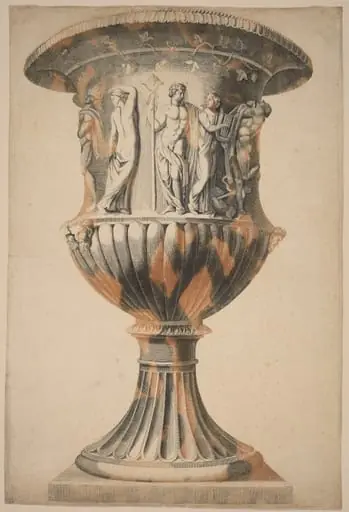 Borghese Vase
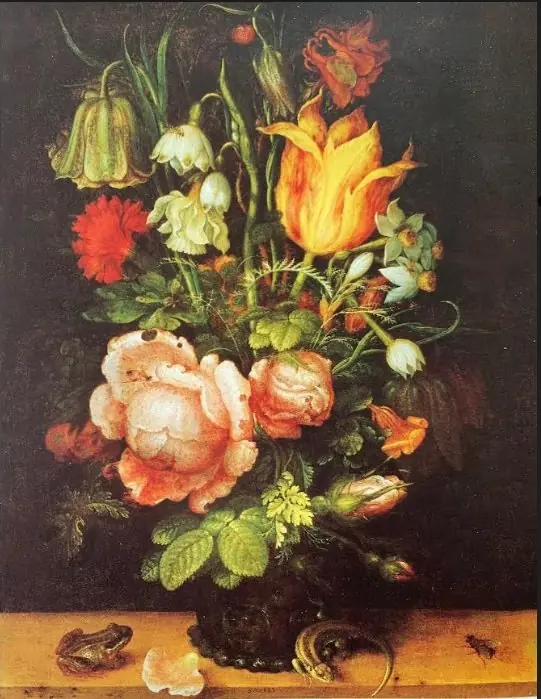 Flowers in a glass vase, 1615
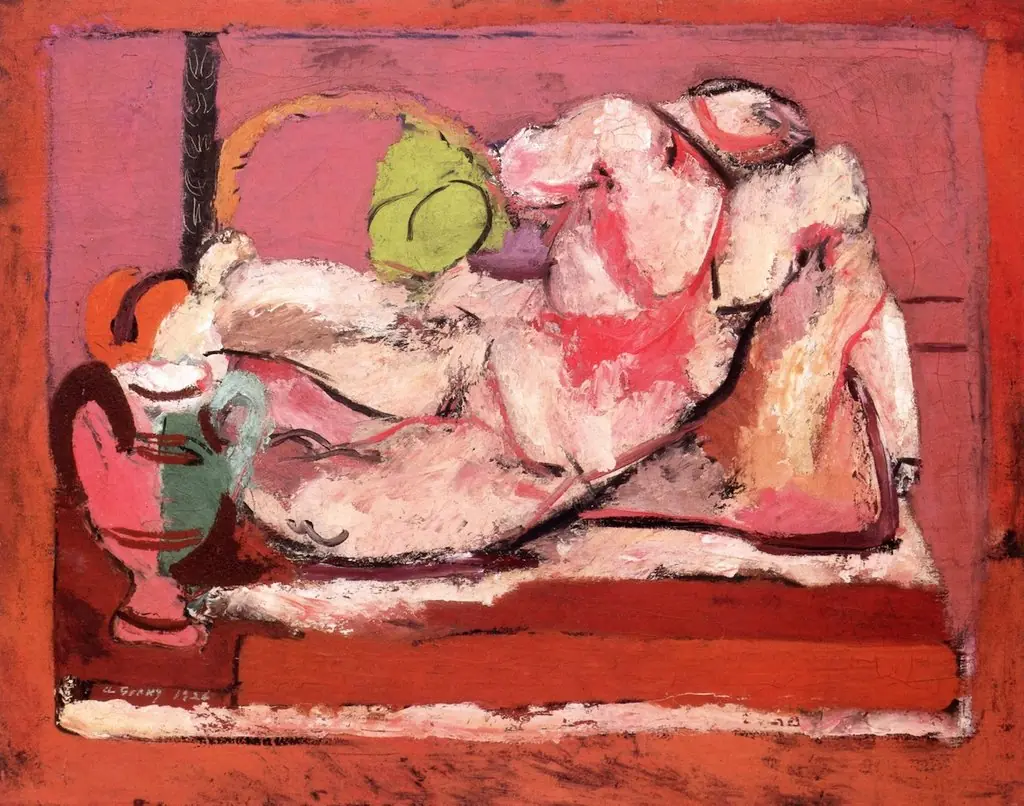 The Antique Cast
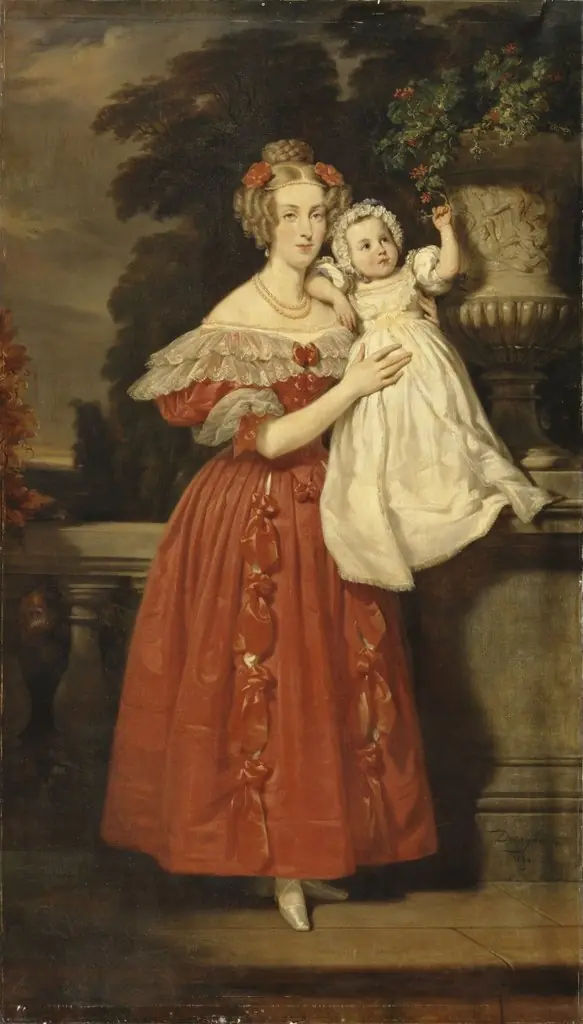 Louise of Orléans, Queen of the Belgians, and her son
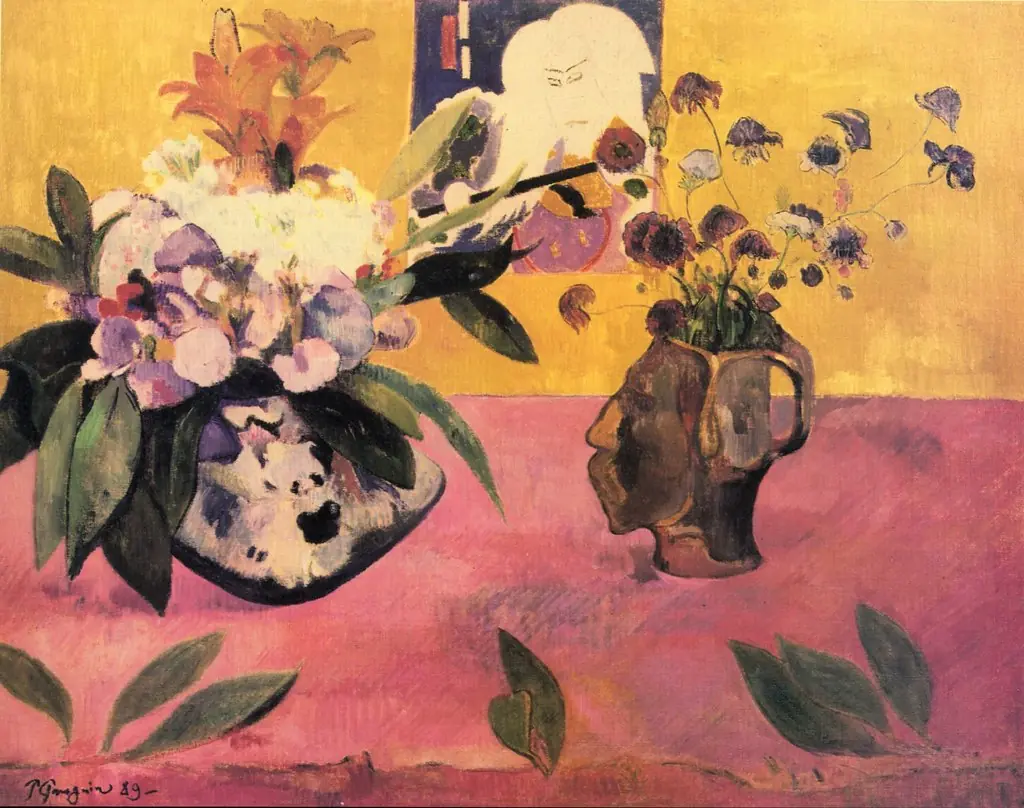 Still Life with Head-Shaped Vase and Japanese Woodcut
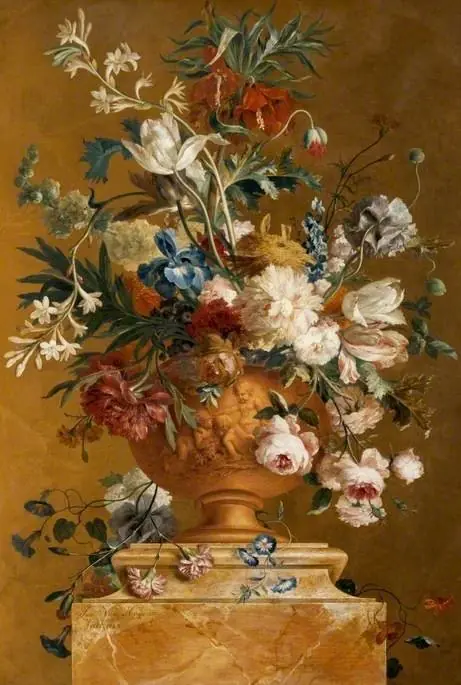 Still Life: Flowers in a Terracotta Urn
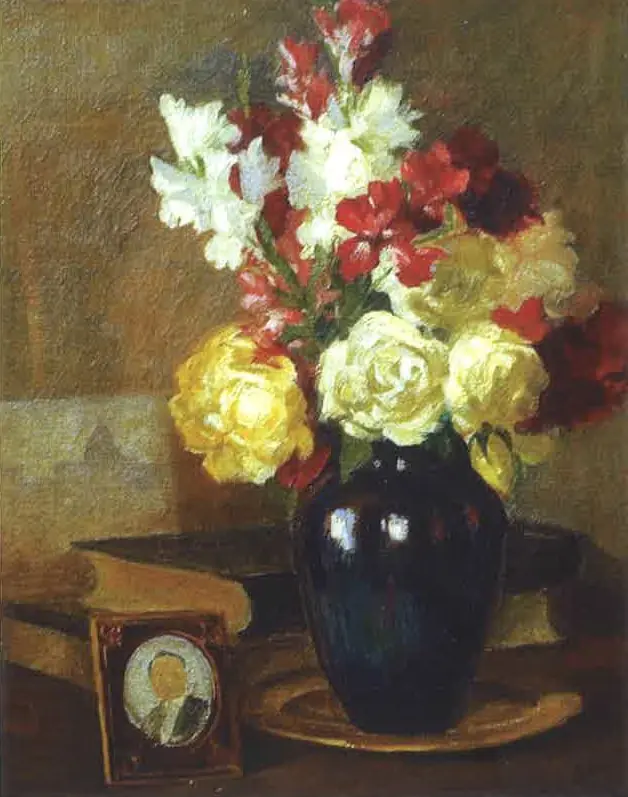 The Blue Vase
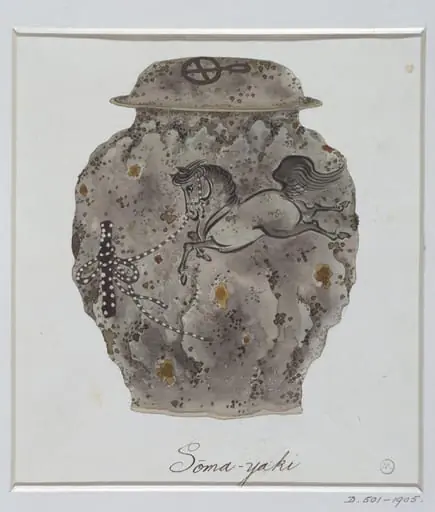 Sōma-yaki
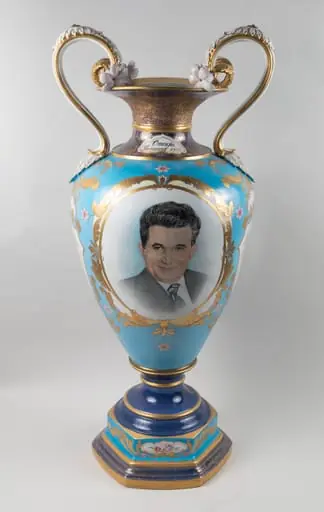 Vază din porțelan, fond albastru, tip amforă, cu anse, decorată cu două medalioane, unul reprezentând portret Nicolae Ceaușescu, cel de-al doilea un buchet cu flori. Pe gâtul vazei o dedicație ”Omagiu, Ianuarie 1989”. Vază oferită lui Nicolae Ceaușesacu de Consiliul Național al Femeilor cu ocazia aniversării zilei de naștere, ianuarie 1989.
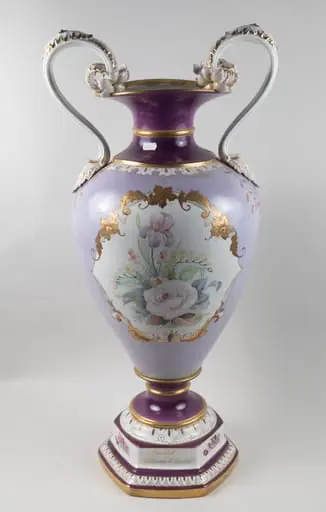 Vază din porțelan, tip amforă, cu două anse, decorată pe un fond mov cu două medalioane, unul reprezentând portretul Elenei Ceaușescu. cel de-al doilea medalion este decorat un buchet cu flori. Pe gâtul vazei o dedicație ”Omagiu, Ianuarie 1989”. Oferită de Consiliul Național al Femeilor. Vază oferită Elenei Ceaușescu de Consiliul Național al Femeilor cu ocazia aniversării zilei de naștere, ianuarie 1989.
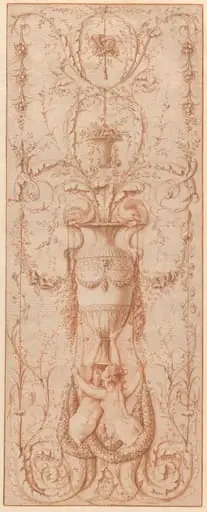 Design for a Decorative Panel with Two Sirens Holding a Vase Embellished with Dolphins and other Decorative Motifs
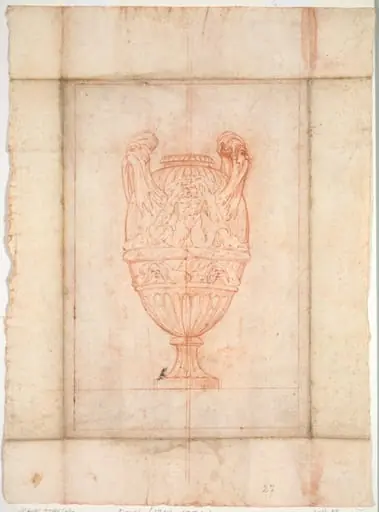 Vase Design for 'Suite of Vases': Plate 27
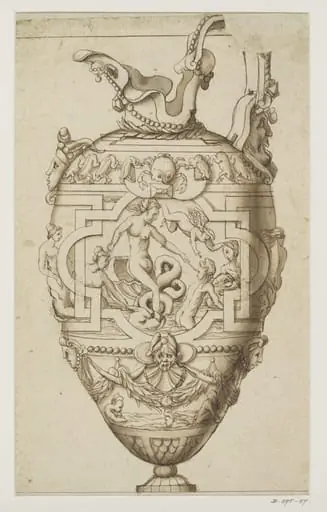 Copy of a design for a ewer
Frequently asked questions
What is Vase?
Vase is a subject in art. A vase (, , or ) is an open container.
How many Vase works does Artifact World Gallery have?
Artifact World Gallery holds 200 public-domain Vase works, all free to view and download.
Who are the key Vase artists?
Key Vase artists in the collection include Edgar Degas, Jacques-Louis David and Édouard Manet.
Where can I see Vase works?
Vase works in the collection are held by Metropolitan Museum of Art, Museo del Prado and Fitzwilliam Museum.