Artwork
Le Tsar
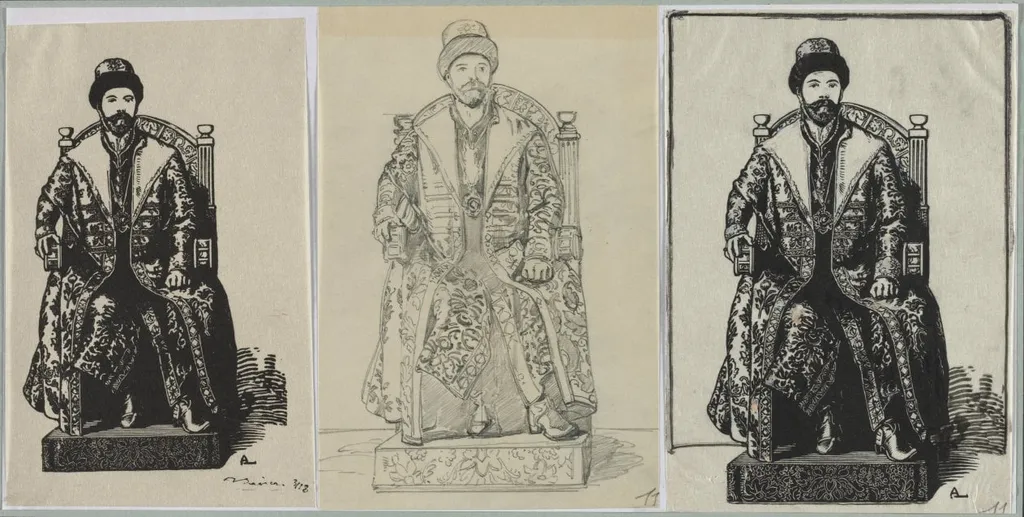
Le Tsar is a drawing by Auguste Louis Lepère. It dates from 1914 and is held in the collection of the Cleveland Museum of Art.
- Accession no.
- 1974.153
- Credit line
- Delia E. Holden Fund
About this work
Overview
Le Tsar is a 1914 wood engraving by Auguste Louis Lepère, exemplifying the artist's role in reviving wood engraving in late 19th- and early 20th-century Europe. The piece showcases Lepère's skill in a medium characterized by bold lines and stark contrasts, popular in contemporary printmaking.
Subject & Meaning
The engraving depicts a solemn, crowned figure in imperial attire, seated on a throne-like chair, with a long beard and serious expression. The subject's regal presence is emphasized by intricate robe patterns and a tall, pointed hat.
Technique & Style
Lepère employed precise, graphic wood engraving techniques, typical of his style, to render the figure. Three variant studies within the work demonstrate the artist's explorations of pose and detail, set against a plain background that highlights the subject's demeanor and costume.
History & Provenance
Created in 1914, Le Tsar is part of Lepère's contributions to the wood engraving revival. Currently, the work is housed at The Cleveland Museum of Art, where it is available for public viewing.
Artist & collection

Artist
Louis-Auguste Lepère (30 November 1849 – 20 November 1918) was a French painter and etcher. Lepère is also considered a leader in the creative revival of wood engraving in Europe.

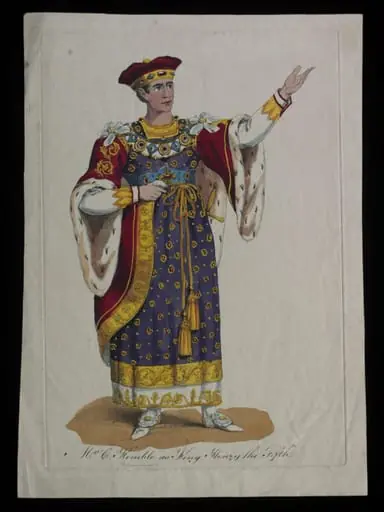 H Beard Print Collection
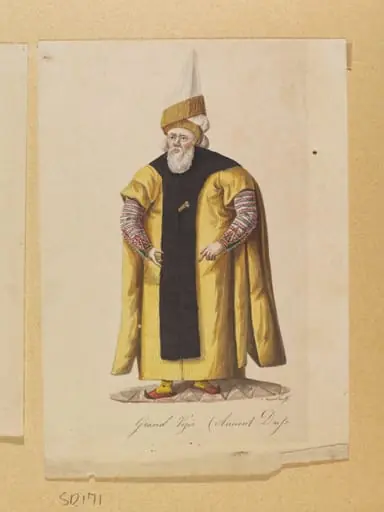 Grand Vizir (Ancient Dress)
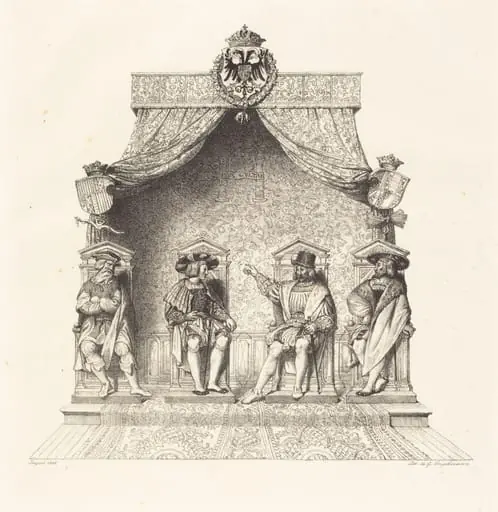 Four Magistrates of Besançon (Quatre magistrats de Besançon)
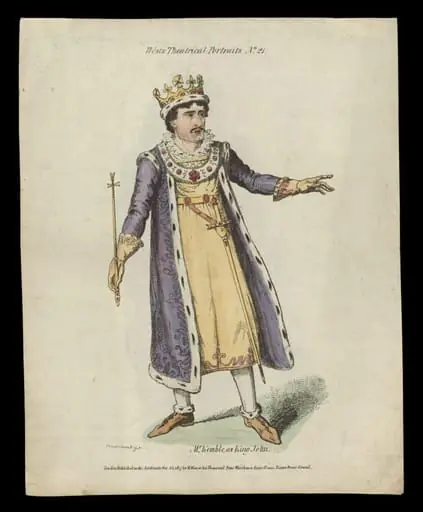 Print Collection
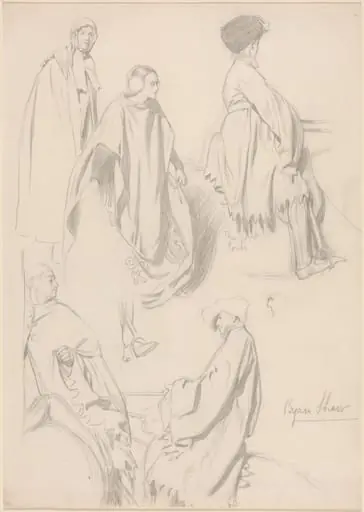 Studies of Men and Women in Medieval Dress
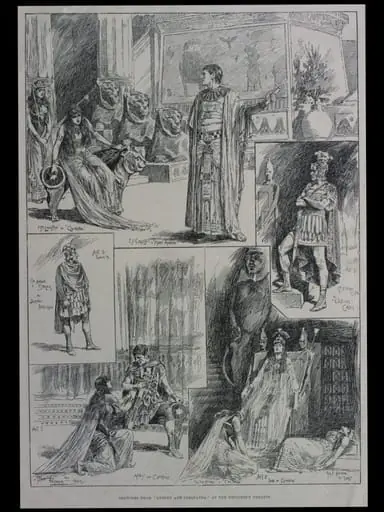 H Beard Print Collection
 H Beard Print Collection
 H Beard Print Collection
 H Beard Print Collection
 H Beard Print Collection
 Drawings of Costumes
- Au Maroc