Artwork
Four Magistrates of Besançon (Quatre magistrats de Besançon)
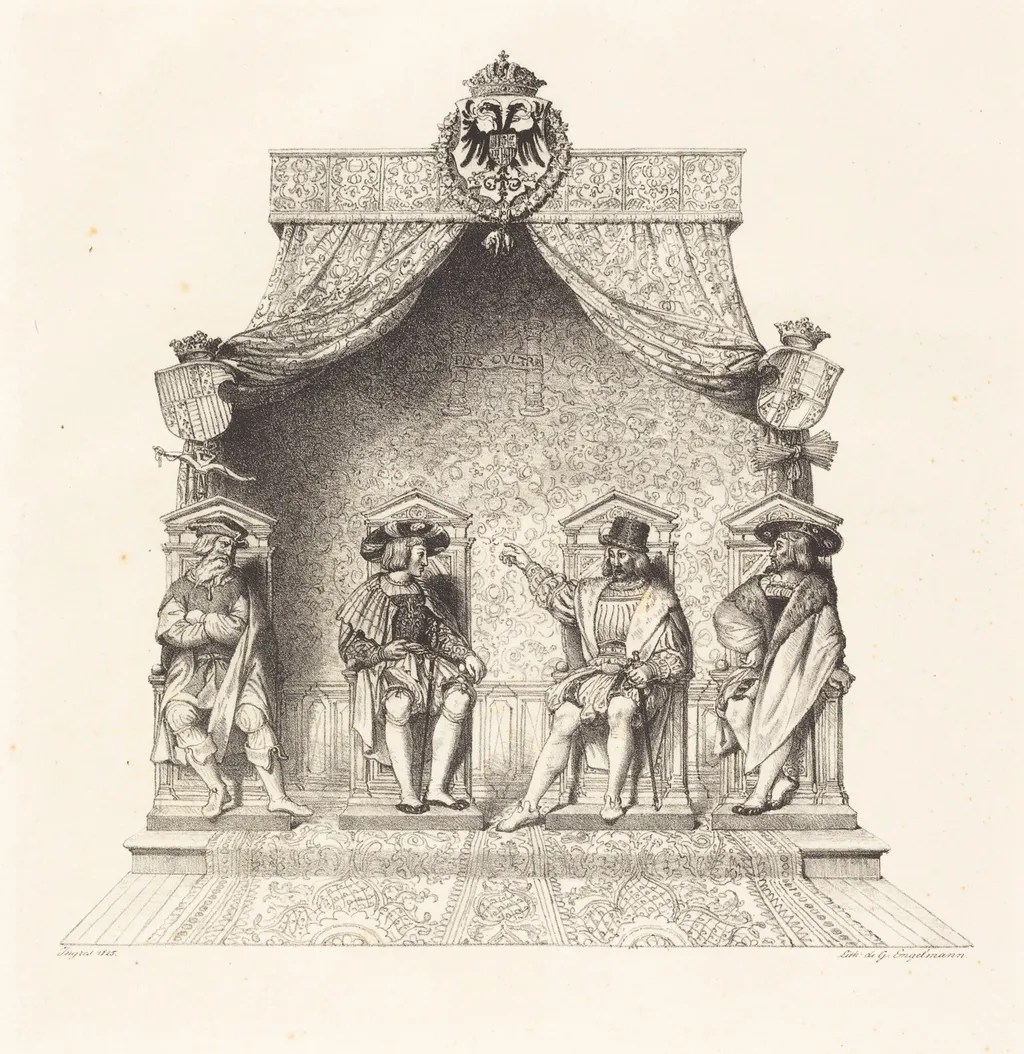
Four Magistrates of Besançon (Quatre magistrats de Besançon) is an ink print by the Romanticist artist Jean Auguste Dominique Ingres. It dates from 1825 and is held in the collection of the National Gallery of Art. Created in 1825, this lithograph on wove paper presents a group portrait of four municipal magistrates from Besançon.
- Inscription
- Inscribed:recto: in stone, below image, at left: Ingres 1825.; in stone, below image, at right: Lith: de G: Engelmann; at upper left, in graphite, in later hand: D 8; at lower left, in graphite, in later hand: 29; at lower right, in graphite, in later hand: L.D. 8 no. 140; verso: at upper left, in graphite, in later hand: 7
- Markings
- Marked:none
About this work
Overview
Created in 1825, this lithograph on wove paper presents a group portrait of four municipal magistrates from Besançon. Executed by Jean‑Auguste‑Dominique Ingres, the image aligns with his early career focus on academic portraiture, employing a formal composition that emphasizes the dignified presence of each official.
Subject & Meaning
The work records the civic authority of Besançon through the depiction of four men in contemporary 18th‑century dress. Their stance before an elaborate backdrop, with one figure gesturing outward, suggests a collective responsibility and a public role within the city’s governance.
Technique & Style
Ingres employed the lithographic process, drawing directly onto a prepared stone to achieve fine tonal variation. The rendering reflects his Neoclassical training: precise line work, restrained palette, and a clear modeling of volume that underscores the figures’ solidity against the decorative background.
History & Provenance
The print emerged during a period when Ingres was defending classical academic ideals against the growing influence of Romanticism. Though he later prioritized history painting, his portraiture, exemplified by this piece, remained a significant part of his output. The lithograph was likely produced for a limited audience connected to the Besançon magistracy.
Context
In the early 1820s, French art was marked by a tension between the strictures of Neoclassicism and the emotive tendencies of Romanticism. Ingres’s choice to depict civic officials in a measured, orderly manner reflects his commitment to the former, while the lithographic medium indicates an interest in newer, reproducible technologies of the era.
Own this work as a print
Artist & collection

Artist
Jean-Auguste-Dominique Ingres was a French Neoclassical painter. Ingres was profoundly influenced by past artistic traditions and aspired to become the guardian of academic orthodoxy against the ascendant Romantic…

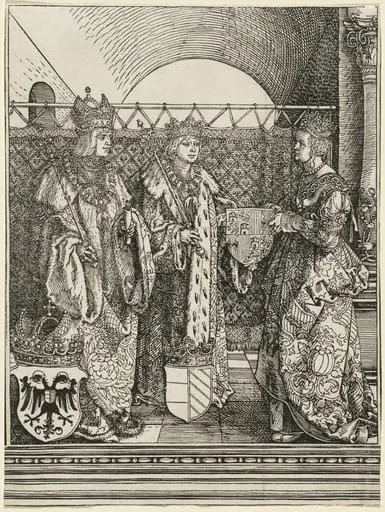 The Betrothal of Philip the Fair with Joan of Castile
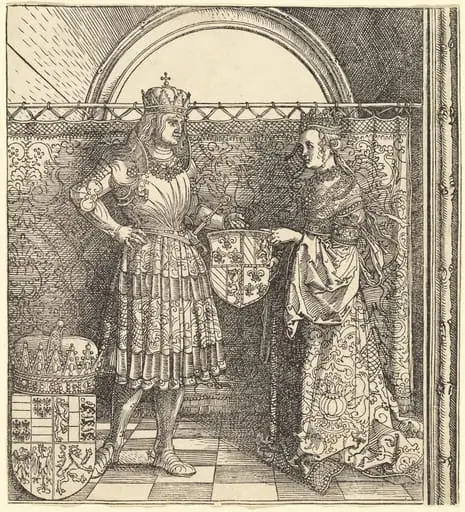 The Betrothal of Maximilian with Mary of Burgundy
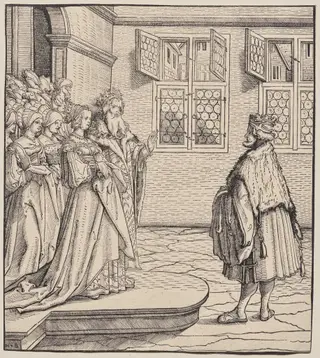 The Banished Duke of Otnop
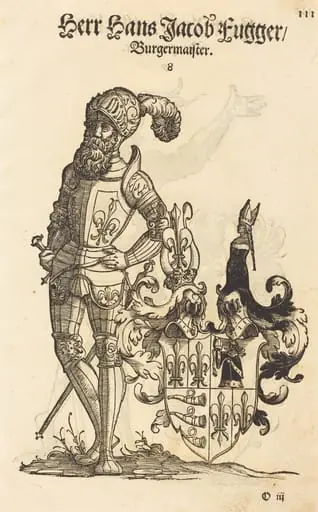 Page from Geschlechter Buch - Ausberg
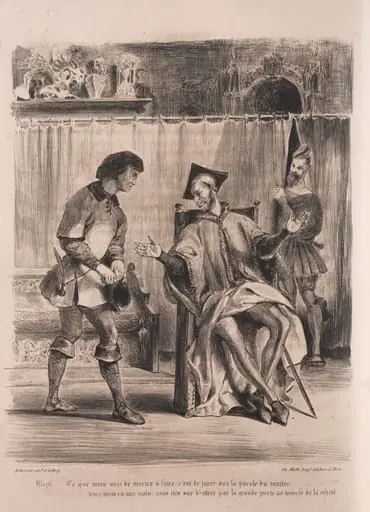 Illustrations for Faust: Méphistophélé receives the schoolboy
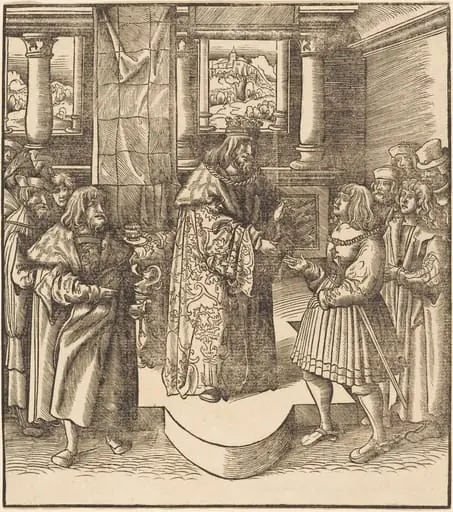 The Old White King Sending His Messengers to Portugal
 Italian Prince before Margaret of Austria
 Prince John and Isaac the Jew at the Passage of Arms at Ashby, in the county of Leicester.
 Saints Maximilian, Stephen, and Valentine