Artwork
Album pour 1831: Convoi militaire
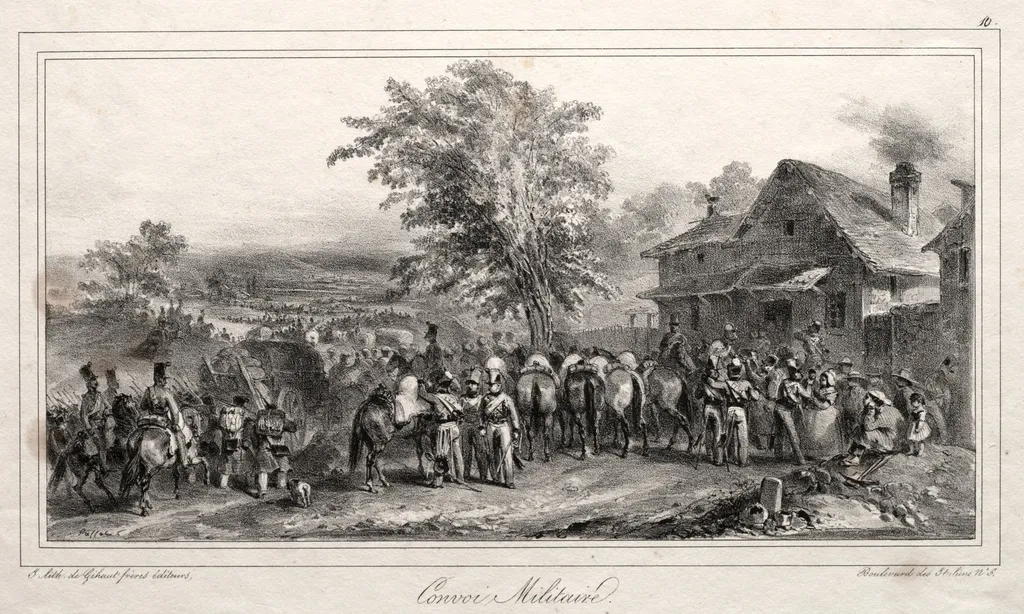
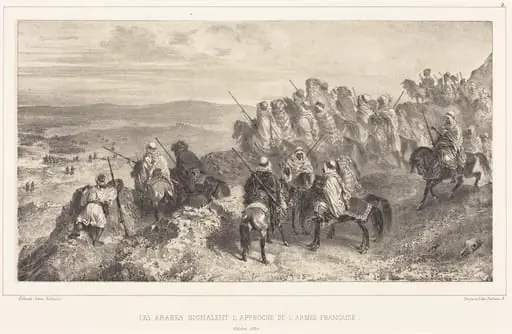
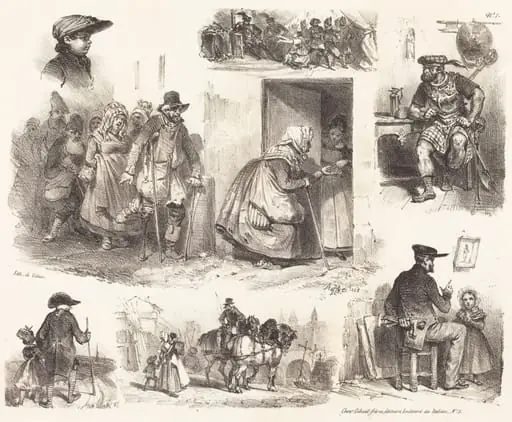
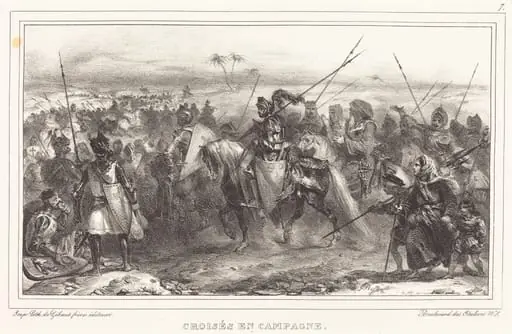
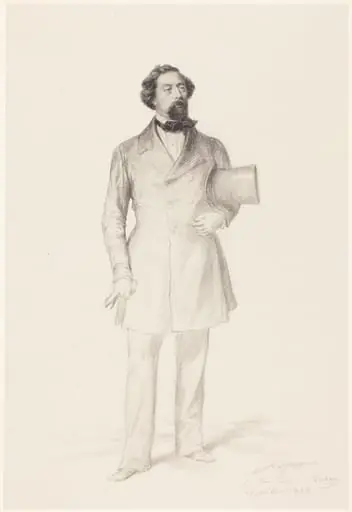
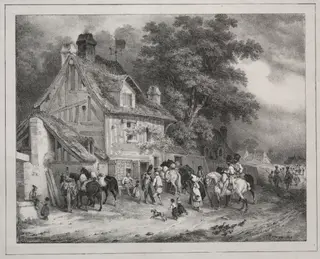
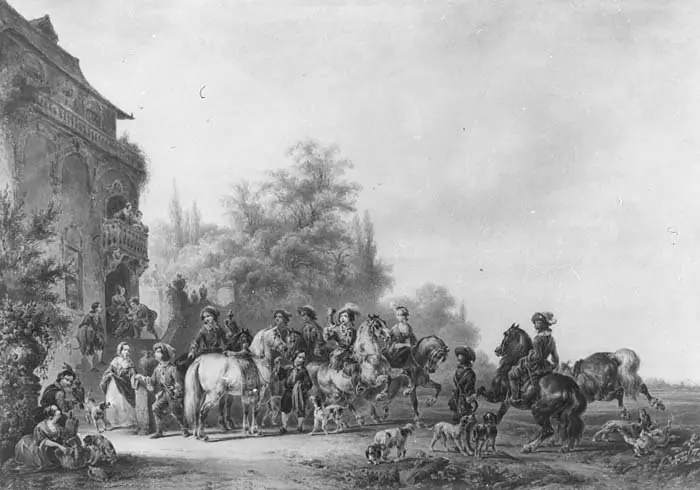
Album pour 1831: Convoi militaire is a print by the Romanticist artist Auguste Raffet. It dates from 1831 and is held in the collection of the Cleveland Museum of Art.
- Accession no.
- 1956.658
- Credit line
- Mr. and Mrs. Charles G. Prasse Collection
About this work
Overview
The piece is now held in the Cleveland Museum of Art’s print collection.
Created in 1831 by French lithographer Auguste Raffet, Album pour 1831: Convoi militaire is one of a series of prints documenting military life during the early July Monarchy. Produced as part of an illustrated album, the work captures a transient moment in a rural landscape, reflecting Raffet’s focus on contemporary military scenes rather than idealized historical narratives. The piece is now held in the Cleveland Museum of Art’s print collection.
Subject & Meaning
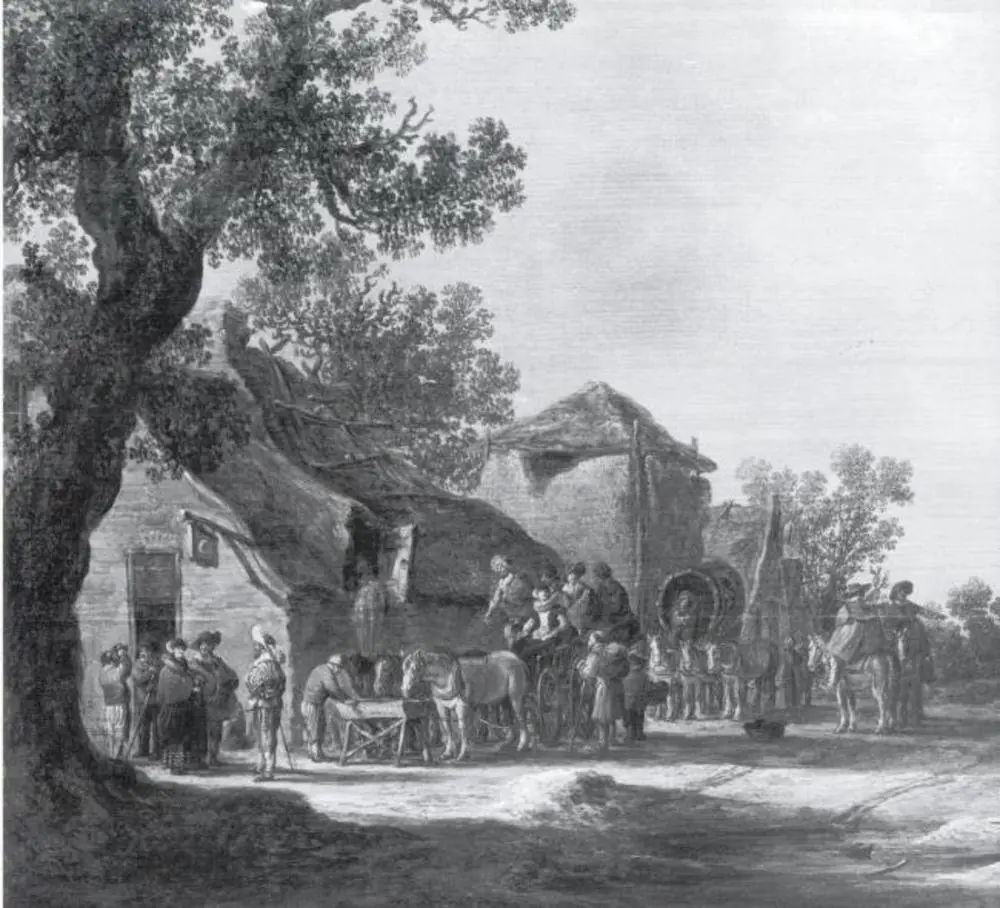
The scene portrays a military convoy halted in a countryside setting, with soldiers dispersed around wagons and a modest dwelling. Figures vary in posture and attire, some stand rigidly, others appear weary or engaged in daily tasks. The inclusion of civilian clothing and unguarded moments suggests a focus on the human reality of military service, not ceremonial grandeur. The distant crowd hints at local observation, grounding the scene in everyday experience.
Technique & Style
Raffet employed lithography to achieve a spontaneous, sketch-like quality, using fluid lines and tonal contrasts to suggest movement and texture. The composition avoids idealization, favoring loose, observational detail over polished finish. Figures are rendered with subtle variation in posture and expression, enhancing the sense of immediacy. The background, with its minimal landscape elements, directs attention to the human activity without distraction.
History & Provenance
The print was produced as part of Raffet’s 1831 album, commissioned during a period of political transition in France following the July Revolution. Raffet, trained under Nicolas Toussaint Charlet, was known for documenting military life with documentary precision. The work entered the Cleveland Museum of Art’s collection through established acquisition channels, preserving its role as a primary visual record of early 19th-century French military practice.
Context
Produced shortly after the 1830 July Revolution, the print reflects a shift in French visual culture toward contemporary, unromanticized depictions of state institutions. While earlier Napoleonic imagery emphasized heroism, Raffet’s work captures the mundane rhythms of service under the new monarchy. His focus on ordinary soldiers and rural settings aligns with broader Romantic-era interests in authenticity and the everyday, even within institutional subjects.
Legacy
Raffet’s Album pour 1831 series influenced later illustrators who sought to document military life with observational honesty. His lithographs provided a model for combining journalistic detail with artistic expression, bridging the gap between official record and personal testimony. Though not widely exhibited today, his prints remain valuable for their unembellished portrayal of 19th-century military routine.
Artist & collection

Artist
Denis Auguste Marie Raffet (2 March 1804 – 16 February 1860) was a French illustrator and lithographer. He was a student of Nicolas Toussaint Charlet, and was a retrospective painter of the Empire.