Artwork
Lazarus and the rich man
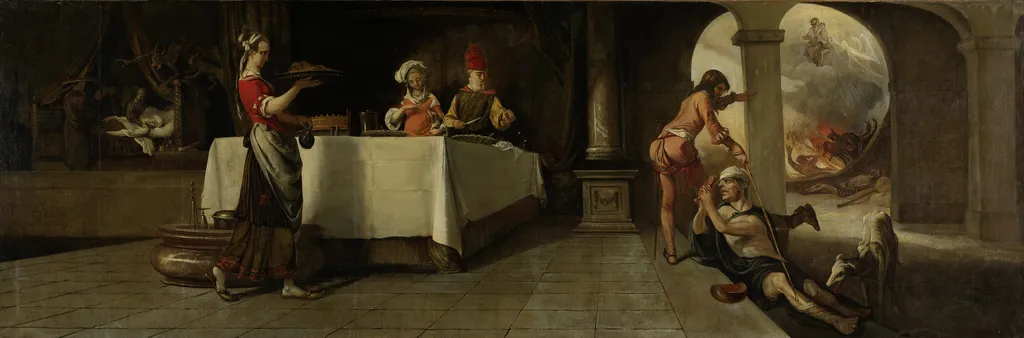
Lazarus and the rich man is an oil painting by Barent Fabritius. It dates from 1661 and is held in the collection of the Rijksmuseum.
About this work
Subject & Meaning
The composition visually contrasts the wealthy figure, often associated with the stairs depicted in the scene, against the suffering beggar at his gate.
Barent Fabritius's 1661 oil painting illustrates the biblical parable of the Rich Man and Lazarus (Luke 16). The composition visually contrasts the wealthy figure, often associated with the stairs depicted in the scene, against the suffering beggar at his gate. Key iconographic elements include a dog, traditionally shown licking the beggar's sores, and a leper clapper, an object used by outcasts to signal their presence.
These details underscore the social and spiritual divide between the opulent diner and the destitute man. The work serves as a moral commentary on charity, neglect, and the reversal of fortunes in the afterlife, central themes in religious art of the period.
Technique & Style
Barent Fabritius created this religious painting in 1661 using oil on canvas. The work depicts the biblical parable scene with figures arranged on a stair-like setting within an interior space, rendered with characteristic Dutch Baroque handling of light and detail. A leper clapper appears prominently in the foreground. The Rijksmuseum holds the canvas in its collection.
History & Provenance
Barent Fabritius painted Lazarus and the rich man in 1661 as an oil on canvas work. The painting measures 95 cm in height and 292 cm in width and depicts the biblical parable figures along with a dog and a leper clapper. The piece is currently held in the collection of the Rijksmuseum, having previously been associated with the Evangelisch Lutherse kerk.
Context
Barent Fabritius painted Lazarus and the rich man in 1661, a religious work now housed in the Rijksmuseum. The painting depicts the biblical parable from Luke 16, showing the beggar Lazarus at the gate of the rich man, along with a dog, stairs, and a leper clapper. Art historical context situates this piece within Fabritius's religious output, reflecting 17th-century Dutch engagement with biblical narratives.
Legacy
Barent Fabritius's 1661 painting Lazarus and the rich man entered the collection of the Rijksmuseum via the Evangelisch Lutherse Kerk, where it has remained on public display. Its presence in a major Amsterdam institution has helped preserve awareness of Fabritius's religious oeuvre alongside the better-known output of his brother Carel Fabritius.
Overview
Barent Fabritius, a Dutch painter born in 1624, completed the oil on canvas work Lazarus and the Rich Man in 1661. The composition belongs to the religious painting tradition and is presently part of the Rijksmuseum’s collection.
Artist & collection
Artist
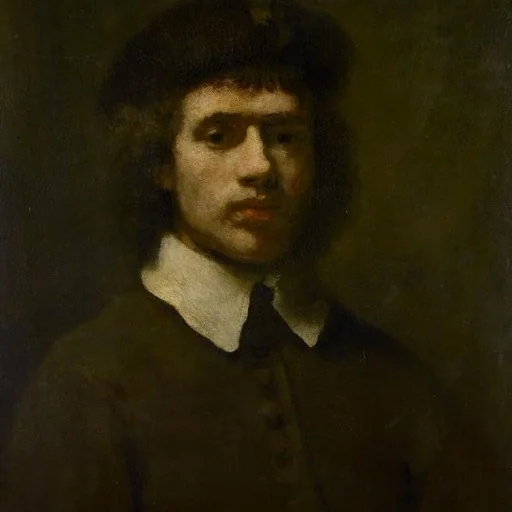
Barent or Bernard Pietersz Fabritius (or Fabricius) (bapt. 16 November 1624 – bur. 20 October 1673), was a Dutch painter. Fabritius was born at Middenbeemster, North Holland, the son of Pieter Carelsz. Fabritius. He…

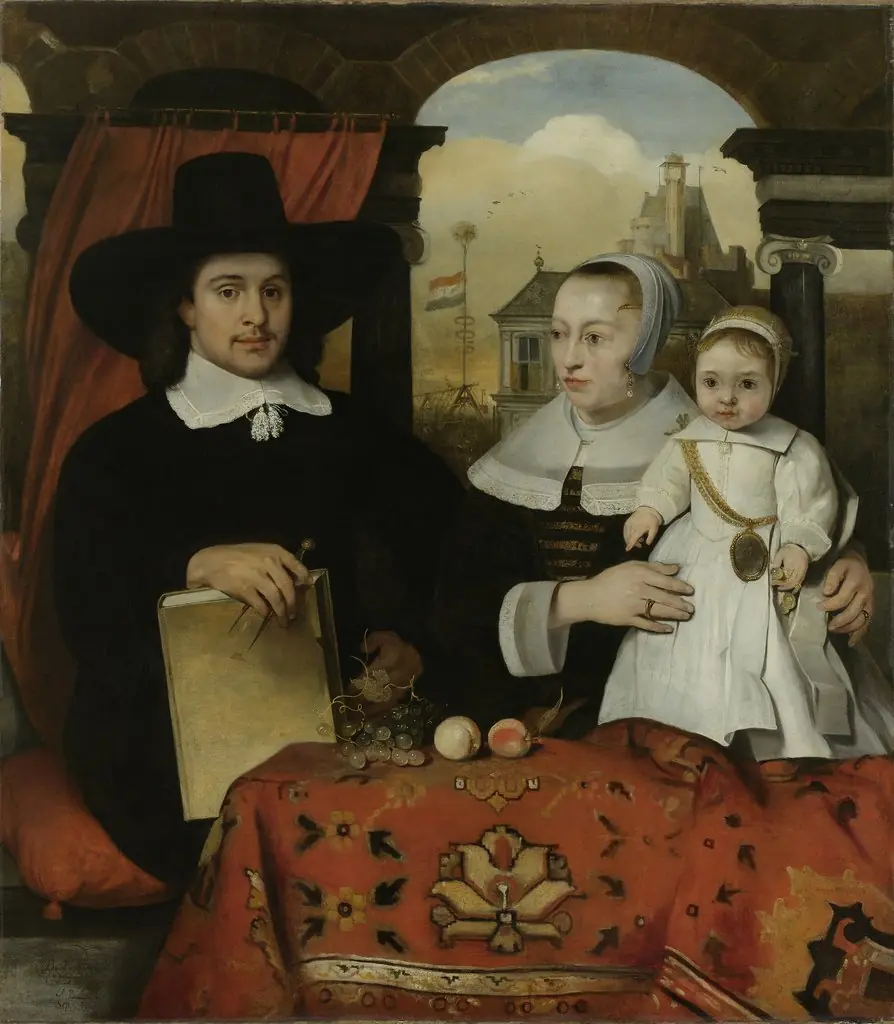
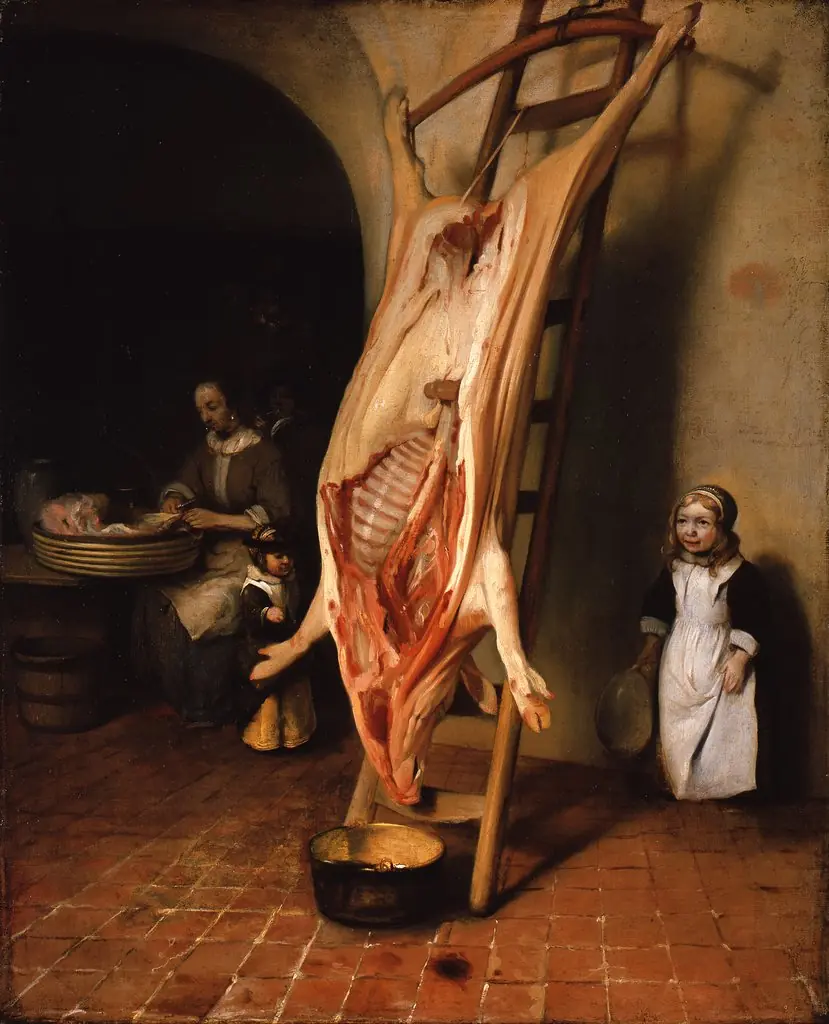
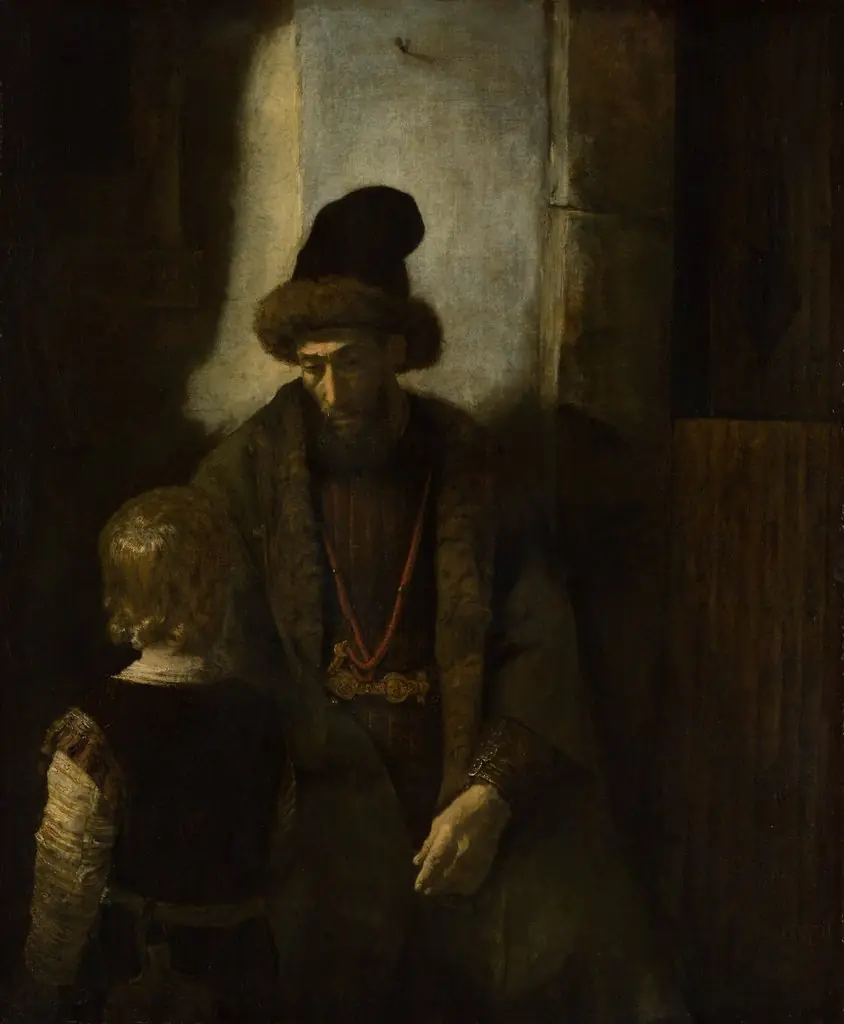
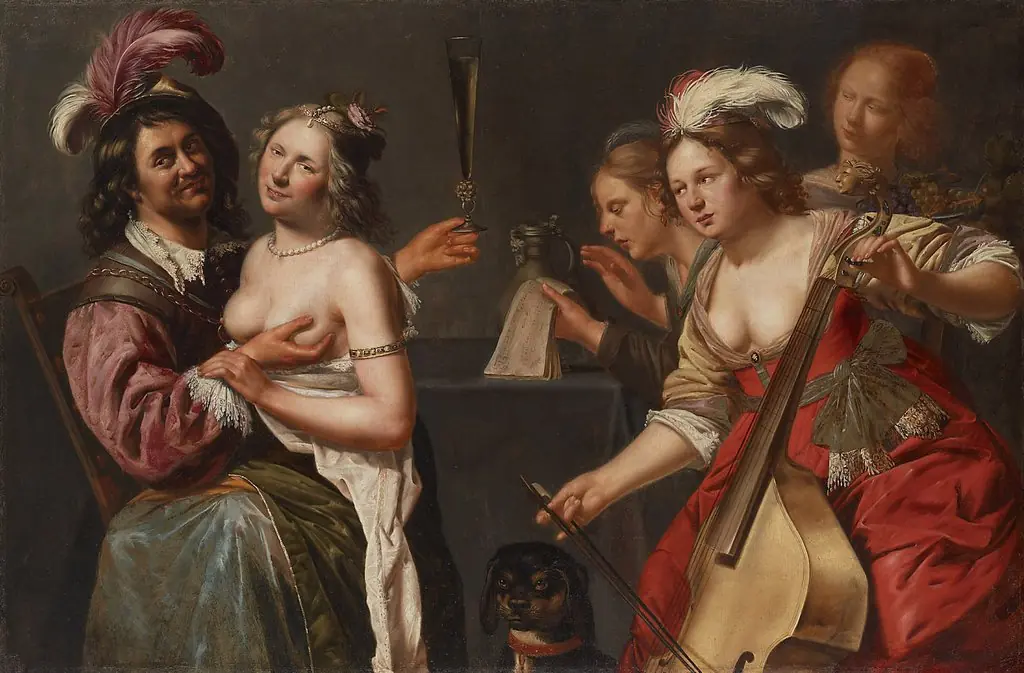
- The Prodigal Son and a prostitute
 Nuditet med mand og kvinde
 The Decapitation of St John the Baptist
 Salome Dancing for Herod
 Marte și Venus prinși în plasă de Vulcan
 Tavern Scene
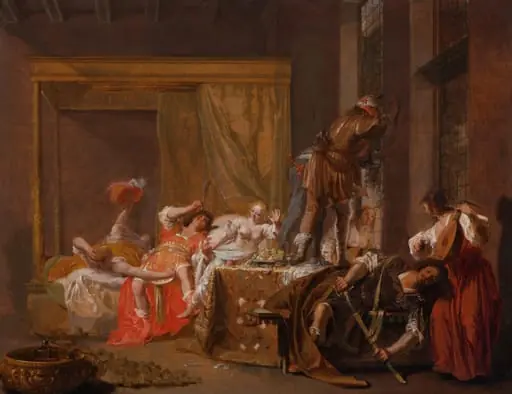 Scene from the Wedding of Messalina and Gaius Sillius
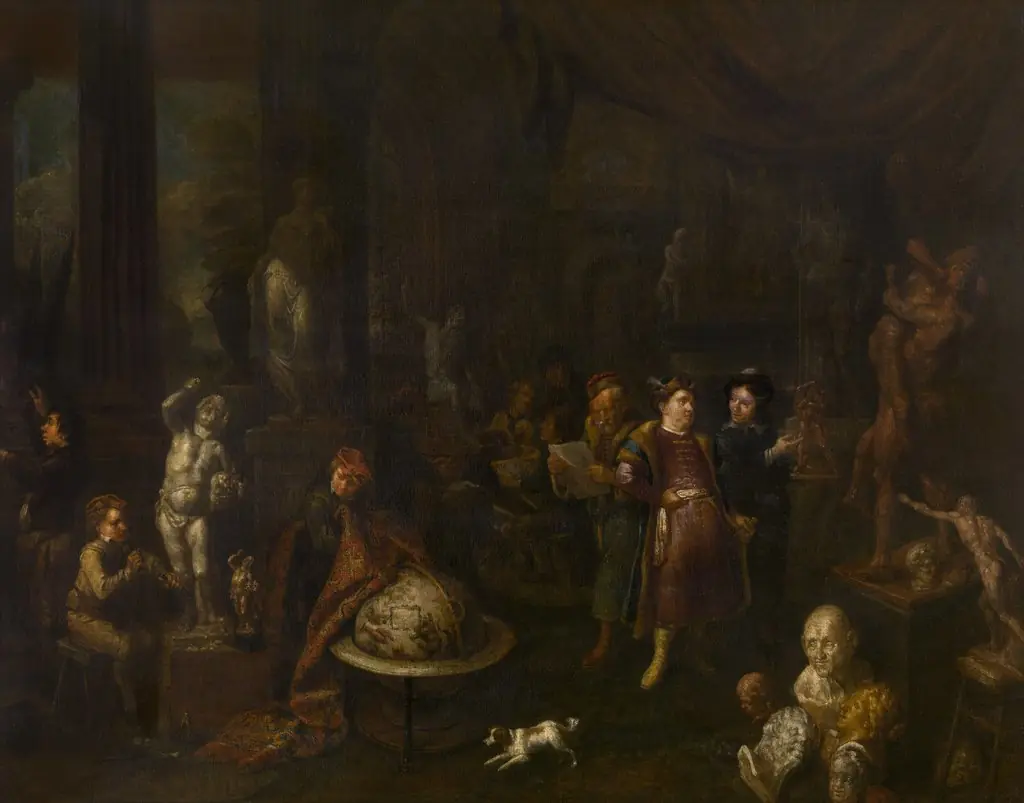 The Sculptors' Workshop
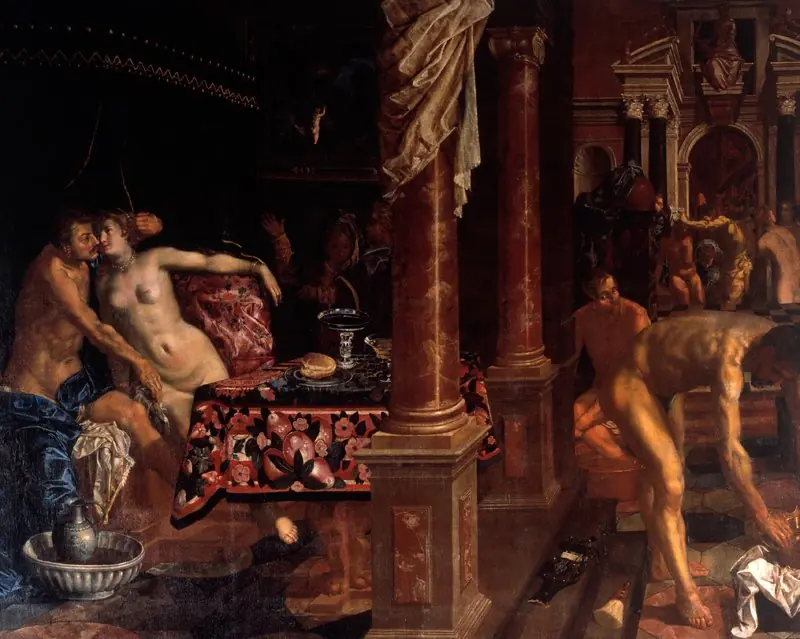 A Bathhouse
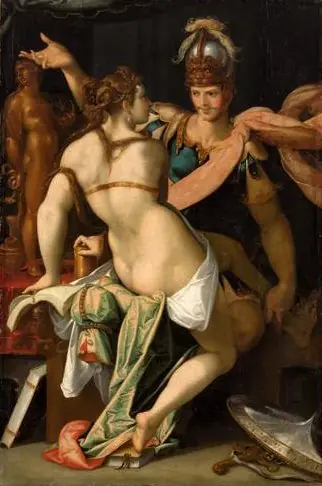 Ulysses and Circe
 Susanna and the Elders
 Party Scene